Archive for the ‘Uncategorized’ Category

Wielún, Poland

Members of the Boys were born in Wielún in Poland or spent time in the ghetto there.

The Boys were teenage and child-Holocaust survivors, who were brought to the UK after the war for rest and rehabilitation.

Members of the Boys were held in Nazi labour and concentration camps and used as slave labourers. They had also survived World War II in hiding or as lone children.
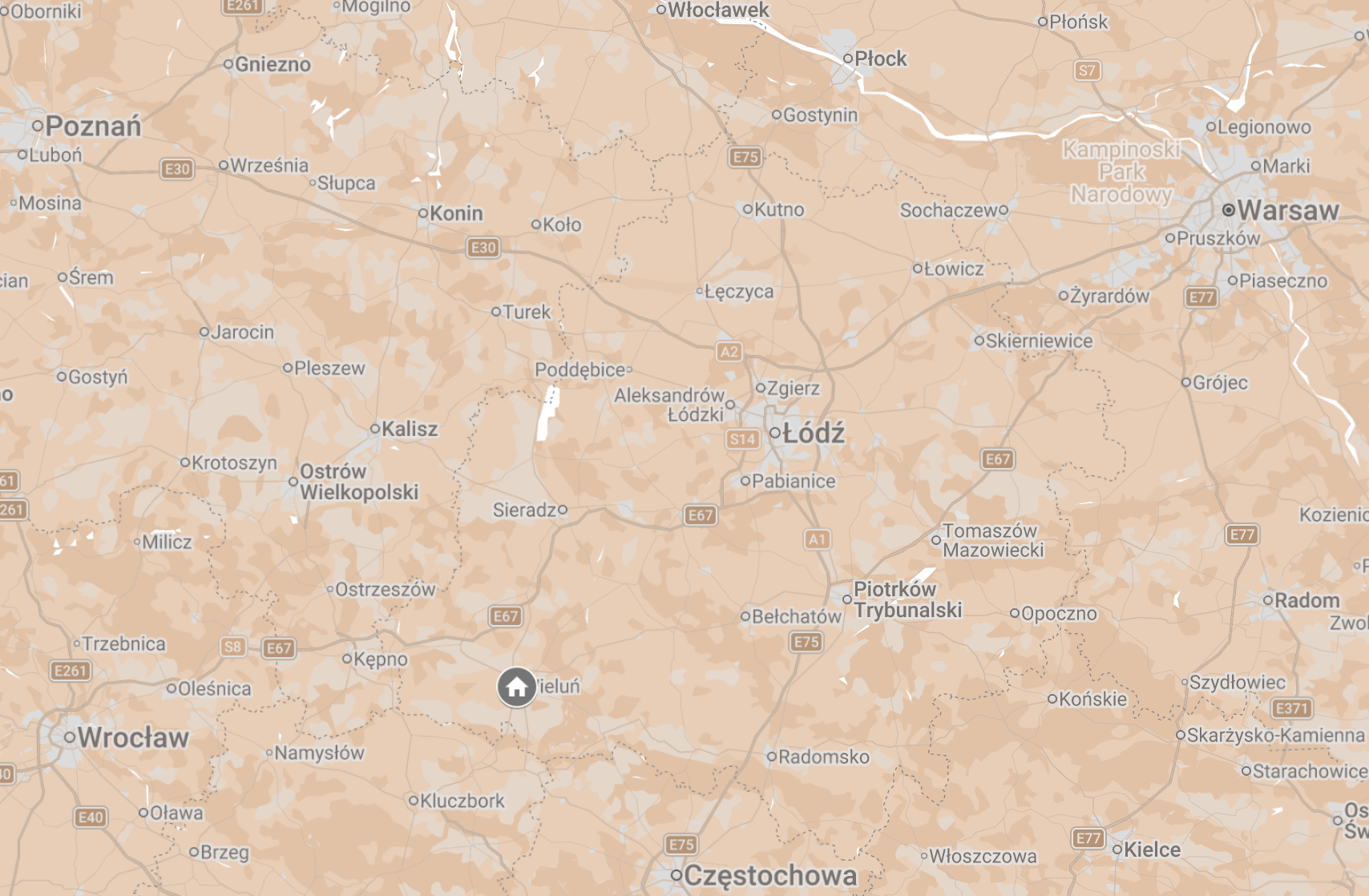
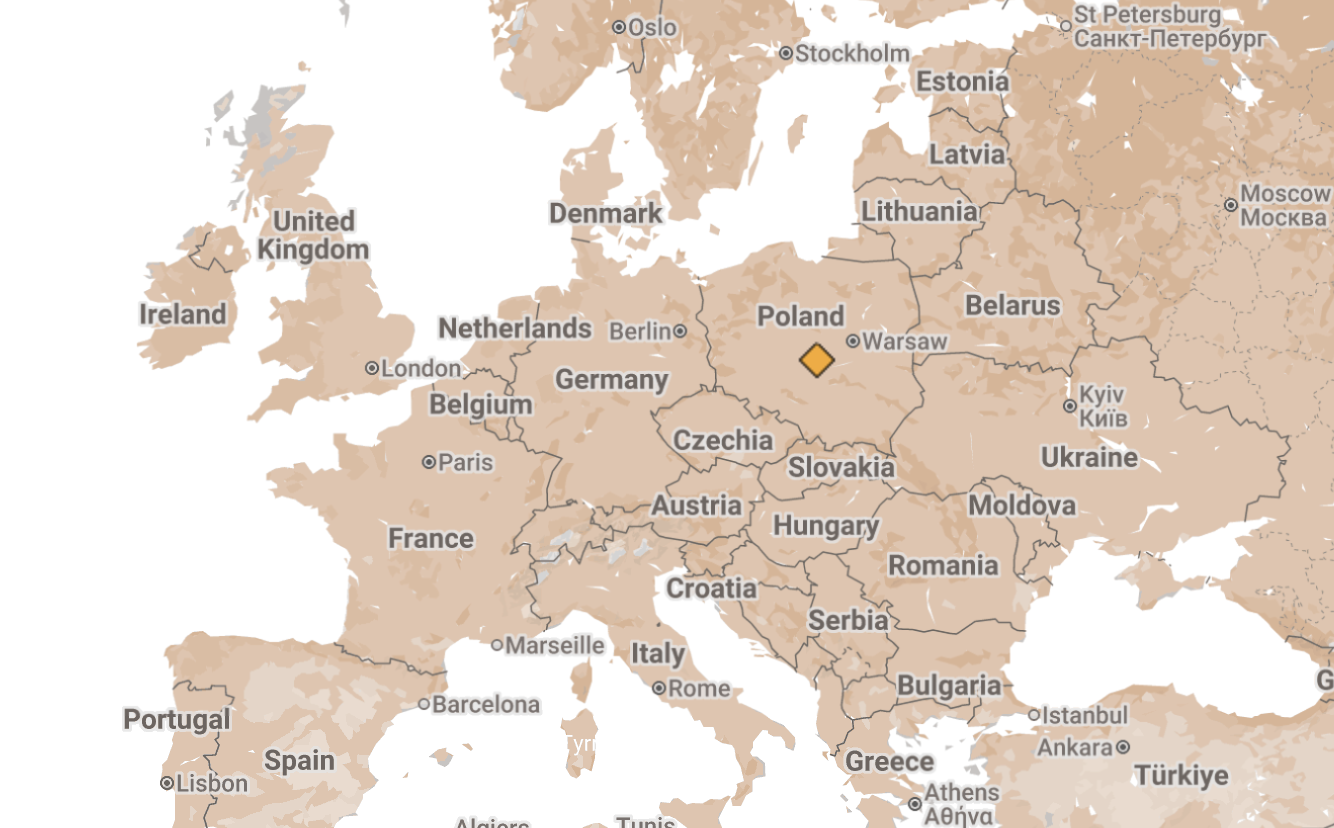
Map of Wielún.
Map of Wielún.

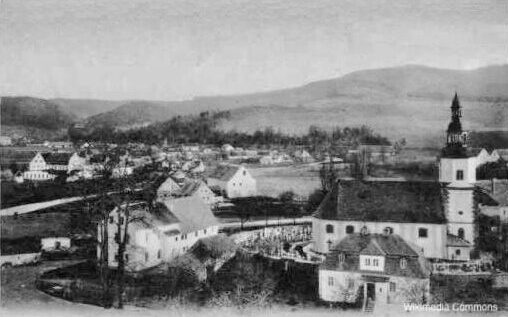
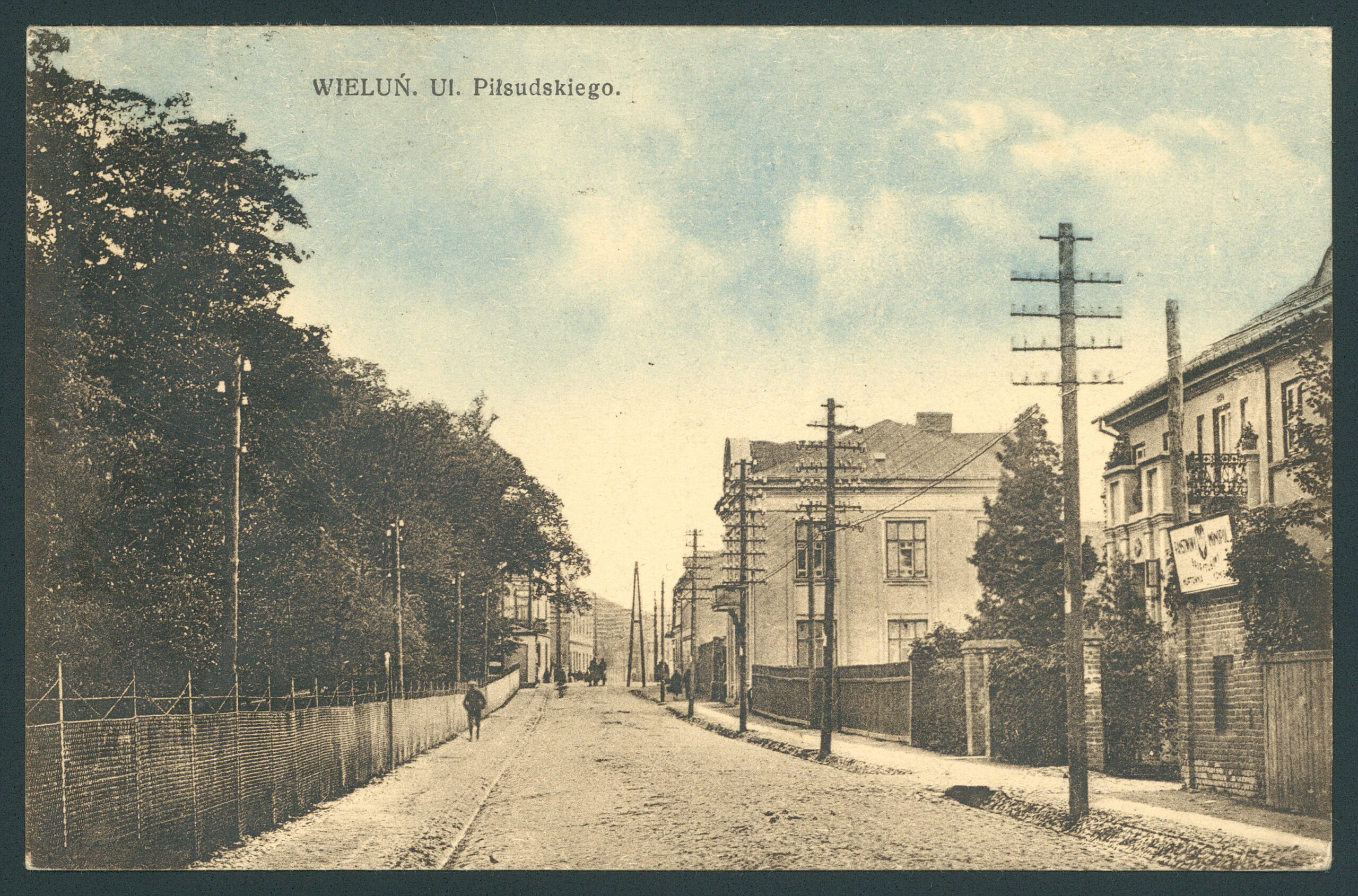
Wieluń is a historical town located in south-central Poland. The town of Wielun prosperous by pre-war Polish standards, and Wielun’s Jewish community was known to be well educated. “Wielun is a Crown” was a popular Jewish saying.

Wielún Key Facts

Country Pre-war: Poland

Country 1939-1945: Third Reich

Country post-1945: Poland

Yiddish name: Wilohn

German name: Welun

Location: 140km southwest of Łódź

Population 1939: Approximately 16,000

Jewish Population 1939: Approximately 4,200

Population 2026: Approximately 21,200 to 21,600. 

Jewish Population 2026: 0

Before World War II, Wielun was about 14km from the Polish-German border. Wielun had 16,000 inhabitants, 40% of whom were Jews. There was no German minority here, unlike in other cities in central Poland.
Background

The first record of Jews in Wielún dates back to 1537. Relations between Jews and Poles were tense and the Jewish community was eventually expelled. Jews only resettled in the town in the 18th century.

The Jews living in Wielún were artisans, tradesmen and merchants; some dealt in the production and sale of spirits. Relations with the Polish population, however, remained antagonistic and there were continued efforts to expel them until the late 19th century. 

In 1913, a family of eight Jews were burned alive in the village of Pontnev, near Wielún. Their home was reportedly set on fire by an antisemitic mob. This horrific attack made widespread headlines across Poland at the time, and highlights the dangers faced by Jewish communities in eastern Europe prior to World War I.

In 1919, in which Jewish shops were plundered in pogrom in Wielún.

Jewish Life in Wielún
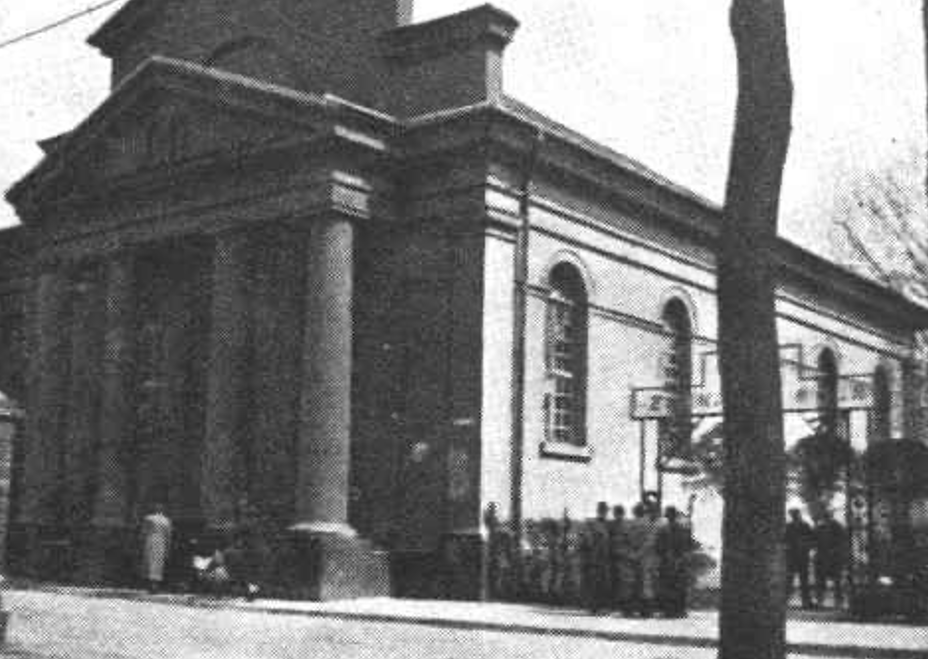
Wielún Synagogue, destroyed in 1939.

The Jewish community in Weilún had a lively cultural and religious life. In the interwar years, there was a Jewish Youth Club, the first ‘Hechalutz’, the farm for pioneer agricultural training for life in the Palestine Mandate, drama clubs, a choir, and the Jewish Scouts. The first Jewish gymnastics and sports club was set up in 1915, followed, in later years, by the sport clubs “Maccabi” and “Gwiazda” (Stern) and the popular Maccabi brass band, the latter a great favourite with the Jewish community.

In the interwar period, political life flourished in the Wieluń Jewish community. A full spectrum of Jewish political parties were active in the town. Two Jewish weeklies, Wieluner Tzeit and Wieluner Leben were published in Wielún, which had a variety of Jewish organisations among them schools and a library. 
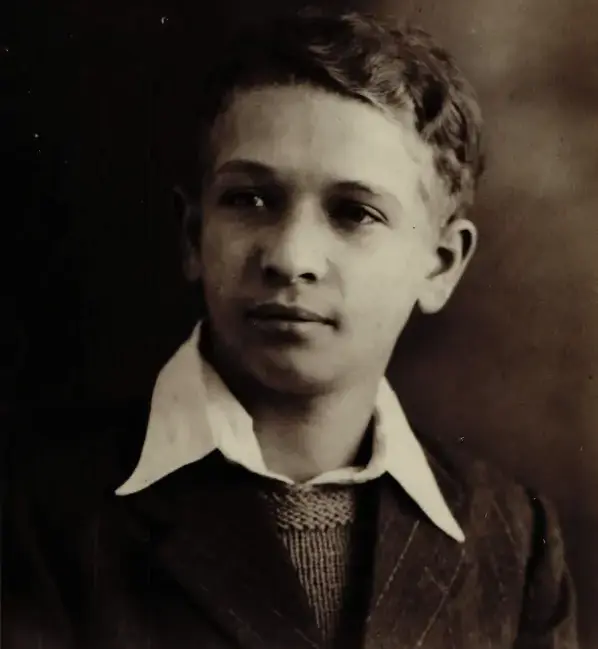
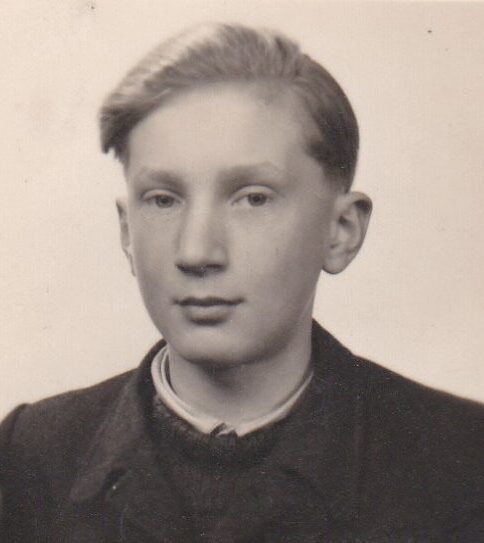
The brothers Jerzy and Artek Poznanski were born in Wielún.

World War II

Wielun was badly bombed on the first day of the German invasion of Poland (1 September 1939) and is sometimes referred to as the ‘Polish Guernica’. But the raid, at the beginning of World War II, is less well-known than the Nazi bombing of the Basque town two year earlier, during the Spanish Civil War — captured in Picasso’s masterpiece but was the first major bombing of World War II.
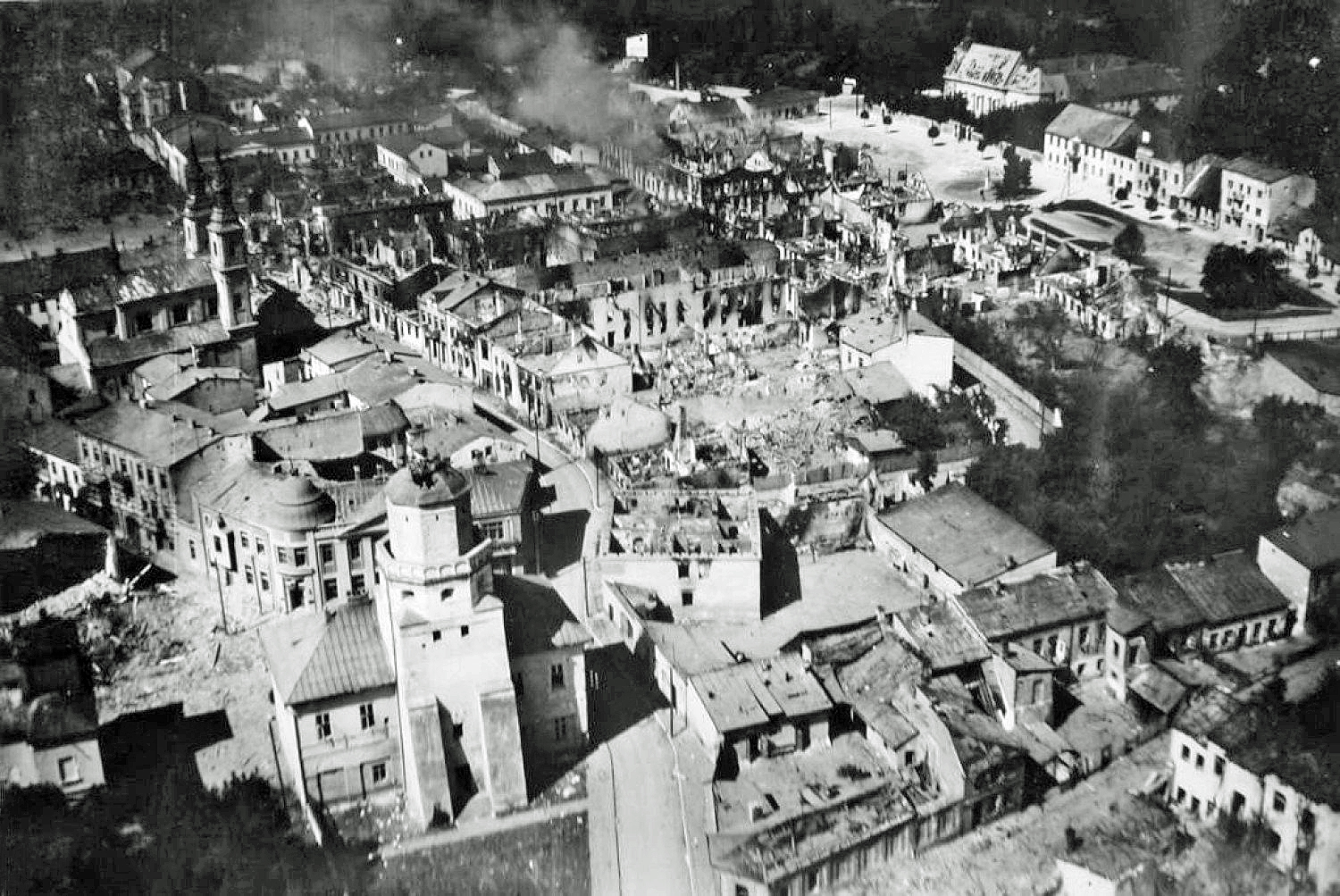
Destruction caused by the 1939 bombing of Wielún.

The exact number of victims has never been established. Estimates range from several hundred to more than 1,000.  The centre of the town, including the Jewish area around the market place was destroyed

The order to bomb Wielún was given by General Wolfram Freiherr von Richthofen, who also led the German unit that razed Guernica in 1937.

Wieluń was annexed to Nazi Germany on 8 October 1939 and placed under the administration of Reichsgau Wartheland.

In June 1940, the Germans expelled around 200 Poles, owners of villas, which were handed over to new German officials or converted to German offices. During the German occupation, a transit camp was operated in the town for Poles expelled from the region, who were then either deported to the General Government in the eastern part of German-occupied Poland or to forced labour in Germany and German-occupied France or sent as slave labourers to work for the new German colonists.

Wielún Ghetto

In the spring of 1941, the Germans established a ghetto. To find out more about the ghetto click here.

In August 1942, when they were nearly all of the Jews held in the ghetto taken to the extermination camp in Chełmno. Only 922 people, mainly those who were young and able to work were sent to the ghetto in Łódź.

Liberation

Wielún was liberated on 19 January 1945 by the Red Army.

A small group of up to 100 Jewish survivors try to re-establish a community in Wielun after their liberation. However, in the face of open — and sometimes violent — hostility on the part of the local Poles, they soon left the town, never to return.

There has been no Jewish community in Wielún since 1945. 

Visiting Wielún
>

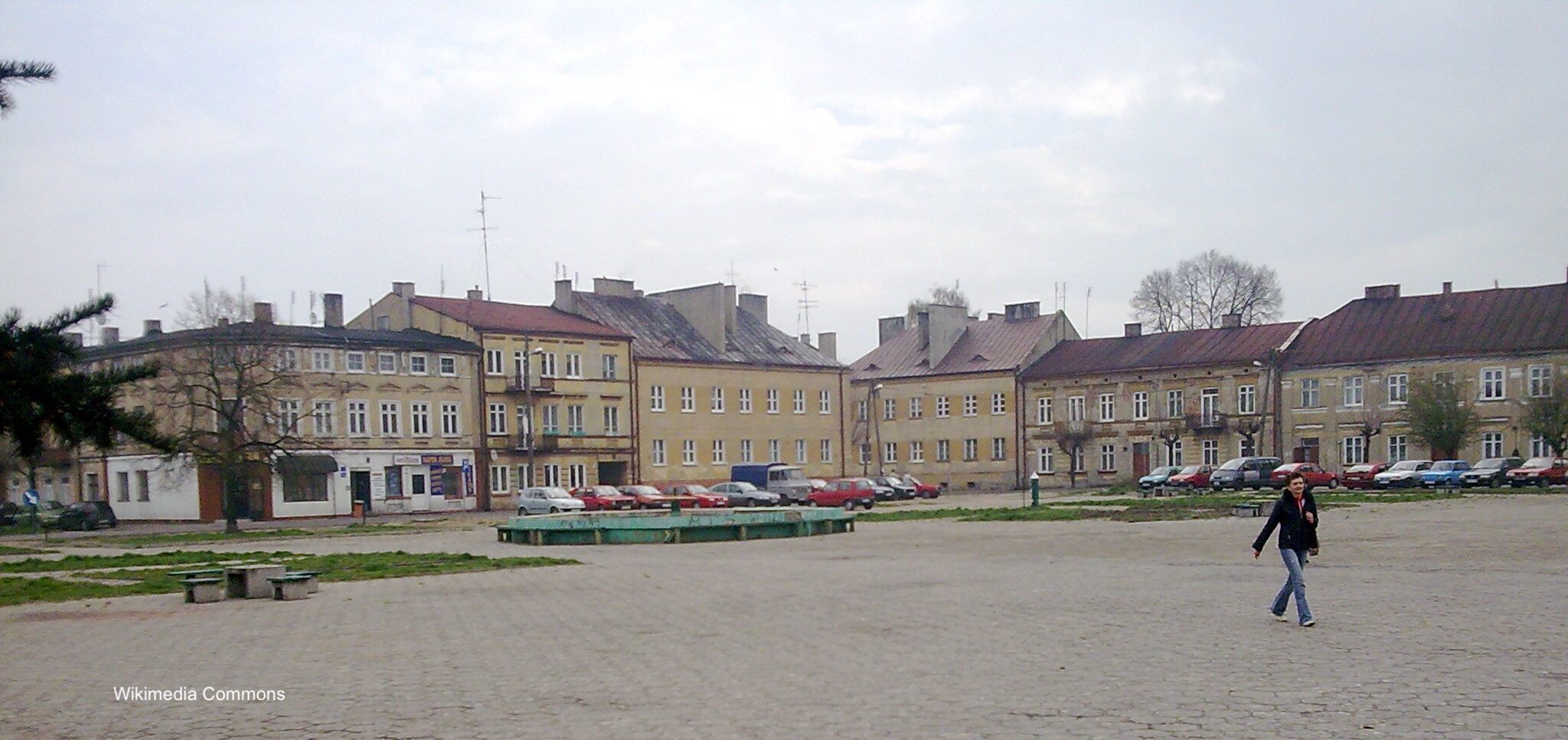
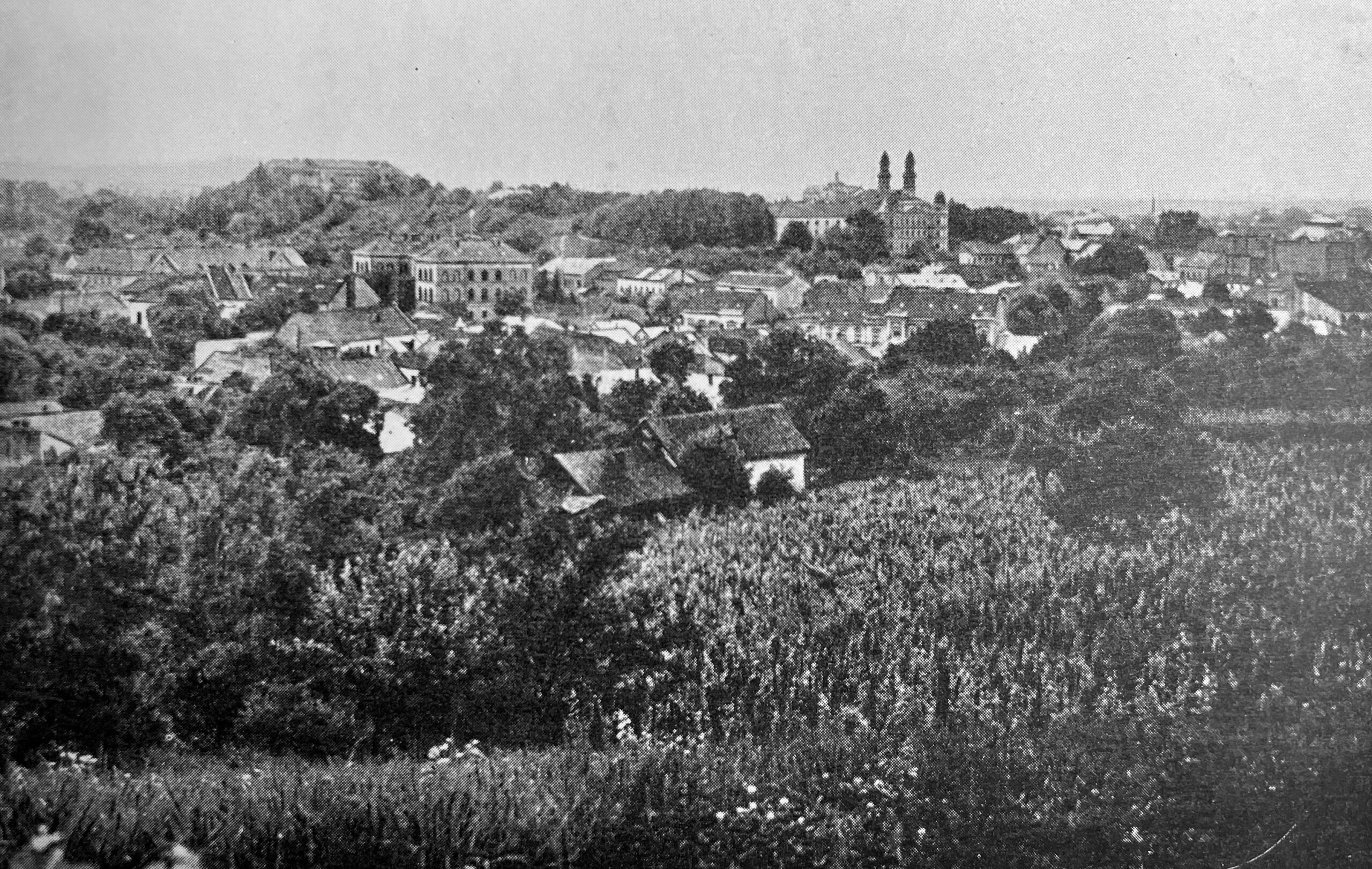
Wielún was gradually rebuilt after the war. Today, it is a bustling, beautiful city of 25,000 people with well-maintained streets and parks. It is proud of its identity as a former royal city founded in the 13th century.
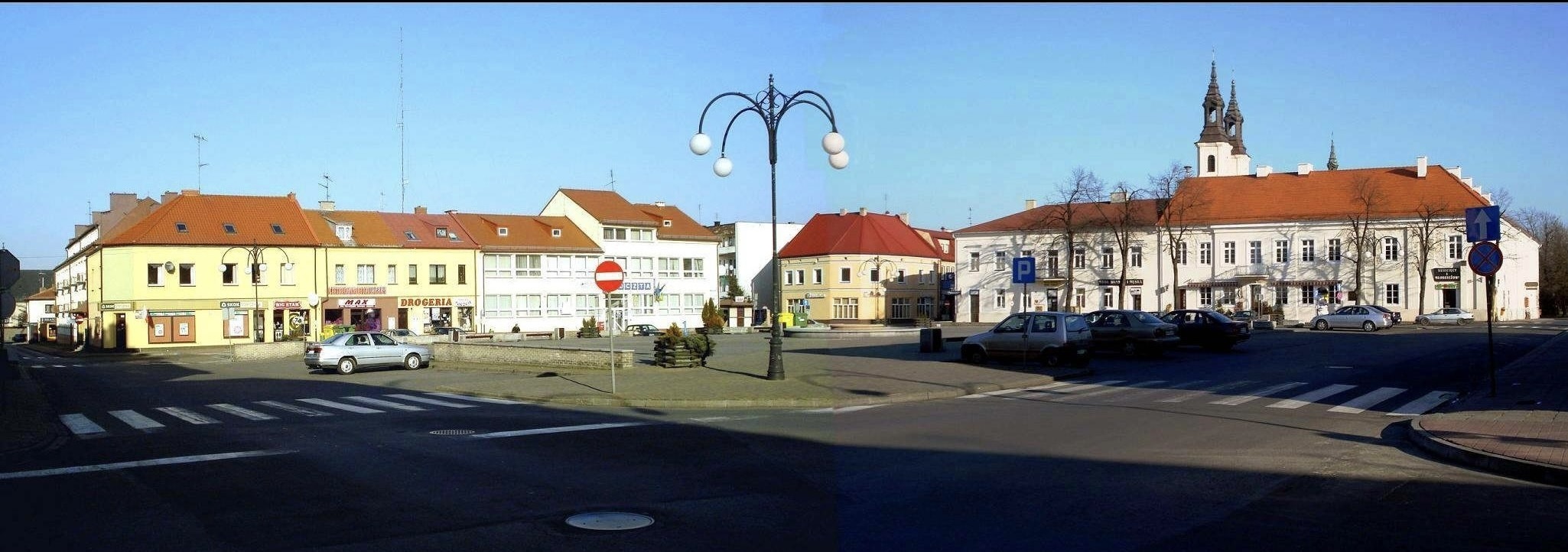
Wieluń
Wieluń centre

Getting there The fastest and most direct way to get from Warsaw to Wieluń (244km away) is by driving (approx. 2.5 hours) or taking a direct bus (approx. 3 hours and 15 minutes). There is no direct train route between the two cities. From Wrocław, 140 km away, you can take a bus or drive (approx. 1.5 to 2 hours).

Memorial The Synagogue Memorial is located at Henryka Sienkiewicza Street (formerly Żołnierska Street), nestled between the medieval town walls and the nearby parish.
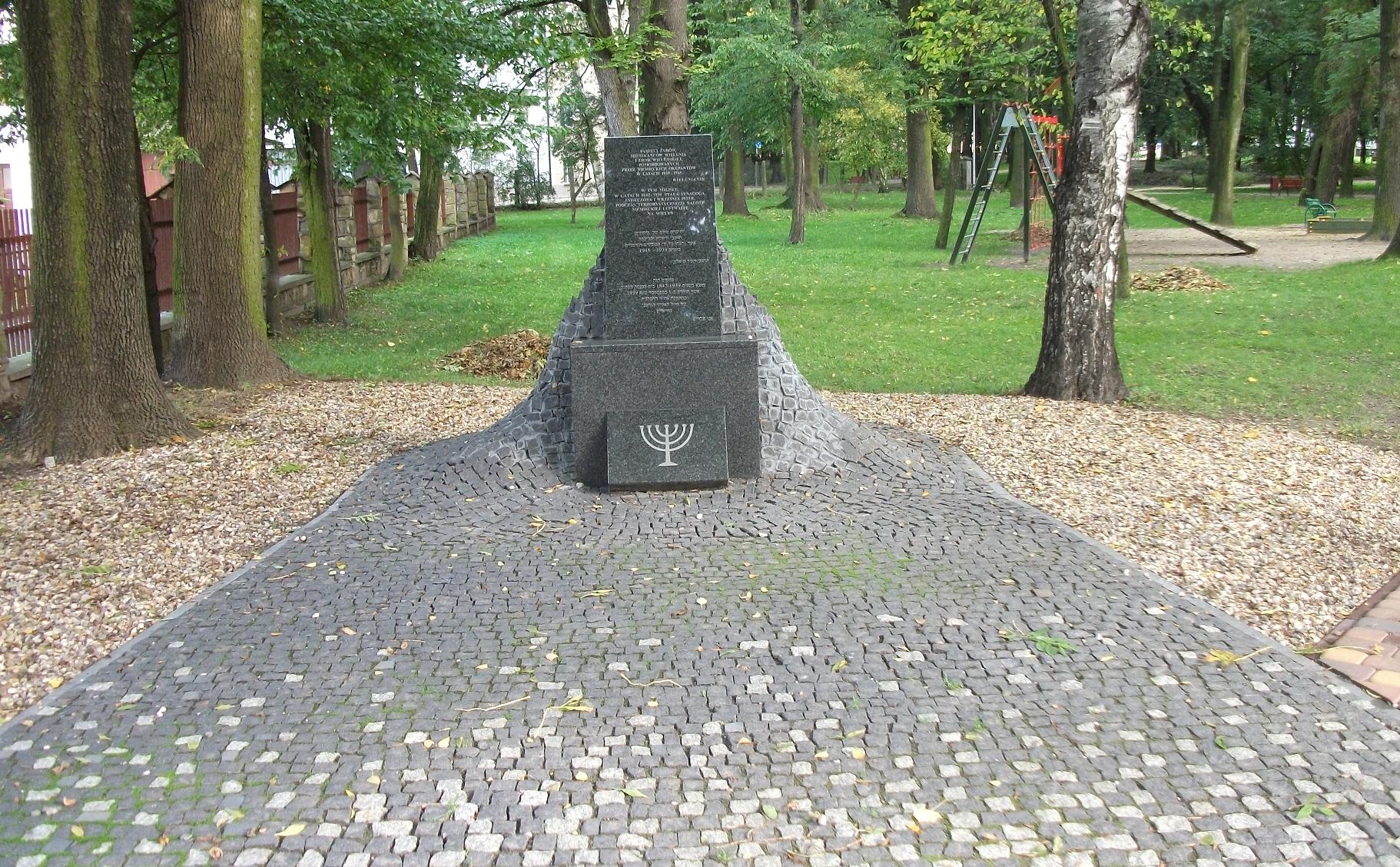
Wieluń Synagogue Memorial

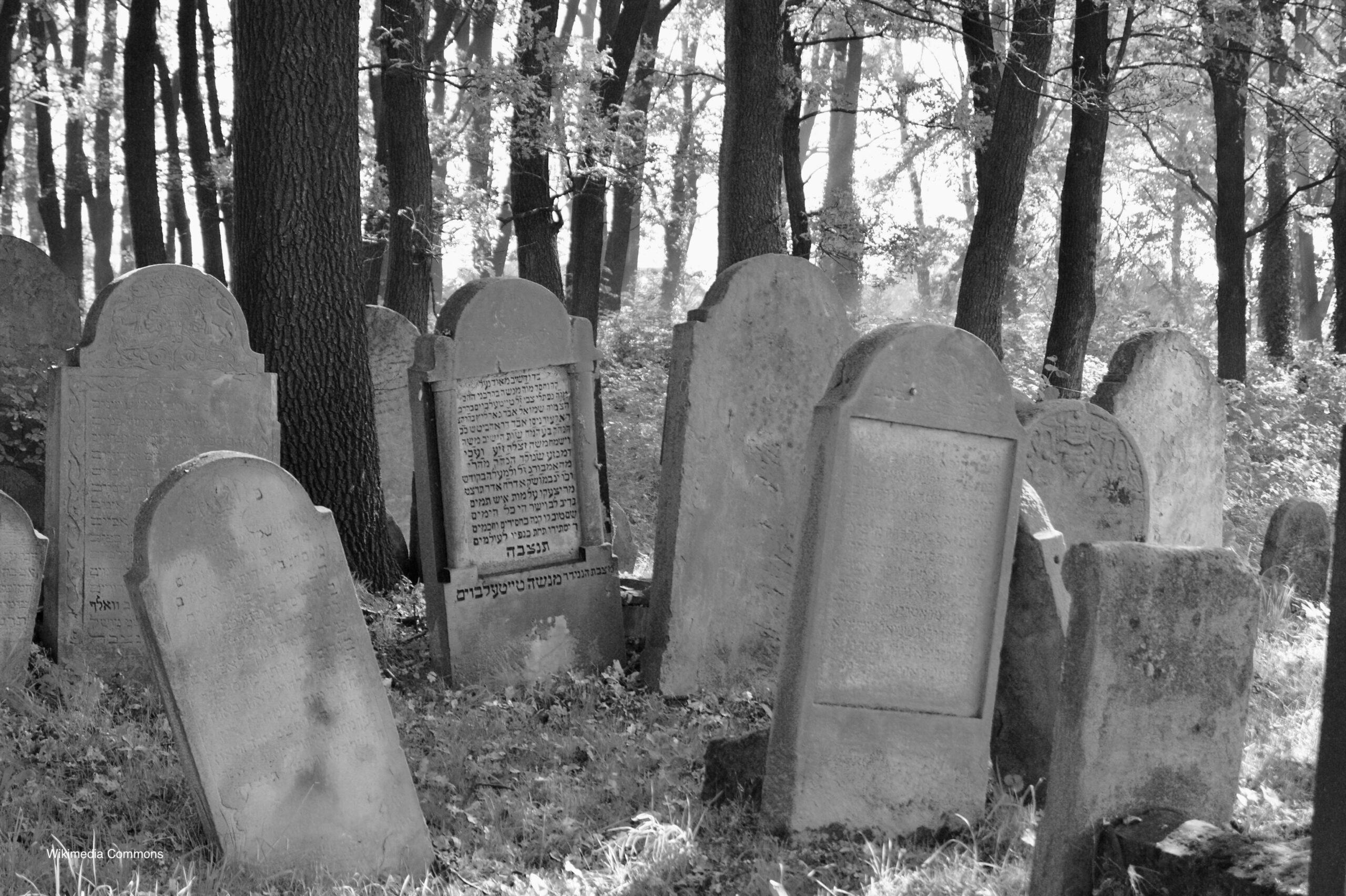
Ghetto Location The ghetto was located in the area between Kilińskiego, Krakowski Zaułek, Targowa, and Plac Targowy Streets.The Jewish cemetery site (located off Kijak and Graniczna Streets) was largely destroyed, heavily overgrown, and now features a memorial monument for Holocaust victims
Ozorków, Poland

Members of the Boys were born in Ozorków in Poland.

The Boys were teenage and child-Holocaust survivors, who were brought to the UK after the war for rest and rehabilitation.

Members of the Boys were held in Nazi labour and concentration camps and used as slave labourers. They had also survived World War II in hiding or as lone children.

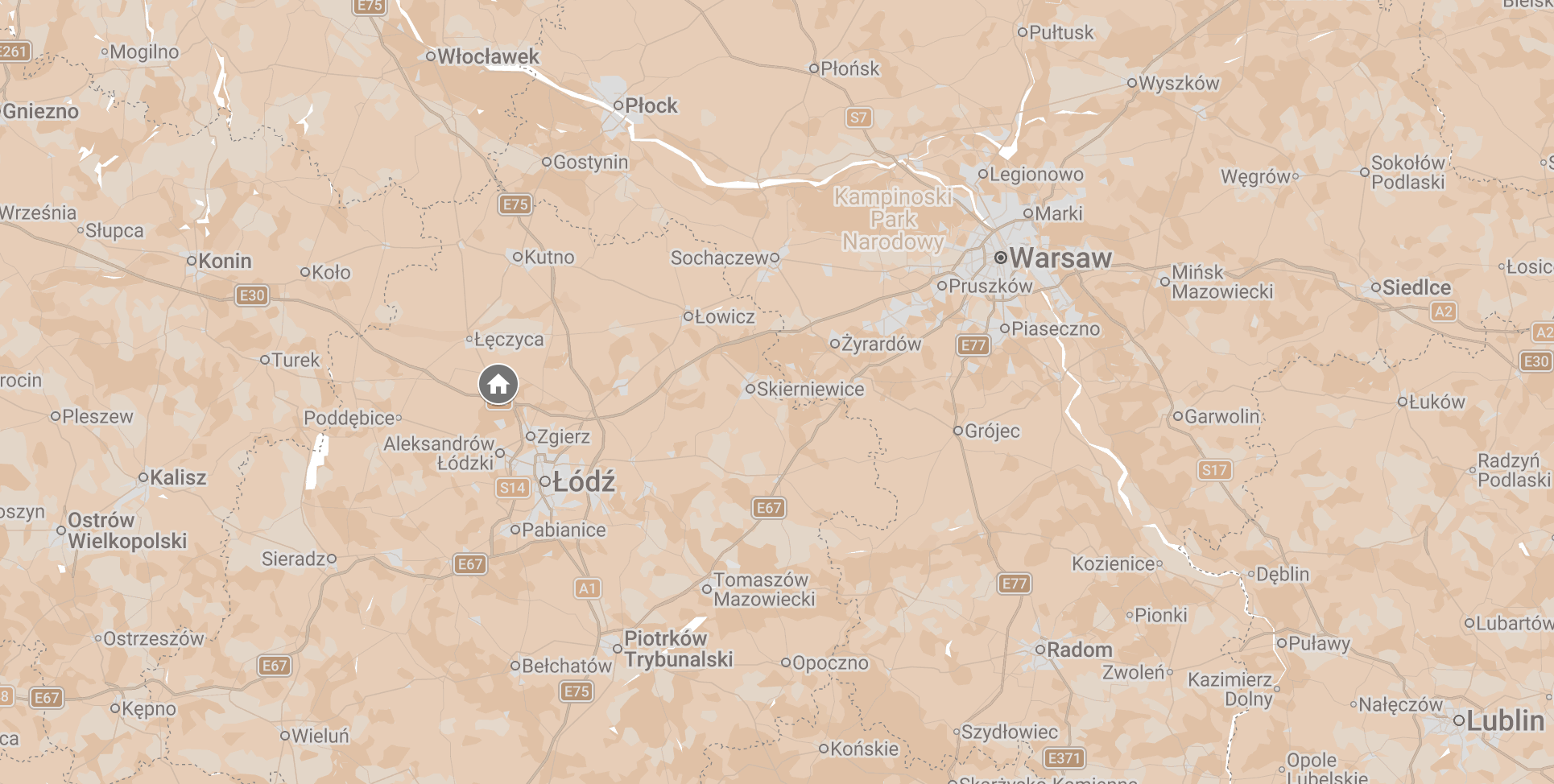
Ozorków is indicated by the house symbol.

Ozorków, was the home of Bob Obuchowski. The town was one of the key manufacturing centres of the Łódź textile district.

At the outbreak of World War II, it had about 15,000 inhabitants including just over 5,000 Jews; the others being about equal numbers of ethnic Germans and Poles.

Ozorków Key Facts

Country Pre-1939: Poland

Country 1939-1945: German Reich

Country Post-1945: Poland

Location: 32km (20 miles) northwest of Łódź.

German name: Brunnstadt.

Population 1939: Approximately 15,000

Jewish Population 1939: 5,000-5,500

Population 2026: Approximately 17,122 to 17,643

Jewish Population 2026: 0

Background

Ozorków was founded in 1807 and Jewish merchants and tradesmen soon settled there attracted to the town by its growing textile industry.

Prior to World War I, Ozorków was part of the Russian Empire. Until the outbreak of the First World War, textiles were exported to Russia.

Interwar Years

After World War I when the new Polish state was established, Ozorków manufacturing lost Russian markets, which caused an immediate decline in the number of employees in the factories. As a result, living standards in the town deteriorated drastically. Many Jews left for nearby Łódź or emigrated.

The 1929 depression caused a definitive turn for the worse. In October 1937, the tensions caused by the difficult economic conditions came to a boil and resulted in antisemitic riots and boycotts of Jewish shops. The events significantly worsened the economic situation and living conditions of the Jewish population.

The antisemitic atmosphere increased in Poland during the 1930s. The town council elected in 1934, in which the majority was from the government party (Sanacja), refused to provide social assistance to the Jews. During that time, attacks on the Jews increased, often ending in fatalities. When the Jews who had been attacked attempted to demand their rights in court, it often ruled against them.

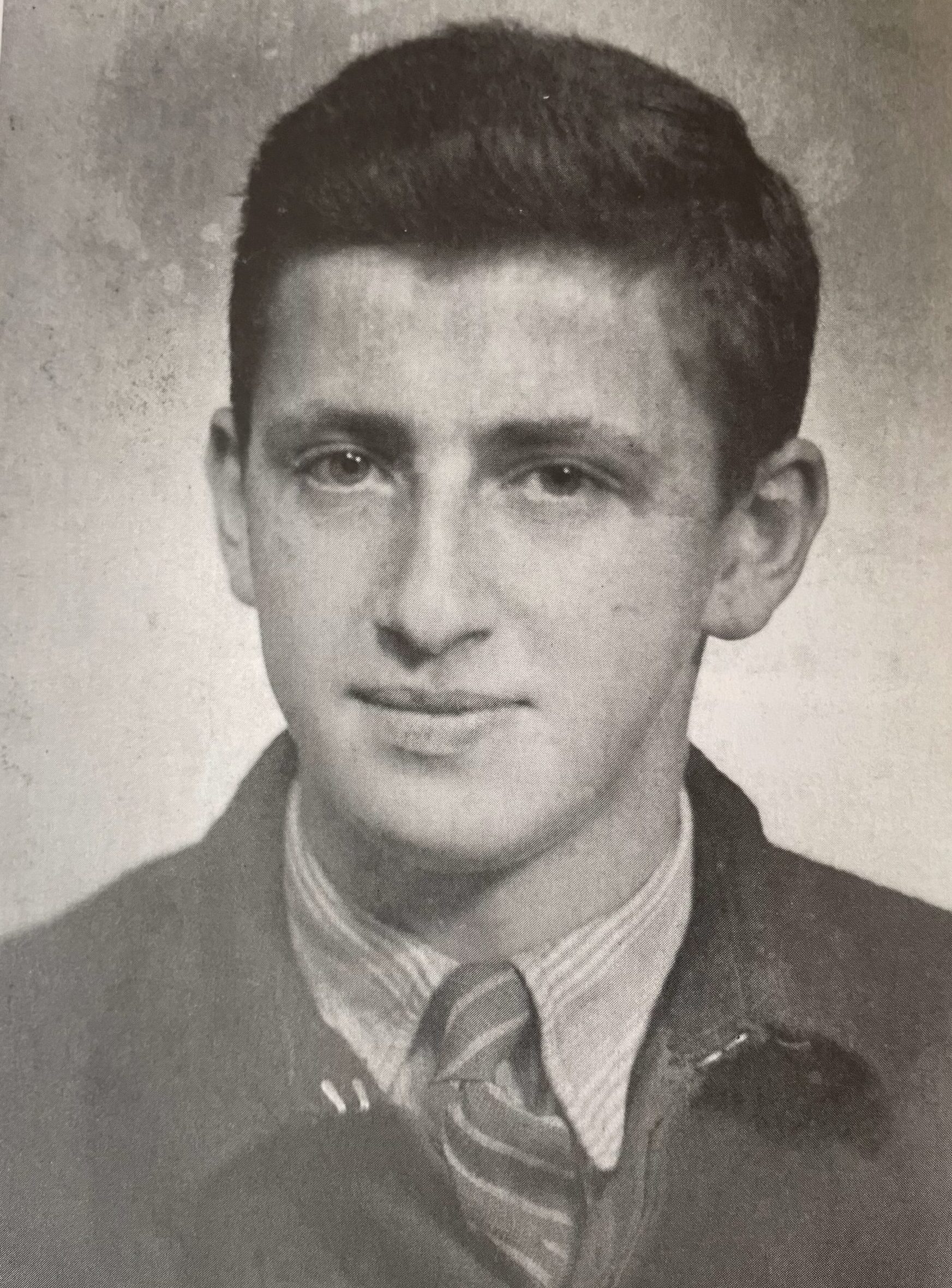
Bob Obuchowski recalled his childhood experiences in an interview with the Imperial War Museum in 1995. He experienced antisemitism as a young boy on the way home from school.
“Well, we lived in a little bit out of the centre of the town. So it meant that, being a small community, it wasn’t too bad regarding to racial discrimination. But nevertheless, we still had to be careful how we walked home from school late afternoons because there was always harassment.
There was always somebody that started with us. I was fortunate. I was fairly strong and big, so they were careful not to start with me. But there was many, many instances where I had to go and help because, for no reason at all, they just started throwing stones and various other things at us … But the help that I had was that my brother was quite older than me. And it happened that he looked after me.” 

Jewish Life in Ozorków

Jews formed a vibrant part of life in Ozorków and were integrated into the textile industry.

The town featured two large synagogues, a Bet ha-Midrash, and several Hasidic prayer houses (shtieblach). Culturally, the community was very active, with multiple Zionist and religious political parties, Jewish public libraries, drama circles, and sports societies like Maccabi.

The city was also a centre for Jewish learning with many prominent rabbis. A wide variety of Political organisations was represented in the Jewish community in the interwar years among them Orthodox political parties, the socialist Bund and Zionist organisation.

World War II

Fierce battles took place in Ozorków in September 1939 after the German invasion of Poland. The Germans finally took control of the city on 5-7 September.

Jews from other towns— among them Kalisz and Zgierz— arrived in Ozorków soon after the occupation.

In the days that followed, the Germans burnt down the synagogue and Bet ha-Midrash. The Jews were prevented from putting out the fire, and were ordered to take down the walls of the burned synagogue. The Nazis began to hunt for Jews and sent them to forced labor – among other things, to bury the many bodies around the city. After the German occupation in September 1939, the Polish and German populations turned openly against the Jews.

In 1940, the Germans expelled hundreds of Poles from the town, and also established a transit camp at the local cinema for Poles expelled from the area. Young people were then deported from the camp to forced labour in Germany, and children and older people were deported to the General Government (German-occupied central Poland), while their homes, shops and workshops were handed over to German colonists.

Ozorków Ghetto

At the end of 1939, the Jews were evacuated from the main streets in the town centre and ordered to move to alleyways that were assigned for them. They were not allowed to take anything with them. The adut Jews were not allowed to work so often young children became the family breadwinners.

“I tried to earn some money by delivering coal. I made myself up a little barrow. And I also had a cousin, who arrived from Lódź to live with us. And the two of us were trying to get customers to deliver coal to the Polish people.
But as there was also Polish boys doing the same job, there was a lot of victimisation. One day it was so bad that we finished up in a fight, and I got knifed.
It was very cold. I didn’t even feel the way he cut my stomach. But I felt blood.
And they rushed me to hospital, and I had a few stitches on my stomach. I’ve still got the scar.”
Berek Obuchowski, Imperial War Museum testament 1995.

A hunt for Jews hiding in the town was carried on Purim, 1940. The Nazis often carried out punitive actions on Jewish festivals. Men, women, and children were brought to the courtyard of the police station, where the Nazis burned a Torah scroll and forced the Jews to dance. (To find out more about the festival of Purim click here).

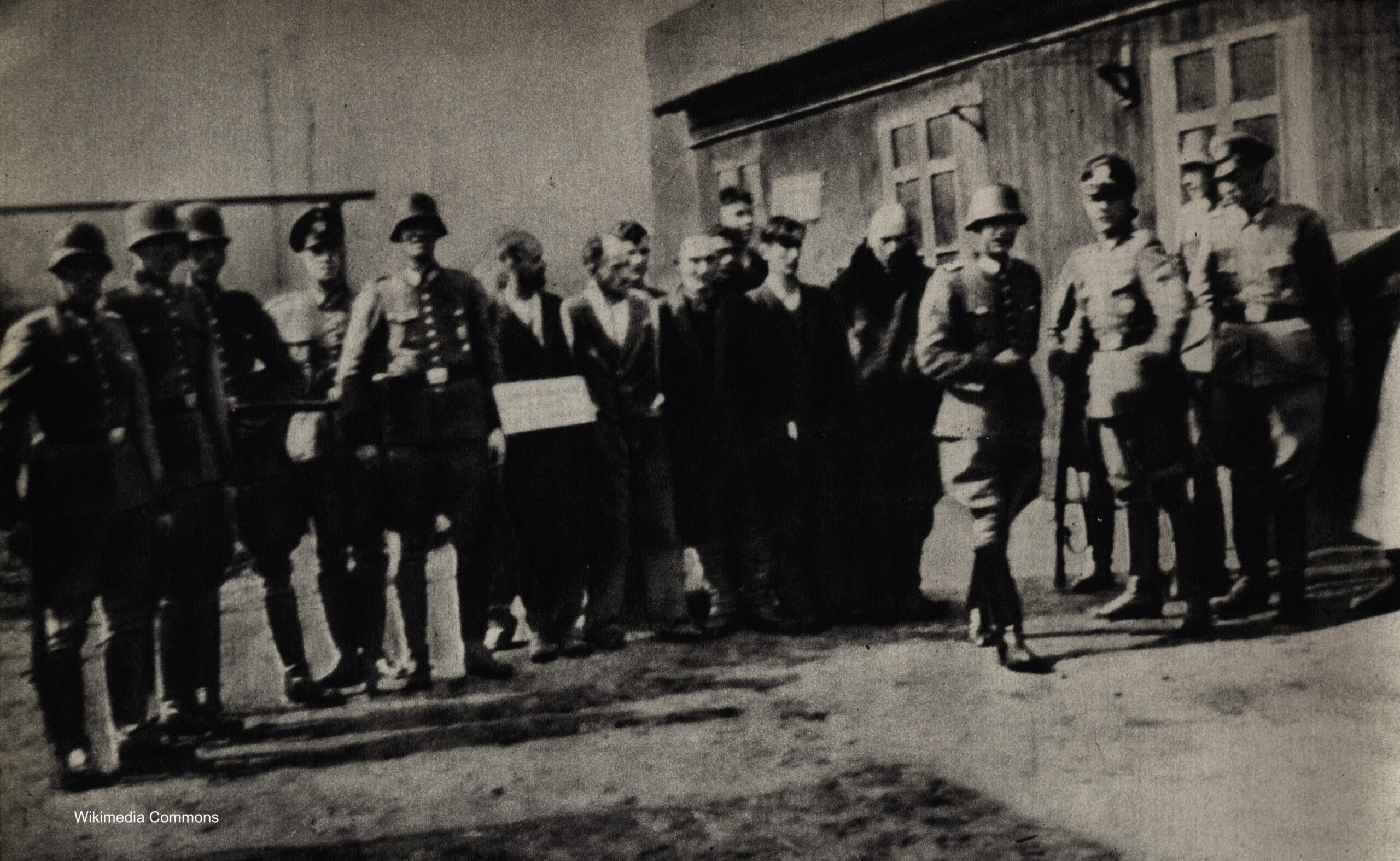
Execution of Jews in Ozorków, 1942.

By the summer of 1941 an open ghetto had been established. About 6,000 Jews were held in the ghetto in Ozorkow. Living and sanitary conditions in the ghetto were harsh; food and space were both in short supply. Only limited medical assistance was available, and according to one source, about 150 people died, most of them from typhus.

The ghetto’s Jews, including children as young as 10, were employed to clean streets, working on fortifications along the Bzura River, and producing uniforms for the Wehrmacht. Work outside the ghetto provided an opportunity to obtain a little extra food by bartering or scavenging, but most work details were closely guarded, allowing little or no contact with local non-Jews. Although, There is some evidence that a few Poles brought food to Jewish neighbours in the ghetto.

In the spring of 1941, several hundred young Jews (especially those aged between 17 and 21) were rounded up and sent to forced labour camps near Gdansk and Poznan.

Ghetto Liquidation

In April 1942, the first step in liquidating the ghetto was the execution of Jews accused of assisting in the escape of a Jewish woman. The Germans ordered for all the residents of the Ozorków ghetto to witness the execution.

Immediately after the hangings on 21-23 April, all the Jews were taken to an open field and forced to march to the “white school” located outside the ghetto, where they were surrounded by armed Polish gendarmes and SS men. The Jews were ordered to undress. After a quick examination by German doctors, their bodies were marked: the young and strong with the letter “A,” and all the rest with a “B.” The marks could not be washed off.

The Germans deported 1,700–2,000 Jews, mostly children, the elderly, and women, who had been marked with a ‘B’ to the Nazi extermination camp in Chełmno (Kulmhof).

After the action, about 1,000 Jews remained in Ozorków and were used for hard labour until August 1942. On 20-21 August, German guards surrounded the ghetto and the Jews were transported to the Litzmannstadt Ghetto by tram.

A handful of Jews remained in the ghetto for a few more days to clean it up and prepare the Jewish property for shipping to Germany.

After the war, close to 30 Jews lived in Ozorków for a short period of time.

The Obuchowski Family
Visiting Ozarków
>

Getting there Ozorków can be reached by train, car, or bus using the nearby city of Łódź or Warsaw as your transit hubs. Ozorków sits 30km north of Łódź and 160km west of Warsaw.
Today, Ozorków has lost its former industrial character.

Plac Jana Pawła II, Ozorków.

Jewish Area

The Jewish population of Ozorków settled down mainly in the vicinity of (today) Jana Pawła II Square (the former Old Market) and the streets of Berka Jeselewicza, Listopadowa, T. Kościuszki, I. Starzyńskiego and Ks. Kardynała S. Wyszyńskiego.

Ghetto Location

The ghetto was located in the Wiatraki suburb along Partyzantów, Polna, and Krasicki Streets.

Synagogue

The Great Synagogue was on Ks. Kardynała Stefana Wyszyńskiego Street (formerly Marszałka J. Piłsudskiego). It was completely destroyed during World War II. Initially, the Germans vandalised the building and then blew it up. The rubble was used for repair and construction work in the town. A post office building now stands on the site.

Jewish Cemetery

The site is located at the corner of Sosnowa and Graniczna streets. The cemetery is in the forest and overgrown. The area is unfenced and unmarked.

Czechoslovakia Key Places

Members of the Boys were born in Czechoslovakia.

The Boys were teenage and child-Holocaust survivors, who were brought to the UK after the war for rest and rehabilitation.

Members of the Boys were held in Nazi labour and concentration camps and used as slave labourers. They had also survived World War II in hiding or as lone children.

Czechoslovakia Key Facts

The lands that made up the interwar state of Czechoslovakia are now Czechia, Slovakia and Zakarpattia Oblast in Ukraine.

Capital: Prague

Population 1938: Approximately 14,800,000

Jewish Population in 1938: Approximately 357,000,

Present-day Population of Czechia: Approximately 10,530,000

Present-day Jewish Population of Czechia: Estimated 3,500

Present-day Population of Slovakia: 5,450,000

Present-day Jewish Population of Slovakia: Approximately 2,600 to 3,500

Present-day Population of Zakarpattia Oblast: Approximately 1,250,000

Present-day Jewish Population of Zakarpattia Oblast: Under 1,000

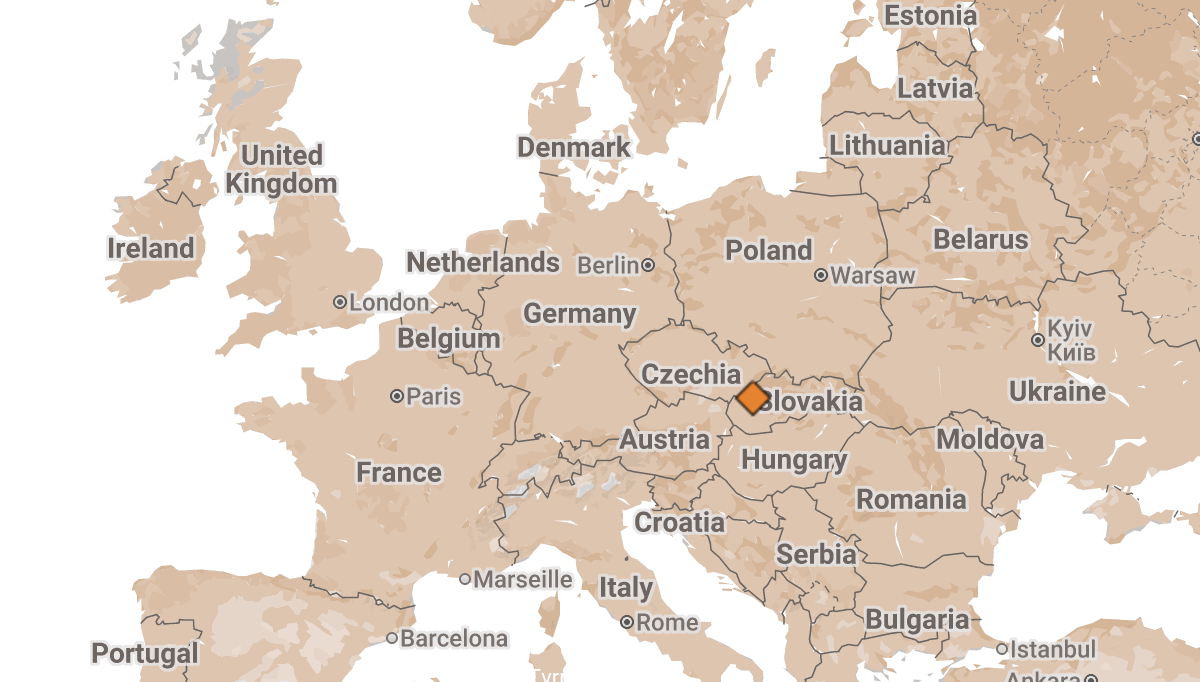
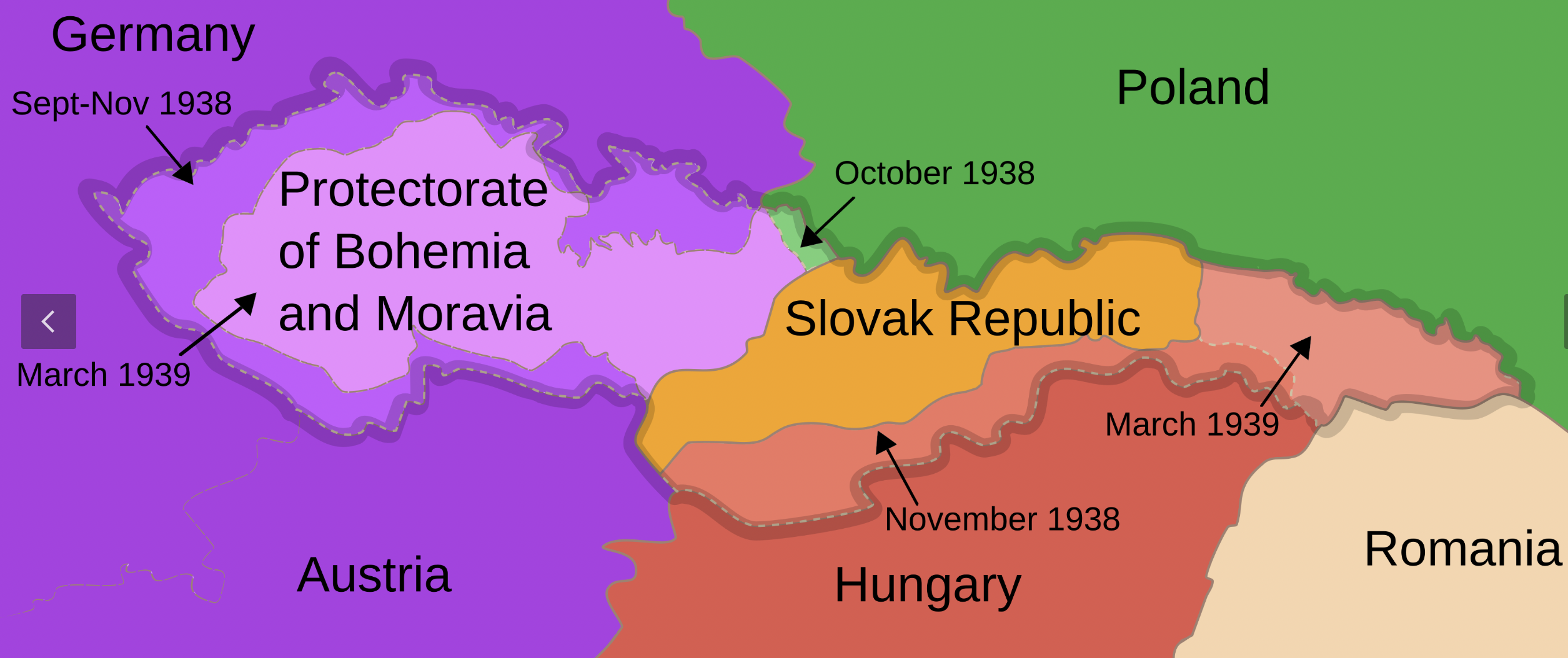
Map of Modern-day Czechia & Slovakia.
Modern-day Czechia & Slovakia.

In the interwar period Prague was the capital of Czechoslovakia. It now the capital of Czechia. Bratislava is the capital of modern-day Slovakia. The most important Jewish city in interwar Transcarpathia was Munkács, now Mukachevo in Ukraine.


Partition of Czechoslovakia

The partition of Czechoslovakia was orchestrated in steps by Nazi Germany through military and diplomatic coercion, ultimately destroying the democratic First Czechoslovak Republic.

Ghettos & Camps

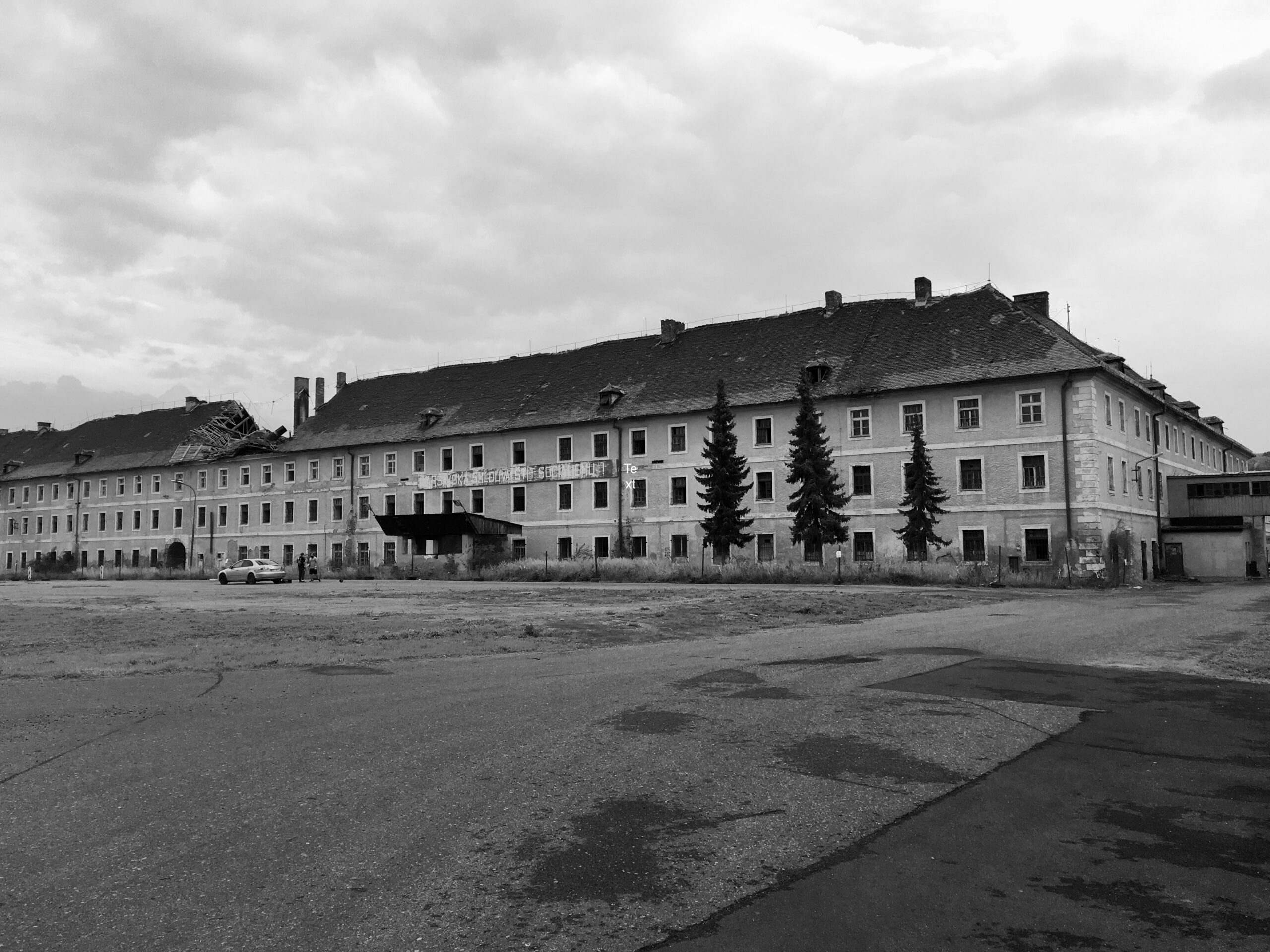
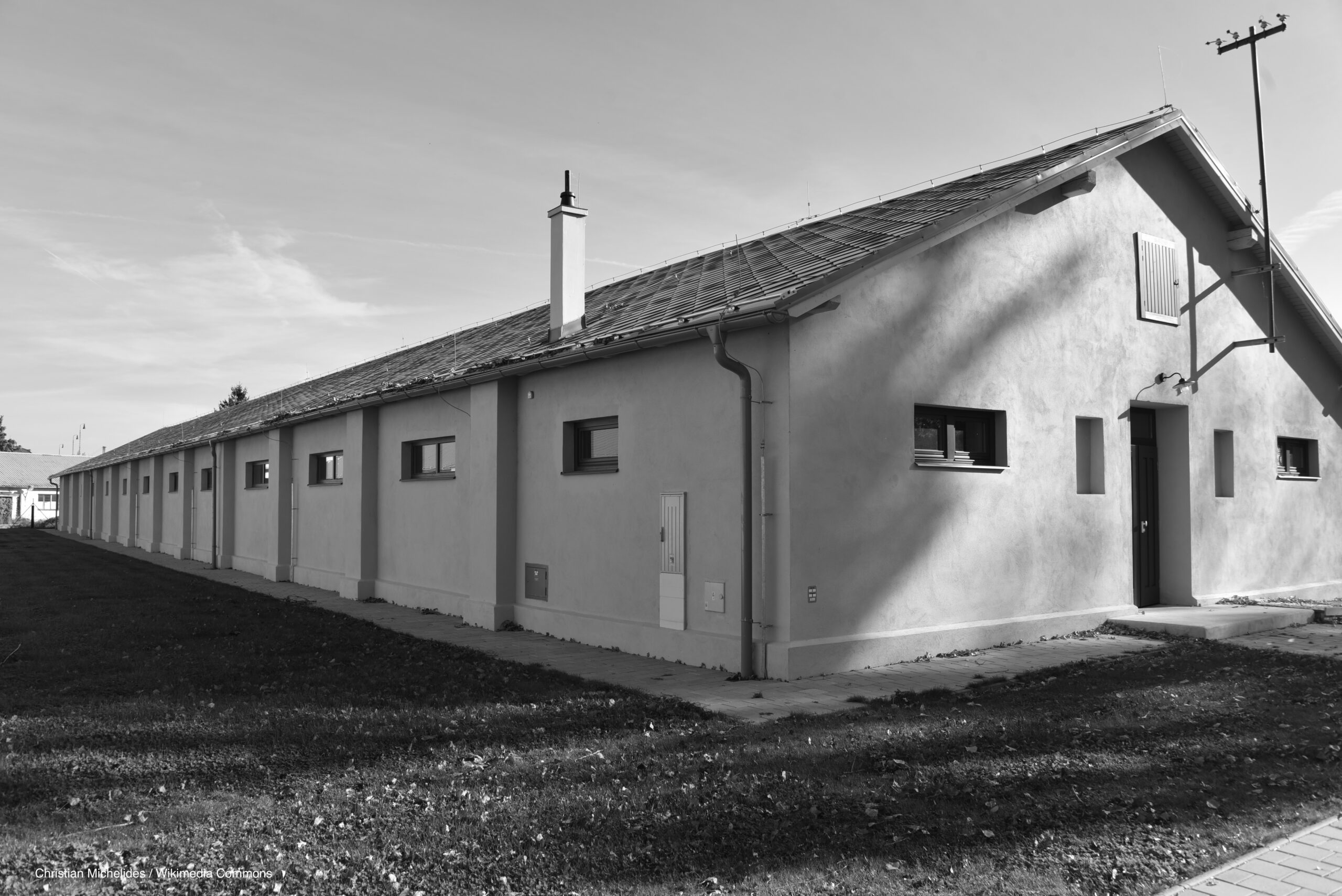
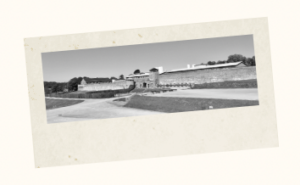
Photograph of Theresienstadt
Theresienstadt (Terezín)

The principal ghetto in nazi occupied Bohemia and Moravia was the Theresienstadt Ghetto, which played a major part in the story of the Boys.

After 1944, the Jews in the areas of Czechoslovakia occupied by Hungary were rounded up into ghettos. Most of them were then taken to the Auschwitz-Birkenau concentration and extermination camp. There the future members of the Boys among them were selected for slave labour. The ghetto in Munkàcs (modern-day Mukachevo, Ukraine) was one of the largest in the Carpathian region.

The main concentration/transit camp in Slovakia was in Sered.

The Boys born in pre-war Czechoslovakia

Abisch, Jindrich
Abraham, Alzbeta
Abraham, Martin
Abraham, Salomon
Abrahamovic, Samuel
Abramovitch (née Stern), Elsa
Adler, Arthur
Adler, Wolfgang
Ajzykowicz, Ignac
Alter, Herman
Basch, Ignac
Basch, Freida
Baumelgruen, Isaac
Beale, Mendel*
Beckman, Ida
Bergmann, Hersch
Berkovic, Frantisek
Berkovic, Samuel
Bernacki, Chaskiel
Birnbaum, Anna
Birnbaum, Livia
Blain, Mike
Bleier, Viola
Blobstein, Ludvik
Blum, Julius
Bogner, Ervin
Brandstein, Issac
Brandt, Lazar
Braunheim (née Abraham), Ruzena
Braunsteinova, Blanka
Breitburg, Victor
Brody, Simon
Buki (née Zisovic), Luisa
Buncel, Erwin
Buncel (née Feldmann), Elizabeth
Chaimovic, Fay
Chaimovic, Karel
Czuker, Jan
Danzig, Eugene
Danzig, Miklos
Davidovic (née Dub), Ruzena
Davidson, Martin
Dennett (neé Zweig), Stepanka
Deutsch, Ignac
Deutsch, Zoltan
Diamond, Joe
Eckstein, David
Edelstein, Lazar
Ehrman, Alzbeta
Eigner, Agata
Eisman, Eva
Farkas, Arnold
Farkas, Efraim
Farkas, Eva
Farkas, Jacob
Farkas, Salomon
Feige, Marija
Feuerstein, Herman
Feuerstein (née Weinberger), Irene
Fischer, Berta
Fischer, Cecilia
Fisher, Marketa
Fixler, Adolf
Frank, Peter
Franklin (née Weiss), Elizabeth
Fried, Artur
Fried, Desidier
Friedman, Arnost
Friedman, Edith
Friedman, Hedvika
Friedman, Moric
Friedman, Hedi
Friedmann, Alexander
Friedmann, Fritz
Frischmann, Ladislav
Frischmann, Vilem
Furst (née Zelmanovic), Zipora
Galkacova, Susanne
Geddy, Leo*
Goldschild, Desider
Graf, Pavel
Gross, Samuel
Gross, Alexander
Grossman, Josef
Grossman (née Vermes), Erika
Gruenberg, Vilem
Gruenfeld, Herman
Gruenfeld, Otto
Gruenwald, Ester
Gryn, Hugo
Halpert, Oskar
Hamburger, Julius
Hamermesch (née Rosenberg), Helena
Hans (née Zuckermandl), Renee
Hayber (neé Gross), Rosalyn
Heimfeld, Ladislav
Herman, Abraham
Herman, David
Herscovic, Israel
Herszkowicz, David
Herz, Peter
Himmel, Jan
Hochman, Martin
Hoffman, Adolf
Hoffman, Martin
Hofman, Ruzena
Honey, Michael
Husserl, Zdenka
Hymans, Alfred
Ickovic, Etelka
Ickovic, Cevenka
Jacubovic, Lenke
Jakubovic, Chaim
Jakubovic, Sara
Jakubovic, Moses
Jakubovic, Zlata
Jakubowic, Armand Otto
Joseph (née Scwarz), Eva
Junger, Benjamin
Kahan, Dezider
Kaiser, Sara
Kaiser, Miriam
Kaletzka, Nelly
Kalir (née Freilichova), Josefa
Kaufmann, Bernard

Kest, Frida
Klein, Miklos
Klein, Andrej
Klein, Avraham
Klein, Gisella
Klein, Josef
Klein, Marija
Klein, Tomas
Kleinmann, Vojtech
Kornhauser (née Liberman), Sarah
Lampert, Moshe

Lang, Karel
Lazarovic, Charlotte
Lebovic, Fani
Lebovic, Jakub
Lebovic, Josef
Lebovic, Otakar
Lebovic, Ruzena
Lerner, Etel
Lerner (née Perlmutter), Blanka
Lesiak (née Kohn), Estera
Levy (née Slomovic), Rachel
Liberman, Alfred
Lipschitz, Desider
Lipschitz, Evzen
Luger, Salamon
Luger, Herman
Luger, Mendel
Marcovic, Miroslav
Markovic, Irene
Markovicova, Serena
Markow (née Hollander), Ruzena
Marmelsteinova, Vilma
Mauskopf, Erwin
Mauskopf, Rosi
Mermelstein, Steve
Moscovicova, Edita
Moscowicz (née Abish), Sylvia
Moskovic, Lili
Moskovicova, Gisella
Nasch, Bernat
Neuman, Jiri
Neumann, Emil
Neumann, Herman
Noe, Etelka
Noe, Salomon
Oesterreicherova, Luisa
Offner, Dolly
Osterreicher, Magda
Palan, Vera
Palkowic, Armin
Papir, Gita
Pawlowski, Abraham
Perl, Josef
Piasetzki (née Zimlichman), Fay
Pinkas, Benjamin
Prizant, Dora
Reil, Bernard
Rezmocicova, Ester
Rieder (née Zelikovic), Helen
Rosenberg, Mendel
Rosenberg, Bella
Rosenberg, Chaim
Rosenberg (née Herskovic), Magda
Rosenthal, Richard
Rosenthal, Alexander
Roth, David
Rubenstein (née Basch), Rose
Sabova, Berta
Sabova, Marcia
Salamon, Tibor
Samuel, Charlotte
Schaechter, David
Schafer (née Safar), Dora
Schindler (neé Swartz), Rose
Schonfeld (neé Handelsmann), Malvina
Schoonkopf, Edita
Schreiber, Judith
Schreier (née Weingarten), Edita
Schulsinger, Abraham
Schwarcz, Abraham
Schwartz, Alfred
Schwartz, Emil
Schwartz, Otto
Schwartz, Eva
Schwarz, Magarita
Schwimmer, Edita
Seiden (née Berman), Bella
Sherman (née Stern), Judith
Shubi (née Perl), Manci
Simkovic, Samuel
Singer, Helene
Slomovic, Chaskel
Slomovic, Jolana
Slomovic, Rachel
Slomovic, Helena
Speigel, Estvan
Staman (née Berkovic), Pauline

Steinberg, Eva
Stern, Eva
Stern, Melanie
Stern, Vera
Stern, Tamas
Stern, Herman
Stern, Eliska
Stern, Meir
Sternova, Magda
Stroh, Peter
Sunog, Arnost
Tannenbaum, Vilem
Tanner (née Graf), Hanna
Taub, Herman
Taub, Israel
Teichmann, Mendel
Tenenbaum, Zelik
Tischler (neé Folkart), Lydia
Vegh, Maurice
Veis, Helena
Vogelhut, Hirsch
Wachsmann, Elizabeth
Wagshal, Leon
Wajnryt, Heniek
Walter (née Lampert), Sarah
Weber (neé Markovic), Zita
Weinberg, Felix
Weiss, Bernard
Weiss, Imrich
Weiss, Pirozka
Weiss, Sari
Weisser, Herman
Weisser, Michael
Wheeler (née Stern), Mirjam
Winkler, Emil
Wolf, Jan
Zelig, Josef
Zelkovic, Fanny
Zelkovic, Herman Hersch
Zelkovic, Willie
Zeller, Josef
Zelman, Ludwig
Zucker (neé Eisdoerfer), Veronica
Zweig, David

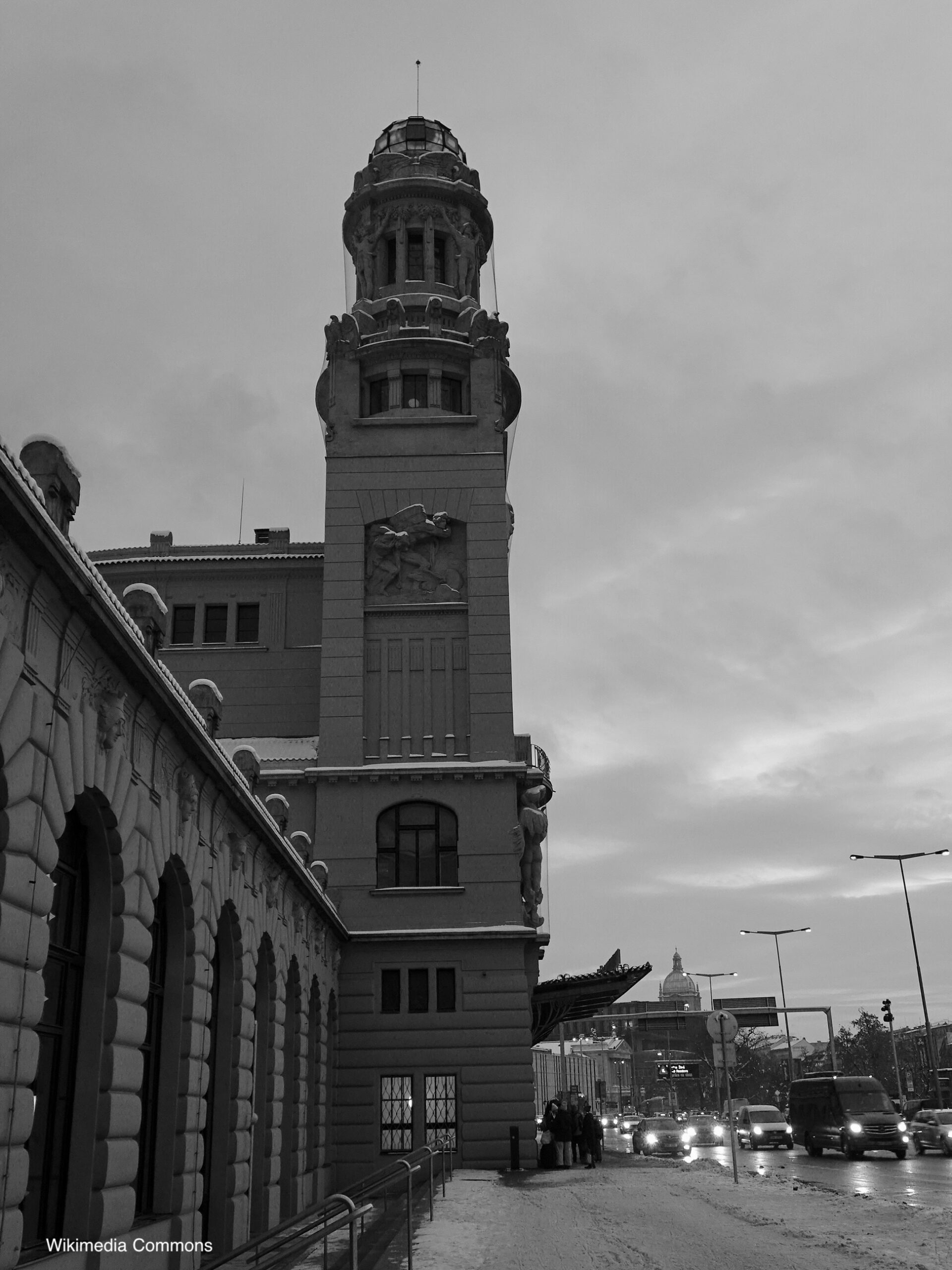
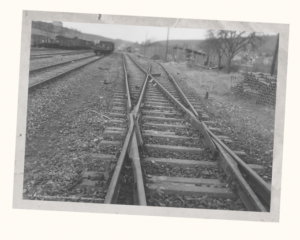
Photograph of Prague Station.
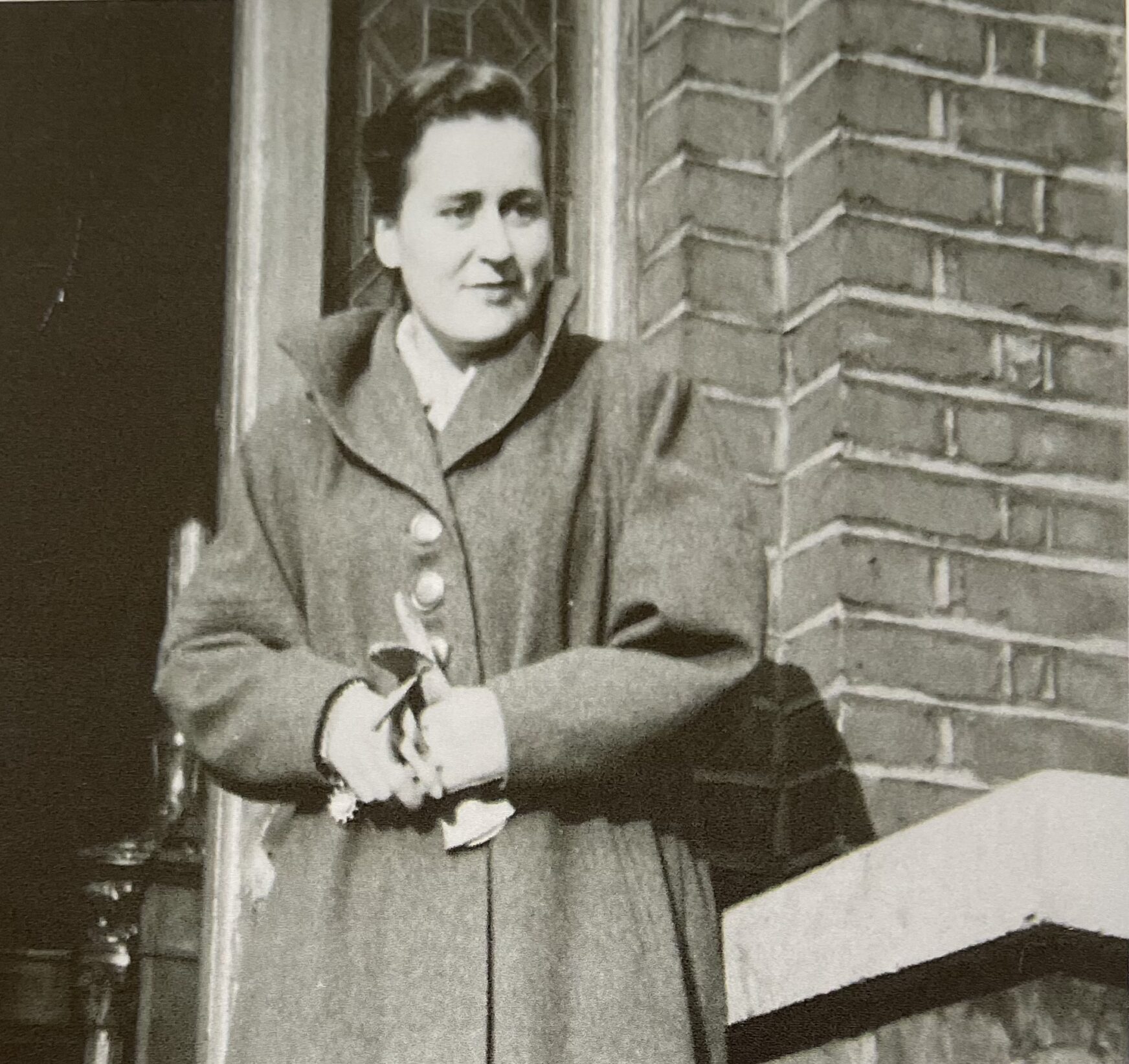
Photograph of Lydia Tschler
Transcarpathia
Photograph of David Herman
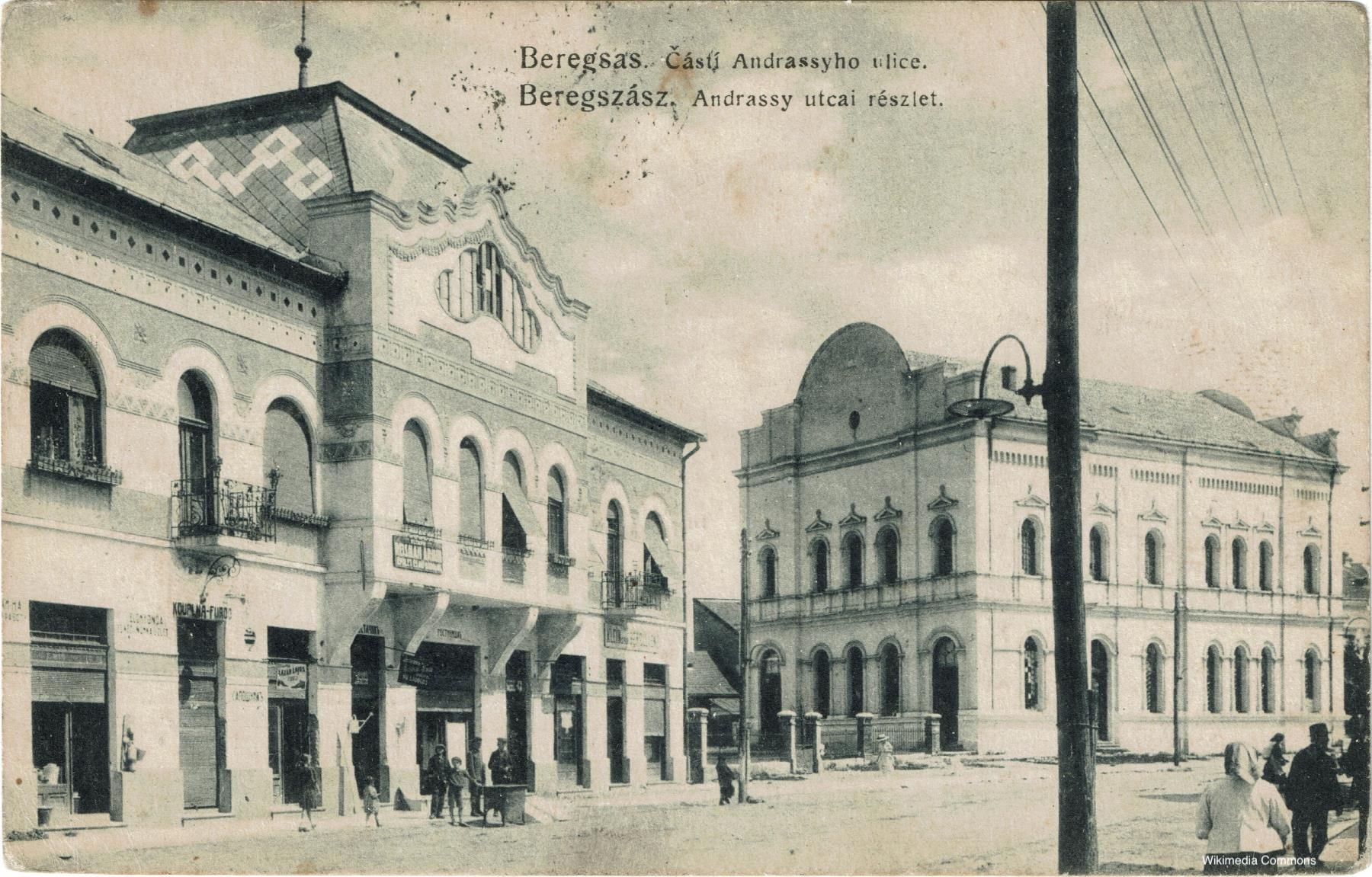
Old Photograph of the synagogue in Berehove, then Czechoslovakia.
Photograph of Abraham Herman.
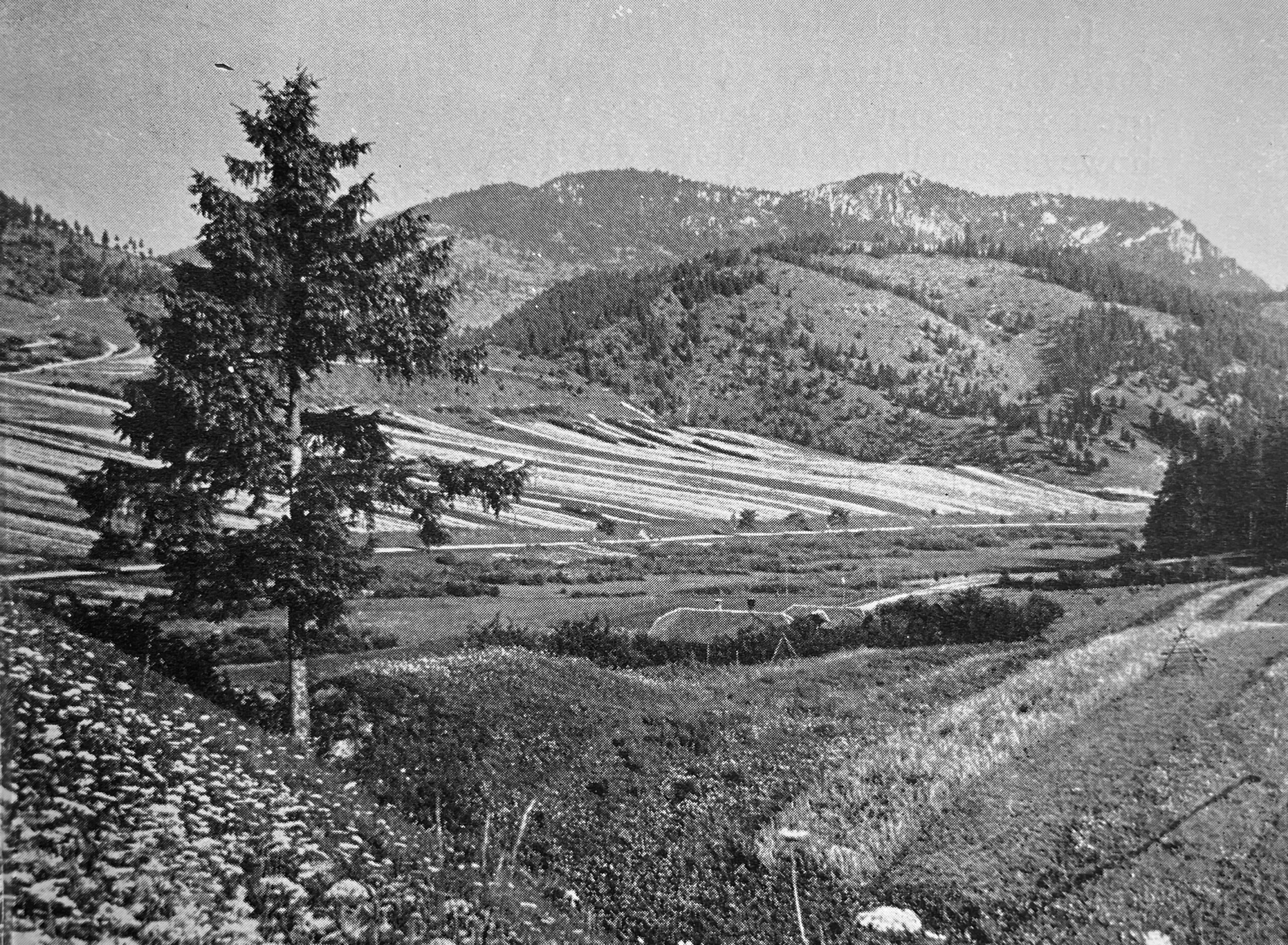
Photograph of the Carpathian Mountains in the 1930s.
Photograph of Rachel Levy on arrival in the UK in 1946.
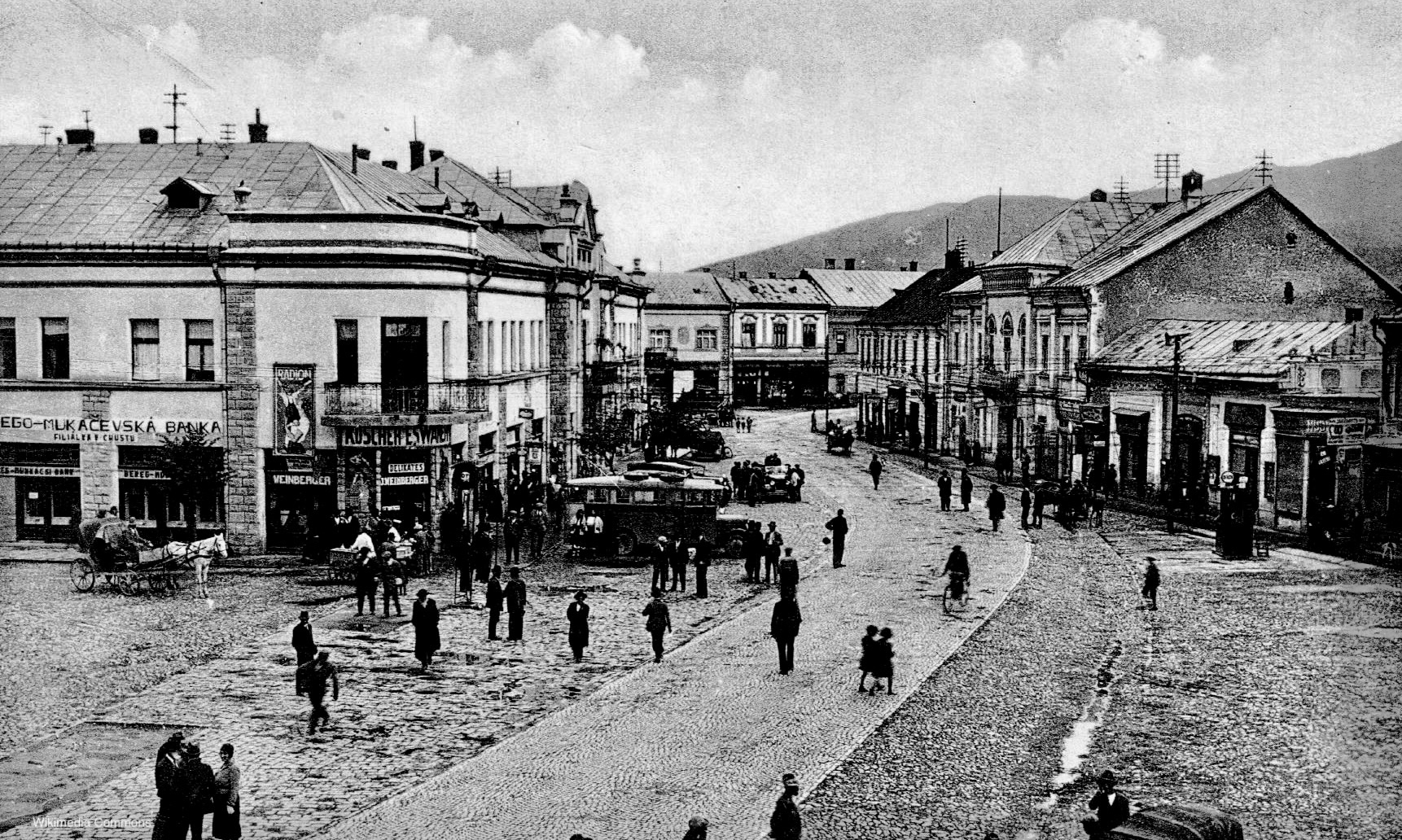
Old photograph of Masaryk Sq in then Chust, Czecoslovakia.
Photograph of Chaskiel Slomovic 1946.
Chust, Czechoslovakia in the 1930s.
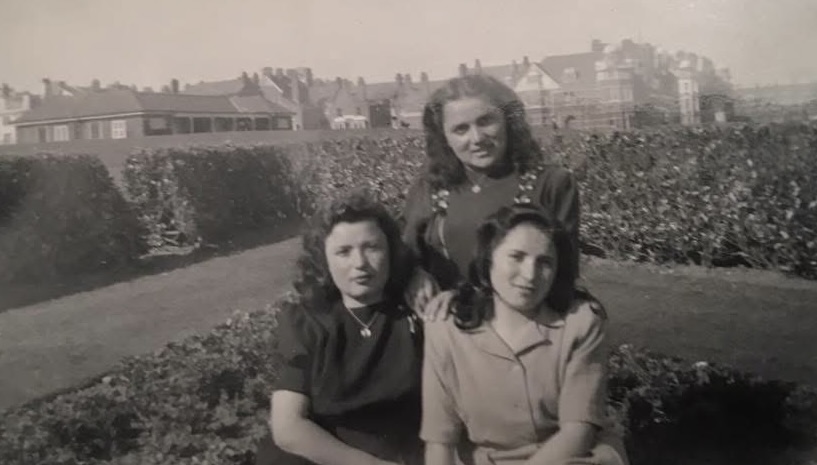
The Slomovic Sisters: Jolana, Helena & Ruzena
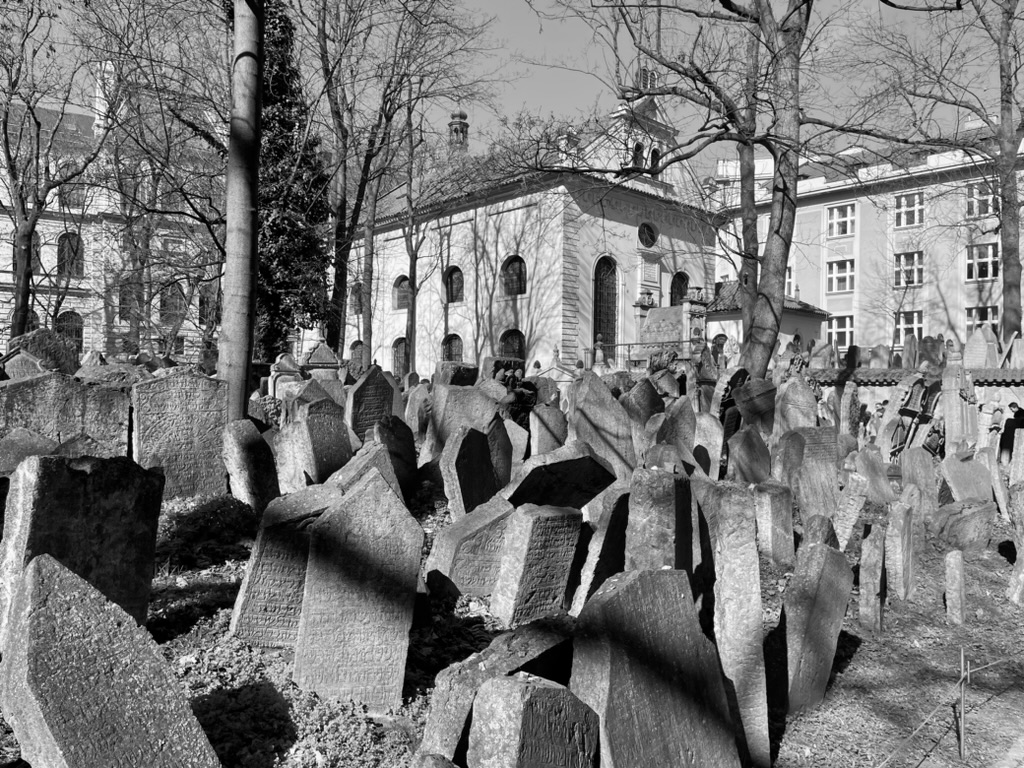
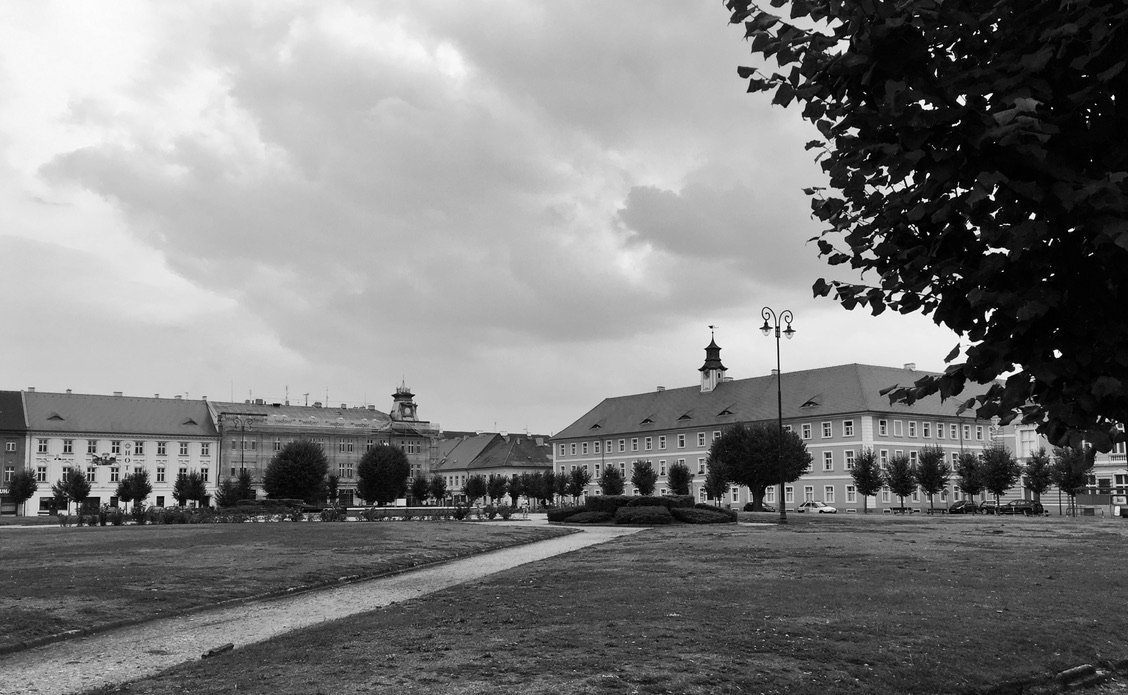
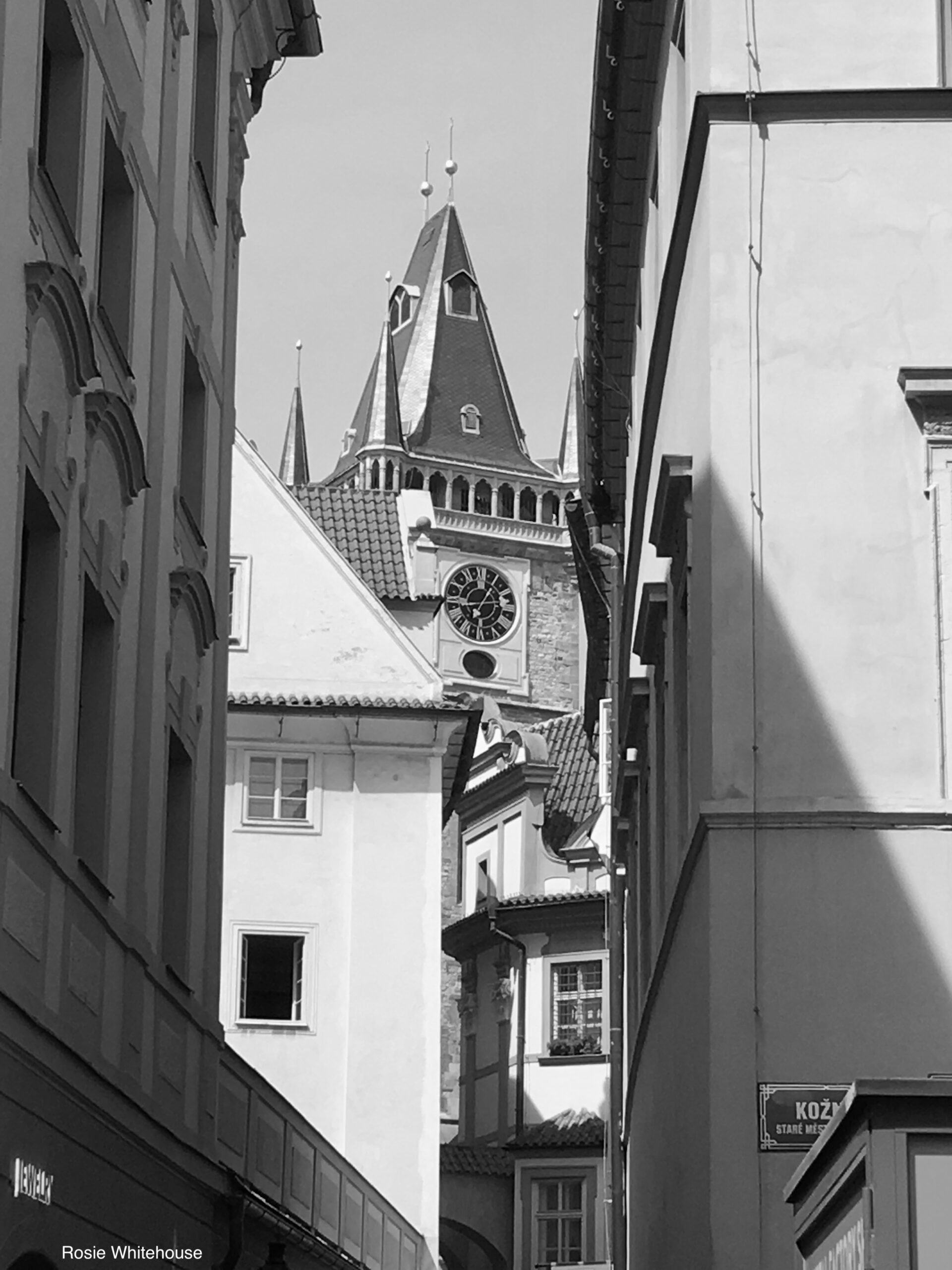
Photograph of the Old Town, Prague, Czechia.
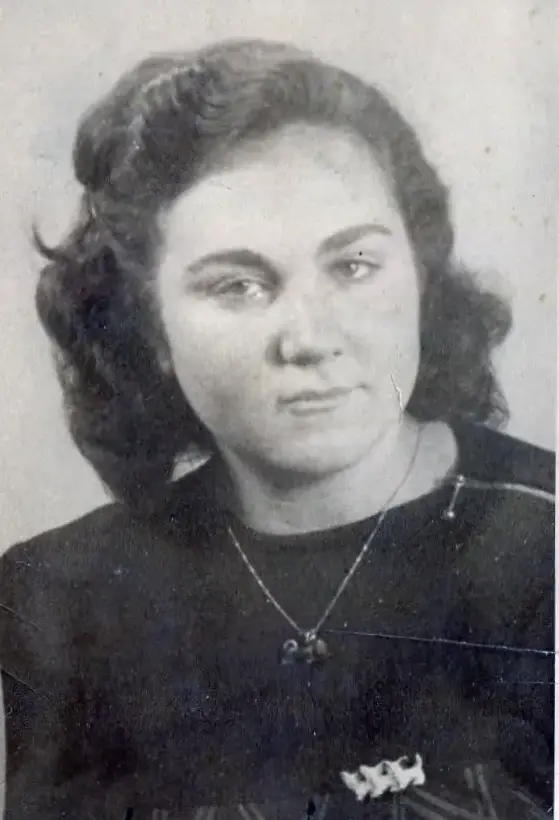
Photograph of Erika Vermes
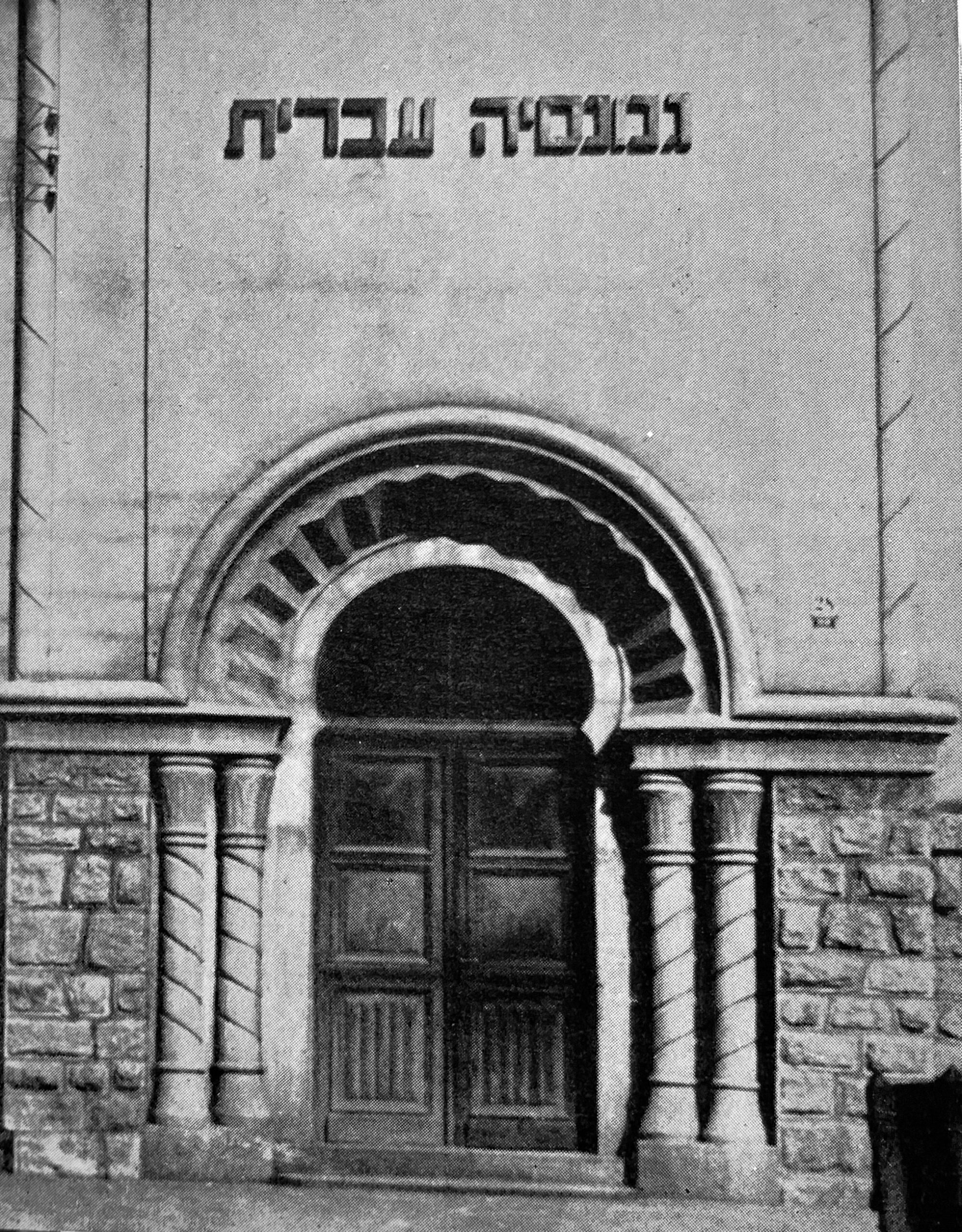
Photograph of the synagogue in Mukačevo, Czechoslovakia in the 1930s.
Photograph of Hugo Gryn after the liberation.
Chust, Czechoslovakia in the 1930s.
Photograph of Stepanka Dennett
Photograph of Pre-World War II of Gruss aus Weisskirchen in Czechoslovakia.
Photograph of Bernard Reil in Old Moat School, 1946.
Photograph of Užhorod, Czechoslovakia in the 1930s.
Eva Joseph
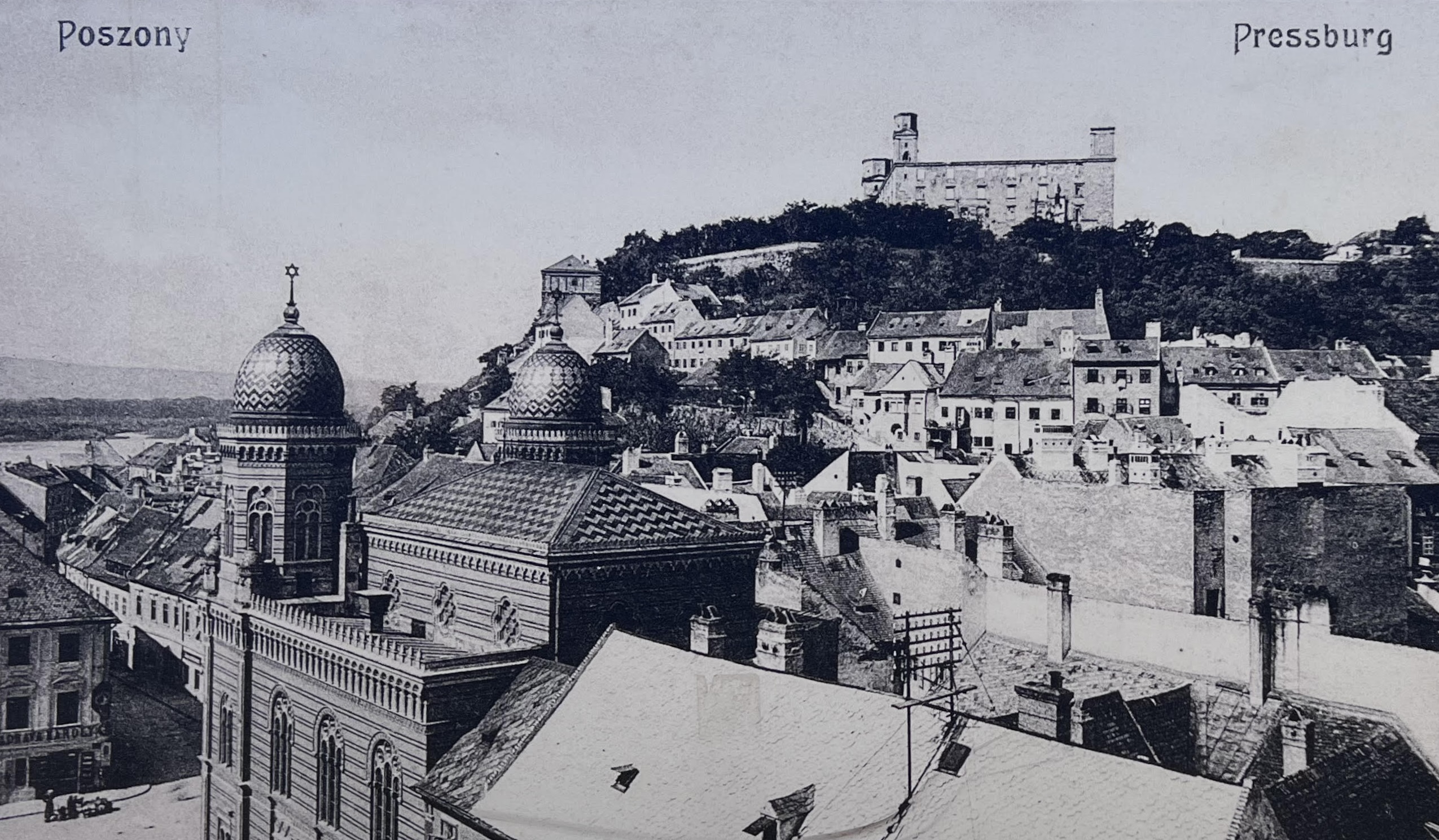
Pre-World War II postcard of Bratislava Castle.
Eva Mauskopf
Bratislava, Slovakia
Photograph of Alex (Shanyi) Abramovic
Transcarpathia
Photograph Erika Vermes 1932-33 in her father's studio in Topolcany, Slovakia
Photograph of Sered Holocaust Museum, Slovakia.
Transcarpathia
Bratislava, Slovakia
Photograph of Sered Holocaust Museum, Slovakia.

Poland Key Dates

Map of modern-day Poland.
Modern-day Poland.

Late 19th century/early 20th century

Widespread pogroms in the Russian Empire in the late 19th century prompt mass emigration of Jewish communities from eastern Europe.

1914-1918

Jews actively participated in the fight for Poland’s independence.

1917-21

Attacks on Jews continue during localised conflicts in eastern Europe. The period sees the birth of the Judeo-Bolshevik myth.

1933

30 January  

Adolf Hitler is appointed Chancellor of Germany.

1935

September 

Nuremberg Laws are declared

1936

4 June 

Economic boycott of the Jews becomes formal government policy in Poland.

1937

Polish universities introduce quotas for Jewish students.

1938

27 October

17,000 Polish Jews living in Germany are expelled.

9-10 November 

Kristallnacht a nation-wide anti-Jewish pogrom organised by the Nazis takes place throughout Germany, Austria and the Sudetenland region of Czechoslovakia.

1939

23 August

Nazi-Soviet Pact signed.

1 September

Germany invades Poland.

17 September

The Soviet Union invades eastern Poland, partitioning the country with Germany.

21 September

Reinhard Heydrich issues instructions to concentrate all Polish Jews in major cities near railway junctions.

28 October 

First Polish ghetto established in Piotrków.

23 November

Jews in German-occupied Poland are forced to wear identifying armbands or yellow stars.

1940

15 November

Warsaw Ghetto is sealed.

December

The Chełmno extermination camp begins operation. Mobile gas vans are used to murder Jews.

1941

22 June

Germany invades the Soviet Union.

August

Massacres of Jews in territories occupied by German forces, such as the massacre at Kamianets-Podilskyi, include women and children. The persecution of the Jews becomes genocidal.

3-5 September 

First experimental gassing at the Auschwitz concentration camp.

7 December 

Japan attacks Pearl Harbour.

11 December 

Germany declares war on the USA.

1942

20 January 

Wannsee Conference.

March

Auschwitz II-Birkenau begins operation.

Mass deportations to extermination camps begin.

4 May  

SS carry out the first selection at the ramp in Auschwitz II-Birkenau.

July

Operation Reinhardt, the code name for the systematic murder all Jews and Roma in the General Government in German occupied Poland begins. Between July 1942 and October 1943, 1.6-1.8 million Jews and about 50,000 Roma are murdered in the extermination camps of Bełžec, Sobibór and Treblinka, where there were no selections.

2 August

An armed revolt breaks out at the Treblinka extermination camp.

14 October

An armed revolt occurs at the Sobibór extermination camp.

1943

February

Germany surrenders at Stalingrad.

19 April 

Warsaw Ghetto Uprising begins.

1944

Summer 

The massive Soviet offensive prompts SS chief Heinrich Himmler to order prisoners in all concentration camps and subcamps be forcibly evacuated toward the interior of the Reich.

July

The Red Army liberates the Majdanek camp.

August

The Polish Home Army begins the Warsaw Uprising against the German occupation.

The Łódź Ghetto, the last major ghetto in Poland, is liquidated, and its remaining inhabitants are sent to Chełmno and Auschwitz

Winter 

SS authorities increasingly evacuate concentration camp prisoners from both east and west on foot.

1945
27 January

Auschwitz is liberated by the Red Army.

8 May

Germany surrenders. End of the Third Reich.

August

Pogrom in Kraków.

1946

4 July

The Kielce Pogrom prompts the exodus of a large part of the surviving Polish Jewish population.

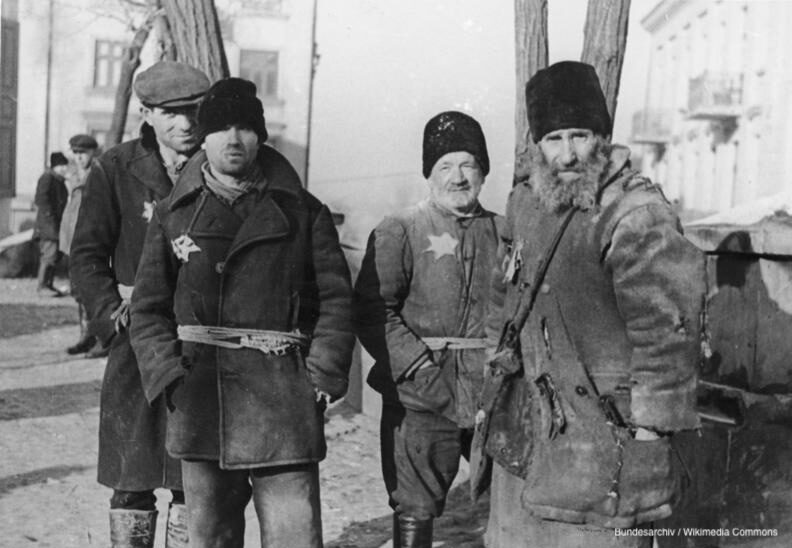
Photograph of the Lublin Ghetto, Poland in December 1939.
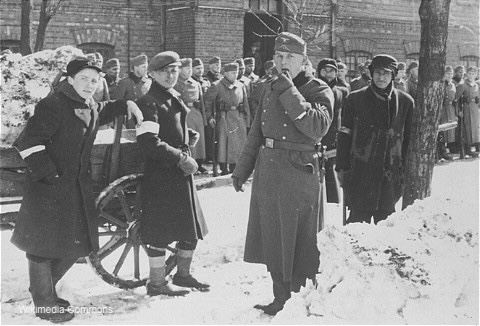
Photograph of Czestochowa Ghetto in World War II.
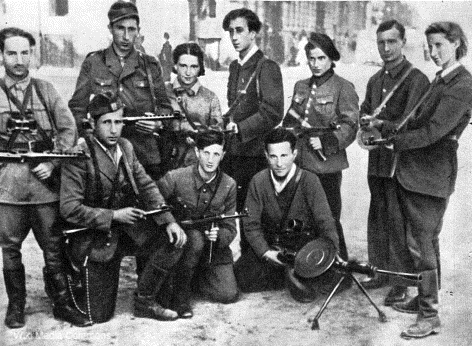
Photograph of Jewish partisans in the Vilnius Ghetto.

Poland Key Places

Members of the Boys were born in Poland.

The Boys were teenage and child-Holocaust survivors, who were brought to the UK after the war for rest and rehabilitation.

Members of the Boys were held in Nazi labour and concentration camps and used as slave labourers. They had also survived World War II in hiding or as lone children.

Poland Key Facts

Capital: Warsaw

Population 1939: Approximately 35,100,000

Jewish Population in 1939: Approximately 3,300,000

Present-day Population: Approximately 37,800,000

Present-day Jewish Population: Estimated 10,000 to 20,000

Map of modern-day Poland.
Modern-day Poland.

Members of the Boys were born across Poland. Other members of the Boys were deported to Poland and also endured slave labour in the Nazi concentration and slave labour camps. Some members of the Boys were hidden by Christian Poles while others survived alone.

Members of the Boys were born in three of Poland’s principal cities:


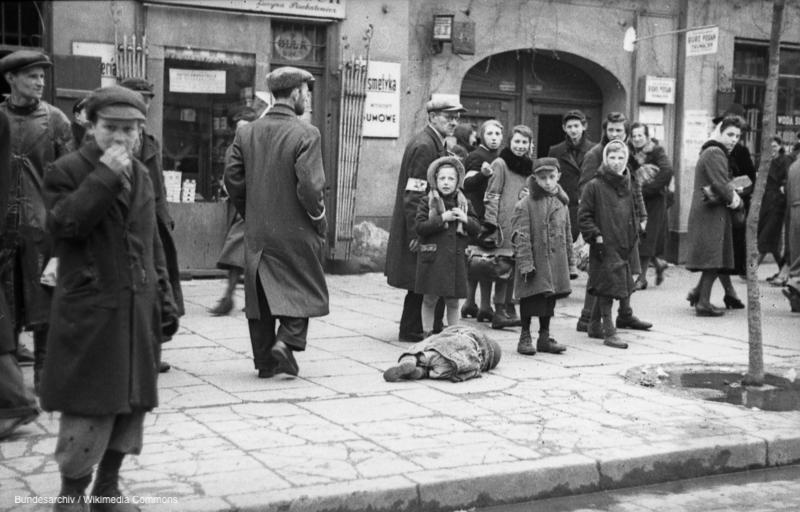
The Ghettos

The Nazis established an extensive system of ghettos in Poland after the German invasion of September 1939. To find out more about the history of ghettos in Poland and to see a full list of the ghettos where the Boys were imprisoned with their families click here.

Members of the Boys were held in the Litzmannstadt (Łódż) Ghetto which was the longest surviving ghetto. It was liquidated in the summer of 1944.

There was an extensive Jewish resistance movement in the ghettos. The most famous ghetto uprising took place in the Warsaw Ghetto.

The largest ghetto was in Minsk, then in Poland but now in Belarus.


The Extermination Camps

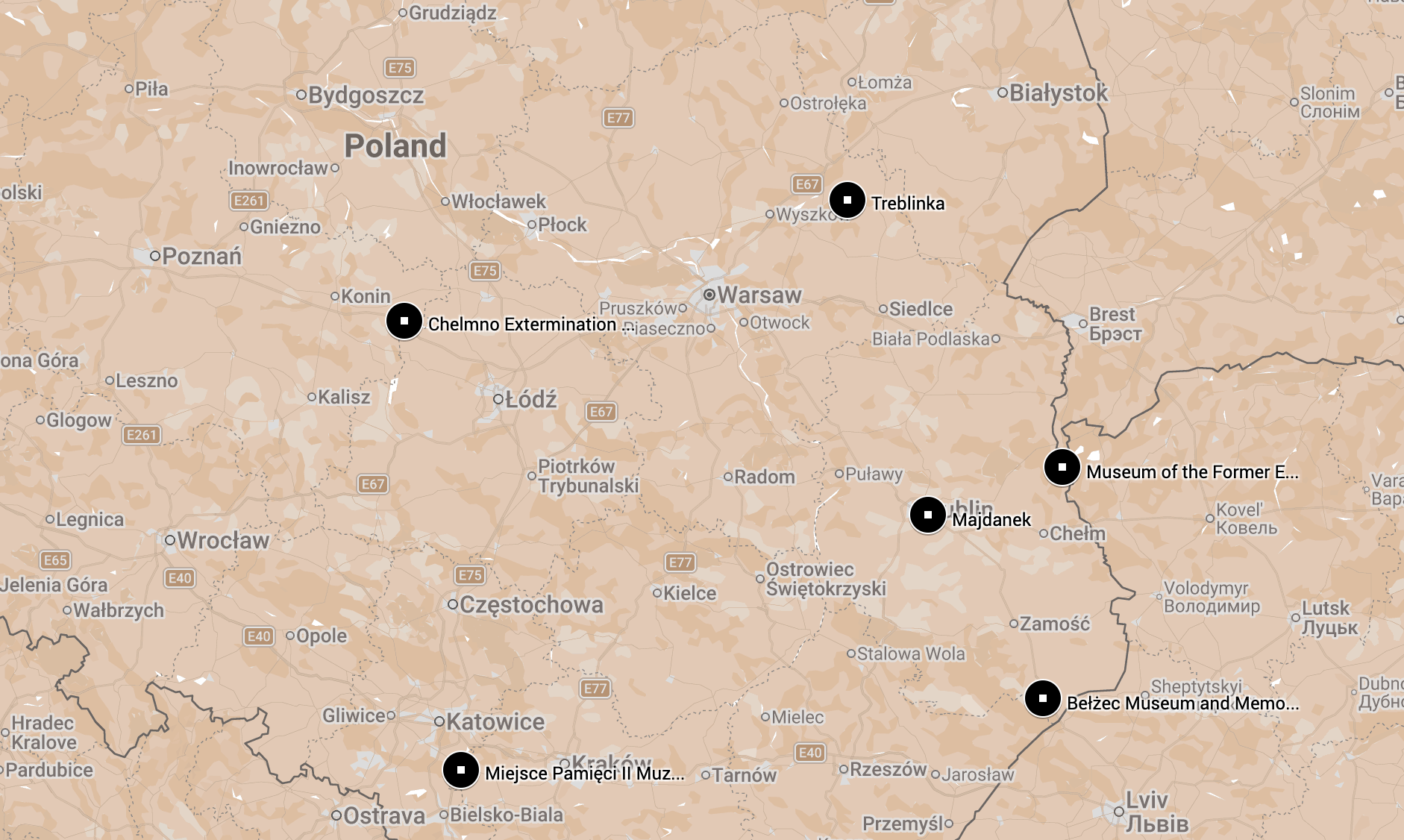
The families of the Boys were murdered in both mass shootings and in the extermination camps set up by the Nazis in German occupied Poland. The extermination camps were:

Chełmno

Period of operation: December 1941-January 1945

Bełżec

Period of operation: March-December 1942

Sobibór

Period of operation: May-July 1942 & October 1942-October 1943

Treblinka

Period of operation: July 1942-August 1943

Majdanek

Period of operation: September 1942-July 1944

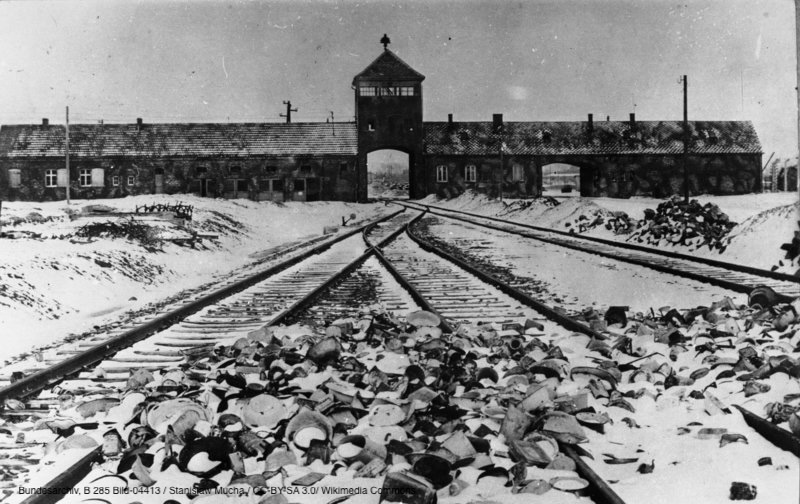
Auschwitz II-Birkenau

Period of operation: March 1942-January 1945

Map of Nazi extermination camps

The Labour & Concentration Camps

Photograph of the Hasag camp in the Częstochowa Ghetto.
Hasag camp in the Częstochowa Ghetto.

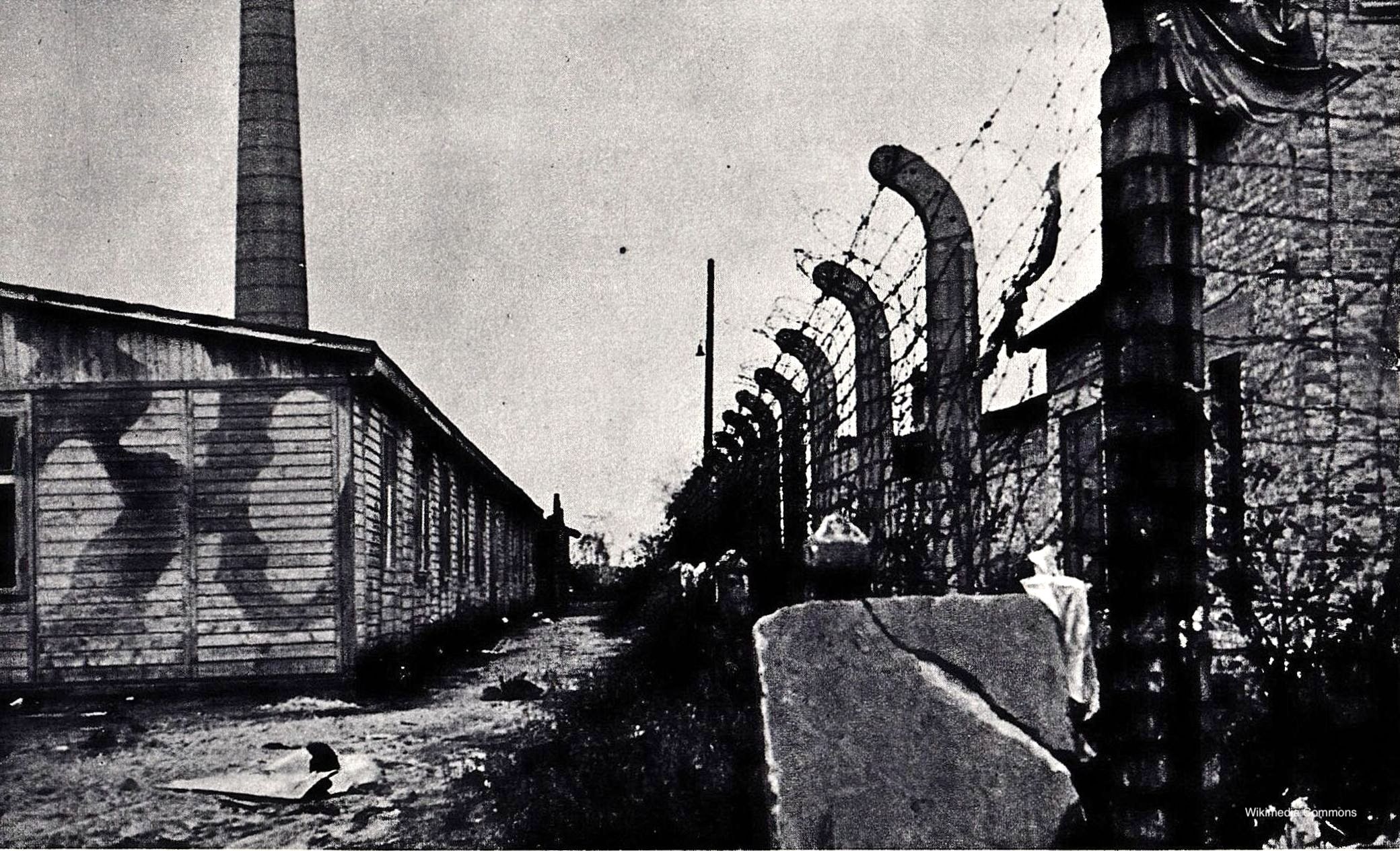
When the ghettos were liquidated members of the Boys were taken as slave labourers. To find out more about the story of the Boys in Nazi concentration camp system click here.

Three of the most important camps in the story of the Boys in German occupied Poland were:


The Boys born in pre-war Poland

Adler, David
Aizen, Chaim
Aizenberg, Jack
Alexandrowicz, Lola
Alterman, Icek
Bajer, Jacob
Baker, Sidney
Balsam, Hersch
Banach, Jacob
Barnes (née Rosenman), Roma
Bart, Yankel
Baumel, Martin
Baumelgruen, Isaac
Beale, Mendel*
Beeri (née Esterreicher), Tilla
Beil, Abraham
Benedikt, Salek
Berger, Fischel
Bergmann, Hersch
Berliner, Szyja
Bernacki, Chaskiel
Berstein (née Dreybus), Fela
Beserman, Moses
Binenstock, Benek
Binke, Schlomo
Blachash (née Laskier), Ruzena
Blumsztajn, Fishel

Bomstyk, Majer

Borgenicht, David

Borgenstein, Samuel

Brastman, Hersch

Braunheim, Solomon
Brenner, Chaim
Brenner, Zysel
Broch, Abraham
Brodman, Stella
Brown, Henry
Brunstein (née Zylberberg), Esther*
Buki, Moniek
Bulwa, Jacob
Bulwa, Abraham
Burgerman, Moniek
Cederbaum, Joseph
Chandler, Howard
Chandler, Harry
Cooper, Sam
Cornell, Majer
Cwajgenbaum, Szlamek
Czeret, Arie
Czimet, Aranka
Dagan, Zvi
Davidowicz, Greta
Denderowicz, David
Dessau, Kopel
Diament, Samuel
Diamond, Maurice
Dicter, Avrom
Dreihorn, Bernard*
Dresner, Samuel
Dzialowski, Fajwel
Elkienbaum, Abraham
Ellen, Henry
Englard, Benek
Erreich, Abraham
Erreich, Salomon
Etkind, Michael
Fajman, Salomon
Fajngcesycht, Jacob
Fajwlowicz (née Kaufmann), Adela
Faull, Stanley
Feldman, Abraham
Ferstendig, Isaac
Fersztand, Jakob
Fijalko, Josef
Finkel, Sidney
Fisch (née Klein), Hetty
Fish, Eric
Fishelberg, Chiel
Flasz, Mechel
Fogel (née Dajch), Rose
Fox, John
Fox, Harry
Frajkorn, Mendel
Freiman, Sam
Frenkel, Moniek*
Friedel (née Warszawska), Estera
Fruchtzweig, David
Frydenberg, Berek
Frydenberg, Laib
Frydman, Israel
Frydman, Nachman
Frydman, Simon
Frydman, Gershon
Fuchs, Joseph
Gardner, Sam
Gast, Paul
Geldman, Moses
Geller, Chaim
Gerstein, Josef
Glazier, Henoch
Glicksohn, Jacob
Gold, Harold
Goldberg, Moniek
Goldberger, Jan
Golde, Henry
Goldstein, Abraham
Gontarz, Sam*
Goodman, Lea*
Goshen (née Landau), Rivka
Gottleib (née Grynbaum), Gutta
Grabia, Abraham
Graham, Monty
Green, Henry
Gross, Franja
Gross, Zbyszek
Grossman, Isaac
Grossman, Pinkus
Gutman, Wolf
Gutt, Witold
Gutter, Pinchas
Hahn, Issy*
Halter, Roman
Hausman, Rela
Hebel, Pinchas
Hejnochowitz, Abraham
Helgfott, Ben
Hersch, Mayer
Hersch, Arek
Herskovic, Dora
Herszberg, Jerzy
Herszkowicz, David
Herzkovic, Aneska
Herzkowitz, Josef
Hilf, Chaim
Hilton, Samuel
Himmelfarb, Wolf
Hirschfeld, Moniek
Hirschfeld, David
Hopf, Arnost
Hubermann, Abraham
Ingielman, Charlie
Irving, Solly
Itzinger (née Ferkete), Elizabeth
Jackson , Raymond
Jakubovicz, Rela
Jakubowic, Armand Otto
Jay (née Munta), Minia
Jonisz, David
Josef, Marketa
Judkiewicz, Chaim
Junger, Samuel
Kacenberg (née Szorer), Mala
Kadyshewitz, Kive
Kadyshewitz, Elias
Kadysiewicz, Hil
Kagan, Jack*
Kallos, Gabriel
Kalmowicz, Simon
Kaminski, Motek
Kamionka, Motek
Kampel, Fischel
Katz, Bernard
Kaufman (née Balsam), Jadwiga
Kaye (née Bernholz), Sala
Kendall, Kopel
Kestenberg, David
Kirszberg, Abraham
Klajman, Jankiel
Klajnman, Chemia
Klappholz, Kurt
Kleinman, Kazriel
Klin, Simon
Klotz, Marcus
Knobel, Marie
Kochen, Ellek
Kohn, Chaim
Kohn, Josef
Kohn, Erika
Kolacz, Israel
Korman, Chaim
Kornfeld, Bernard
Koronitzky, Itzhak
Koziwoda, Moniek
Kraus, Favla
Krowicki, Jacob
Kura, Jacob
Kurnedz, Pinkas
Kurtz, Jan
Kusmiersi, Jacob
Kusnirowski, Szaja
Kuszer, Binem
Kuszerman, Szlama
Kuszerman (née Koperwas), Ryfka
Kutner, David
Kutner, Isek
Laskier, Schmul
Laufer, Abraham
Lecker, Simon
Lee, Michael*
Lenczner, David
Lerner, Etel
Lerner (née Perlmutter), Blanka
Lesiak (née Kohn), Estera
Lev, Perez
Lewenstein, Motek
Lewkowicz, Mordka
Lewkowicz, Chaim
Lichtenberg, Samuel
Liebermann, Moric
Liebermann, Simche
Light, Isadore
Lipski, Abraham
Lipski (née Korman), Blanche
Liss, Chaim
Litwin, Icek
Litwin, Mordka
Lustgarden, Moniek
Malinicky, Moses
Markovic, Moric
Markow, Sam
Martino (née Fischler), Janina*
Melton, Michael
Melzer, Jacob
Moncarz, Jacob
Morgenstern, Abraham
Moscowicz, Josef
Neumark, Joseph
Newton, Benny
Newton-Katz (née Hochspiegel), Sala
Nisenbaum, Bronislaw
Novice, Michael
Nurtman, Moshe
Obuchowski, Berek
Oliner, Samuel
Olmer, Harry
Orenstein, Salek
Orzech, Chaskiel
Orzech, Shlomoh Reuven
Pakula, Josef
Pantoffelmacher, Salomon
Parker, Jerry
Pawlowski, Abraham
Perlmutter, Mayer
Peterson, David
Pfefferkorn, Eliasz
Pinczewski, Moshe
Pivnik, Sam*
Pivnik, Natan*
Platt (née Dobrowolska), Masha
Pohlmann (née Stern), Lili*
Pomerance, Issac
Popiel, Szaja
Poznanski, Artek
Poznanski, Jerzy
Preston, Michael
Pretter, Mendel
Rajzman, Yitzhak
Rayber, Baruch
Rents, Joe
Richter, Rela
Richter, Leiser
Riseman, Alexander
Robertson (née Blit), Wlodka*
Robeson, Leo*
Rolnik, Natan
Rose, Henry
Rosenbaum, Moniek
Rosenberg, Abraham
Rosenberg, Leon
Rosenberg, Vilem
Rosenberg, Moshe
Rosenberg (née Manela), Stefa
Rosenberg (née Rubin), Viola
Rosenblat, Herman
Rosenblatt, Zelig
Rosenblum, Chaskiel
Rosenfeld, Vera
Rosengarten, Samuel
Rosenweig, Naftali
Rotbaum, Josek
Rotenstein, Mendel
Roth, Mike
Rothman, Benjamin
Rothman, Leopold
Rotstein, Rywen
Rottenberg, Pinkas Eliasz
Rubinfeld, Israel
Rubinstein, Abram
Rudzinski, Kopel
Ruzka Goldman (née Kalman), Ruzka
Saks, Henry
Salomon, Abraham
Salzberg, Mirjam
Schoenberger, Elias
Schottland, Moniek
Schreier (née Weingarten), Edita
Schulsinger, Abraham
Schwarcz, Abraham
Schwimmer, Zisha
Schwitzer, Bella
Segal, Joshua
Seligfeld, Motek
Shane, Charles
Shannon, Moniek
Shipper, Zygmunt*
Silberstein, Menachem
Simkievic, Edek
Smith (neé Zeigler), Anna
Sommer, David
Spiro, Harry
Stein, Emil
Steinkeller, Moses
Steinmann, Leon
Stern, Edita
Stern, Michael
Stimler (née Krakowska), Barbara*
Stone, Joe
Strauss, Renata
Strobecki, Jacob
Suskin, Harry
Svimmer, Chaim
Swinik, Aron
Swinik, Chaim
Szajnzicht, Cesia
Szebov, Moric
Szurek, Dan
Szwartzberg, Zenek
Szyler, Szmul
Tabacznik, Motel
Tarko, Joine
Tarko (née Goldhersz), Lola
Tepper, Leopold
Topel, Mordechai
Topel (née Koslowska), Esther
Tribich (née Helfgott), Mala
Trilling, Liliana
Troper, Jankiel
Trzebiner, Salomon
Tuch, Moritz
Turek, David
Urbas (neé Wurzel), Bluma
Vogelhut, Hirsch
Wagshal, Leon
Wajnryt, Heniek
Waksztok, Menachem
Wald, Nathan
Waldmann, Joseph
Walshaw, Sam
Walters, Alec
Ward, Alec
Warsznitzer, Hersch
Wegier, Jerzy*
Weinberger, Samuel
Weiner, Michael
Weinstock, Roman
Weinstock, Herman
Weiss, Julius
Weissbaum, Israel
Weissburg, Ruth
Weizenbluth, Sam
Wertman, Abraham
Widansky, Mosek

Wiernik, David
Wilder, Krulik
Winogrodzki, Rafael
Witelsohn, Wolf
Wolfman (née Fajerman), Shelia
Wolfowicz, Benek
Wolkowicz, Stephen
Wolreich, Abraham
Wurzel, Berek
Zaks, Simon
Zamel, Hirsch
Zwirek, Abraham ‘Mick’
Zylberberg, Perec
Zylberger, Julek
Zylberszac, Aron

Photograph of Nat Pivnik 1945
Photograph of Mendel Silberstein in England.
Photograph of Sam Pivnik in 1945.
Photograph of Harry Balsam.
Photograph of 1945 July, Prague, Czechoslovakia.
Photograph of Estera Warszawska
Photograph of Stephen Wolkowitz just after the liberation.
Joe Rents in Windermere
Jacob Banach in Windermere 1945
Jack Aizenberg in Windermere in 1945
Rafael Winogradski in Windermere in 1945
Photograph of Mala Tribich
Photograph of Ben Helfgott, Windermere 1945
Photograph of Roman Halter.
Photograph of Minia Jay in Windermere, 1945.
Photograph of Isaac Pomerance
Photograph of Harry Chandler
Photograph of Charlie Shane.
Photograph of Bluma Wurzel Urbas in Manchester in 1945.
Photograph of Masha Platt in Manchester in 1945.
Photograph of Sidney Baker
Windermere 1945/First Group
Henry Brown in Windermere in 1945
Unknown in Windermere 1945
Windermere 1945/First Group
Elias Kadyshewitz 1946
Unknown in Windermere 1945
Henry Golde in Windermere 1945
Photograph of Harry Olmer in Windermere in 1945.
Photograph of Harry Spiro in Windermere 1945.
Leon Rosenberg in Windermere in 1945
Schmiel Rosengarten in Windermere in 1945
Abram Pawlowski in Windermere in 1945
Aron Zylbersac in Windermere 1945
Berek Wurzel
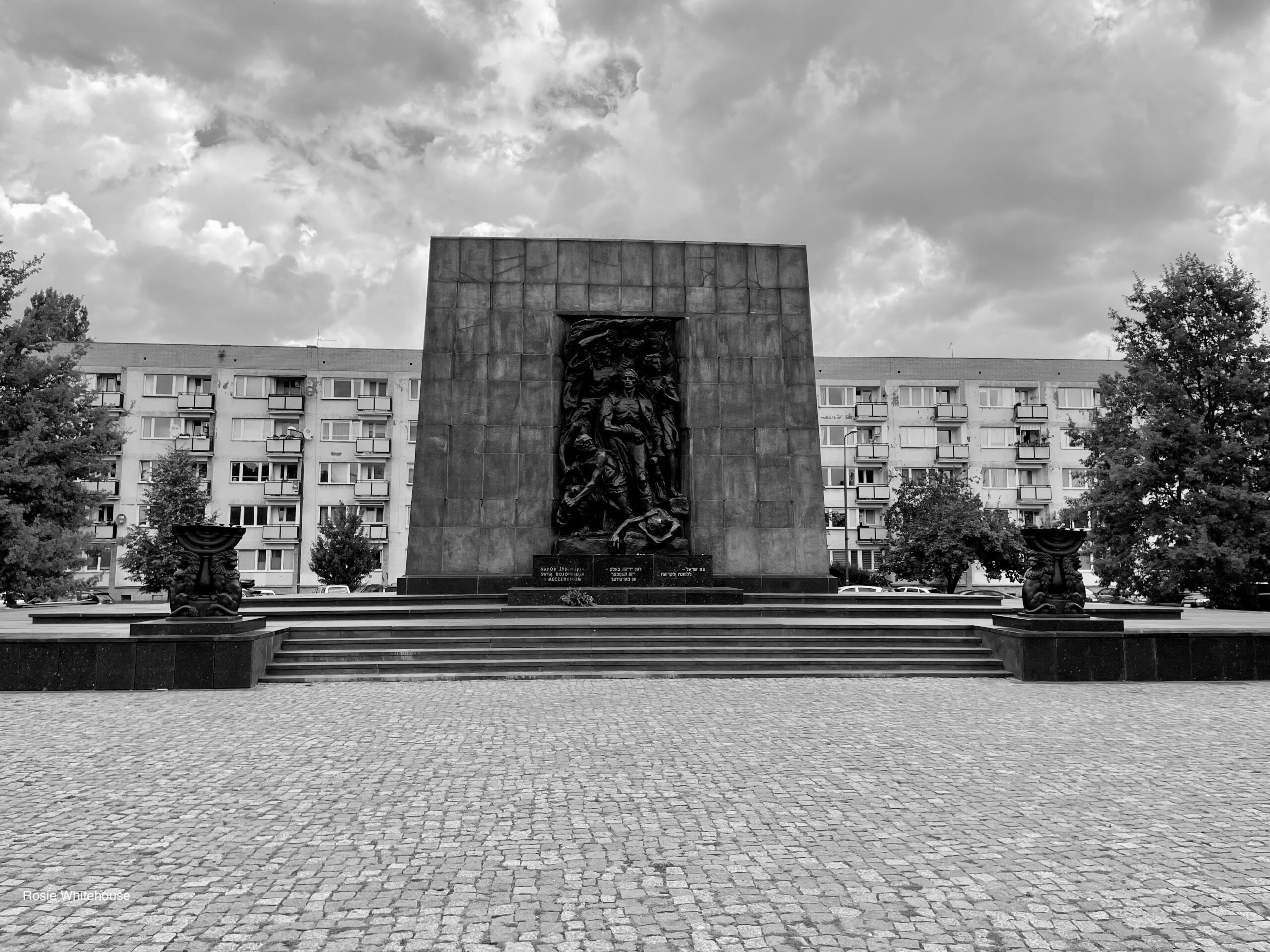
Photograph of the Monument to the Ghetto Heroes, Warsaw, Poland.
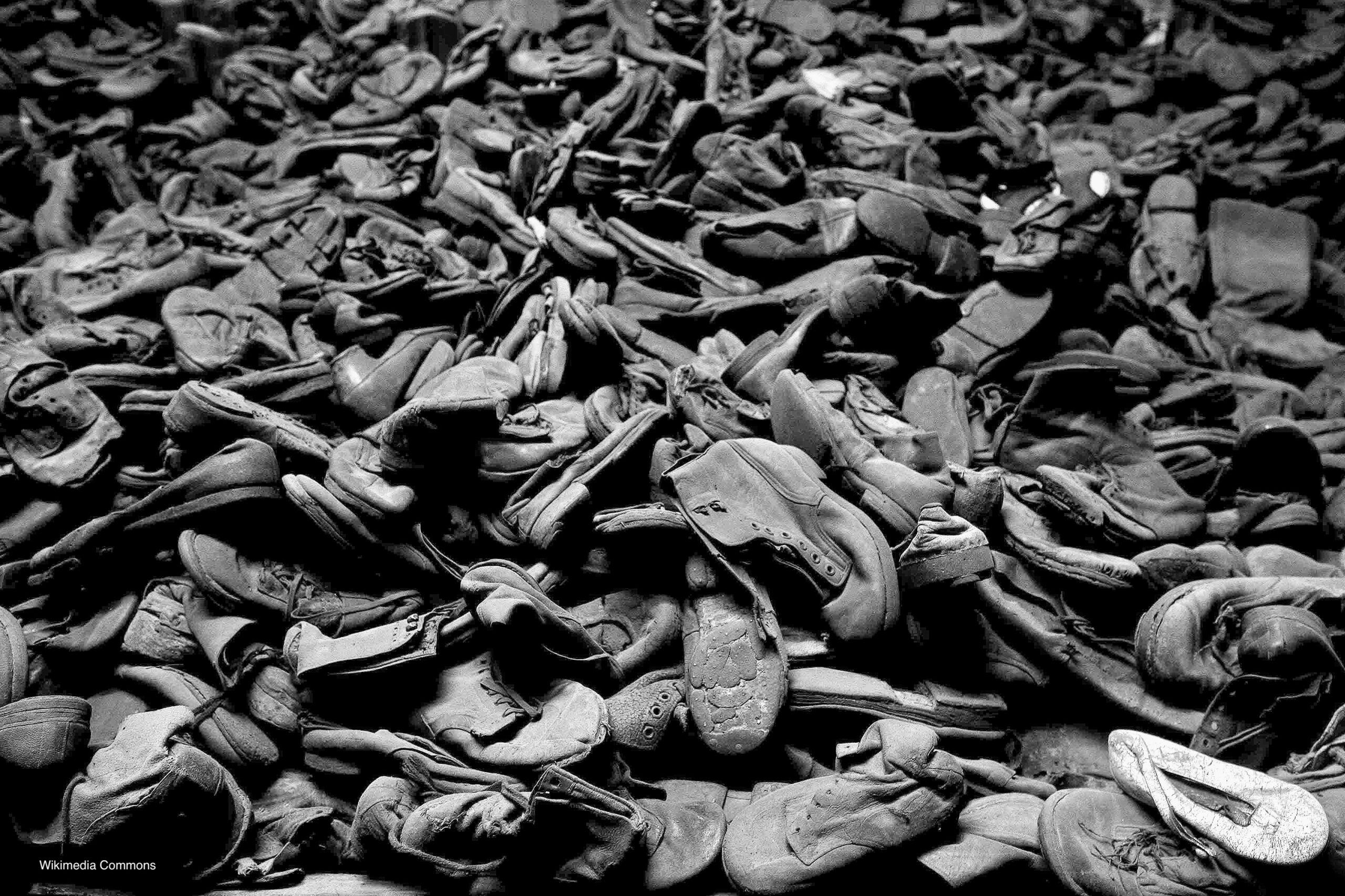
Photograph of shoes at the Auschwitz Memorial and Museum in Poland.
Photograph of the New Jewish cemetery tombstones, Brzesko, Poland.

Poland Key Words

Map of modern-day Poland.
Modern-day Poland.

Key terminology, regions, and sites related to the Holocaust in Poland include:

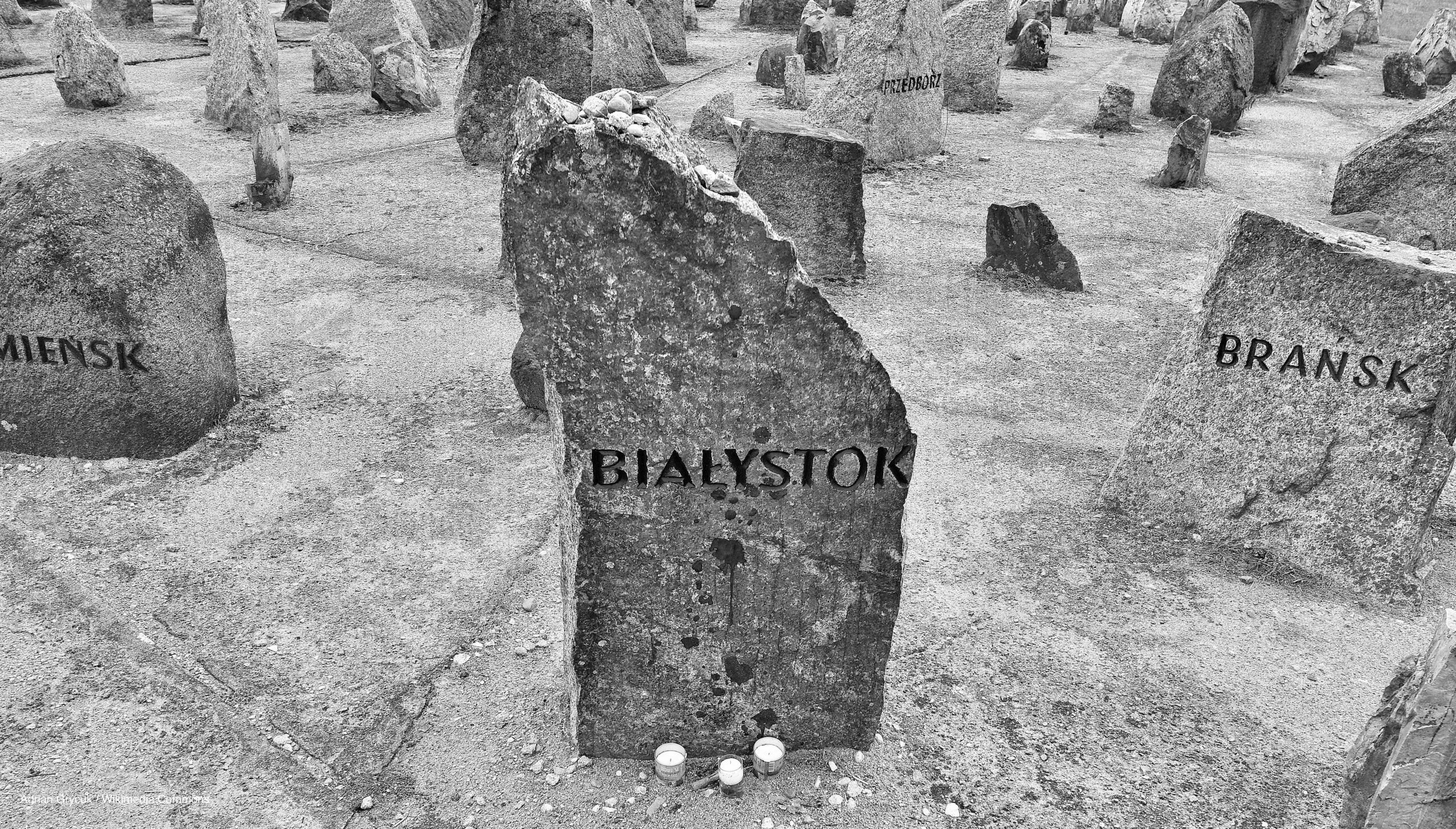
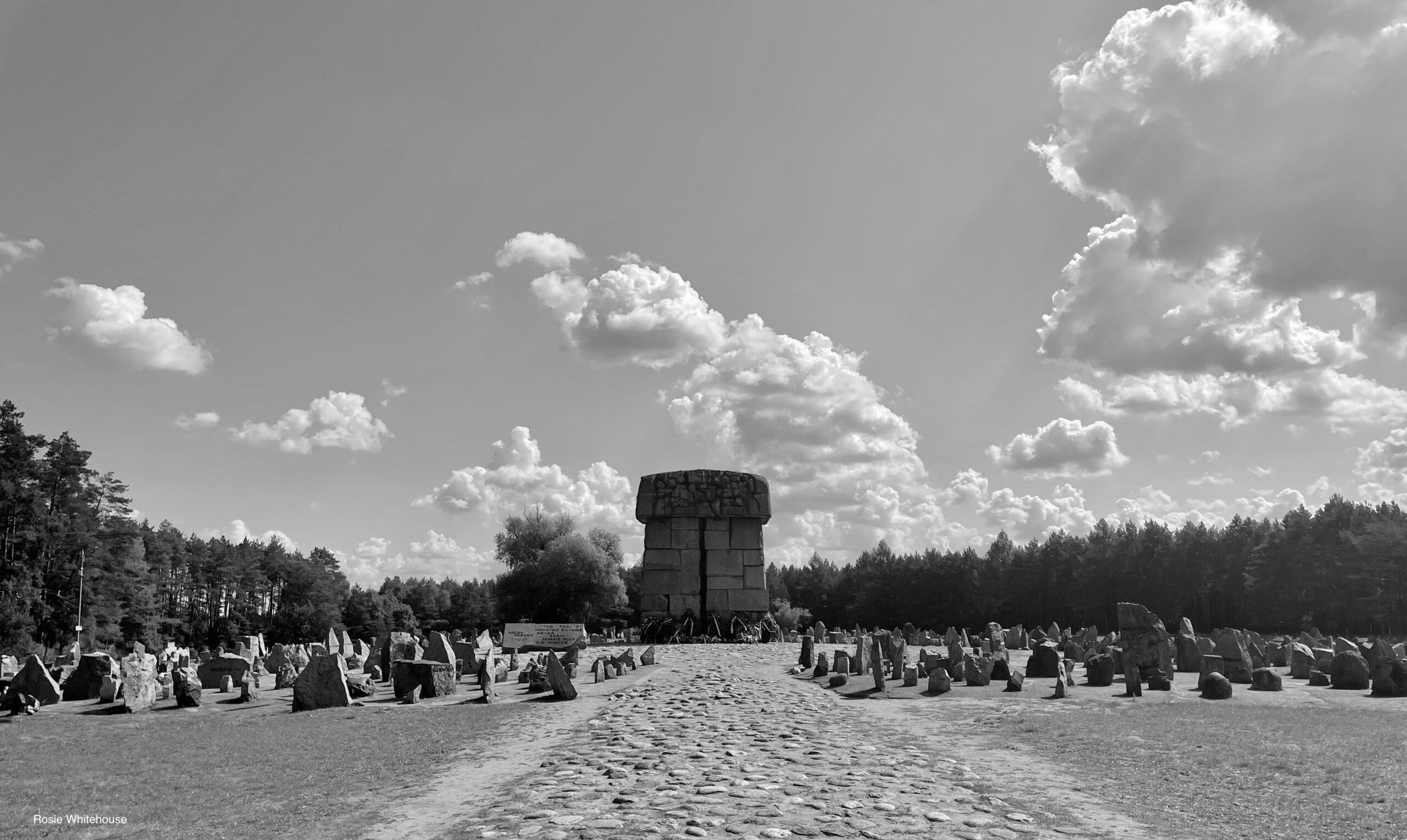
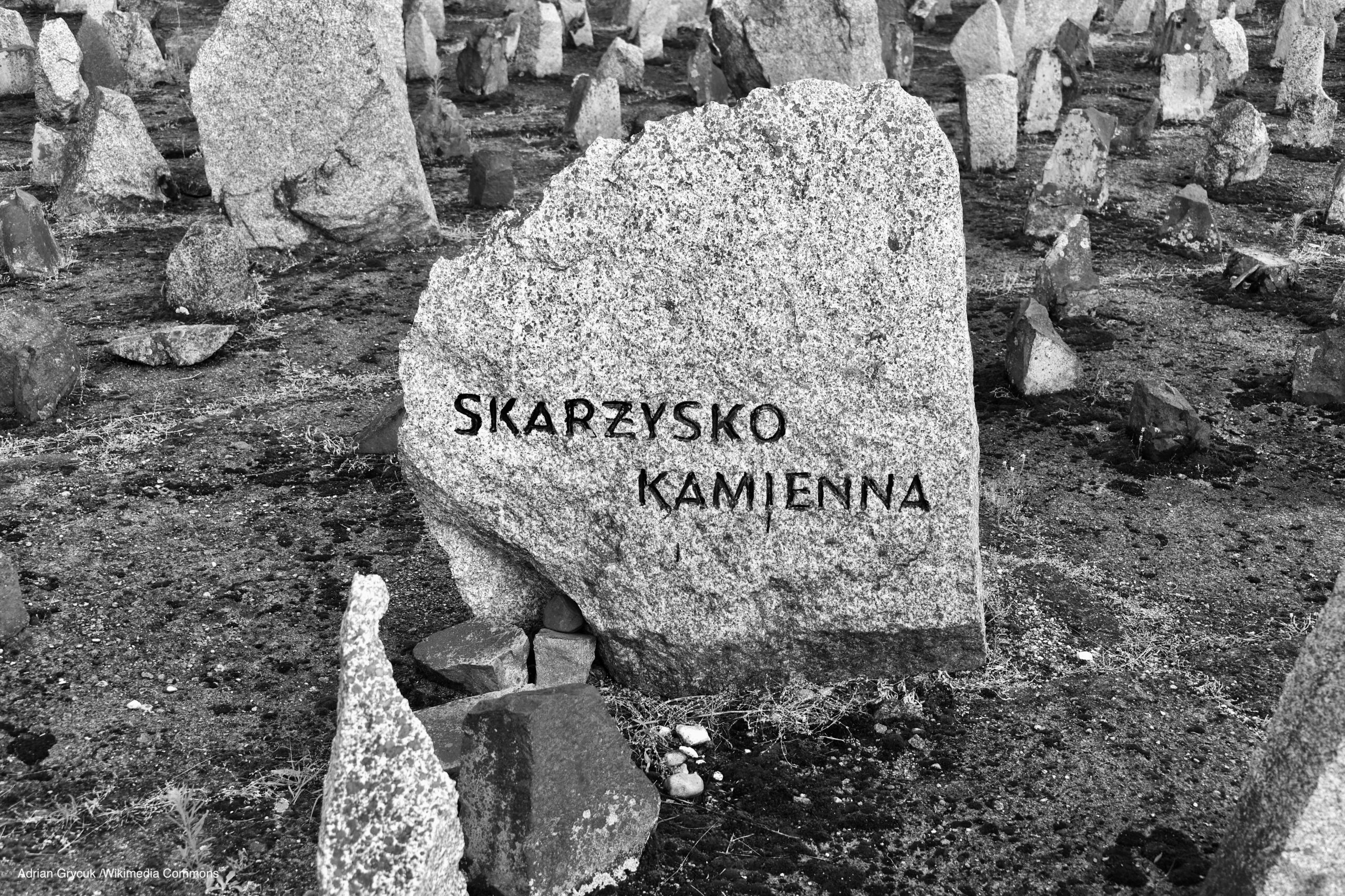
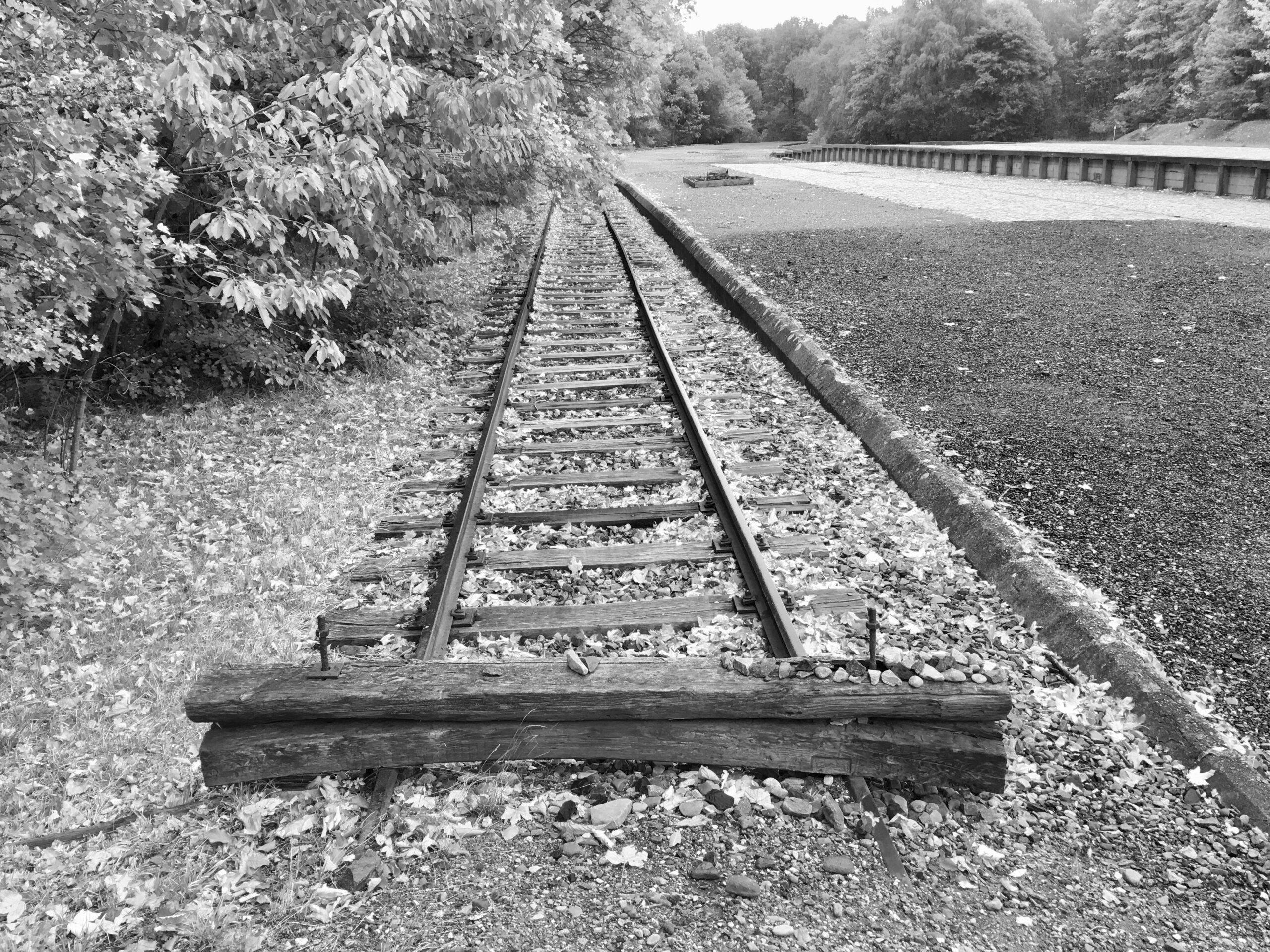
Photograph of a Memorial at the former Treblinka extermination camp in modern-day Poland.
Photograph of the Treblinka Memorial, Poland.
Photograph of a memorial at the former extermination camp of Treblinka in modern-day Poland.

Austria Key Places

Members of the Boys were born in Austria.

The Boys were teenage and child-Holocaust survivors, who were brought to the UK after the war for rest and rehabilitation.

Members of the Boys were held in Nazi labour and concentration camps and used as slave labourers. They had also survived World War II in hiding or as lone children.

Austria Key Facts

Capital: Vienna

Population 1939: Approximately 6,653,000

Jewish Population in 1939: 57,000, down from about 192,000 at the time of the Anschluss (annexation) in 1938

Present-day Population: 9,180,000

Present-day Jewish Population: Approximately 10,000 to 15,000

Most of the Jews in pre-war Austria lived in the capital Vienna.

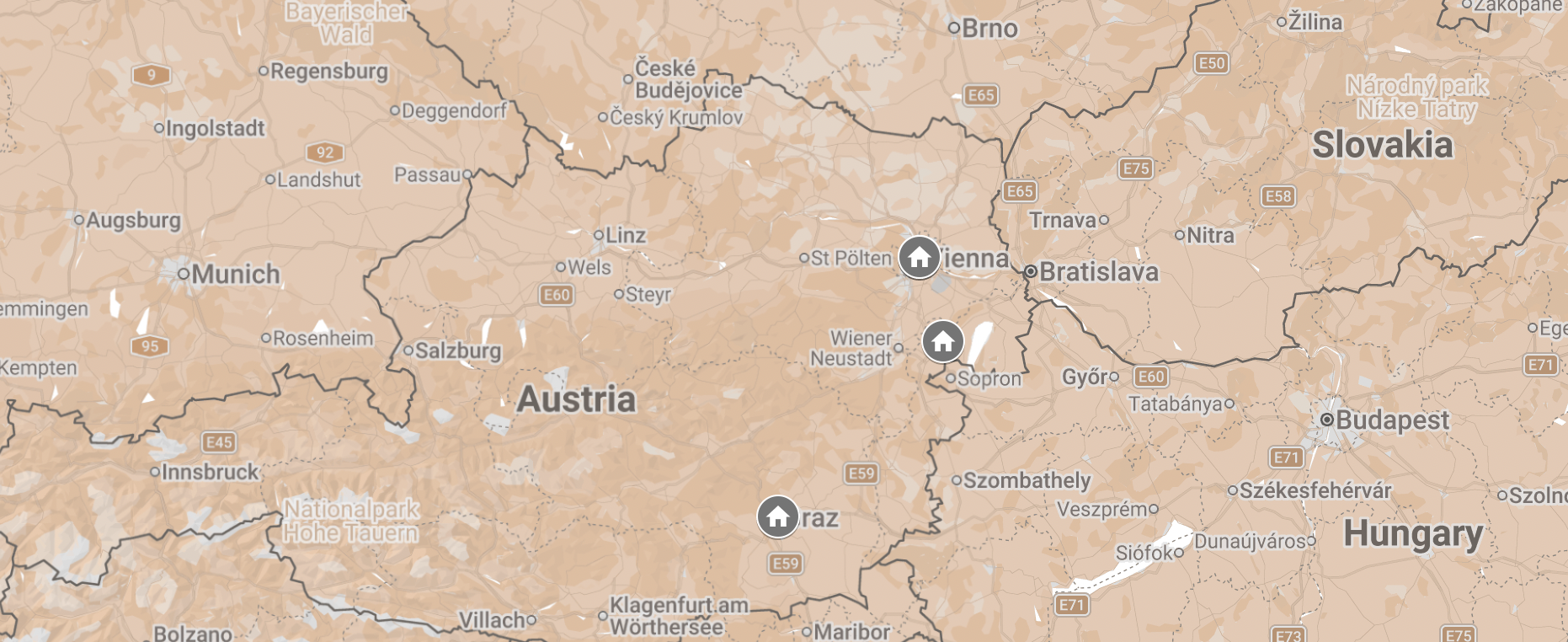
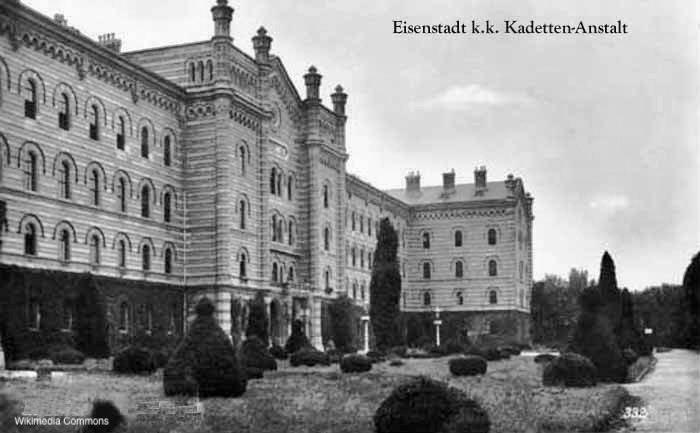
The Boys came from Eisenstadt, Graz and Vienna.

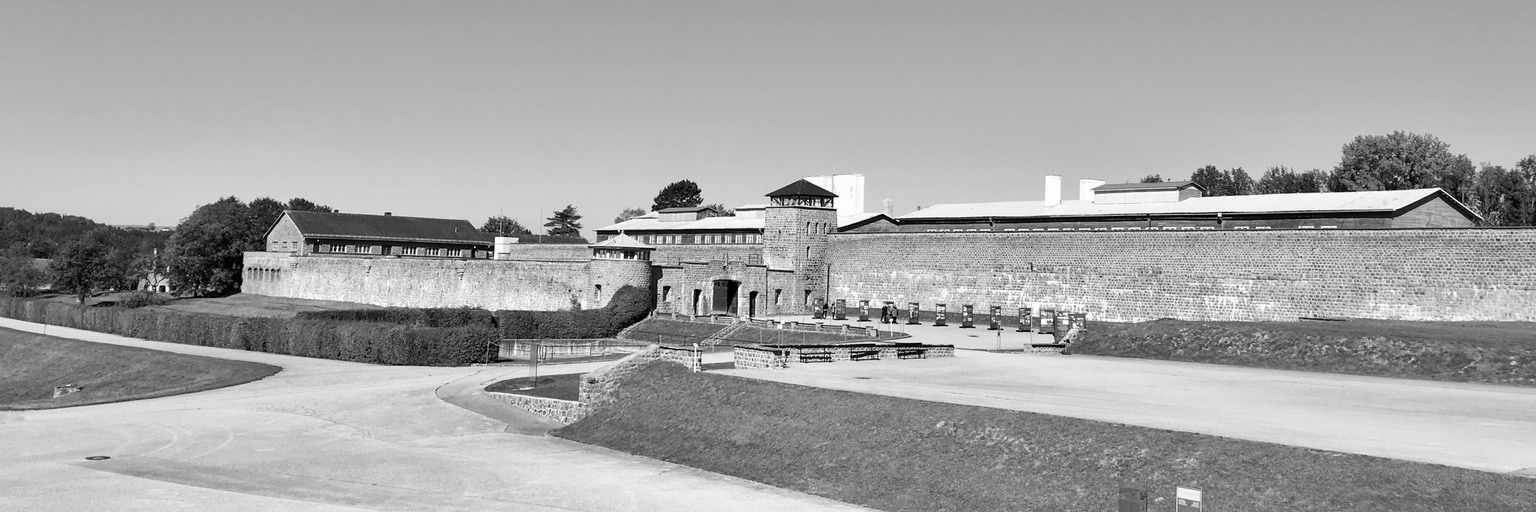
Members of the Boys were held in the Mauthausen concentration camp and its subcamps:

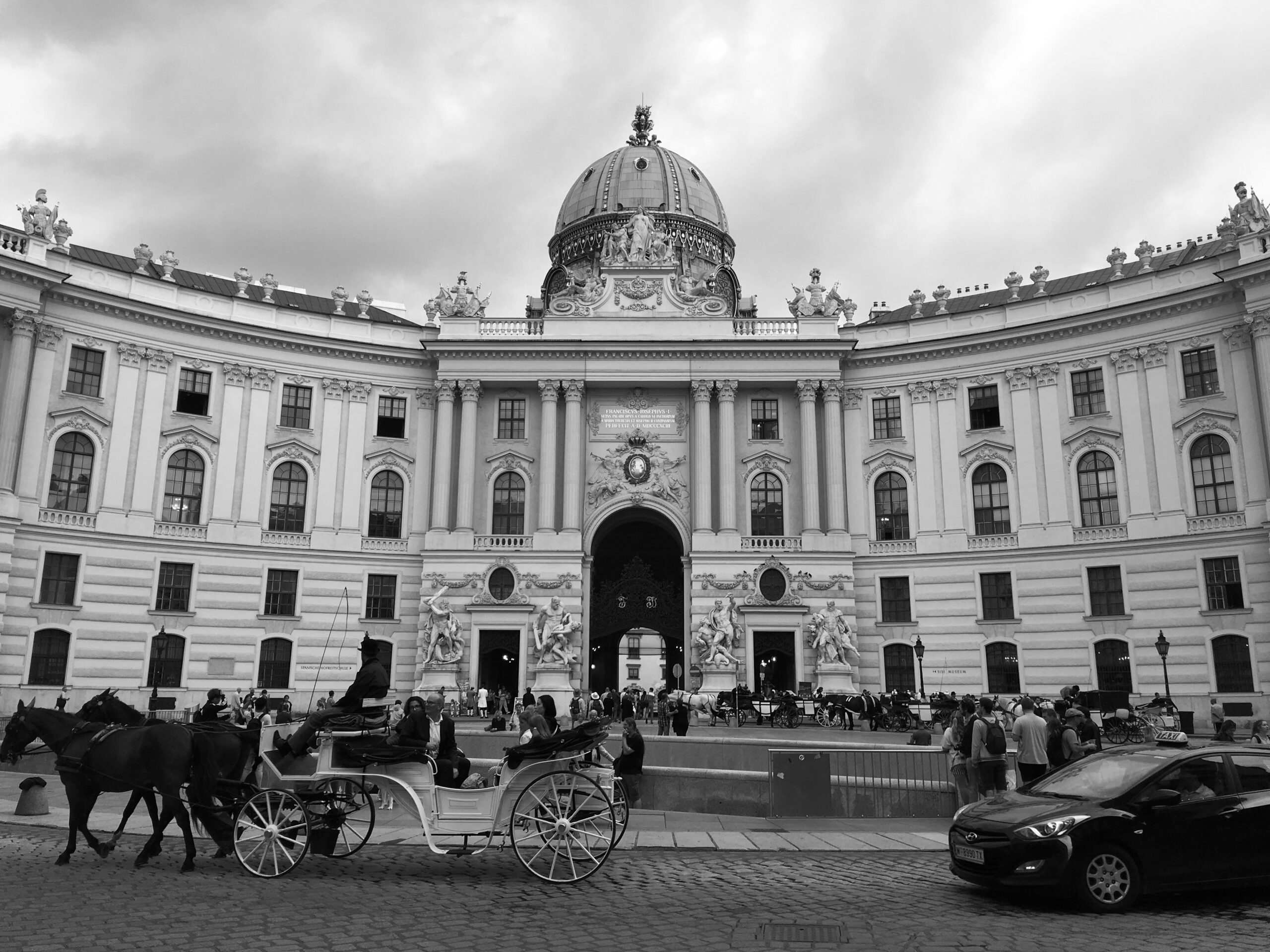
Vienna, Austria
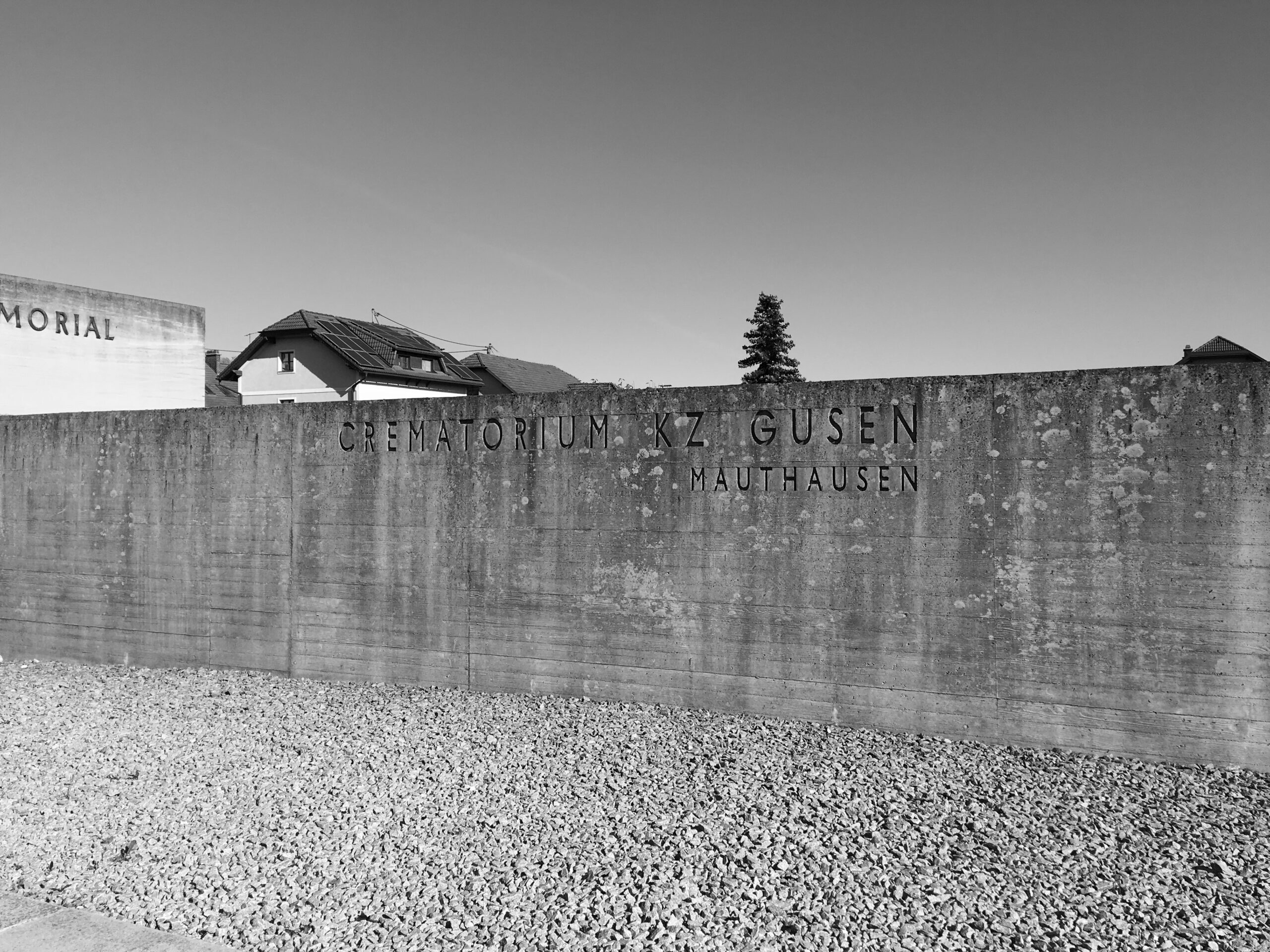
Photograph of the Gusen Memorial, Austria
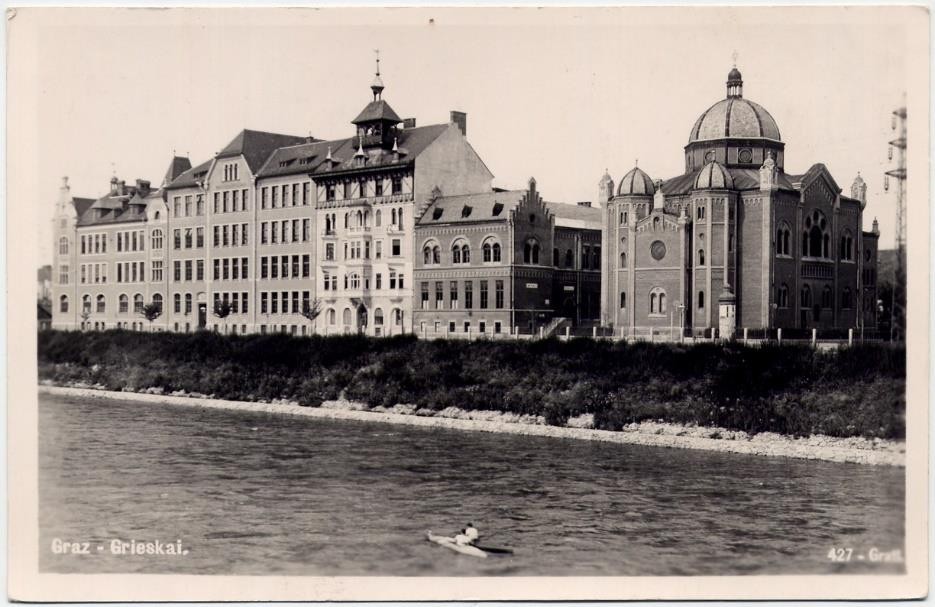
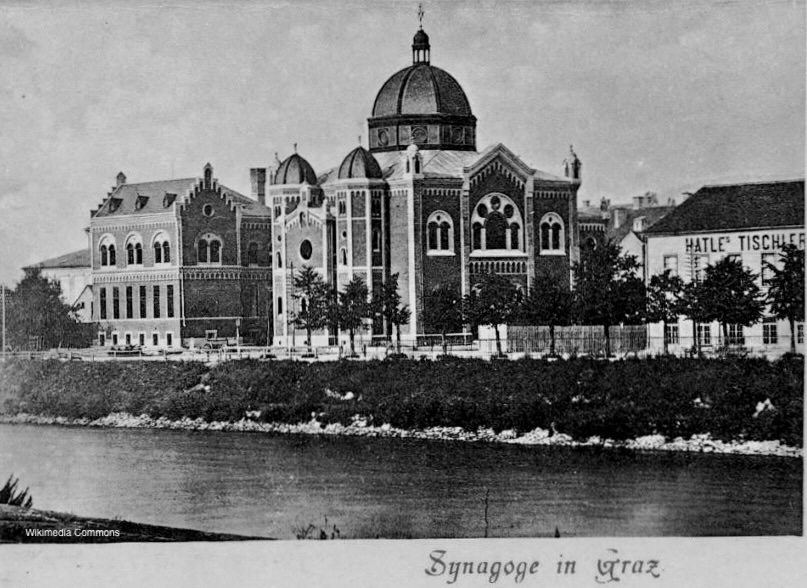
Postcard of Graz Synagogue, Austria, 1900.

Austria Key Words

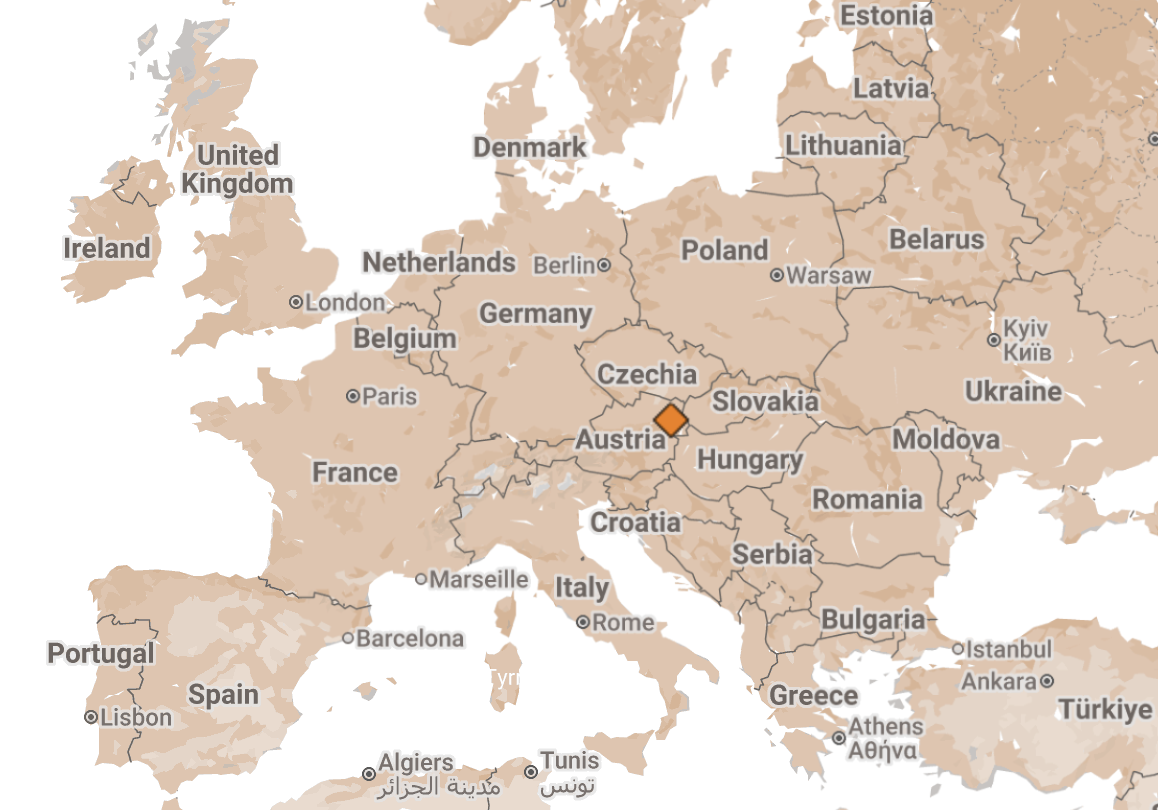
Map of modern-day Austria.

Key terminology, regions, and sites related to the Holocaust in Austria include:

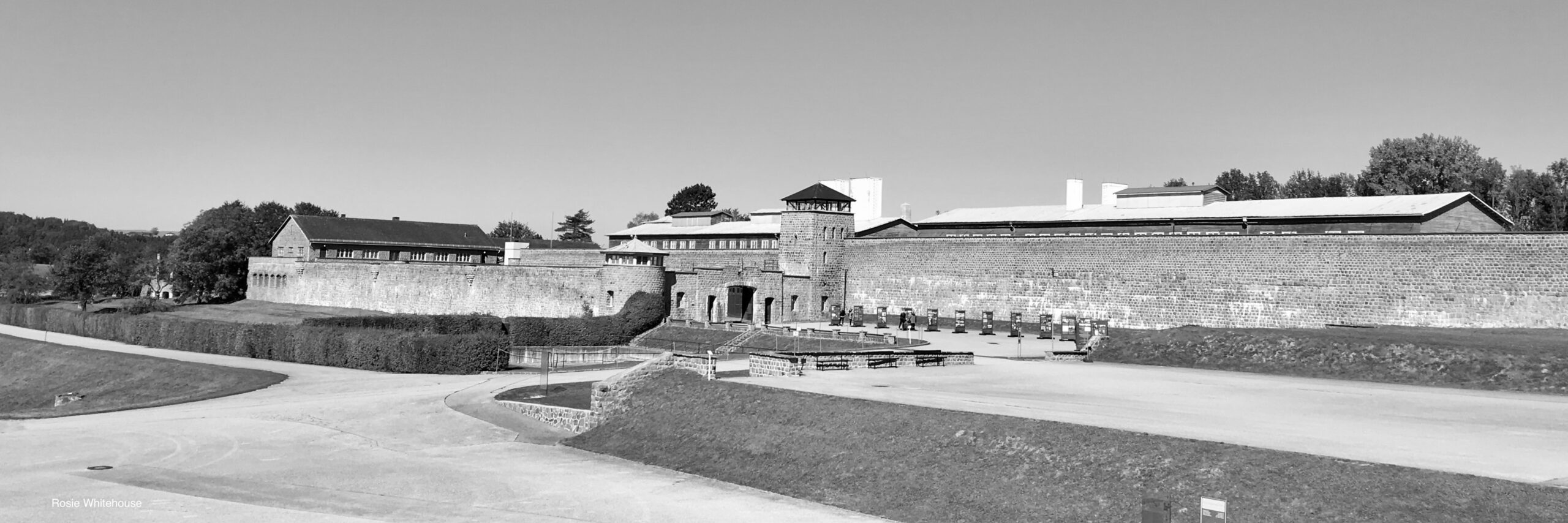
A Photograph of the Mauthausen Memorial.
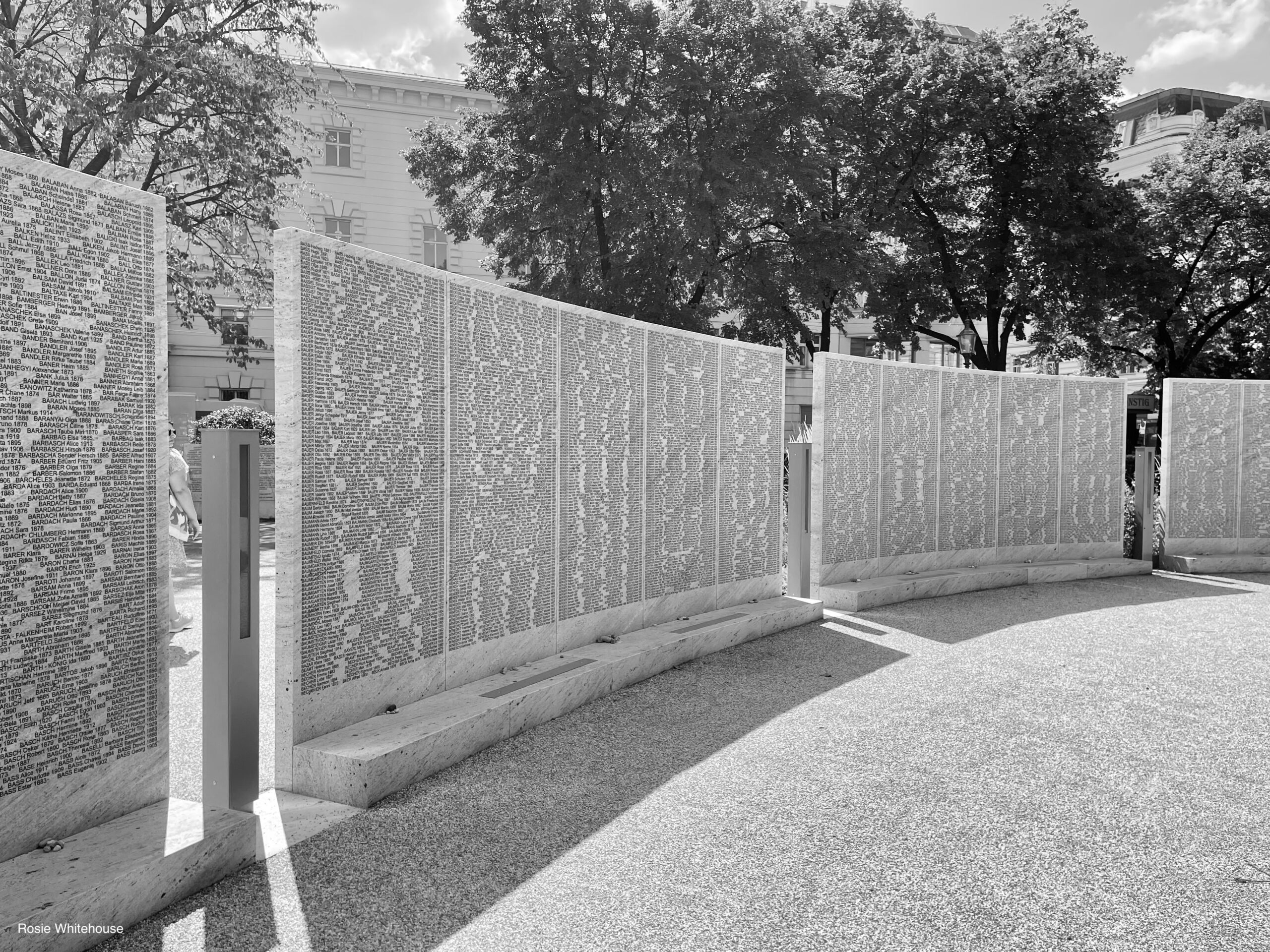
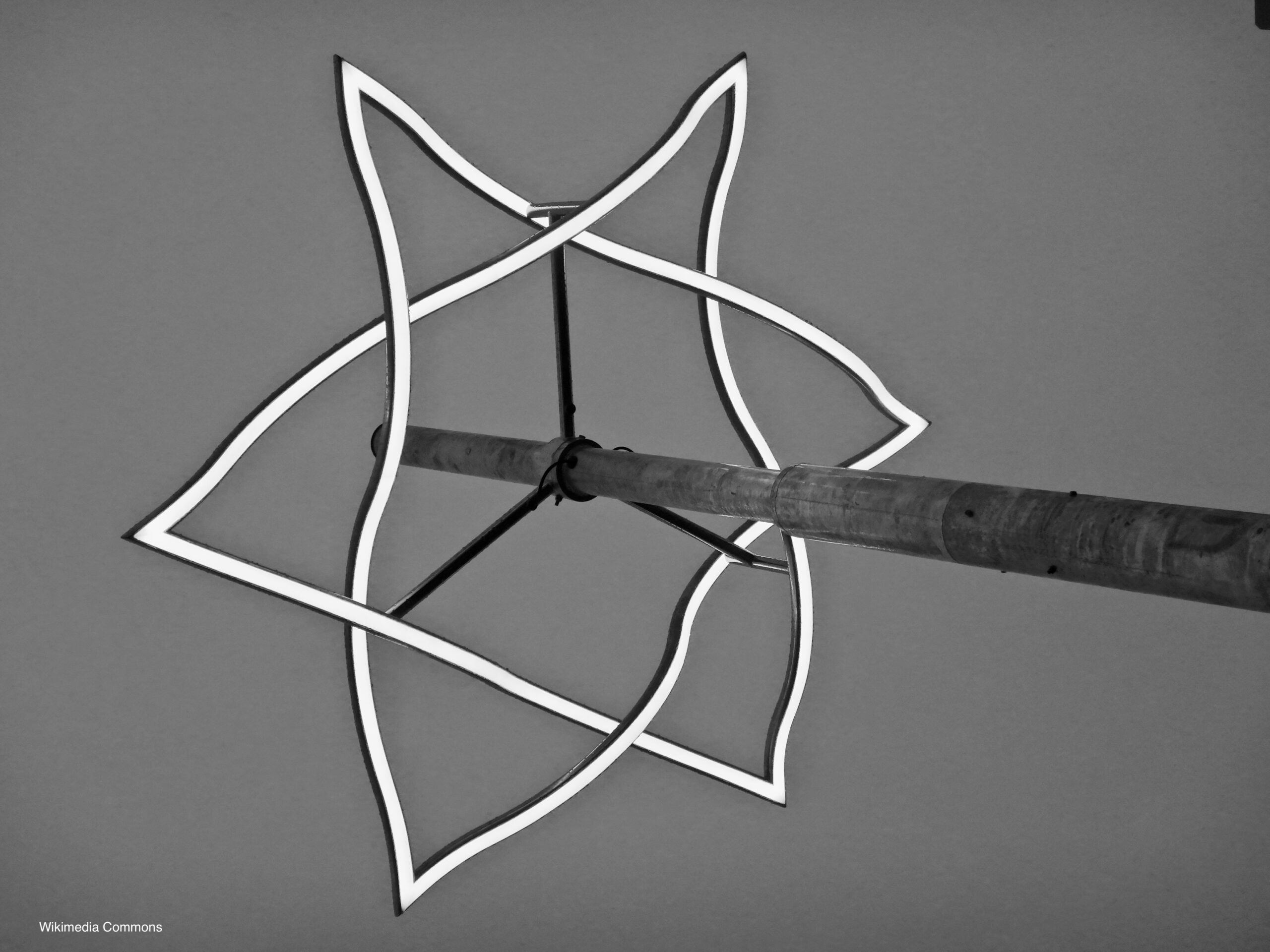
Photograph of Shoah Wall of Names Memorial, Vienna, Austria.
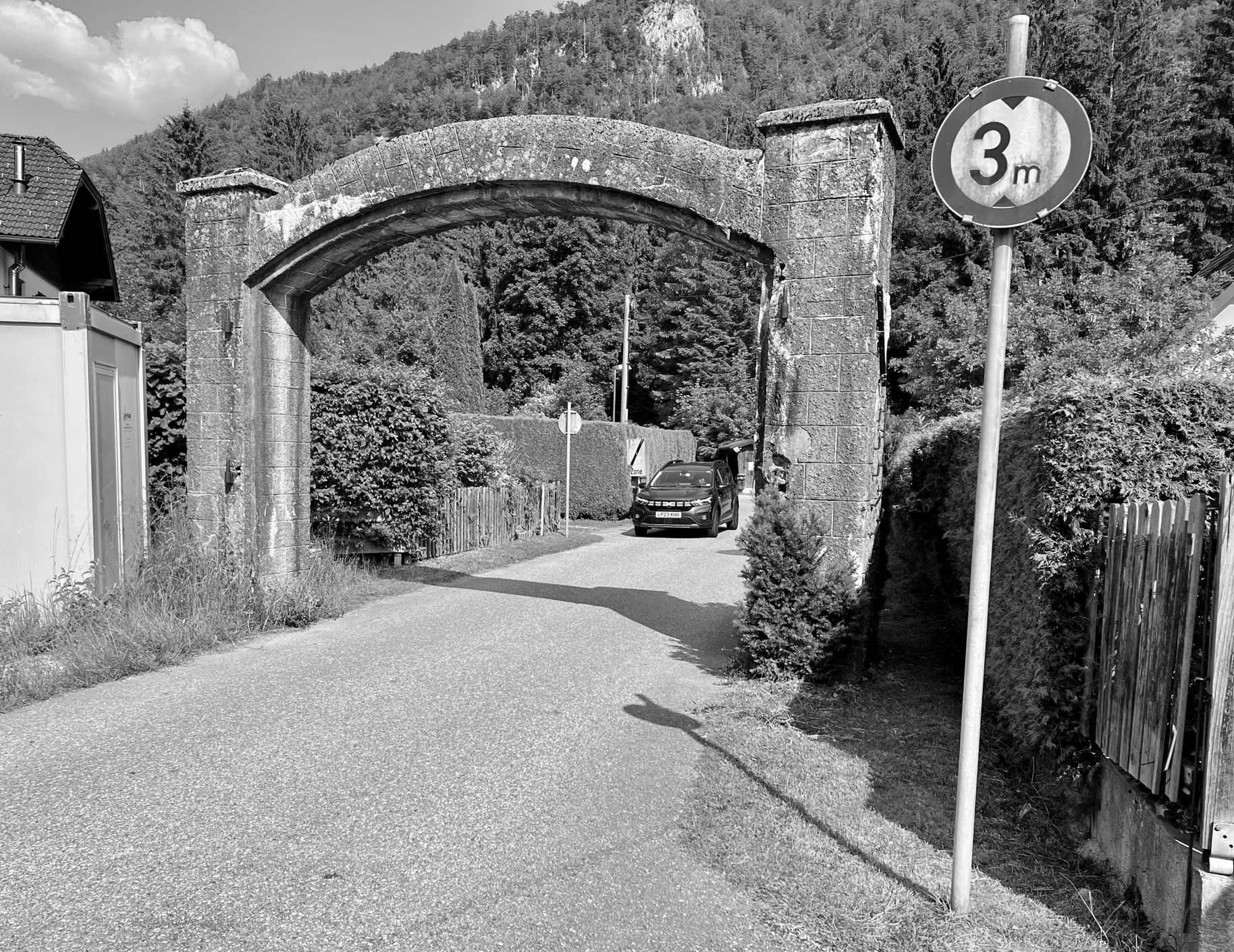
Photograph of the gate of the former Ebensee concentration camp, Austria.

Austria Key Dates

Map of modern-day Austria.

1918

Following the end of World War I and the death of Emperor Franz Joseph I, the Austro-Hungarian Empire collapses. Austria became a republic.

1919

Treaty of Saint-Germain deprives Austria of much of it territory.

A stab in the back theory emerges that Jews and communists have betrayed the country.

1933

30 January   

Adolf Hitler is appointed Chancellor of Germany.

May

The Austrian Nazi Party launches a violent propaganda and terror campaign inside Austria to destabilise the state.

1934

July

Austrian Nazis attempt a coup d’état, assassinating Austrian Chancellor Engelbert Dollfuss, but the takeover fails.

1935

September 

The Nuremberg Laws are declared in Germany.

1938

11–13 March

Germany invades and annexes Austria in an event known as the Anschluss. Local citizens and Hitler Youth aggressively humiliate and attack their Jewish neighbours.

28 March

A new law strips Jewish cultural organisations of their legal civil rights.

26 April

The regime decrees that all Jewish property valued over 5,000 Reichsmarks must be registered for eventual “Aryanisation” (confiscation).

August

Adolf Eichmann establishes the Central Agency for Jewish Emigration in Vienna, weaponizing bureaucracy to strip Jews of their assets in exchange for exit visas.

8 August

The SS opens the Mauthausen Concentration Camp, which becomes the main hub of Nazi terror on Austrian soil.

9–10 November

During Kristallnacht, state-sponsored pogroms destroy more than 40 synagogues in Vienna and result in the forced arrest of over 6,000 Jewish men, who are sent to concentration camps.

1939

30 January

Hitler says ‘if war erupts it will mean the Vernichtung (extermination) of European Jews’.

23 May 

British government severely restricts immigration to the Palestine Mandate in the 1939 White Paper.

1 September

Germany invades Poland.

October-April 1940

Systematic mass deportations begin. Eichmann orders the transport of 1,600 Viennese Jews to a detention camp in Nisko, Poland.

1941

February–March 

The SS resumes targeted mass deportations, sending roughly 4,500 Jews from Vienna to various ghettos in the Lublin district of occupied Poland to be murdered.

Autumn 

Large-scale deportations expand toward the Baltic states and the occupied Soviet Union, including Riga, Kovno, and Minsk, where victims face immediate mass shootings.
1942

20 January 

Wannsee Conference.

1 March

Auschwitz II-Birkenau begins operation.
Spring

Transports accelerate, sending remaining Austrian Jews to death camps like Auschwitz and transit ghettos like Theresienstadt.

October

The Nazi authorities declare Vienna ‘free of Jews’ (judenrein). Only about 8,000 Jews remain out of a pre-war population of 192,000—mostly individuals protected by mixed marriages.

1943

February

Germany surrenders at Stalingrad.

Autumn

Mauthausen Concentration Camp expands its network of subcamps (such as Melk and Ebensee) to exploit slave labour for underground munitions factories.

1944

19 March

Germany invades Hungary.

Summer 

The massive Soviet offensive prompts SS chief Heinrich Himmler to order prisoners in all concentration camps and subcamps be forcibly evacuated toward the interior of the Reich.

November

As the Soviet army approaches Hungary, the Nazis force roughly 40,000 Hungarian Jews on brutal death marches through Austria to construct defensive fortifications.

Winter  

SS authorities increasingly evacuate concentration camp prisoners from both east and west on foot. Many death marches culminate at Mauthausen.

1945

January–April

As frontline concentration camps are evacuated, tens of thousands of dying prisoners are marched into Mauthausen, causing extreme overcrowding, starvation, and rampant disease.

13 April

Soviet forces capture Vienna.

5 May

The US Army reaches and liberates the Mauthausen Concentration Camp and its subcamps. Of the 190,000 total people imprisoned there over seven years, at least 90,000 died.

8 May

Nazi Germany signs an unconditional surrender, ending World War II in Europe.

September

The Seitenstettengasse City Temple—the only Viennese synagogue to survive Kristallnacht unburned—provisionally re-opens.

1945-Late 1940s

Austria serves as a major host site for Displaced Persons (DP) camps, housing Jewish survivors.

Photograph of a Beacon of Light Memorial for Kristallnacht, Vienna, Austria.
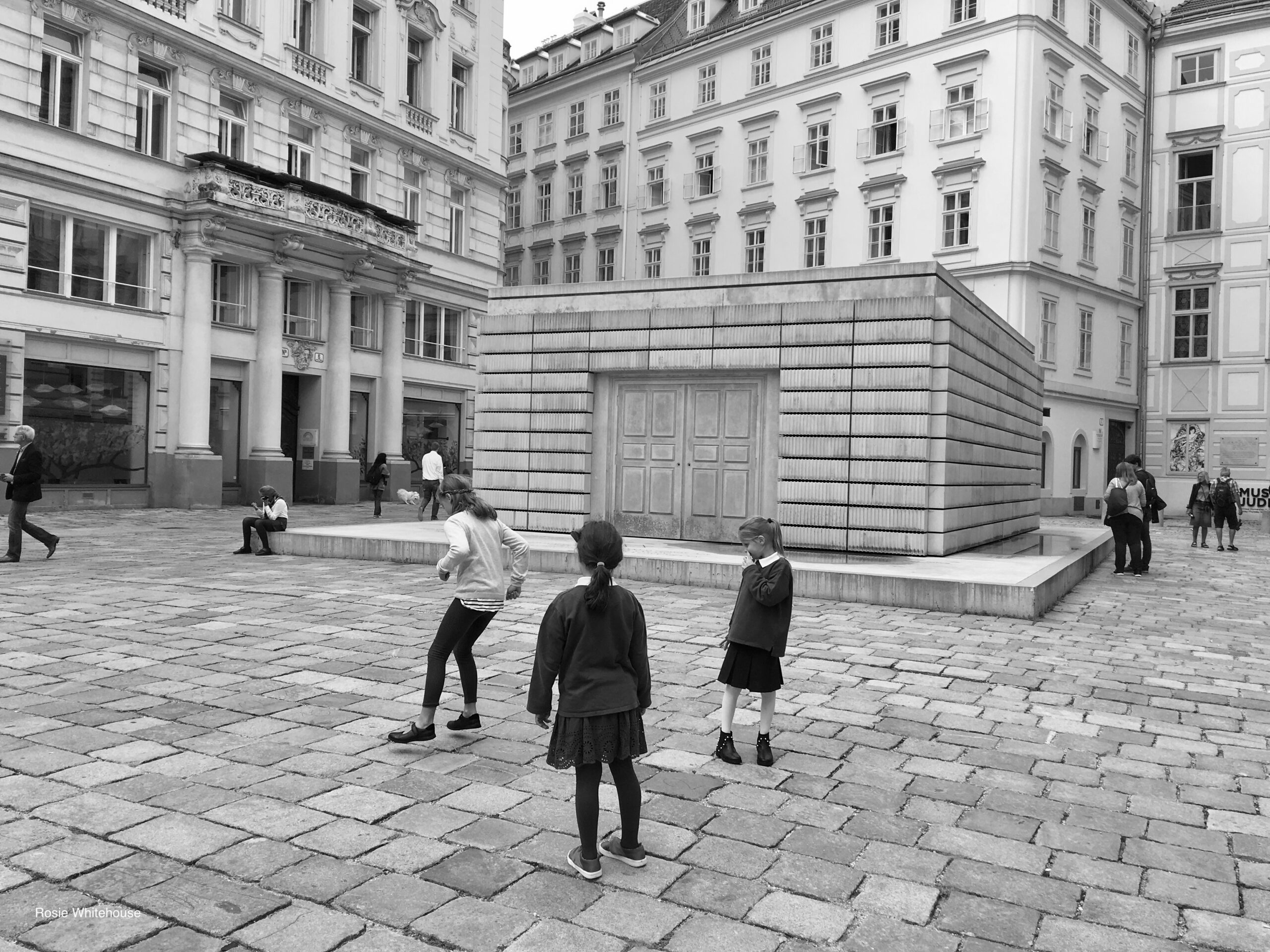
Photograph of the Judenplatz Holocaust Memorial, Vienna, Austria.
Photograph of Shoah Wall of Names Memorial, Vienna, Austria.

Italy Key Places

Members of the Boys were born in Italy.

The Boys were teenage and child-Holocaust survivors, who were brought to the UK after the war for rest and rehabilitation.

Members of the Boys were held in Nazi labour and concentration camps and used as slave labourers. They had also survived World War II in hiding or as lone children.

Italy Key Facts

Capital: Rome

Population 1939: 

Jewish Population in 1939: 

Present-day Population: 

Present-day Jewish Population: 

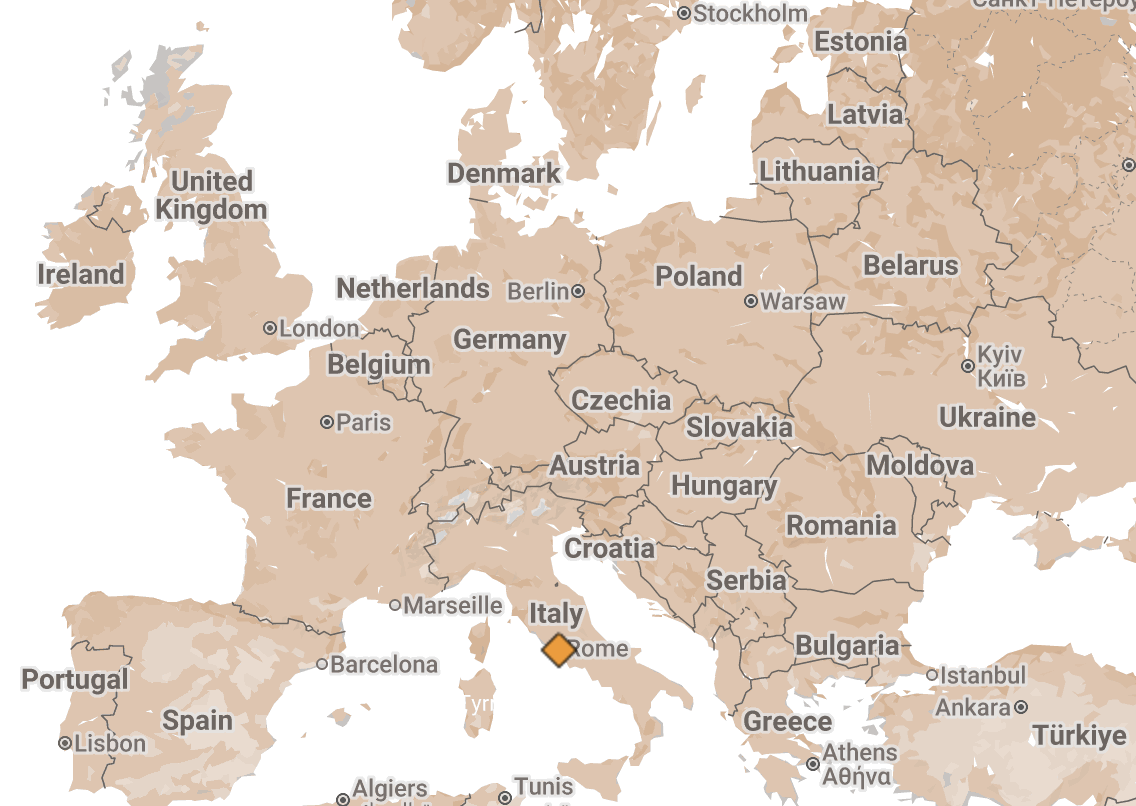
Map of modern-day Italy.

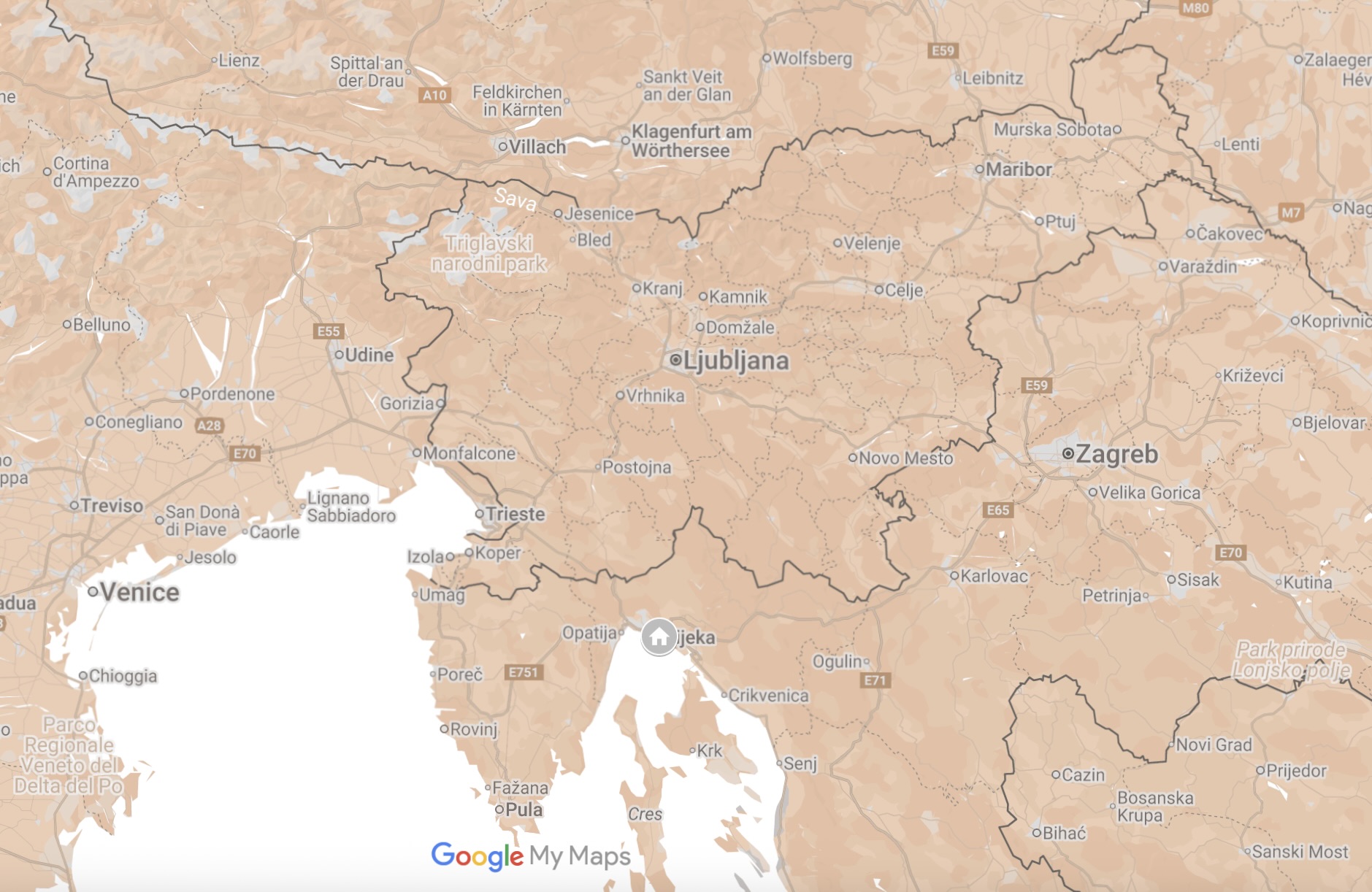
The members of the Boys born in pre-war Italy lived in Fiume, now Rijeka in Croatia:

Map of Rijeka, Croatia.
Map showing Rijeka, Croatia.
Photograph of Tatiana and Alessandra Bucci in the Weir Courtney hostel.
Tatiana & Alessandra Bucci, 1946.

After the German invasion of Italy transit camps were set up where Jews and political prisoners were held prior to deportation.

The two members of the Boys born in Italy, Andra and Liliana Bucci, were taken to the Risiera San Sabbia prison in Trieste with their family before they were deported to Auschwitz.

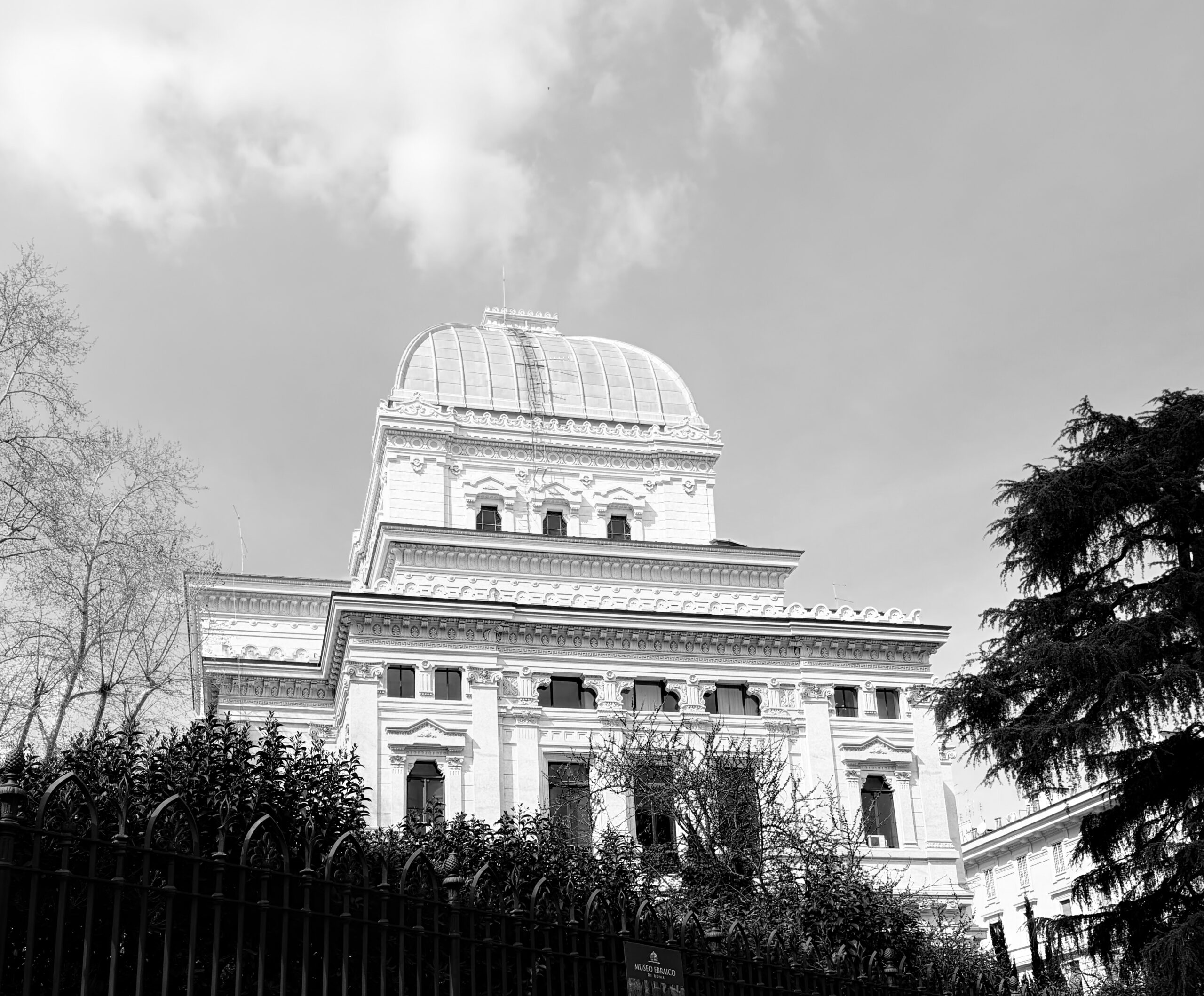
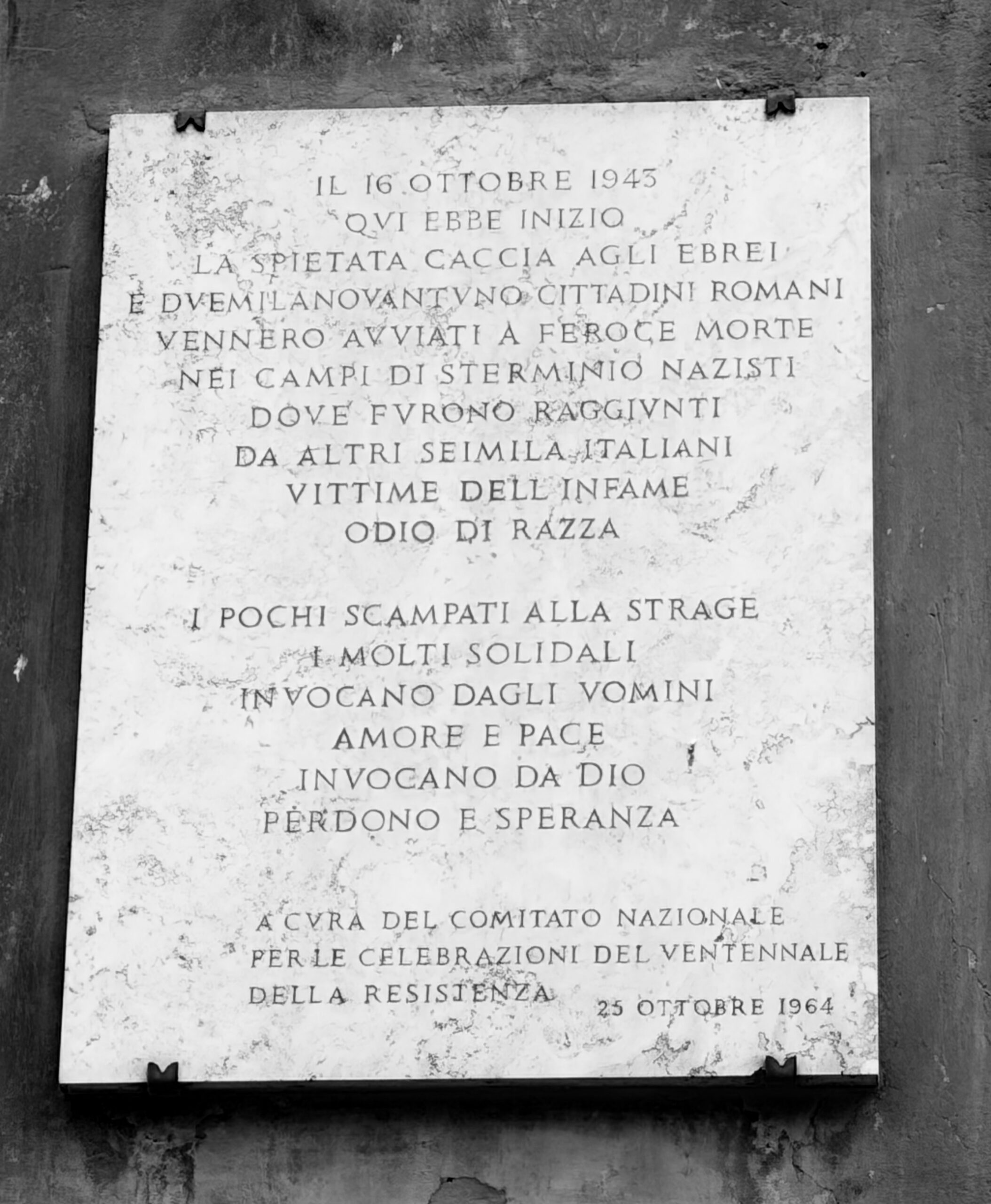
Rome Ghetto Holocaust Memorial
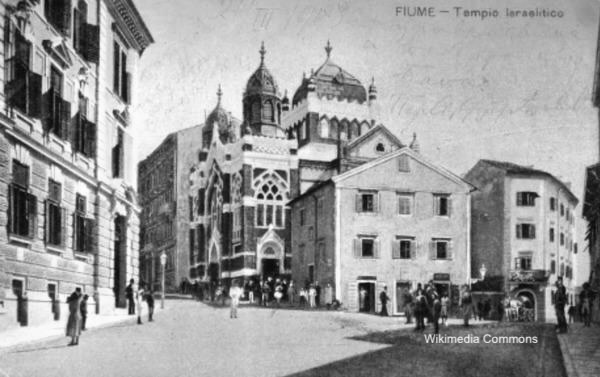
Fiume Synagogue
45 Aid Copyright 2026
45 aid society is a registered charity in England and Wales (243909)
Design and development: Graphical