Members of the Boys were born in Wielún in Poland or spent time in the ghetto there.
The Boys were teenage and child-Holocaust survivors, who were brought to the UK after the war for rest and rehabilitation.
Members of the Boys were held in Nazi labour and concentration camps and used as slave labourers. They had also survived World War II in hiding or as lone children.
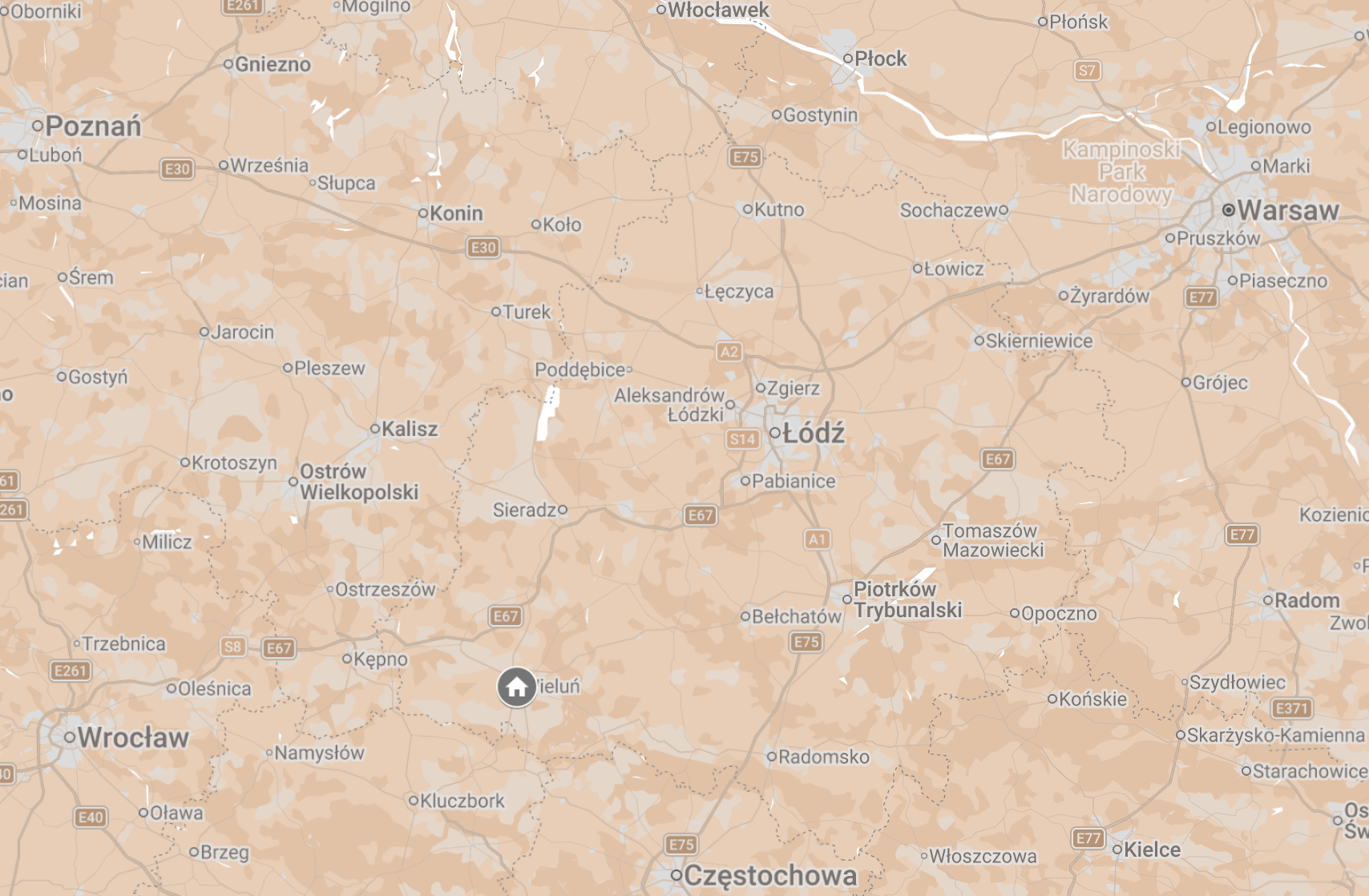
Wieluń is a historical town located in south-central Poland. The town of Wielun prosperous by pre-war Polish standards, and Wielun’s Jewish community was known to be well educated. “Wielun is a Crown” was a popular Jewish saying.
Wielún Key Facts
Country Pre-war: Poland
Country 1939-1945: Third Reich
Country post-1945: Poland
Yiddish name: Wilohn
German name: Welun
Location: 140km southwest of Łódź
Population 1939: Approximately 16,000
Jewish Population 1939: Approximately 4,200
Population 2026: Approximately 21,200 to 21,600.
Jewish Population 2026: 0
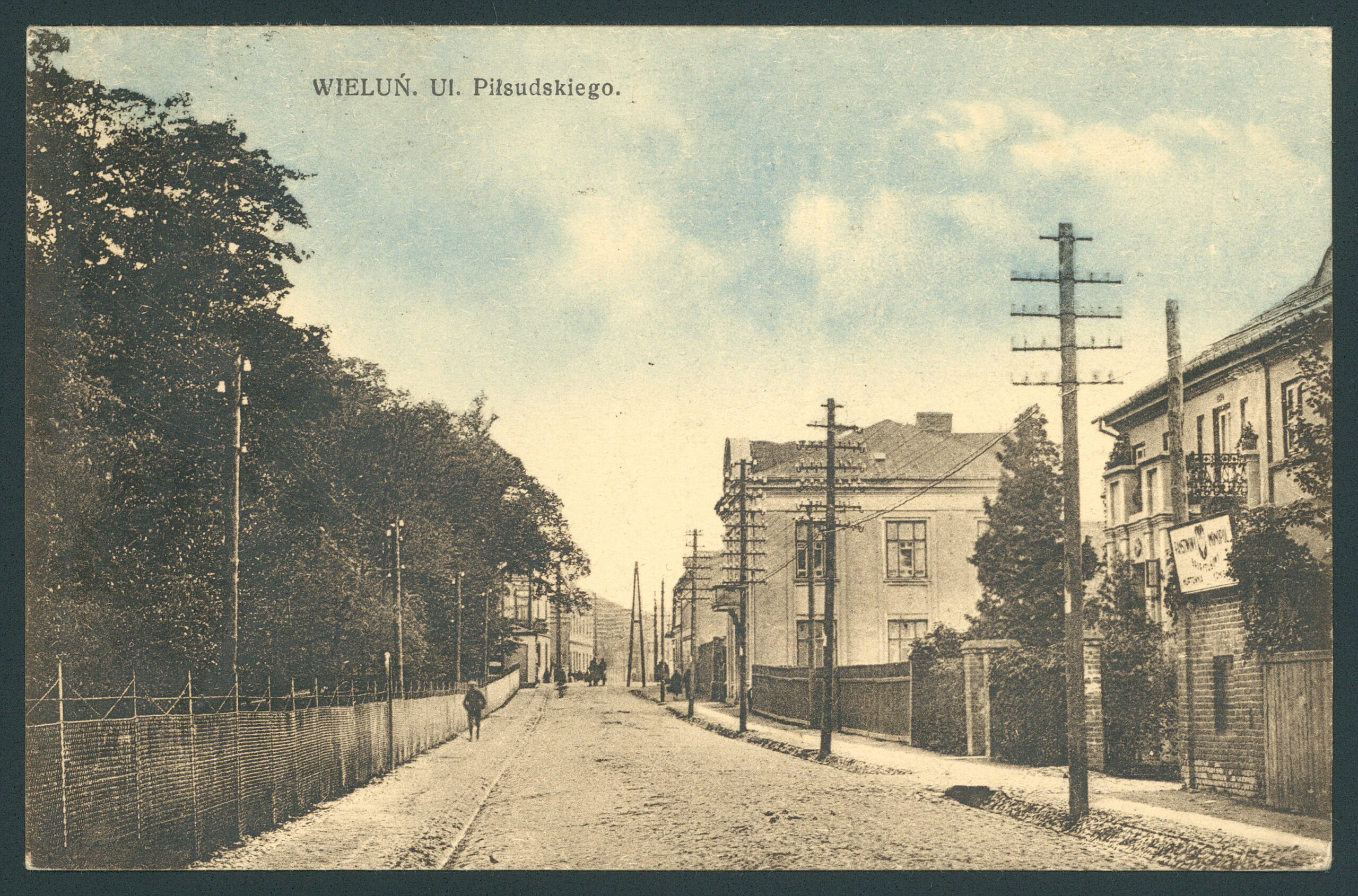
Before World War II, Wielun was about 14km from the Polish-German border. Wielun had 16,000 inhabitants, 40% of whom were Jews. There was no German minority here, unlike in other cities in central Poland.
 Background
The first record of Jews in Wielún dates back to 1537. Relations between Jews and Poles were tense and the Jewish community was eventually expelled. Jews only resettled in the town in the 18th century.
The Jews living in Wielún were artisans, tradesmen and merchants; some dealt in the production and sale of spirits. Relations with the Polish population, however, remained antagonistic and there were continued efforts to expel them until the late 19th century.
In 1913, a family of eight Jews were burned alive in the village of Pontnev, near Wielún. Their home was reportedly set on fire by an antisemitic mob. This horrific attack made widespread headlines across Poland at the time, and highlights the dangers faced by Jewish communities in eastern Europe prior to World War I.
In 1919, in which Jewish shops were plundered in pogrom in Wielún.
Jewish Life in Wielún
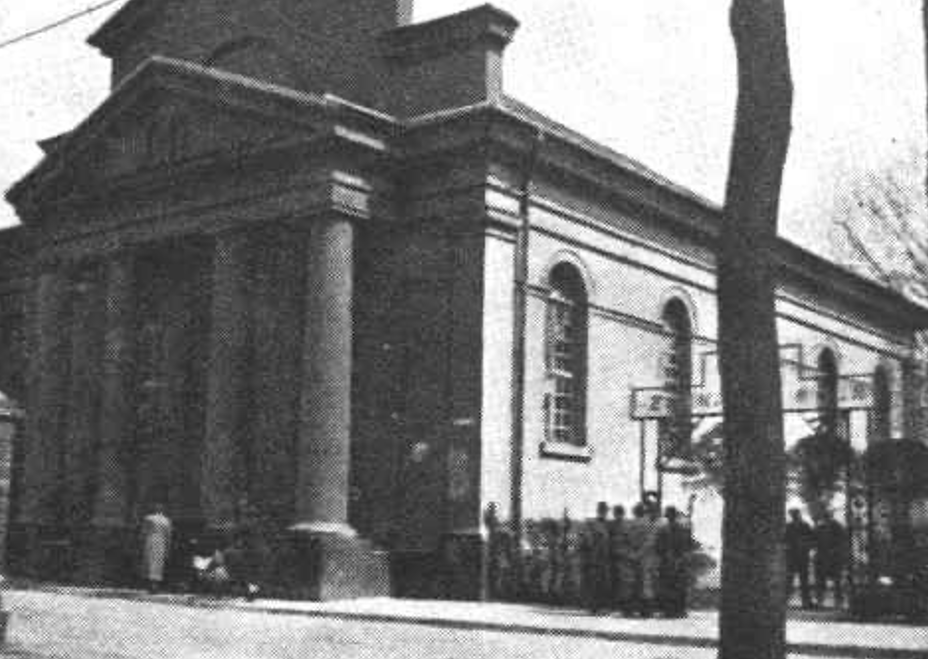
The Jewish community in Weilún had a lively cultural and religious life. In the interwar years, there was a Jewish Youth Club, the first ‘Hechalutz’, the farm for pioneer agricultural training for life in the Palestine Mandate, drama clubs, a choir, and the Jewish Scouts. The first Jewish gymnastics and sports club was set up in 1915, followed, in later years, by the sport clubs “Maccabi” and “Gwiazda” (Stern) and the popular Maccabi brass band, the latter a great favourite with the Jewish community.
In the interwar period, political life flourished in the Wieluń Jewish community. A full spectrum of Jewish political parties were active in the town. Two Jewish weeklies, Wieluner Tzeit and Wieluner Leben were published in Wielún, which had a variety of Jewish organisations among them schools and a library.
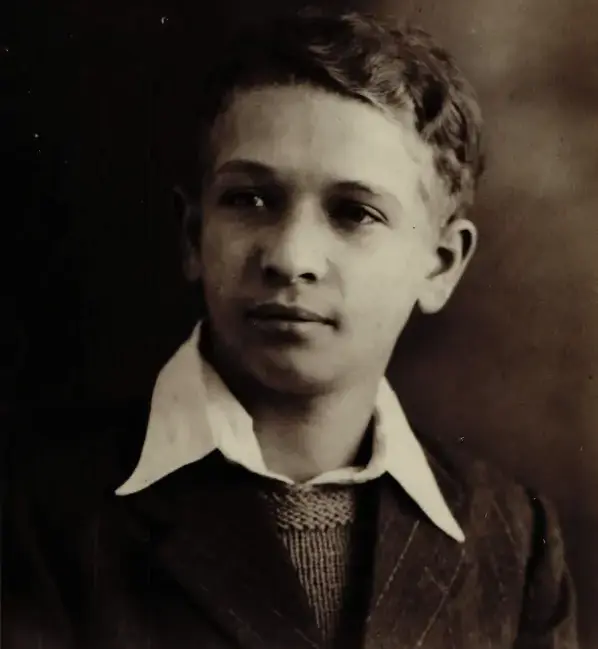
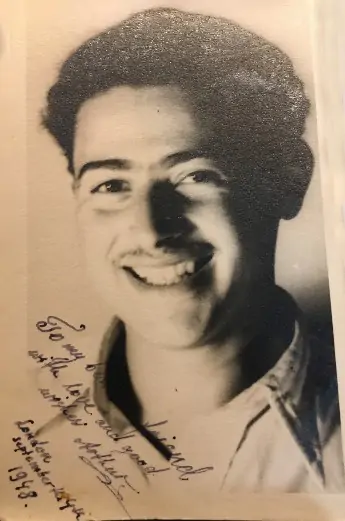
The brothers Jerzy and Artek Poznanski were born in Wielún.
World War II
Wielun was badly bombed on the first day of the German invasion of Poland (1 September 1939) and is sometimes referred to as the ‘Polish Guernica’. But the raid, at the beginning of World War II, is less well-known than the Nazi bombing of the Basque town two year earlier, during the Spanish Civil War — captured in Picasso’s masterpiece but was the first major bombing of World War II.
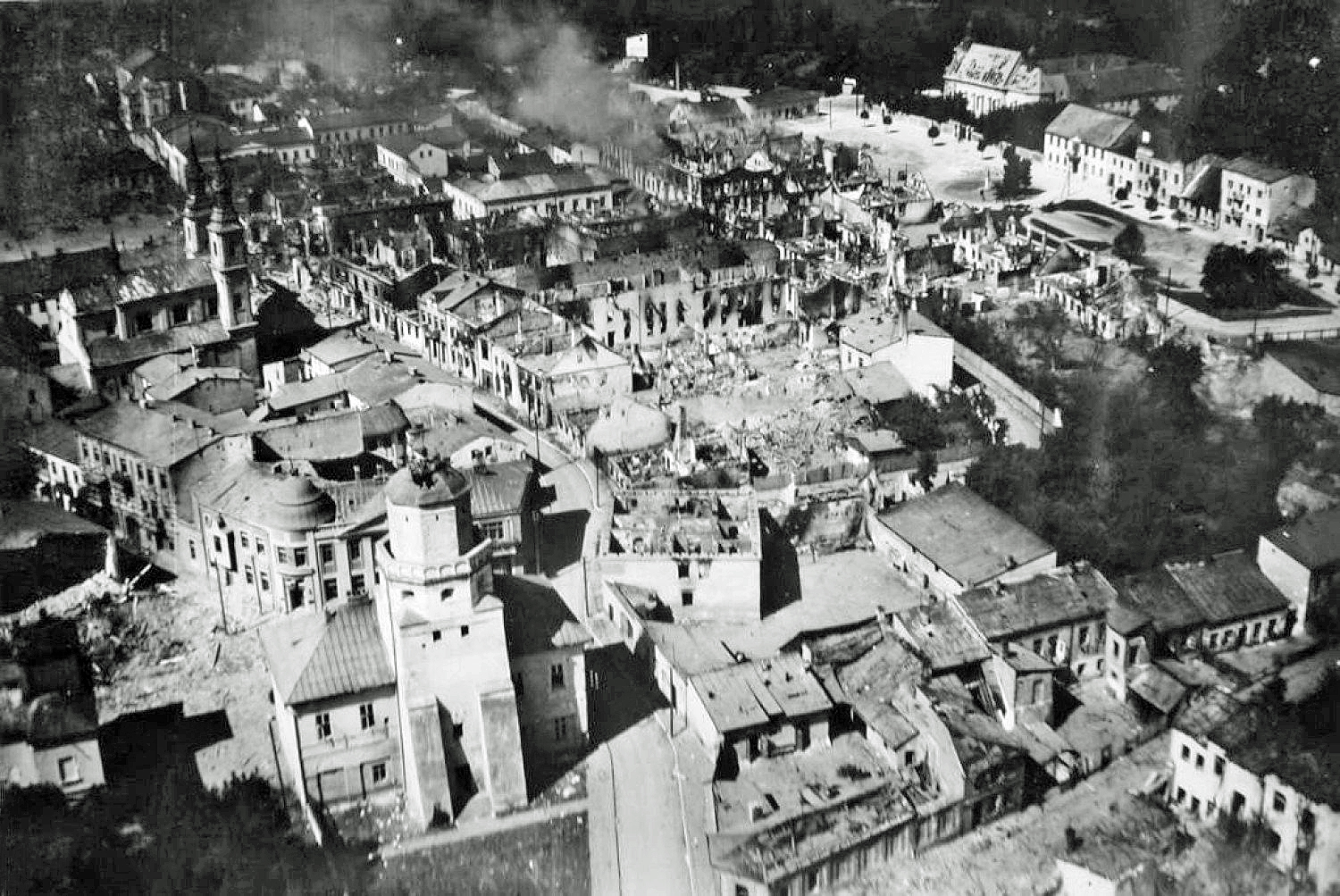
The exact number of victims has never been established. Estimates range from several hundred to more than 1,000. The centre of the town, including the Jewish area around the market place was destroyed
The order to bomb Wielún was given by General Wolfram Freiherr von Richthofen, who also led the German unit that razed Guernica in 1937.
Wieluń was annexed to Nazi Germany on 8 October 1939 and placed under the administration of Reichsgau Wartheland.
In June 1940, the Germans expelled around 200 Poles, owners of villas, which were handed over to new German officials or converted to German offices. During the German occupation, a transit camp was operated in the town for Poles expelled from the region, who were then either deported to the General Government in the eastern part of German-occupied Poland or to forced labour in Germany and German-occupied France or sent as slave labourers to work for the new German colonists.
Wielún Ghetto
In the spring of 1941, the Germans established a ghetto. To find out more about the ghetto click here.
In August 1942, when they were nearly all of the Jews held in the ghetto taken to the extermination camp in Chełmno. Only 922 people, mainly those who were young and able to work were sent to the ghetto in Łódź.
Liberation
Wielún was liberated on 19 January 1945 by the Red Army.
A small group of up to 100 Jewish survivors try to re-establish a community in Wielun after their liberation. However, in the face of open — and sometimes violent — hostility on the part of the local Poles, they soon left the town, never to return.
There has been no Jewish community in Wielún since 1945.
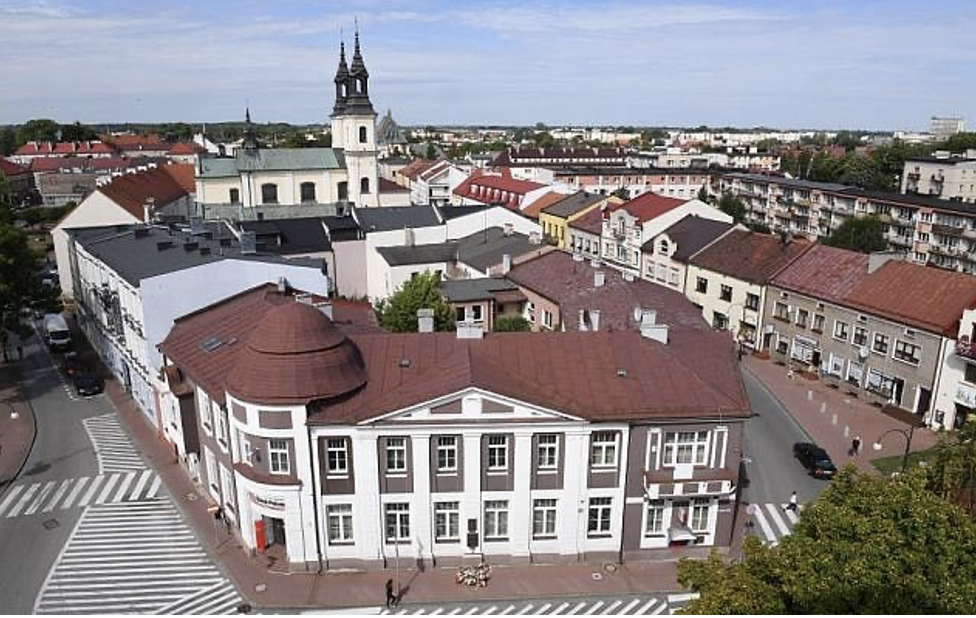
Wielún was gradually rebuilt after the war. Today, it is a bustling, beautiful city of 25,000 people with well-maintained streets and parks. It is proud of its identity as a former royal city founded in the 13th century.
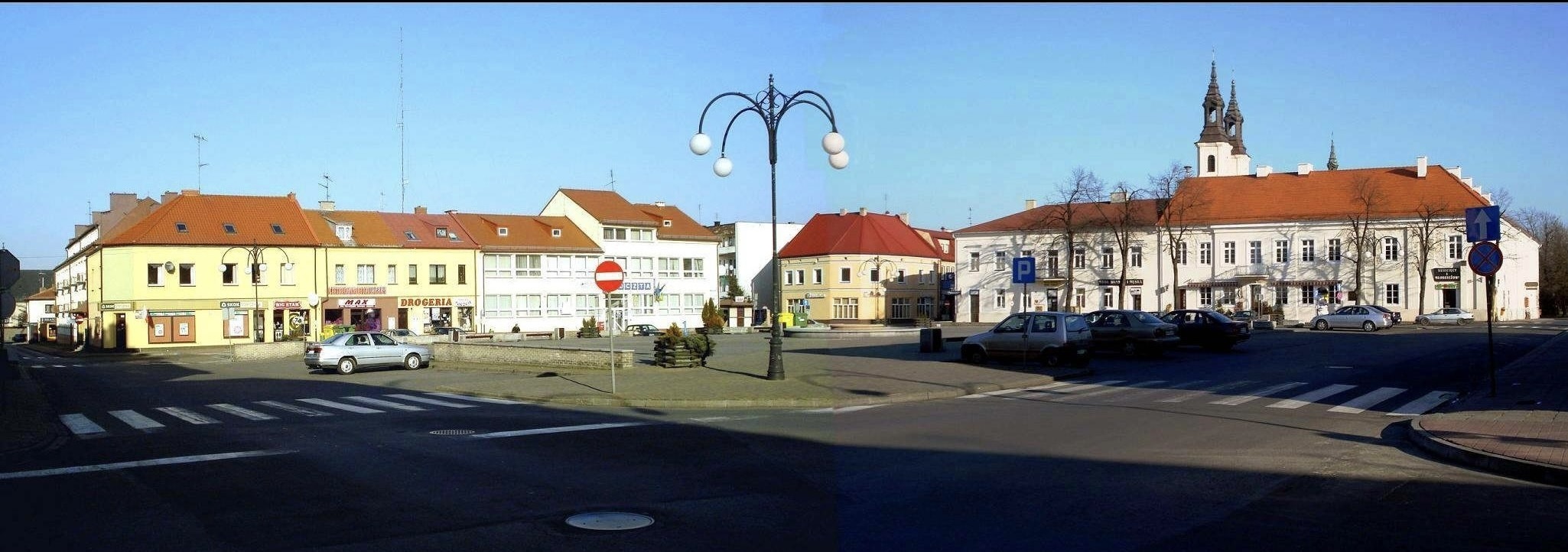
Getting there The fastest and most direct way to get from Warsaw to Wieluń (244km away) is by driving (approx. 2.5 hours) or taking a direct bus (approx. 3 hours and 15 minutes). There is no direct train route between the two cities. From Wrocław, 140 km away, you can take a bus or drive (approx. 1.5 to 2 hours).
Memorial The Synagogue Memorial is located at Henryka Sienkiewicza Street (formerly Żołnierska Street), nestled between the medieval town walls and the nearby parish.
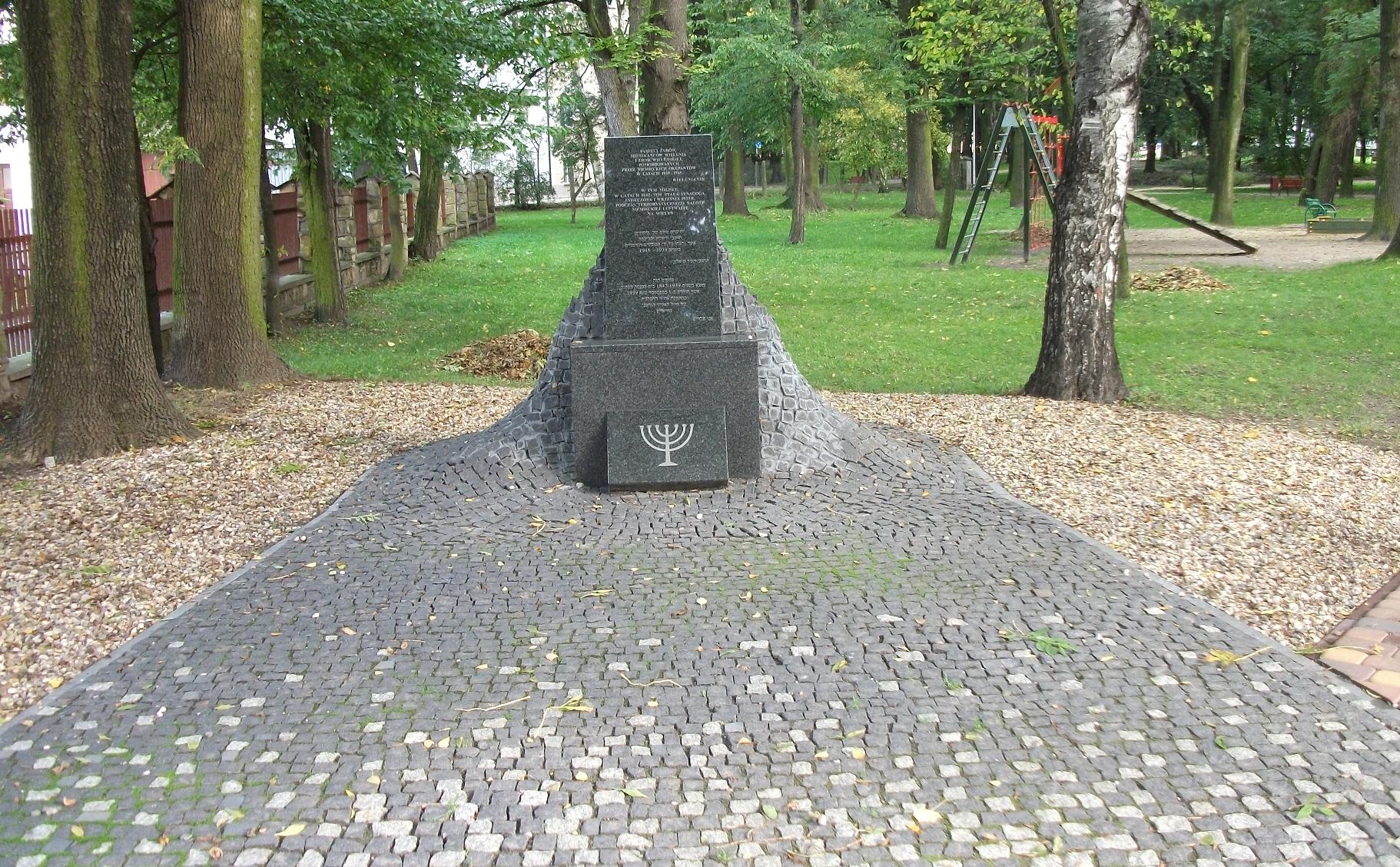
Ghetto Location The ghetto was located in the area between Kilińskiego, Krakowski Zaułek, Targowa, and Plac Targowy Streets.The Jewish cemetery site (located off Kijak and Graniczna Streets) was largely destroyed, heavily overgrown, and now features a memorial monument for Holocaust victims
 About
About History
 Education
 Quilts
 FIlms
FIlms Photos
 News Media & Events
 Publications
 Donate