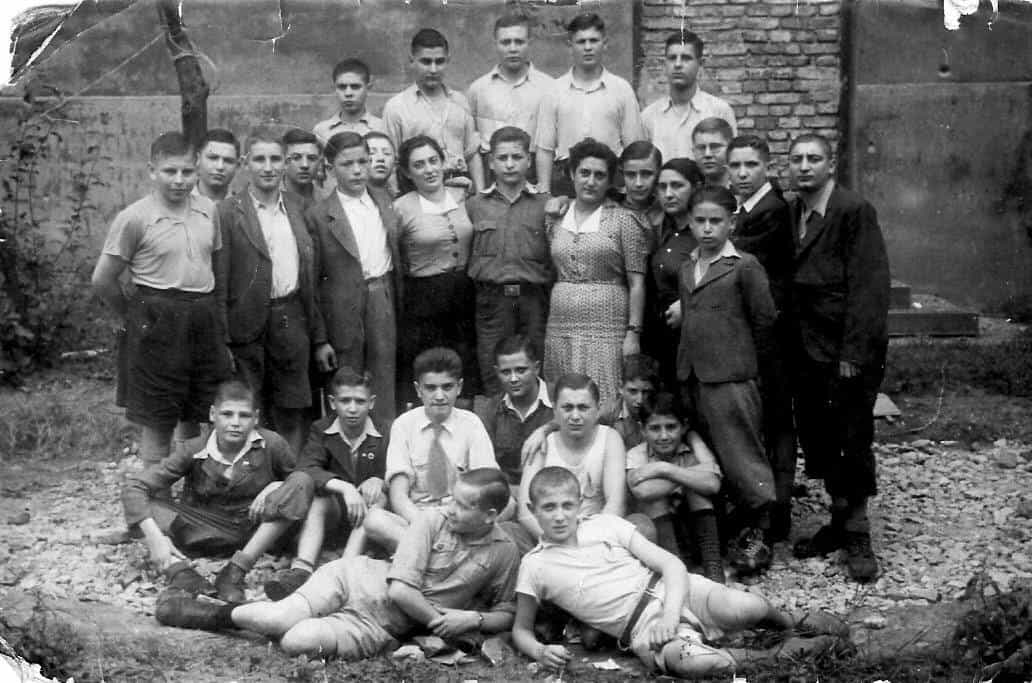
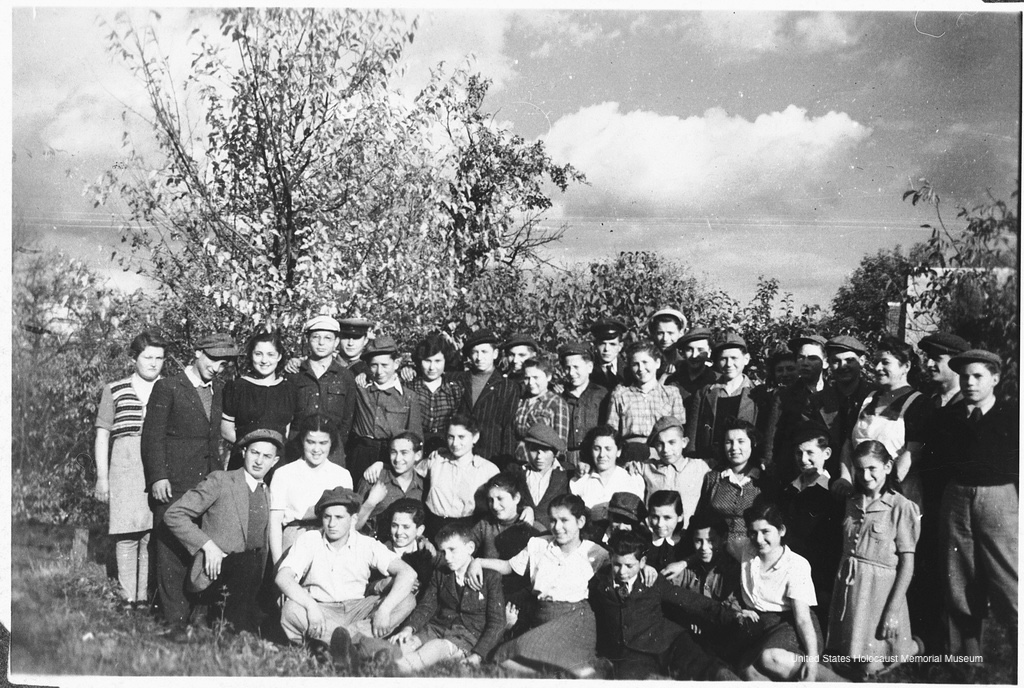
The Boys spent years enduring life in Nazi ghettos and the brutal conditions of the Nazi concentration camps where they were forced to work as slave labourers.
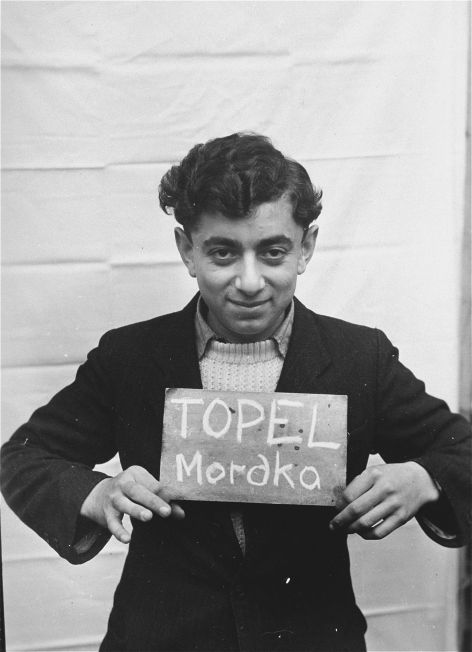
The Boys were teenage and child-Holocaust survivors, who were brought to the UK after World War II for rest and rehabilitation.
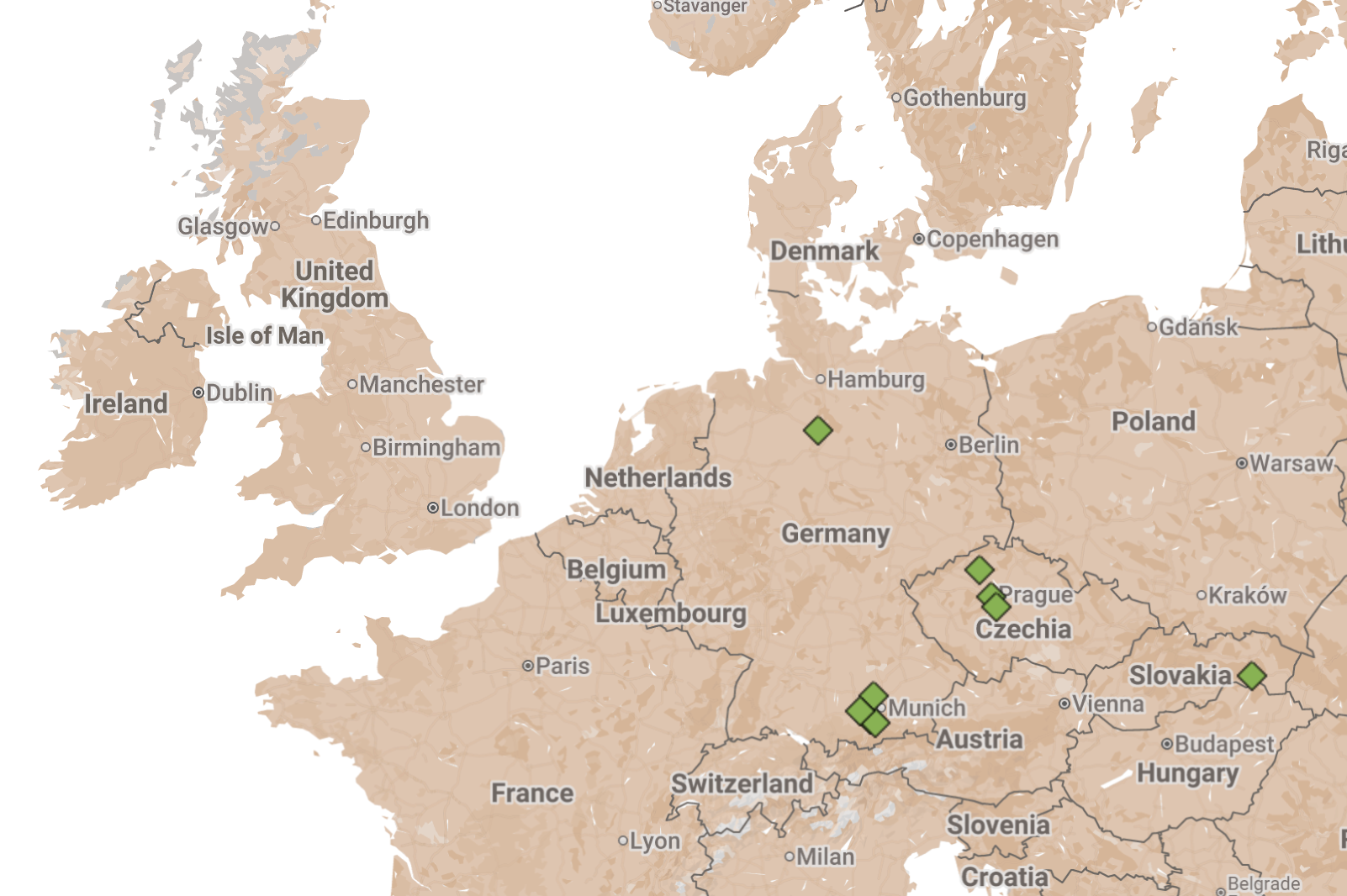
The Boys were liberated in concentration camps in Austria, Germany and occupied Poland, in the Theresienstadt Ghetto in Bohemia and Moravia, in modern-day Czechia, and on the death marches. Others emerged from hiding.
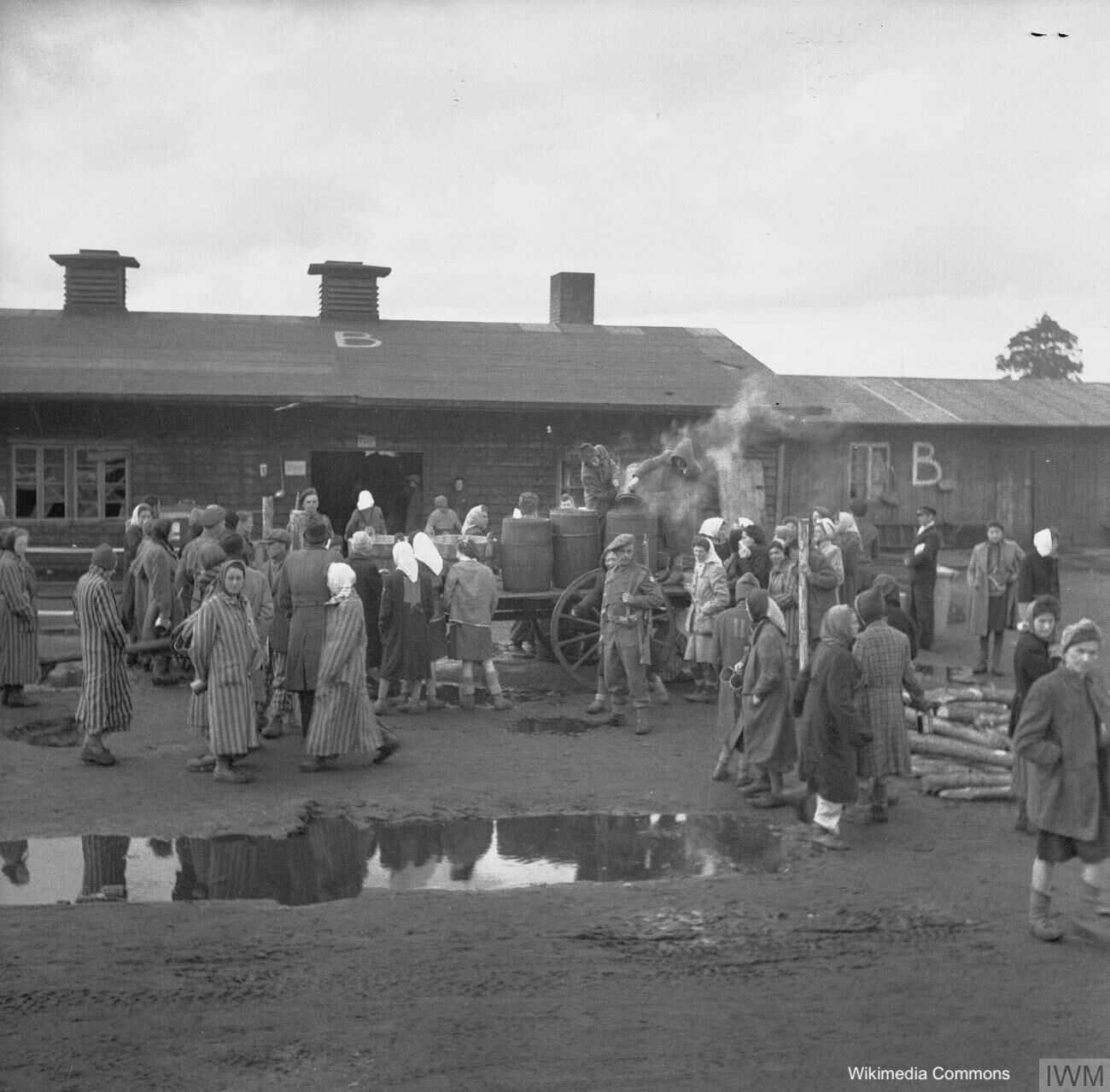
The Liberation of Bergen Belsen
When World War II ended, the Boys were among the hundreds of thousands of Jews who had survived the Holocaust.
John Fox recalls the liberation:
The dominant emotions that they recall were of elation, shock, bewilderment and loss but their overriding desire was to eat. Like many of the survivors, members of the Boys were desperately ill after the liberation and once recovered many began the long journey home in hope they would find loved ones who had survived.
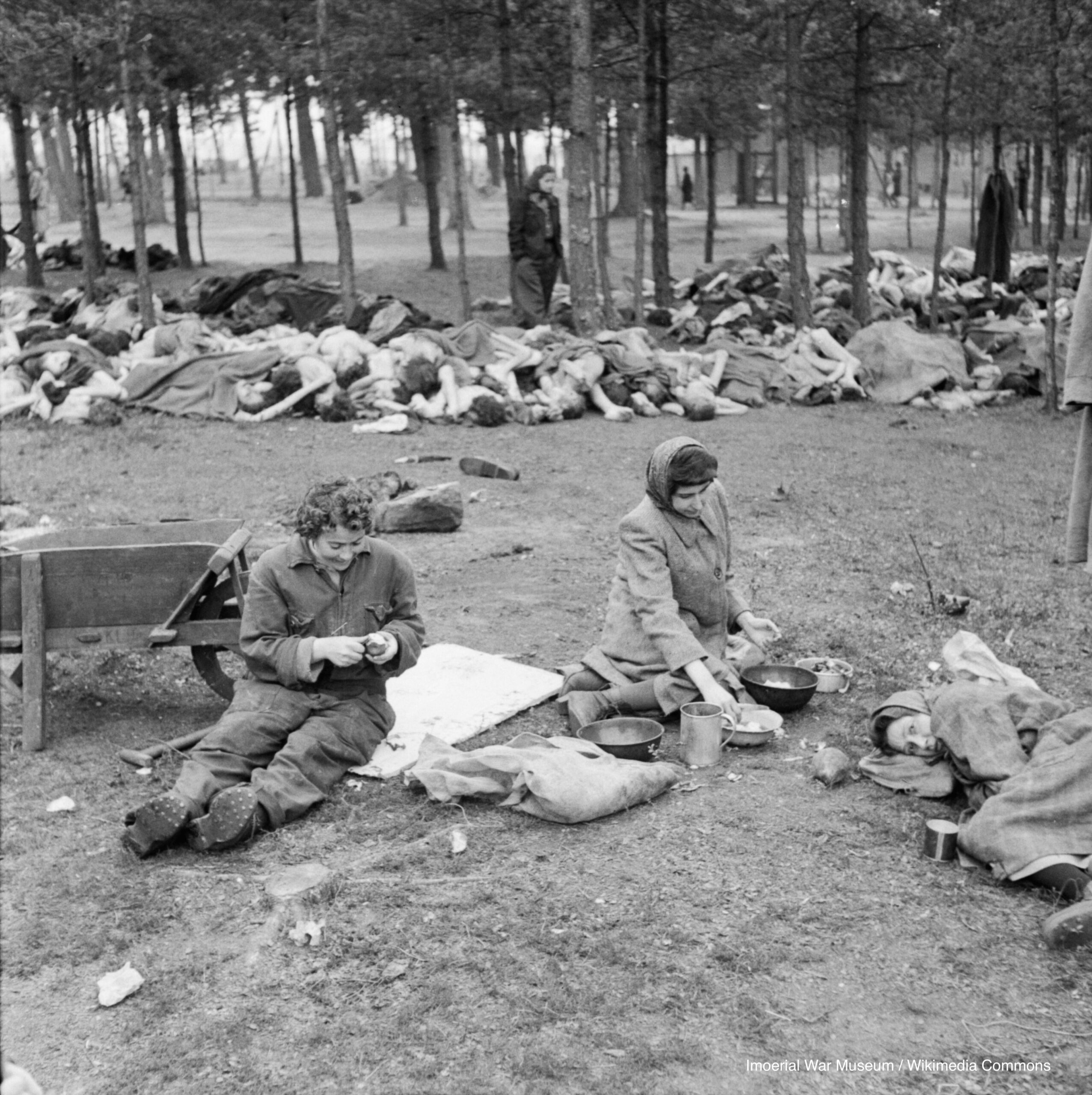
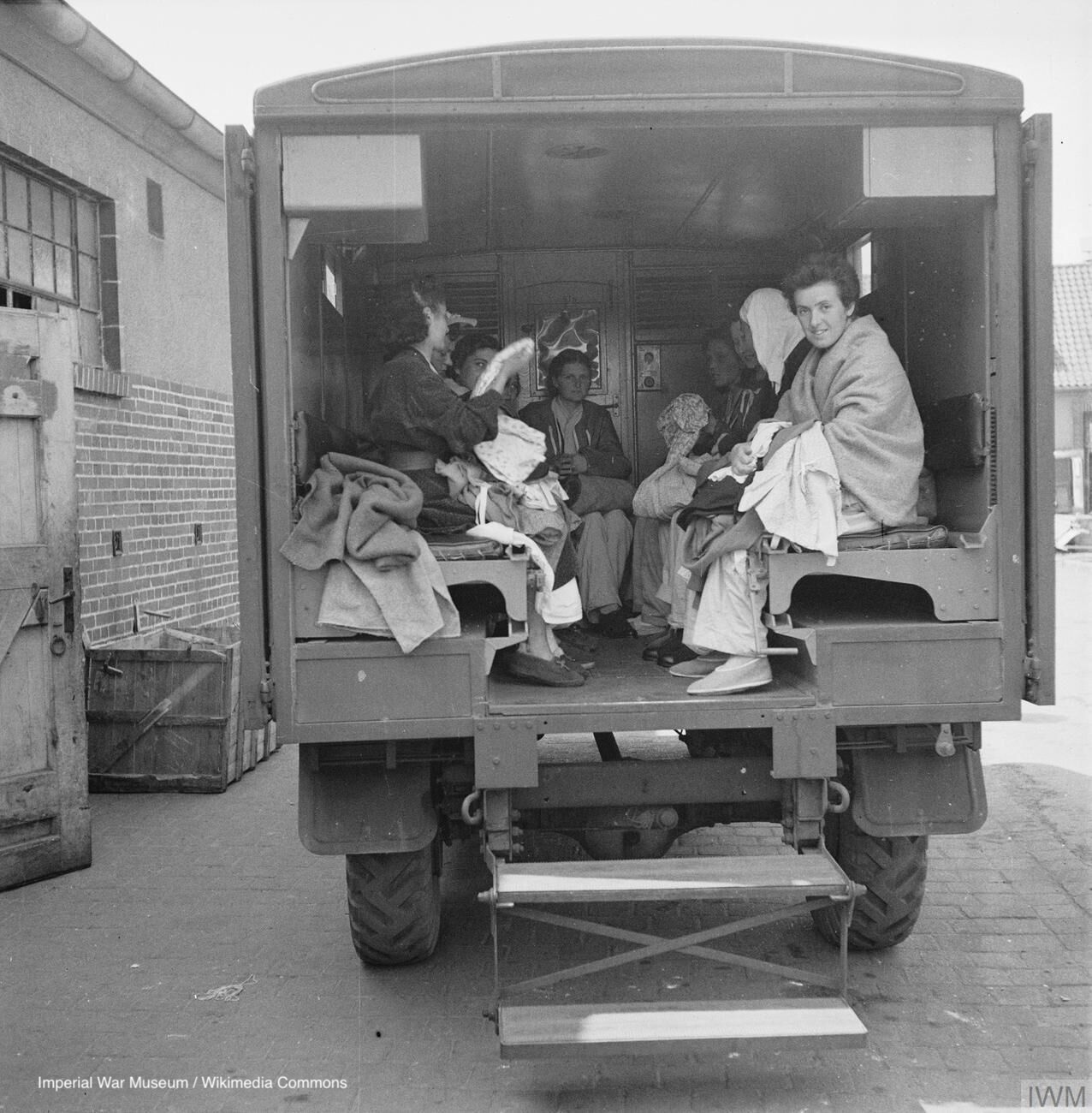
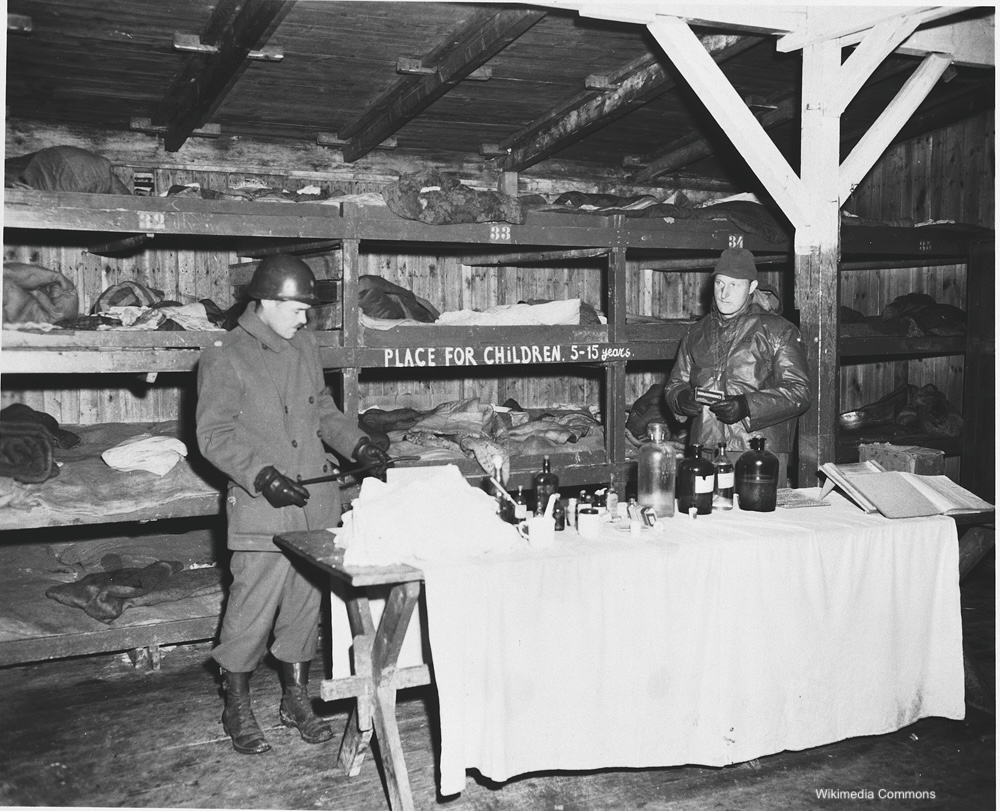
The main camps were liberated by the British Army, the Red Army and the US Army between July 1944 and May 1945. It is important to remember that the discovery and liberation of the camps were not planned military objectives.
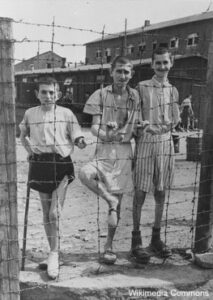
The Allies were totally unprepared for what they found when they liberated the camps. Many of the soldiers fed the survivors on army rations and had no idea that a large meal was for many survivors a death sentence. Their half-starved metabolism could simply not cope with a rich diet.
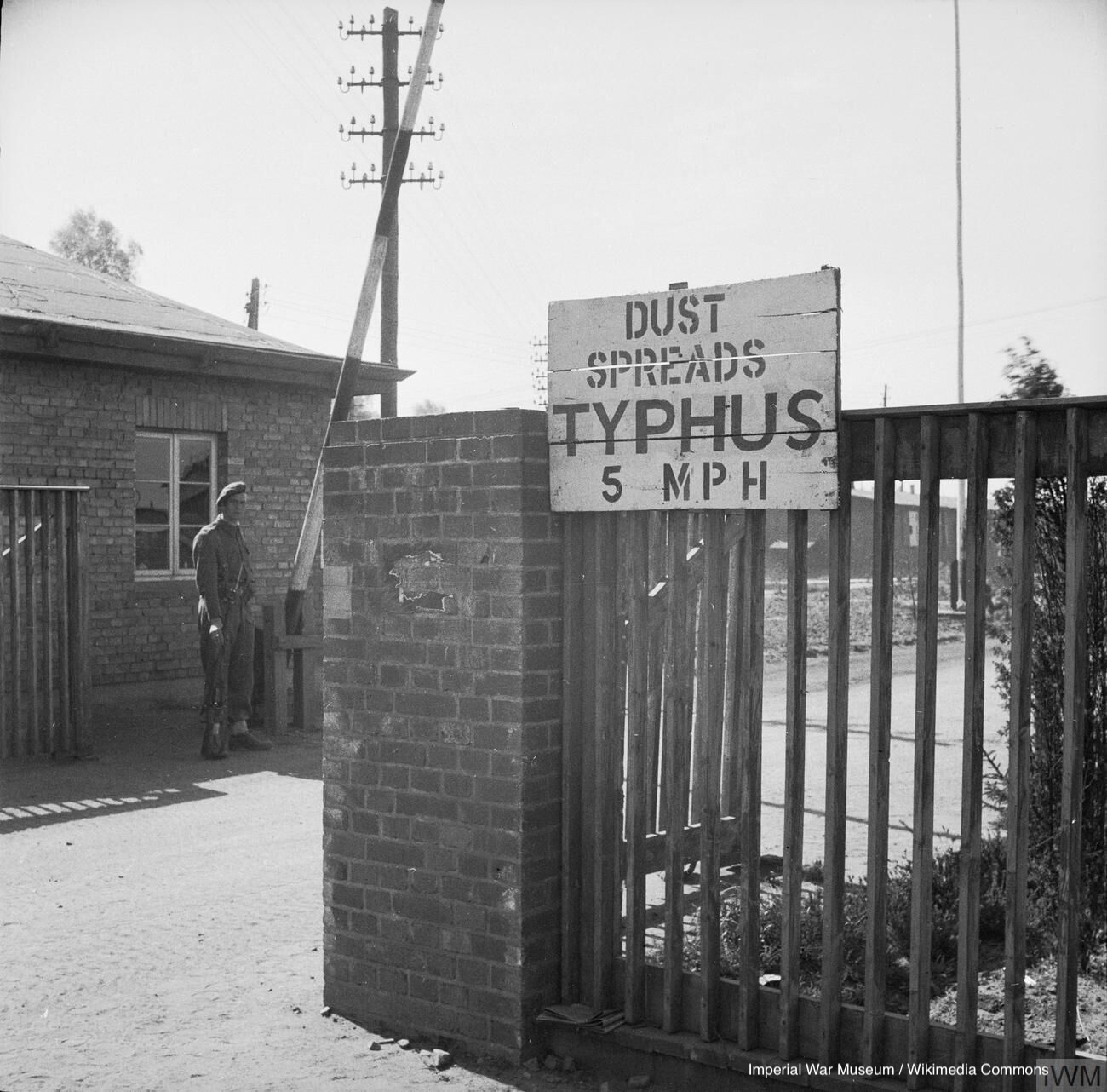
In the Theresienstadt Ghetto, the Red Army found themselves fighting a typhus epidemic, as did the British in Bergen-Belsen. In Poland and Czechoslovakia charitable organisations and Jewish survivors scrambled to provide what help they could in the midst of the chaos that total war had left in its wake.
The Red Army
The Soviet Union played a key role in the liberation of the Boys, liberating over 300 of the Boys at the Theresienstadt Ghetto in May 1945.
Formally known as the Workers’ and Peasants’ Red Army, the Red Army was the military force of the Soviet Union until it was renamed the Soviet Army in February 1946 before ultimately dissolving with the collapse of the Soviet Union in 1991.
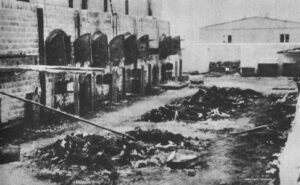
The Red Army liberated Majdanek in July 1944, exposing the full scale of the Holocaust to the world. It was covered by the Soviet press and a trial ensued but Britain and the United States were initially sceptical and there was limited coverage in the western press.
Then in January 1945, Soviet soldiers liberated Auschwitz and its subcamps.The Soviets had no interest in highlighting Jewish suffering and the Stalinist-line minimised the genocide. The western powers were again unsure to believe the reports. Strange as it may seem today, the liberation of Auschwitz was not front page news.
Soviet troops were largely unaware of the camp’s existence or its true scale, leading to profound shock upon encountering emaciated survivors, unburied corpses, and warehouses of looted belongings but they were soon ordered to fight on towards Germany. They were not encouraged to speak about their experiences.
The Film of Liberation of Auschwitz
The film below was made by a Soviet film crew in the weeks after the liberation of Auschwitz and was used at the Nuremberg Trials. Warning: This film contains some disturbing images.
The British Army
The British arrived at Belsen on 15 April 1945. A number the child-survivors in the camp would become members of the Boys, a least 50 came as part of the second group of the Boys.
The British Army arrived without a plan and confronted a humanitarian crisis. It took its toll on the solders who liberated the camp.
The US Army
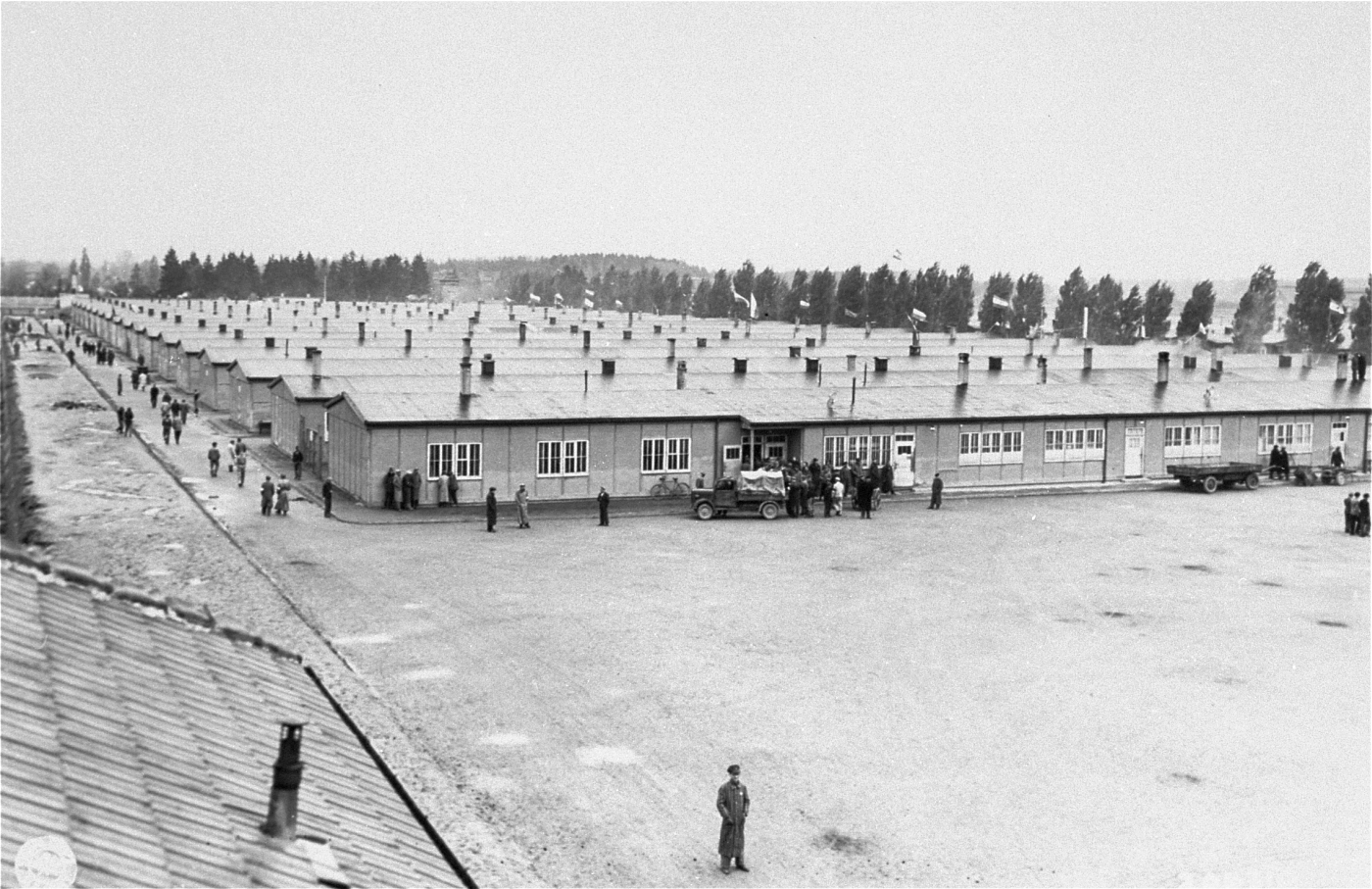
The US Army liberated Buchenwald on 11 April 1945 and Dachau on 29 April 1945.

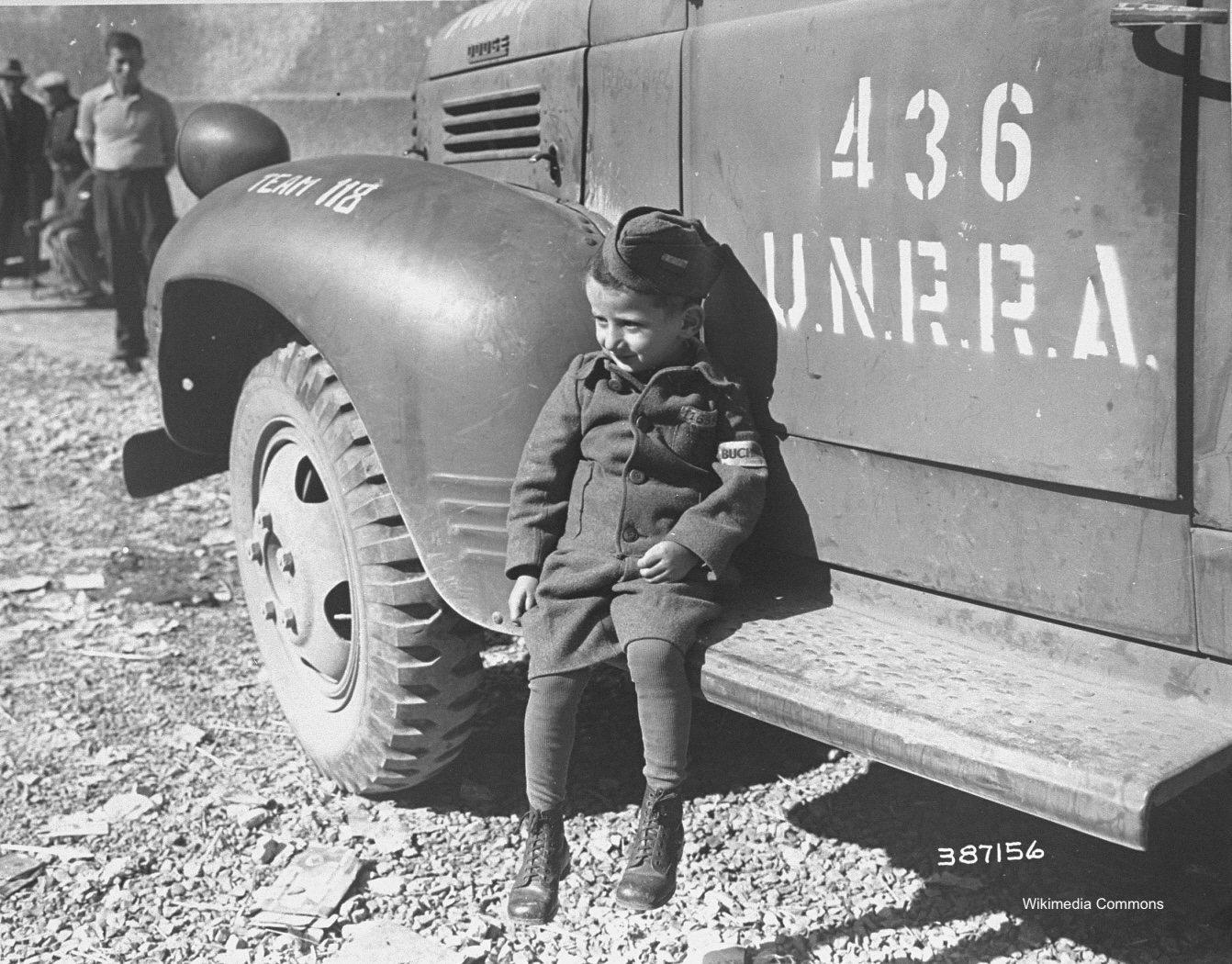
The United Nations UNRAA teams were attached to military divisions of the US Army but were completely taken aback by the scale of the refugee crisis. Unable to cope, it meant that many of the surviving Boys spent weeks even months in field hospitals and fending for themselves before they were finally offered care and support by the Americans.
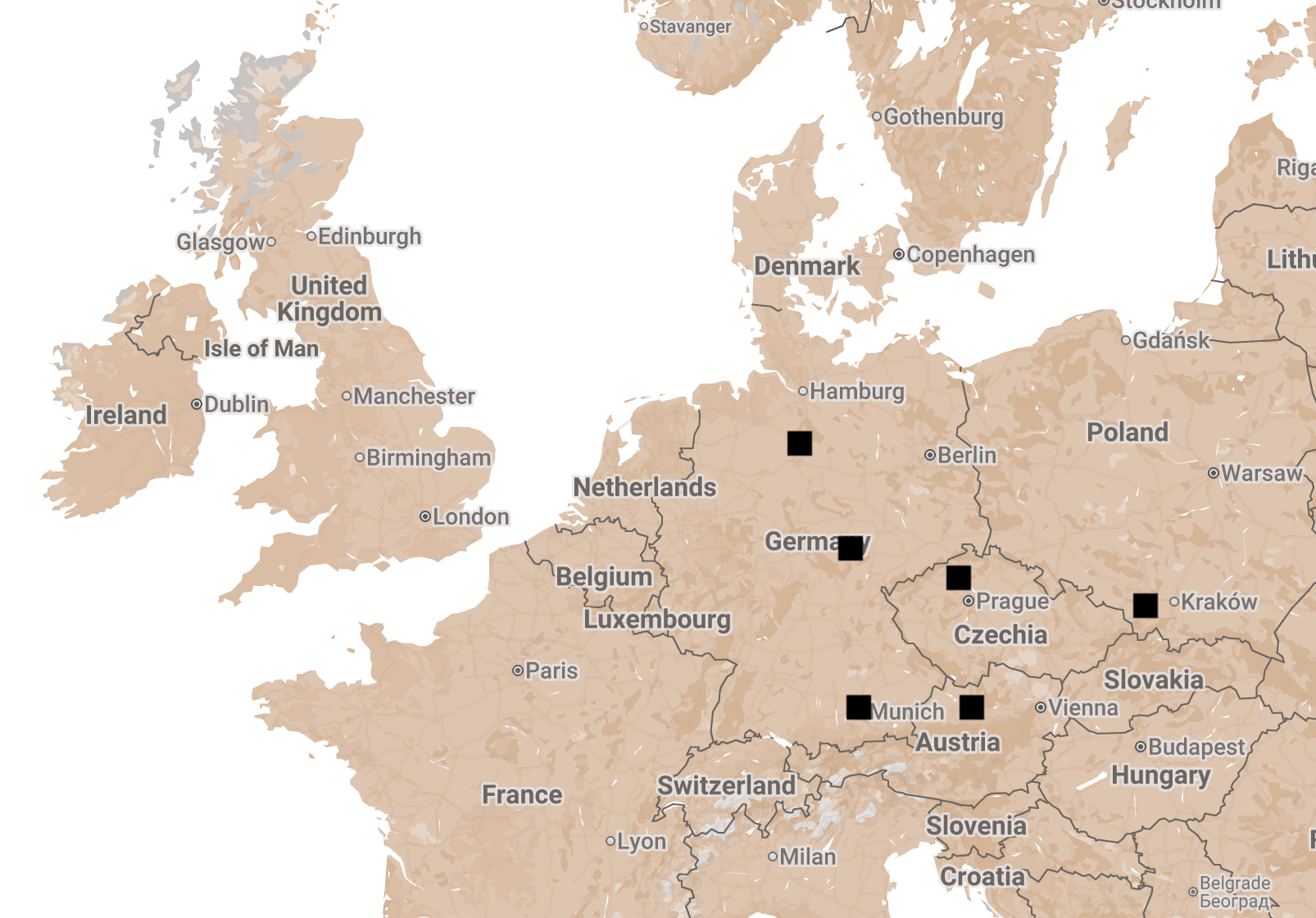
The main camps were liberated by the British Army, the Red Army and the US Army between July 1944 and May 1945.
The Red Army liberated Auschwitz in January 1945, having previously liberated the extermination and concentration camp of Majdanek.
It was only in April and May of 1945 that the remaining key camps were liberated. The US Army liberated Buchenwald on 11 April 1945 and Dachau on 29 April 1945. The British arrived at Belsen on 15 April 1945
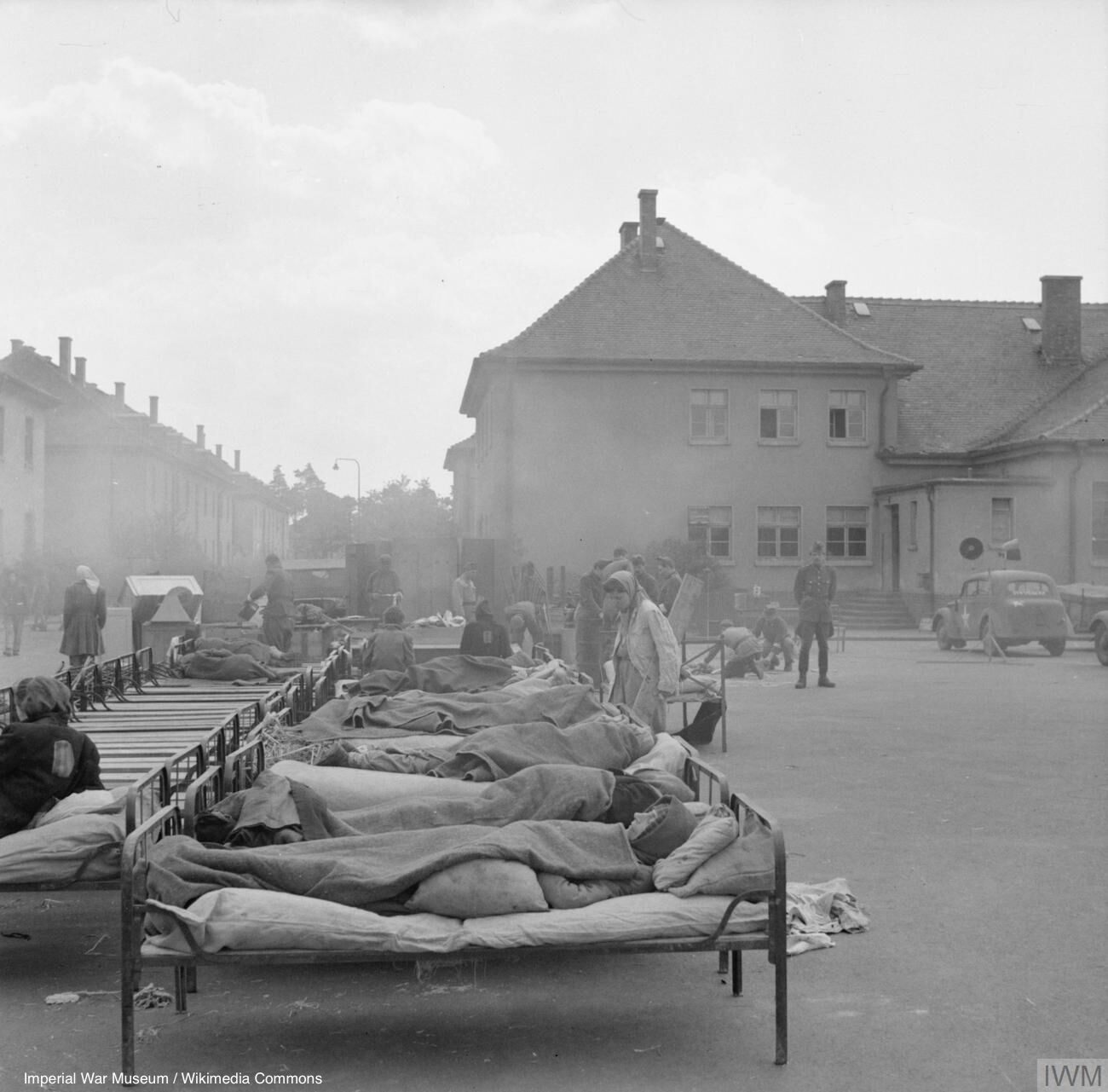
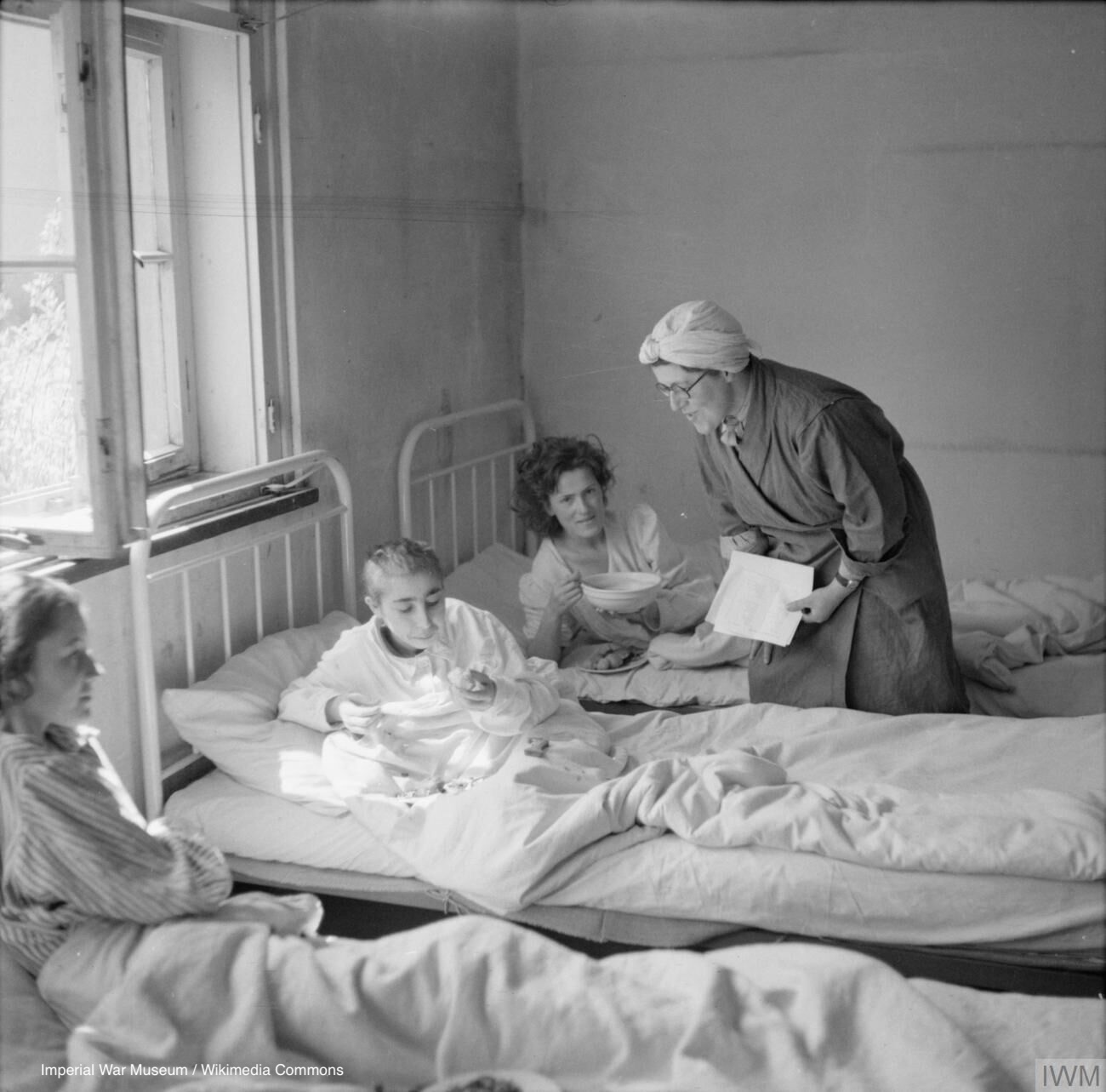
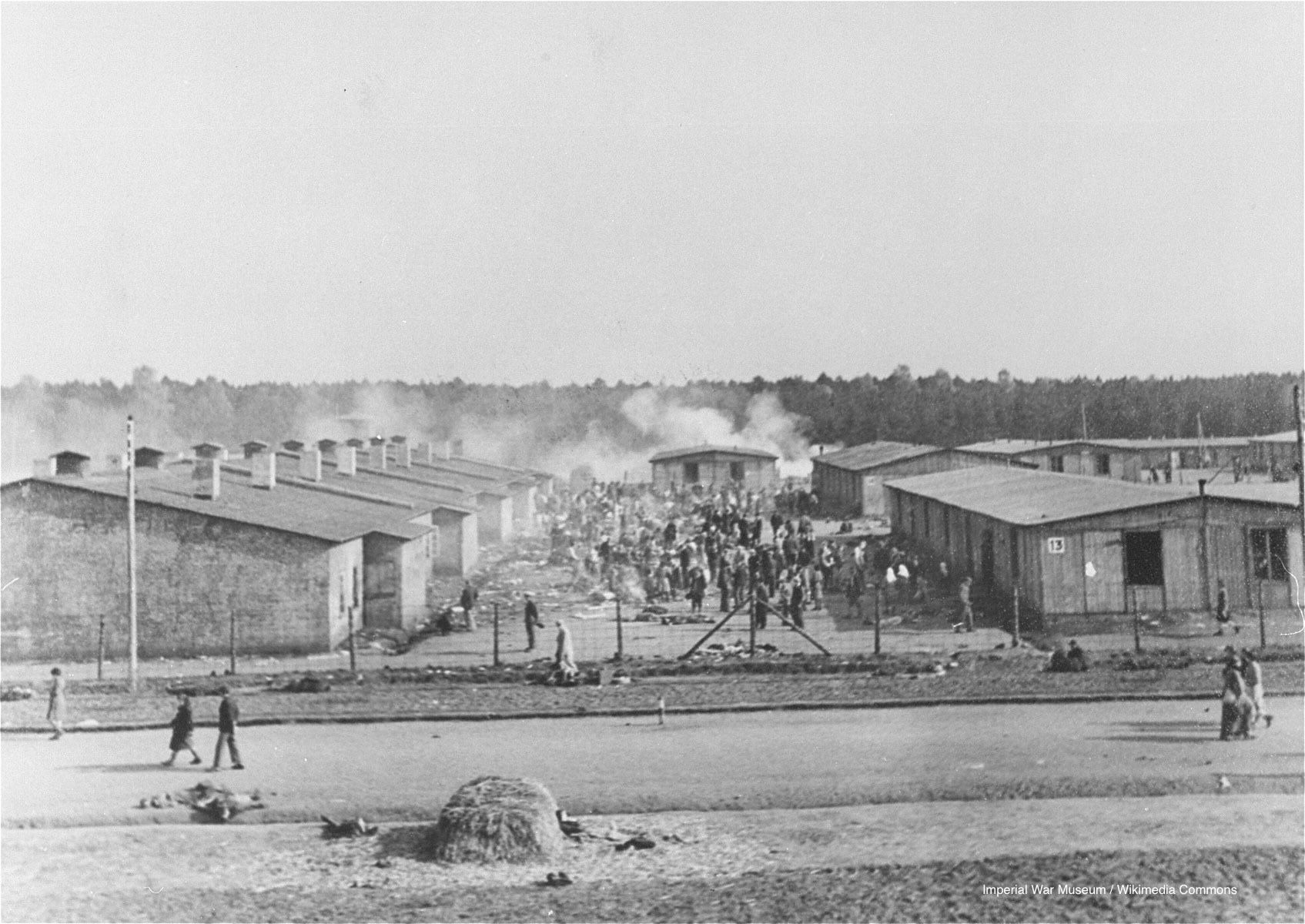
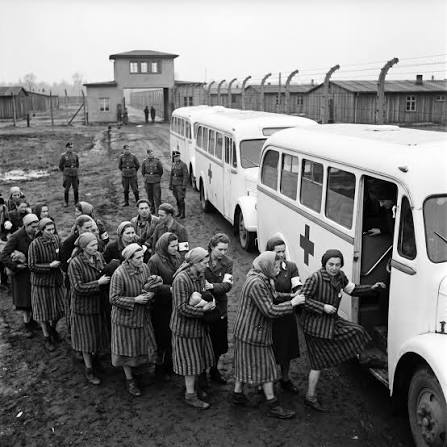
The pictures below were taken by the British Army after the liberation of Bergen-Belsen in April 1945.
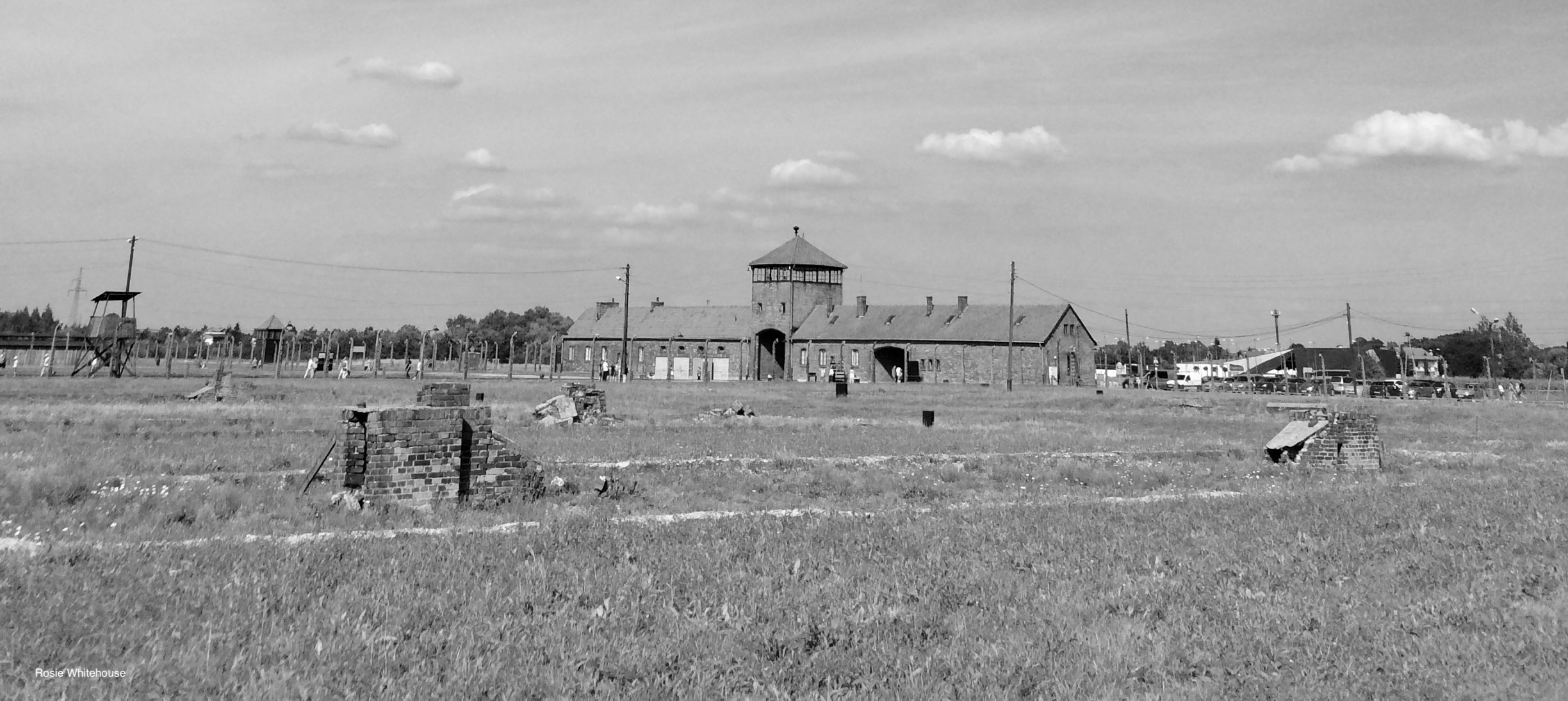
When the Red Army arrived at the gates of the Auschwitz concentration camp on 27 January 1945, they had no idea what lay behind the barbed wire.
Although over 55,000 prisoners had been death marched out of the camp as the Red Army advanced, 7,000 sick prisoners and tiny children remained in the main concentration camp complex.
The Polish Red Cross soon arrived to offer medical care and food. About 4,500 survivors were cared for in Red Army hospitals. Many of the survivors were moved to Katowice but 300 survivors remained in the camp until June 1945.
To find out more about the death marches from Auschwitz concentration camp complex click here. To find out more about the camp complex itself click here.
On 15 April 1945, the British Army liberated about 55,000 prisoners, who were held in the Bergen Belsen concentration camp. Among them were many members of the Boys. The Germans had agreed to surrender peacefully on 12 April 1945.
The British soldiers were totally unprepared for what they found. The prisoners were emaciated and sick. Thousands of corpses lay littered around the camp. Many of the prisoners had been brought to the camp in the closing months of the war and endured horrendous death marches.
Mala Tribich recalls the liberation of Bergen-Belsen:
The newsreel and newspaper reports of the liberation made a deep impression in the UK and as a result many of the Boys were known as the Belsen Boys after they arrived in Britain, even if they had never been in the camp.
To find out more about the camp click here.
As the US Army advanced across Germany, on 11 April 1945, the SS were ordered to leave the camp. The resistance movement within the camp mobilised as the SS fled and distributed hidden weapons held in the camp.
American tanks arrived in the early afternoon as the camp underground took control of Buchenwald. Among 21,000 prisoners liberated in the camp were about 900 young boys, some of whom would become members of the Boys.
The Buchenwald subcamps had been evacuated in the last weeks of the war. Prisoners were sent on death marches and death trains.
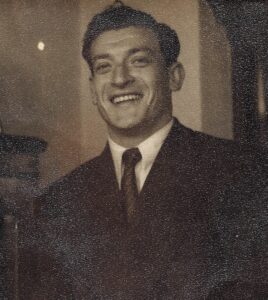
“Throughout that day, there had been a great feeling of expectation rippling through the camp and I was lying on the ground outside block 66, warming myself in the spring sun and trying to comprehend the events unfolding around me. When I saw the American soldiers, I struggled to sit up and saw them standing in horrified disbelief at the site that confronted them.
The tempo of the camp suddenly altered and people were hurrying in all directions. The three layers of fine meshed wire fencing had been pulled down by the arrival of the American tanks, and those inmates who were strong enough were making their way out of the camp, even for a few seconds – they wanted to be on the other side of the fence and try to absorb the feeling of freedom.
I looked at the Americans with their guns and clean uniforms and I looked down at myself in the filthy rags, wondering,
‘Who am I? Where do I belong?”
Josef Perl with Arthur C Benjamin, Faces in the Smoke: The Story of Josef Perl (1998).
Perl had just turned 15 years old when he was liberated.
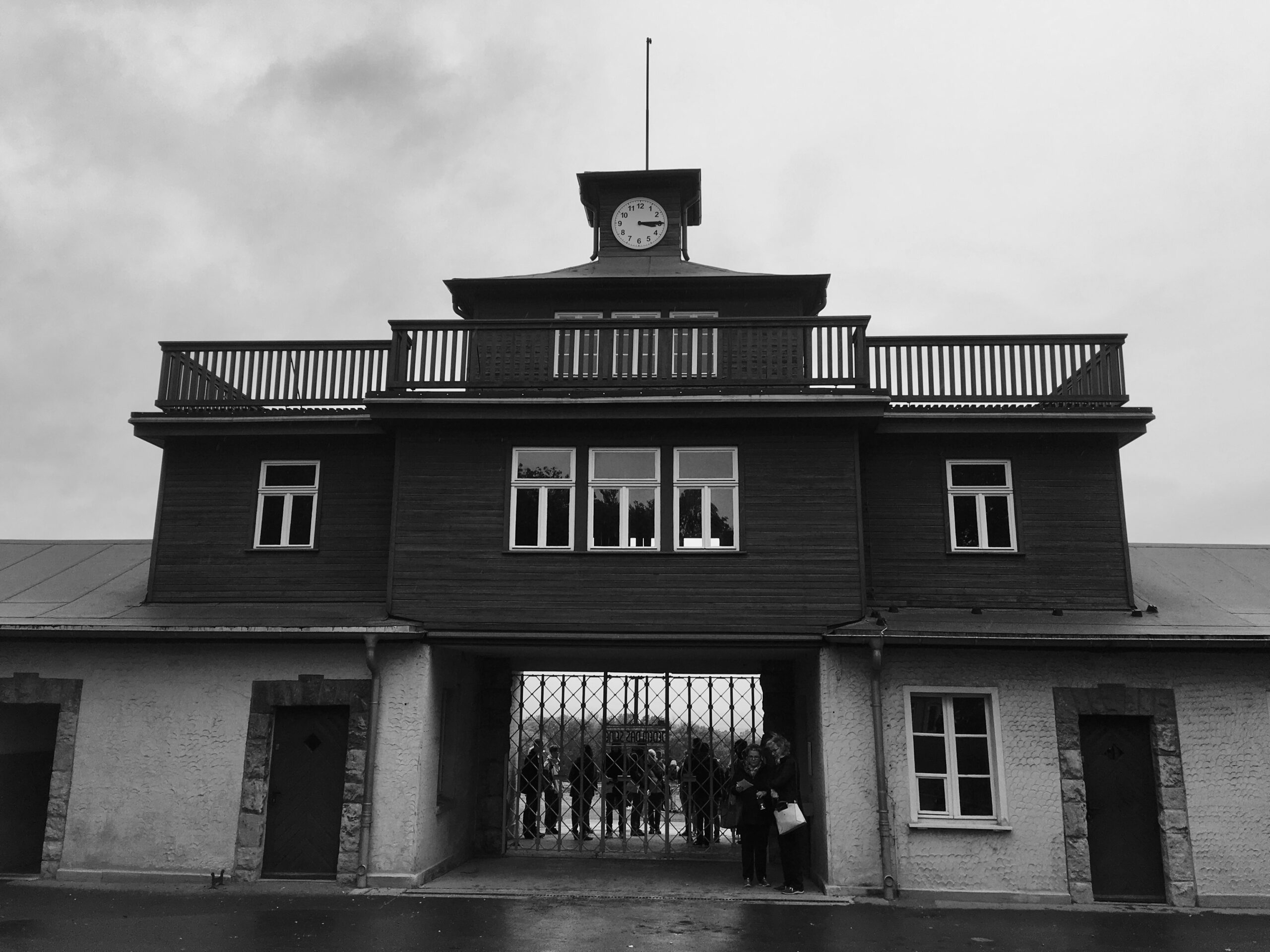
On 29 April 1945, prisoners in Dachau were liberated by US Army soldiers.
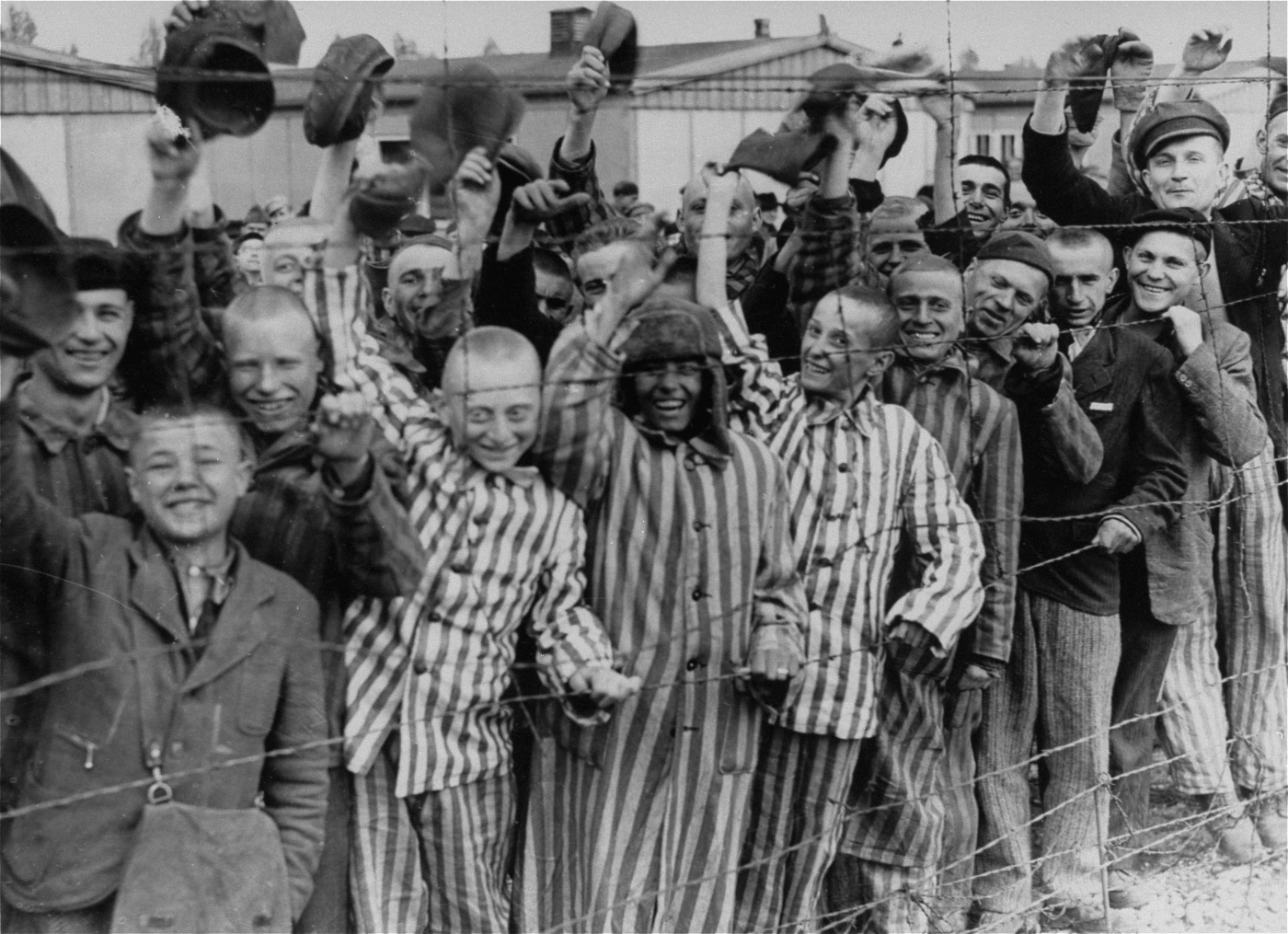
When Allied troops approached Dachau in 1945, the SS guards responded by forcing over 7,000 prisoners to take part in a death march, which included members of the Boys. When the Americans entered the camp, they found thousands of weak and starving inmates, and an entire train full of corpses – deportees to Dachau who had been left locked in the train to die of starvation and disease.
Days after their arrival in the camp, Allied forces liberated survivors of the death march. The München-Allach subcamp was liberated by US soldiers on the morning of 30 April 1945, a day after the liberation of the main camp.
“At lunchtime the Americans arrived outside the camp in tanks, but they did not enter until later in the afternoon. They threw biscuits and chocolates to us out of their own personal supplies. They sealed off the camp but I was able to sneak out and returned with some potato peelings, and these I cooked in the camp on a fire between two bricks. By the evening the U.S. soldiers managed to cook us a meal of pork and macaroni from the German supplies. No one I knew refused to eat it because of Kashrut. We were fed on pork and macaroni for several days, however this turned out to be a killer as almost everyone in the camp got dysentery. People were dying in large numbers …I was so weak with the diarrhoea I was unable to walk.”
Hillel Igielman, A Record of the Early Life of Hillel Chill Igielman, a testament written in 1994.
Igielman had endured a series of death marches and death trains before he was liberated at the Allach subcamp of Dachau. He was 17 years old.
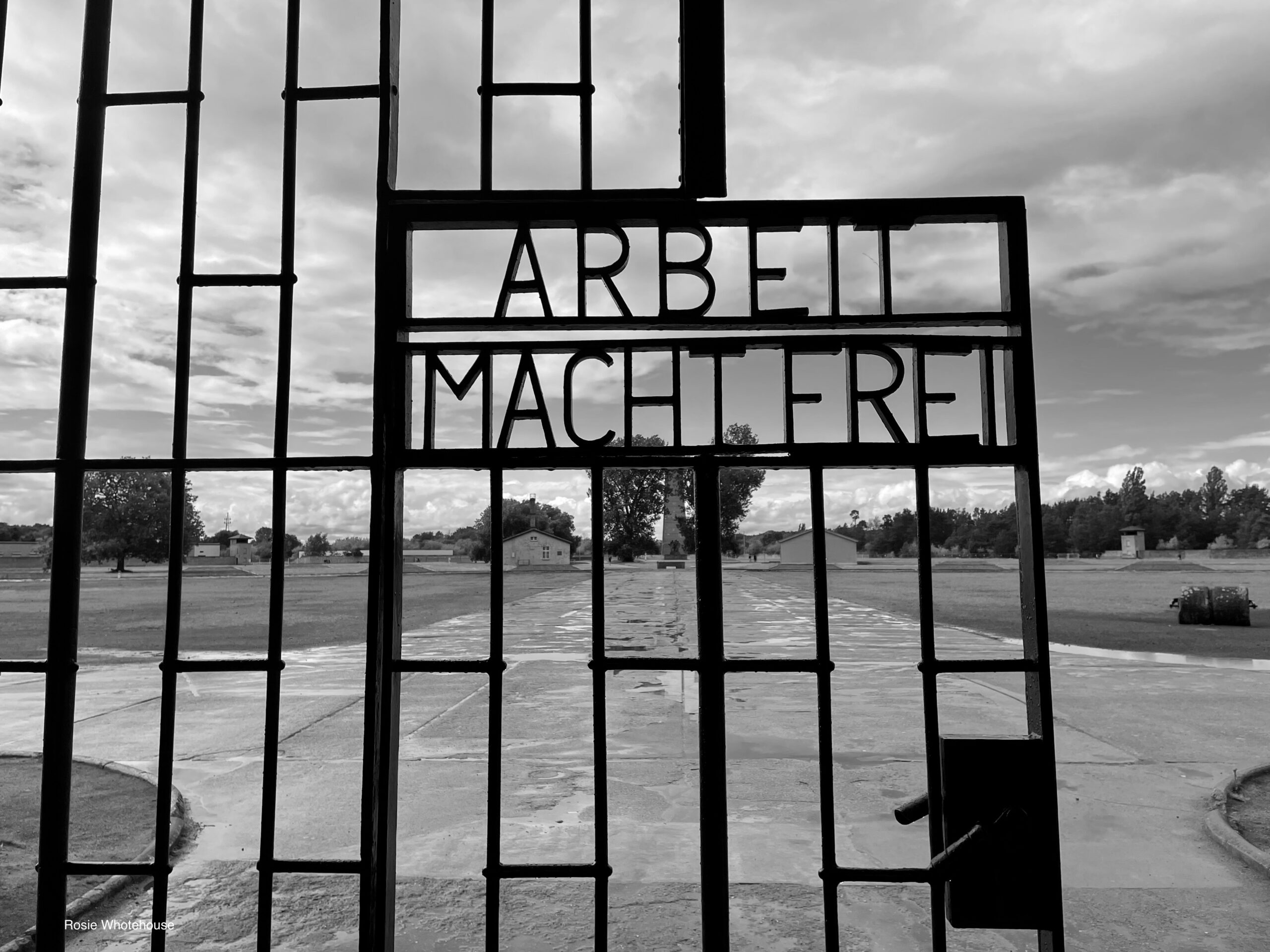
On 3 May 1945, the last members of the SS abandoned both the Mauthausen concentration camp and the Gusen subcamp.
On 5 May a reconnaissance unit of the US Army arrived. On the following day, units of the 3rd US Army finally liberated around 40,000 prisoners in the two camps.
American soldiers found the bodies of hundreds of prisoners who had died in the days before liberation. Thousands more were so weak and frail that they died in the weeks and months following liberation, despite the medical care provided by the US Army medical units. Over 3,000 were buried in cemeteries next to the former camps.
The last roll call in the Ebensee subcamp took place on 4 May 1945. The prisoners were ordered into the tunnels where, it was rumoured, the Nazi guards planned to blow them up in the tunnels, but the prisoners refused to leave the roll-call area.
That night the guards fled the camp, which was liberated by the US Army the next day, 5 May 1945.
The Gunskirchen subcamp was liberated by the US Army on 4 May 1945. 15,000 starving prisoners were in the camp of whom 1,500 would die in the days after the liberation.
Sam Gontarz, one of the Boys, later recalled, “We were liberated but we didn’t know it. We were too poorly to know and although the very thing that we had been dreaming of for years was now a reality, we couldn’t enjoy it because we were too dazed.”
American soldiers immediately began requisitioning supplies and transportation from the local town to provide the prisoners with food and water.
Prisoners from the Melk subcamp had previously been taken to Gunskirchen via Mauthausen.
Misa Honigwachs, later Michael Honey, recalled the moment of liberation in a testament to the Imperial War Museum given in 1996:
“We came across an American patrol and they gave us of all things chewing gum. I mean we were really starving, and they gave us chewing gum. Both of us we did not know what to do with chewing gum, so we chewed it and swallowed it.”
Honigwachs and his friend then found an abandoned train full of canned meat, which they opened with a bayonet. They then started hitchhiking to Wels, with the intention of walking back to Czechoslovakia. They had already walked so far on death marches it seemed quite feasible, Honigwachs recalled. His friend fell ill, and he continued alone.
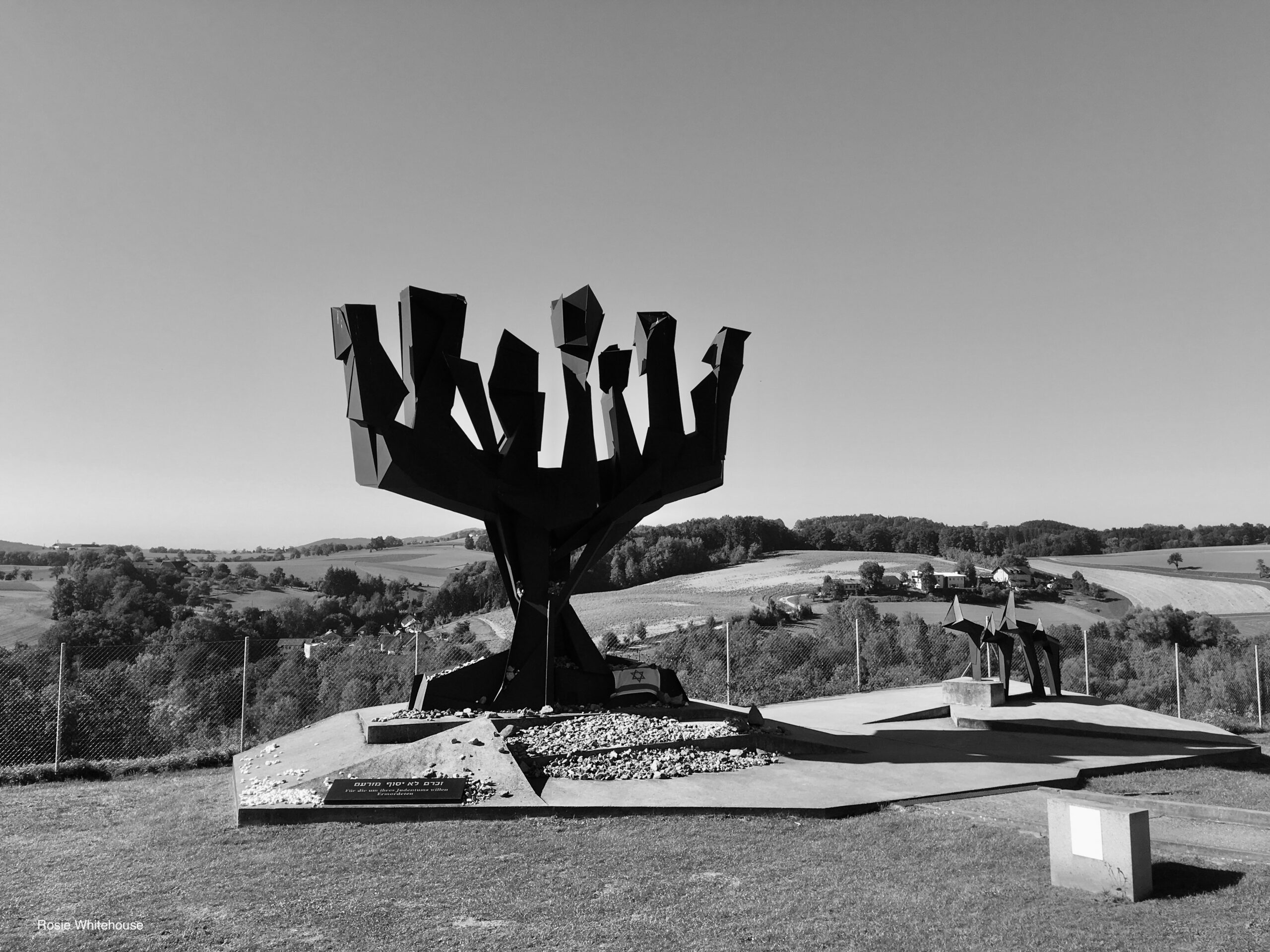
TThousands of starving and sick prisoners were sent on death marches and death trains to the Theresienstadt Ghetto in the closing weeks of the war. They brought with them typhus which soon spread.
The Czech Aid Project to Prisoners at Terezín was set up and they began to work with the Red Cross who had taken over the running of the camp on 2 May 1945 prior to the liberation. The German SS fled on 5-6 May 1945.
The Red Army reached Theresienstadt on 8 May 1945. They entered the ghetto on the morning of 9 May 1945. The Soviet military authorities than imposed a quarantine.
“There was nothing unusual about this day. I got up and washed my face in the sink in the hallway. Suddenly, I heard a shot coming from out in the street. After running back to my room, I saw other men looking out of the window to see what was happening. A man screamed out from between the iron bars.
‘The Russians are here!’
Then a Russian shot his gun into the air and ordered the Czech policeman to open the gate. With that, we all crowded onto the balcony to get a better look. A jeep with two Russians, a driver and an officer, was entering the courtyard. When the vehicle stopped, the officer jumped out and looked up at the people on the balcony.
‘You are free! You are free!’, he shouted. All that could be heard at that time were screams of joy. People ran into the courtyard from all parts of the building … it seemed strange, because an hour earlier these people could hardly lift themselves from their cots. The strength must have been coming as a result of newfound hope.”
Golde had endured a death march to the Theresienstadt Ghetto during which he had turned 16 years old.
To find out more about the death marches to the Theresienstadt Ghetto click here. To find out more about the Ghetto itself click here. To find out more about Terezín after the liberation click here.
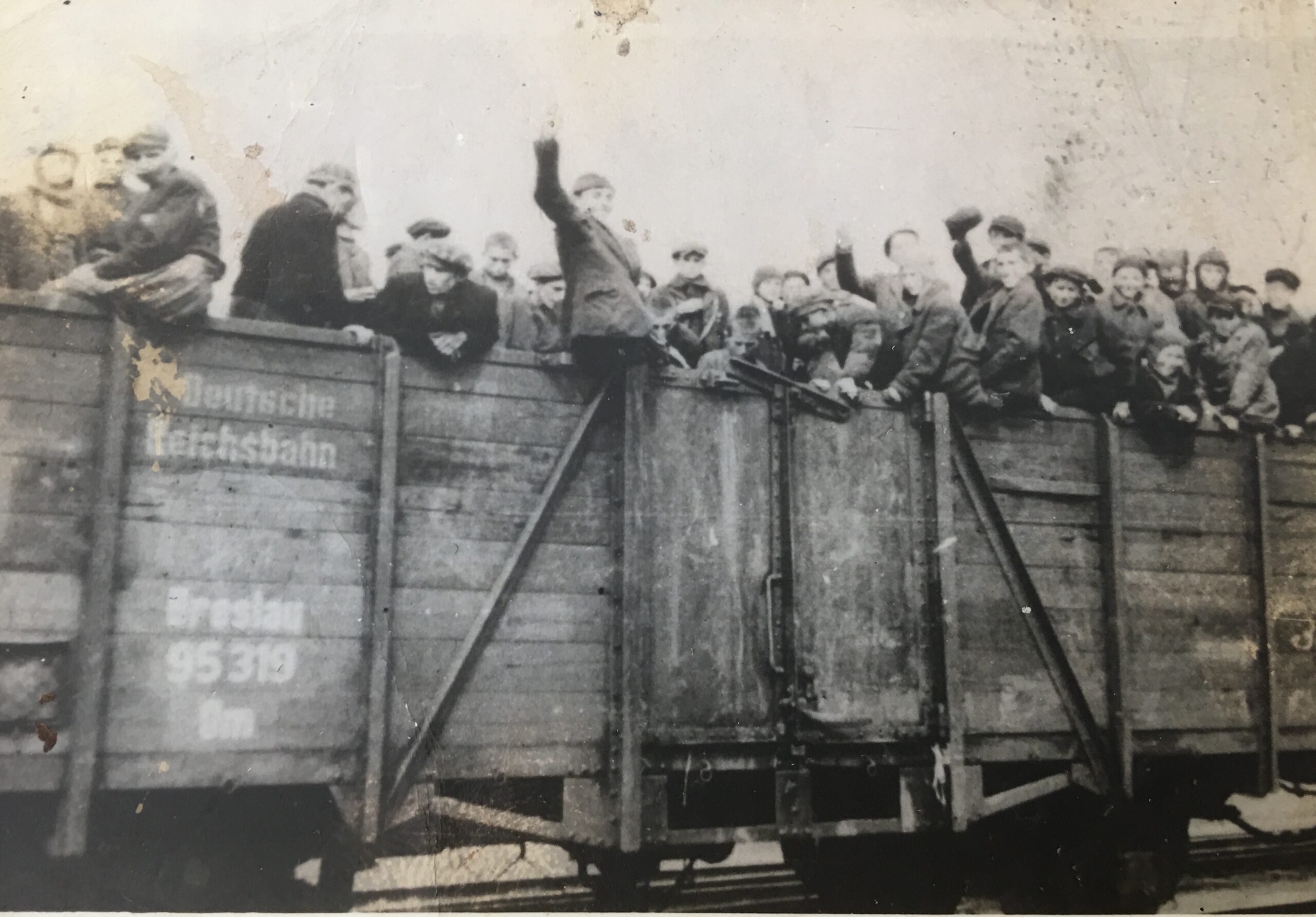
Liberation did not bring an end to the Boys’ suffering. New challenges also arose in the immediate weeks after the liberation.
Sickness
Many of the members of the Boys were like all the survivors extremely weak, and suffered from diseases and the symptoms of starvation. Many were given inappropriate food which they could not digest that killed some and incapacitated others. Many of their friends and relatives died in the days and weeks after the liberation.
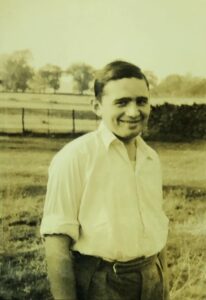
Alexander Riseman was liberated in the Theresienstadt Ghetto, where there was an outbreak of typhus:
“I was delirious most of the time. I suffered blinding headaches and I had a very high temperature. There were no medicines available, only Russian vodka. The fever lasted three weeks and it drained all the energy out of me …
There were no hospitals and no beds. They took wardrobes from the Ghetto apartments, laid them on the floor and scattered straw over them for us to lay on. We were covered with thin grey blankets.
Many boys died from the typhoid. It was ironic that they had endured the war; and now after the liberation they died from the epidemic.”
Revenge
While some members of the Boys were involved in violent acts of revenge, the vast majority have testified that they neither had the strength to consider taking revenge against the Germans and their collaborators who had imprisoned them, nor did they have the inclination to do so.
Revenge?
Pilsen May 1945
Ah yes – revenge
How many times I swore
To take it when the war would end
But was I sober when I swore
Or drunk with hate
And yet. When freedom came
I gave them water from a well
I filled their billycans
And crossed the road a dozen time
The Russian soldiers
Who were guarding them
Have turned their backs
And then I saw tears in their eyes
As they embraced me one by one
I walked away without a word
Michael Etkind, A Gust of Wind (2015).
Moses Etkind was 19 years old when he was liberated.
Harry Spiro on the lack of desire for revenge after the liberation:
Loss
In the days and weeks after the liberation many of the members of the Boys lost their surviving friends and relatives.
Krulik Wilder on the loss of his family:
It was for many a devastating moment.
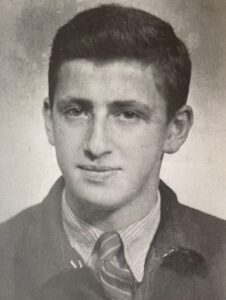
Hugo Gruen, later Hugo Gryn, was liberated at Gunskircken in Austria by the US army on 5 May 1945:
“My father, by then barely alive, but still conscious motioned me to sit next to him and together we said the familiar blessings, praising God who sustained us, kept us in life, and brought us to that day. The rest of that day and many of the ones that followed are blurred in my memory, but not the blessed taste of liberty, nor will it ever leave me …
We were taken to a place called Hörsching, to what must have been a German Luftwaffe barracks, near Linz, and put into clean beds. My father and I shared a bed, and he died in my arms about three days after we got there. For him, liberation was just a few days late. It was horrible. It seemed so unfair. I could never have survived without the support of my father.”
Hugo Gryn with Naomi Gryn, Chasing Shadows (Penguin, 2001).
Hugo Gryn was 15 years old in May 1945.
The Journey Home
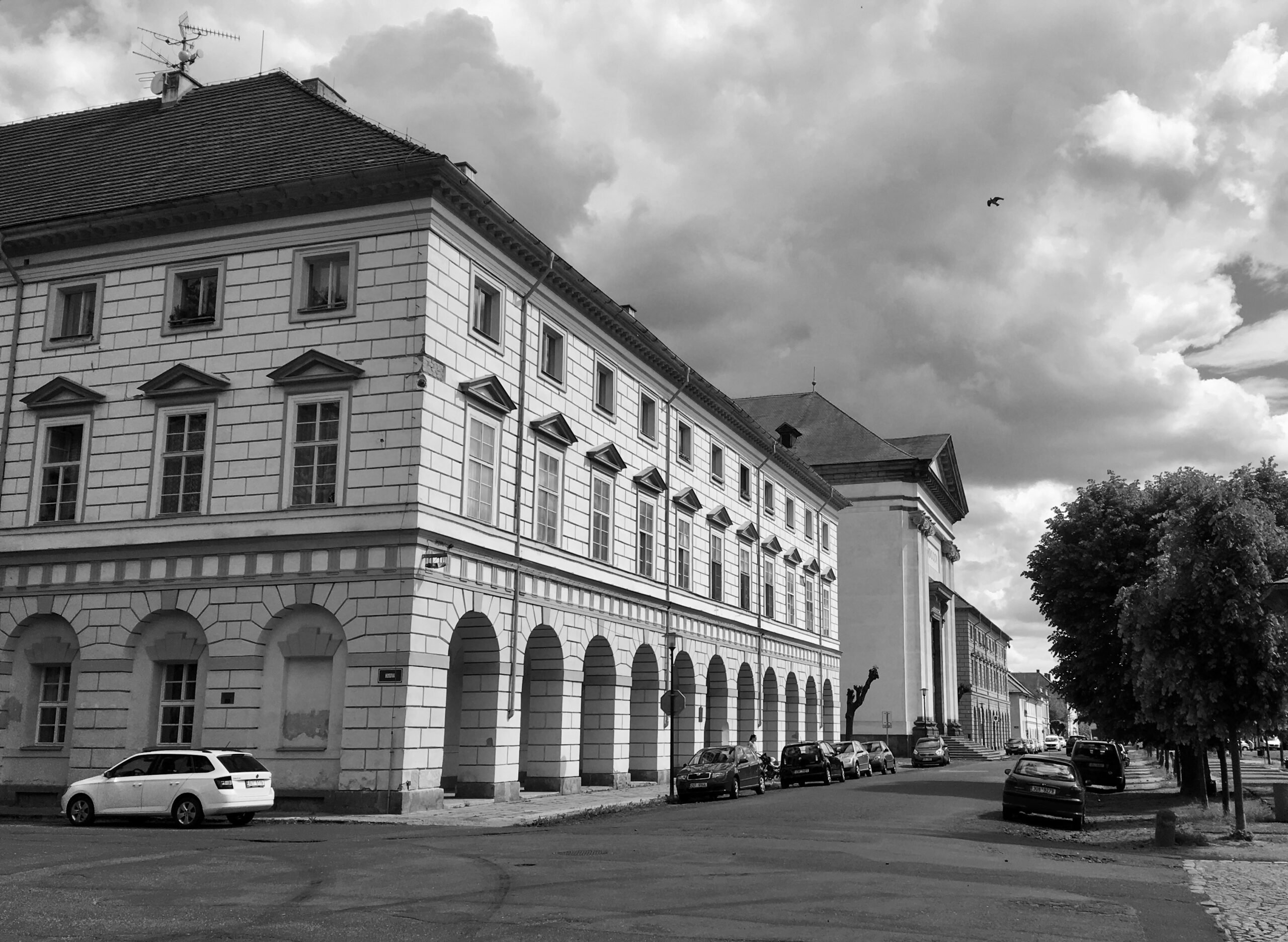
Thousands passed through the main station in Prague, then called Wilsonova. Among them were many members of the Boys. Some had sought to travel home of their own free will, while others had been forcibly repatriated by the British.
When David Herman arrived there in June 1945, he was shocked by the “bewildering scene” as the station “was filled with thousands of people walking around, standing still, and sitting down. Others lay stretched out onto the floor of the crowded station, and even spilling out onto the pavements where people were even sleeping on the street.”
Judith Sherman describes her liberation and return home:
Many of the survivors who travelled home had to ride on the roof of the train. One of them was Rushka Swartz, who travelled back to her home in Seredne in the Carpathian Mountains in eastern Czechoslovakia. The journey took her four weeks. There was, however, no welcome from her former neighbours who simply yelled at her, “If you want to live, you better leave. Otherwise we will finish Hitler’s job.” Of her extended family of 150 people just 11 survived.
Travelling home was full of danger but especially for women. The female members of the Boys testified that they witnessed many rapes by Soviet soldiers and when the Theresienstadt Ghetto was liberated the girls had hidden in fear.
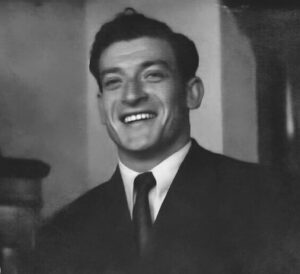
“I went to Prague station where I met up with several boys and girls, all in the same position as I was, all searching for a way home. The transport system had been completely disrupted, there were no timetables and nobody knew where the trains were going to or how long it would take to get to the end of the journey. Sometimes a train would pull into a station and stay there for days before continuing. Other times, the station master would announce that the train would go no further at all. Thousands of people whose lives had been disrupted in the war were travelling all over Europe, everyone with his own story, each with a little hope, not knowing where the future would take them.”
Josef Perl with Arthur C Benjamin, Faces in the Smoke: The Story of Josef Perl (1998).
Josef Perl was 15 years old in the summer of 1945.
When Perl arrived at his family home, a Christian neighbour opened the door and pointed a gun at him. He walked down the garden path and sat down by the grass “by the road where I used to play as an innocent child and sobbed and sobbed for all I had lost.”
He made a living dealing on the black market. He then heard that some survivors from his hometown were in Teplice Sanov in Slovakia and he made his way there. While in Teplice, he was diagnosed with tuberculosis and he then spent five months in the sanatorium before he went to Prague, where he joined the last group of the Boys to leave in June 1946.
Orphaned and Homeless
Once the survivors who had returned to the Carpathians realised that not only were their lives were in danger but their homes been taken from them and they had no way to claim them back – a new challenge dawned –it was not so simple to get out the region as it was about to annexed to the Soviet Union. Exit papers were required and Soviet soldiers searched the trains.
Leaving Poland also required papers exit permits and entry visas for Czechoslovakia. Jack Klajman, who had escaped from the Warsaw Ghetto and lived feral, heard that he could obtain false papers in Kraków that showed he was a French survivor travelling home. Klajman set off with a friend called Lutek. “We boarded our train with our meagre belongings and set off toward Prague. Lutek spoke French, so he told me that if we got in any trouble all I had to say was ‘oui,oui’,” he later recalled. The ruse worked and he made his way to the American occupied sector of Germany.
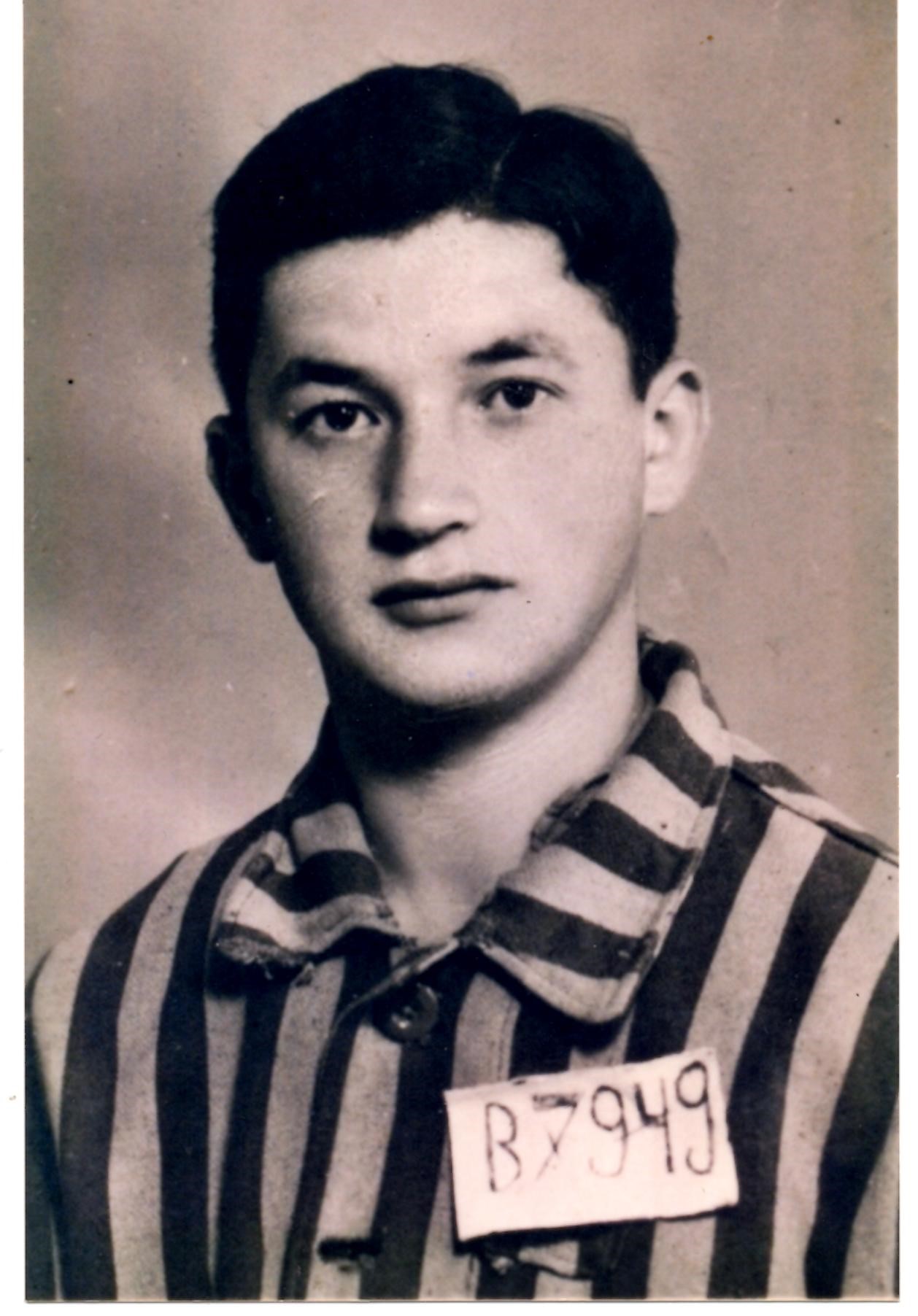
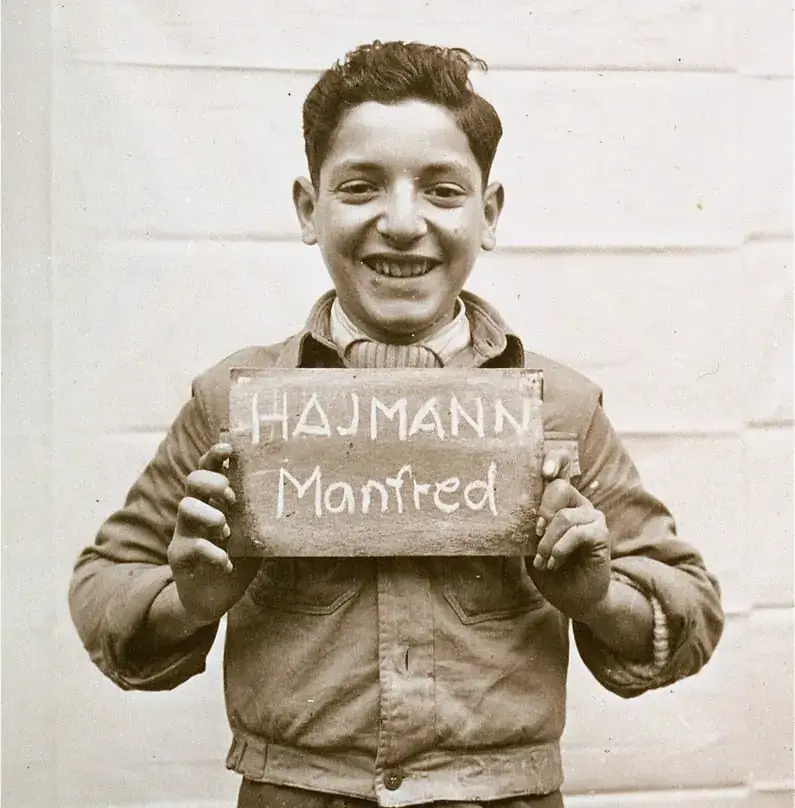
In the meantime, they would wait in the network of displaced person’s (DP) camps that were set up in Austria, Germany and Italy.
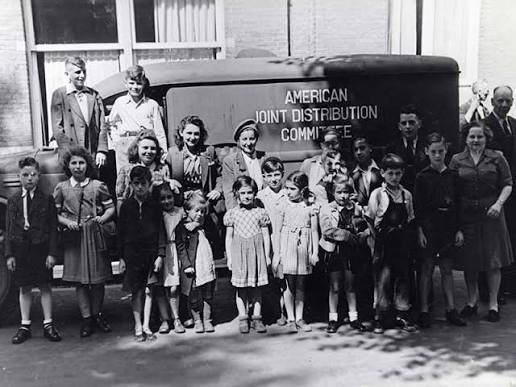
The DP camps in Austria, Germany and Italy that were administered by the United Nations Relief and Rehabilitation Administration, UNRRA. UNRRA also offered financial aid to charitable organisations who helped the survivors.
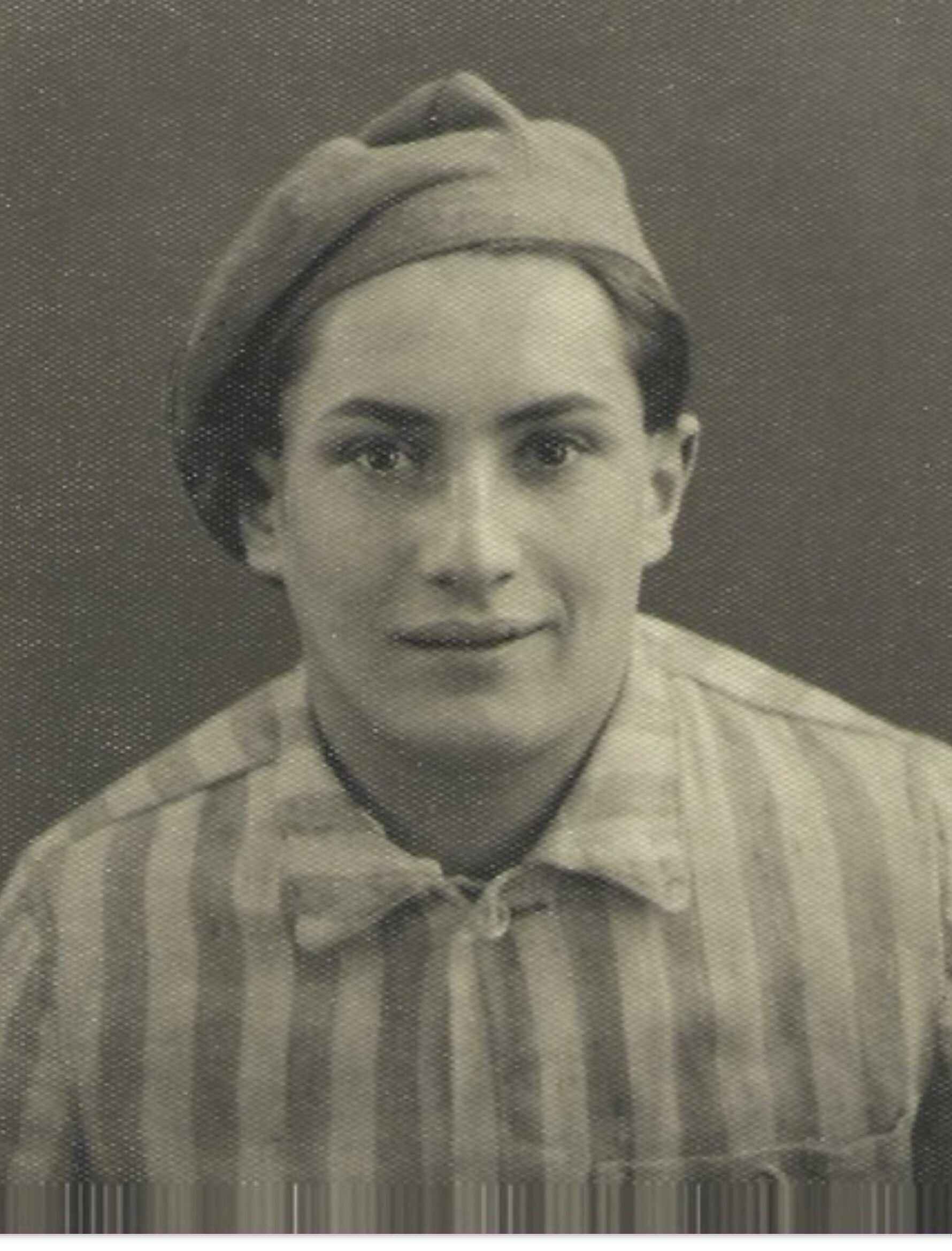

Early Days
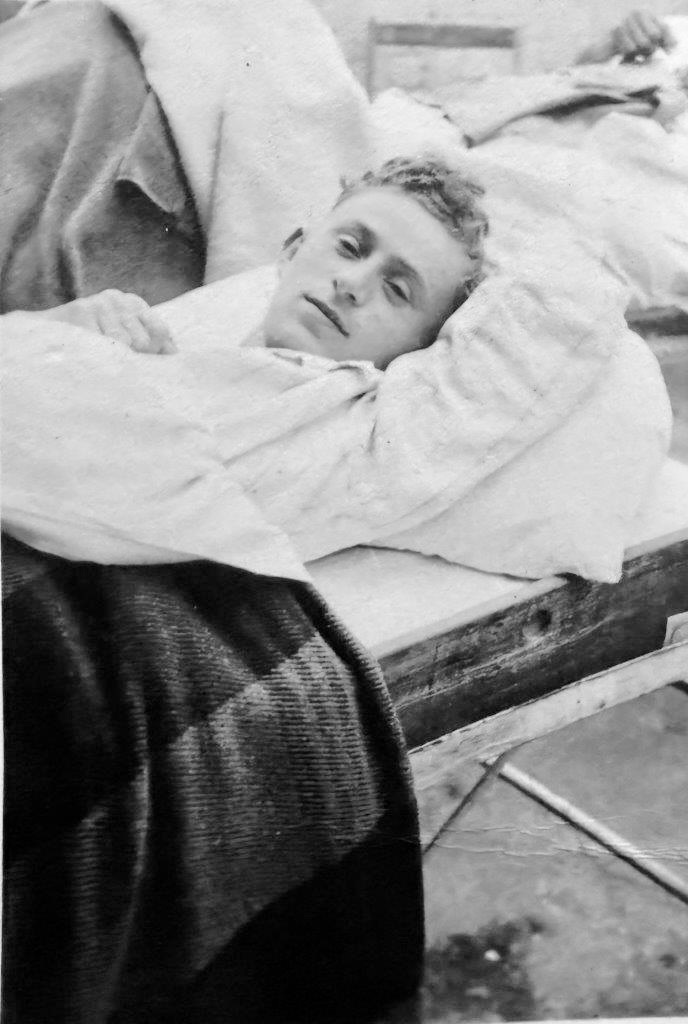
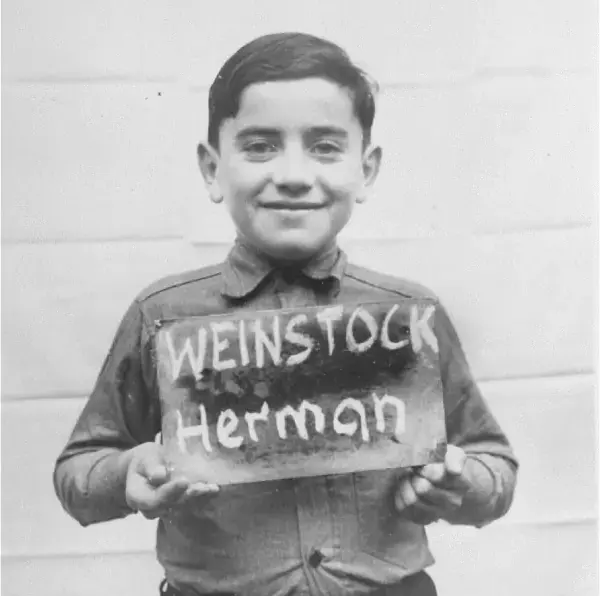
Immediately after the liberation, Holocaust survivors were categorised by nationality and many found themselves in camps alongside their co-nationals who held antisemitic views and had even persecuted them in the Nazi concentration camps.
Initially life in the DP camps was very harsh especially for Jewish survivors. Many of the camps had been previously used as labour or concentration camps by the Nazis and remained enclosed with barbed wire and under armed guard. Death rates also remained high. In the Belsen-Hohne DP camp there were 23,000 deaths in the first three months after the liberation.
The Harrison Report
After a campaign by the US Army chaplain, Abraham Klausner, news of the terrible situation Jews endured in the DP camps in the American zone reached the White House, President Truman sent an envoy, Earl G Harrison, the newly-appointed American delegate to the Intergovernmental Committee on Refugees, to report on the situation.
The Harrison Report, published in July 1945, revealed that not only were Jewish survivors living in terrible conditions but they were forced to live with those who had collaborated with the Nazis.
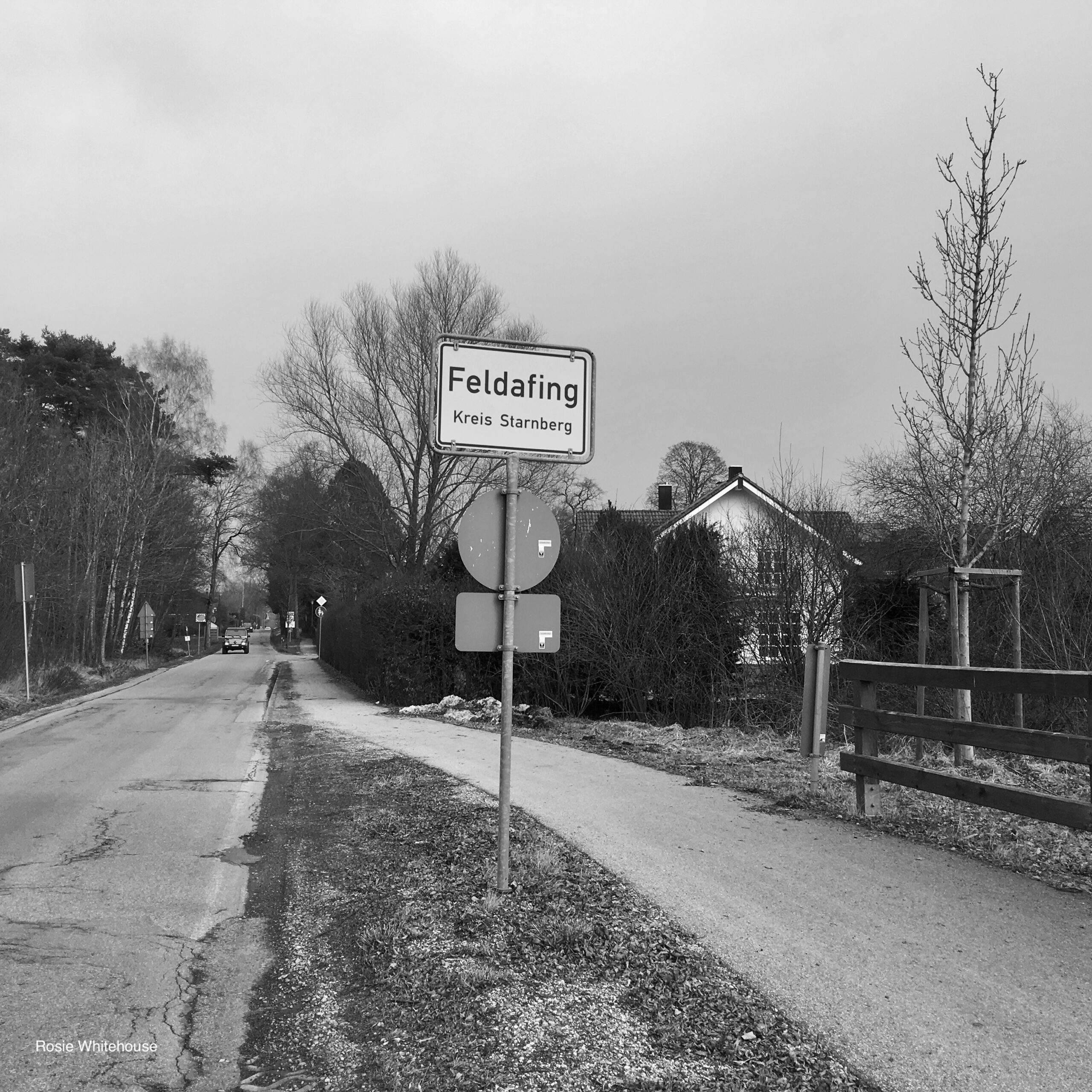
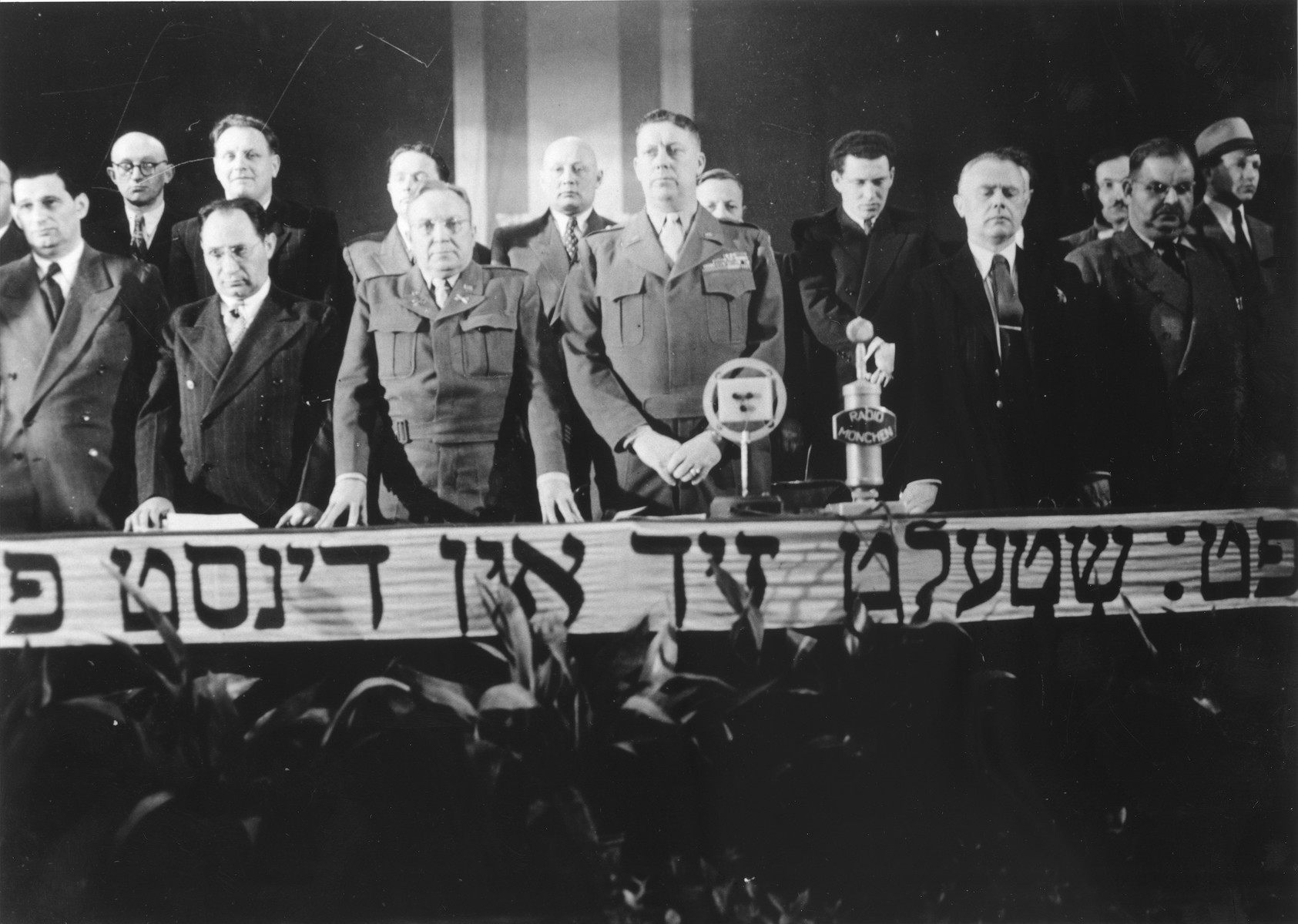
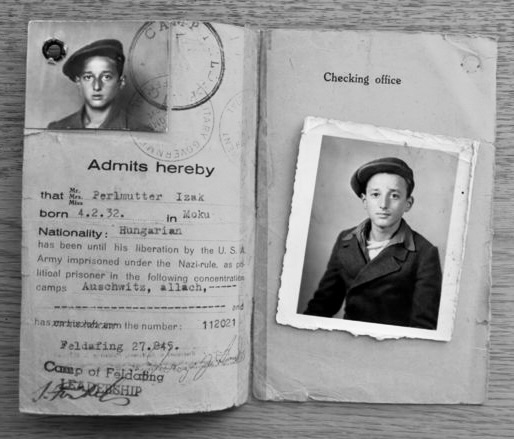
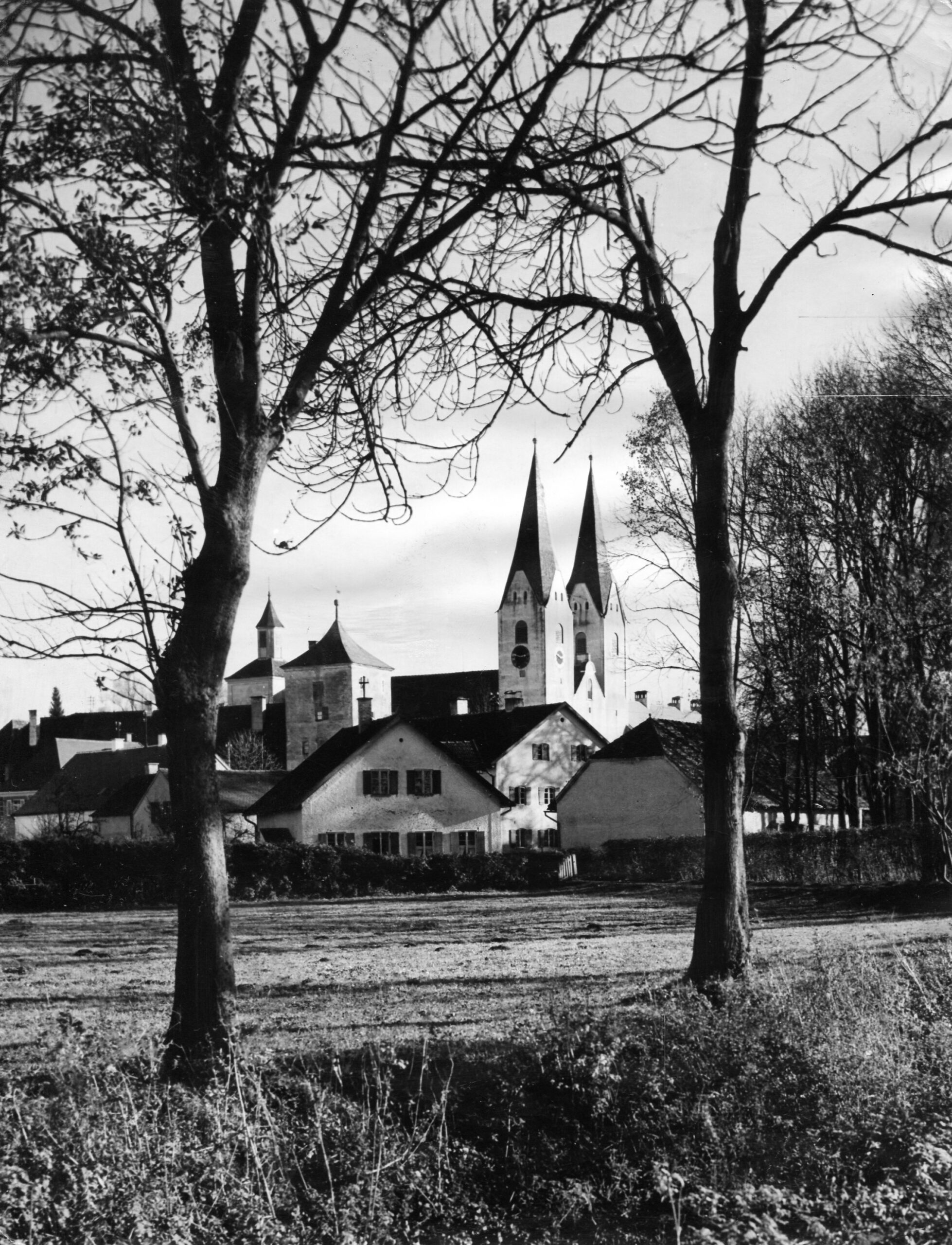
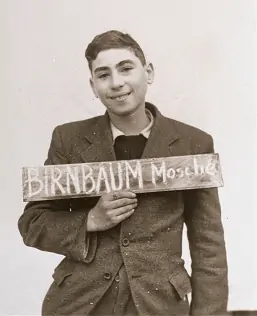
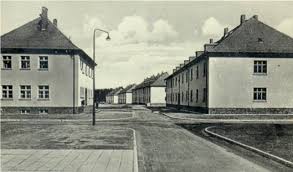
As a result of the Harrison Report, military advisors were appointed to oversee the DP camps in the American zone and conditions improved. One of the first measures implemented was to separate the Jews from the rest of the population of displaced persons. In July 1945, Feldafing became the first exclusively Jewish DP camp.
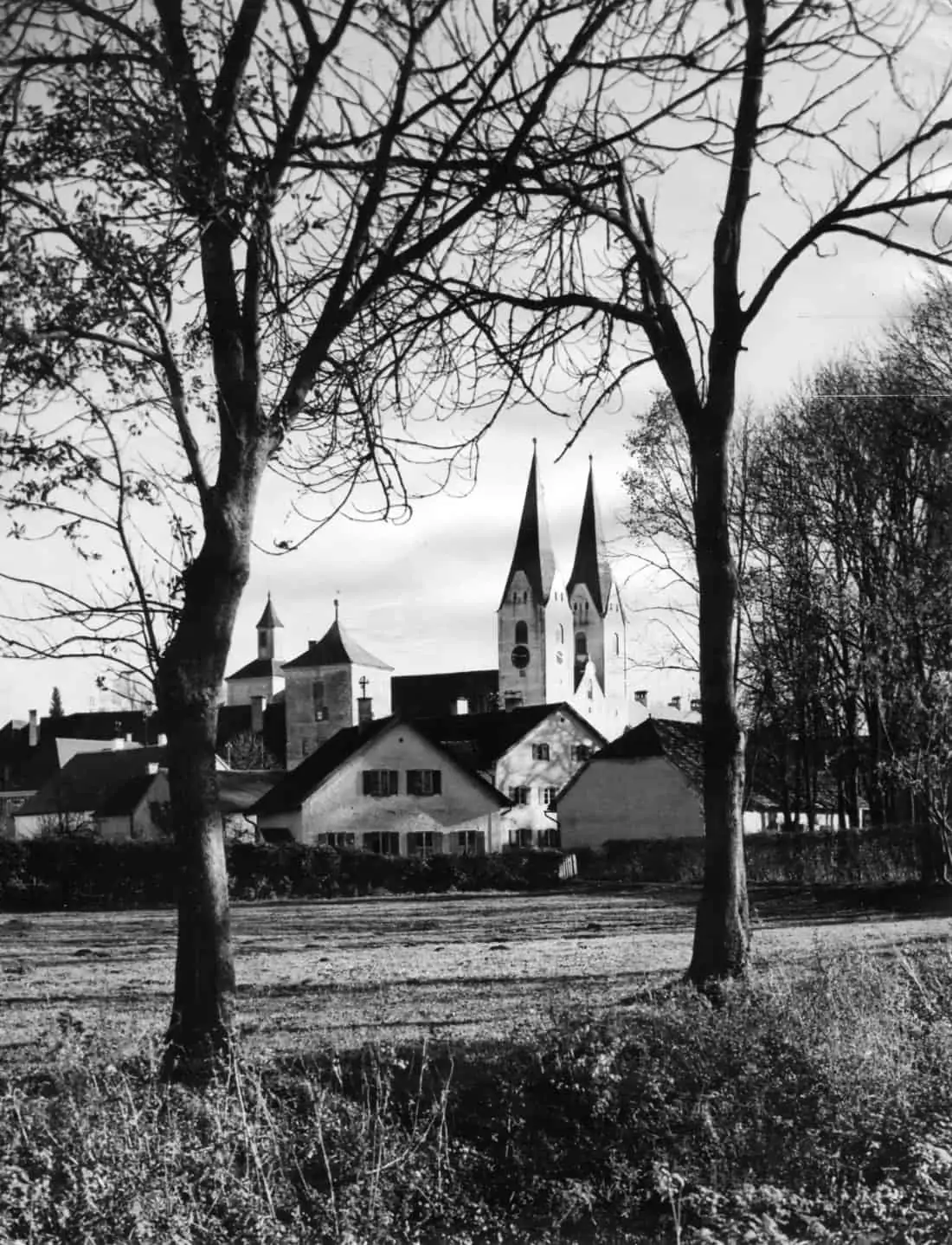
It was the first time that Jews had been recognised as a nationality and thus Feldafing played an important role in Jewish history. Föhrenwald DP camp followed in the late summer of 1945. Camps like Feldafing and Föhrenwald were unique to the American zone.
“First of all most of the camps-DP camps were ex-Nazi barracks not camps not concentration camps not extermination camps but barracks of the SS. It was good officers quarters and had lots of rooms and spaces.
Okay so that’s the physical part. The internal social structure of it there was some sort of organization and there was newspaper in Yiddish. There were some classes. They started classes about Zionism and there were visitors from various Jewish community members from around the world …
Those who worked would get some pay but you could volunteer for things. And I remember volunteering for one particular job which was shovelling … coal and German kids were making some funny noises and sort of like yelling Juda or something and that’s when I almost snapped. I took a piece of coal like stone and threw it, and as bad luck would have it, it hit him right in the face right – in the eye – and as the truck was driving off I saw him going like this gesturing and don’t know whether I blinded him or not. This is still debatable in my mind. And felt so good. It was my revenge poor innocent kid. Mean – but he shouldn’t have opened his mouth. He opened his mouth at the wrong time and I feel that at that point in time I’m relatively certain that if somebody ordered me to kill somebody I would have. If somebody ordered me to kill say some German or Nazi I would have done that. Easily. But subsequently you know, as the years went by, I felt that this was not the way to behave.”
Samuel Oliner, in a testament on the website of the United States Holocaust Memorial Museum made in 1994.
Oliner was 15 years old when he was in Föhrenwald DP camp.
Daily Life
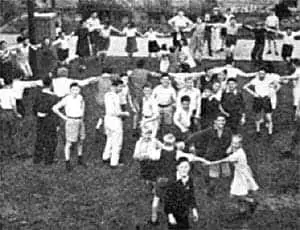
Despite the tragedy and horror that they had experienced, once they began to physically recover, Jews in the DP camps showed a remarkable zest for life. There was a significant religious, political and Zionist revival. There was an emphasis on education and training, as well as a lively cultural life.
Schools, kindergartens and vocational training centres were set up. Yet, despite the efforts of the Jewish leaders in the DP camps to organise education and sports activities for the young survivors many of them were left to their own devices and they spent time trading on the black market.
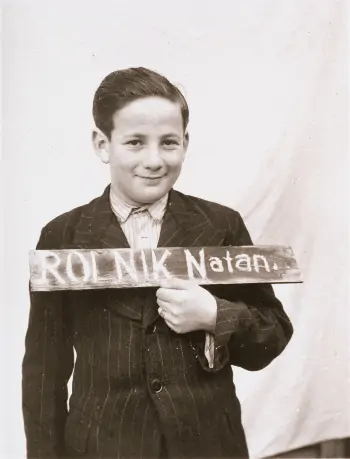
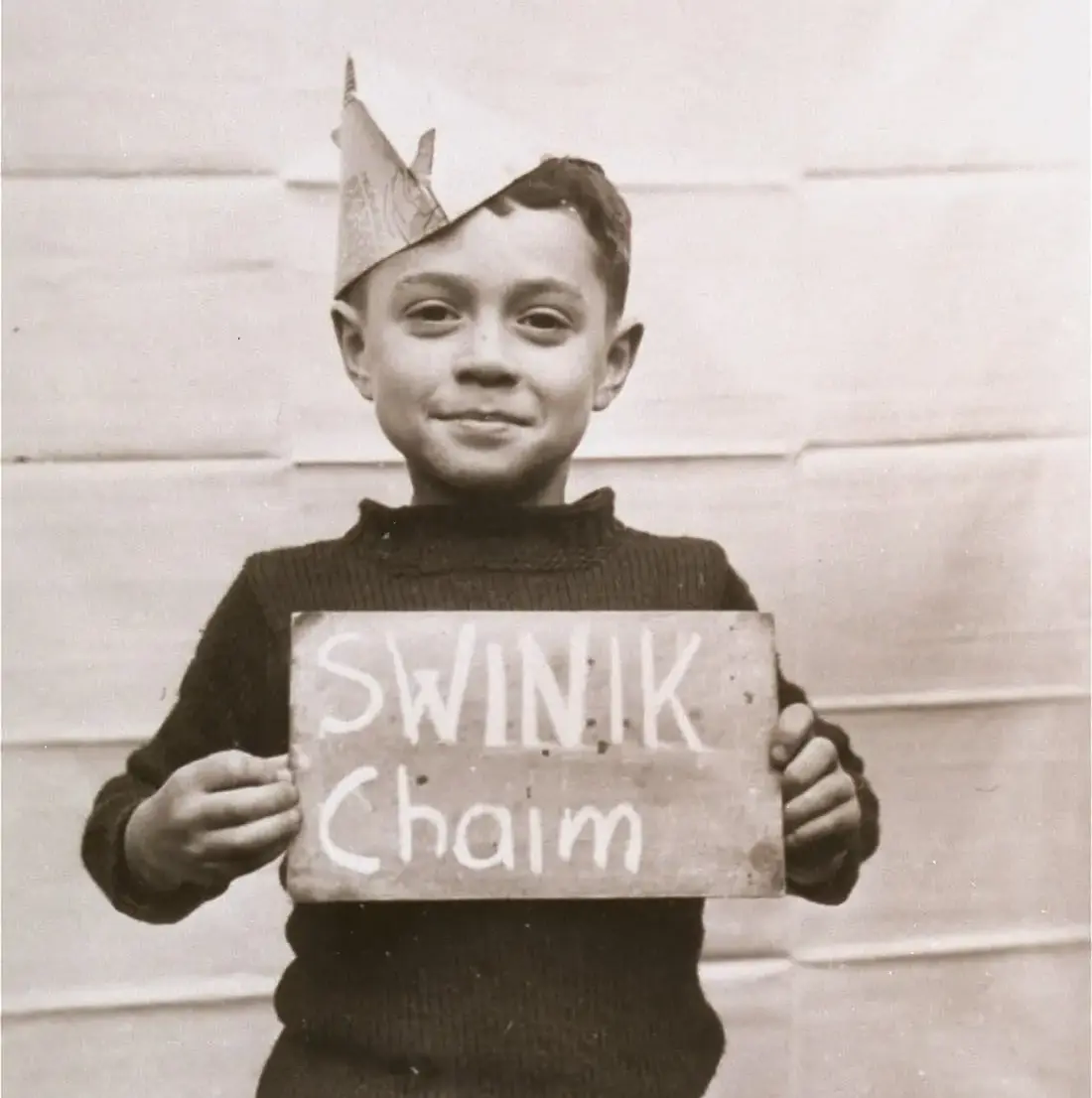
Aid workers in the camp and many Jewish leaders saw the pressing need to move the young survivors to a place more suited to their rehabilitation. Young survivors were taken to Mandate Palestine both legally and illegally, as well as to France, Sweden, Switzerland and the UK.
“The United Nations Relief Agency started registering people for repatriation or immigration. I did not want to return to Poland as I knew I had no family left there. The remaining choice was the U.S.A, England or Israel (Palestine) and I put my name down for all three. Whichever came up first is where I would go. A couple of months later as autumn approached, I was told I could go on a transport to England. England was allowing a certain number of refugees under the age of eighteen to enter. The organizers of Aliyah Bet (immigration to Israel) said that British and American authorities were allowing mainly younger refugees to enter their countries, hence their opposition. The Americans took all of us who were in Feldafing to Föhrenwald D.P.C. because Aliyah Bet had threatened to block the road on our departure.”
Hillel Chill Ingielman written testament, 1994. Ingielman was 17 years old when he was in the DP camps in Germany.
Zionism
The Jewish revival in the camps also brought with it a renewed and reinvigorated Zionist movement.
Jewish survivors in the American zone had, by the summer of 1945, begun to organise themselves into an effective Zionist lobby, as is shown by Rosie Whitehouse in her study of the period The People on the Beach: Journeys to Freedom After the Holocaust (Hurst, 2020).
The Committee of the Liberated Jews of Bavaria lobbied for survivors’ rights and the establishment of a Jewish state in Palestine and as a result were opposed to moving the children anywhere but Palestine.
It set them on a collision cause with the British government, which had imposed strict limitations on Jewish emigration to Palestine in the 1939 White Paper.
After the war the Labour Party had promised on the hustings to repeal the White Paper but after their landslide victory in 1945 refused to do so.
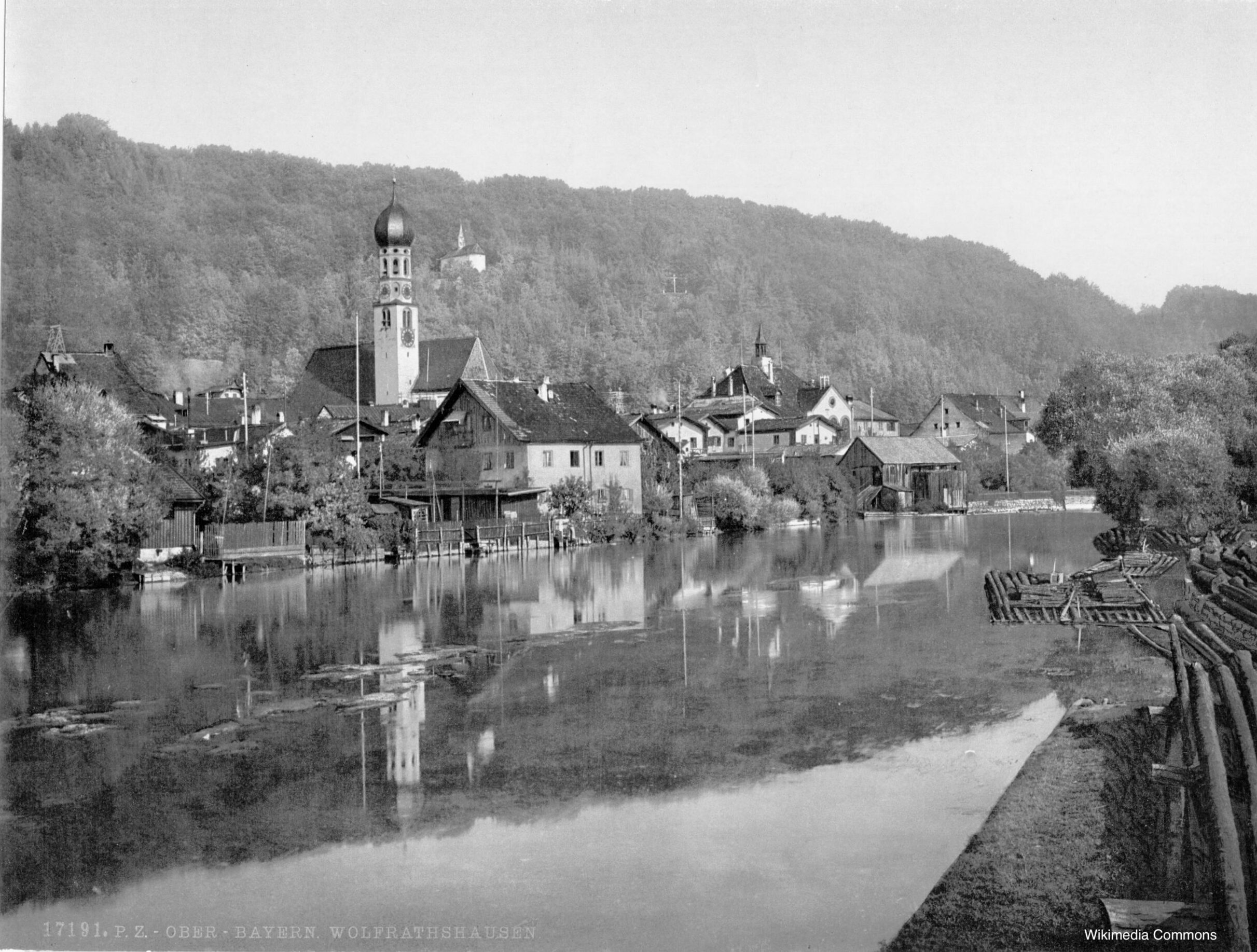
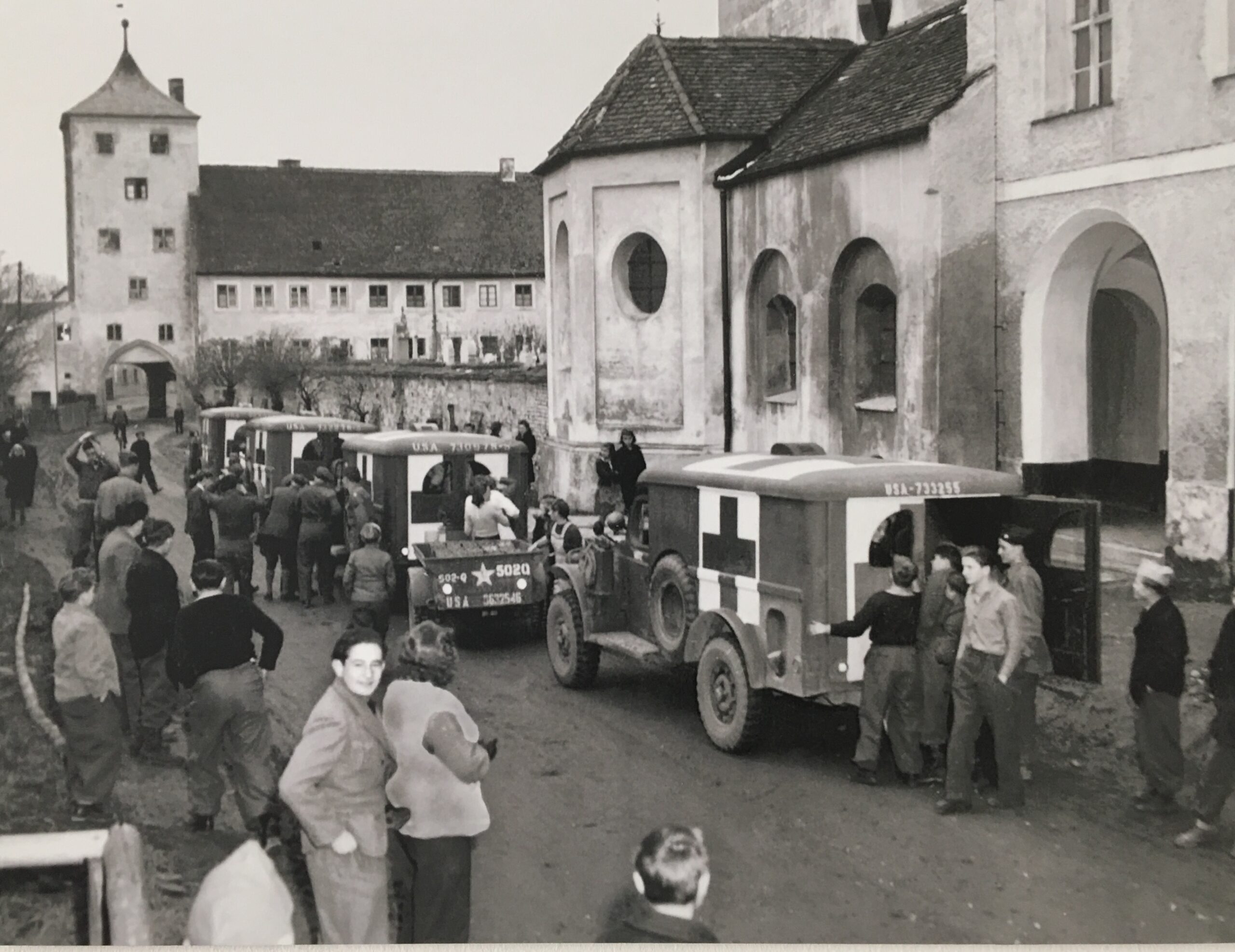
It was only after much negotiation with the Committee of the Liberated Jews of Bavaria, that it was finally agreed that those children who had been told they were leaving for Britain would be allowed do so but as survivor Ivor Perl remembers the lorries that took them out of the Förenwald DP camp left in the middle of the night just in case Zionist activists tried to stop them.
The situation in the American zone was mirrored in the British zone where the Central Committee of the Liberated Jews prevented 220 child survivors from being taken to the UK.
The Jewish Brigade
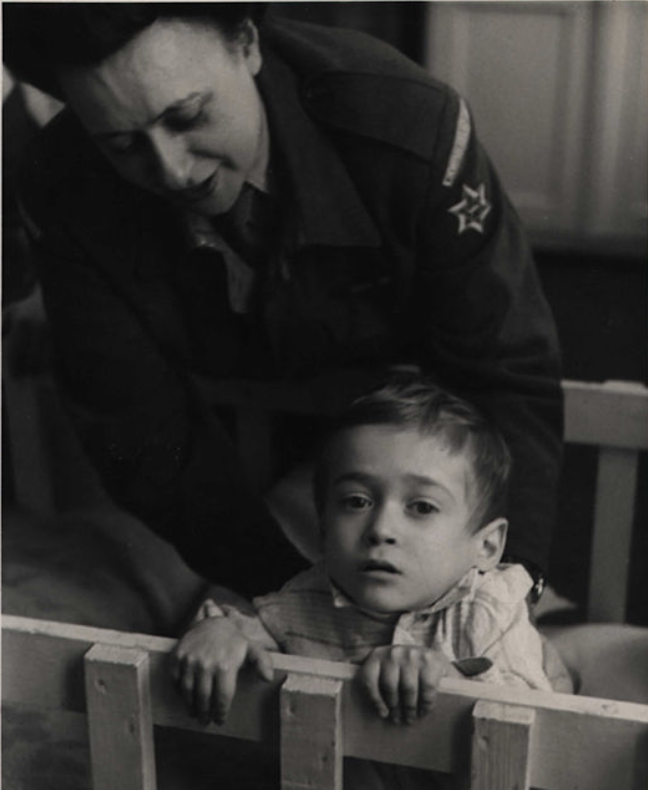
Jewish soldiers from the British Army’s Jewish Brigade also helped out caring for the younger survivors.
The Jewish Brigade played an important part in illegal immigration to the British controlled Palestine Mandate. Many of the young survivors were inspired by seeing Jewish soldiers for the first time.
Emigration
Most Jewish survivors in the DP camps wanted to leave Europe.
Many wanted to go to the British controlled Palestine Mandate. Their options for emigration, however, were severely restricted by immigration quotas. The British government had also put strict limits on Jewish immigration into Mandate Palestine in the 1939 White Paper.
Some survivors tried to make the journey to Mandate Palestine illegally with the help of the Jewish underground Aliyah Bet movement, but many had little choice but to stay in the DP camps where some lived for years.
The last two DP camps, Föhrenwald closed in 1957 and Wels in 1959.
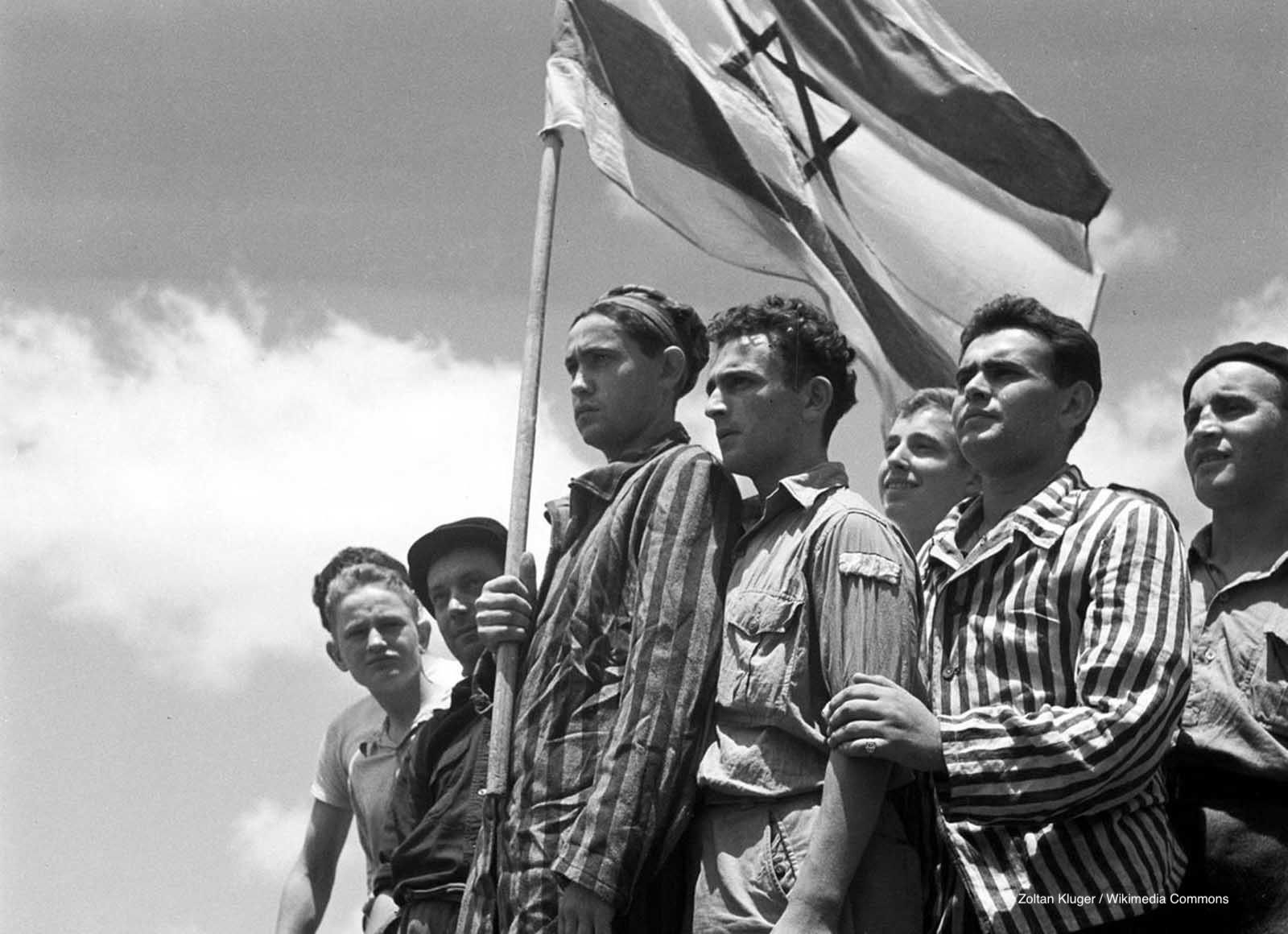
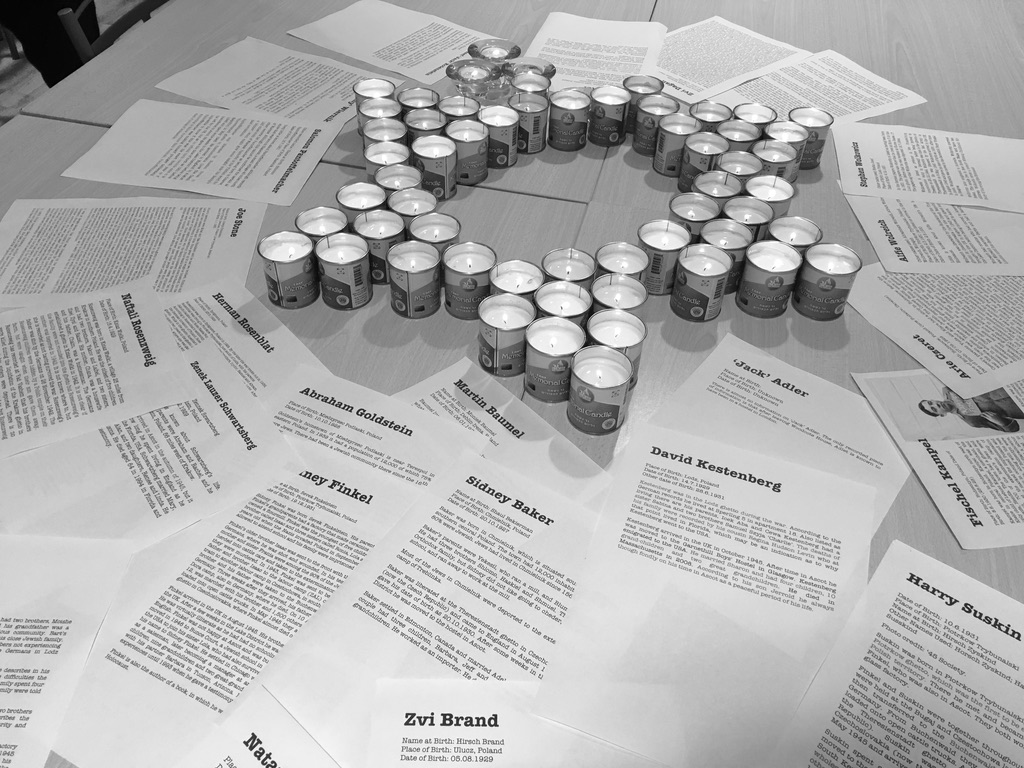
The ’45 Aid Society has its own unique Holocaust education programme.
The Boys were young people when their lives were torn apart. Students will learn about where they came from, the families they lost, their experiences in ghettos, camps, hiding and death marches, their liberation and, importantly, what happened afterwards.
To find out more about the resources we offer click here.
On the Page
Between the Lines
Beyond the Page
For a full list of Critical Thinking Questions click here.
Allies A group of 26 nations led by Great Britain, the United States, and the Soviet Union that opposed the Axis powers during World War II.
Central British Fund (CBF) The UK-based charitable organisation that was instrumental in bringing the Boys to the UK. Formerly known as the Central British Fund for German Jewry, it is known today as World Jewish Relief.
Concentration Camp A prison camp used to detain those deemed enemies of the Nazi state, including Jews, Gypsies, political and religious opponents, members of national resistance movements, homosexuals, and others. Imprisonment was of unlimited duration, not linked to a specific act, and not subject to any judicial review. Inmates were often forced to undertake hard labour.
Death March A forced march of prisoners, especially Jews, from the concentration and slave labour camps in eastern Europe to camps further west that began in the autumn of 1944 in face of the advance of the Red Army.
Displaced Persons Camp (“DP Camp”) A series of camps established by the Allies after World War II to house survivors of Nazi persecution and refugees from eastern Europe, known as displaced persons, or DPs, while they awaited repatriation to their home countries or resettlement in a new destination.
Red Army The Workers’ and Peasants’ Red Army, usually referred to as the Red Army, was the army and air force of the Soviet Union from 1922-1946, when it was renamed the Soviet Army.
Yiddish A Germanic language with elements of Hebrew and Aramaic historically spoken by Ashkenazi Jews.
For a full Glossary click here.
 About
About History
 Education
 Quilts
 FIlms
FIlms Photos
 News Media & Events
 Publications
 Donate