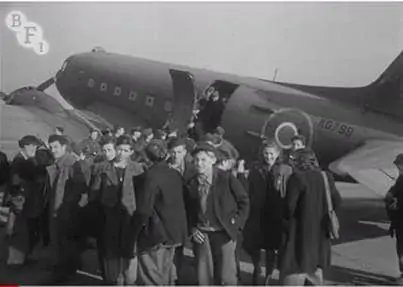
The second group of the Boys arrived in the UK in late October and early November 1945.
The Boys were teenage and child-Holocaust survivors, who were brought to the UK after World War II for rest and rehabilitation.
Members of the Boys were held in Nazi labour and concentration camps and used as slave labourers. They had also survived World War II in hiding or as lone children.
Group name: The Southampton Boys
Date of arrival: 31 October 1945
Point of departure: Celle & Munich, Germany
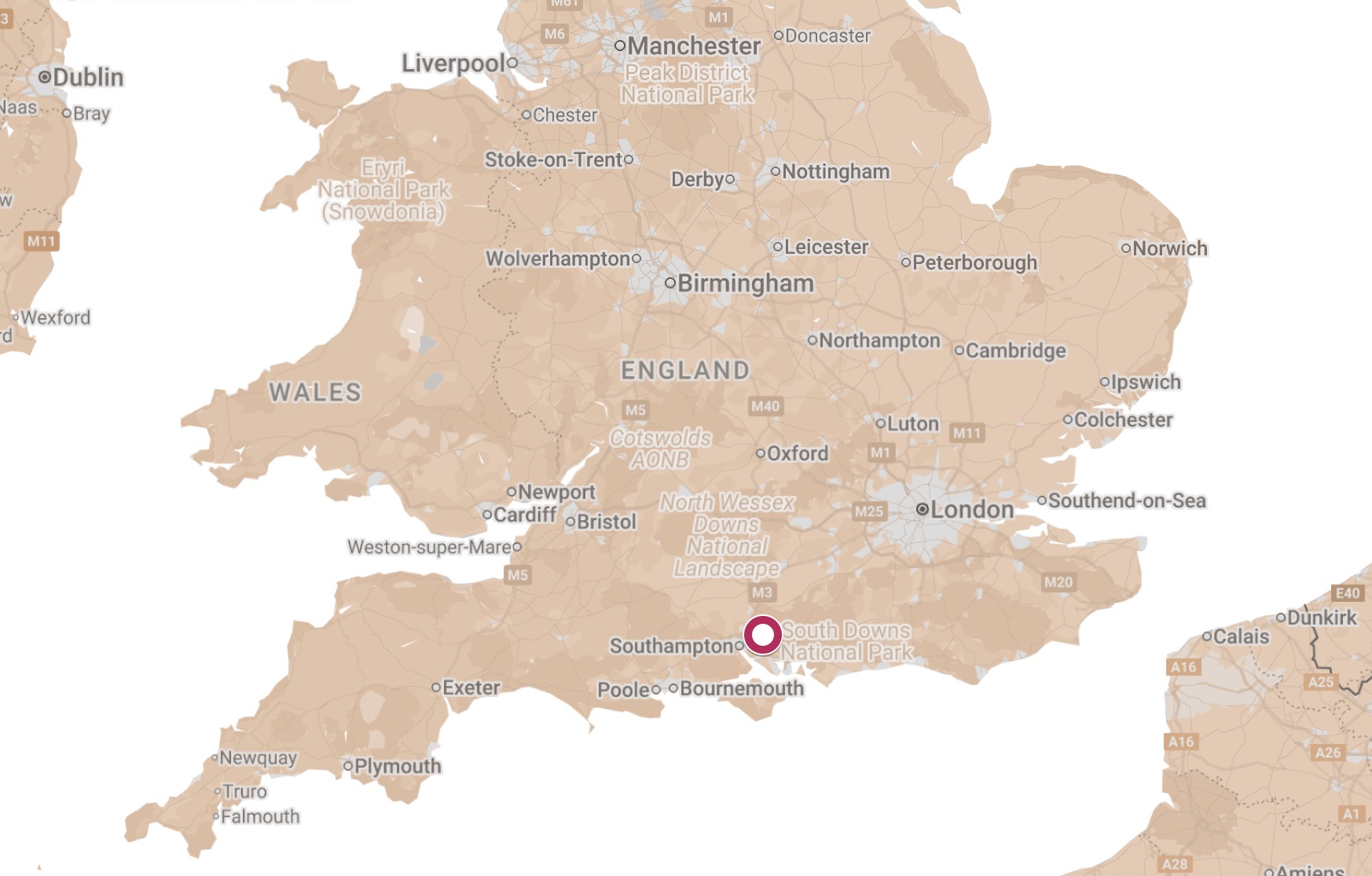
Point of arrival: Stoney Cross, UK
Number of children: 156
Country of Birth: Czechoslovakia, Germany, Hungary, Poland & Romania
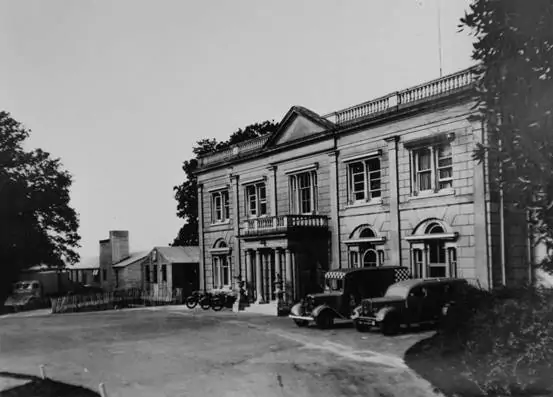
Hostel on arrival: Wintershill Hall
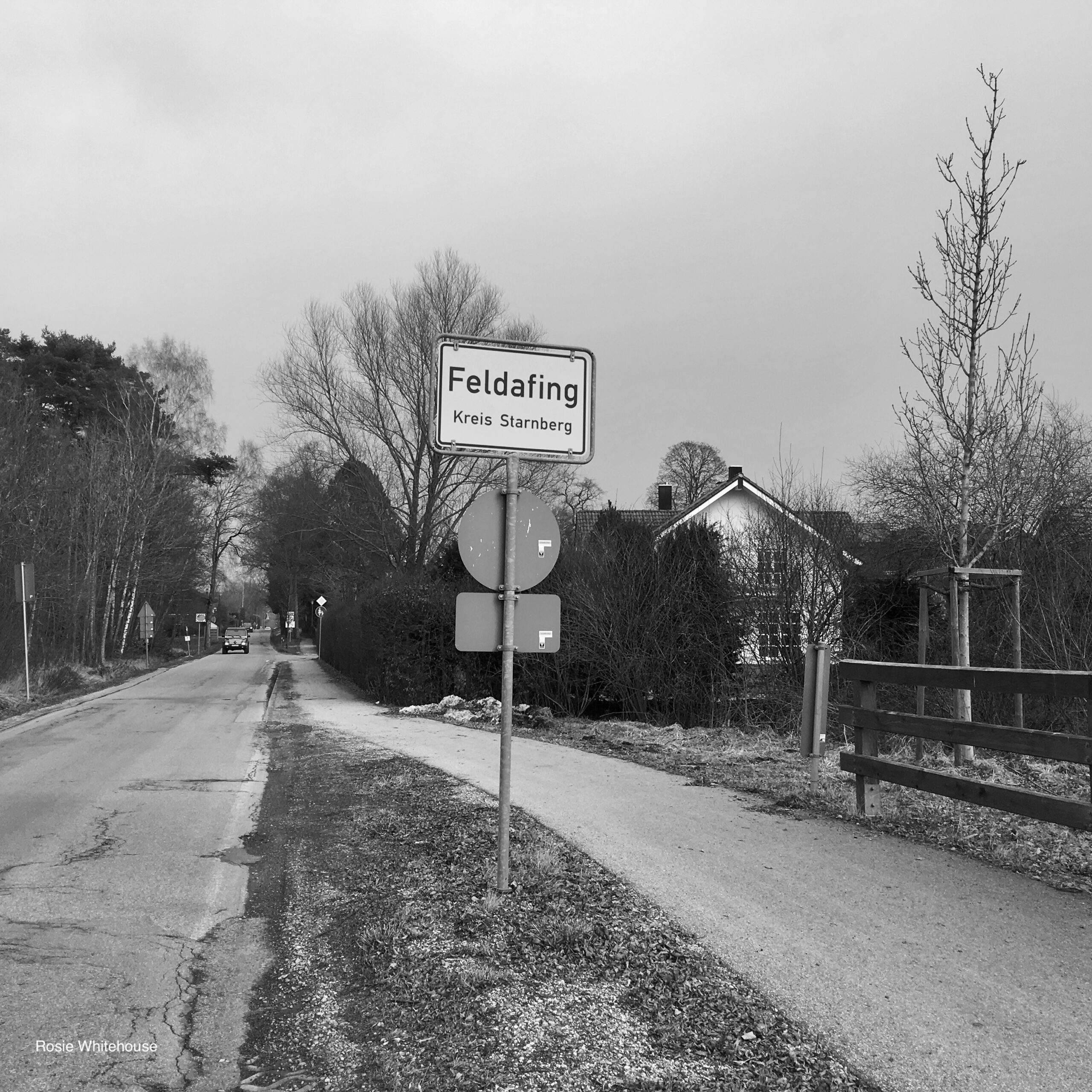
The children were selected from three different locations:
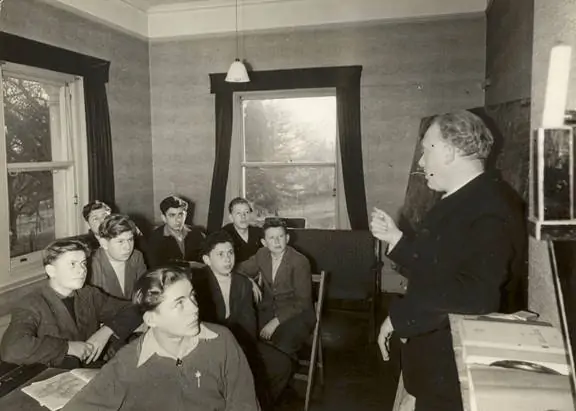
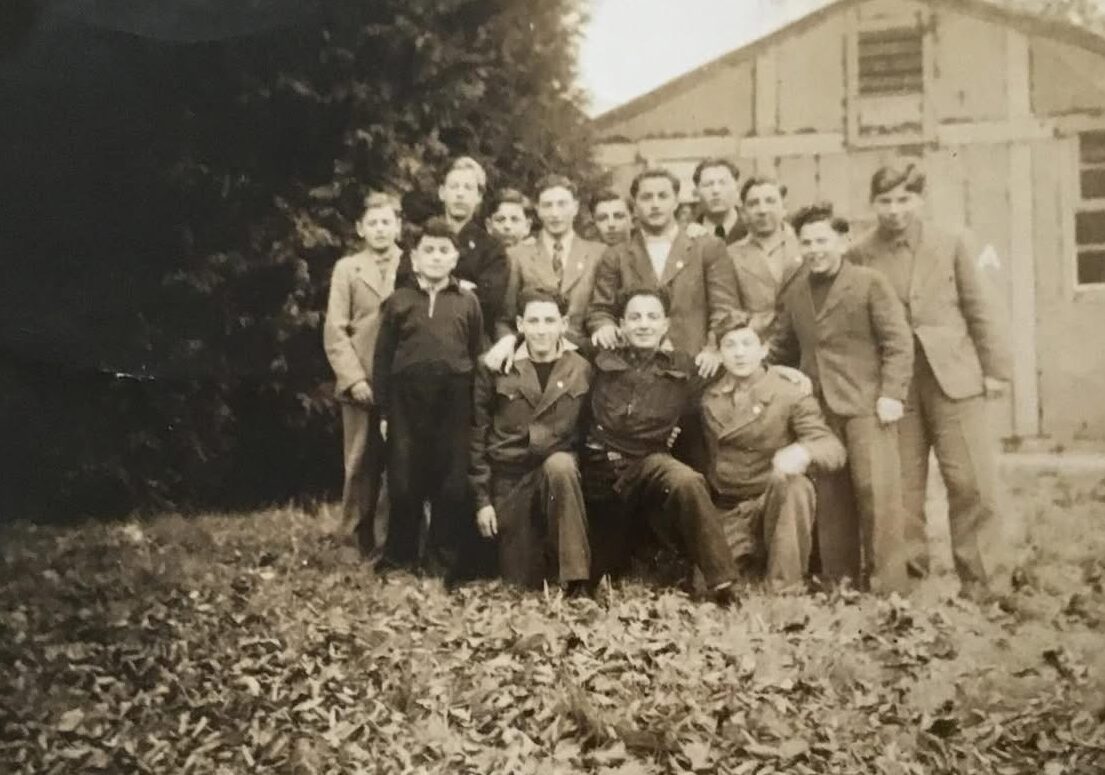
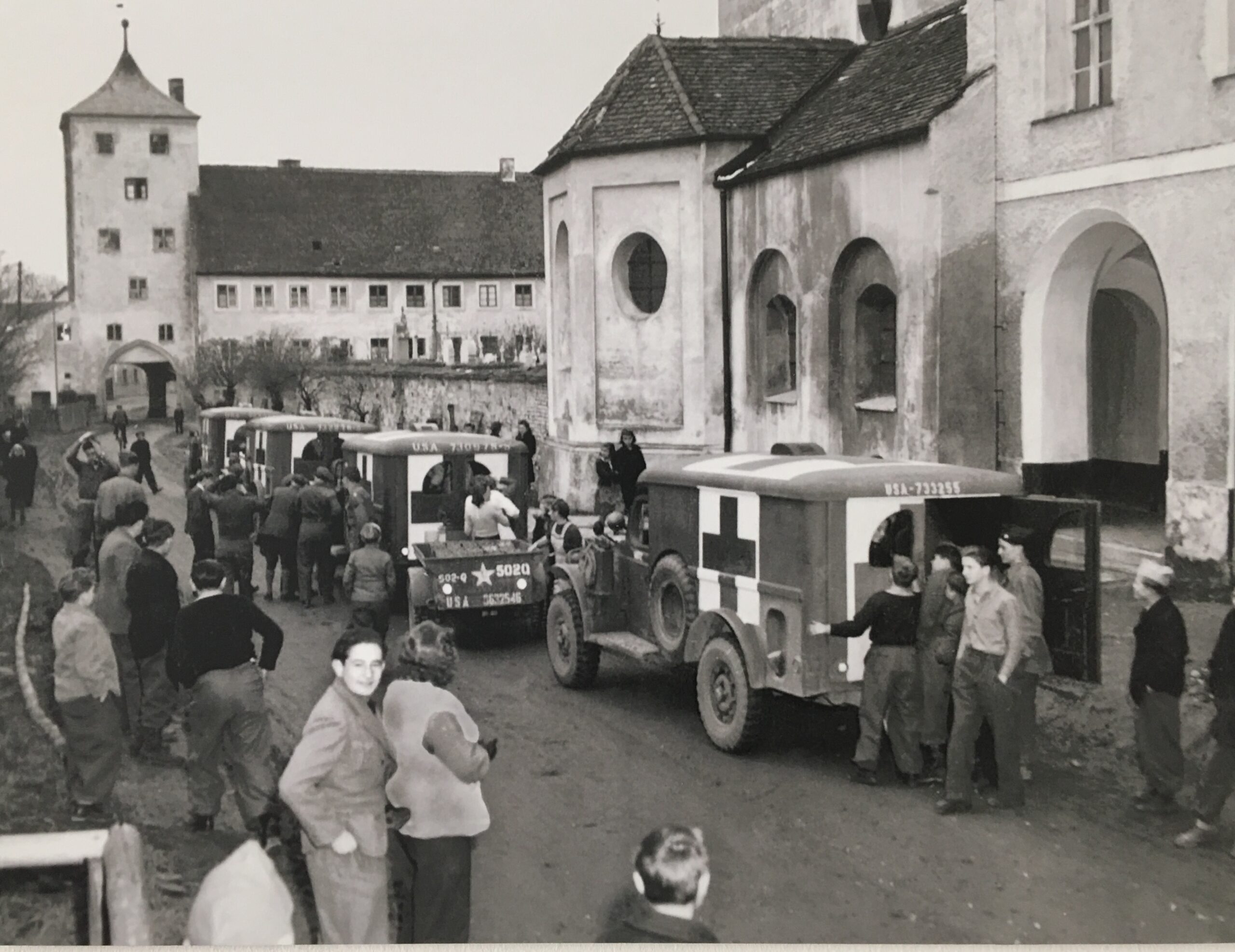
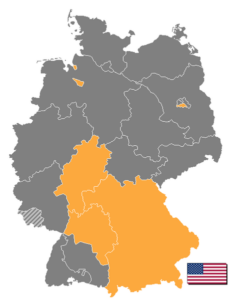 Initially in the US occupied zone American soldiers tried to help the children without accompaniment of a parent or a near relative and outside of their home countries, often on German territory. In the weeks after the liberation the United Nations Relief and Rehabilitation Administration’s (UNRRA) arrived on the ground. UNRAA policy was that all children should be reunited with their families and repatriated to the countries of their origin but it soon became clear that this was not simple in the case of child-Holocaust survivors who were orphaned refugees.
In the summer of 1945, the Central British Fund began to look into the logistics of bringing a group of child survivors from the US sector.
There was a strong Zionist movement in the displaced persons’ camps that hindered the process of taking Jewish children to the UK. In the Föhrenwald DP camp for example Zionist stole the lists of children that had been drawn up of those eligible for the CBF scheme.
Nevertheless, two groups of child survivors were selected to fly from Munich to the UK in October 1945.
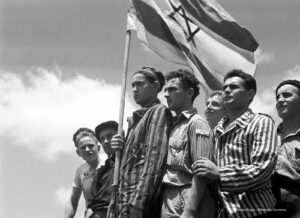
It is widely believed that the Central British Fund could not find 1,000 children to fulfil their quota of permits. The story of the Southampton Boys illustrates one of the reasons that the full quota of children was not brought to the UK.
On the ground in Germany there was no scarcity of child Holocaust survivors. The Central British Fund, however, faced considerable opposition to removing the children for recuperation in the UK.
Jewish survivors in the American and British zones of occupation had, by the summer of 1945, begun to organise themselves into an effective lobby, as there had been a revival of Jewish culture and above all Zionism. The Committee of the Liberated Jews of Bavaria and the Committee of the Liberated Jews of Bergen-Belsen both lobbied for survivors’ rights and the establishment of a Jewish state in Palestine and were opposed to moving the children anywhere but Palestine.
It set them on a collision cause with the British government, which had imposed strict limitations on Jewish emigration to Palestine in the 1939 White Paper. After the war the Labour Party promised on the hustings to repeal the White Paper but after their landslide victory refused to do so.
No more so was this more evident than in the Belsen-Hohne Displaced Persons’ Camp.
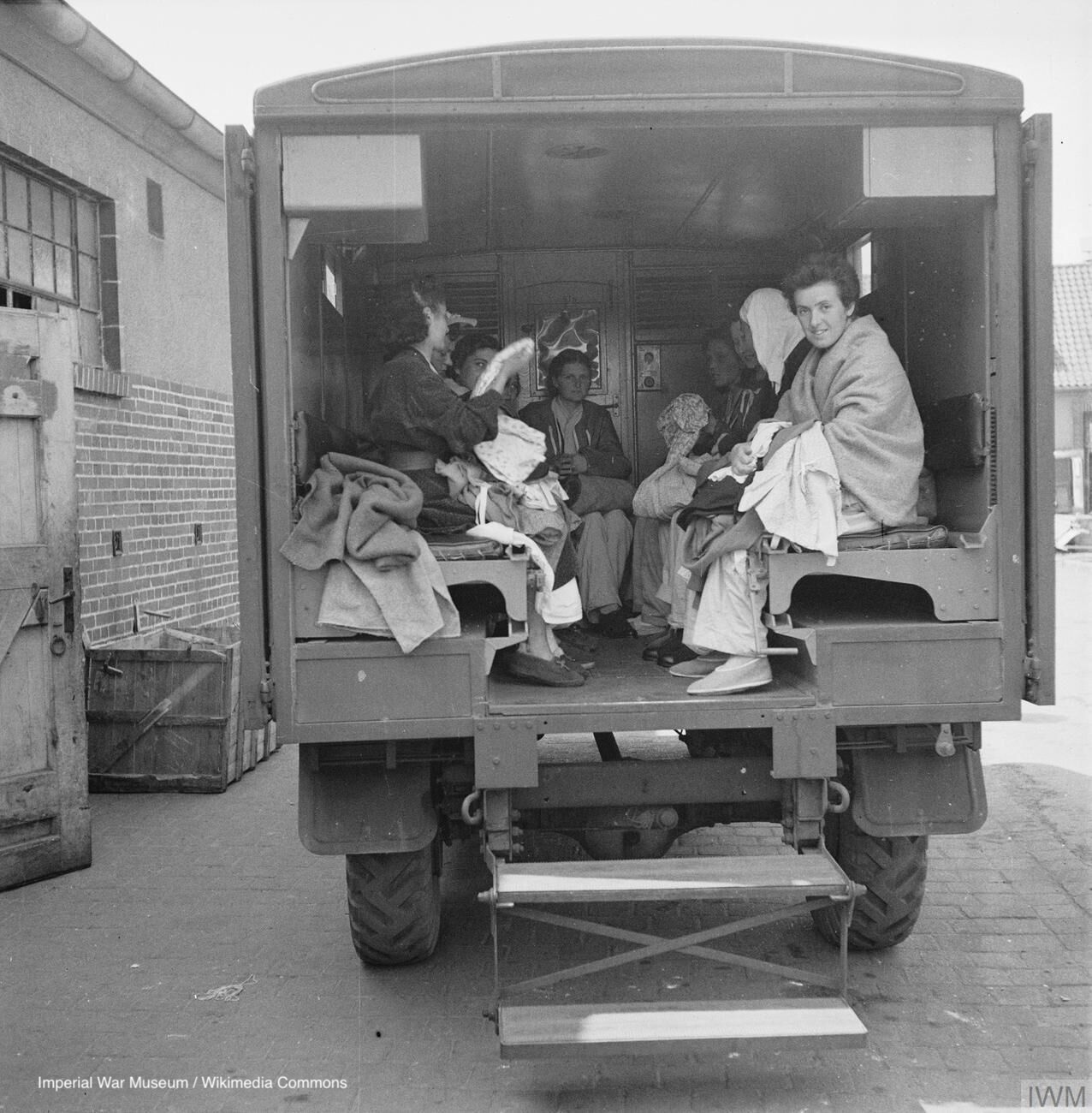
The second group of the Boys flew from Celle and Munich to Southampton in southern England. They were met by Leonard Montefiore and Joan Stiebel of the Central British Fund. They were give tea and sandwiches in the airfield canteen before they were moved to the Wintershill Hall reception centre.
One of the Boys who joined the group in Wintershill Hall was brought illegally into the UK by American airforce pilots.
 About
About History
 Education
 Quilts
 FIlms
FIlms Photos
 News Media & Events
 Publications
 Donate