Education

Teachers’ Aids

The ’45 Aid Society is here to support and help teachers who would like to use the story of the Boys to study the Holocaust.

The ’45 Aid Society represents the teenage and child-Holocaust survivors and their descendants who were brought to the UK after World War II for rest and rehabilitation. The group is known as ‘the Boys’ despite the fact that it included over 200 girls.

Members of the Boys were held in Nazi labour and concentration camps and used as slave labourers. They had also survived World War II in hiding or as lone children.

Photograph of Harry Spiro meeting footballers at Chelsea FC, 2018.
Harry Spiro meeting footballers at Chelsea FC, 2018.

Key Questions

What was the Holocaust?

The Holocaust was the systematic, bureaucratic, state-sponsored persecution and murder of over six million Jewish people by the Nazi regime and its collaborators.

It was the radical, violent culmination of antisemitism, occurring between 1933 and 1945, where Jews were targeted for total annihilation.

Who Are the Boys?

The Boys arrived in the UK after World War II on a scheme organised by the Central British Fund for German Jewry (CBF), now World Jewish Relief.

Members of the Boys were held in Nazi labour and concentration camps and used as slave labourers. They had also survived World War II in hiding or as lone children.
Are the Boys the same as Kindertransport?

No. The members of the Boys came to the UK after World War II between 1945 and 1948. The Kindertransport children came to the UK in 1938-39.

There are however some close links between the two groups:

The Central British Fund for German Jewry set up in 1933 organised the Kindertransport. They also organised the four transports of the child survivors who came after the war known as the Boys. The conditions imposed on joining the Boys transports were the same as for Kindertransport – significantly they had to be paid for by the Jewish community and the children had two years leave to remain.

The Committee for the Care of the Children from the Concentration Camps which was set up to care for the Boys was made up of prominent members of the Central British Fund who had organised the Kindertransport.

Many of the senior staff hired by the Central British Fund had been involved in organising and accompanying the Kindertransport. Many of the junior staff who worked in the hostels were on the Kindertransport. The Boys were also often housed in hostels with Kinder from the Kindertransport or attended schools (which had fled Nazi Germany) such as Bunce Court and Stoatley Rough, where many Kinder were also looked after.

The Primrose social club in London was a place where the Kinder and the Boys met and romances began. Many Boys married Kinder.

The lessons learned from the Kindertransport affected the way the Boys were cared for and led to the initial use of hostels rather than foster families.

The Kindertransport also had important repercussions in the DP camps. There were 220 child survivors who were due to come to the UK from the Belsen-Hohne DP camp in 1945 but their transport to the UK was blocked by Zionist and religious survivors. The later quoted the Kindertransport for their opposition to the children going to the UK as many of the Kinder had been placed in Christian homes.
Jewish Festivals

Photograph of Jewish boys studying in pre-war Mukachevo.
Jewish boys studying in pre-war Mukachevo.

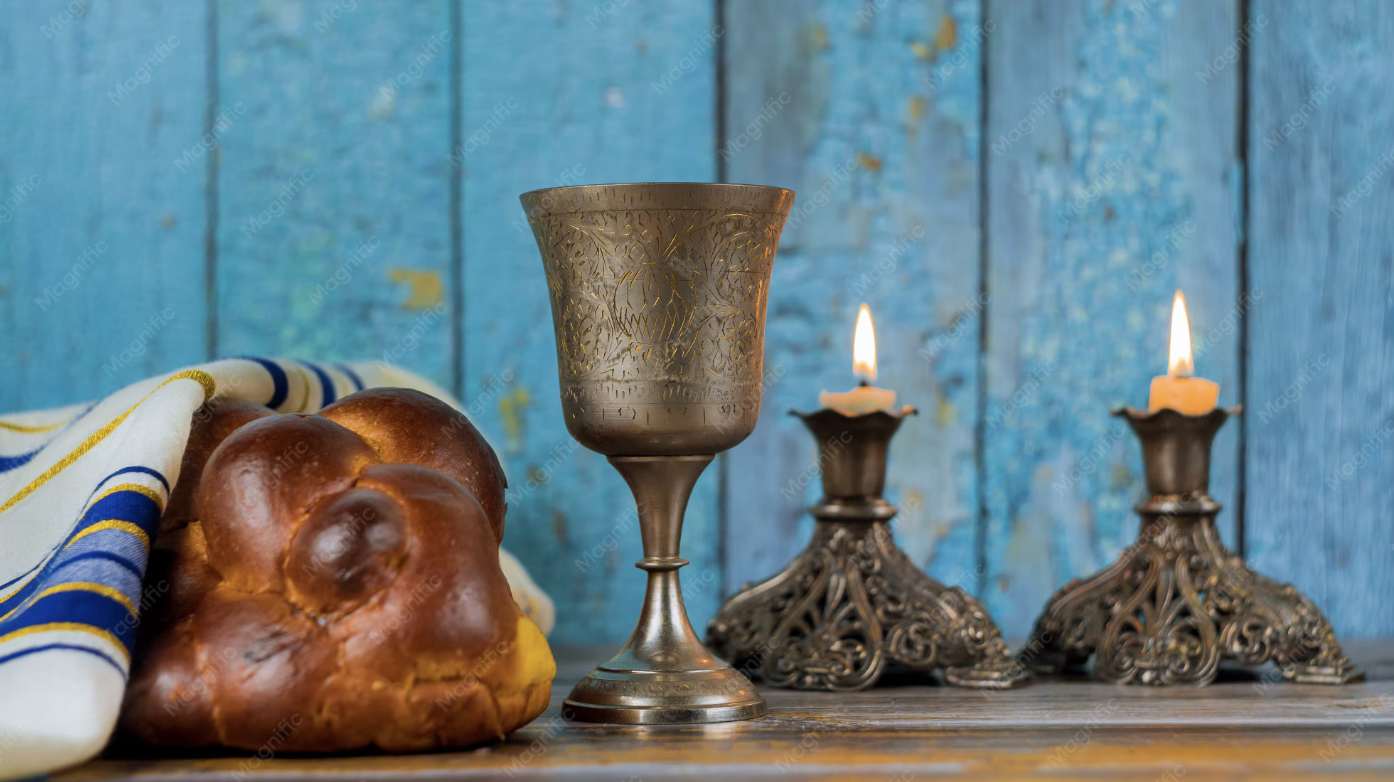
In addition to the daily way of life and the spiritual highpoint of the Sabbath (Shabbat), which lasts from sundown on Friday until sundown on Saturday, there are festivals that add rhythm and colour to Jewish life.
  • Rosh Hashanah The Jewish New Year occurs in September/October. It is the anniversary of the creation of Adam and Eve, the first man and woman according to the Hebrew Bible and starts a ten-day period of self-examination and repentance. It is a time for Jews to reflect on their year, including their good and bad deeds. The Tashlich ceremony takes place during Rosh Hashanah. At this ceremony sins are cast out and poured into water as people ask for God’s forgiveness. The shofar, a ram’s horn, is blown to symbolise a call for repentance. Apples are dipped in honey to represent the hope of a sweet new year. Pomegranates are also eaten because of the fruit’s appearance in the Torah (the Jewish bible,) as the fruit of the land of Israel and as it is said to have 613 seeds. This is the same number as the number of historic laws governing Jewish Jewish life according to tradition.
  • Yom Kippur Also known as the Day of Atonement, this is the holiest day of the Jewish calendar. There is a 25 hour fast during which nothing must be eaten or drunk. On the eve of Yom Kippur it is traditional for a father to bless his sons and daughters. The service that introduces Yom Kippur is called Kol Nidre after the prayer that is recited. Much of the day is spent in synagogue in prayer to repent and seeking forgiveness for one’s sins over the last year.
  • Succot (Sukkot) Five days after Yom Kippur, the festival of Succot celebrates God’s care of the Jewish people in the wilderness after the Exodus and is also the Jewish harvest festival. Succot, which means ‘tabernacles’, refers to the temporary huts in which the Jews lived in their 40 years in the desert. During Succot a blessing is said over four species of plants mentioned in the Bible. The collective name for these species is a lulav, after the Palm frond which is the most conspicuous. Meals are taken outside in a flimsy hut called a succah.
  • Hanukah celebrates the victory of the Jewish Maccabeans against the Greek rulers, who sought to impose Hellenistic culture and religion on the Jews. The struggle culminated in the recapture and rededication of the Temple in Jerusalem. The oil burned in the Temple had been spoiled, except for one jar. It was enough to last for one day but by a miracle lasted for eight days. As a result, the festival lasts for eight days, and on each evening a special eight branched candelabra is lit starting with one candle on the first night and ending with eight on the last night. It is traditional to eat fried foods, especially potato lakes and doughnuts.
  • Purim celebrates the deliverance of the Jewish people from the wicked Haman in the days of Queen Esther of Persia. It is celebrated by reading the story of Purim from a special scroll called the megilla, having a festive meal, giving to charity and exchanging gifts of food with family and friends. Children, and sometimes adults, dress up in fancy costumes. The Fast of Esther occurs just before Purim. It commemorates the fast undertaken by the Jewish people when they learned of the decree of annihilation planned against them.
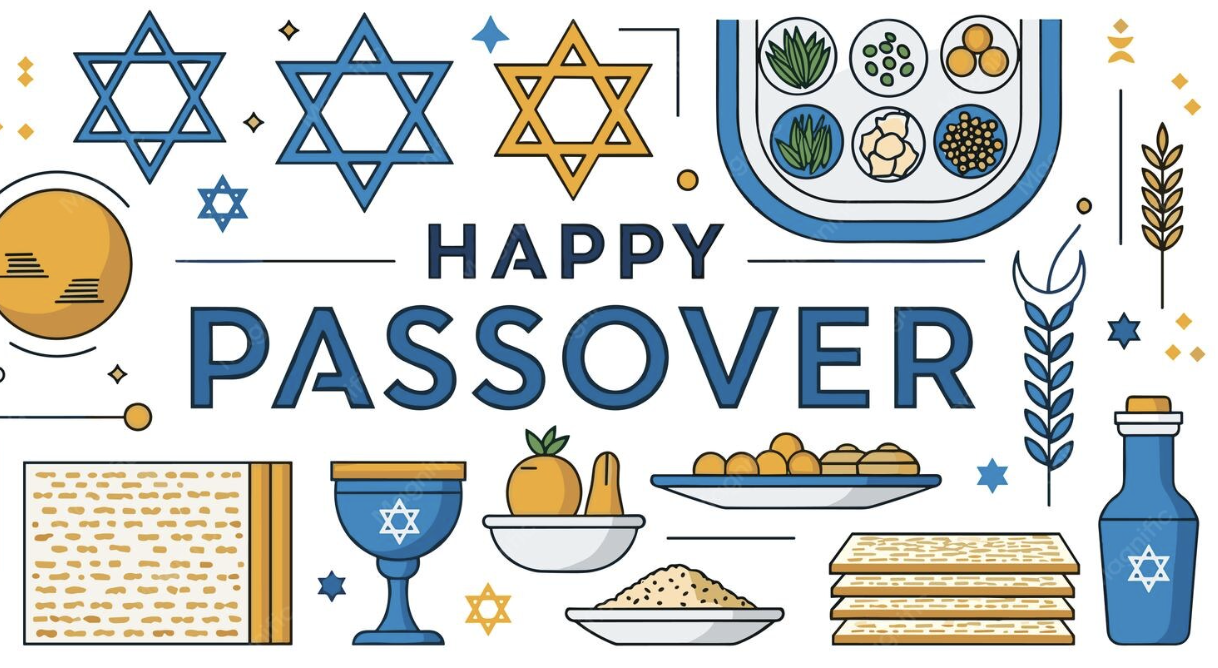
  • Pesach Also known as Passover in English, the festival is held in March or April and celebrates the Jews’ escape from slavery in Egypt. It lasts for eight days in the diaspora and begins with the Seder, which consists of a service and a meal. The items on the Seder plate each symbolise a part of the Exodus story, which is retold during the meal using a book called the Haggadah. During Pesach it is not permitted to eat anything which has or may have leaven. Jews eat matzah, which is unleavened bread. This is symbolic of the fact that when Pharoah ordered the Jews to leave they did so in such a rush that there was not time for their bread to rise. Only foods which have been specially produced for Passover are permitted, except for fresh fruit and raw vegetables.
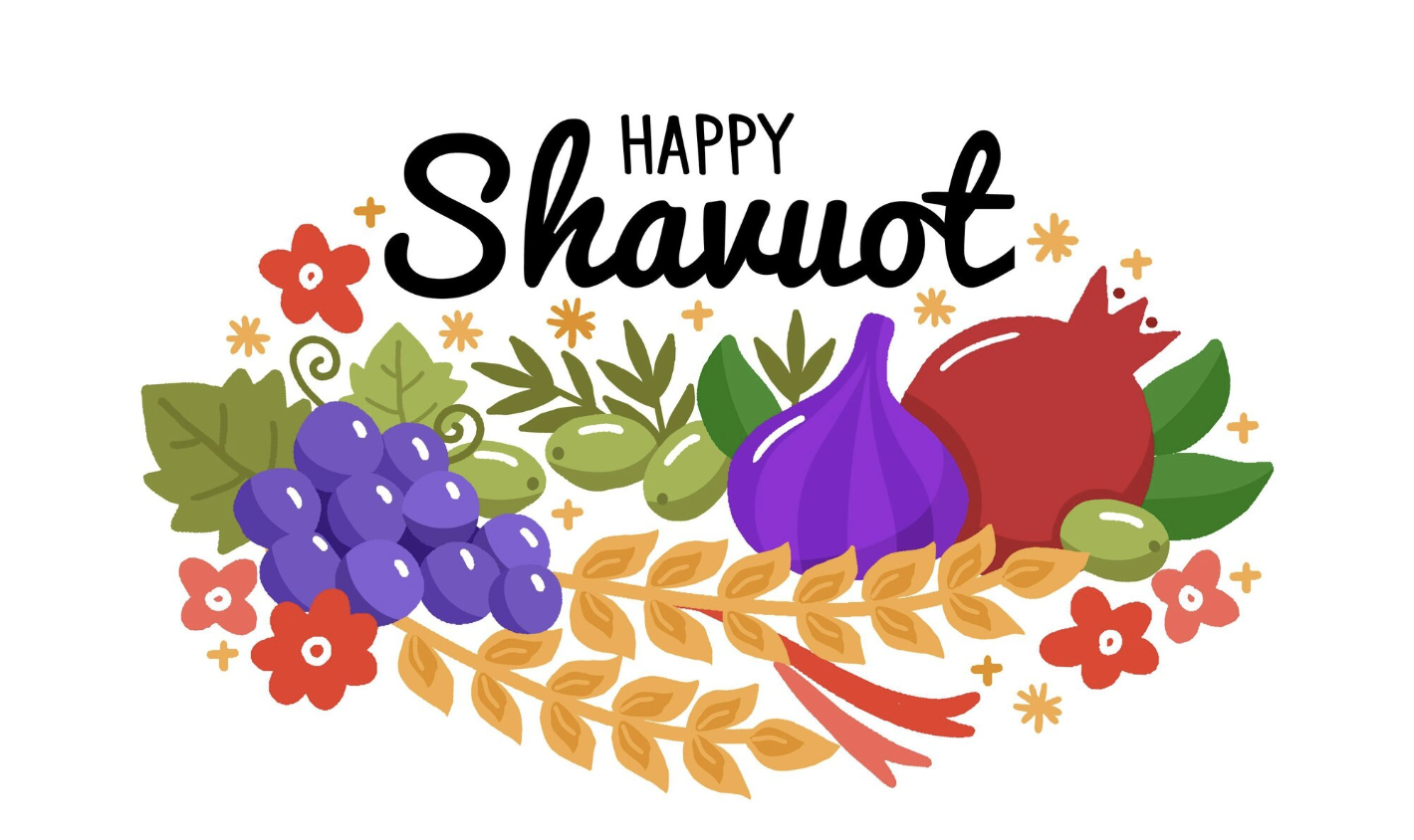
  • Shavuot celebrates the giving of all the Torah laws, including the Ten Commandments at Mount Sinai after the Exodus. Shavuot means weeks in Hebrew. It is traditional to eat a dairy meal that symbolises the land of milk and honey.
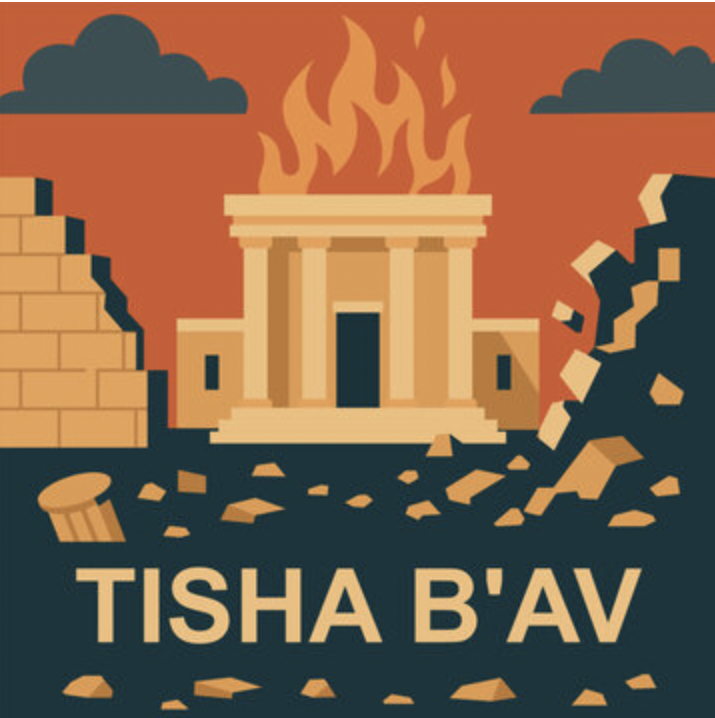
  • Tisha B’Av is the saddest day of the year and  commemorates the destruction of the First Temple in Jerusalem. A major fast lasts for 25 hours. Other major calamities have happened to the Jewish people on Tisha B’av, among them the start of the First Crusade, the expulsion of the Jews from England, France and Spain. Word War I broke out on Tisha B’av and the mass deportation from the Warsaw Ghetto also began on the fast day.

Good to Know: The Jewish calendar follows a lunar cycle and like other lunisolar calendars, it consists of months of 29 or 30 days which begin and end at approximately the time of the new moon. According to the Jewish calendar we are now in the 6th millennium. The Hebrew year count starts in year 3761BCE, which the 12th-century Jewish philosopher Maimonides established as the biblical date of creation.
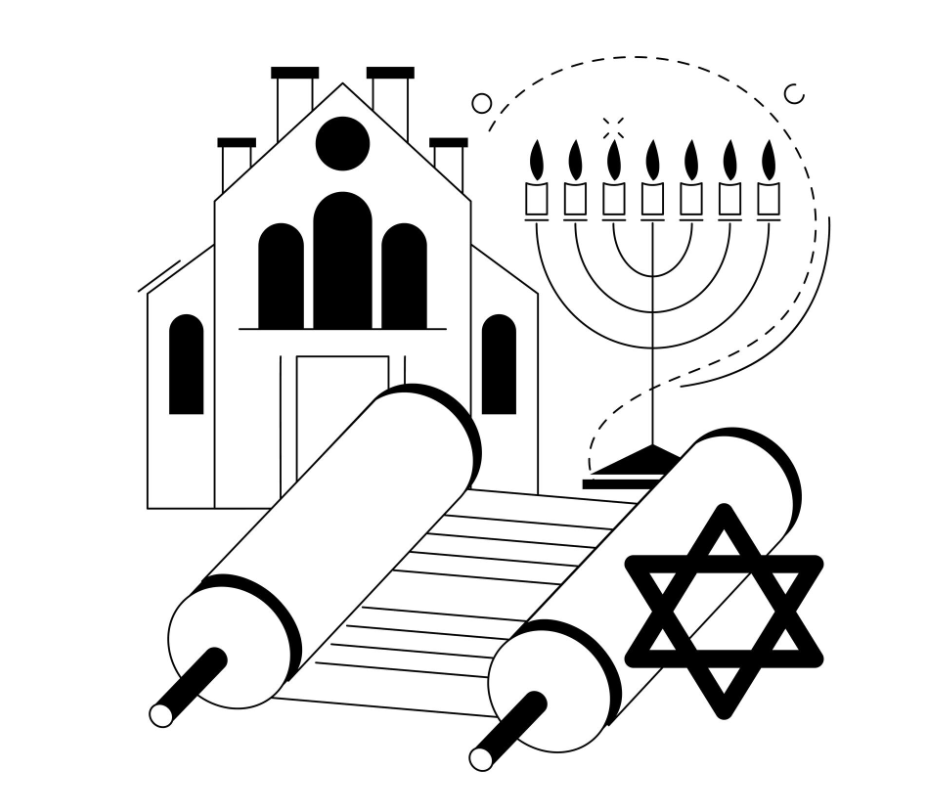
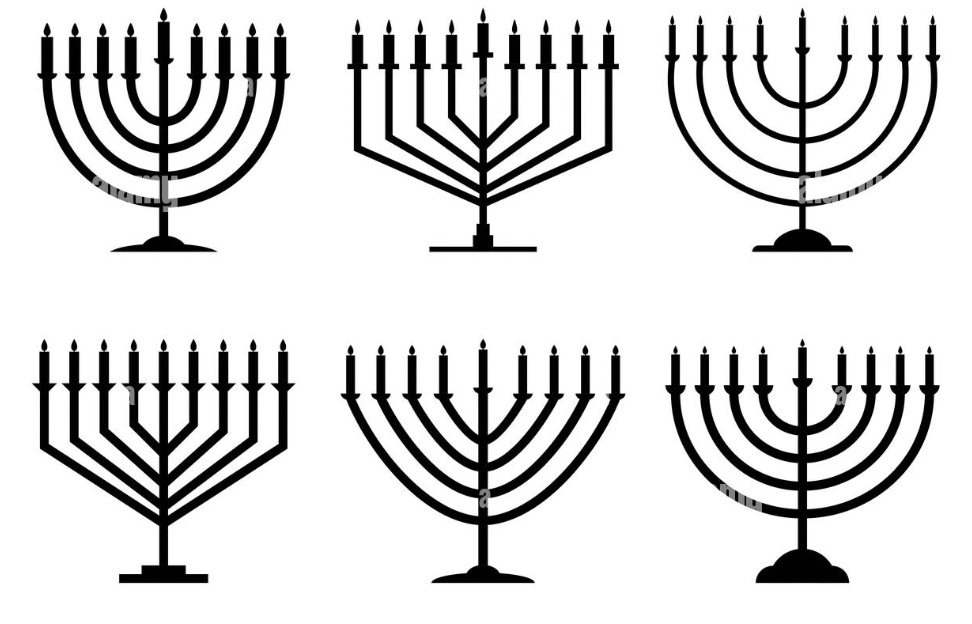
During the Holocaust the Germans often deliberately carried out deportations, mass shootings, gassings and the liquidation of ghettos on important Jewish festivals. Most Jews tried to observe the festivals as best as they could and those who refused to work were punished and often murdered.


Critical Thinking Questions

Photograph of Holocaust Memorial Day Ascot Library 2019.
Holocaust Memorial Day Ascot Library 2019.

Critical Thinking Questions are an important way of stimulating discussion in the classroom.

In each of the Teachers’ Corners across this website you find a list of questions that can prompt a deeper understanding of the story of the Boys.

Here is a full list of Critical Thinking Questions designed to accompany the teaching of the Holocaust in schools and colleges from Key Stage 3 upwards.

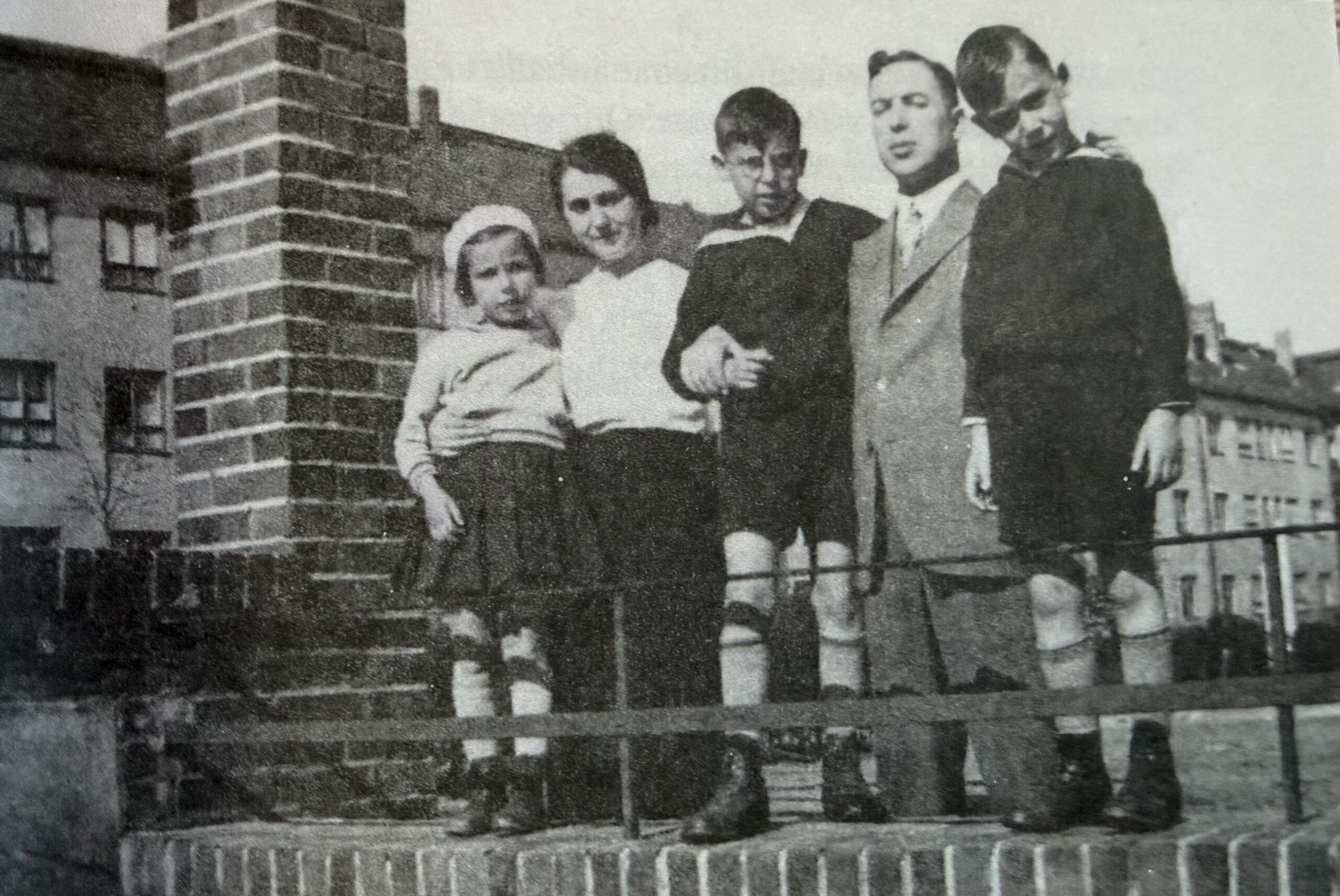
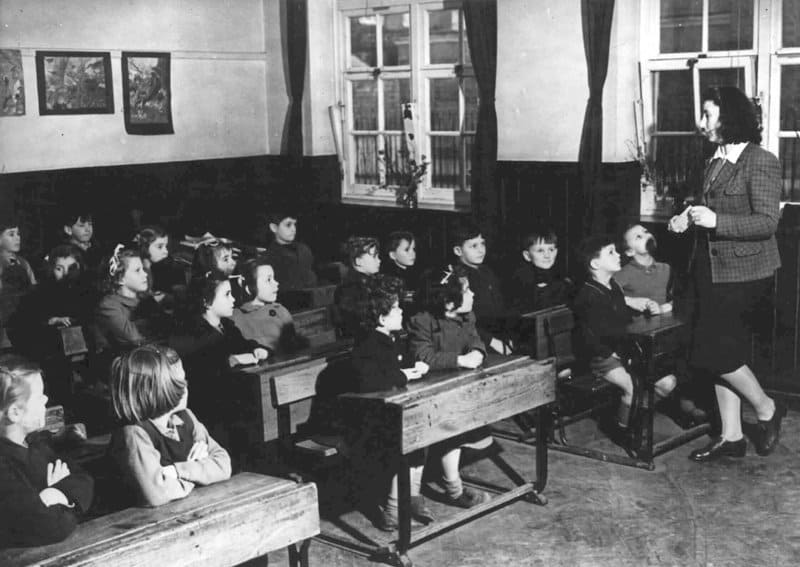
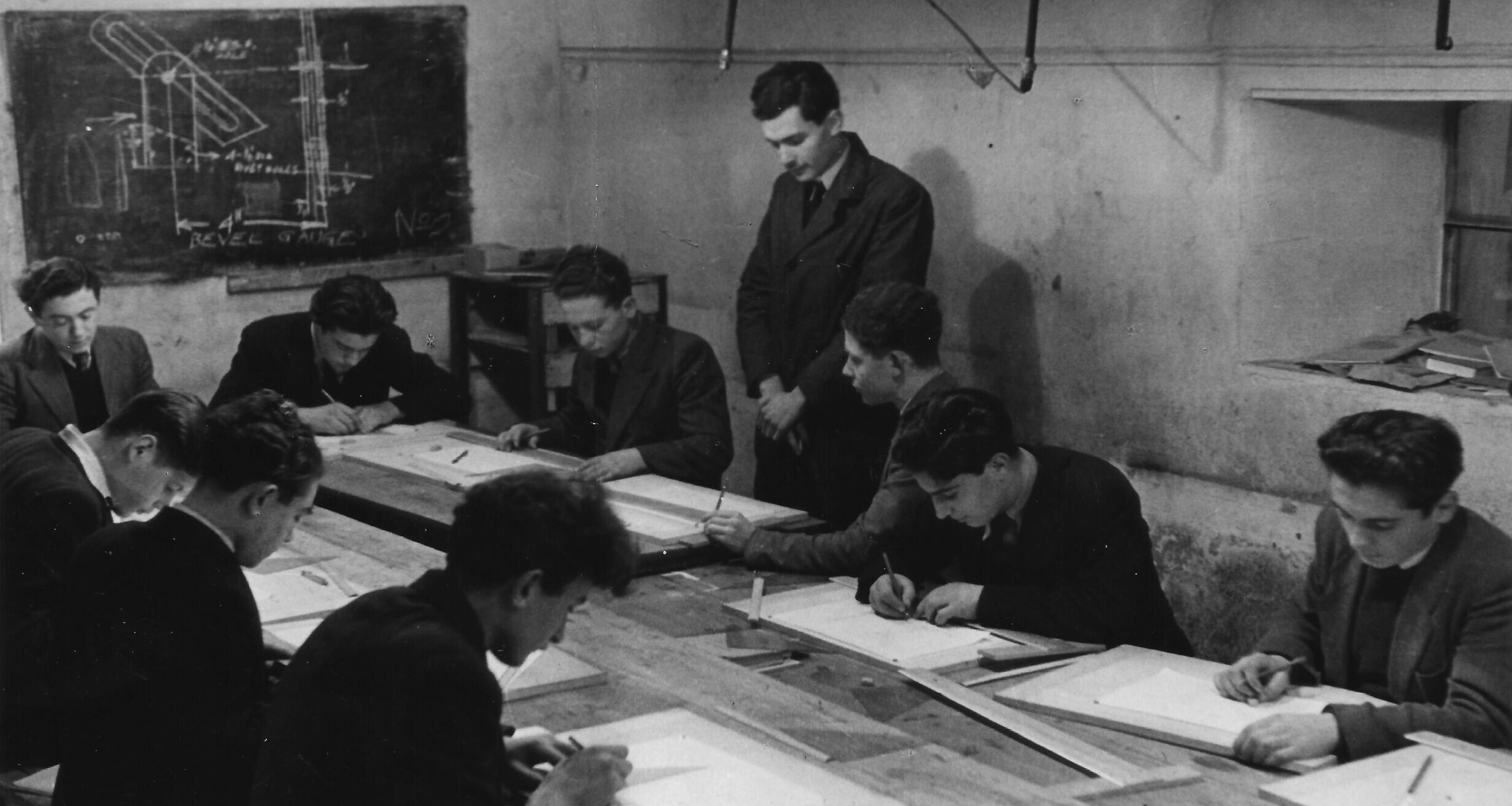
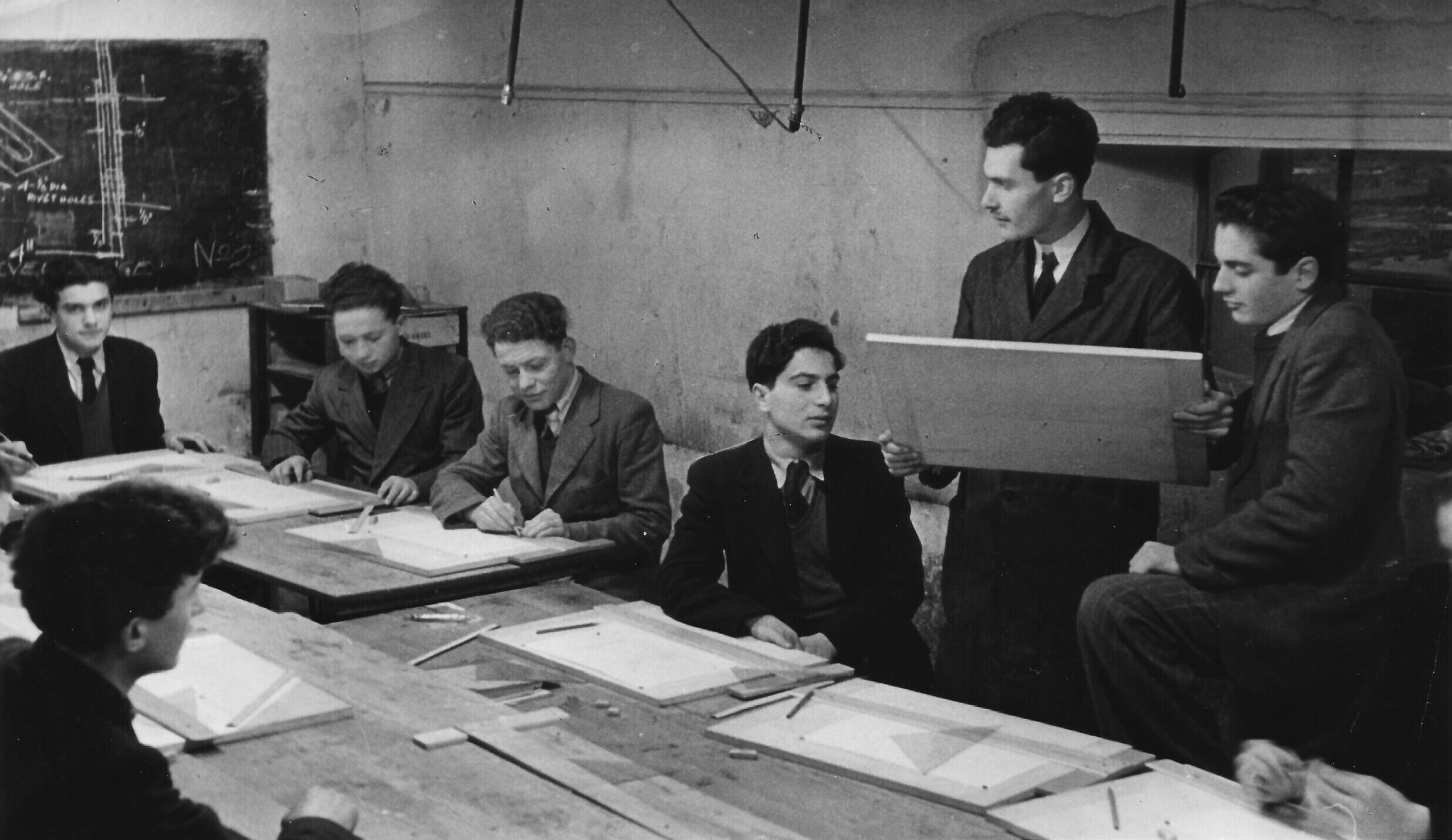
Photograph of an ORT Class (London, England).
Photograph of an ORT Class (London, England)
Photograph of the youngest members of the first group of the Boys in the Windermere reception centre 1945.
Ashford Sanatorium, Kent 1946.
Photograph of Loughton Hostel 1946.
Photograph of the first group of the Boys arriving in the UK.
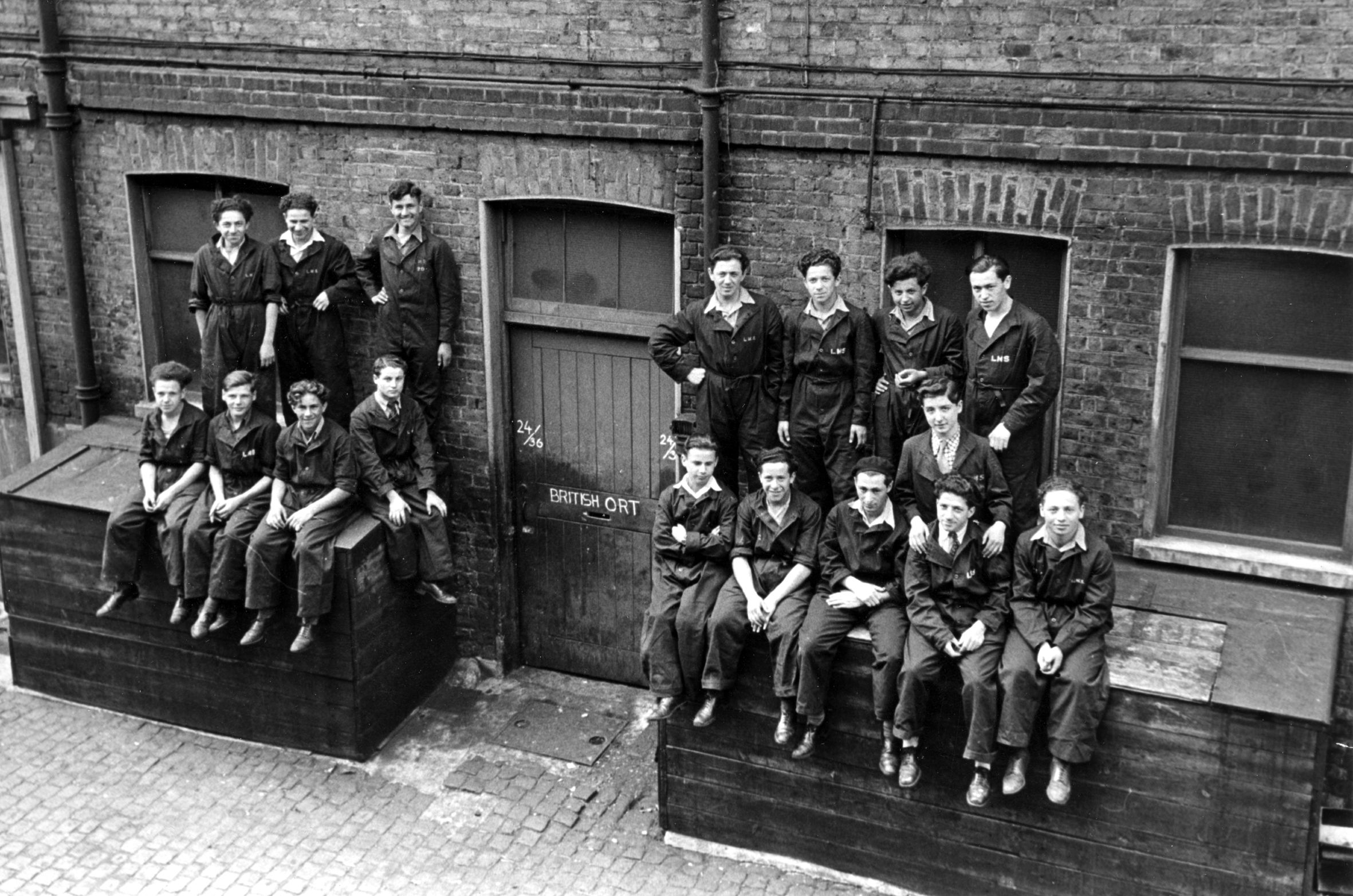
Photograph of Boys at the ORT School, London. Backrow right Weinstock unknown two Chaim Kohn front row right extreme left Salek Orenstein front row right extreme right Jack Melzer.
Photograph of the Boys at the ORT School, London.
Photograph of the ORT School in London.
Photograph of Belsize Park playing pool at the Primrose Club.
Photograph of Loughton hostel 1946.
Photograph of the Primrose Club football team, late 1940s.
A photograph of a Group of the Boys in Windermere.
Photograph of Thaxed Farm
Pre-war Life
>
  • Why is it important to learn about pre-war Jewish life and identity?
  • What evidence suggests that life was “normal” for Jews prior to the Nazi rise to power?
  • What do the histories of the Boys birthplaces on this website teach us about the diversity, vibrancy, and longevity of Jewish life and culture in Europe?
  • How did Jewish life and identity vary in their different home countries?
  • How did Jews express their identity in daily life?
  • What contributions did Jewish individuals and communities make to European culture?
  • How did the Boys experience antisemitism growing up?
  • Why did some members of the Boys’ families want to emigrate before the outbreak of World War II?
  • What was the connection between rising nationalism, antisemitism, and the rise of Zionism?
  • What can we learn from the photographs of the Boys’ families of pre-war Jewish life in Europe?
  • Some Boys born in Germany experienced deportation in 1938. Why?

The Schindler Family, Cottbus 1936.
Ghettos
>
  • What was life like in the ghetto?
  • How did Jews attempt to keep a certain amount of ‘normalcy’ and their dignity in the ghetto?
  • What sort of resistance did Jews undertake in the ghetto?
  • What motivated the Jews’ decisions to fight back?
  • What was the significance of the Warsaw Ghetto Uprising?
  • How did the Jews in ghettos attempt to record what was happening to them?
  • What prompted the mass deportation in 1942?
  • What prompted the mass deportation in 1944?
  • How did the Boys’ experiences in the ghettos vary between ghettos set up in Poland and the Soviet Union to those set up in Hungary?
  • Who are the Righteous Among Nations?
  • What motivated those who tried to rescue the Jews?
  • How did the invasion of the Soviet Union in 1941 change the course of the Holocaust
  • What was the role of Einsatzgruppen squads?
  • What were the consequences of the decision to deport the Jews from Germany?
  • Why did the Nazis establish a Judenrat in the ghetto? Why do you think that the Germans themselves did not govern the ghettos?
  • How and why was the Theresienstadt Ghetto different?
  • How did the Boys’ experience of Theresienstadt differ?
Camps
>
  • What was the importance of slave labour to the Third Reich?
  • How did the Nazis try to dehumanise the Boys in the labour and concentration camps?
  • What was the “Final Solution,” and how did the camp system facilitate it?
  • What criteria were used to determine whether someone was sent to a concentration camp or an extermination camp?
  • What happened at a selection?
  • Why do you think the Nazis set up a system where Jewish inmates (kapos) were forced to run the internal affairs of the camps?
  • What role did family relationships and friendship play in the Boys’ survival in the camps?
  • What forms did resistance take within the camps, especially when physical armed revolt was nearly impossible?
  • What were the long term affects of slave labour on the Boys?
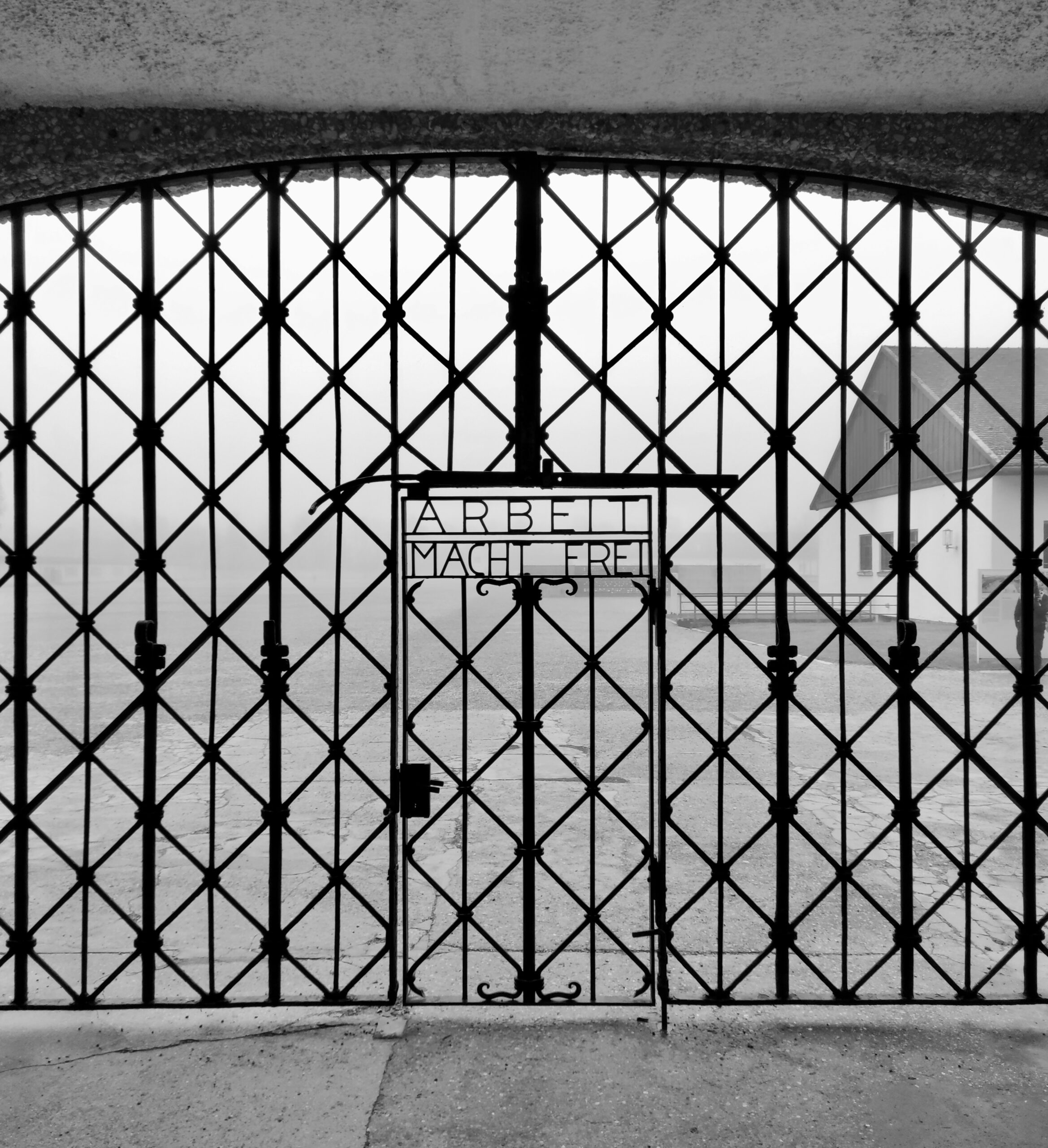
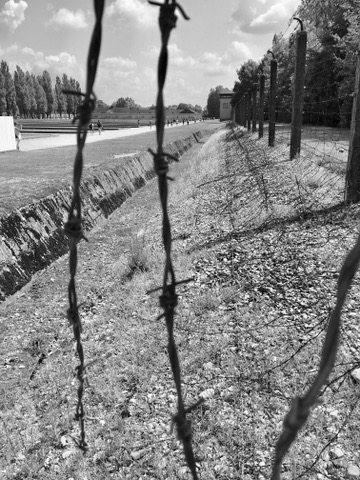
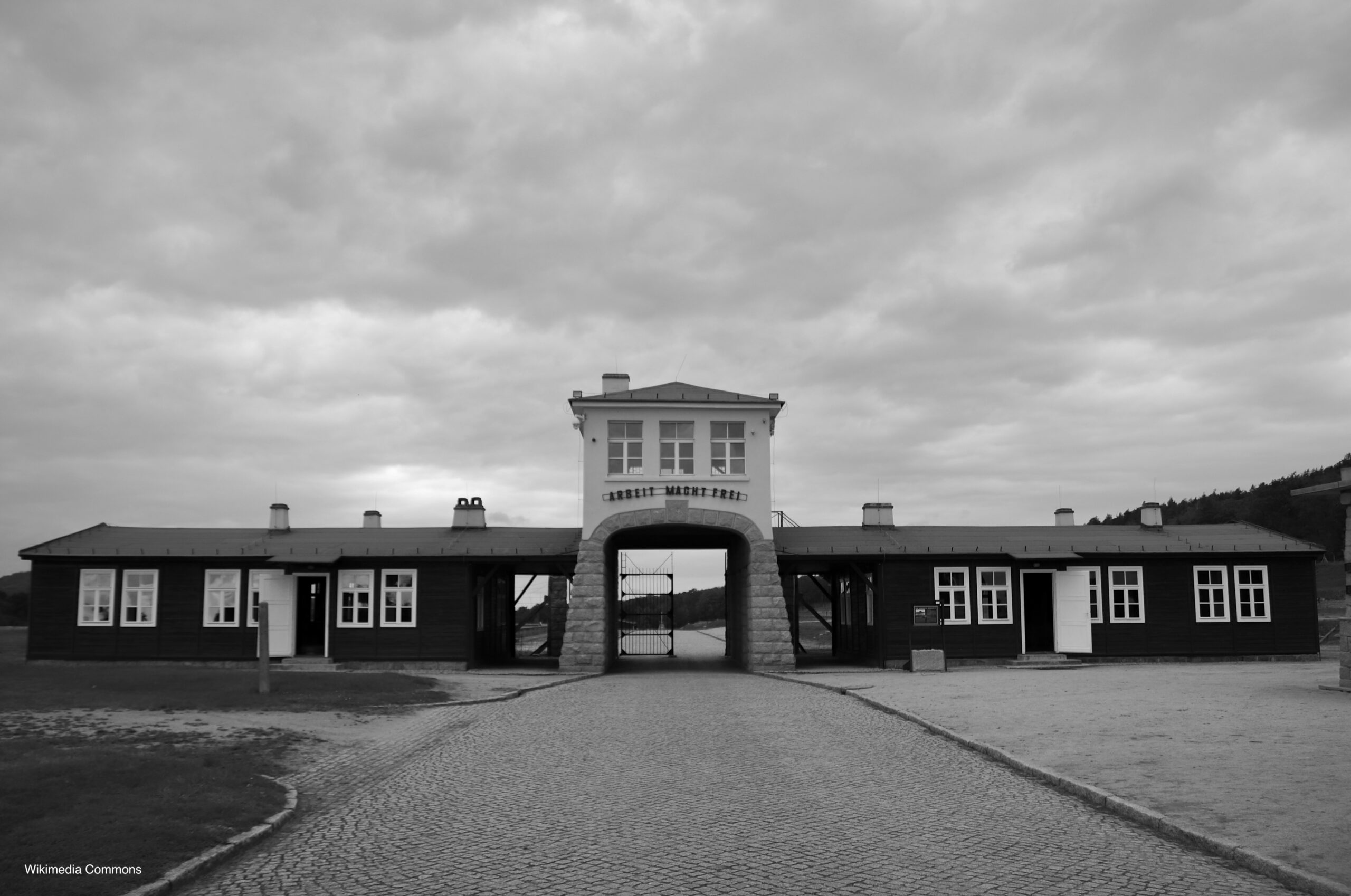
Photograph of the gate of the former Dachau concentration camp.
Hidden Children
>
  • What dilemmas did parents face when deciding whether to send their children into hiding with strangers, often non-Jewish families, to save them?
  • What motivated ordinary people to risk their lives, and the lives of their families, to hide Jewish children?
  • Who are the Righteous Among Nations?
  • How long were members of the Boys hidden and by who?
  • Why were some of the Boys only hidden for a brief time?
  • How did the requirement for absolute secrecy and silence—sometimes for years in cellars or attics—affect the psychological development of hidden children?
  • Why were children considered especially vulnerable to Nazi persecution?
  • How did children, who were not physically hidden, manage to survive on the run or by passing as non-Jews? What do the Boys’ stories tell us?
  • How did the experiences of children hidden in plain sight (e.g., passing in a school) differ from those in physical concealment (e.g., attics)?

Death Marches
>
  • What was the purpose of the death marches?
  • Was walking the only form of transport used?
  • How did the Boys survive the death marches?
  • What was the role played by bystanders?
  • In what ways did the death marches exemplify the ultimate, systematic dehumanisation of prisoners?
Photograph of The death march from Rehmsdorf-Troglitz spring 1945.
Liberation
>
  • Why was liberation not simply a “happy ending to a sad story” for the Boys?
  • What obstacles did the Boys still have to overcome after liberation?
  • How did the girl’s experiences differ from those of the male members of the Boys?
  • What do the Boys’ testaments tell us about survivors desire for revenge?
  • Why did deaths in the camps continue for weeks or months after liberation, and how did this affect the immediate experience of the Boys?
  • Why were some of the Boys unable or unwilling to return to their former homes?
  • How did the Boys’ experiences differ after the liberation?
  • What sort of assistance did the Jewish community offer?
  • Who helped the Boys in the DP camps?
Photograph of the Liberation of Bergen-Belsen Concentration Camp, April 1945.
Life in the hostels
>
  • Who paid for the Boys’ care?
  • Who ran and organised the hostels?
  • What restrictions were placed on who came to the UK as part of the Boys?
  • How long were the Boys initially allowed to stay in the UK?
  • Where all the hostels the same?
  • Who worked in the hostels?
  • What were the main challenges of the Boys first few months in the UK?
  • Did all the Boys want to settle in the UK?

Photograph of the Loughton hostel 1946. (Standing third from left - Isaac Pomerance. Gerson Frydman, kneeling (left), and Paul Gast.
A New Life
>
  • Why did so many of the Boys build new lives away from the UK?
  • Why did the Boys serve in the military after the liberation?
  • When and why did the Boys start to give testaments?
  • What is the importance of memorialisation?
Photograph of the Boys going to Canada on the War Orphans Programme in 1947.

Glossaries

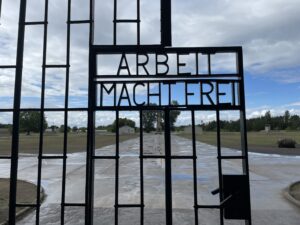
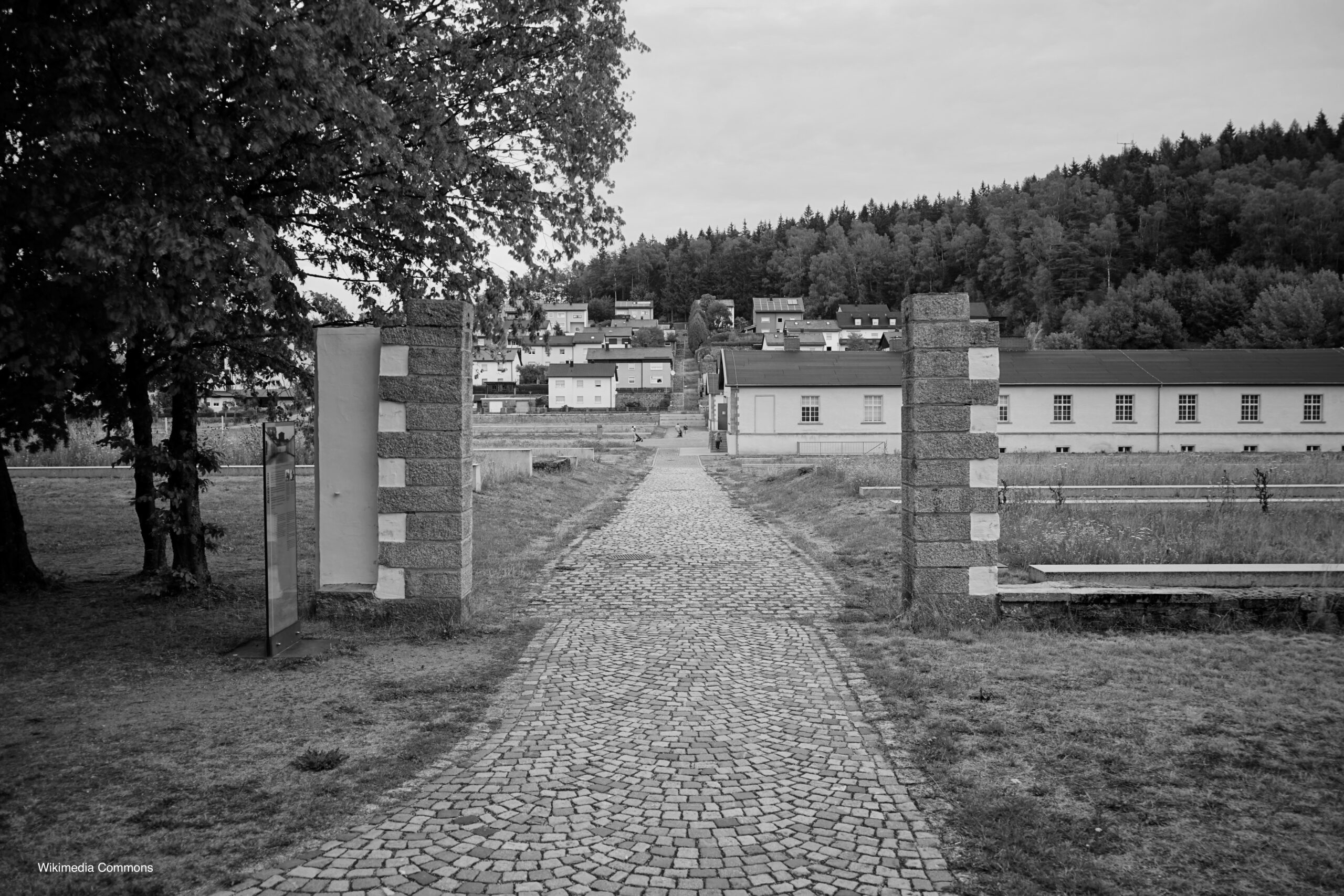
Sachsenhausen Memorial

Using a glossary is essential when teaching the Holocaust because it builds historical accuracy, provides critical context, and counters deceptive propaganda.

A structured vocabulary ensures students grasp the profound moral and historical realities of the genocide without relying on imprecise language.


A Glossary:

  • Deconstructs Nazi Euphemisms: The Nazi regime relied heavily on deceptive language—such as “resettlement” or “final solution”—to mask their atrocities and deceive victims. A glossary helps students identify and analyse this manipulative rhetoric.
  • Avoids Problematic Terminology: Using terms like “extermination” can inadvertently perpetuate dehumanising perpetrator language (comparing victims to pests). A glossary provides historically accurate, empathetic alternatives.
  • Promotes Specificity: It prevents the term “Holocaust” from becoming a broad, generalised shorthand for all Nazi persecution, helping learners distinguish between the fate of European Jews and other victim groups.
  • Supports Critical Thinking: Providing clear, universally agreed-upon definitions fosters ethical awareness and helps learners confidently identify and challenge antisemitism, racism, and historical distortion.
Main Glossary
>


To see the main Glossary click here.

Sosnowiec Ghetto Liquidation
Austria: Key Words
>

Key terminology, regions, and sites related to the Holocaust in Austria include:

  • Anschluss The political union and annexation of Austria into Nazi Germany on 13 March 1938. This event stripped Austria of its independence, enacted Nazi racial laws nationwide, and triggered immediate public violence against Austrian Jews.
  • Aryanisation The forced expulsion of “non-Aryans” (primarily Jews) from business, commercial life, and property ownership, transferring their assets into the hands of the Nazi state or non-Jewish citizens.
  • Displaced Persons’ Camps (DP Camps) Temporary facilities established by Allied forces after World War II across Austria, Germany, and Italy. They provided housing, medical care, and food for hundreds of thousands of homeless survivors who could not safely return to their home countries.
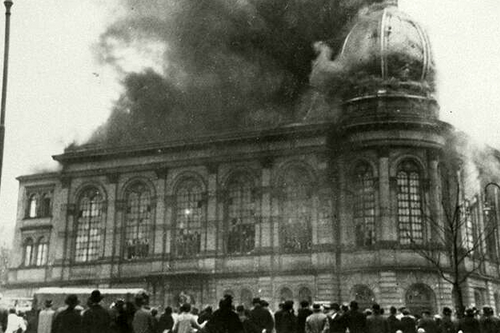
  • Kristallnacht (Night of Broken Glass) A series of violent, state-sponsored anti-Jewish pogroms on 9–10 November 1938. In Austria, the riots were exceptionally brutal; nearly all synagogues in Vienna were plundered and burned, Jewish businesses were destroyed, and thousands of Jewish men were arrested and sent to concentration camps.
  • Mauthausen The primary Nazi concentration camp complex established in Austria, located near Linz.
Map of modern-day Austria.
Czechoslovakia: Key Words
>

Key terminology, regions, and sites related to the Holocaust in Czechoslovakia include:

  • Hlinka Guard The paramilitary wing of the ruling Hlinka’s Slovak People’s Party. They worked alongside the Nazi SS in rounding up and dispossessing Slovak Jews.
  • First Vienna Award An arbitration on November 2, 1938, in which Germany and Italy forced Czechoslovakia to cede heavily populated regions of southern Slovakia to Hungary. The Slovak government subsequently blamed the Jewish population for this territorial loss.
  • Protectorate of Bohemia and Moravia Established in March 1939 after Germany dissolved the rest of Czechoslovakia. The western region was annexed and placed under direct German rule, subjecting its Jewish population to immediate Nuremberg Laws, ghettoisation, and deportation.
  • Reinhard Heydrich SS General and chief of the Security Police and SD. Sometime in December 1940, Heydrich was tasked with developing a “Final Solution”  of the Jewish question in Europe.
  • Sered Principal concentration camp in Slovakia.
  • Slovak State Following the 1938 dismemberment, Slovakia became an “independent” but heavily Nazi-influenced client state. With the aid of the Hlinka Guard (a Slovak fascist militia), the Slovak government deported tens of thousands of its Jewish citizens to German death camps in 1942.
  • Sudetenland The border regions of Czechoslovakia with a predominantly ethnic German population. It was annexed to the Third Reich in October 1938 following the Munich Agreement.
  • Theresienstadt (Terezín) A garrison town located 30 miles north of Prague. The Nazis used this fortress as a “model ghetto”.
  • Jozef Tiso A Roman Catholic priest and the President of the first Slovak Republic. He led the ethnonationalist regime that collaborated with Nazi Germany, enacted the Jewish Code, and actively initiated the deportations of Slovak Jews to extermination camps
  • Transcarpathia An eastern province of prewar Czechoslovakia annexed by Hungary in March 1939. In 1941, Hungarian authorities expelled 18,000 Jews from this region directly into German-occupied Ukraine, where they were murdered.
Photograph of the Old Jewish Cemetery, Prague.
Germany: Key Words
>

Key terminology, regions, and sites related to the Holocaust in Geermany include:

  • Anschluss The annexation of Austria into Nazi Germany in March 1938.
  • Aryan A term misused by the Nazis to describe a supposed Germanic “master race” characterised by specific physical traits like blonde hair and blue eyes.
  • Buchenwald One of the first major concentration camps on German soil.
  • Dachau Model concentration camp located outside Munich, opened 20 March 1933; initially designed to hold political prisoners.
  • Displaced Persons Camp (“DP Camp”) A series of camps established by the Allies after World War II to house survivors of Nazi persecution and refugees from eastern Europe, known as displaced persons, or DPs, while they awaited repatriation to their home countries or resettlement in a new destination.
  • Euthanasia Program The secret Nazi program (“Aktion T4”) targeting physically and mentally disabled individuals for murder, which pioneered the use of gas chambers.
  • Führer The German word for ‘leader’, adopted by Adolf Hitler as his title to denote absolute authority.
  • Gestapo The Nazi Secret State Police, responsible for brutally crushing political opposition and organising the deportation of Jews.
  • Kristallnacht “The Night of Broken Glass” (November 9–10, 1938) A state-sponsored violent pogrom involving the destruction of Jewish synagogues, businesses, and homes across Germany and Austria.
  • National Socialism (Nazism) The fascist political ideology of the National Socialist German Workers’ Party (NSDAP), rooted in extreme nationalism, racism, and totalitarianism.
  • Nuremberg Laws Anti-Jewish racial laws enacted in 1935 that stripped German Jews of citizenship and prohibited marriage with non-Jews.
  • SS An elite Nazi paramilitary organisation led by Heinrich Himmler that managed the concentration and killing centres.
  • Third Reich The official Nazi designation for the German regime from 1933 to 1945, meaning the “Third Empire”.
  • Weimar Republic The democratic German republic established after World War I that collapsed when Hitler seized power in 1933.
  • Wehrmacht The combined regular armed forces of Germany from 1935 to 1945.
Map of modern-day Germany
Hungary: Key Words
>

Key terminology, regions, and sites related to the Holocaust in Hungary include:

  • Arrow Cross Party The Hungarian fascist, violently antisemitic movement led by Ferenc Szálasi. They seized total power in a German-sponsored coup on 15 October 1944, and initiated brutal street-level massacres of the remaining Jewish population.
  • Gendarmerie The rural police force of Hungary. They played a critical role in executing the rapid roundup, concentration, and deportation of Jews from provincial towns to the border.
  • Miklós Horthy The conservative Regent of Hungary who ruled from 1920 to 1944. While he authorised harsh anti-Jewish laws and the deportation of provincial Jews, he temporarily halted deportations in July 1944 to protect the Jews of Budapest amid growing international pressure.
  • Labour Service A forced labour system implemented by the Hungarian military for ‘unreliable’ citizens, primarily targeting Jewish men aged 20 to 48. Sent to the Eastern Front without weapons or proper clothing, tens of thousands died from exhaustion, starvation, or execution.
  • Kamianets-Podilskyi Massacre The first major mass murder event involving Hungarian Jews. In August 1941, Hungarian authorities deported roughly 18,000 ‘foreign’ or stateless Jews into German-occupied Ukraine, where they were systematically shot by the Einsatzgruppen.
  • International Ghetto A separate network of safe houses in Budapest protected by neutral diplomatic missions, including Sweden, Switzerland, and Spain. 
  • Yellow Star Houses A unique system deployed in Budapest in June 1944. Instead of a single walled ghetto, authorities forced the city’s Jewish population to relocate into roughly 2,000 designated apartment buildings marked with a yellow Star of David.
  • Raoul Wallenberg A Swedish diplomat who arrived in Budapest in July 1944. He issued protective Swedish passports (Schutzpass) and set up safe houses, saving tens of thousands of lives.
Map of modern-day Hungary.
Italy: Key Words
>

Key terminology, regions, and sites related to the Holocaust in Italy include:

  • Campo di Fossoli Located near Carpi in northern Italy, it was the principal transit camp from which Italian Jews—including the famous chemist and writer Primo Levi—were deported to Auschwitz-Birkenau.
  • Displaced Persons Camp (“DP Camp”) A series of camps established by the Allies after World War II to house survivors of Nazi persecution and refugees from eastern Europe, known as displaced persons, or DPs, while they awaited repatriation to their home countries or resettlement in a new destination.
  • Italian Social Republic Also known as the Salò Republic, this puppet state in northern and central Italy was headed by Mussolini after he was rescued by the Germans in September 1943.
  • Racial Laws A series of antisemitic laws passed by Benito Mussolini’s Fascist regime starting in 1938. They stripped Italian Jews of their citizenship, banned them from public schools and universities, and restricted property ownership.
  • Risiera di San Sabba A former rice-processing mill in Trieste. It was transformed by Nazi occupiers into a police transit camp and served as the only structural extermination camp with a crematorium oven on Italian soil.
Map of modern-day Italy.
Poland: Key Words
>

Key terminology, regions, and sites related to the Holocaust in Poland include:

  • Aktion Anti-Jewish operations involving the mass round-up, deportation, or immediate shooting of ghetto residents by Nazi forces.
  • Auschwitz-Birkenau Death and labour camp in southern Poland.
  • Belzec Death camp located in southeastern Poland.
  • Einsatzgruppen Paramilitary, mobile death squads of the SS that followed the advancing German military into Poland and the USSR to conduct mass shootings of intellectuals, political enemies, and Jewish populations.
  • Chelmno First death camp to use gassing and first place located outside Soviet territory in which Jews were systematically killed as part of ‘Final Solution’.
  • General Government The administrative unit established by Nazi Germany in October 1939 for the regions of occupied Poland that were not directly annexed into the German Reich. Governed by Hans Frank from Kraków, this territory contained the majority of the sealed ghettos and killing centres.
  • Ghetto Enclosed, heavily guarded urban sectors where Jewish populations were systematically concentrated, starved, and subjected to forced labour before deportation. The Warsaw Ghetto was the largest in Europe (holding nearly 500,000 people), followed closely by the Łódź Ghetto.
  • Judenrat Boards of Jewish community leaders appointed by Nazi authorities to implement German decrees, manage municipal services, and ultimately organize deportation lists inside the ghettos.
  • Majdanek Death camp located in a suburb of Lublin.
  • Operation Reinhard The secretive Nazi code name for the systematic plan to murder all Jews in the General Government area. This operation led directly to the construction and operation of the Belzec, Sobibor, and Treblinka death camps.
  • Shtetl Small towns or villages in Eastern Europe with large, historically vibrant Jewish majorities that were completely eradicated during the Holocaust.
  • Sobibor Death camp in the Lublin district of Poland.
  • Treblinka Death camp located in sparsely populated area near the village of Treblinka.
  • Umschlagplatz The physical assembly points or railway transfer squares, where Jews were rounded up and loaded onto freight trains bound for extermination camps.
  • Volksdeutsche Ethnic Germans living in Poland who registered on the Nazi Deutsche Volksliste.
  • Warthegau A western region of occupied Poland directly annexed into the German Reich. It was subjected to intense ‘Germanisation’, resulting in the mass deportation of ethnic Poles and the opening of the first functioning killing centre at Chelmno.
  • Zegota The underground code name for the Council for Aid to Jews, a clandestine branch of the Polish resistance that actively provided false documents, food, and safe houses to Jews escaping the ghettos.
Map of modern-day Poland.
Romania: Key Words
>

Key terminology, regions, and sites related to the Romania in Romania include:

  • Ion Antonescu The military dictator (styled as Conducător) who ruled Romania from September 1940 until August 1944. He allied the country with Nazi Germany and initiated the systematic extermination and deportation of Jews and Roma.
  • National Legionary State The totalitarian government established in September 1940 through a coalition between Ion Antonescu and the fascist Iron Guard. It collapsed in January 1941 after a violent, failed coup by the Legionnaires.
  • Iron Guard A violent, ultra-nationalist, antisemitic, and fascist paramilitary movement in interwar Romania. Also known as the Legion of the Archangel Michael, they orchestrated brutal street violence and early anti-Jewish legislation.
  • Romanianisation The state-sanctioned process of expropriating Jewish-owned property, businesses, and assets to redistribute them to ethnic Romanians. This economic exclusion stripped the Jewish population of their livelihood.
  • Romanianism The state ideology under Antonescu that defined citizenship strictly by blood and ethnic origin. It treated Jews and Roma as biological threats to the ‘national rejuvenation’ of the Romanian state.
  • Iași Pogrom One of the most violent single episodes of the Holocaust in Romania, occurring in late June 1941. Romanian army units, police, and local mobs murdered over 13,000 Jews in the city of Iași.
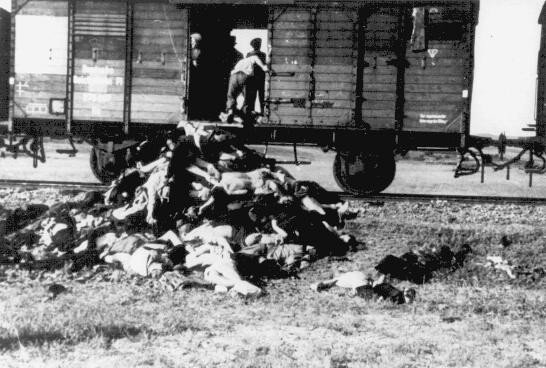
  • Death Trains Sealed, overcrowded freight cars used during the Iași Pogrom to deport surviving Jews. Thousands died inside from heat exhaustion, dehydration, and suffocation as the trains travelled aimlessly back and forth across the countryside.
  • Bucharest Pogrom A brutal massacre carried out by the Iron Guard in January 1941 during their rebellion against Antonescu. At least 125 Jews were tortured and murdered, with some of the most horrific atrocities taking place at the local Bucharest slaughterhouse.
  • Odessa Massacre The mass murder of up to 34,000 Jews in the occupied city of Odessa (Ukraine) in October 1941, ordered by Antonescu in retaliation for a Soviet bomb attack on the Romanian military headquarters.
  • Transnistria An area of southwestern Ukraine occupied by Romania from 1941 to 1944. It was used by the Antonescu regime as a massive ‘killing field’ and dumping ground, where hundreds of thousands of Romanian and Ukrainian Jews and Roma were deported to die from forced labour, starvation, typhus, and mass shootings.
  • Bessarabia and Bukovina Border regions lost to the Soviet Union in 1940 and reclaimed by Romania in 1941. The Jewish populations here were the primary targets of early Romanian-led massacres and subsequent forced deportations to Transnistria.
  • Bogdanovka A concentration camp established by Romanian authorities in Transnistria. In December 1941, Romanian soldiers, Ukrainian collaborators, and local ethnic German police massacred over 40,000 Jews here.
  • The “Old Kingdom” The historical territory of Romania (Moldavia and Wallachia) before World War I expansions. While Jews here suffered heavily from Romanianisation, forced labour, and legal discrimination, Antonescu suspended plans to deport them to Nazi death camps in late 1942, sparing many from extermination.
Map of modern-day Romania.

Timelines

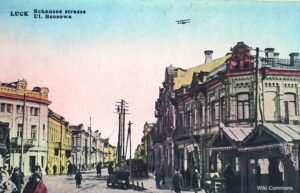
Old postcard of Luck, Poland

A timeline can help students studying the Holocaust.

Using a timeline can help:

  • Contextualise Events: It connects specific, isolated events (e.g: the 1942 Wannsee Conference planning the ‘Final Solution’) to the broader, escalating pattern of violence.
  • Understand Progression: Timelines demonstrate the deliberate, step-by-step nature of the Holocaust, moving from the exclusion of Jews from society to organised mass murder.
  • Give Historical Accuracy: A timeline provides precise dates for crucial, documented occurrences and helps students and researchers grasp the progression of events, from the initial discriminatory policies (1933) through the height of the genocide (1942-1944).
Deportation of the Jews of Fulda 8 December 1941
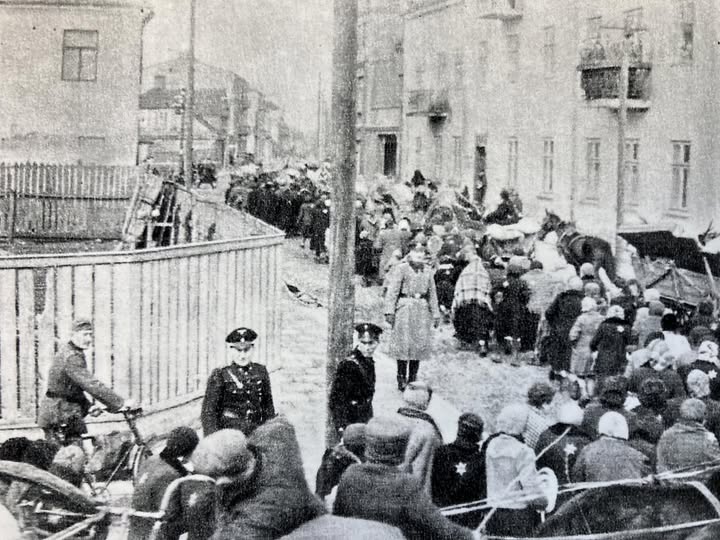
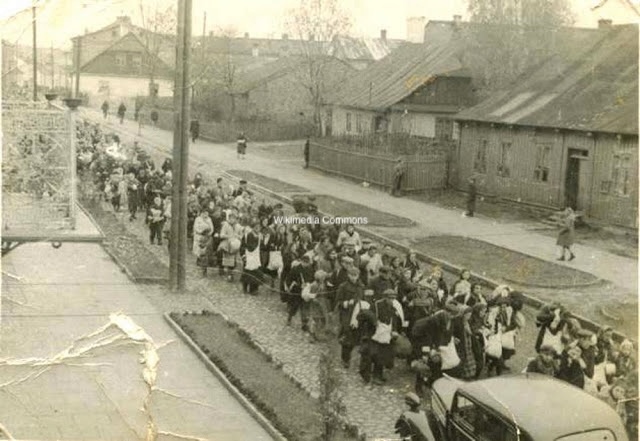
Photograph of Konskie Jews being deported to the Treblinka extermination camp.
Main Timeline
>


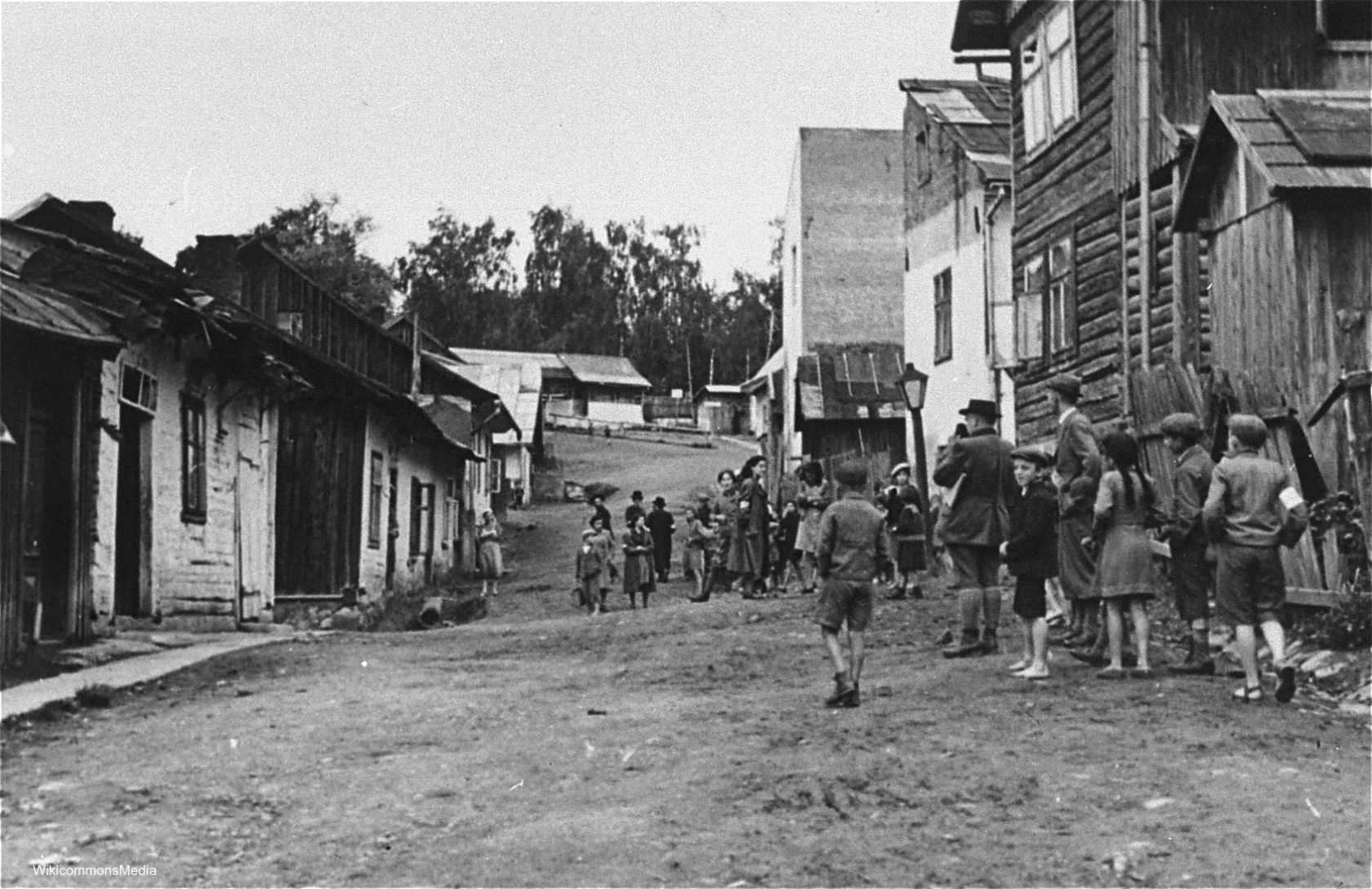
Photograph of an Unpaved steet in the Frysztak Ghetto.

To see a full timeline of the history of the Boys click here.


The Fox brothers 1933.
Austria: Key Dates
>

1918

Following the end of World War I and the death of Emperor Franz Joseph I, the Austro-Hungarian Empire collapses. Austria became a republic.

1919

Treaty of Saint-Germain deprives Austria of much of it territory.

A stab in the back theory emerges that Jews and communists have betrayed the country.

1933

30 January   

Adolf Hitler is appointed Chancellor of Germany.

May

The Austrian Nazi Party launches a violent propaganda and terror campaign inside Austria to destabilise the state.

1934

July

Austrian Nazis attempt a coup d’état, assassinating Austrian Chancellor Engelbert Dollfuss, but the takeover fails.

1935

September 

The Nuremberg Laws are declared in Germany.

1938

11–13 March

Germany invades and annexes Austria in an event known as the Anschluss. Local citizens and Hitler Youth aggressively humiliate and attack their Jewish neighbours.

28 March

A new law strips Jewish cultural organisations of their legal civil rights.

26 April

The regime decrees that all Jewish property valued over 5,000 Reichsmarks must be registered for eventual “Aryanisation” (confiscation).

August

Adolf Eichmann establishes the Central Agency for Jewish Emigration in Vienna, weaponizing bureaucracy to strip Jews of their assets in exchange for exit visas.

8 August

The SS opens the Mauthausen Concentration Camp, which becomes the main hub of Nazi terror on Austrian soil.

9–10 November

During Kristallnacht, state-sponsored pogroms destroy more than 40 synagogues in Vienna and result in the forced arrest of over 6,000 Jewish men, who are sent to concentration camps.

1939

30 January

Hitler says ‘if war erupts it will mean the Vernichtung (extermination) of European Jews’.

23 May 

British government severely restricts immigration to the Palestine Mandate in the 1939 White Paper.

1 September

Germany invades Poland.

October-April 1940

Systematic mass deportations begin. Eichmann orders the transport of 1,600 Viennese Jews to a detention camp in Nisko, Poland.

1941

February–March 

The SS resumes targeted mass deportations, sending roughly 4,500 Jews from Vienna to various ghettos in the Lublin district of occupied Poland to be murdered.

Autumn 

Large-scale deportations expand toward the Baltic states and the occupied Soviet Union, including Riga, Kovno, and Minsk, where victims face immediate mass shootings.

1942

20 January 

Wannsee Conference.

1 March

Auschwitz II-Birkenau begins operation.

Spring

Transports accelerate, sending remaining Austrian Jews to death camps like Auschwitz and transit ghettos like Theresienstadt.

October

The Nazi authorities declare Vienna ‘free of Jews’ (judenrein). Only about 8,000 Jews remain out of a pre-war population of 192,000—mostly individuals protected by mixed marriages.

1943

February

Germany surrenders at Stalingrad.

Autumn

Mauthausen Concentration Camp expands its network of subcamps (such as Melk and Ebensee) to exploit slave labour for underground munitions factories.

1944

19 March

Germany invades Hungary.

Summer 

The massive Soviet offensive prompts SS chief Heinrich Himmler to order prisoners in all concentration camps and sub-camps be forcibly evacuated toward the interior of the Reich.

November

As the Soviet army approaches Hungary, the Nazis force roughly 40,000 Hungarian Jews on brutal death marches through Austria to construct defensive fortifications.

Winter  

SS authorities increasingly evacuate concentration camp prisoners from both east and west on foot. Many death marches culminate at Mauthausen.

1945

January–April

As frontline concentration camps are evacuated, tens of thousands of dying prisoners are marched into Mauthausen, causing extreme overcrowding, starvation, and rampant disease.

13 April

Soviet forces capture Vienna.

5 May

The US Army reaches and liberates the Mauthausen Concentration Camp and its subcamps. Of the 190,000 total people imprisoned there over seven years, at least 90,000 died.

8 May

Nazi Germany signs an unconditional surrender, ending World War II in Europe.

September

The Seitenstettengasse City Temple—the only Viennese synagogue to survive Kristallnacht unburned—provisionally re-opens.

1945-Late 1940s

Austria serves as a major host site for Displaced Persons (DP) camps, housing Jewish survivors.

Map of modern-day Austria.
Czechoslovakia: Key Dates
>

1918

Czechoslovakia was proclaimed as an independent republic following the collapse of Austria-Hungary.

1920

The new constitution was formally adopted, establishing a stable, prosperous parliamentary democracy. It becomes a beacon of democracy, treating its Jewish population with full equality and granting them national minority status.

1933

30 January 

Adolf Hitler is appointed Chancellor of Germany.

1933–1938

Fleeing the rise of Nazism, many German and Austrian Jews seek refuge in Czechoslovakia

1938

30 September

Munich Conference. Britain, France and Italy agree to German occupation of the Sudetenland.

1-10 October

German troops occupy the Sudetenland. Tens of thousands of Czechs and Jews flee the annexed territory into the remaining parts of Czechoslovakia.

9-10 November 

Kristallnacht a nation-wide anti-Jewish pogrom organised by the Nazis takes place throughout Germany, Austria and the Sudetenland region of Czechoslovakia.

1939

14 March

The Slovak State declares formal independence, becoming a fascist puppet state heavily subordinate to Germany.

15 March

Germany occupies Czechoslovakia, which is dismembered.

Slovak Republic declares independence. Carpathian region of eastern Czechoslovakia occupied and later annexed by Hungary. Anti-Jewish laws are extended to the area.

16 March

Adolf Hitler proclaims the Protectorate of Bohemia and Moravia from Prague Castle. Systematic anti-Jewish persecution begins through decrees excluding Jews from public life, banning them from schools, and confiscating their properties.

23 May  

British government severely restricts immigration to the Palestine Mandate in the 1939 White Paper.

1 September

Germany invades Poland.

17 October

The German authorities begin the first experimental, forced deportations of Czech and Austrian Jews to Nisko in occupied eastern Poland.

2 November

Under the First Vienna Award the Second Czechoslovak Republic is forced to cede the southern third of Slovakia.

1941

9 September

Jewish Code passed in Slovakia stripping Jews of their rights.

October

The Nazi regime bans all Jewish emigration from the Protectorate and begins systematic, large-scale deportations. Nearly 20,000 Czech Jews are sent directly to the Łódź Ghetto in Poland.

24 November

The Nazi authorities officially establish the Theresienstadt (Terezín) Ghetto near Prague as a transit camp. The first transport of 342 Czech Jewish men arrives to build its infrastructure.

30 November

Mass, systematic transports of Czech Jewish civilians to Theresienstadt begin.

1942

20 January 

Wannsee Conference.

1 March  

Auschwitz II-Birkenau begins operation

March

The Slovak puppet government begins the mass deportation of Slovak Jews directly to German killing centers in occupied Poland, including Auschwitz and Majdanek.

27 May

Czechoslovak resistance agents attack and mortally wound SS General Reinhard Heydrich, the Reichsprotektor, in Prague.

9-10 June

In brutal retaliation for Heydrich’s assassination, the Nazis completely destroy the Czech village of Lidice, murdering all the men and deporting the women and children to concentration camps.

June

Large-scale systematic deportations from Theresienstadt to extermination camps (such as Treblinka, Bełżec, and Sobibór) accelerate sharply.

1943

February

Germany surrenders at Stalingrad.

1944

April

Slovak Jewish prisoners Alfred Wetzler and Rudolf Vrba successfully escape from Auschwitz. They compile the Vrba-Wetzler Report, providing the first highly detailed eyewitness evidence of mass murder operations to the Western Allies.

August–October

The Slovak National Uprising erupts against the fascist regime. German troops immediately move in to crush the revolt, accompanied by SS mobile killing units (Einsatzgruppen).

September

Direct German deportations of the remaining 12,600 Slovak Jews resume, sending them mostly to Auschwitz and Theresienstadt.

1944

Summer 

The massive Soviet offensive prompts SS chief Heinrich Himmler to order prisoners in all concentration camps and sub-camps be forcibly evacuated toward the interior of the Reich.

October 

Carpathian Ruthenia occupied by the Red Army. The Soviet administration declares the independent state of Transcarpathian Ukraine.

Winter 

SS authorities increasingly evacuate concentration camp prisoners from both east and west on foot.

1945

January–April

As Soviet forces advance, the Nazis evacuate concentration camps further east, sending tens of thousands of starving prisoners on brutal “death marches”. Thousands of international prisoners are marched into the overflowing Theresienstadt ghetto.

8 May

Germany surrenders. End of the Third Reich. Liberation of Theresienstadt.

29 June

Czechoslovakia officially cedes Carpathian Ruthenia to the Soviet Union.

August

First Group of the Boys leaves from Prague.

1946

March

Third Group of the Boys leaves from Prague.

June 

Fourth Group of the Boys leaves from Prague.

4 July 

The Kielce Pogrom prompts the exodus of a large part of the surviving Polish Jewish population. Many Jewish refugees arrive in Czechoslovakia.

1948

February

The Communist Party takes power in Czechoslovakia. Many surviving Jews choose to emigrate to the newly established state of Israel.

April

Fifth Group of the Boys leaves from Prague.

Germany: Key Dates
>

1918

Myth arises that Germany was stabbed in the back by a conspiracy of specifically Jews, socialists, and republican politicians.

9 November

The Weimar Republic is proclaimed. The new democratic government grants Jews full legal and political equality

1918–1923

Antisemtism is a feature of this period of political unrest

1920

The Nazi Party (NSDAP) is founded and publishes its 25-point program, which calls for the stripping of Jewish citizenship.

1922

Foreign Minister Walther Rathenau, a prominent Jewish industrialist and politician, is assassinated by right-wing extremists. [

1933

30 January 

Adolf Hitler is appointed Chancellor of Germany.

22 March

Dachau concentration camp opens.

1 April 

Boycott of Jewish shops and businesses.

7 April 

Jewish people are barred from holding civil service, university, and state positions.

14 July  

Naturalised Jewish immigrants stripped of their German citizenship.

1934

2 August

Hitler proclaims himself Führer and Reich Chancellor. Armed forces must now swear allegiance to him.

1935

May

Jewish people are barred from serving in the German armed forces.

September 

The Nuremberg Laws are declared

1936

7 March

Germany occupies the Rhineland demilitarised in the Treaty of Versailles.

August  

Four Year Plan Memorandum sets the German economy on a war footing.

1938

3 March 

Austria is incorporated into the Third Reich.

26 April 

Mandatory registration of all Jewish property over 5,000 Reichsmarks.

30 September

Munich Conference. Britain and France agree to German occupation of the Sudetenland.

5 October 

Germans mark all Jewish passports with a letter ‘J’ at the request of the Swiss authorities.

27 October

17,000 Polish Jews living in Germany are expelled.

9-10 November 

Kristallnacht a nation-wide anti-Jewish pogrom organised by the Nazis takes place throughout Germany, Austria and the Sudetenland region of Czechoslovakia.

12 November 

Jewish Germans are forced to transfer businesses to Aryan owners.

15 November

Jewish pupils are expelled from German schools.

1939

30 January

Hitler says ‘if war erupts it will mean the Vernichtung (extermination) of European Jews’.

15 March 

Germany occupies Czechoslovakia, which is dismembered.

April

Law Concerning Jewish Tenants removes housing protections for Jews. It allows their concentration in exclusively ‘Jewish houses.’

23 August

Nazi-Soviet Pact signed.

1 September

Germany invades Poland.

1940

10 May

Germany invades the Netherlands, Belgium, Luxembourg and France.

October

Mass deportations began with the expulsion of over 6,500 Jews from Baden and Saarpfalz in southwestern Germany to the Gurs internment camp in Vichy, France.

1941

22 June

Germany invades the Soviet Union.

August

Massacres of Jews in territories occupied by German forces, The persecution of the Jews becomes genocidal.

1 September 

Reinhard Heydrich decreed that all Jews within the Reich, aged six and older, had to wear a yellow Star of David.

15-17 September

Hitler orders the deportation of German Jews to ghettos in the east prompting the mass murder of those Jews already living in the ghettos.

October

Jewish emigration from Germany banned.

November

Theresienstadt (Terezín) ghetto established. Many German Jews are deported here.

7 December 

Japan attacks Pearl Harbour.

11 December

Germany declares war on the USA.

1942

20 January 

Wannsee Conference.

1 March

Auschwitz II-Birkenau begins operation.

June

Mass transports begin moving German Jews directly to the Theresienstadt Ghetto.

July 

Direct transports from the German Reich to the Auschwitz-Birkenau and Sobibor extermination camps commence. By late 1944, more than 70,000 Jews from the Greater German Reich are deported directly to Auschwitz

November 

Allied victory in North Africa.

1943

February

Germany surrenders at Stalingrad.

February–March

The Gestapo rounds up and deports the final remaining Jewish laborers working in German armaments factories, primarily targeting Berlin.

1 June

Berlin is officially declared Judenrein, free of Jews.

1944

Summer 

The massive Soviet offensive prompts SS chief Heinrich Himmler to order prisoners in all concentration camps and sub-camps be forcibly evacuated toward the interior of the Reich.

Winter  

SS authorities increasingly evacuate concentration camp prisoners from both east and west on foot.

1945

27 January

Auschwitz is liberated by the Red Army.

British Army liberates Bergen-Belsen.

29 April  

Dachau is liberated by the American Army.

8 May

Germany surrenders. End of the Third Reich. Liberation of Theresienstadt.

May onwards

Germany becomes a hub for Jewish survivors.

October 

The second group of the Boys leaves Germany.

1952

The majority of Displaced Persons camps in Germany are closed.

Map of modern-day Germany
Hungary: Key Dates
>

1914-1918

Austria-Hungary is part of the Central Powers in World War I, fighting alongside Germany, Bulgaria, and the Ottoman Empire.

The Central Powers are defeated by the Allied Powers of Great Britain, France, Russia, Italy, Romania, Japan and the United States.

1920

June

Treaty of  Trianon signed ending WWI between the Allies and the Kingdom of Hungary. Hungary loses two-thirds of its pre-war territory, mainly to Czechoslovakia, Romania and Yugoslavia. The Treaty also enforces restrictions on Hungary’s armed forces and the payment of reparations.

Admiral Horthy is elected regent of Hungary.

Hungary introduces an anti-Jewish quota for admission to universities, making Hungary the first country in Europe to pass antisemitic legislation in the post-World War I period.

Numerus clausus, a new law, limits the number of Jewish students allowed to pursue higher education in Hungary. A maximum of 6% of places in universities are now available to Jewish students. This is the first anti-Jewish legislation paseed in Europe after World War I.

1933

30 January   

Adolf Hitler is appointed Chancellor of Germany.

Hungary forms an alliance with Germany. Both authoritarian regimes share a keen interest in revising the Treaty of Trianon.

1935

September  

Introduction of the Nuremburg Laws in Germany

1938

3 March 

Austria is incorporated into the Third Reich.

29 May 

First Jewish Law: Hungary adopts comprehensive anti-Jewish laws, which restricts the role played by Jews in the Hungarian economy to 20%.

30 September 1938

Germany annexes the Sudetenland, part of Czechoslovakia, according to the Munich Agreement.

2 November

First Vienna Award: Hitler returns part of Austro-Hungary’s former territory in Czechoslovakia to Hungary.

9-10 November 

Kristallnacht, a nation-wide anti-Jewish pogrom organised by the Nazis takes place throughout Germany, Austria and the Sudetenland region of Czechoslovakia.

1939

March

The Hungarian Labor Service System is established in March. Hungarian Jewish men between the ages of 20-48 are drafted into forced labour units.

15 March 

Germany occupies Czechoslovakia, which is dismembered.

Slovak Republic declares independence. Transcarpathia in eastern Czechoslovakia occupied and later annexed by Hungary. Anti-Jewish laws are extended to the area.

5 May

Second Jewish Law: Jews defined as a race. Jewish employment is further restricted. As a consequence of the First and Second Jewish Laws, over 90,000 Jews lose their employment, affecting around 220,000 people.

1 September

Germany invades Poland.

3 September

World War II begins as Britain and France declare war on Germany. Hungary does not join the war.

1940

22 June 

France surrenders.

30 August

Second Vienna Award cedes the Romania territory of Northern Transylvania to Hungary.

July-October

Battle of Britain.

November

Hungary joins the Axis alliance.

1941

22 June

Germany invades the Soviet Union.

Summer

Hungary deports approximately 17,000 Jews who cannot prove their Hungarian citizenship to Nazi-occupied modern-day Ukraine, where they are shot by the Einzatzgruppen, or mobile killing squads as the persecution of the Jews becomes genocidal.

8 August

Third Jewish Law: bans marriage and sexual relations between Jews and non-Jews.

3-5 September  

First experimental gassing at the Auschwitz concentration camp.

7 December 

Japan attacks Pearl Harbour.

11 December 

Germany declares war on the USA.

13   December

Hungary and Romania declare war on the United States.

1942

20 January 

Wannsee Conference.

January/February

1000 Hungarian Jews are murdered by military and gendarmerie units.

1 March  

Auschwitz II-Birkenau begins operation.

6 September

Fourth Jewish Law: bans Jews from owning or purchasing land

November

Allied victory in North Africa.

1943

February

The Axis powers are defeated by the Red Army in the Battle of Stalingrad.

Hungary tries to distance itself from Germany and begins negotiating with the western Allies.

1944

19 March

Germany invades Hungary in response to Hungary’s efforts to negotiate with the Allies.

Key government officials are replaced with pro-Nazi radicals, who reinforce Hungary’s commitment to the Nazi war effort and agree to cooperate with the deportation of Hungarian Jews.

Jews are immediately forced to identify themselves by wearing the Star of David and their property and businesses are seized.

16 April

The first ghetto is established. Armed Hungarian police, or gendarmes, round up Jews, often stealing their personal possessions.

15 May

Systematic deportations begin. Over the course of the next 56 days, over 430,000 Jews are deported on 147 trains. All but 15,000 are sent to Auschwitz-Birkenau, where 80% are gassed upon arrival.

7 July

Hungary stops deportations due to pressure from Allies threatening war crimes trials after their increasingly likely victory. The remaining Jews, largely confined to Budapest, are temporarily spared.

Hungary attempts once again to negotiate with the Allies, this time with the Soviet Union.

15  October

Hungary announces it is leaving the Axis alliance. Germany sponsors a coup d’etat, replacing the Hungarian government with the fascist and violently antisemitic Arrow Cross party.

November

The Arrow Cross institutes a reign of terror, pulling Jews out for brutal forced labour and carrying out summary executions in the streets. Tens of thousands of Jewish residents from Budapest are forced on death marches to Austria.

The Jews who remain in Budapest are confined to a ghetto.

November 1944-January 1945

Neutral diplomats operate elaborate safe house and rescue networks in Budapest. They successfully protect tens of thousands of Jews until the city is liberated

The Hungarian Arrow Cross murders around 20,000 Jews on the banks of the Danube River.

26 December

The Soviet Army begins the Siege of Budapest.

1945

February

Soviet forces liberate Budapest bringing the Holocaust in Hungary to an end.

Of the approximately 825,000 Jews living in Hungary in 1941, around 255,000 (less than one-third) survived.

April 

Soviet forces liberate Hungary from the last of the German and Arrow Cross units.

Map of modern-day Hungary.
Timeline: Italy
>

1922

Benito Mussolini assumes power. Initially, the regime does not target Jews.

1933

30 January 

Adolf Hitler is appointed Chancellor of Germany.

1935

September  

The Nuremberg Laws are declared

October

Italy invades Ethiopia

1936

25 October

Hitler and Mussolini form the Rome Berlin Axis

1938

August/December

The Racial Laws: Italy introduces sweeping antisemitic legislation.

30 September

Munich Conference: Britain, France and Italy agree to German occupation of the Sudetenland.

1939

15 March  

Germany occupies Czechoslovakia, which is dismembered.

April

Italy invades Albania

1 September

Germany invades Poland.

3 September

World War II breaks out. Italy initially declares its neutrality due to military unreadiness.

1940

Foreign Jewish refugees and Italian Roma in domestic concentration camps.

June

Italy enters World War II

September–October

Italian forces launch an invasion of Egypt and subsequently attack Greece, aiming to expand Mussolini’s Mediterranean empire.

27 September

Italy signs the Tripartite Pact with Germany and Japan, formally creating the Axis Powers. [

1941

6 April 

Germany and Italy attack Yugoslavia and Greece.

22 June

Germany and Italy invade the Soviet Union.

7 December 

Japan attacks Pearl Harbour.

11 December 

Germany declares war on the USA.

1942

20 January 

Wannsee Conference.

1 March  

Auschwitz II-Birkenau begins operation.

November 

Allied victory in North Africa.

1943

25 July

Following the Allied invasion of Sicily, Mussolini is overthrown and arrested.

8 September  

Italy capitulates.

Germany immediately invades and occupies northern and central Italy, establishing the Italian Social Republic puppet state under Mussolini. German troops begin a series of localised massacres, including the murder of at least 54 Jews in the Lake Maggiore region.

16 October

SS forces raid the Jewish ghetto in Rome, arresting over 1,000 people. They are deported to Auschwitz a few days later.

November

The Italian Social Republic officially orders the arrest of all Jews and the confiscation of their property, actively aiding the Nazis in deportations from transit camps like Fossoli.

1944

January–February

Major deportation trains leave from Milan and Fossoli. Most deportees are sent to Auschwitz-Birkenau.

24 March

Following a partisan attack in Rome, German forces murder 335 Italian civilians and political prisoners—including 75 Jews—in the Ardeatine Caves massacre.

February–April

The San Sabba concentration camp (Risiera di San Sabba) near Trieste operates as a Nazi transit camp for Jews.

June

The Allies liberate Rome, slowing the pace of deportations, but the hunting of Jews in German-occupied northern Italy continues.

1945

27 January

Auschwitz is liberated by the Red Army.

April

As Allied forces advance and partisan uprisings sweep the north, the German occupation collapses.

28 April

Mussolini is executed by partisans.

8 May

Germany surrenders. End of the Third Reich.

Summer

Jewish survivors begin to arrive in Italy. Italy becomes a hub for illegal immigration to the Palestine Mandate

Map of modern-day Italy.
Poland: Key Dates
>

Late 19th century/early 20th century

Widespread pogroms in the Russian Empire in the late 19th century prompt mass emigration of Jewish communities from eastern Europe.

1914-1918

Jews actively participated in the fight for Poland’s independence.

1917-21

Attacks on Jews continue during localised conflicts in eastern Europe. The period sees the birth of the Judeo-Bolshevik myth.

1933

30 January  

Adolf Hitler is appointed Chancellor of Germany.

1935

September 

Nuremberg Laws are declared

1936

4 June 

Economic boycott of the Jews becomes formal government policy in Poland.

1937

Polish universities introduce quotas for Jewish students.

1938

27 October

17,000 Polish Jews living in Germany are expelled.

9-10 November 

Kristallnacht a nation-wide anti-Jewish pogrom organised by the Nazis takes place throughout Germany, Austria and the Sudetenland region of Czechoslovakia.

1939

23 August

Nazi-Soviet Pact signed.

1 September

Germany invades Poland.

17 September

The Soviet Union invades eastern Poland, partitioning the country with Germany.

21 September

Reinhard Heydrich issues instructions to concentrate all Polish Jews in major cities near railway junctions.

28 October 

First Polish ghetto established in Piotrków.

23 November

Jews in German-occupied Poland are forced to wear identifying armbands or yellow stars.

1940

15 November

Warsaw Ghetto is sealed.

December

The Chełmno extermination camp begins operation. Mobile gas vans are used to murder Jews.

1941

22 June

Germany invades the Soviet Union.

August

Massacres of Jews in territories occupied by German forces, such as the massacre at Kamianets-Podilskyi, include women and children. The persecution of the Jews becomes genocidal.

3-5 September 

First experimental gassing at the Auschwitz concentration camp.

7 December 

Japan attacks Pearl Harbour.

11 December 

Germany declares war on the USA.

1942

20 January 

Wannsee Conference.

March

Auschwitz II-Birkenau begins operation.

Mass deportations to extermination camps begin.

4 May  

SS carry out the first selection at the ramp in Auschwitz II-Birkenau.

July

Operation Reinhardt, the code name for the systematic murder all Jews and Roma in the General Government in German occupied Poland begins. Between July 1942 and October 1943, 1.6-1.8 million Jews and about 50,000 Roma are murdered in the extermination camps of Bełžec, Sobibór and Treblinka, where there were no selections.

2 August

An armed revolt breaks out at the Treblinka extermination camp.

14 October

An armed revolt occurs at the Sobibór extermination camp.

1943

February

Germany surrenders at Stalingrad.

19 April 

Warsaw Ghetto Uprising begins.

1944

Summer 

The massive Soviet offensive prompts SS chief Heinrich Himmler to order prisoners in all concentration camps and subcamps be forcibly evacuated toward the interior of the Reich.

July

The Red Army liberates the Majdanek camp.

August

The Polish Home Army begins the Warsaw Uprising against the German occupation.

The Łódź Ghetto, the last major ghetto in Poland, is liquidated, and its remaining inhabitants are sent to Chełmno and Auschwitz

Winter 

SS authorities increasingly evacuate concentration camp prisoners from both east and west on foot.

1945

27 January

Auschwitz is liberated by the Red Army.

8 May

Germany surrenders. End of the Third Reich.

August

Pogrom in Krakow.

1946

4 July

The Kielce Pogrom prompts the exodus of a large part of the surviving Polish Jewish population.

Map of modern-day Poland.
Romania: Key Dates
>

Late 19th century/early 20th century

Widespread pogroms in the Russian Empire in the late 19th century prompt mass emigration of Jewish communities. Many settle in Romania.

1866

Anti-Jewish riots in Bucharest.

1903

Kishinev Pogrom leads many Jews to feel that there is no future for Jews in eastern Europe. The pogrom fuels antisemitism and leads to the publication of the infamous antisemitic forgery The Protocols of the Elders of Zion. Many Jews seek refuge in Romania.

1917-21

Attacks on Jews continue during localised conflicts in eastern Europe. The period sees the rise of the Judeo-Bolshevik myth.

1919–1923

Following World War I, Romania absorbs regions with high Jewish populations including part of the Banat, Bessarabia, Bukovina and Transylvania.

1933

30 January  

Adolf Hitler is appointed Chancellor of Germany.

1934

Antisemitic legislation begins to be passed in Romania.

1935

September  

The Nuremberg Laws are declared in Germany.

1937

December

The antisemitic Goga-Cuza government takes power.

Romania passes a law to review the citizenship of Jews. Romania becomes the second overtly-antisemitic state in Europe

1938

22 January

Goga’s government issues Decree-law no. 169, which invalidated the citizenship which Jews had obtained at the beginning of World War I, and required all Jews who lived in Romania to present their documentation for review. A total of 225,222 Jews lose their citizenship as a result of the law, and many more found themselves out of their jobs and deprived of political rights.

1939

1 September

Germany invades Poland.

1940

10 May

Germany invades the Netherlands, Belgium, Luxembourg and France.

June

Fall of France leves Romania diplomatically isolated.

August

Romania is forced to cede Northern Transylvania to Hungary, Bessarabia and Northern Bukovina to the USSR, and Southern Dobruja to Bulgaria. Looking for a scapegoat Romanians attack Jewish communities.

A decree-law strips Jews of their rights, excludes them from certain professions and the expropriation of Jewish property begins.

September

King Carol forced to abdicate. Ion Antonescu forms a fascist dictatorship, bringing the Iron Guard to power.

November

Romania formally joins the Berlin-Rome-Tokyo Axis alliance.

1941

21-26 January

The Iron Guard stages a violent attempted coup in Bucharest, during which they brutally massacre over 120 Jews in what becomes known as the Bucharest Pogrom.

A series of laws are introduced stripping Jews of their right to work and property.

6 April 

Germany attacks Yugoslavia and Greece.

22 June

Romania joins Nazi Germany in invading the Soviet Union to reclaim Bessarabia and Bukovina. Antonescu uses false propaganda accusing Jews of collaborating with Soviet authorities to justify mass violence.

28 June–6 July

The Iași Pogrom. Romanian authorities and military incite a massacre, slaughtering up to 15,000 Jewish residents in Iași and loading survivors onto suffocating “death trains.”

July – October

Romanian and German Einsatzgruppen (extermination squads) murder 100,00-120,000 Jews in Bessarabia and Bukovina. Jews are crammed into temporary transit ghettos.

August

Germany grants Romania administration over a strip of occupied Ukraine, designated as the Transnistria Governorate.

September

Mass, systematic deportations begin, forcing hundreds of thousands of Jews from Bessarabia, Bukovina, and Dorohoi to march on foot into Transnistria. An estimated 150,000 to 250,000 Jews die there due to starvation, disease, and mass executions.

22-24 October

Following a bomb blast at the Romanian military headquarters in Ukraine, Antonescu orders the catastrophic Odessa Massacre. Over 25,000 Jews are shot or burned alive in warehouses.

1942

Winter 1941–1942

Mass executions and devastating outbreaks of typhus, starvation, and extreme exposure kill tens of thousands of deported Jews in Transnistria camps like Bogdanovka, Akhmetchetka, and Domanevka.

May–August

Antonescu orders the forced deportation of roughly 25,000 nomadic and sedentary Roma to Transnistria, where over half perish due to starvation and disease.

Summer

Plans are drawn up between Nazi Germany and Romanian authorities to deport the remaining Jewish populations of the Old Kingdom (Regat) and Southern Transylvania directly to the Belzec extermination camp.

October

Recognising that Germany may lose the war following the Axis vulnerability at Stalingrad, Antonescu abruptly cancels the scheduled deportations to Nazi death camps, effectively saving around 290,000 Jews in the southern regions.

Summer  

Under Antonescu’s orders, Romanian authorities deport approximately 25,000 Roma to Transnistria, where thousands die from exposure and disease. [1]

1943

February

Germany surrenders at Stalingrad.

Spring

Soviet forces advance into Romania, halting the genocide and prompting the Romanian leadership to negotiate an armistice.

22 August

Antonescu’s regime is overthrown in a coup led by King Michael I. Romania switches sides to join the Allies.

December  

Facing an advancing Soviet army, the Romanian government begins permitting the gradual return of some Jewish and Roma survivors from Transnistria.

1944

19 March

Germany invades Hungary.

May  

In Northern Transylvania (which was under Hungarian rule during the war), Hungarian authorities cooperate with Nazi Germany to deport roughly 90,000 to 130,000 local Jews to Auschwitz.

23 August

King Michael I leads a successful coup against Ion Antonescu. Romania breaks its alliance with Nazi Germany and switches to the Allied side, effectively ending the Holocaust on Romanian territory.

1945

27 January

Auschwitz is liberated by the Red Army.

8 May

Germany surrenders. End of the Third Reich. Liberation of Theresienstadt.

1946

Antonescu executed.

1947–1953

The Soviet-backed Communist regime takes power, subsequently dissolving Jewish political organizations and suppressing Zionism.

1950s–1980s

Dictator Nicolae Ceaușescu allows hundreds of thousands of Jews to emigrate to Israel in exchange for cash payments and agricultural technology from the Israeli government.

Map of modern-day Romania.
45 Aid Copyright 2026
45 aid society is a registered charity in England and Wales (243909)
Design and development: Graphical