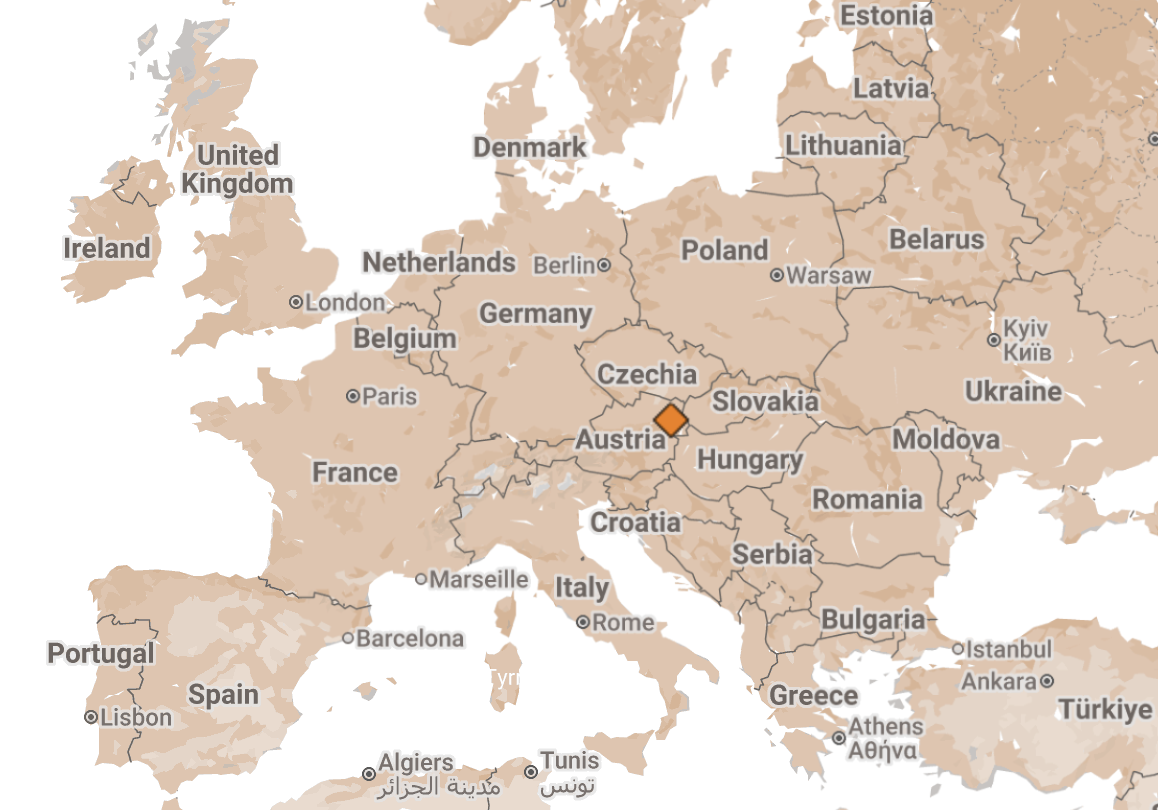
Following the end of World War I and the death of Emperor Franz Joseph I, the Austro-Hungarian Empire collapses. Austria became a republic.
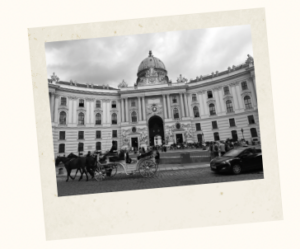 1919
1919Treaty of Saint-Germain deprives Austria of much of it territory.
A stab in the back theory emerges that Jews and communists have betrayed the country.
30 January
Adolf Hitler is appointed Chancellor of Germany.
May
The Austrian Nazi Party launches a violent propaganda and terror campaign inside Austria to destabilise the state.
July
Austrian Nazis attempt a coup d’état, assassinating Austrian Chancellor Engelbert Dollfuss, but the takeover fails.
September
The Nuremberg Laws are declared in Germany.
11–13 March
Germany invades and annexes Austria in an event known as the Anschluss. Local citizens and Hitler Youth aggressively humiliate and attack their Jewish neighbours.
28 March
A new law strips Jewish cultural organisations of their legal civil rights.
26 April
The regime decrees that all Jewish property valued over 5,000 Reichsmarks must be registered for eventual “Aryanisation” (confiscation).
August
Adolf Eichmann establishes the Central Agency for Jewish Emigration in Vienna, weaponizing bureaucracy to strip Jews of their assets in exchange for exit visas.
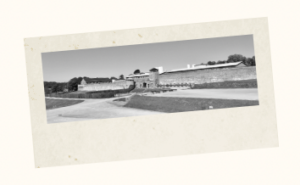 8 August
The SS opens the Mauthausen Concentration Camp, which becomes the main hub of Nazi terror on Austrian soil.
9–10 November
During Kristallnacht, state-sponsored pogroms destroy more than 40 synagogues in Vienna and result in the forced arrest of over 6,000 Jewish men, who are sent to concentration camps.
30 January
Hitler says ‘if war erupts it will mean the Vernichtung (extermination) of European Jews’.
23 May
British government severely restricts immigration to the Palestine Mandate in the 1939 White Paper.
 1 September
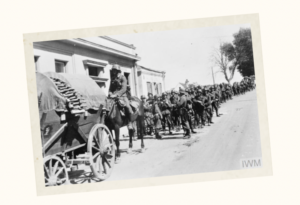
Germany invades Poland.
October-April 1940
Systematic mass deportations begin. Eichmann orders the transport of 1,600 Viennese Jews to a detention camp in Nisko, Poland.
February–March
The SS resumes targeted mass deportations, sending roughly 4,500 Jews from Vienna to various ghettos in the Lublin district of occupied Poland to be murdered.
Autumn
Large-scale deportations expand toward the Baltic states and the occupied Soviet Union, including Riga, Kovno, and Minsk, where victims face immediate mass shootings.
20 January
Wannsee Conference.
 1 March
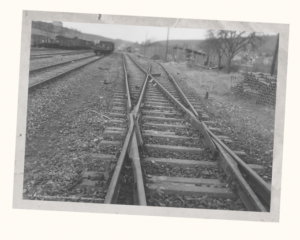
Auschwitz II-Birkenau begins operation.
Spring
Transports accelerate, sending remaining Austrian Jews to death camps like Auschwitz and transit ghettos like Theresienstadt.
October
The Nazi authorities declare Vienna ‘free of Jews’ (judenrein). Only about 8,000 Jews remain out of a pre-war population of 192,000—mostly individuals protected by mixed marriages.
 February
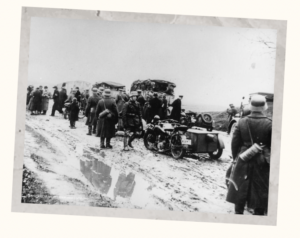
Germany surrenders at Stalingrad.
Autumn
Mauthausen Concentration Camp expands its network of subcamps (such as Melk and Ebensee) to exploit slave labour for underground munitions factories.
19 March
Germany invades Hungary.
Summer
The massive Soviet offensive prompts SS chief Heinrich Himmler to order prisoners in all concentration camps and subcamps be forcibly evacuated toward the interior of the Reich.
November
As the Soviet army approaches Hungary, the Nazis force roughly 40,000 Hungarian Jews on brutal death marches through Austria to construct defensive fortifications.
Winter
SS authorities increasingly evacuate concentration camp prisoners from both east and west on foot. Many death marches culminate at Mauthausen.
January–April
As frontline concentration camps are evacuated, tens of thousands of dying prisoners are marched into Mauthausen, causing extreme overcrowding, starvation, and rampant disease.
13 April
Soviet forces capture Vienna.
5 May
The US Army reaches and liberates the Mauthausen Concentration Camp and its subcamps. Of the 190,000 total people imprisoned there over seven years, at least 90,000 died.
8 May
Nazi Germany signs an unconditional surrender, ending World War II in Europe.
September
The Seitenstettengasse City Temple—the only Viennese synagogue to survive Kristallnacht unburned—provisionally re-opens.
Austria serves as a major host site for Displaced Persons (DP) camps, housing Jewish survivors.

 About
About History
 Education
 Quilts
 FIlms
FIlms Photos
 News Media & Events
 Publications
 Donate