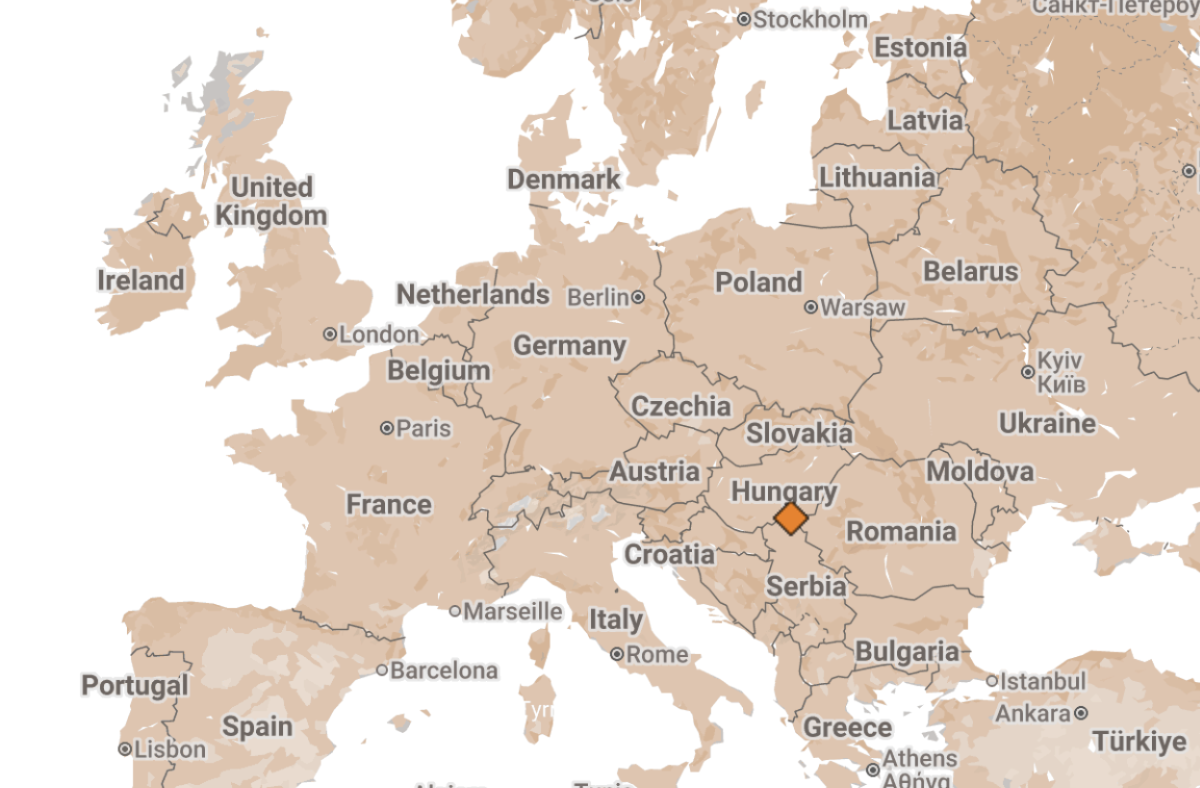
Austria-Hungary is part of the Central Powers in World War I, fighting alongside Germany, Bulgaria, and the Ottoman Empire.
The Central Powers are defeated by the Allied Powers of Great Britain, France, Russia, Italy, Romania, Japan and the United States.
June
Treaty of Trianon signed ending WWI between the Allies and the Kingdom of Hungary. Hungary loses two-thirds of its pre-war territory, mainly to Czechoslovakia, Romania and Yugoslavia. The Treaty also enforces restrictions on Hungary’s armed forces and the payment of reparations.
Admiral Horthy is elected regent of Hungary.
Numerus clausus, a new law, limits the number of Jewish students allowed to pursue higher education in Hungary. A maximum of 6% of places in universities are now available to Jewish students. This is the first anti-Jewish legislation passed in Europe after World War I.
30 January
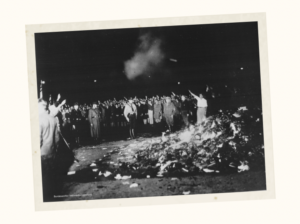
Adolf Hitler is appointed Chancellor of Germany.
Hungary forms an alliance with Germany. Both authoritarian regimes share a keen interest in revising the Treaty of Trianon.
September
Introduction of the Nuremberg Laws in Germany
3 March
Austria is incorporated into the Third Reich.
29 May
First Jewish Law: Hungary adopts comprehensive anti-Jewish laws, which restricts the role played by Jews in the Hungarian economy to 20%.
30 September
Germany annexes the Sudetenland, part of Czechoslovakia, according to the Munich Agreement.
2 November
First Vienna Award: Hitler returns part of Austro-Hungary’s former territory in Czechoslovakia to Hungary.
9-10 November
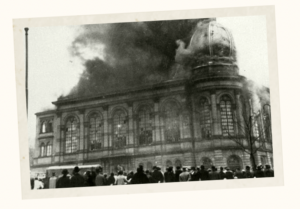
Kristallnacht, a nation-wide anti-Jewish pogrom organised by the Nazis takes place throughout Germany, Austria and the Sudetenland region of Czechoslovakia.
March
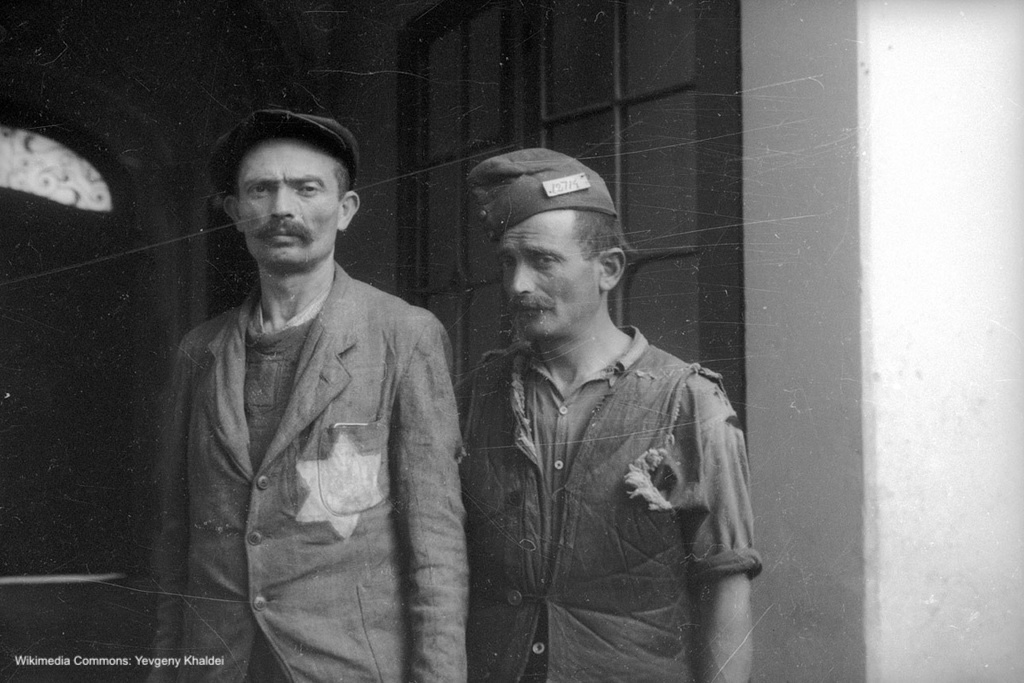
The Hungarian Labour Service System is established in March. Hungarian Jewish men between the ages of 20-48 are drafted into forced labour units.
15 March
Germany occupies Czechoslovakia, which is dismembered.
Slovak Republic declares independence. Transcarpathia in eastern Czechoslovakia occupied and later annexed by Hungary. Anti-Jewish laws are extended to the area.
5 May
Second Jewish Law: Jews defined as a race. Jewish employment is further restricted. As a consequence of the First and Second Jewish Laws, over 90,000 Jews lose their employment, affecting around 220,000 people.
1 September
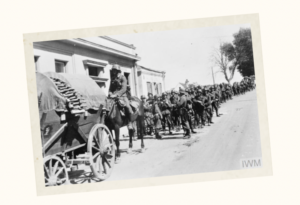
Germany invades Poland.
3 September
World War II begins as Britain and France declare war on Germany. Hungary does not join the war.
10 June
France surrenders.
30 August
Second Vienna Award cedes the Romania territory of Northern Transylvania to Hungary.
November
Hungary joins the Axis alliance.
22 June
Germany invades the Soviet Union.
Summer
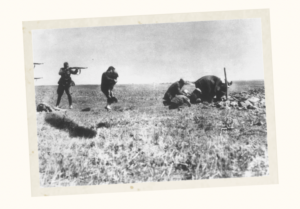
Hungary deports approximately 17,000 Jews who cannot prove their Hungarian citizenship to Nazi-occupied modern-day Ukraine, where they are shot by the Einzatzgruppen, Nazi mobile killing squads, as the persecution of the Jews becomes genocidal.
8 August
Third Jewish Law: bans marriage and sexual relations between Jews and non-Jews.
3-5 September
First experimental gassing at the Auschwitz concentration camp.
11 December
Germany declares war on the USA.
13 December
Hungary and Romania declare war on the United States.
20 January
Wannsee Conference.
January/February
1000 Hungarian Jews are murdered by military and gendarmerie units.
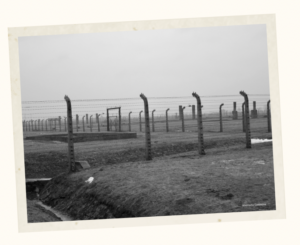
Auschwitz II-Birkenau begins operation.
6 September
Fourth Jewish Law: bans Jews from owning or purchasing land
November
Allied victory in North Africa.
February
The Axis powers are defeated by the Red Army in the Battle of Stalingrad.
Hungary tries to distance itself from Germany and begins negotiating with the western Allies.
19 March
Germany invades Hungary in response to Hungary’s efforts to negotiate with the Allies.
Key government officials are replaced with pro-Nazi radicals, who reinforce Hungary’s commitment to the Nazi war effort and agree to cooperate with the deportation of Hungarian Jews.
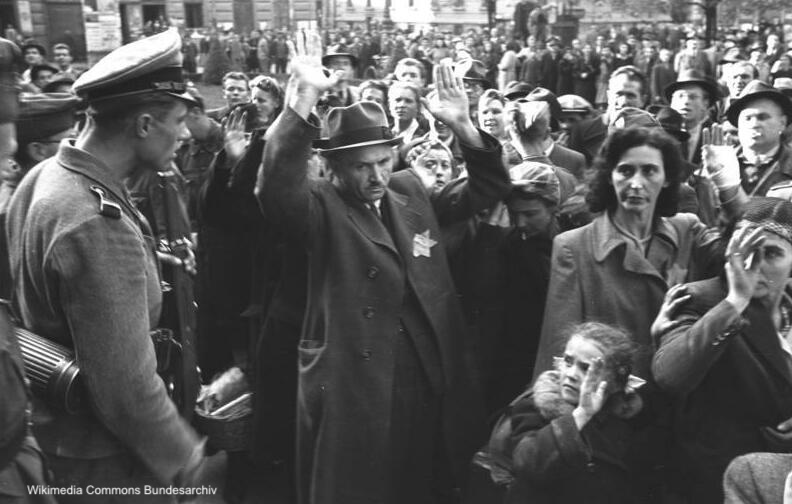
Jews are immediately forced to identify themselves by wearing the Star of David and their property and businesses are seized.
16 April
The first ghetto is established. Armed Hungarian police, or gendarmes, round up Jews, often stealing their personal possessions.
15 May
Systematic deportations begin. Over the course of the next 56 days, over 430,000 Jews are deported on 147 trains. All but 15,000 are sent to Auschwitz-Birkenau, where 80% are gassed upon arrival.
7 July
Hungary stops deportations due to pressure from Allies threatening war crimes trials after their increasingly likely victory. The remaining Jews, largely confined to Budapest, are temporarily spared.
Hungary attempts once again to negotiate with the Allies, this time with the Soviet Union.
15 October
Hungary announces it is leaving the Axis alliance. Germany sponsors a coup d’etat, replacing the Hungarian government with the fascist and violently antisemitic Arrow Cross party.
November
The Arrow Cross institutes a reign of terror, pulling Jews out for brutal forced labour and carrying out summary executions in the streets. Tens of thousands of Jewish residents from Budapest are forced on death marches to Austria.
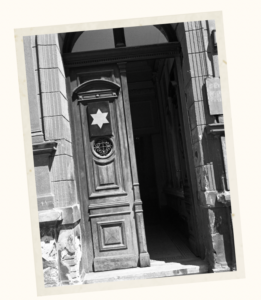 The Jews who remain in Budapest are confined to a ghetto.
November 1944-January 1945
Neutral diplomats operate elaborate safe house and rescue networks in Budapest. They successfully protect tens of thousands of Jews until the city is liberated
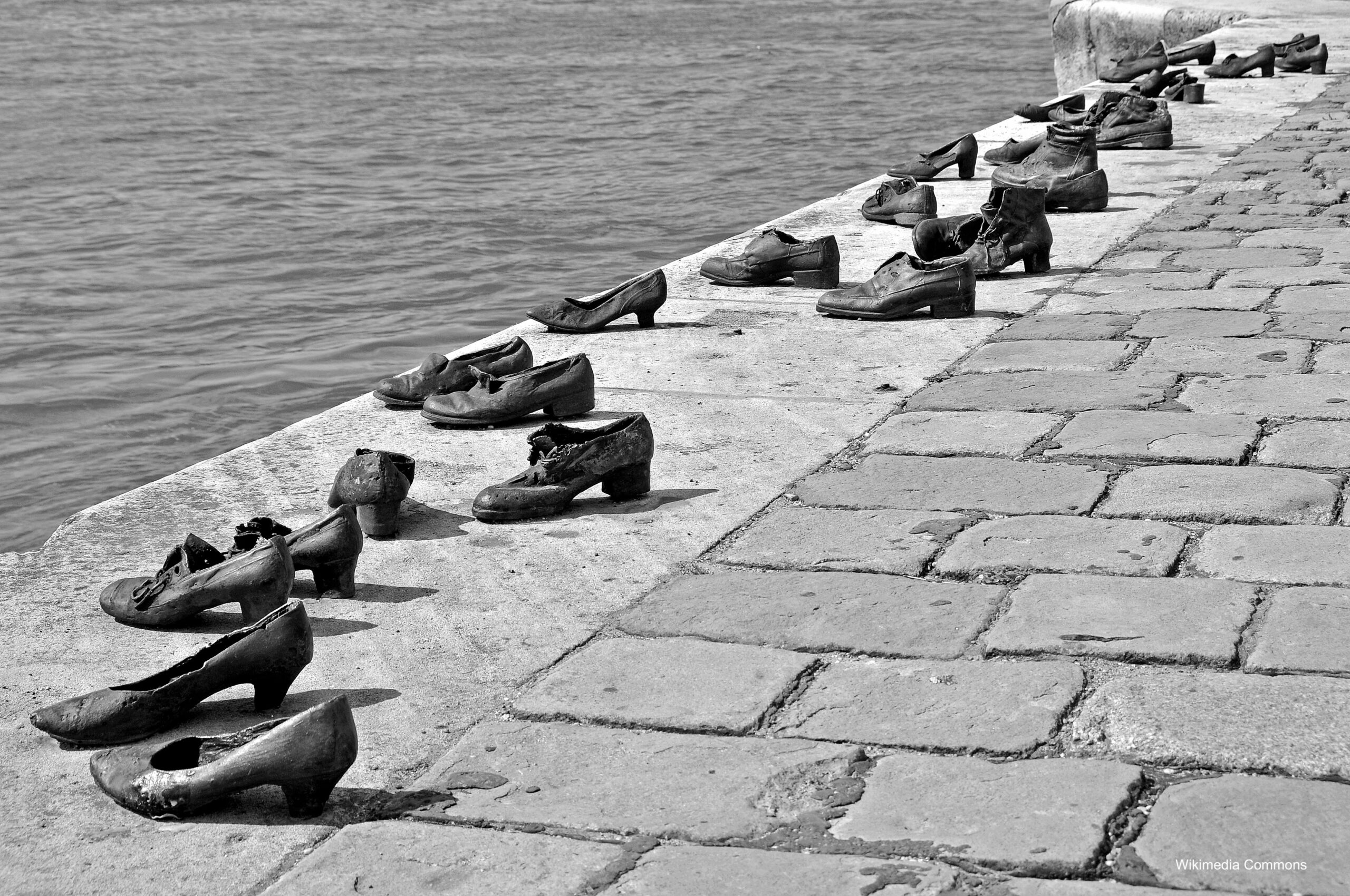
The Hungarian Arrow Cross murders around 20,000 Jews on the banks of the Danube River.
26 December
The Soviet Army begins the Siege of Budapest.
Soviet forces liberate Budapest bringing the Holocaust in Hungary to an end.
Of the approximately 825,000 Jews living in Hungary in 1941, around 255,000 (less than one-third) survived.
April
Soviet forces liberate Hungary from the last of the German and Arrow Cross units.
 About
About History
 Education
 Quilts
 FIlms
FIlms Photos
 News Media & Events
 Publications
 Donate