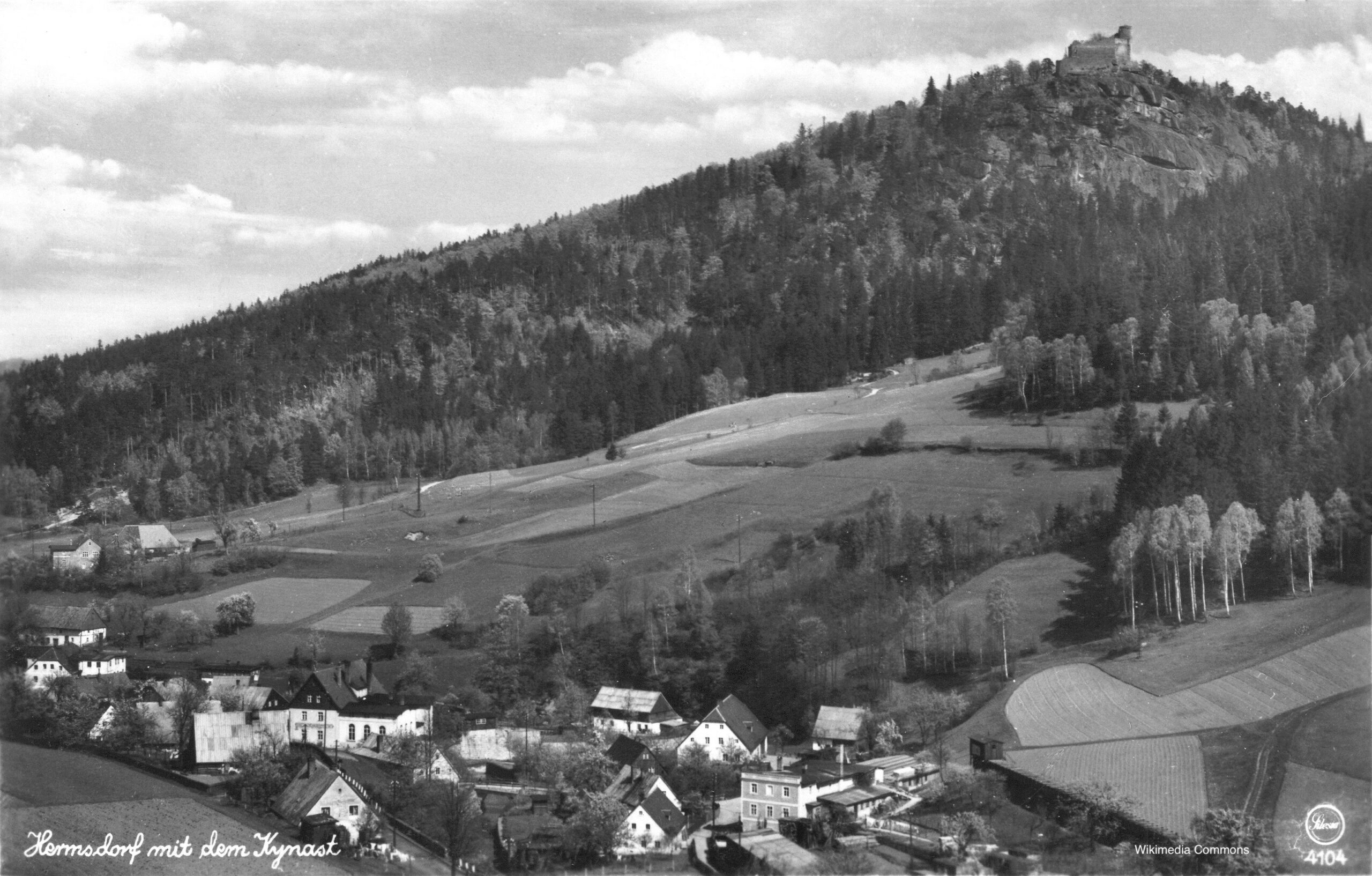
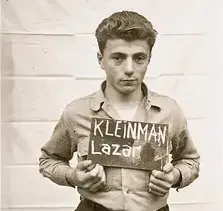
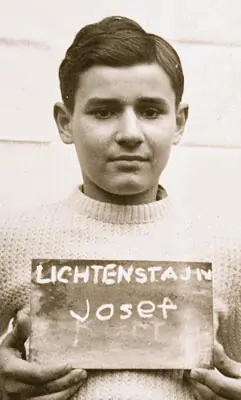
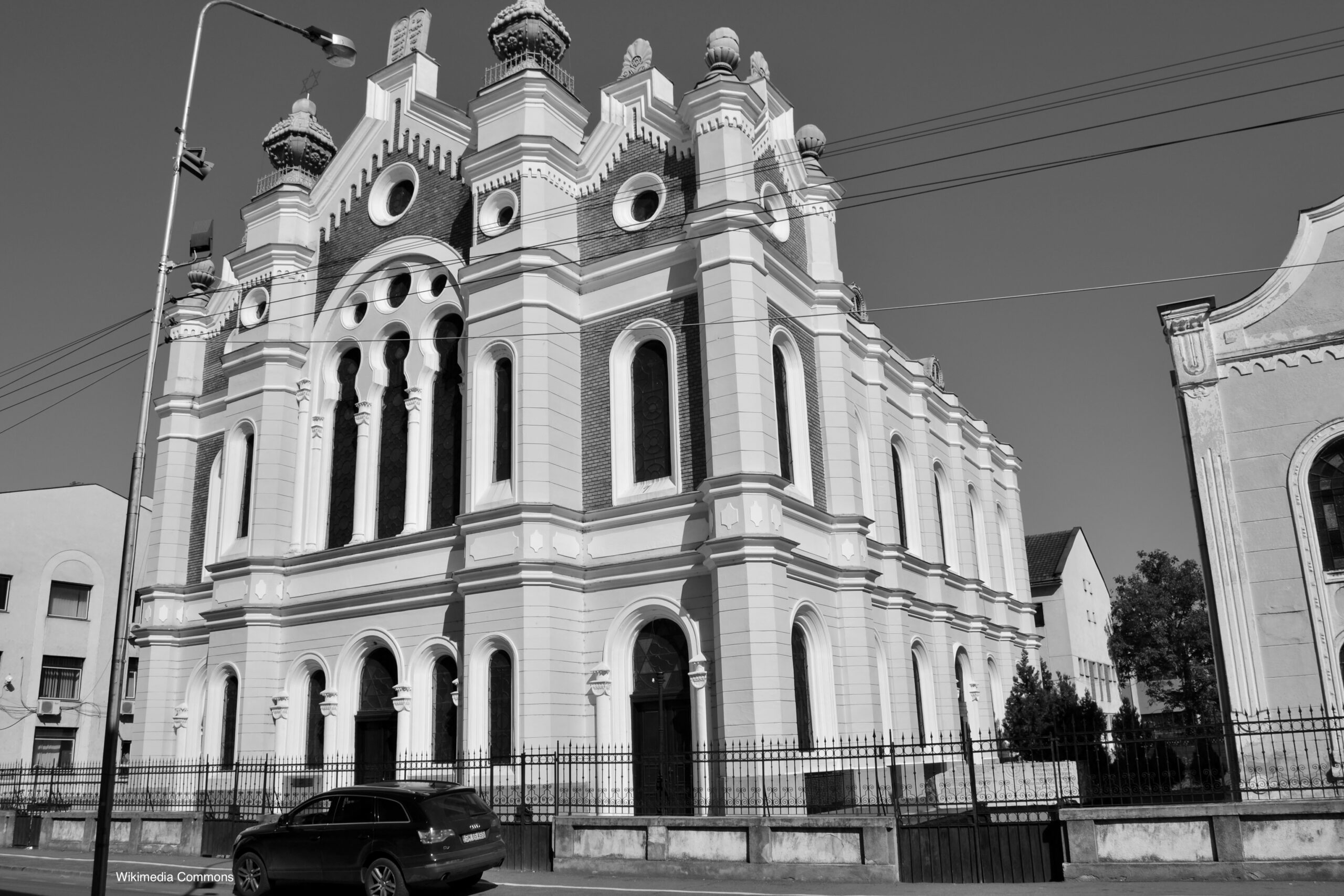
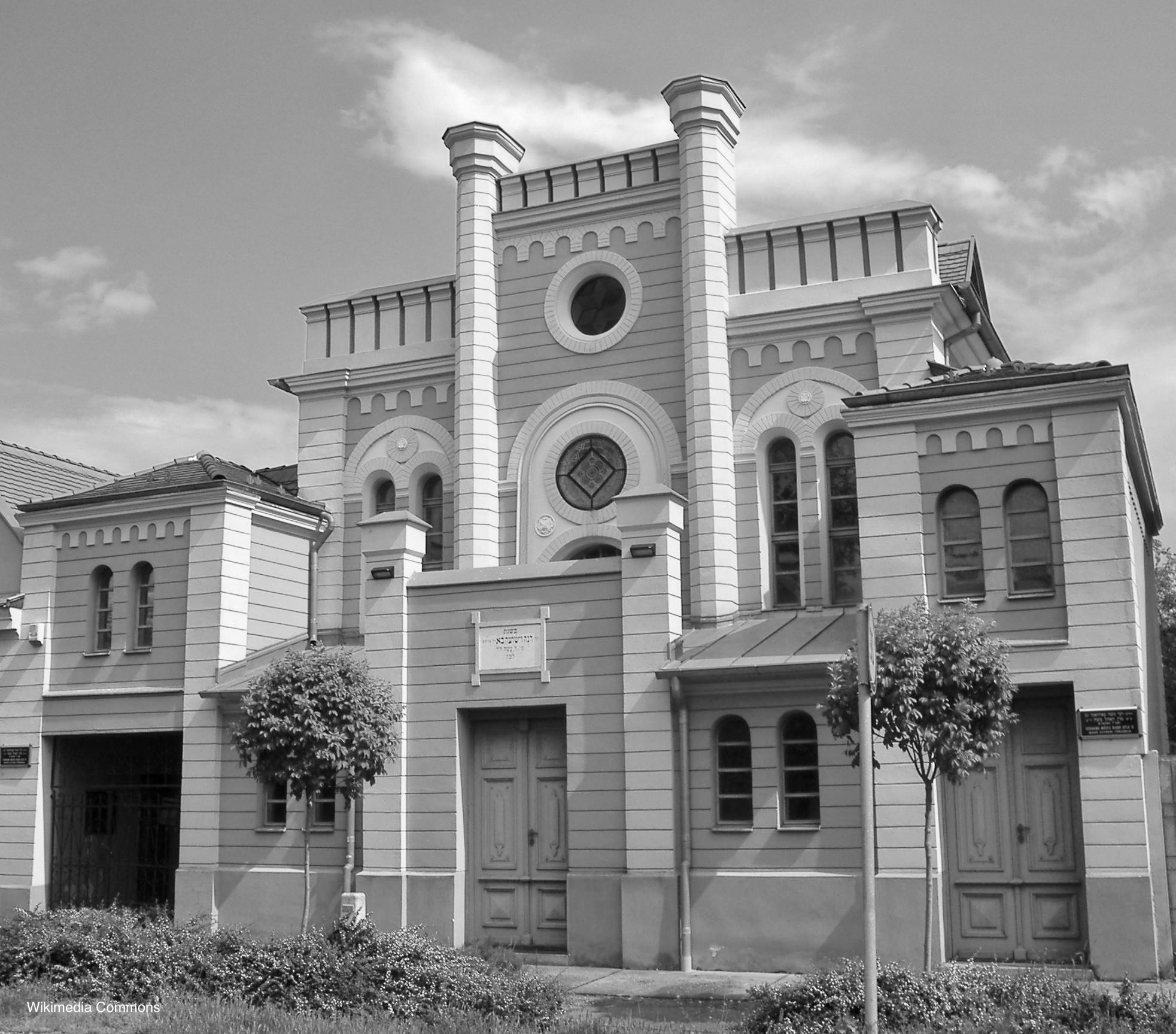
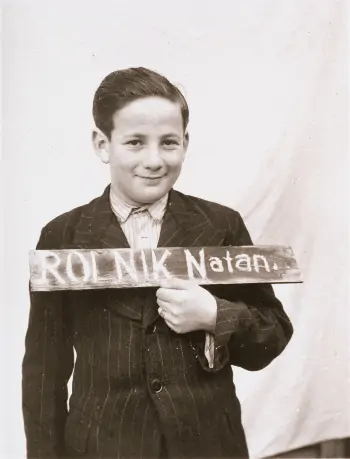
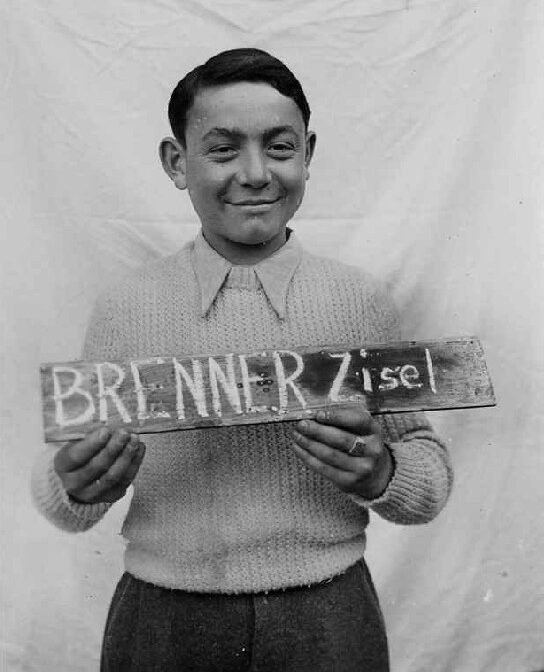
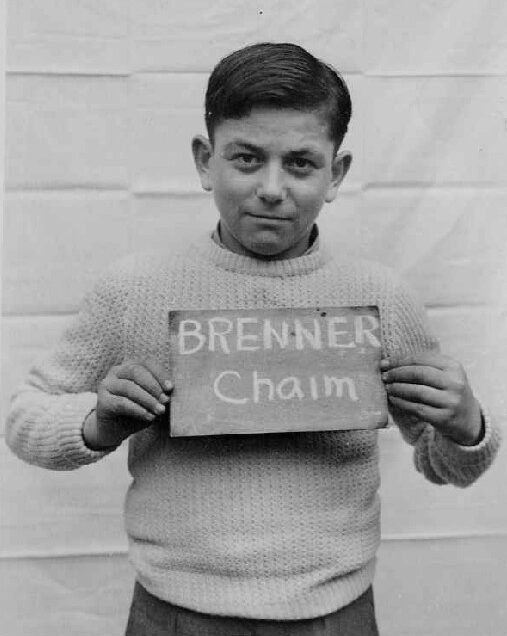
Members of the Boys were born in Stettin in Germany, which is now Szczecin in Poland.
The Boys were teenage and child-Holocaust survivors, who were brought to the UK after the war for rest and rehabilitation.
Members of the Boys were held in Nazi labour and concentration camps and used as slave labourers. They had also survived World War II in hiding or as lone children.
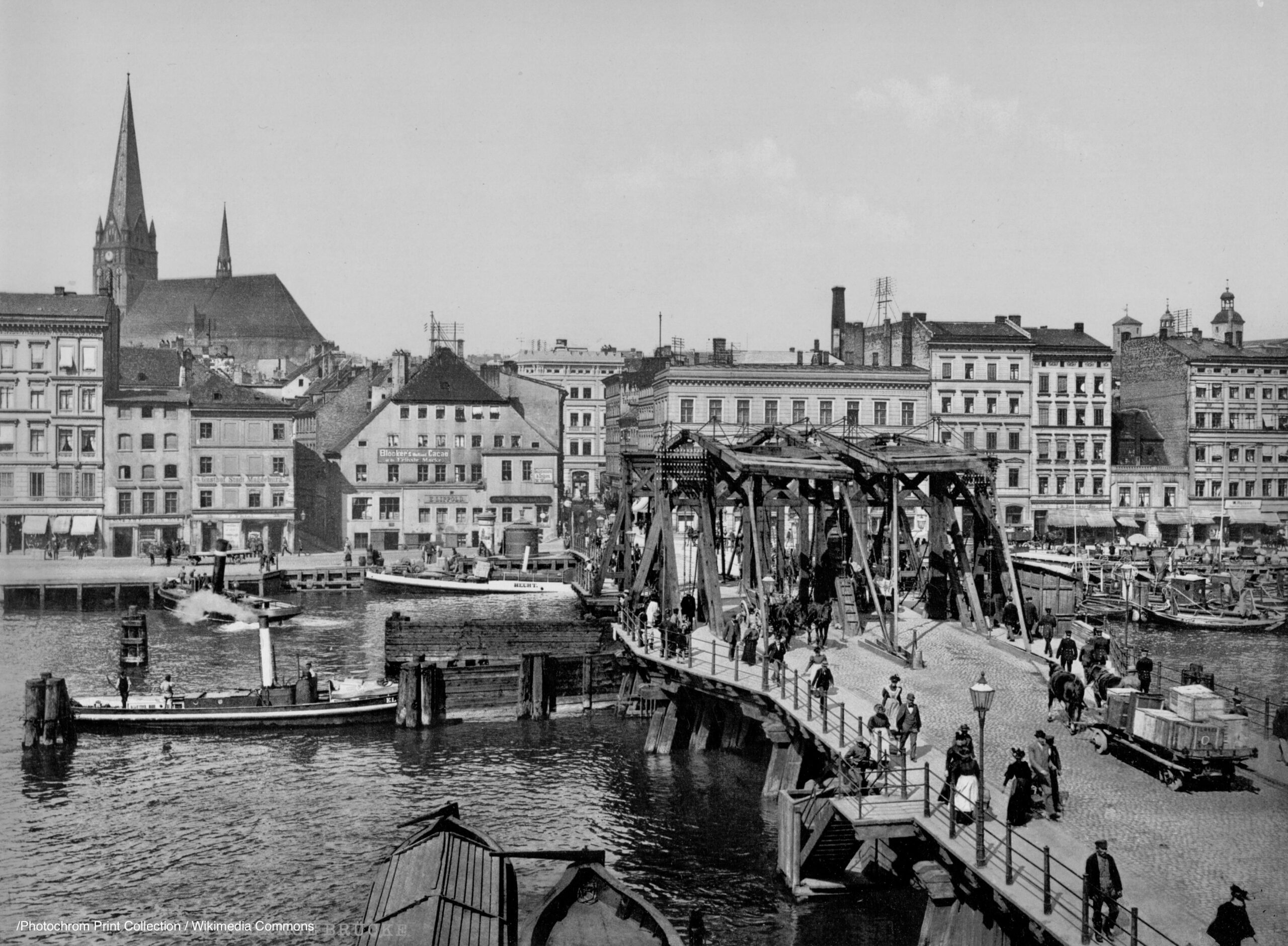
The Great Bridge in pre-war Stettin, Germany
Located near the Baltic Sea and the German border, the city is a major seaport. Stettin developed into a major Prussian port and became part of the German Empire in 1871.
Background
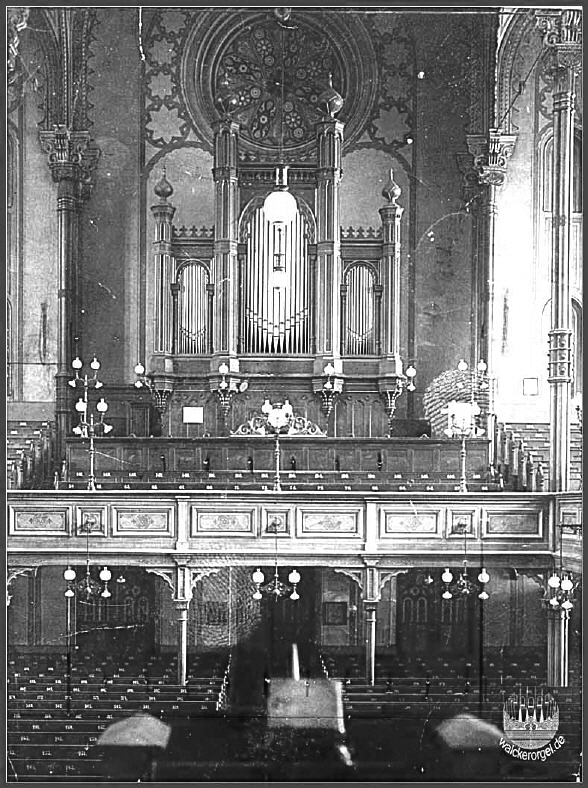
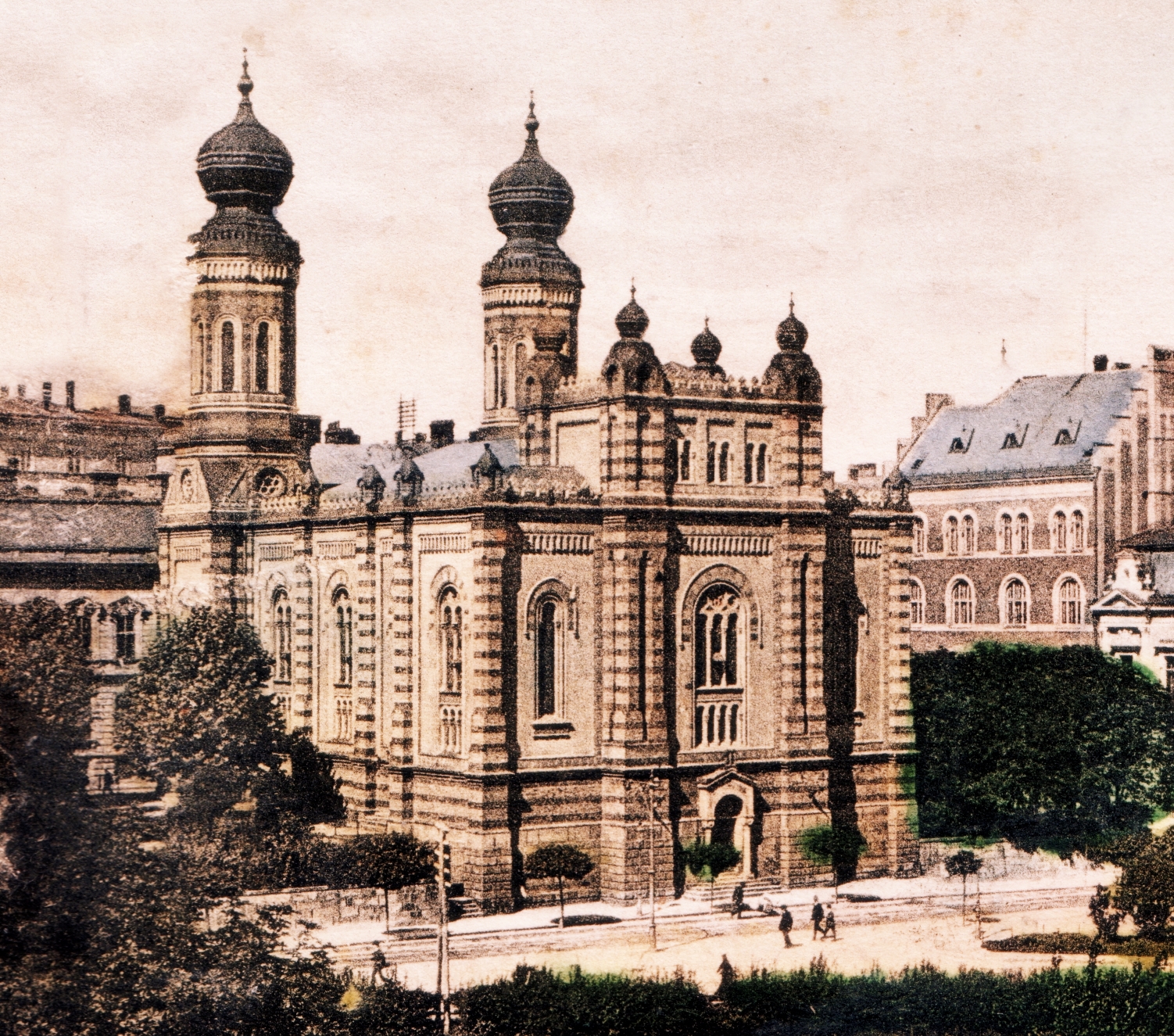
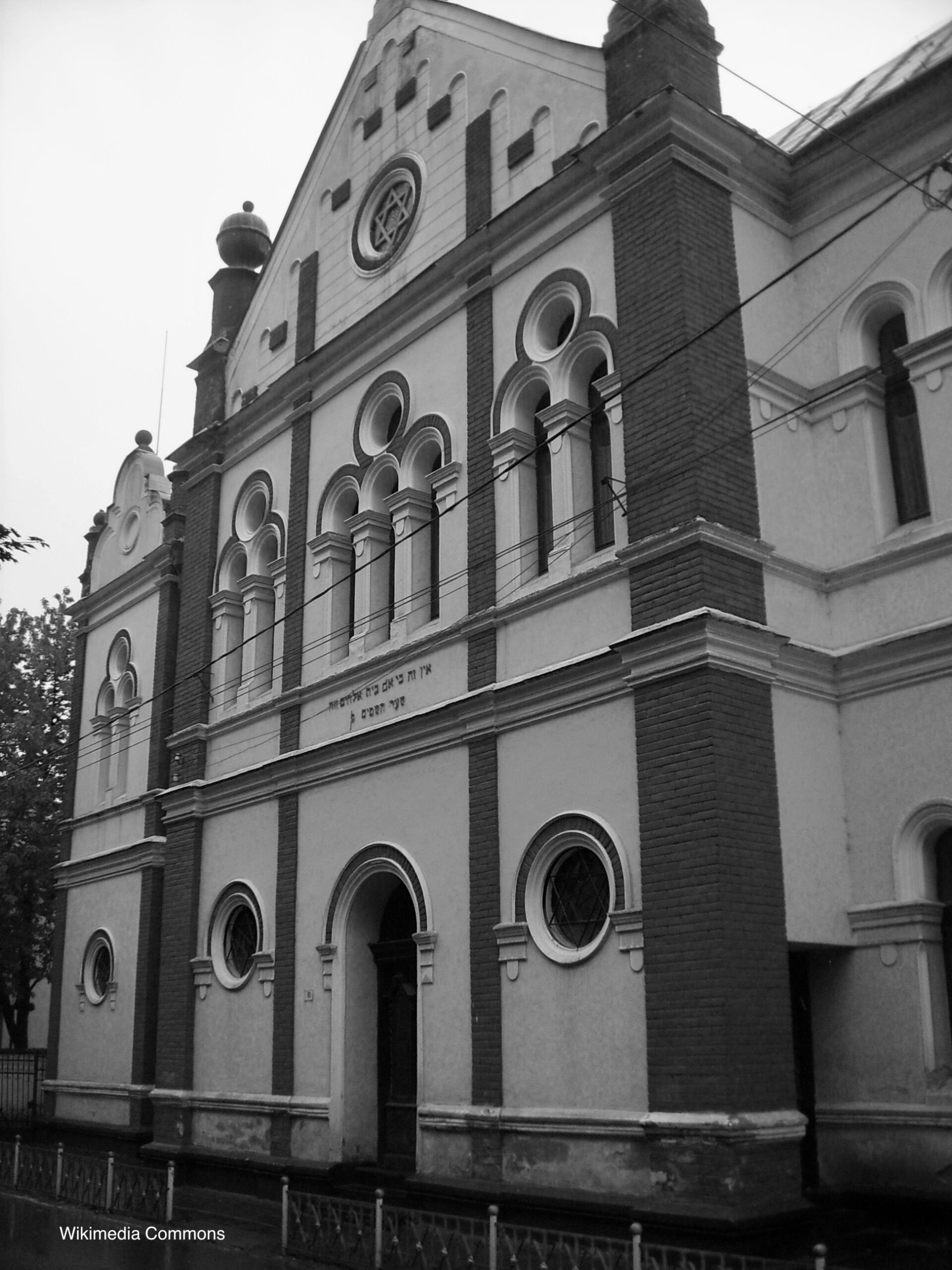
Only after the Prussian Edict of Emancipation of 11 March 1812, which granted Prussian citizenship to all Jews living in the kingdom, did a Jewish community emerge in Stettin. The first Jews settled in the town in 1814. Construction of a synagogue started in 1834; the community had a religious and a secular school, an orphanage (1855), and a retirement home (1893).
By 1873, the Jewish community had between 1,000 and 1,200 members and had grown to some 2,800-3,000 by 1927–28.
Third Reich
Manfred Heyman and his family were deported from Stettin in October 1938 as his parents were Polish Jews who did not have German citizenship. After the Kristallnacht pogrom on 9 November 1938 all male Jews from Stettin were deported to the Oranienburg concentration camp. In February 1940, the remaining 1,000 to 1,300 Jews of Stettin were deported to Lublin. The action was the first deportation of Jews from prewar Nazi Germany.
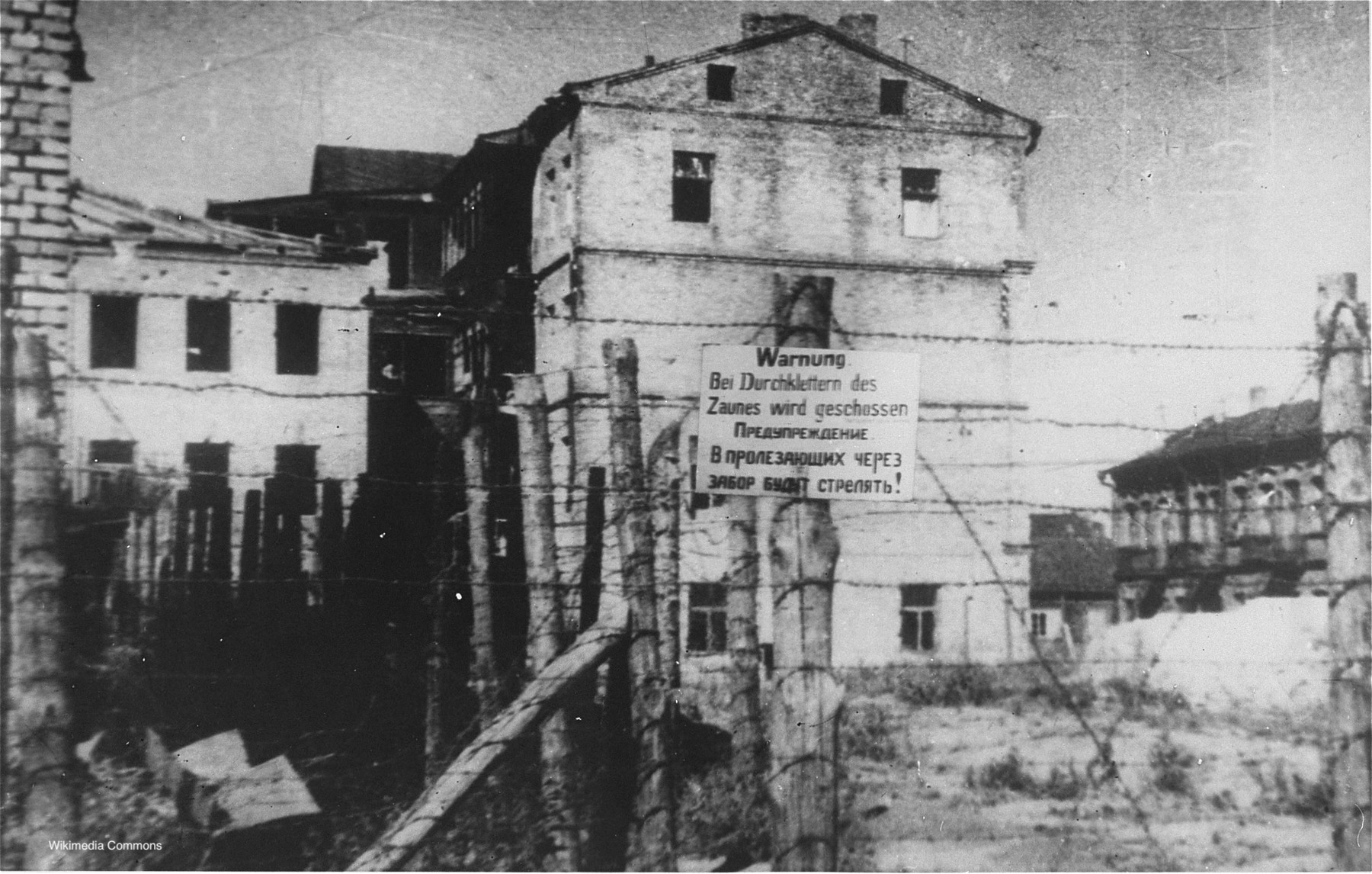
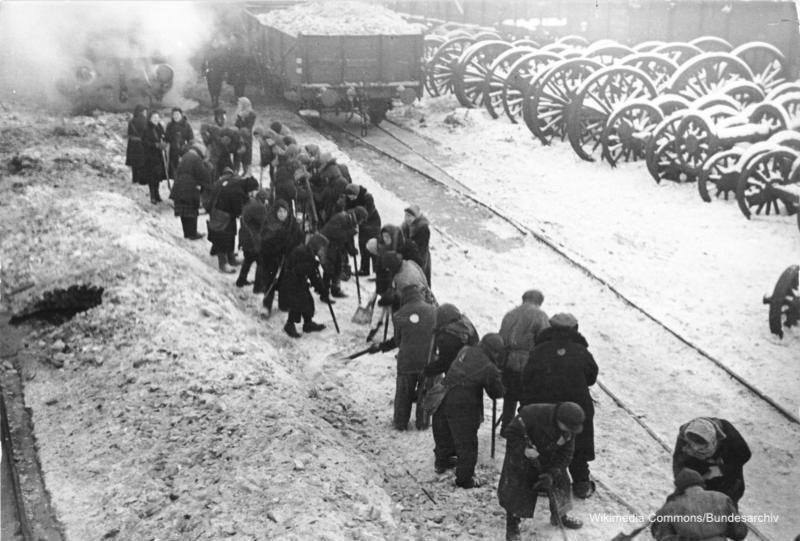
When the war began, the number of non-Germans in the city increased as slave workers were brought in. The first transports came from the Polish cities of Bydgoszcz, Torun and Łódź. They were mainly forced to work in a synthetic silk factory near Stettin. During the war, 135 forced labour camps for slave workers were established in the city.
Aftermath
The city became part of Poland in 1946.
While the Jewish community in Szczecin was significantly reduced during the Holocaust, there is still a Jewish presence in the city today.
Visiting Szczecin
>
Getting there There are direct flights form the UK and direct trains from Gdansk and Warsaw.
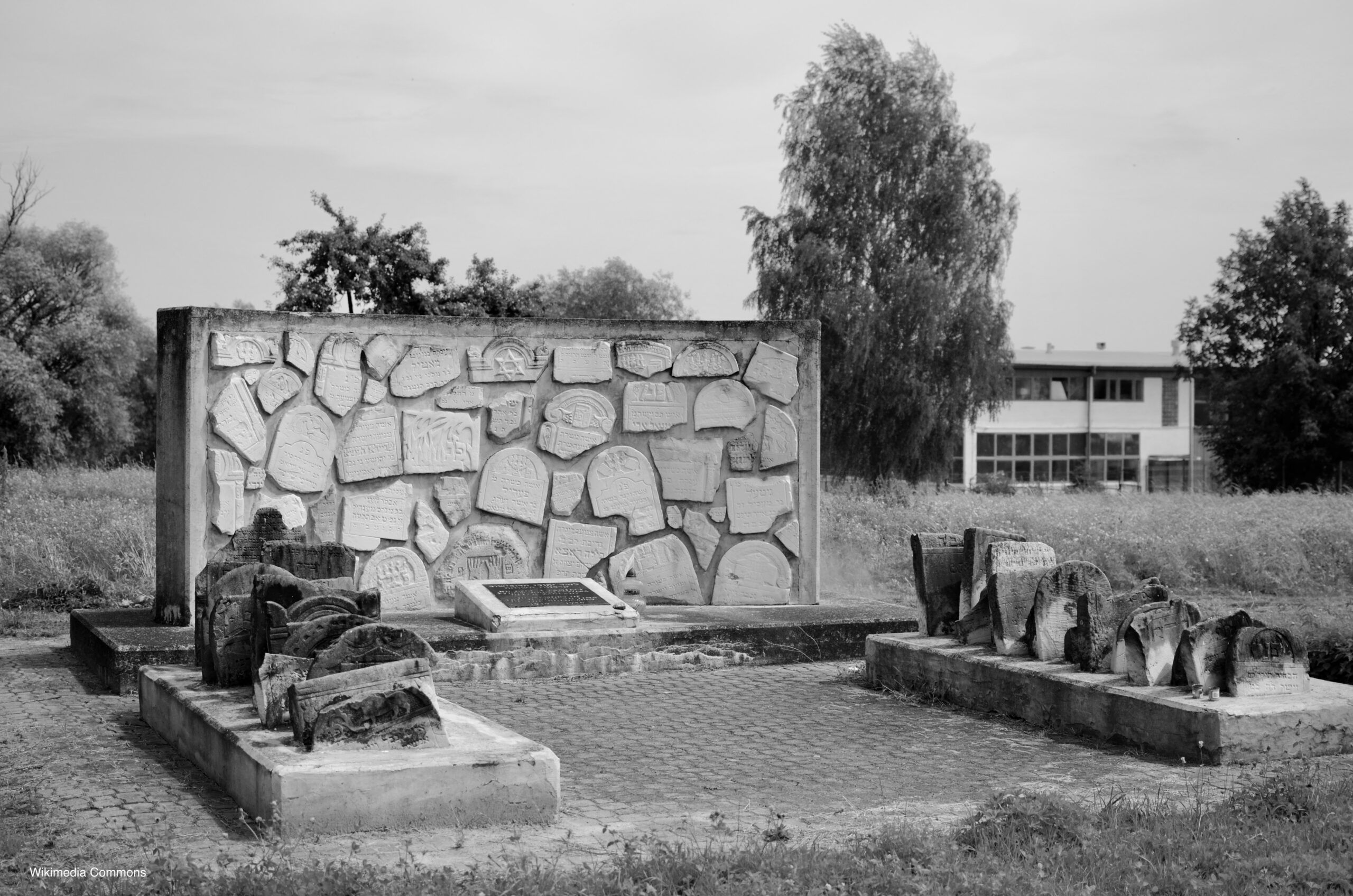
New Synagogue (Nowa Synagoga; ul. Dworcowa 9a) This was the city’s primary Jewish place of worship until it was burned down by Nazi forces during Kristallnacht in 1938. A commemorative plaque now marks the site. Old Jewish Cemetery (corner of ul. Soplicy and ul. Gorkiego) Today, it is a city park. A lapidarium (consecrated in 1988) contains 11 preserved gravestones and a monument in Polish and Hebrew. Jewish Section at the Central Cemetery ((ul. Ku Słońcu 125) Following the closure of the old cemetery, Jewish burials were moved to a dedicated section of the Central Cemetery. It contains over 100 gravestones in good condition with inscriptions in Hebrew, Yiddish, Polish, and German.
The Boys were teenage and child-Holocaust survivors, who were brought to the UK after the war for rest and rehabilitation.
Members of the Boys were held in Nazi labour and concentration camps and used as slave labourers. They had also survived World War II in hiding or as lone children.
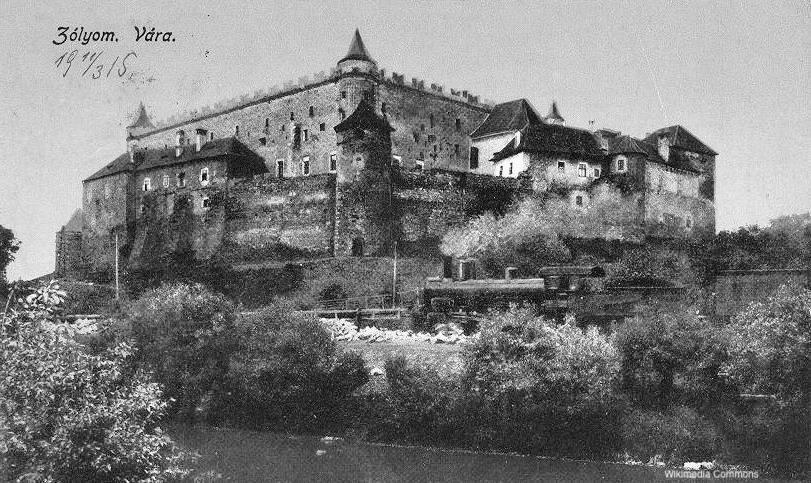
Old Picture of Zolyom Var.
Until the end of World War I, the Czech Republic, and Slovakia, were both part of Austro-Hungary. In the interwar period, they were united in the new state of Czechoslovakia along with Transcarpathia that had also been part of Austro-Hungary.
Members of the Boys came from small villages and towns in Slovakia. The birthplaces of both Bratislava and Košice have separate listings in this section.
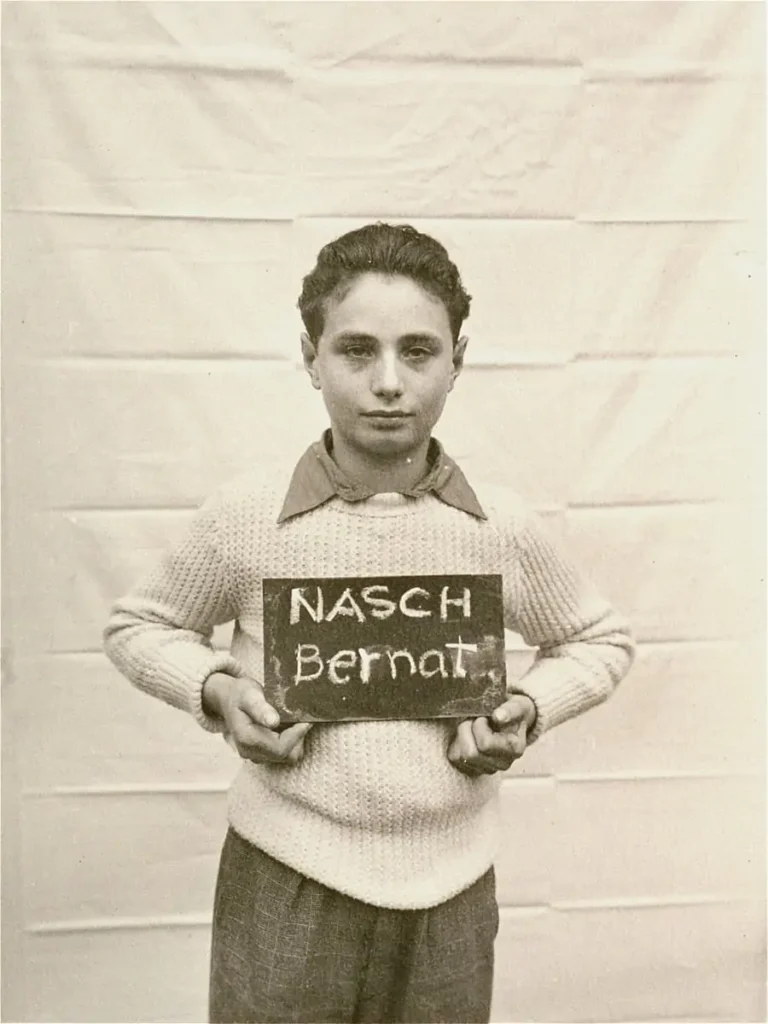
Bernat NaschMagda LiebermanJulius and Erwin Buncel
Background
Jewish life in the so-called Czech lands of Bohemia and Moravia, part of the Kingdom of Austria, was markedly different to that in Slovakia and Trascarpathia, which were part of the Kingdom of Hungary. In Bohemia and Moravia, most Jews spoke German as well as Czech. They were highly assimilated, and Bohemia had the highest rate of mixed marriage in Europe. By contrast, in Slovakia, Jews were Orthodox and spoke primarily Hungarian. Before World War I, Slovak nationalists associated them with Hungarian control and in the interwar period with the new Czechoslovak state.
The Story of the Boys’ Families: The Vermes Family
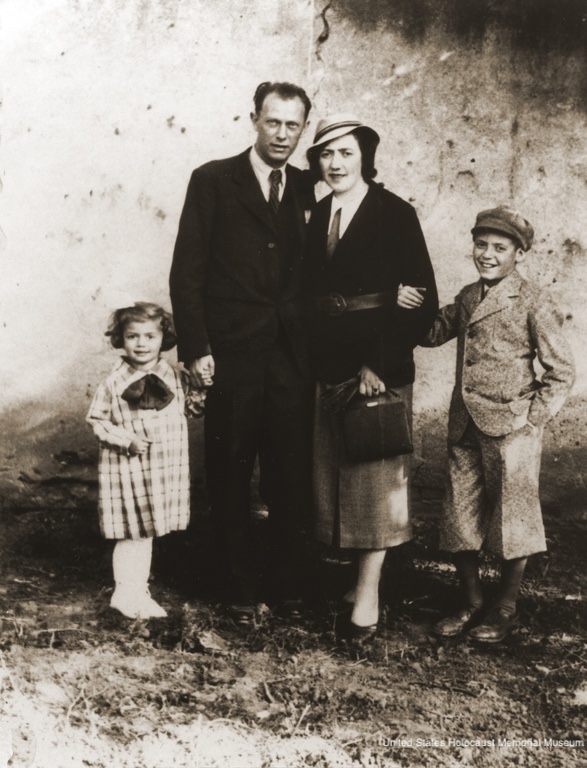
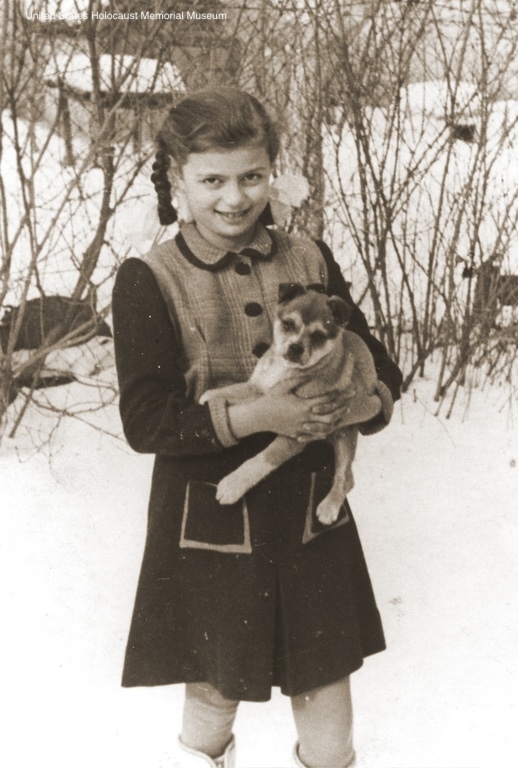
Erika Vermes 1932-33 in her father’s studio in Topolcany, SlovakiaErika Vermes with her parents and brother in 1934.Erika Vermes and her puppy in the snow c. 1940-41 in Topolcany, Slovakia.
Aladar and Hemena Vermes lived in the Slovakian city of Topolciany. Aladar Vermes was a studio photographer and Helena was an opera singer. They had two children Robert and Erika.
On 27 March 1942, members of the Hlinka Guard, a fascist Slovak organisation, rounded-up the Jewish men in Topolcany, including Aladar and Robert Vermes, who were then deported to the Majdanek concentration camp in occupied Poland, where they were subsequently killed. Two months later, the Hlinka Guard returned to round up the women of Topolcany, however the guard who was assigned to the Vermes’ apartment realised that he knew Aladar Vermes and allowed Helena and Erika to escape.
They fled across the border to Hungary where they settled in Budapest, where Helena had been born and was therefore able to obtain a work permit. Helena put her daughter in a local Jewish orphanage. After Germany occupied Hungary in March 1944, Erika was given false Hungarian papers with the name Erika Virag. These documents allowed her to move freely, however she remained at the orphanage, as she had nowhere else to go.
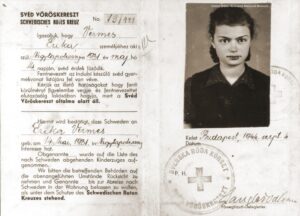
Protective document issued to Erika Vermes by the Swedish Red Cross in September 1944.
In September 1944, Erika obtained a Swedish Red Cross Schutzpass (protective document) that granted her immunity from deportation. However, the pass did not protect her from being arrested by members of the Hungarian Arrow Cross (a fascist, far-right political party) who were rounding up groups of Jews and shooting them along the banks of the River Danube in November and December of 1944.
Erika was captured in a Hungarian Arrow Cross round up and was taken to the Danube, however she managed to escape due to heavy Russian bombardment of the city, which led to the liberation of Budapest in January 1945.
While Erika was at the orphanage, Helena was deported to Feldbach, a slave labour camp in Austria. After the liberation, Grossman met her mother by chance on a street in Budapest. They returned to Topolcany. However, Helena soon moved back to Budapest to marry Imre Berczeller, who had been part of the same death march that Helena had endured.
Despite the war being over, there was an anti-Jewish pogrom in Topolcany which led Helena, Imre and Erika to move to Sudety in western Czechoslovakia. When they arrived, they learnt about the orphans’ transport to England, which accepted Grossman despite the fact that Erika was not officially an orphan. To read more about Erika Vermes click here.
Interwar Years
Between the two world wars, Czechoslovakia was a comparatively stable, liberal democracy in which Jews were recognised as a distinct ethnicity in the census. A Czech Jewish identity began to emerge. In the 1930 census, 356,830 people identified themselves as Jews by religion: 117,551 in Bohemia and Moravia, 136,737 Slovakia and 102,542 in Transcarpathia.
In 1918–20 during the Paris Peace Conference, anti-Jewish riots broke out across the country as nationalists attacked Jewish communities they regarded as pro-Austrian or pro-Hungarian; and again in Slovakia in the 1930s encouraged by the Slovak People’s Party. Jewish boxers and wrestlers took to the streets to defend their communities, a move that prompted the wrestler Imi Lichtenfeld (1910–98) to set up the Krav Maga movement, a form of simple martial arts, so Jews could defend themselves.
1938-1945
After the September 1938 Munich Agreement, Slovakia declared its autonomy from Czechoslovakia, but lost significant territory to Hungary in the First Vienna Award, signed in November.
In 1939, Slovakia became an independent state under the leadership of Jozef Tiso (1887–1947), a Catholic priest and Slovakian politician. Significantly, Slovak state propaganda blamed the Jews for the territorial losses.
Slovakia joined the Axis powers in 1940. A ‘Jewish Code’ similar to the Nuremberg Laws was proclaimed in September 1941 and the country became the first Axis partner to agree to the deportation of its Jews, for which it was paid. Between March and October 1942, the Hlinka Guard (the paramilitary wing of the Slovak People’s Party), alongside Slovak police and military personnel, concentrated 58,000 Jews in labour camps, mainly in Novaky, Sered and Vyhne. They then transported them to the border with the General Government in occupied Poland, where they handed them over to the SS.
Out of 89,000 Jews in the country in 1940, around 69,000 were murdered in the Holocaust.
Aftermath
After the war Bratislava and Košice became important centres where survivors gathered among them members of the Boys.
Visiting Slovakia
>
For information on getting to Slovakia and for the main sites in the principal cities click here Bratislava and Košice.
The other main Holocaust sites in Slovakia are:
Sered
Slovakia has only one Holocaust museum, in Sered, 67km northeast of Bratislava, at the site of the former Sered concentration camp.
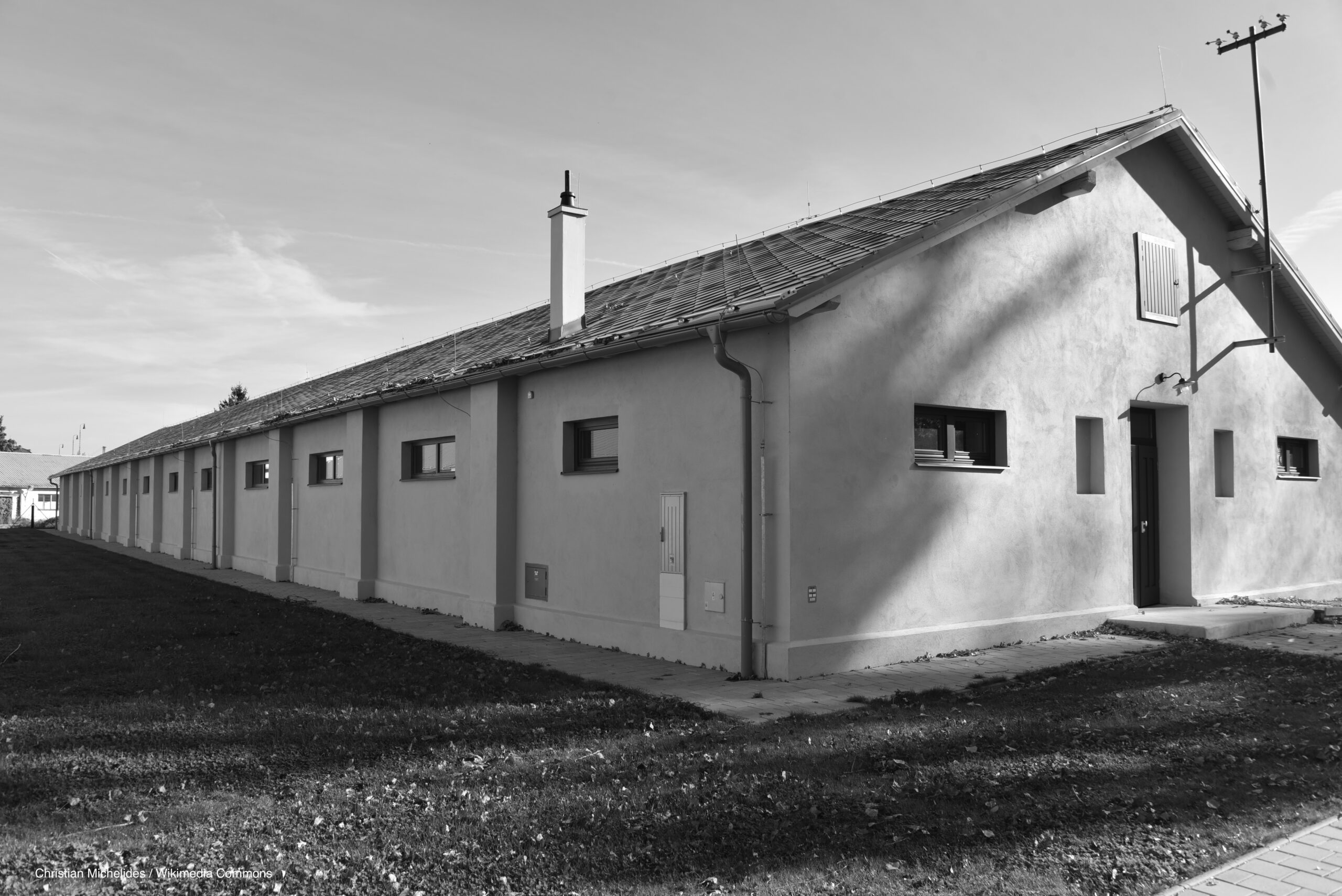
Sered Holocaust Museum, Slovakia.
To find out more about the history of the camp click here.
Sered Holocaust Museum (Kasárenská 1005/54; entry fee) opened in 2016, and the exhibition is modern and informative. Five of the original barracks have been reconstructed, the first dedicated to the years 1938–45, during which Jews were persecuted by the independent Slovak state. The names of victims deported in 1942 are engraved on glass panels. There is a section of the exhibition dedicated to the Slovak National Uprising and the role played by the Jews.
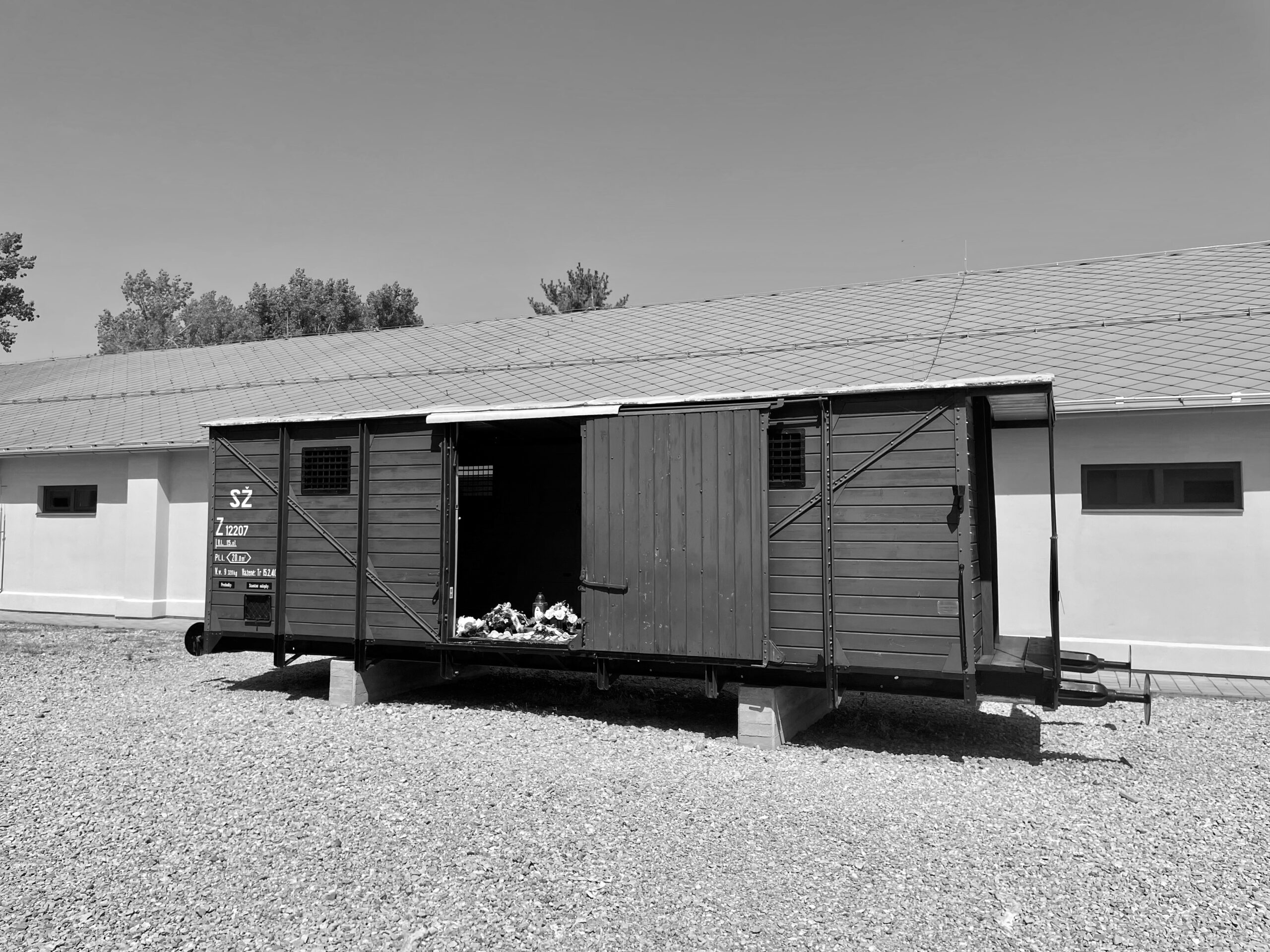
Between the first and second barracks is an original freight wagon which was twice used in transports to Auschwitz. The museum bought it from a private owner, who had used it as a garden shed having inherited it from his father who worked on the railways. There are original carvings inside.
The remaining barracks have exhibitions on forced labour, life in the Sered camp and the extermination camps to which Slovakia’s Jews were sent.
Nitra The city is 30km west of Sered, the synagogue (Pri synagóge 3), built in 1911, stood derelict after the war until 2003, but is now a concert hall. In what was the women’s gallery, there is an exhibition about the Jews of Nitra. A plaque outside remembers the 6,000 Jews who were deported from the town and the surrounding area.
Topol’čany The city located 33km north of Nitra saw little antisemitic violence until in 1938, however, the city became a bastion of the right-wing Slovak People’s Party.
After the war, about 750 survivors, some entire families, returned to Topol’čany having hidden out with partisans in the mountains. In September 1945 Topol’čany was the scene of a serious pogrom, in which 47 survivors were injured and 15 seriously hurt. The riot was probably caused by fears that returning survivors would reclaim their property, which had been confiscated.
A documentary shown on Slovak television in 2004, Love Thy Neighbour, prompted the mayor of Topol’čany to offer an apology. Walter Fried, who had survived the violence, erected a plaque on the former synagogue in 1998. As with the pogrom in the Polish city of Kielce, the violence prompted survivors to leave the country. No Jews live in Topol’čany today.
Prešov In 1938, Prešov, 38km north of Košice, was home to 4,300 Jews among them Erwin Buncel and his family.
Museum of Jewish Culture (Múzeum židovskej kultúry; Okružná ulica 32) in the newly renovated synagogue has a memorial to the 6,000 Jews who were deported from Prešov and the surrounding areas. There is also a memorial plaque on the town hall.
A Transport of Girls
The first transport of Jews from Slovakia destined for Auschwitz left from the railway station in the holiday resort town of Poprad-Tatry in the High Tatra Mountains 112km northwest of Košice. The transport that left the station on ul. Wolkera on the morning of 25 March 1942 was unique as it was made up of 999 unmarried Jewish young women aged between 16 and 36. They had volunteered for government service and left home dressed in their best clothes, happily waving goodbye to their families, believing they were being sent to work in a factory. In Poprad, they were held in the transit camp for almost a month, where they were fed starvation rations. Only a handful of the women would survive the war.
Heather Dune Macadam told their story in The Nine Hundred: The Extraordinary Young Women of the First Official Jewish Transport to Auschwitz (Citadel Press, 2019). A memorial ceremony is held at the railway station every year on 25 March.
Members of the Boys were born in the Silesian Voivodeship in Poland.
The Boys were teenage and child-Holocaust survivors, who were brought to the UK after the war for rest and rehabilitation.
Members of the Boys were held in Nazi labour and concentration camps and used as slave labourers. They had also survived World War II in hiding or as lone children.
Old Photograph of Chojnik.
Background
The Silesian Voivodeship is located in southern Poland. Its capital city is Katowice. The Silesian Voivodeship in its current form was established on 1 January 1999 from the former Katowice, Częstochowa, Bielsko-Biała, and parts of Opole and Kraków Voivodeships.
The Story of the Boys’ Families: The Klappholtz Family
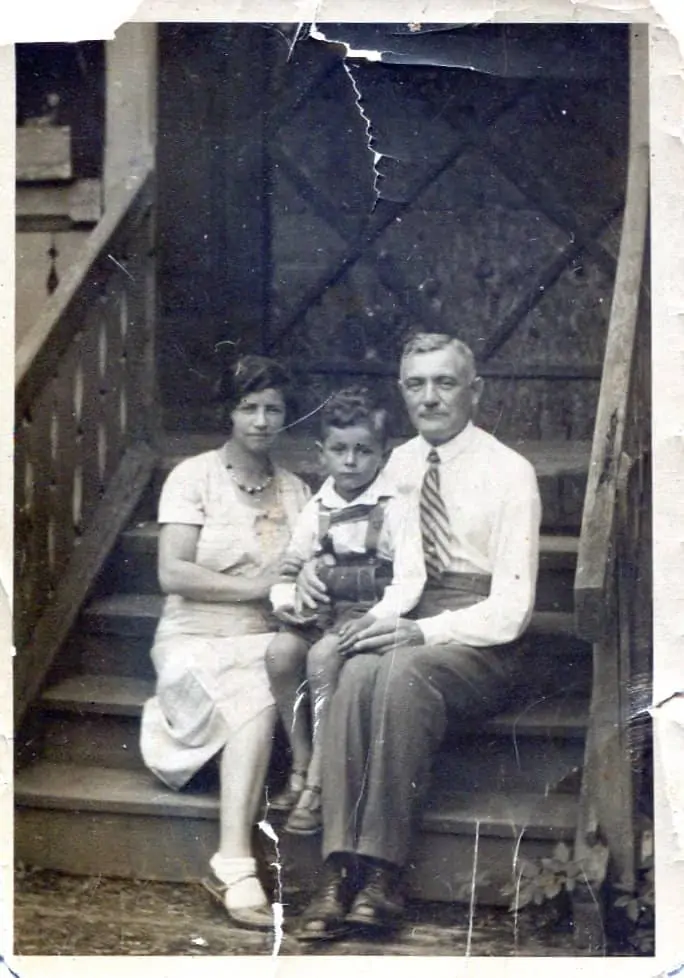
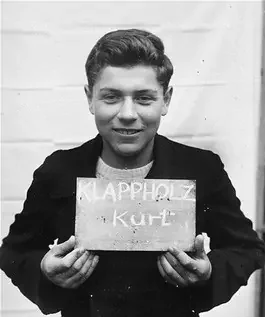
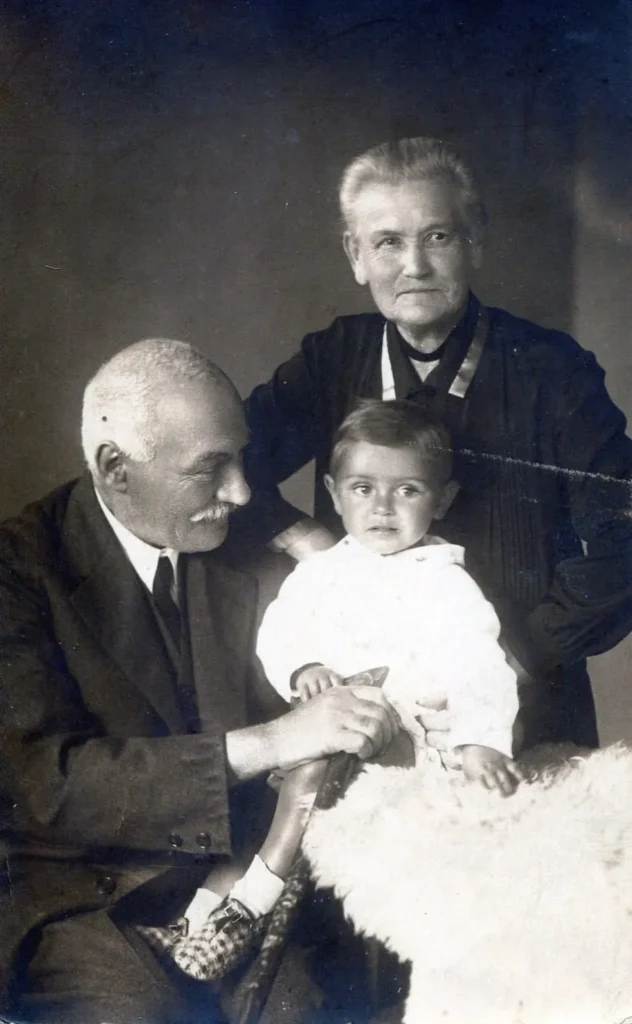
Klappholz family.Kurt Klappholz in Kloster Indersdorf, Germany in 1945.Klappholz’s with his grandparents.
Moriz and Sonia Klappholz had one son Kurt. Kurt Klappholtz went to school with fellow survivor Jan Goldberger, also one of the Boys. He remembered the school as “intensely Zionist” and was surprised that after the war he had no desire to go to the Palestine Mandate. German was widely spoken in Bielsko-Biala and was Sonia Klappholz’s mother tongue. The family did not speak Yiddish.
After the German invasion of Poland in September 1939, Bielsko-Biala was incorporated into the Third Reich and was known by its German name of Bielitz. Jews were restricted to living in an open ghetto. The Klappholz family were among them.
Moriz and Sonia Klappholz were murdered in Auschwitz. To find out more about their son Kurt click here.
Wartime
Before World War II, the region was home to significant Jewish communities. To find out about the Boys who grew up in Będzin click here, Sosnowiec click here and Częstochowa click here. Following the German invasion of Poland in 1939, Jewish communities in Poland were subjected to persecution, forced ghettoisation, and deportations. Auschwitz-Birkenau and Gross-Rosen concentration camps were established in the region. Between May and June 1942, around 20,000 individuals from Silesia were deported to Auschwitz. To find out more about the camps click here.
Aftermath
After the war, Silesia became a major centre for Jewish repatriation.
Visiting Silesian Voivodeship
>
Getting there & around
Trains run to Bielsko-Biala from Kraków and Katowice. You need a car to explore the region.
Bielsko-Biala Both Jan Goldberger and Kurt Klappholz were born in the town.
Jewish Cemetery (Aleksandrowice) Established in 1849, this is one of Poland’s most unique necropolises. It is the only cemetery where Jews, Christians, and Muslims are buried together. Site of the Great Synagogue (ul. 3 Maja 7) Once a landmark of Moorish and Romanesque Revival architecture designed by Karol Korn, the synagogue was destroyed by the Nazis in September 1939. A commemorative plaque now marks the site, which is the Jewish community centre. The area around the synagogue was the site of the ghetto.
Klobuck The Jewish Cemetery (ul. Szkolna) the cemetery was destroyed during the war and is unmarked. The town was the birthplace of Baruch Rayber.
Strzemieszyce Wielkie There are no traces of Jewish life in the hometown of Pinkus Grossman and Henryk Gruen.
Szczekociny Mendel Frajkorn’s hometown has a memorial at the site of the Old Jewish cemetery (42-445 Szczekociny)
Members of the Boys were born in Greater Poland Voivodeship in Poland.
The Boys were teenage and child-Holocaust survivors, who were brought to the UK after the war for rest and rehabilitation.
Members of the Boys were held in Nazi labour and concentration camps and used as slave labourers. They had also survived World War II in hiding or as lone children.
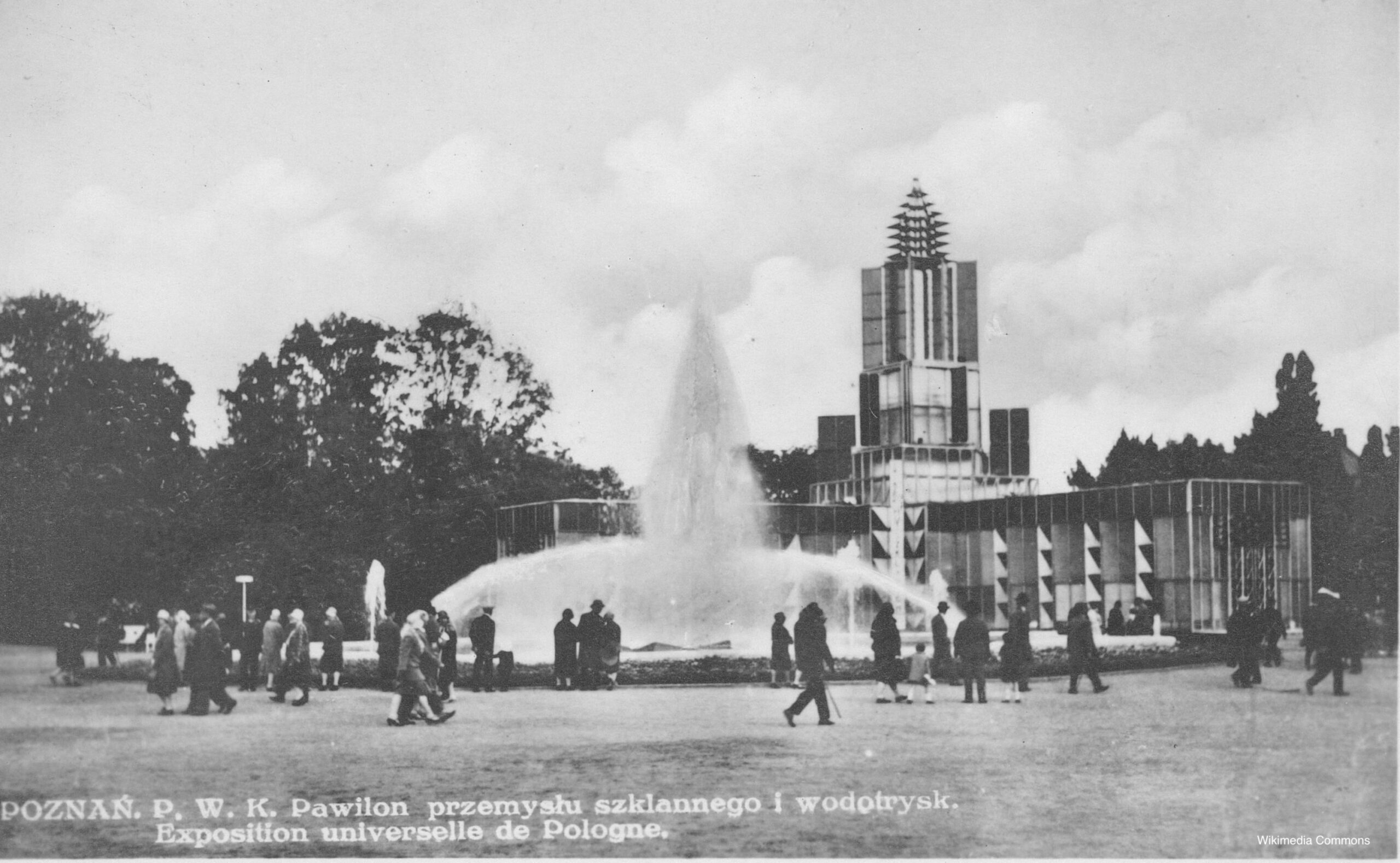
Poznań, Poland, 1929.
Greater Poland Voivodeship is in the western part of Poland roughly halfway between Warsaw and Berlin. Its principal city is Poznań.
Background
Greater Poland Voivodeship had a significant Jewish community dating back to at least the mid-13th century. By the 19th century, the Jewish population represented a notable portion of the overall population in the Poznań region. This community played a role in the city’s development, including contributions to its cultural and political life.
The Jewish population stood around 3,000 in the early 17th century when racial tensions reached their peak with the infamous 1736 trial of Rabbi Yossef, who was accused of ritual slaughter and publicly burnt at the stake.
In the 19th century Poznań County was part of Prussia and was given to the newly created state of Poland after World War I.
The Boys from the region came from Grudziadz, Konin, Poznań and Suchy.
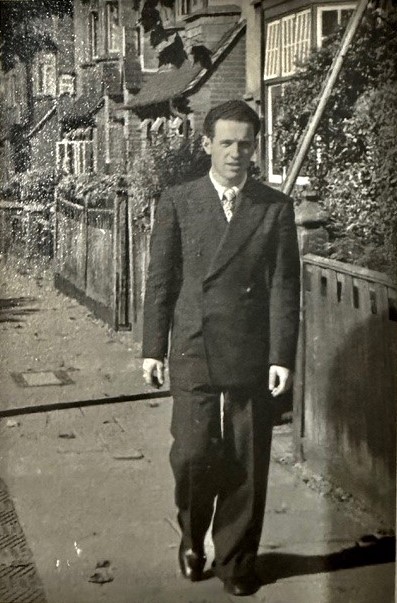
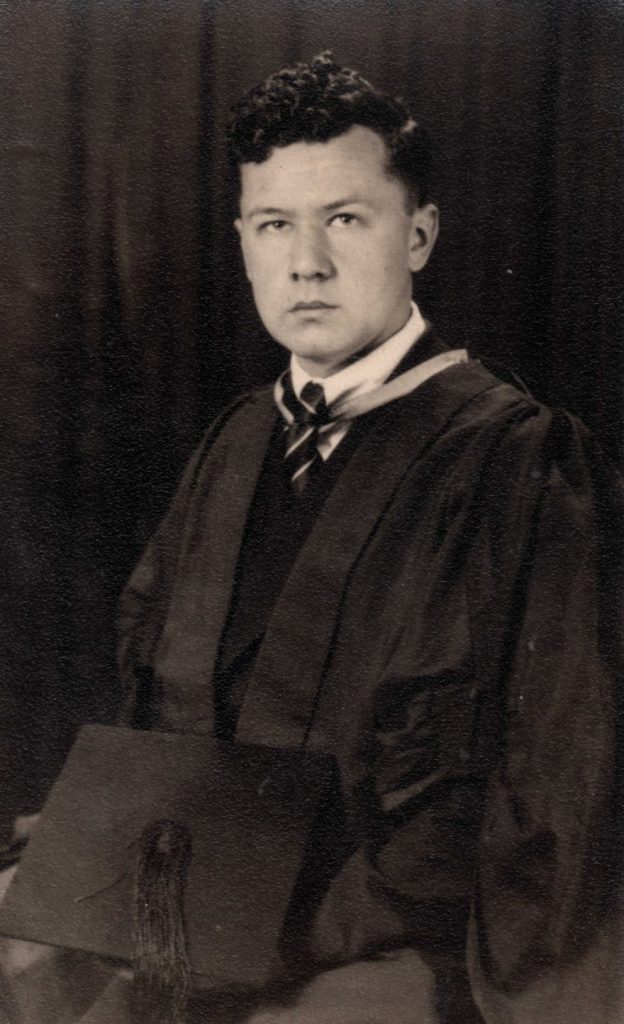
Nat WaldJerzy Herszberg
Two of the Boys from the Greater Poland Voivodeship. These pictures were all taken after World War II.
World War II
Greater Poland Voivodeship was invaded by Germany on 10 September 1939. On 8 October 1939, Poznań was annexed by Germany, and was included into a newly formed province called initially Reichsgau Posen, and later Reichsgau Wartheland.
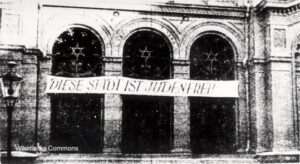
Bydgoszcz Synagogue, September 1939. The banner reads: “This city is free of Jews”.
After the outbreak of World War II, part of the Jewish community fled Poznań. In December 1939, the German campaign to make the area Judenrein (empty of Jews) led to the deportation of the Jews of Poznań. The remaining Jews were sent to labour camps from September 1939 to August 1943.
As the Soviet Red Army advanced into Poland in January 1945, Poznań was declared a Festung, meaning that it was to be defended at all costs. The battle left over 55% of the city destroyed, including over 90% of the Old Town.
Present-day
There are few Jews in the region today.
Visiting Greater Poland Voivodeship
>
Getting there Poznań is easily accessible by air, bus and rail.
Getting around It is possible to explore the region by public transport but it helps to have your own car.
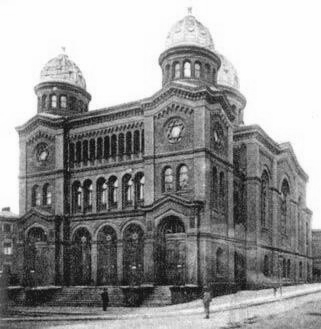
Bydgoszcz Synagogue 1920
Grudziadz The only trace of the Jewish community in Grudziadz, the birthplace of Nathan Wald, is the small Jewish cemetery on Cmentarna ul.
Konin The Jewish community in Konin, the home of Issy Hahn, was almost entirely destroyed. The former synagogue, which was used as a stable and warehouse during the war, has been is restored as a cultural space.
An online archive Akcja Konin (w akcjakonin.pl) has a useful to map.
Poznań New Synagogue (Stawna 10) Built in the early 20th century, the building was converted into a swimming pool by the Nazis. It remains in a state of disrepair. Poznań was the hometown of Jerzy Herszberg.
Suchy The village is located just north of Poznań. There are no traces of Jewish life. Suchy was the hometown of Elias Schoenberger.
Members of the Boys were born in Munich in Germany.
The Boys were teenage and child-Holocaust survivors, who were brought to the UK after the war for rest and rehabilitation.
Members of the Boys were held in Nazi labour and concentration camps and used as slave labourers. They had also survived World War II in hiding or as lone children.
Munich is one of Germany’s finest cities and the capital of Bavaria, one of the country’s most scenic regions. In the wake of Germany’s defeat in World War I, Bavaria was plunged into chaos, communist revolution and political violence. It was the perfect breeding ground for right-wing militia groups.
Although only one of the Boys was born in Munich, the city had an enormous impact on the Boys’ lives as it was the birthplace of the Nazi movement. The region was home to the Dachau concentration camp and its vast complex of subcamps through which many of the Boys passed.
Munich played a vital role in many of the Boys lives after the liberation and part of the second group of the Boys were brought to the UK from the DP camps near Munich.
Interwar Years
The German Workers’ Party, which was renamed the National Socialist German Workers’ Party (NSDAP), was founded in Munich in the 1920s and had its national headquarters in the city until 1945.
After World War I, Adolf Hitler began his political career in Munich. In 1919, he joined the German Workers’ Party and in 1921 was appointed leader of the NSDAP. In 1923, inspired by Mussolini’s March on Rome, Hitler decided to stage a coup d’état, the Beer Hall Putsch, but the plan failed when the army withdrew support. The Nazis then turned to democratic means to gain power.
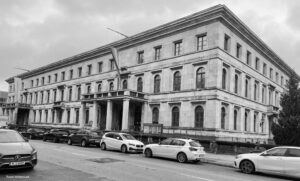
The former Führerbau, where the 1938 Munich Accords were signed.
Hitler’s trial for his role in the coup which was held in Munich made him famous across Germany. He was sentenced to five years in prison but the right-wing bias of the court meant he served just over a year of his sentence.
Although Munich was the birthplace of the NSDAP, Munich University was the home of a student resistance movement known as the White Rose, which spoke out against the Nazi regime and the persecution of Jews. Its leaders, Hans and Sophie Scholl and Christoph Probst, were executed in Munich’s Stadelheim Prison in 1943.
Before the war the city had a population of 9,000 Jews, 3,500 of whom emigrated before 1939. In 1938, 1,000 Jewish men were imprisoned in the Dachau concentration camp.
By 1933, 9,000 Jews lived in Munich, amounting to 1.2% of the population. Between 1933 and 1938, 3,574 Jews left the city.
Deportations
In November 1941, 980 Munich Jews were deported to Riga and in April 1942, 343 were deported to the Piaski Ghetto in the Lublin district. Between May and August 1942, 1,000 Jews were deported from Munich to the Theresienstadt Ghetto.
Aftermath
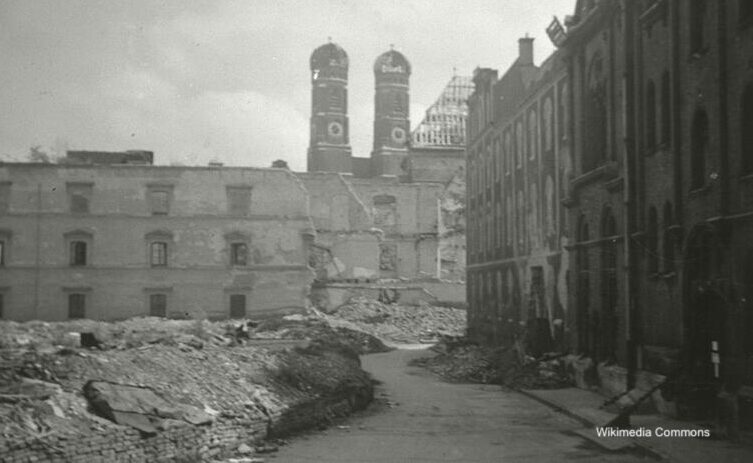
The destroyed Munich Synagogue 1945
Munich played an important part in the immediate post-Holocaust story of many of the survivors liberated in Dachau and its subcamps and of the thousands who arrived in the city by train, fleeing from eastern Europe.
Present-day
Munich has a vibrant, growing Jewish community of approximately 9,000 people, the second largest in Germany. The community is predominantly Orthodox and was revitalised by immigration from the former Soviet Union after 1990.
Visiting Munich
>
Getting there
Munich is a major hub for international flights. It is 4 hours by train from Berlin.
Getting around
The city centre can be explored on foot. There is a large car park near the Jüdisches Zentrum Jakobsplatz.
To see the former Dachau concentration camp, take the S-Bahn 2 from Munich’s main railway station (München Hauptbahnhof). The journey takes about 25 minutes. On arrival in Dachau, take bus 726 or walk to the site. Parking on site is cash only.
The S-Bahn 2 continues on to Kloster Indersdorf.
To visit Feldafing, take the S-Bahn 6. For Sankt Ottilien take the S-Bahn 4 to Geltendorf.
Trains also run from Munich to Landsberg am Lech, if you want to visit the former Kaufering camp complex
What to see
>
Jewish Community
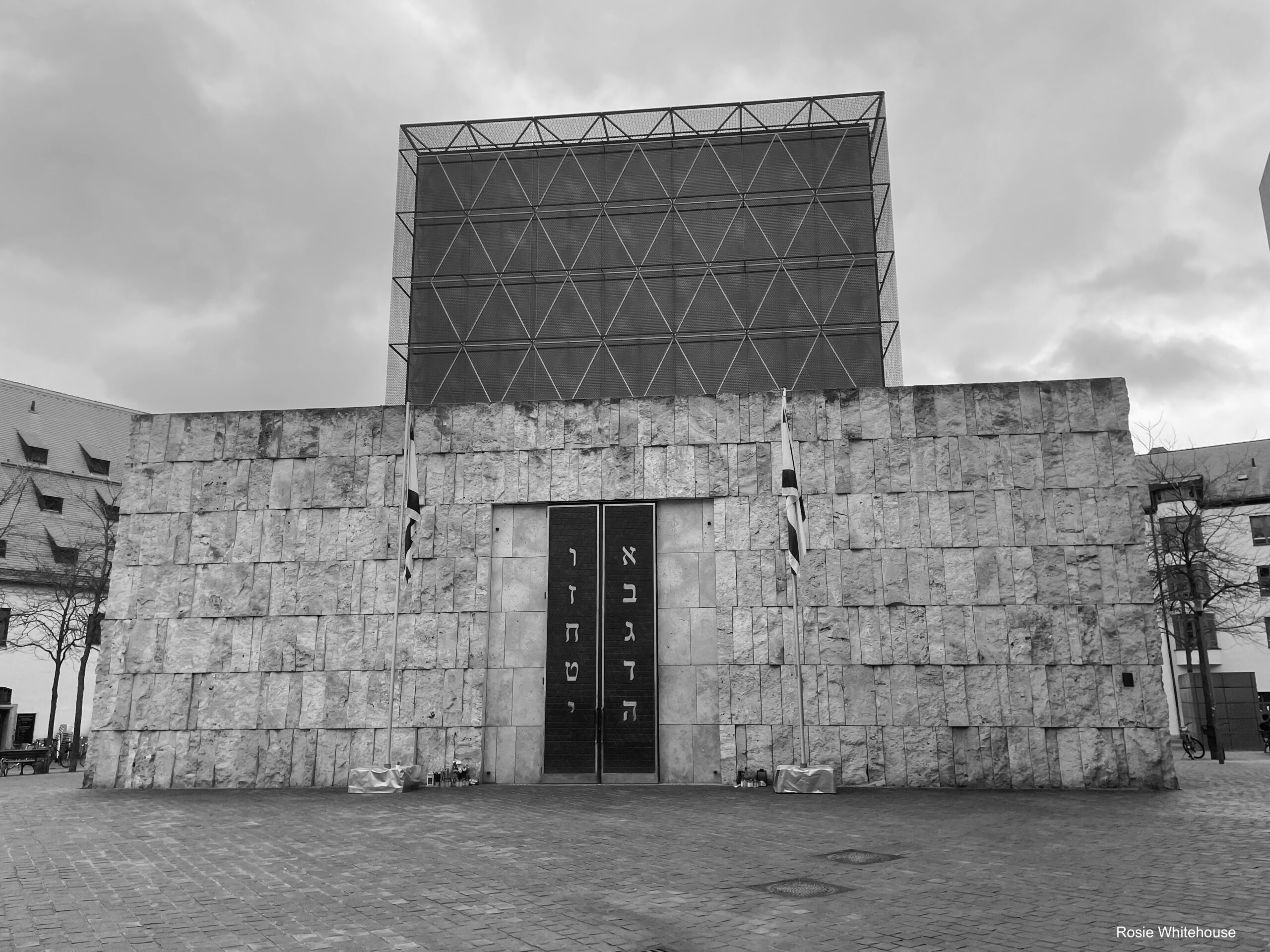
Jewish Centre (St.-Jakobs-Platz) A architectural ensemble in the city centre. It is home to:
Ohel Jakob Synagogue A stunning, modern, cubic synagogue with a glass roof, which is Munich’s main synagogue. The original synagogue was destroyed on Kristallnacht.
Jewish Museum Munich (Jüdisches Museum München) Located next to the synagogue, it covers Jewish history, culture, and art with a focus on local Munich history.
Einstein The city’s primary glatt-kosher restaurant is part of the complex.
Chabad Lubawitsch Munich is locayed Prinzregentenstraße 91
Museums
The Munich Documentation Centre for the History of National Socialism (NS-Dokumentationszentrum München; Max-Mannheimer-Platz 1; w nsdoku.de; free) This six-storey modern cube, stands on the site of the former Brown House (Braunes Haus), formerly the Palais Barlow, which was the Nazi Party headquarters. The centre, which opened in 2015, has an excellent permanent exhibition on the history of National Socialism. The website has a useful downloadable Nazi history trail. The museum is next the former Führerbau, where the 1938 Munich Accords were signed. The grand Classicist ambience of Königsplatz made the square the ideal backdrop for staging Nazi spectacles.
Memorials
Old Synagogue Memorial (Herzog-Max-Strasse 4) The memorial marks the site of the synagogue destroyed in 1938.
Kristallnacht Memorial Plaque (Marienplatz, southern side of the Old Town Hall (Altes Rathaus)) It was in the heart of Munich, in the Old Rathaus ballroom the Nazi propaganda minister Josef Goebbels initiated the pre-planned Kristallnacht pogrom on 9 November 1938. A commemoration takes place here each year on the anniversary.
Deportation Memorial (Neues Rathaus in the entrance under the clock tower on the stairs leading up to the first floor, on the right through the glass doors) A plaque remembers the Jews deported on the first deportation train to Kaunas in Lithuania in November 1941. They were all shot on arrival.
Transit Camp Memorial (North of the Olympic Park, on Troppauerstrasse in Milbertshofen) The former site of the labour and transit camp for Jews is marked by a memorial.
Cemeteries
Old Jewish Cemetery (Alter Israelitischer Friedhof, Thalkirchner Strasse 240) The cemetery was opened in 1816 and served the community until 1907. It contains approximately 5,000–6,000 preserved graves, including a 2008 memorial for Holocaust victims. Access is restricted to guided tours, as it is no longer used for active burials.
New Jewish Cemetery (Neuer Israelitischer Friedhof, Garchinger Str. 37).
Other sites
Deutsches Museum ( Museumsinsel 1) The museum was the beating heart of post-war Jewish Munich. The US Army chaplain Rabbi Abraham Klausner, who had drawn up a list of 25,000 survivors known as the Sharit Ha-Platah, set up an information office in the building, which buzzed with people searching for relatives. Survivors wrote their names on the wall and where they intended to go next. Sadly there is no record of these momentous events but it well worth visiting the museum and using you imagination.
Visiting Dachau , its subcamps & the DP Camps
>
Dachau Memorial Site (Gedenkstätte Dachau; Alte Römerstrasse 75; w kz-gedenkataette-dachau; free). Dachau, one of the most notorious Nazi concentration camps, played a major role in many of the Boys’ lives. It is just 20km north of Munich.
To find out more about the Dachau concentration camp and its subcamps: click here.
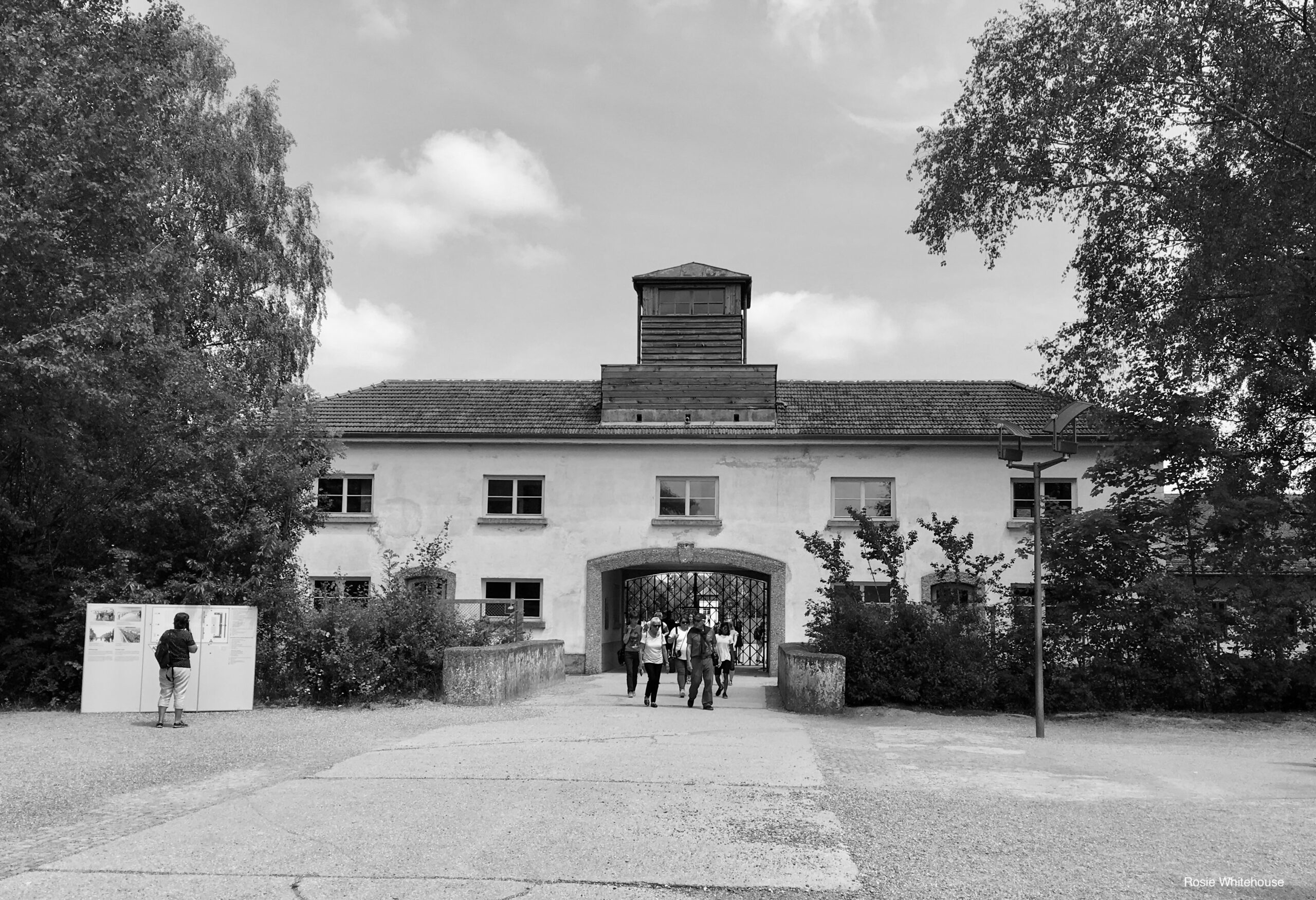
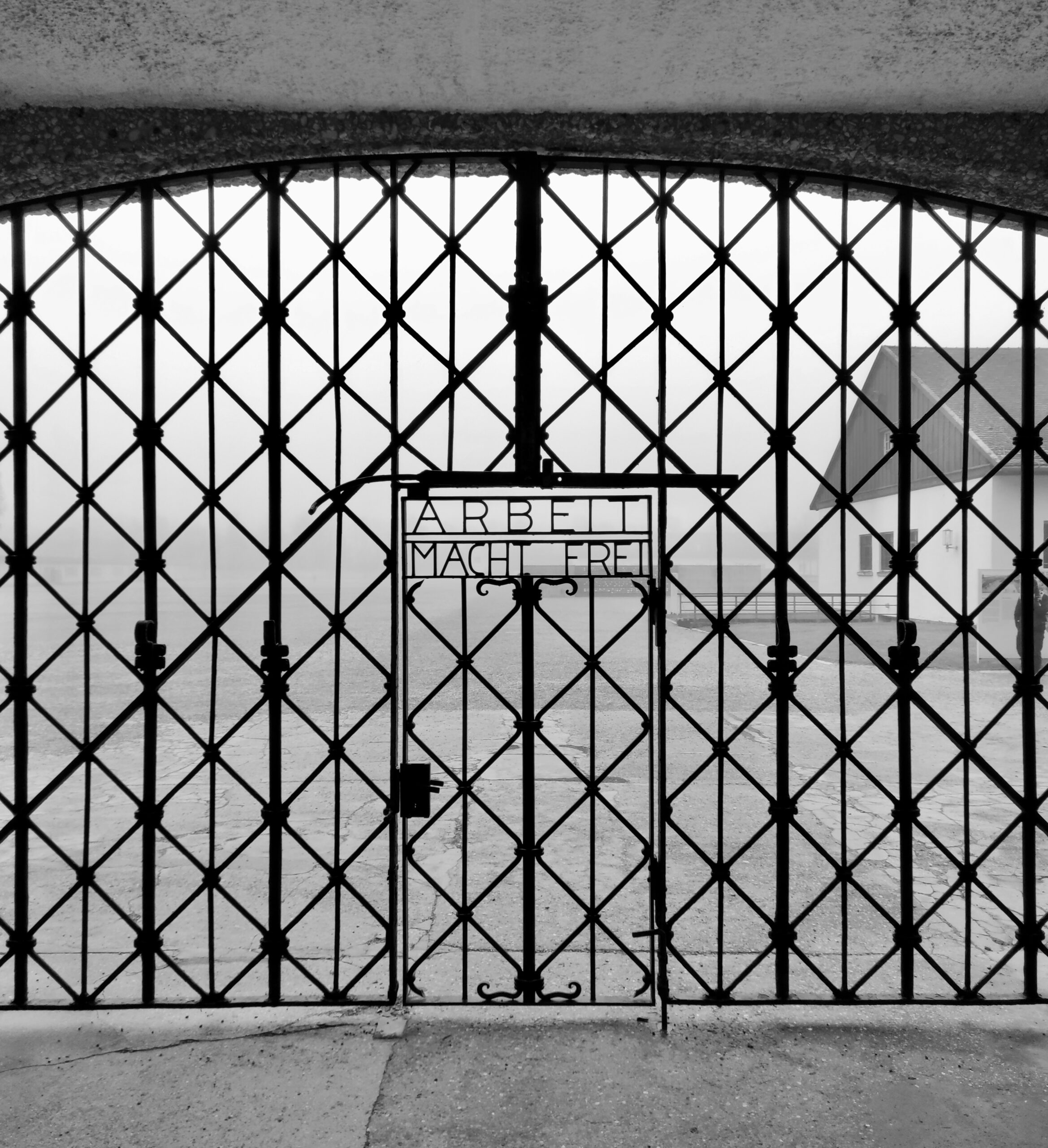
The gatehouse of the former Dachau concentration camp.
What to see
The original complex was a vast site with massive warehouses and storerooms, much of which is not accessible to the public. The memorial website has a selection of audio guides and is worth looking at before your visit.
Tourists enter through a small gateway in the larger main gate, in which, worked into the metal, are the infamous words Arbeit Macht Frei, Work Sets You Free. The gate leads into the roll call area where prisoners were counted and made to stand for hours in terrible conditions. Many of the prisoners brought to Dachau on the death marches died on the square.
Much of the original camp still stands and two barracks have been restored to their wartime condition. The main exhibition housed in the camp’s farm buildings, laundry and supply rooms is extensive. It documents the history of the camp, the rise of the Nazis and the ‘Final Solution’. Visitors can also see the crematoria, the gallows and gas chamber (built in 1942 but never used for mass murder), and the necropolis.
Outside the parameters of the memorial there are a number of other sites including the mass graves and the Death March memorial on the junction of Theodor-Heuss and Sudetenland streets.
Kloster Indersdorf Covent
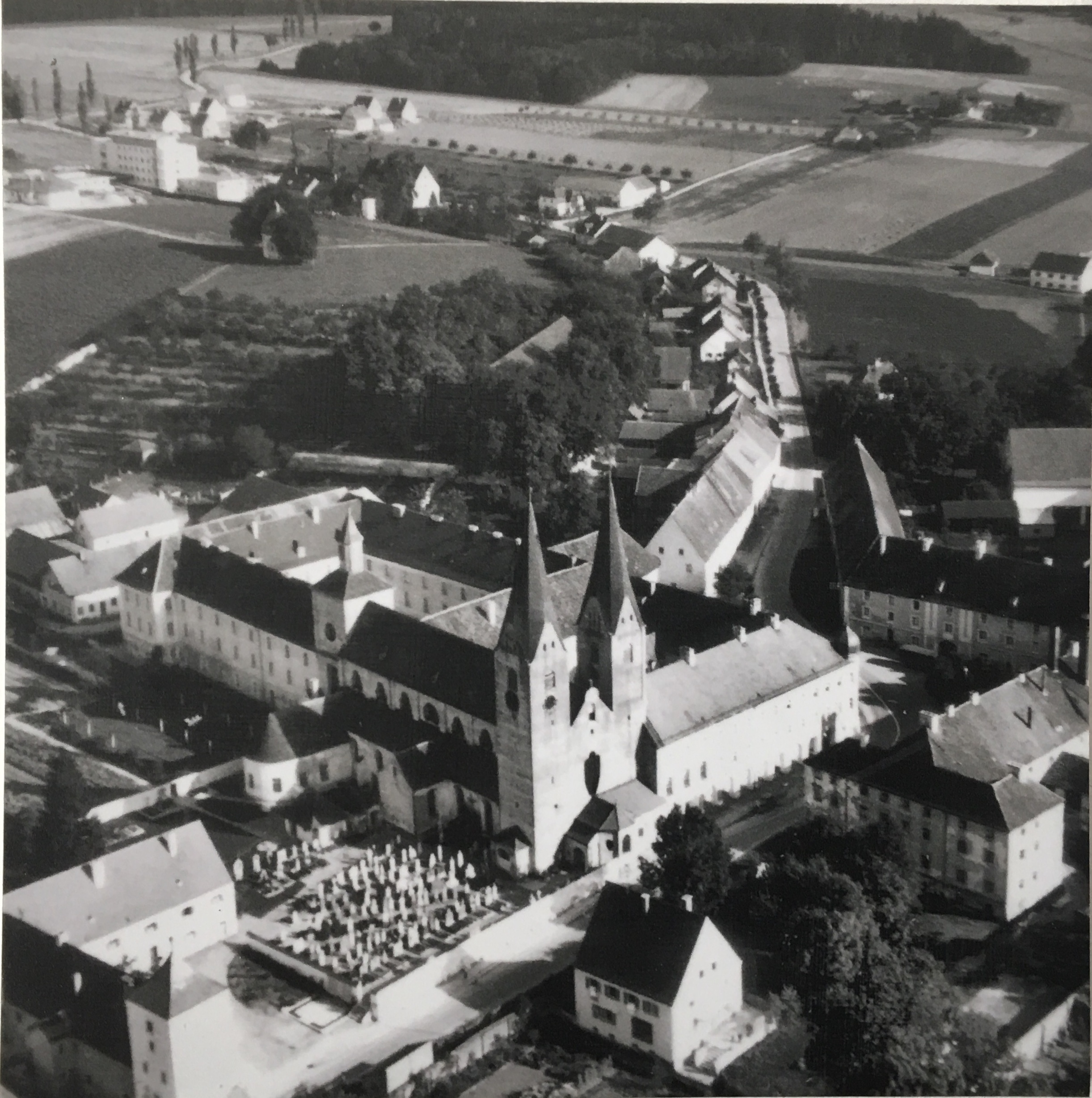
Ariel view of Kloster Indersdorf c 1945.
Kloster Indersdorf
The children’s home was located in the town of Markt Indersdorf, 15km north of Dachau. The convent played a remarkable role in the rehabilitation of the Boys after the liberation.
To find out more about the Kloster Indersdorf DP camp click here.
There is a small exhibition at the convent, the Augustiner Chorherren Museum (Marienplatz 1; entry fee). The final room in the museum tells the children’s story and displays copies of the photographs, which can also be seen here.
Feldafing
On the northwest shore of Lake Starnberg (Starnberger See), 36km southwest of Munich, Feldafing is an extraordinarily important place in Jewish history which has been virtually forgotten.
After the war, a former Nazi school here became the first displaced persons camp that was exclusively Jewish.
Feldafing DP Camp played an important role in the lives of many of the Boys after the liberation.
Although there is nothing to see at the camp today, the lake is a beautiful place to contemplate this important piece of history.
Föhernwald DP Camp
Erinnerungsort BADEHAUS (Bathhouse Remembrance Site, Kolpingplatz 1), which is located in what was formerly the Föhrenwald camp and is now the town of Waldram (part of Wolfratshausen) is dedicated to the former DP camp.
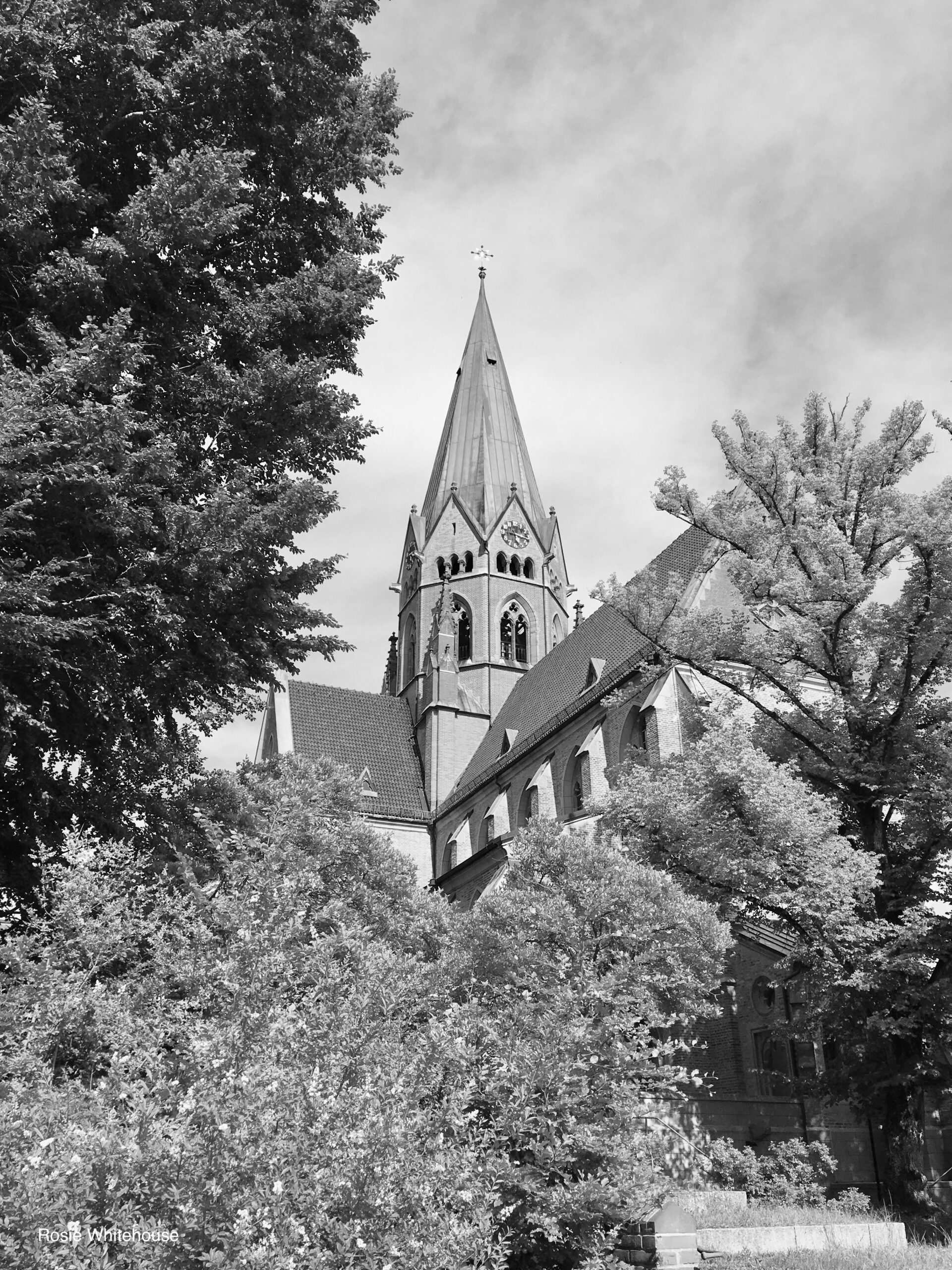
St Otillien Monastery (Erzabtei Sankt Ottilien; Erzabtei 1, Eresing; w dphospital-ottilien.org; free) This large baroque monastery is surrounded by lush farming land 45km west of Munich. The monastery was the unlikely setting for a Jewish cultural and nationalist revival after the Holocaust.
It was both a hospital and maternity home. It played a role in the lives of some of the Boys. To find out more click here.
There is a small exhibition and plaques across the site. There is also a restaurant and bierkeller.
The Kaufering Camp Complex
The camp was near Landsberg am Lech, 19km southwest of St Ottilien. Landsberg am Lech was where Hitler started to write Mein Kampf while imprisoned after the failed Munich Putsch of 1923.
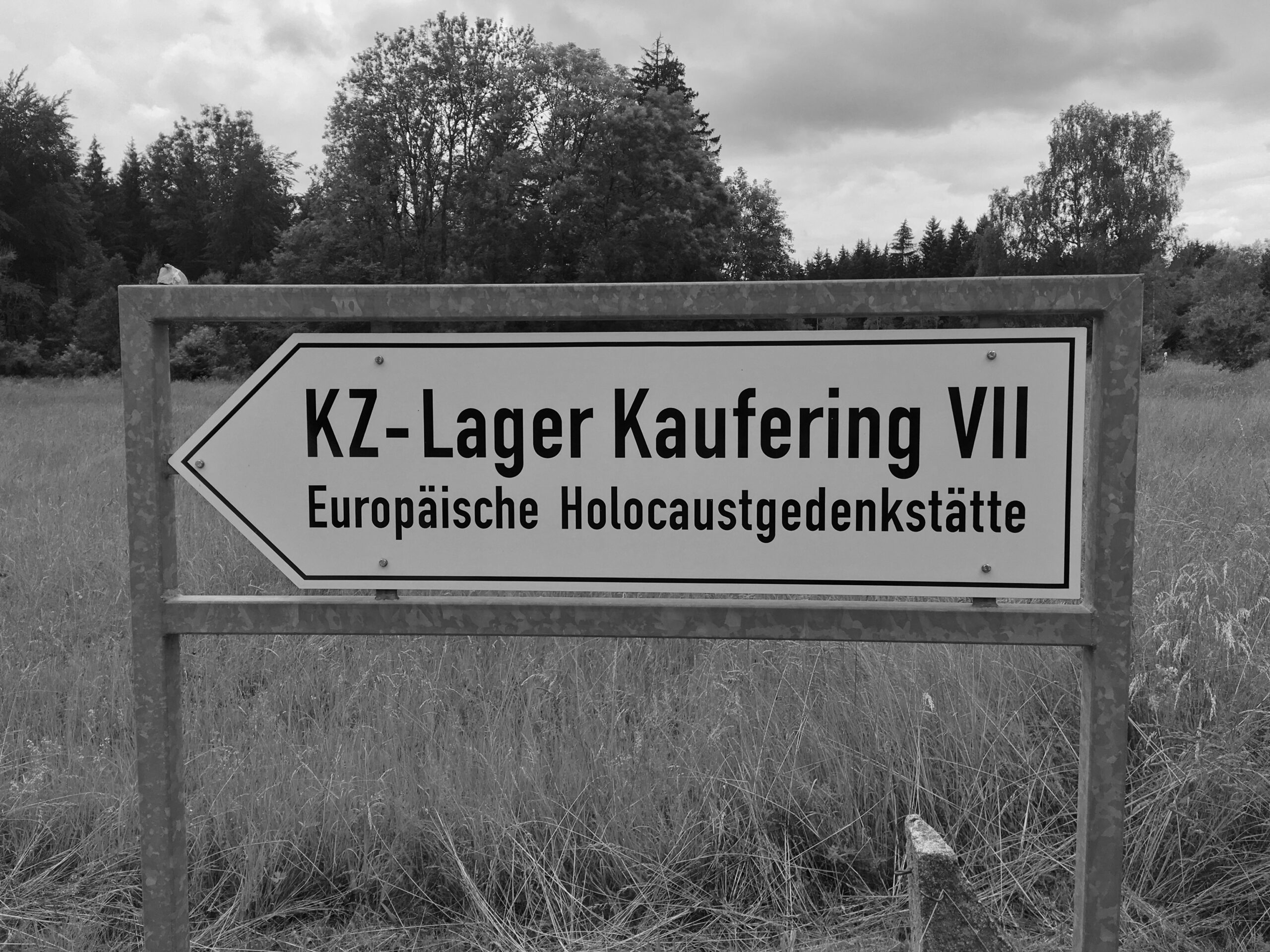
European Holocaust Memorial (Europäische Holocaustgedenkstätte; Erpftingerstrasse; w kaufering-memorial.de/en; ( by appt, ask in the tourist office in Landsberg for details;) The organisation owns part of the former Kaufering concentration camp. The site, which has extensive information boards, can also be seen from the perimeter fence.
Landsberg was also the site of another exclusively Jewish displaced persons camp where some members of the Boys spent time. For more about the camp click here.
What to read
>
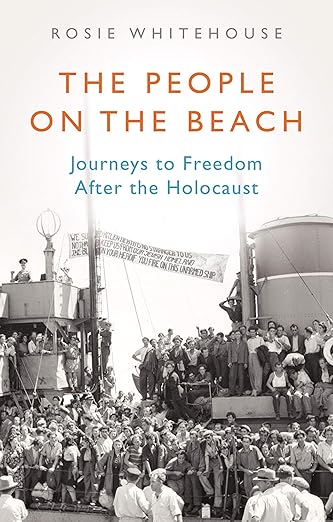
The People on the Beach: Journeys to Freedom after the Holocaust (Hurst, 2020) Rosie Whitehouse Discover the story of post-war Munich and the key part it played in the lives of the Boys. To read more click here.
A Rage to Live (Create Space, 2018) Anna Andlauer tells the story of the children cared for in the Kloster Indersdorf DP camp, among them members of the Boys. To read more click here.
Members of the Boys were born in Minsk in Poland, which is now part of Belarus.
The Boys were teenage and child-Holocaust survivors, who were brought to the UK after the war for rest and rehabilitation.
Members of the Boys were held in Nazi labour and concentration camps and used as slave labourers. They had also survived World War II in hiding or as lone children.
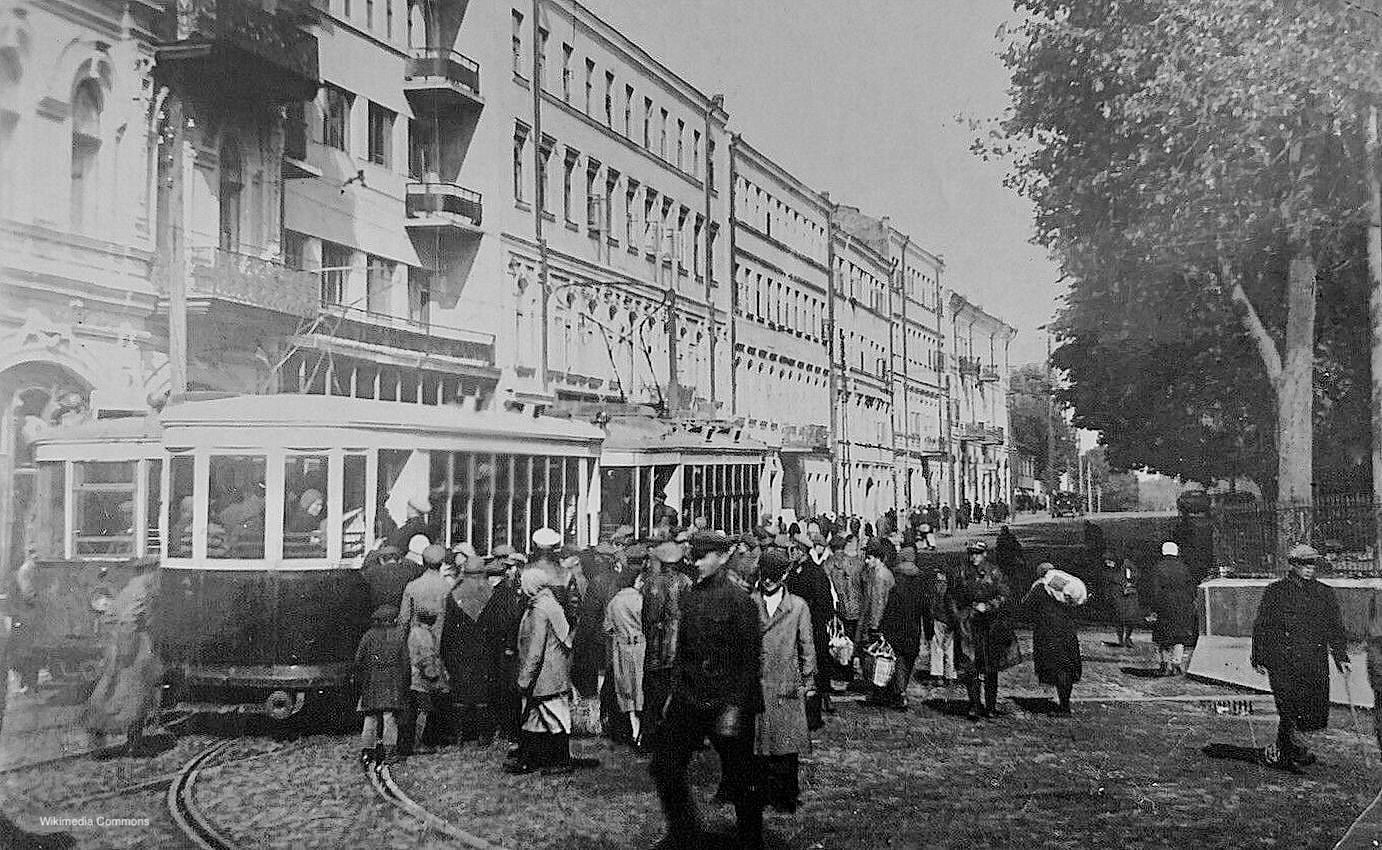
Minsk, Poland in the 1930s.
During the 17th and 18th centuries, Minsk became a centre for Jewish religious scholarship; its first yeshiva was founded in 1685.
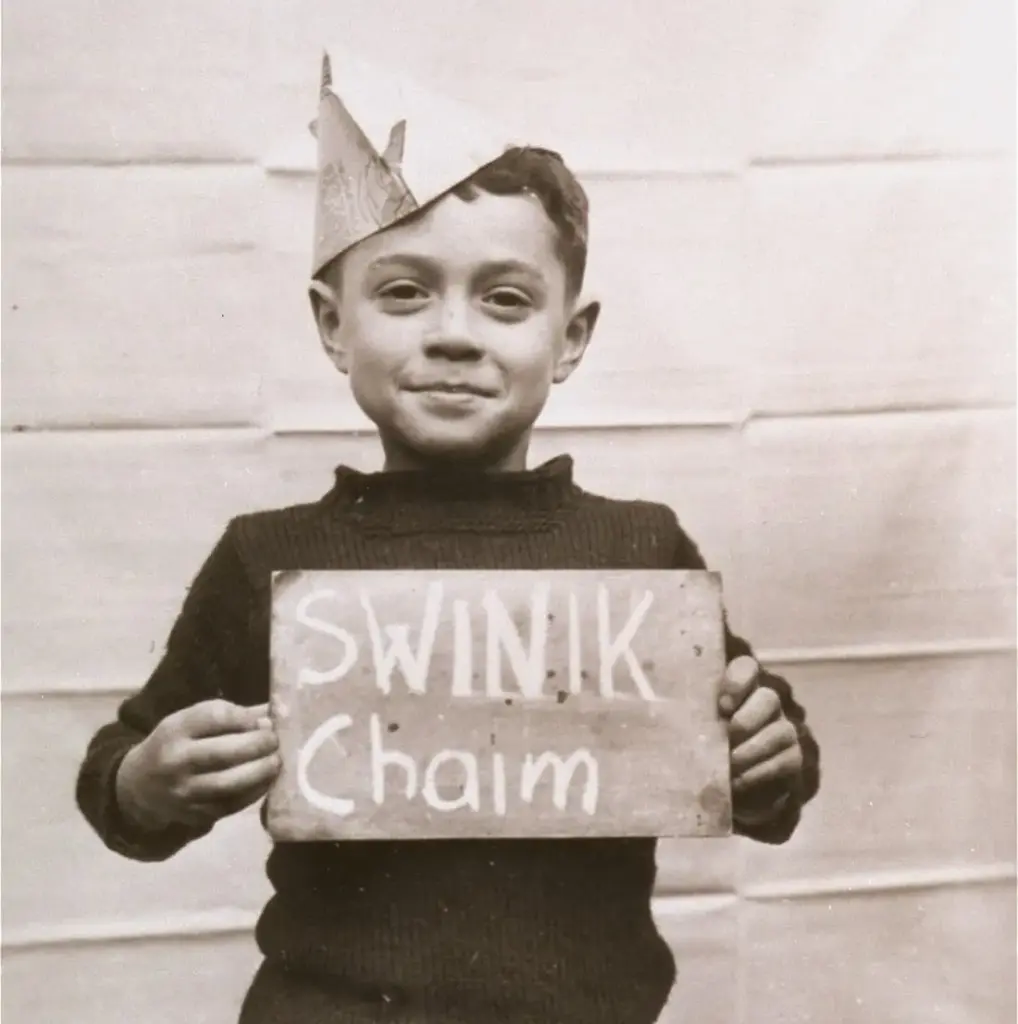
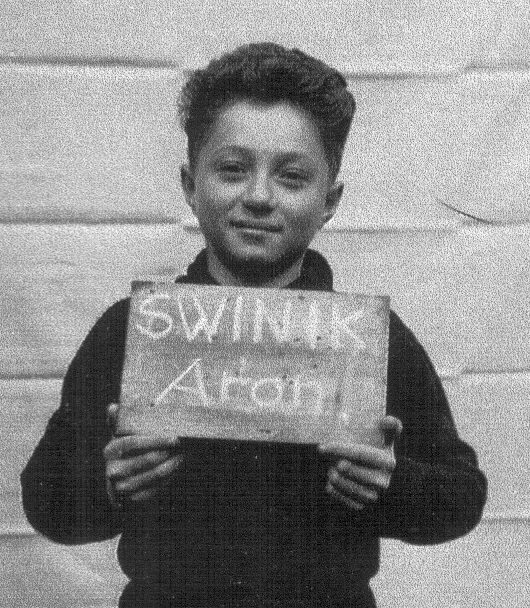
Chaim SwinikAron Swinik
Minsk was the birthplace of the Swinik brothers. These pictures were taken at the Kloster Indersdorf DP camp after the liberation.
During the 19th century, Minsk was home to one of the largest Jewish communities in the Russian empire: in 1847 the city was home to some 13,000 Jews. By 1897, Jewish settlement had increased more than threefold, becoming the fourth largest community in the Pale of Settlement.
In 1926, Minsk, the capital of the Byelorussian SSR, had a Jewish population of 53,700, nearly 41% of the city’s inhabitants.
The Germans entered Minsk on 28 June 1941. A ghetto was created one month later. Between 1941 and 1943, the Minsk ghetto was the largest in occupied Europe with 100,000 occupants. To find out more about the ghetto and the Boys held in it click here.
Visiting Minsk
>
Getting there
Owing to the current political situation and ongoing war in Ukraine, it is necessary to check the most up-to-date information on which border crossings are open. Normally, there are trains from Warsaw to Minsk and good international connections by air to Minsk.
Getting around
The metro is the best way to get around Minsk. To visit the former concentration camp at Maly Trostenets, it is best to take a taxi.
The only buildings that date from the ghetto period are on ul. Rakaŭskaya. A plaque installed in 2005 at ul. Gebelev 5 commemorates Mikhail Lievovich Gebelev, one of the leaders of the resistance movement.
Yama (The Pit) (ul. Melnikajte )A moving sculpture depicting a line of men, women and children descending into a pit, remembers the events of 2 March 1942, when approximately 5,000 Jews were executed near where the memorial now stands.
The Holocaust Workshop (Историческая мастерская; ul. Sukhaya) The research centre is in a house that formerly belonged to a Jewish family and is over 100 years old. Across the street from the museum, the old Jewish cemetery has several Holocaust memorials.
Further afield
>
Maly Trostenets
The little-known Maly Trostenets labour and extermination camp was the largest Nazi concentration camp in the occupied Soviet Union. The camp was located in what is now a suburb of Minsk.
It was here that the mother of Jackie Young, one of the Boys, was murdered. From May to October Jews deported from the Reich were also shot in the nearby forests.
Trostenets Memorial Complex (Мемориальный Комплекс Тростенец; Bd Sialichkaha; free) is located southeast of Minsk city centre near the intersection of the M1 and M4 motorways. The park stretches over a large area and includes three distinct parts: the site of the former labour camp and the execution sites in Blagovshchina Forest and the Shashkova Woods.
Members of the Boys were born in Maramures County in Romania.
The Boys were teenage and child-Holocaust survivors, who were brought to the UK after the war for rest and rehabilitation.
Members of the Boys were held in Nazi labour and concentration camps and used as slave labourers. They had also survived World War II in hiding or as lone children.
Synagogue in Sighet, Romania.
Before May 1944, Maramures had over 150 Jewish communities. The prinicapl city of Satu-Mare was a centre of Jewish Orthodoxy and Hasidism. It was the home of Rabbi Joel Teitelbaum, the founder and leader of the Satmar Hasidic sect. In the 1920s, there were several Zionist organisations in Satu-Mare. The yeshiva, one of the largest in the region, was attended by 400 students.
In August 1940, under the auspices of Nazi Germany, which imposed the Second Vienna Award, the region was transferred back to Hungary with the rest of Northern Transylvania.
Civil and economic rights of the Jews were restricted as they were across Hungary. Satu-Mare was now known by its Hungarian name of Szatmárnémeti.
In summer 1941, those Jews who could not prove Hungarian nationality were deported to Kamianets-Podilskyi, where they were murdered in a mass shooting.
Deportation
Germany invaded Hungary in March 1944.
On April 26, 1944, the Nazis established ghettoes in Szatmárnémeti and Sighetu Marmației.
In May 1944, 150,000 Jews were deported from the Maramures region to the Auschwitz-Birkenau concentration and extermination camp. 90% of the Jews who lived in the region were murdered in the Holocaust.
Liberation
After World War II, a handful of survivors returned to the region.
In 1947, there were about 7,500 Jews living in Satu-Mare. Many of these Jews were from southern Transylvania and other parts of Romania where the Jewish communities survived almost intact.
Present-day
Today, Jewish life in Maramureș is almost non-existent but many historic buildings remain.
Visiting the Maramureș Region
>
Getting there
There are airports in both Baia Mare and Satu-Mare with direct flights from Bucharest. A direct overnight sleeper train runs daily to Baia Mare and Sighetu Marmației from Bucharest.
Getting around You will need a car to explore the rural areas, A bus runs from Satu-Mare to Sighetu Marmației. Sighetu Marmației is 109km east of Satu-Mare.
What to See
Satu-Mare
Ghetto Location
The heart of what was the ghetto is now Strada Martirilor Deportați, known as Báthory Street during the Hungarian occupation.
Memorials
In 2004, a monument was dedicated to the memory of the 18,000 Jews from the town and its surrounding area who were murdered in the Holocaust. On Decebal Street, situated between the Great Orthodox Synagogue and the older Orthodox prayer house, the monument is an eight-tonne block of stone set on a pedestal. There is an earlier monument in the Orthodox cemetery (Strada 9 Mai 1877) in the form of a chapel.
Sighetu Marmației
Memorials
At the station on Strada Gării, a plaque commemorates the deportation.
There were just a handful of survivors who returned to Sighet after the liberation. They erected a monument to those who had been murdered, on Strada Gheorghe Doja 75 where the town’s largest synagogue once stood.
The town was the childhood home of the 1986 Nobel Peace Prize winner Elie Wiesel, who was in the Auschwitz III concentration camp with members of the Boys. The Elie Wiesel Memorial House (Str. Tudor Vladimirescu 1; entry fee) is where Wiesel was born in 1928. The small museum is dedicated to the victims of the Holocaust and the Jewish way of life before World War II.
The Boys were teenage and child-Holocaust survivors, who were brought to the UK after the war for rest and rehabilitation.
Members of the Boys were held in Nazi labour and concentration camps and used as slave labourers. They had also survived World War II in hiding or as lone children.
Orthodox Synagogue Makó, Hungary.
Makó is a town in Csongrád County, in southeastern Hungary. The renowned journalist and publisher Joseph Pulitzer was born in Makó.
Background
Jews began settling in Makó in the 18th century, forming a community with its own Chevra Kadisha (burial society) and eventually having several rabbis. The community established a Jewish school, a women’s association, a students’ aid society, and a women’s lying-in hospital.
Jews traded onions and other vegetables. The community played a significant part in the modernisation of the town in the late 19th century.
By the early 20th century, however, there was widespread resentment of the level of success Jews had achieved in Hungarian society. In 1900, 1,642 Jews lived in Makó, less than 5% of the total city population of 33,722.
Interwar Years
The 1920 Treaty of Trianon stripped Hungary of two thirds of its territory. A sense of grievance and shock fed a fanatical nationalist movement which soon acquired an authoritarian nature, which in turn fuelled growing antisemitism.
Ivor Perl in 1945.
“I was born in a place called Makó, in southern Hungary, on 4 February 1932. The area is known worldwide for the quality of its onions and garlic. We lived in a bungalow at Nagychilaguta 17, which I have been telling my family was a huge house with a substantial garden. When we eventually went back to Makó, after 50 years, I could not believe how small the place was. I wonder how we all lived there – from what I remember – very comfortably, at least until the later part of the war.
The bungalow, which my parents had built, was made from bricks, mud and straw (which was the norm at the time). It had a rendering of a sort, the composition of which I cannot remember, but it was obviously effective against the heat in summer and the cold in winter.”
Jews in Hungary were persecuted from 1920 onwards. Hungary’s 1938–41 racial laws were modelled on Germany’s Nuremberg Laws. By reversing the equal citizenship laws of 1867, the government excluded the Jewish community from Hungarian society.
1944
After the German invasion in 1944, a ghetto was set up for the 3,000 Jews of Makó and the surrounding area. They were later transferred to Szeged and then deported to Auschwitz, although some were sent to Austria.
Visiting Makó
>
Getting there
The nearest airport to Makó is Timisoara. A bus runs from Budapest (roughly 3hr journey time).
What to see
The Orthodox Synagogue (Vorhand Rabbi tér 3) Built in 1870, this is the only remaining synagogue in the town and the second-largest of its kind in Hungary.
Cemetery (Makói járás, Csongrád) The town is a site of pilgrimage, with hundreds of visitors arriving annually to pay respects at the grave of Rabbi Mózes Vorhand.
Members of the Boys were born in Luck in Poland, which is now Lutsk in Ukraine.
The Boys were teenage and child-Holocaust survivors, who were brought to the UK after the war for rest and rehabilitation.
Members of the Boys were held in Nazi labour and concentration camps and used as slave labourers. They had also survived World War II in hiding or as lone children.
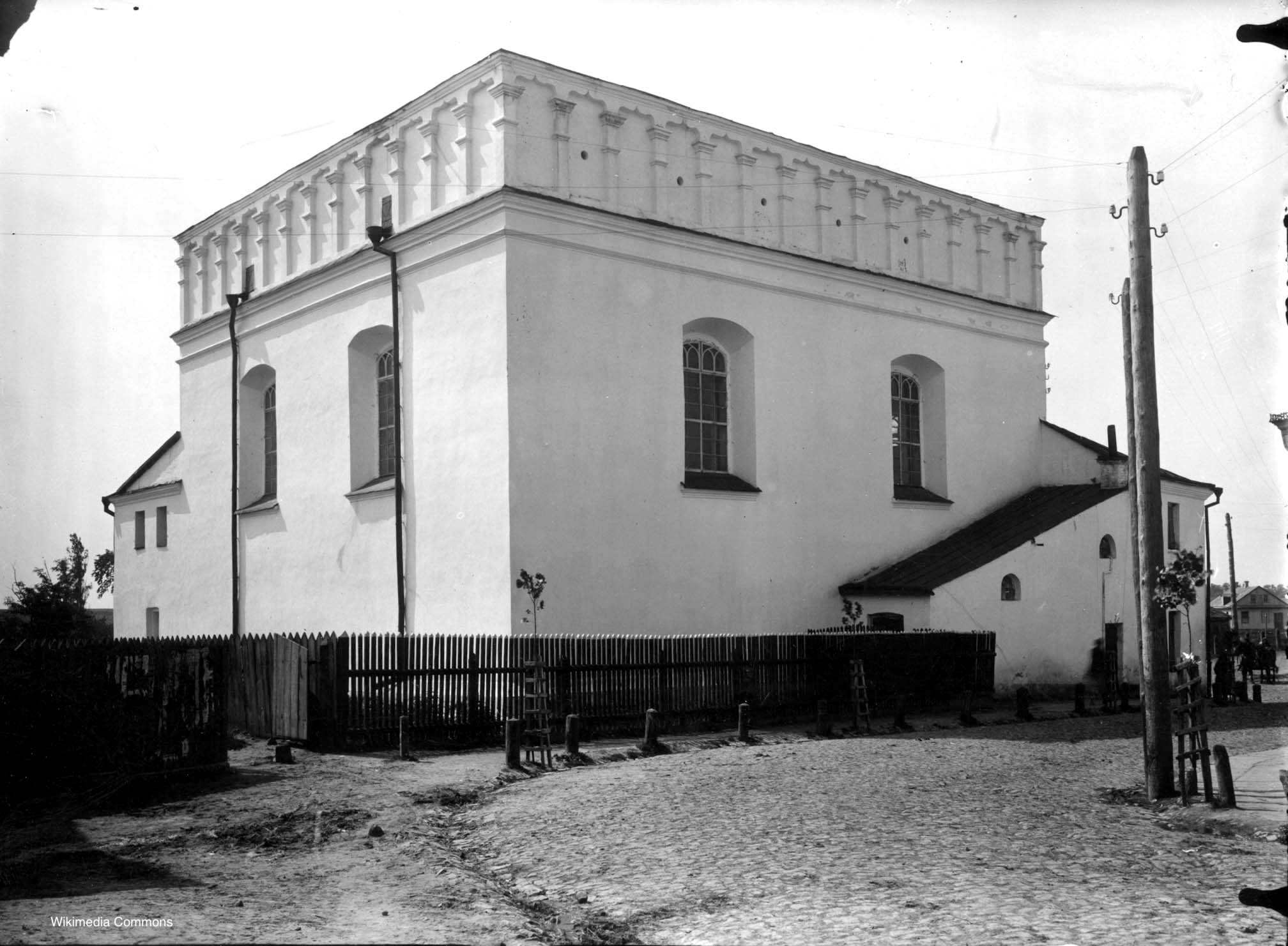
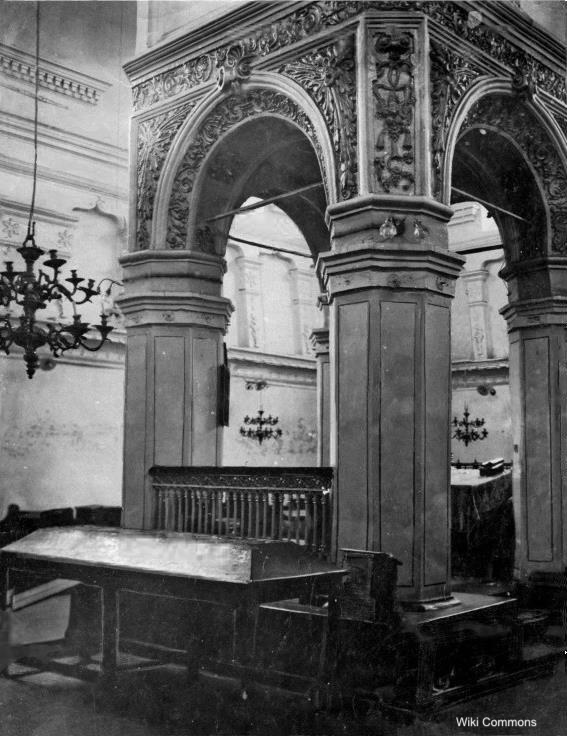
Photograph of the former Great Synagogue.
Lutsk is a city on the Styr River in northwestern Ukraine. Before World War II it was part of Poland.
Background
The earliest references to Jews in Lutsk date to 1409. In 1432, the town’s Jews were granted rights equal to those of their counterparts in Kraków and Lithuania.
In 1795, as a result of the Third Partition of Poland, the Russian empire annexed Lutsk. The town’s Jewish population grew as a result of Russian imperial legislation (in 1804) that evicted Jews from villages. Despite frequent fires and the threat of expulsion—Lutsk was included in the list of border towns prohibited to Jews in 1844—the community continued to grow in the 19th century.
It remained part of Russia until 1915 when it was occupied by Austria-Hungary. During the Polish-Bolshevik War, on 16 May 1919 the city was occupied by the newly established Polish state.
In the 1920s and 1930s, Lutsk was a provincial centre, where all the large Jewish political parties were active. In addition to Jewish schools, the town hosted a Bet Yosef yeshiva and about 50 synagogues and prayer houses belonging to various religious and professional groups.
World War II
Under the Molotov–Ribbentrop Pact, Lutsk, along with the rest of western Volyn, was annexed by the Soviet Union in September 1939. The Soviet authorities closed down political, charitable, communal, and cultural institutions, arresting business leaders and political figures.
The Germans occupied Lutsk during the invasion of the Soviet Union in June 1941. They overlooked the Soviet killings of Poles and Jews prior to their withdrawal. But the killings of Ukrainians were documented and the Jews were to be held responsible for what the Soviets did as they were generally regarded as Soviet collaborators. The Ukrainian People’s Militia organised a pogrom and burned the synagogue.
During the Nazi occupation, most of the Jewish inhabitants of the city were forced into the Luck Ghetto, and then murdered at an execution site not far from the city. In total, more than 25,000 Jews were executed at point-blank range.
Aftermath
The Red Army occupied Lutsk on 2 February 1944. Only about 150 Jews emerged from hiding. The Jewish community was never restored.
Visiting Lutsk
>
The Jewish community of Lutsk is one of the oldest in Vohlynia.
Getting there Located 152km south of Lviv, the easiest way to get to Lutsk is to take the bus or drive from Lviv. A train trip requires at change in Rivne.
Note that the UK Foreign Office advises against travel to Ukraine because of the ongoing Russian invasion.
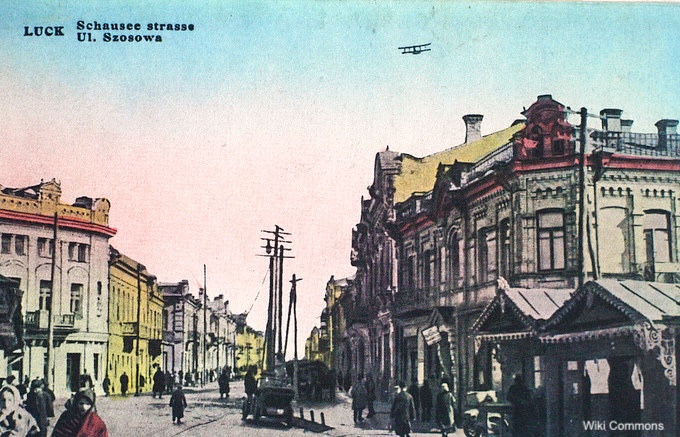
Old postcard of Luck, Poland
Synagogues
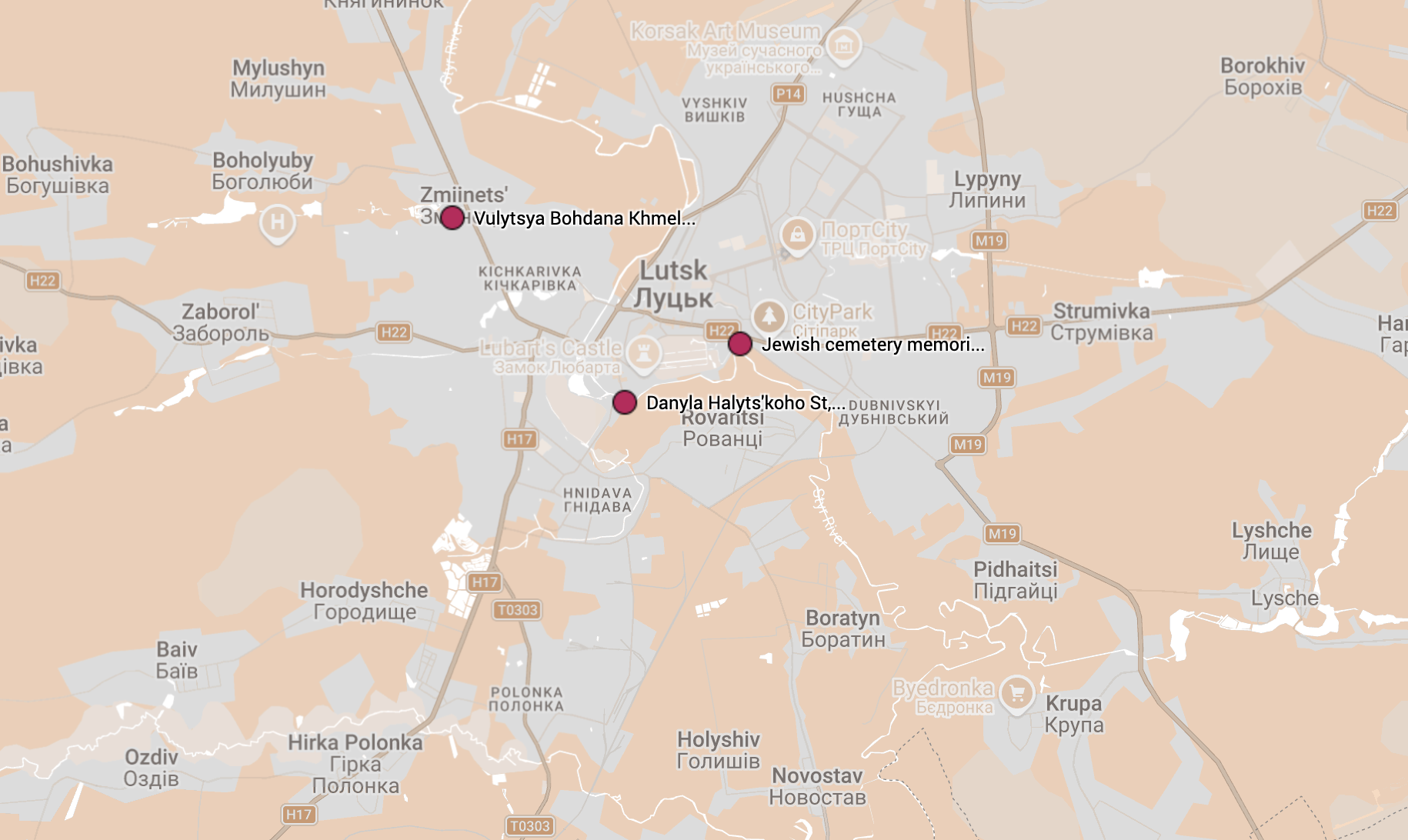
The Great Synagogue (Danyla Halytskoho ul. 33) Located in the former Jewish area, this Renaissance-style building was damaged during WWII. It later served as a sports club, and was transferred to the local Chabad community in 2021.
Synagogue buildings still stand at: Karajimśka 36; Chmelnyćkoho 40; Pjatnyćka hirka 3 and Senatorky Lewczaniwśkoji 11.
Jewish Community (Ukrainian: Хмельницького, 6; Khmelnytskoho 6)
Memorials
Holocaust Memorial (Polanka) The memorial stands on a hill south of the city north of the village of Polanka just off the T0303. In the summer of 1942, during the liquidation of the Lutsk ghetto, the Jewish population was brought here and forced to dig pits. The Jews were then ordered to undress and lie in the pits. The Germans then shot them. It is estimated that in August 1942, over 25,000 Jews from Lutsk and the surrounding area were murdered here.
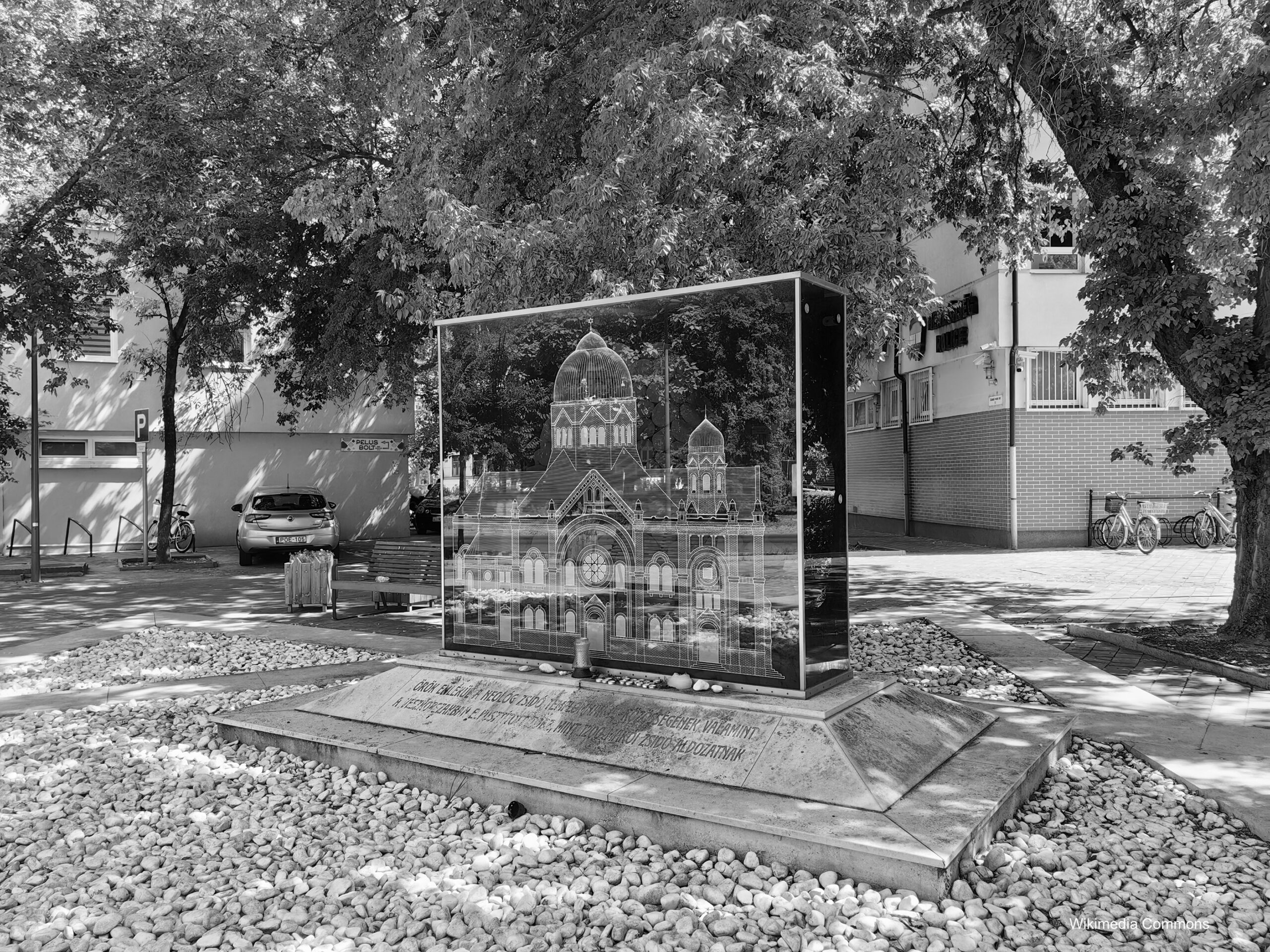
Jewish Cemetery Memorial (Intersection of Bohdana Khmelnytskyi (Ukrainian: Bohdana Khmelnytskoho, Богдана Хмельницького ) and Zapovitnoya (Ukrainian: Zapovitna, Заповітна ) Streets.) The cemetery was completely destroyed by the Germans. The monument was erected in 2016.
Members of the Boys were born in Lublin Voivodeship in Poland.
The Boys were teenage and child-Holocaust survivors, who were brought to the UK after the war for rest and rehabilitation.
Members of the Boys were held in Nazi labour and concentration camps and used as slave labourers. They had also survived World War II in hiding or as lone children.
Lublin Ghetto, Poland in December 1939.
Lublin Voivodeship is located in eastern Poland. Its capital is the city of Lublin. Other cities and towns of historic importance are Chełm, Kazimierz Dolny and Zamość.
The Lublin area played an important role in the story of the Boys
In 1942 Lublin became the base of Operation Reinhard (Aktion Reinhardt in German), the codename for the mass murder of Polish Jews living in the General Government area, which was the largest mass murder in history. The SS ran the operation from Lublin. The university’s law faculty on Spokojna 1 was where the deaths of 2m Jews were orchestrated.
Many of the Boys’ families were murdered in the extermination camps of Bełźec, Sobibór and Treblinka. Lublin was also the site of the Majdanek concentration camp where many of the Boys were held and their families lost their lives.
Background
Before World War II, the region was one of the world’s leading centres of Judaism. It was home to 19 of the Boys.
In the 1930s, there were 300,000 Jews living in the region.
Six of the Boys from the Lublin Voivodeship. These photographs were all taken after the liberation.
Lublin was home to a famous yeshiva, Jewish hospital, synagogue, cemetery, and kahal, a self-governing community.
World War II
The area was part of the General Government occupation zone. Ghettos were set up across the Voivodeship in which the Boys and their families were imprisoned.
The Story of the Boys’ Families: The Hubermann Family
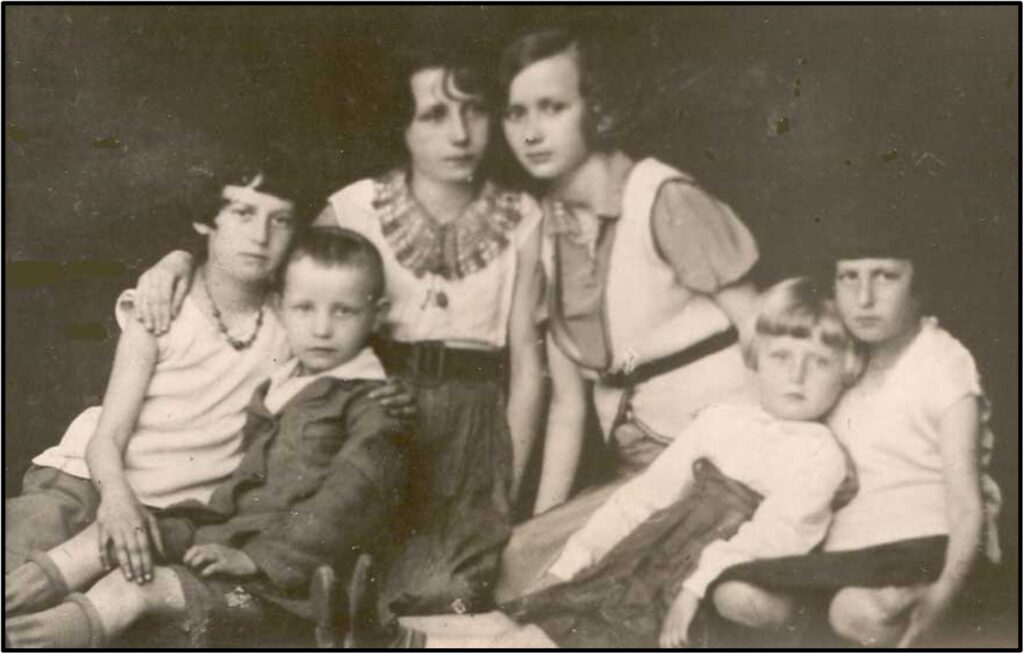
Alfred Hubermann and his sisters, Frania, Ides, Rifka and twins Perl and Tzri
Moshe Huberman was a shoemaker. He and his wife Czarna had six children. Five daughters: Frania, Ides, Rifka and twins Perl and Tzril, and a son Alfred. The Hubermann’s had a large extended family. They lived in Puławy in the Lublin Voivodeship.
When the Germans invaded Poland in 1939 the family house was demolished, and the Hubermann’s were forced into the Puławy Ghetto. Rifka was killed in an air raid in Warsaw. The family were then moved to the village of Parchatka. They were then taken briefly in 1942 to a ghetto in Zwoleń. After a few days there was a selection. Alfred Hubermann was separated from his parents whom he never saw again.
To find out more about Alfred Hubermann click here. Alfred and Ides were the only members of the family to survive the Holocaust.
Present-day
After the liberation, the few surviving Jews left the area.
Visiting Lublin Voivodeship
>
Getting there
Lublin has a small airport with flights to the UK. The city is a major rail hub in eastern Poland and there are direct trains to Warsaw.
Getting around
Lublin can easily be explored on foot, but to visit the State Museum of Majdanek take bus 156 from Brama Krakowska.
The easiest way to explore the region around Lublin is by car. If you do not have your own transport, to visit the former Sobibór extermination camp, take the bus from Lublin to Włodawa. From there take a taxi to Sobibór, 18km away. Alternatively take a train to Chelm and then a taxi. To see the Bełżec memorial take the bus (w bigbus.moj-bus.pl) from Lublin to Tomaszów Lubelski, then take a taxi.
The train from Lublin to Zamość passes through Izbica. The sites below are listed according to distance from Lublin.
The main Jewish heritage centre is the city of Lublin.
Lublin
Ghetto Location The car park in front of Lublin Castle was once Lublin’s Jewish Quarter, which was destroyed in the war. It was also the location of the ghetto. Its boundaries are marked by murals and 43 memorial tiles, which remember the 43,000 Jews who were imprisoned here. On the southernside of al. Tysiąclecia opposite the bus station, a memorial flagstone marks the site of the Maharshal Synagogue. The flagstone is the first of 21 that lead to a deportation memorial (ul. Zimna). To the right of the stairs leading up to the castle, a plaque shows a map of the former Jewish area.
Museum
The driving force behind memorialisation of the Holocaust in Lublin and the region is the Grodska Gate NN Theatre Centre (Ośrodek Brama Grodzka – Teatr NN; ul. Grodzka 21; entry fee), a museum, educational centre and cultural institute. The museum has a permanent exhibition on the history of Jewish Lublin and holds temporary exhibits and theatre shows. This is the place to ask for more details about visiting the Boys’ hometowns. They also have a excellent website.
Memorials
Monument to the Victims of the Ghetto Unveiled in 1962, the memorial was moved from its original location between ul. Lubartowska and ul. Świętoduska because of construction works and now stands west of the Old Town on ul. Radziwiłłowska 4.
Labour Camp Memorial (ul. Wrońska 2) The memorial is for the former Flugplatz labour camp. Between 1942-1943, Jews from across Nazi-occupied Europe were brought here to work as forced labourers at the Emil Plage and Teofi l Laśkiewicz factory. Established in 1921, it had produced the first aeroplanes in Poland.
Other memorials
In the suburb of Bronowice in the west of the city on ul. Leszczyńskiego, there is a memorial to Jews murdered in November 1942 during the liquidation of the ghetto in the suburb of Majdan Tatarski.
On a service road parallel to the S17, the road to Zamość, 14km southeast of Lublin, is a memorial, the Pomnik pamięci pomordowanych (w Lesie Krępieckim), to the 3,000 Jews without work permits, many of them children, who were murdered at Krępiec Forest in April 1942.
The Boys’ Hometowns
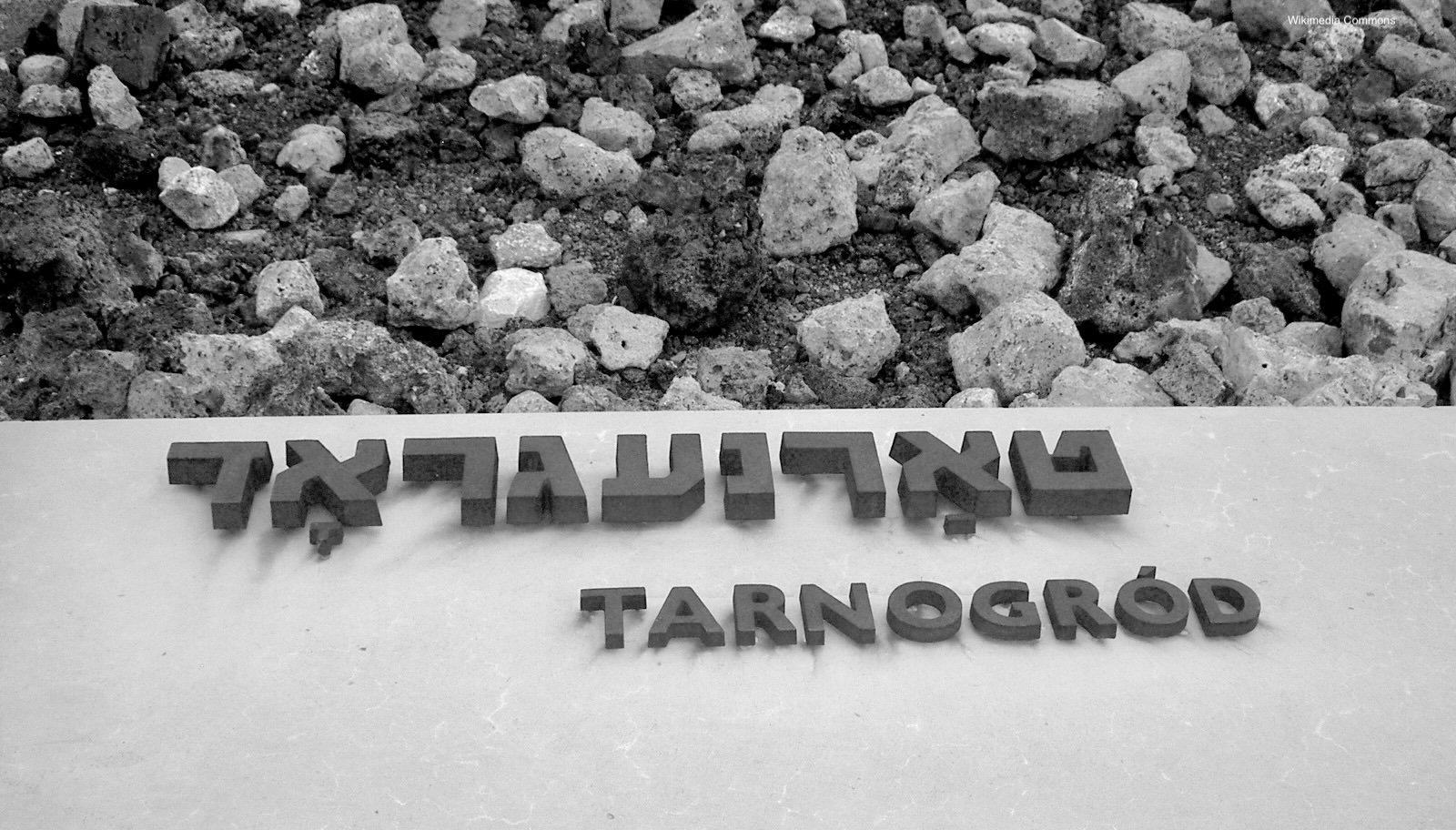
There are Jewish cemeteries in Czemierniki, Dęblin, Hrubieszów, Międzyrzec, Ryki, Tarnogrod and Warka. In Tarnogrod, the former synagogue is now the public library.
For more on the Ghettos that the Boys were held in click here.
What to read
Mala Kacenberg wrote a memoir of her life Mala’s Cat to find out more about the book click here.
Visiting Bełżec, Majdanek, Sobibór & Izbica
>
The sites below are listed in order of distance from Lublin.
Majdanek Museum and Memorial Site (ul. Droga Męczenników Majdanka 67; free) One of the most important concentration and extermination camps in Poland was in the modern southern suburbs of Lublin. The Majdanek concentration camp is now a museum and memorial site. To find out more about the history of the camp and the Boys who survived imprisonment there click here. Of the 150,000 people held prisoner here, 80,000 died including the families of some of the Boys.
As early as 12 September 1944, the Polish-Soviet Commission for Investigating the German Crimes Committed at Majdanek turned the camp into a museum. The museum began functioning in early November and was the first in the world to commemorate the atrocities of World War II.
Tip Majdanek gets few visitors and there is no need to reserve a ticket in advance.
One of the first visitors to Majdanek was the partisan leader, Abba Kovner. It is easy to see how it must have confirmed his fears about the extent of the Holocaust and reinforced his belief that the future of the Jews lay elsewhere. He was a driving force in the Jewish movement to help survivors leave eastern Europe where they felt they had no future.
Sobibór
The wild untamed Bug River slips into marshy woodland and forms a natural border between Poland and Belarus. Today this is a real political frontier where the EU comes to an end. An empty road winds through russet-trunked pines and sandy groves to the small village of Żłobek Duży, 96km east of Lublin, clustered around a lonely little siding.
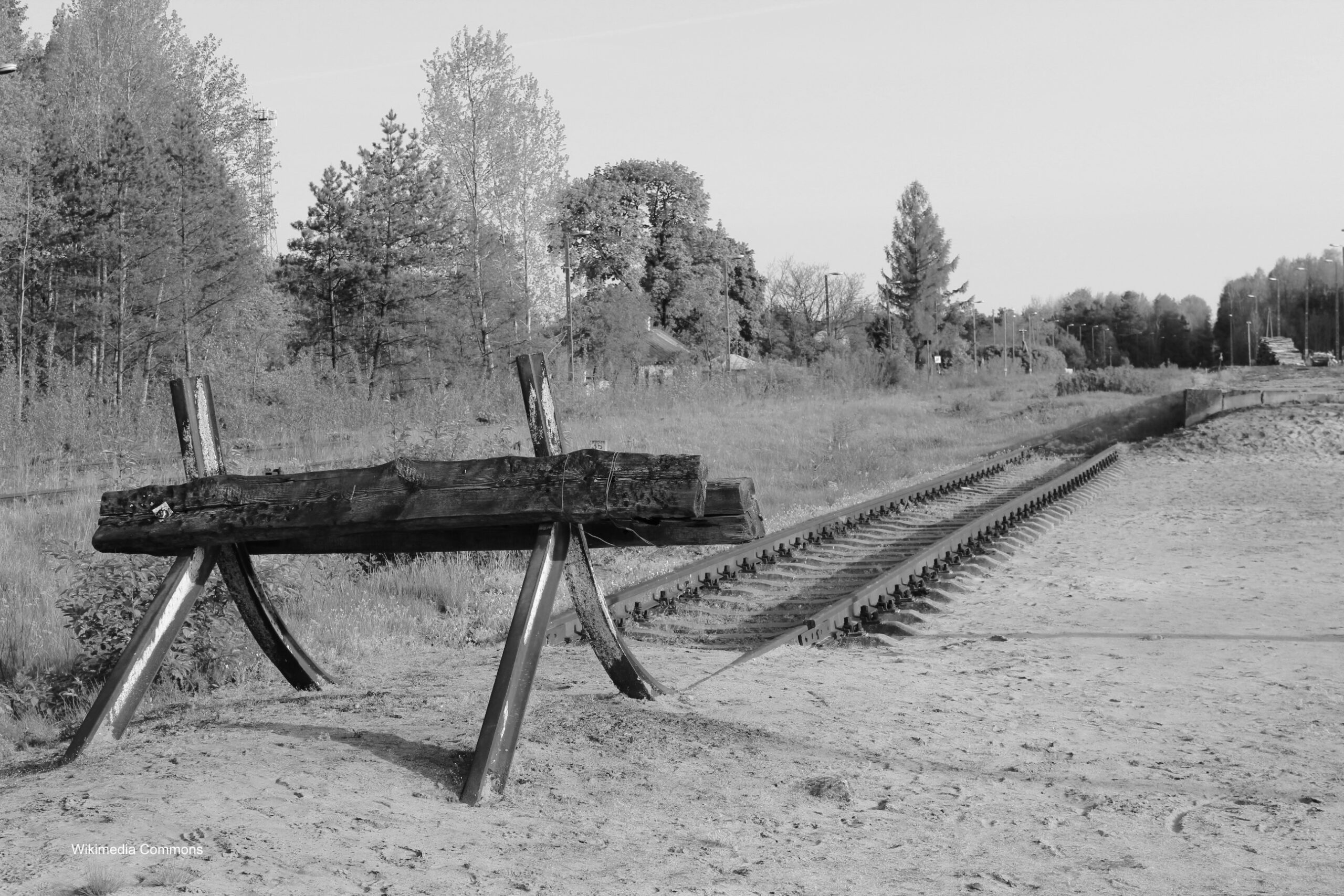
Sobibór extermination camp
The station was built after the war, but the tracks that cut through the forest are original and come to an abrupt end at the site of the deadly Sobibór extermination camp.
History
The camp at Sobibór opened in March 1942, but killings began in earnest in May. It was a surreal, systemised world where people were quickly herded from the cattle trucks, stripped naked, their heads shaved, and funnelled into the gas chambers which were pumped full of carbon monoxide. In all it is thought 170,000 people were murdered at Sobibór, among them families of the Boys, until a Jewish rebellion prompted the camp’s closure in the autumn of 1943. The gas chambers were quickly demolished by the Germans and covered by an asphalt road; trees were planted to disguise the site.
In the post-war population exchange, which began in the months that followed and in which Ukrainians were sent east and Poles moved west, Ukrainians were housed in the former guards’ barracks which were demolished in 1947. Until the 1960s the site was abandoned and forgotten.
What to see
The Sobibór death camp is now the Sobibór Museum and Memorial Site (Muzeum i Miejzsce Pmięci w Sobiborze; free) which has a new visitors centre.
Izbica
The small town of Izbica, 83km south of Sobibór, was unique in Poland as until World War I it was entirely Jewish. From 1940, Jews were resettled here from parts of western Poland that had been incorporated into the Reich and from March 1942 the town was used a transit camp for 24,000 Jews, among them 10,000 Bohemian, Slovakian, Austrian and German Jews, prior to their transportation to the Majdanek, Sobibór and Bełżec extermination camps. Gershon Frydman, one of the Boys, and his family were held here.
Many Jews died in Izbica from starvation and disease. On 2 November 1942, the camp was liquidated, and the remaining 2,000 Jews were shot in the Jewish cemetery, where there are several memorials. (A path leads up the hill to the cemetery from a yard on the corner of Fabryczna).
Bełżec Extermination Camp
Memorial to Tarnogród at the former Bełżec extermination camp.
The first of the Aktion Reinhardt camps and a template for those to come.
Good to Know Without a bevy of survivors, the site of the former camp does not figure in popular culture and, like many aspects of the Holocaust, is a forgotten story. It receives few visitors. Although Bełżec, like Sobibór, is now relatively little known, knowledge of their existence was brought out of Poland by the underground agent Jan Karski and the Allies were aware of both camps.
History
The camp was built on the main road to Lviv, which was then in Poland, and located deliberately just next to the mainline between Lviv and Lublin. Local trains still pass this way. When experimental gassing was carried out here in February 1942, the victims had little idea of what awaited them. But as the weeks passed by, Jews arrived knowing their fate and the unloading and processing of new arrivals to the camp became increasingly frantic. There was often violence as they fought for their lives. By December 1942, 500,000 people had been consumed by the killing machine. It is thought that fewer than ten people escaped from Bełżec. Only two gave any testimony of what had happened there. One of them was murdered after the war and other made it to the safety of Canada.
Although the Germans had at first made no attempt to hide the camp, at the end of 1943 it was decided that all evidence of its existence would be eradicated, and they replaced the camp with a new country house with landscaped gardens. Bełżec remained like this until the 1960s, when a small memorial was erected in what was by then was a run-down park.
What to see
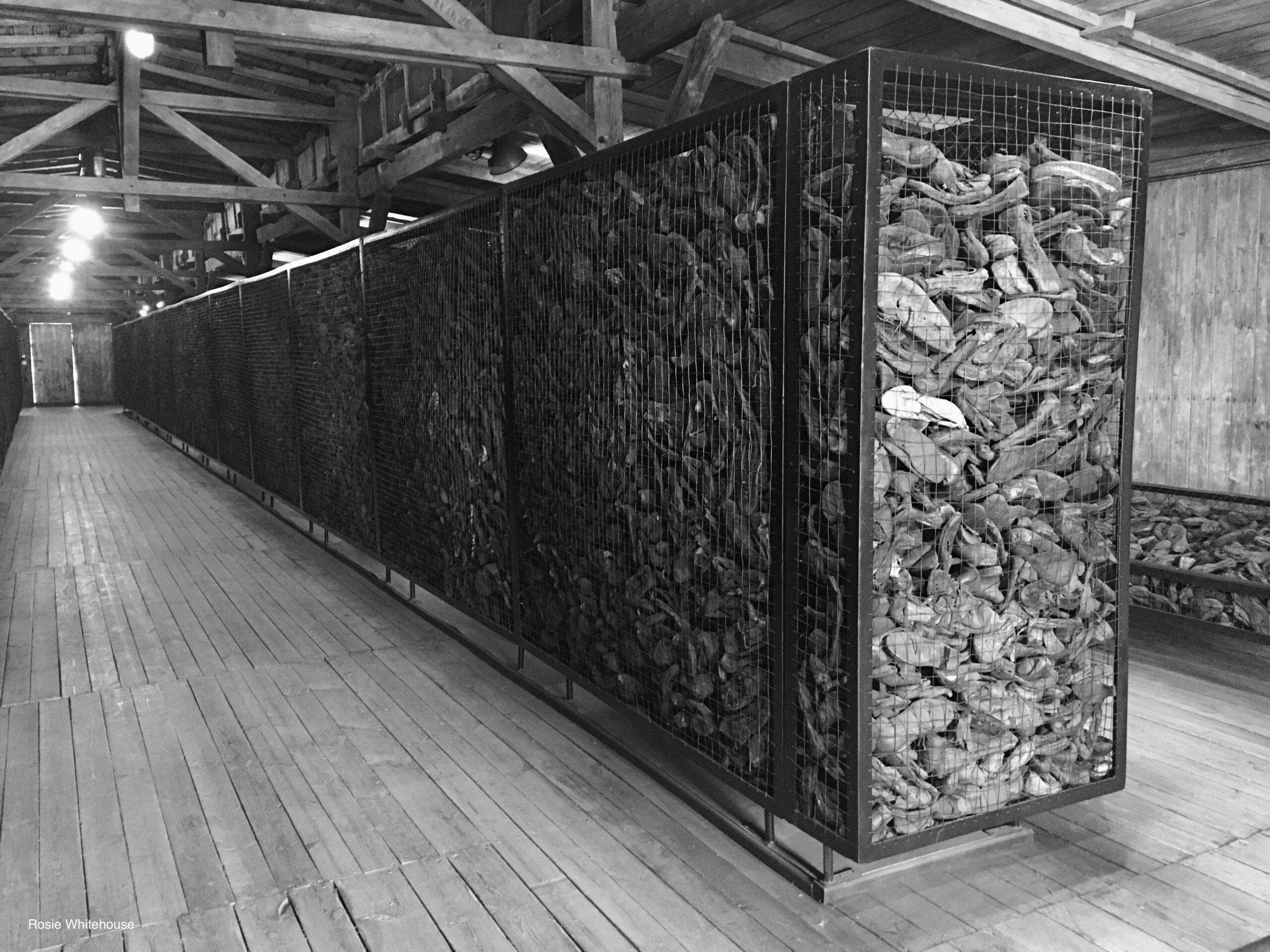
Bełżec Museum and Memorial Site (Ofiar Obozu Zagłady 4; free). In 2004, Bełżec edged back into the national consciousness when a striking memorial was built at the site, which rises up a small hill and is covered in twisted wire and industrial slag. A straight path cuts through the middle, tracing the original path to the gas chambers. It proved to be a design flaw as it was too easy for the victims to see where they were being taken; for this reason, at Sobibór the path twists in order to conceal the destination. The tracks at the left of the entrance gate are not from Bełżec but Treblinka. To the right of the entrance there is a fascinating exhibition. Note the concrete disks found in the excavations – one theory is that they were given to victims in return for valuables, playing into the illusion that they were being taken to a bathhouse. As in so many camp museums, there are crushed Nivea cream tins. The museum also has an excellent website with a series of online exhibitions.
 About
About History
 Education
 Quilts
 FIlms
FIlms Photos
 News Media & Events
 Publications
 Donate