 About
About History
 Education
 Quilts
 FIlms
FIlms Photos
 News Media & Events
 Publications
 Donate
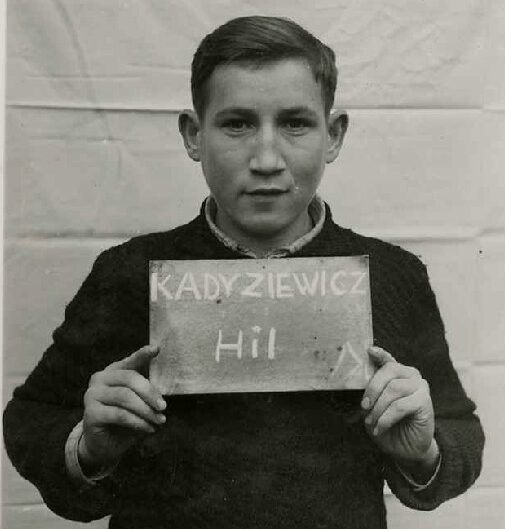
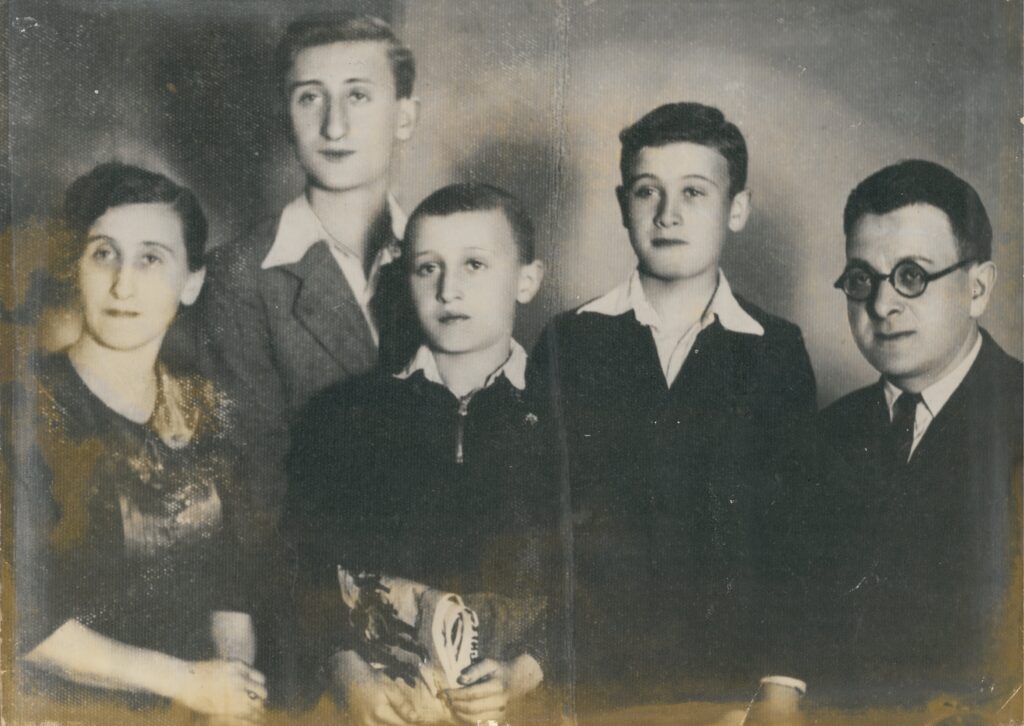
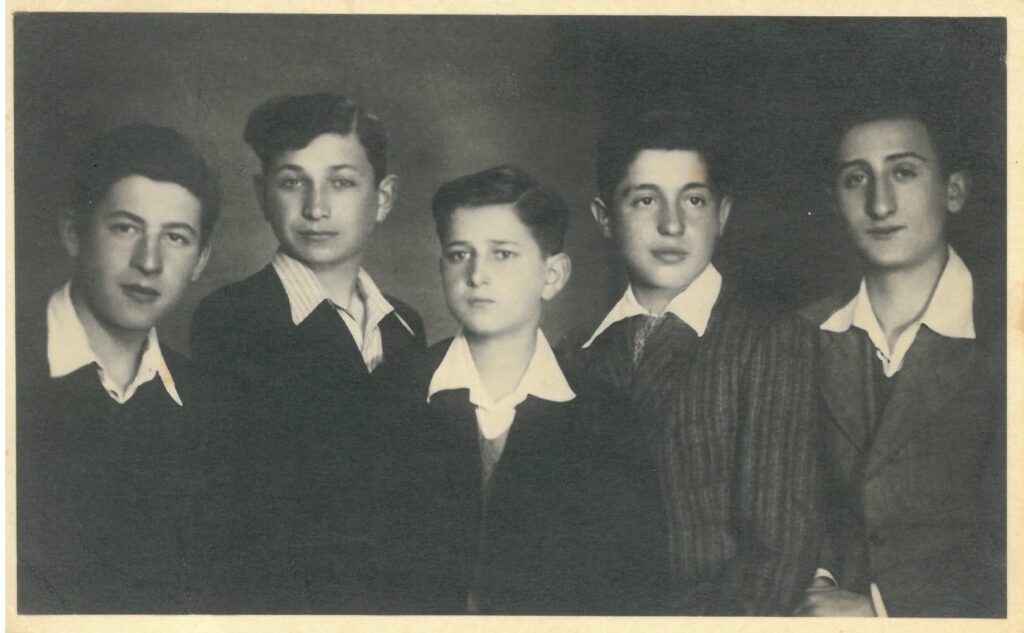
Members of the Boys were born in Bohemia and Moravia, Czechoslovakia.
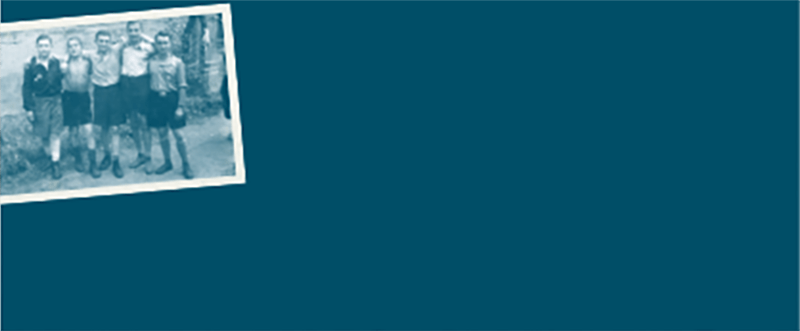
The Boys were teenage and child-Holocaust survivors, who were brought to the UK after the war for rest and rehabilitation.
Members of the Boys were held in Nazi labour and concentration camps and used as slave labourers. They had also survived World War II in hiding or as lone children.
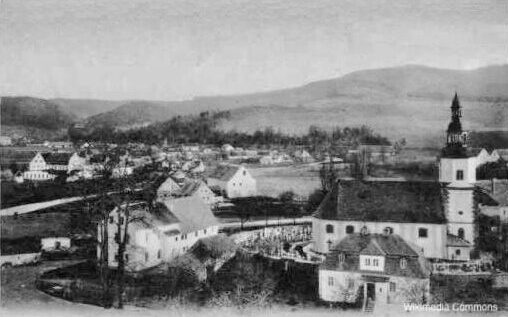
Getting there The regions airport is Prague but its major cities are accessible by international train connections.
Getting around Train connections are good but a car helps to explore the rural areas.
Brno
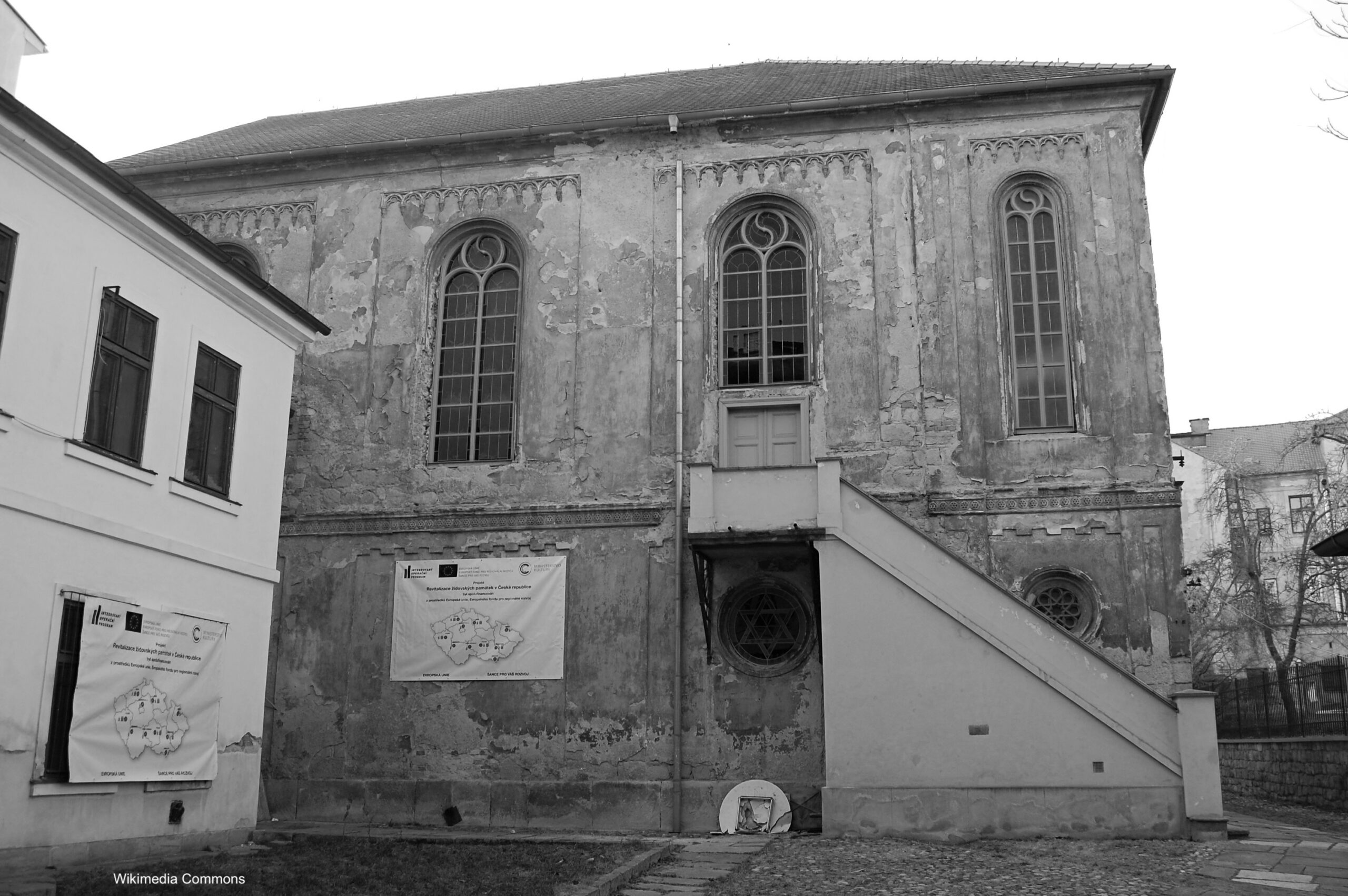
Synagogue (Agudas Achim; Skořepka Street) The only functioning synagogue in Brno reopened in 1968 and was restored in 2016.
Jewish Cemetery (Židenice): Founded in 1852, it is the largest cemetery in Moravia, containing roughly 9,000 tombstones, a Neo-Romanesque ceremonial hall, and a small group of 17th-century Baroque, tombstones.
Brno was the hometown of Peter Herz, one of the Boys.
Brod
New Jewish Cemetery (Neredice 698) Founded in 1870, it contains over 1,085 tombstones and a 1906 ceremonial hall with a Holocaust memorial.
Brod was the hometown of David Roth, one of the Boys.
Novy Jicin
Jewish Cemetery (Suvorovova Street) Established 1875.
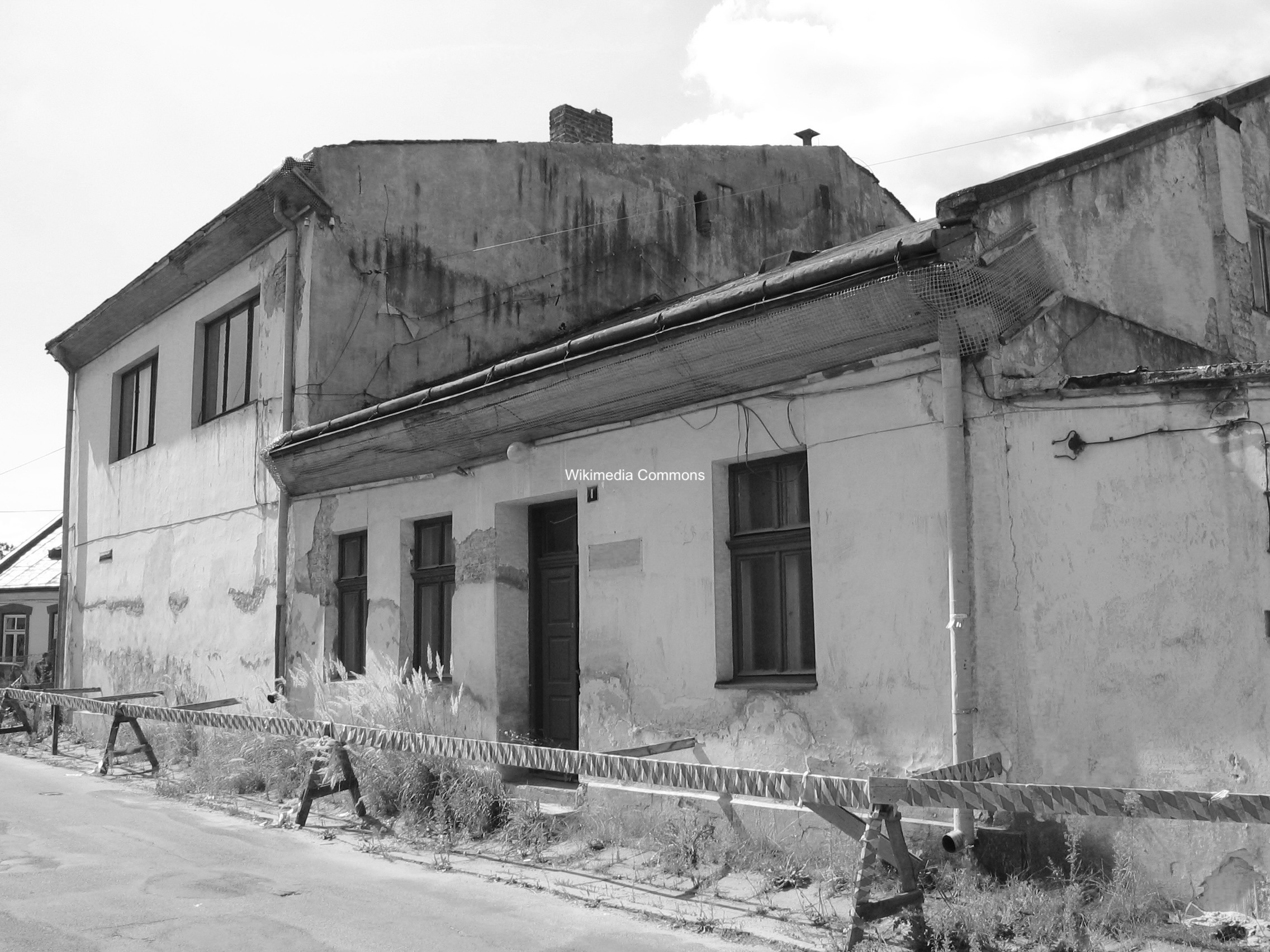
Synagogue (12 Havlíčkova St) During Kristallnacht in 1938, the synagogue was plundered but survived destruction because it was dangerously close to a gas container. Since the late 1960s, it has served as a depository for the State District Archive.
Hakhsharah Farm In 1921, Nový Jičín became the site of the first hakhsharah farm (Zionist agricultural training centre) in Czechoslovakia.
Novy Jicin was the hometown of Michael Honey, one of the Boys.
Ostrava
Jewish Cemetery (Michalské nám. 470,) Established in 1872, this is one of the few remaining Jewish sites.
Memorial There is a Holocaust memorial on the site of the former synagogue (Zeyerova 347).
Ostrava was the home of Lydia Tischler and Jiri Neuman, both members of the Boys.
Pilsen/Plzen
The main Jewish sites are centrally located, within a 5–10 minute walk from the main Republic Square (Náměstí Republiky).
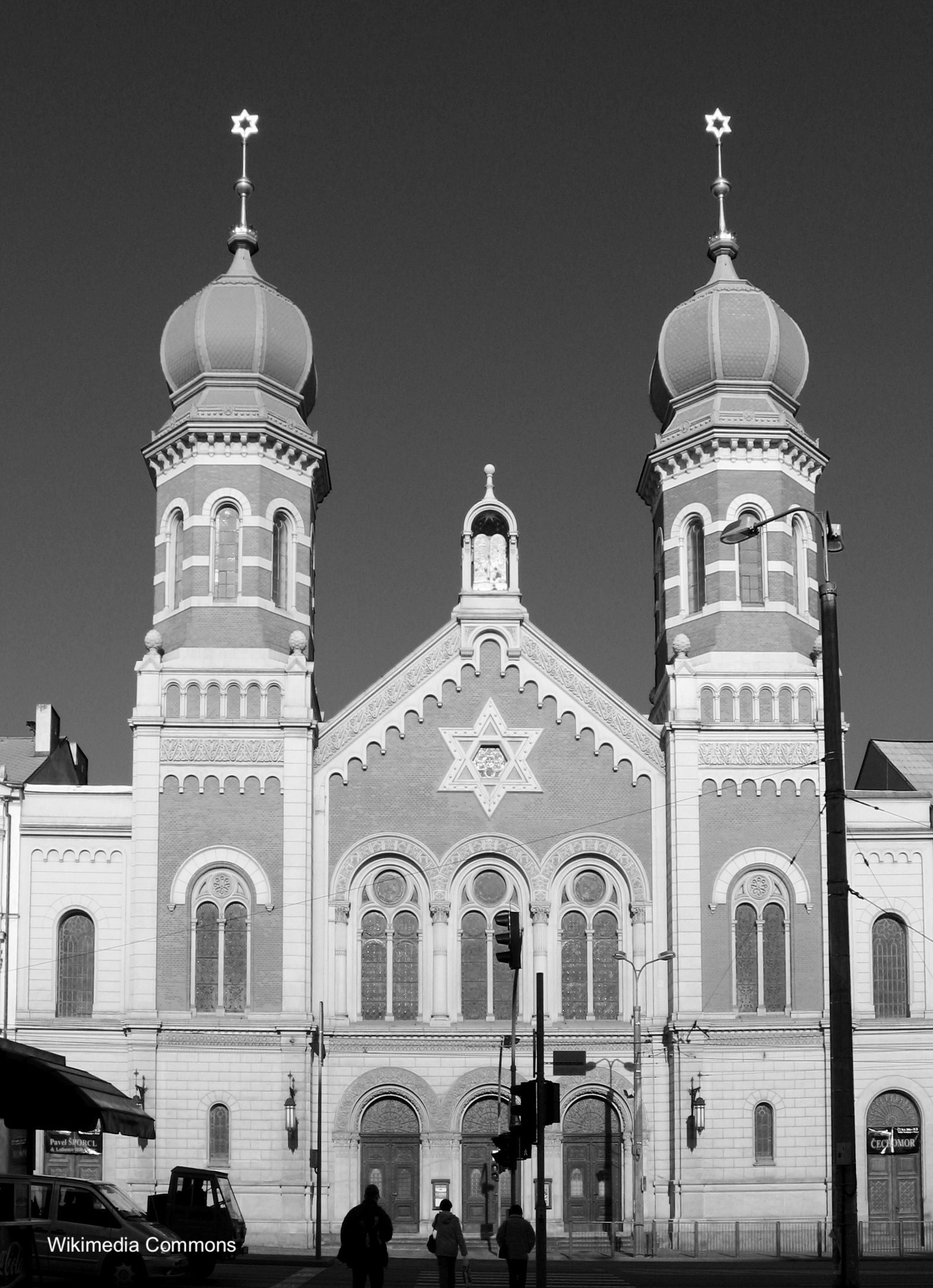
Great Synagogue (Sady Pětatřicátníků 35/11) Built in 1893 in a Moorish-Romanesque style, it features twin 45m towers. After a major three-year renovation, it fully reopened in April 2022. The main hall is primarily used for concerts and exhibition. Religious services are held in its Winter Prayer Room or the Old Synagogue.
Old Synagogue (Stará synagoga; Smetanovy sady 80/5) Tucked away in a courtyard near Smetana Park, this is the oldest surviving synagogue in the city (built 1859). It was restored in 2014 and now houses a permanent exhibition on Jewish customs and regional history. There is a Holocaust memorial in the garden inscribed with the names and dates of 2,605 local Holocaust victims.
Old Jewish Cemetery (Lidická St.)
New Jewish Cemetery (Rokycanská St.)
Pilzen was the home of Bernard Reil, one of the Boys.