The Boys were teenage and child-Holocaust survivors, who were brought to the UK after the war for rest and rehabilitation.
Members of the Boys were held in Nazi labour and concentration camps and used as slave labourers. They had also survived World War II in hiding or as lone children.
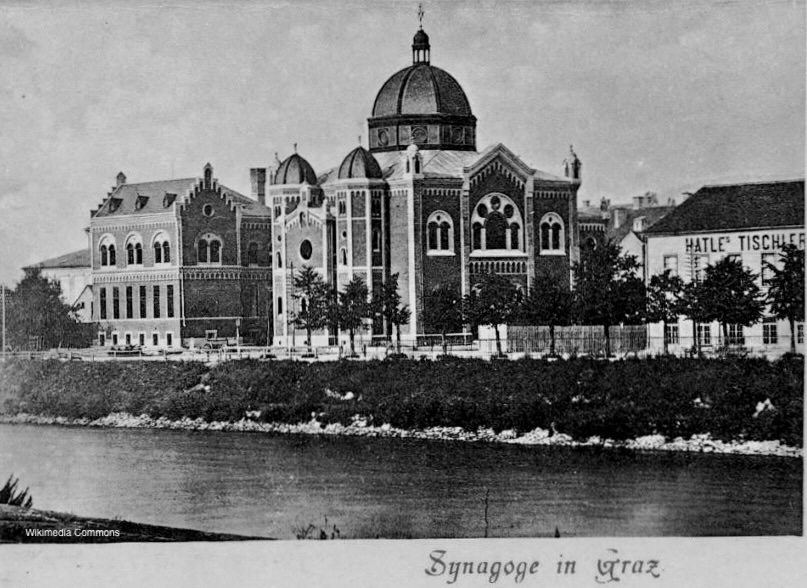
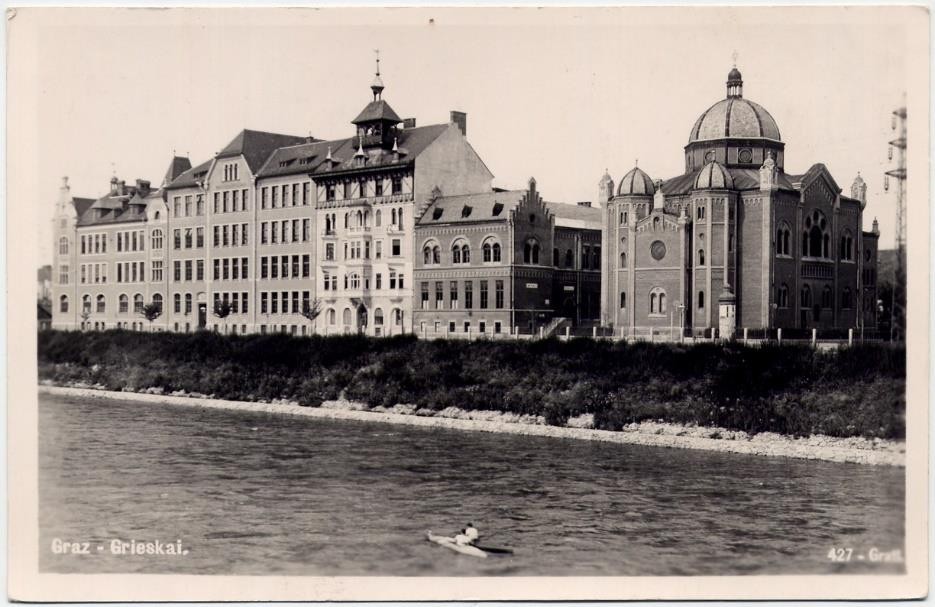
Postcard of Graz Synagogue, Austria, 1900.
Background
Graz is the capital city of the Austrian province of Styria. The Jewish presence in Graz dates back to the Middle Ages. As in most other Austrian cities, the community was extremely small until the end of the 18th century.
Third Reich
In 1932, there were about 2,450 Jews living in Styria. Following the Anschluss of 1938, a process of Aryanization of Austrian towns was set in motion by the Nazis. On Kristallnacht in November 1938, the synagogue was destroyed and 300 Jews were arrested and deported. A quarter of Graz’s 1,600 Jews managed to flee.
Aftermath
In the aftermath of World War II, just over 100 Jews returned to Graz to rebuild the community. The city rebuilt the synagogue, which was reopened in 2000.
Visiting Graz
>
Getting there The city has its own airport and excellent road and rail connections.
What to see
Synagogue (David Herzog Platz 1) Consecrated in 2000 on the site of the original synagogue destroyed during Kristallnacht, it incorporates 40,000 bricks recovered from the ruins of its predecessor, symbols of continuity.
Cemetery (Alte Poststrasse 241) Established in 1864 in the Wetzelsdorf district, it contains over 1,450 graves.
Members of the Boys were born in Fiume in Italy, now Rijeka in Croatia.
The Boys were teenage and child-Holocaust survivors, who were brought to the UK after the war for rest and rehabilitation.
Members of the Boys were held in Nazi labour and concentration camps and used as slave labourers. They had also survived World War II in hiding or as lone children.
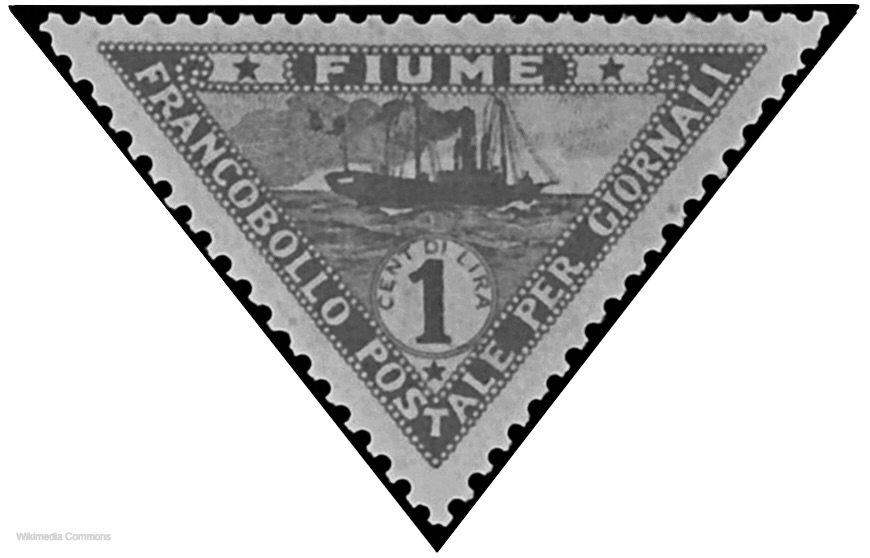
Postage stamp from the independent state of Fiume, 1920.
Modern-day Rijeka, formally Fiume, Italy, is a major port city in northern Croatia.
Background
From 1804, it was part of the Austrian-Hungary. During the Hungarian revolution of 1848, when Hungary tried to gain independence from Austria, Rijeka was captured by the Croatian troops (loyal to Austria) commanded by Ban Josip Jelačić. The city was then annexed directly to Croatia, although it did keep a degree of autonomy.
The second half of the 19th century and the beginning of the 20th century (up to World War I) was a period of great prosperity, rapid economic growth and technological dynamism.
When in 1776, the city became attached to Hungary as its port, Jews from Hungary began to settle there, but until the mid-19th century the majority of Jews were Sephardim from Split and Dubrovnik. After 1848 with the influx of Hungarian, German, Bohemian, and Italian Jews, Italian and German rites were also used.
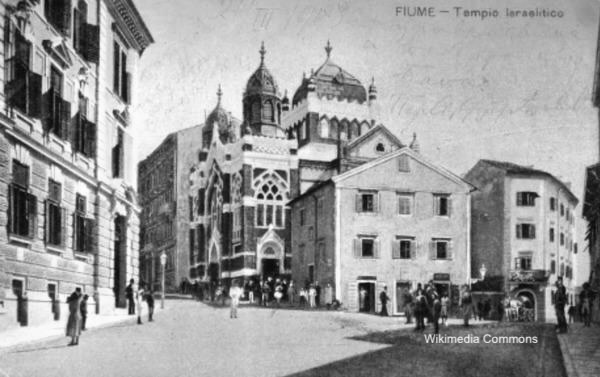
It was a majority Italian city before World War I. The Jewish population expanded rapidly, particularly in the 1870s-1880s, and built a large synagogue in 1907, which would be destroyed in 1944, during the German occupation.
The Story of the Boys’ Families: The Bucci Family
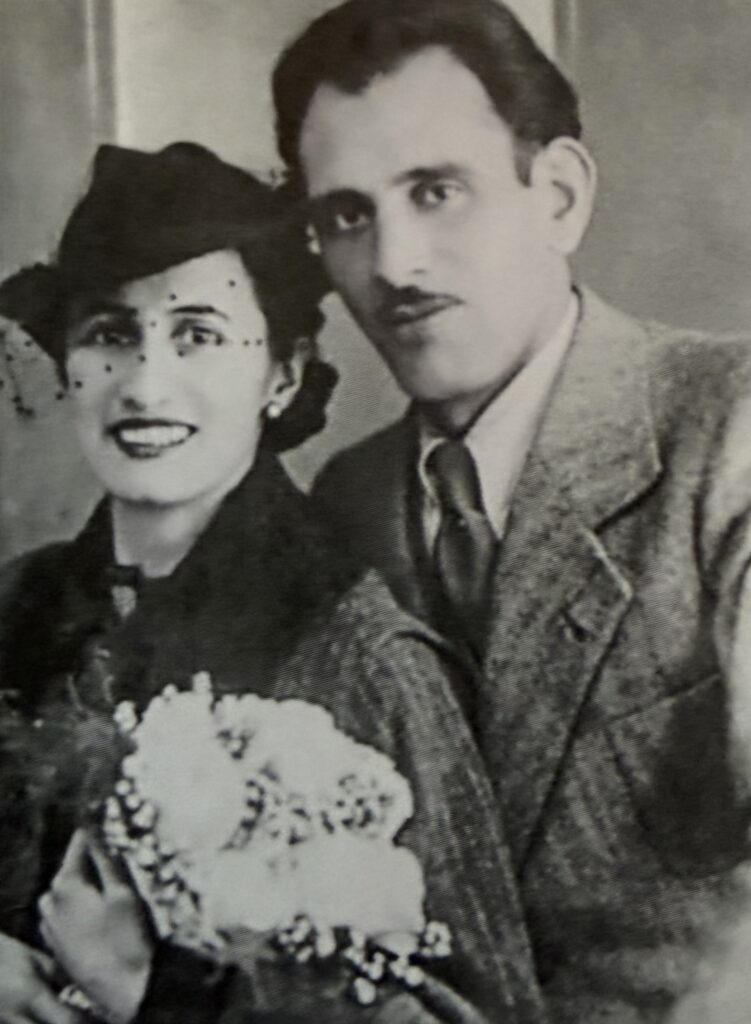
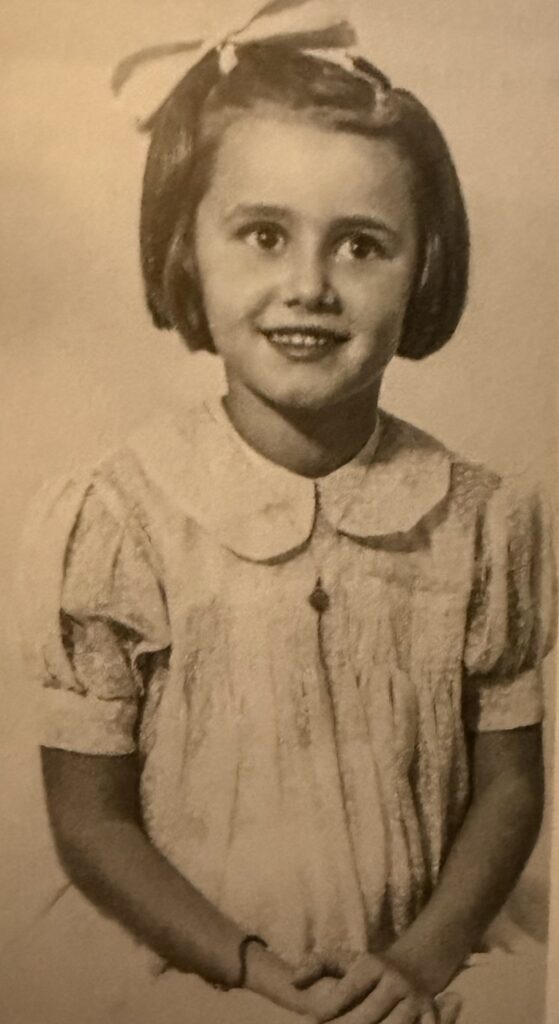
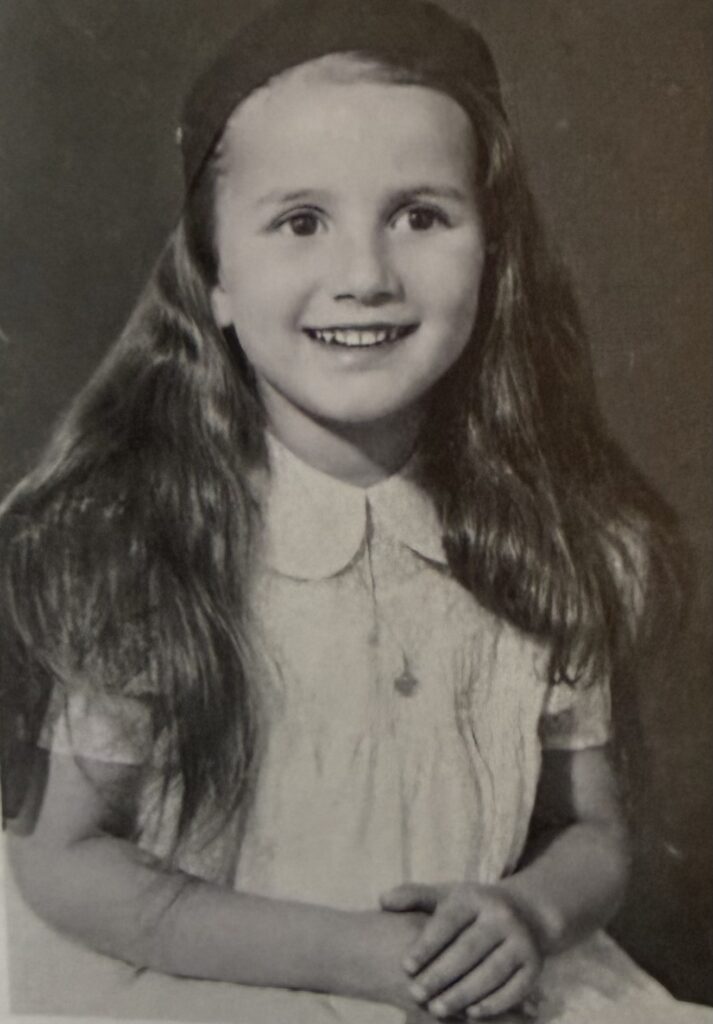
Mira & Giovanni Bucci 1935. Tatiana Bucci 1943Andra Bucci
Mira, a seamstress, and Giovanni Bucci, a sailor, were married in 1935. Mira’s family were Jewish and had fled to Fiume from pogroms in the Russian empire. Giovanni Bucci was an Italian Catholic of Slovene origin. The couple had two daughters Tatiana and Andra. The family lived on Via Milano in the Fiume. Tatiana was officially known as Liliana, as Tatiana was considered unpatriotic by the Fascist regime.
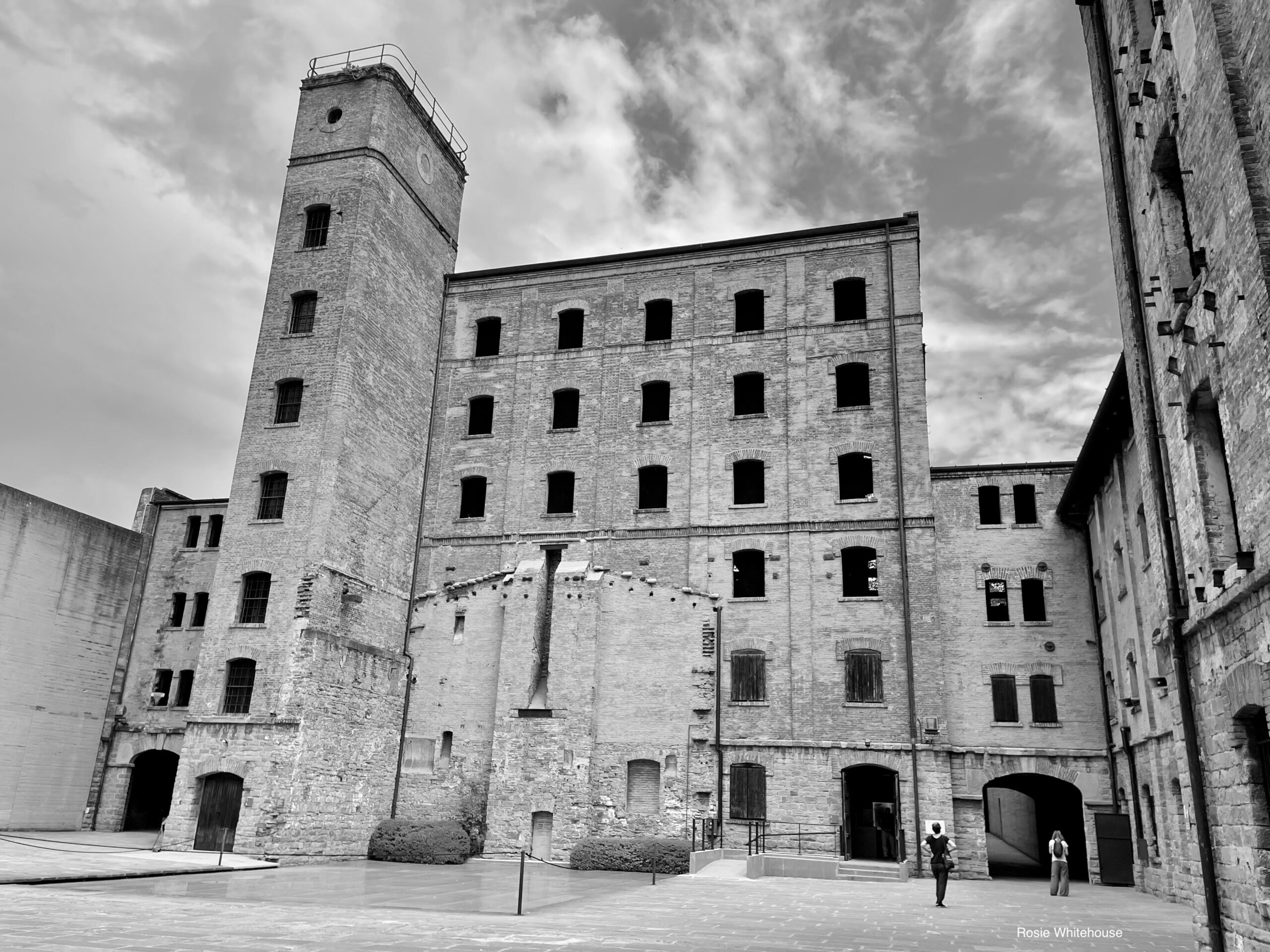
Giovanni Bucci was in the merchant navy and was taken as a prisoner of war off the coast of Africa in 1940. In March 1944, Bucci and her family were arrested by Nazis and taken to the Risiera di San Sabbia prison in Trieste.
They were then deported to Auschwitz II-Birkenau, where the girls were separated from their mother and sent to a barrack for the small number of children who were not immediately gassed. The sisters believe this is because they resembled twins and could therefore be useful for Dr Mengele’s medical experiments. Before they were separated, their mother urged them to remember their names, which they recited every night. Mira was taken for slave labour
Miraculously, the Bucci sisters survived and were brought to the UK in March 1946 in the third group of the boys. To find out more about their extraordinary story and how they were reunited with their parents click here.
Interwar Years
Austria-Hungary’s disintegration in October 1918 during the closing weeks of World War I led to the establishment of rival Croatian-Serbian and Italian administrations in the city; both Italy and the founders of the new Kingdom of the Serbs, Croats and Slovenes (later the Kingdom of Yugoslavia) claimed sovereignty based on their ethnic populations.
On 10 September 1919, the Treaty of Saint-Germain was signed, declaring the Austro-Hungarian monarchy dissolved. Two days later a force of Italian nationalist irregulars led by the poet Gabriele D’Annunzio captured the city and established an independent state.
In 1922, Fiume was annexed by Italy which was now under fascist control. A period of Italianisation followed.
In 1938, the racial laws of Fascist Italy were promulgated in nearby Trieste. Jews with Italian citizenship were subject to discrimination, and foreign Jews were to be interned in camps.
1943
After the surrender of Italy to the Allies in September 1943, Rijeka and the surrounding territories were occupied and annexed by Germany, becoming part of the Adriatic Littoral Zone.
The German and Italian occupiers and their local collaborators deported some 80% of the city’s roughly 500 Jews to Auschwitz. A larger proportion of Rijeka’s Jewish population was murdered in the Holocaust than that of any other city in Italian territory.
Aftermath
When Rijeka became part of Yugoslavia in 1945, many Italian-speaking Jews left for Trieste and Italy; in 1947 there were some 170 Jews in Rijeka and the surrounding area. The community numbered 99 in 1969. Following the evacuation of Bosnian Jews from the war zone in 1992, around 60 families reconstituted the community, but many subsequently left for Zagreb and other localities in northern Croatia, leaving fewer than 100 Jews in 2004.
Visiting Rijeka
>
Getting there Rijeka has an airport with continental connections.
What to see
Orthodox Synagogue (Ulica Ivana Filipovića 9) One of only three in Croatia to survive WWII unscathed, this 1930s Art Deco building was restored in 2008 and serves as the active center for the small community.
Kozala Municipal Cemetery (Jewish Section) Established in 1875, this site contains over 500 preserved gravestones, a ceremonial hall (Tahara House), and a Holocaust memorial.
Memorial for the Great Synagogue (Corner of Pomerio St. / Ciottina St) The 1903 Moorish-revival style synagogue designed by Lipót Baumhorn was burned by Nazis in 1944. Its location is now commemorated with a painted footprint.
Further afield
>
Trieste in the northeastern corner of Italy played a key role in the Holocaust and in the lives of the Bucci sisters. Two places are key in their story:
Piazza Unità d’Italia A spectacular square that opens out onto the sea. It was here in 1938, that Mussolini announced the anti-Jewish Racial Laws. A small plaque on the town hall commemorates the event.
Risiera di San Sabba (Via Giovanni Palatucci 5; free) In the southern suburbs of Trieste, this is one of Italy’s most important Holocaust museums. The former industrial rice-processing plant was built in 1898, but closed in the early 1930s. It was then used as a military barracks before the occupying German forces turned it into a temporary prison camp for captured Italian soldiers. It was then used as a detention centre for Croatian, Italian and Slovenian partisans and political prisoners, and as a transit and extermination camp for Jews. Prisoners destined for deportation were taken in wagons to Trieste’s Central Station. The Bucci sisters have been campaigning for a memorial to built at the station.
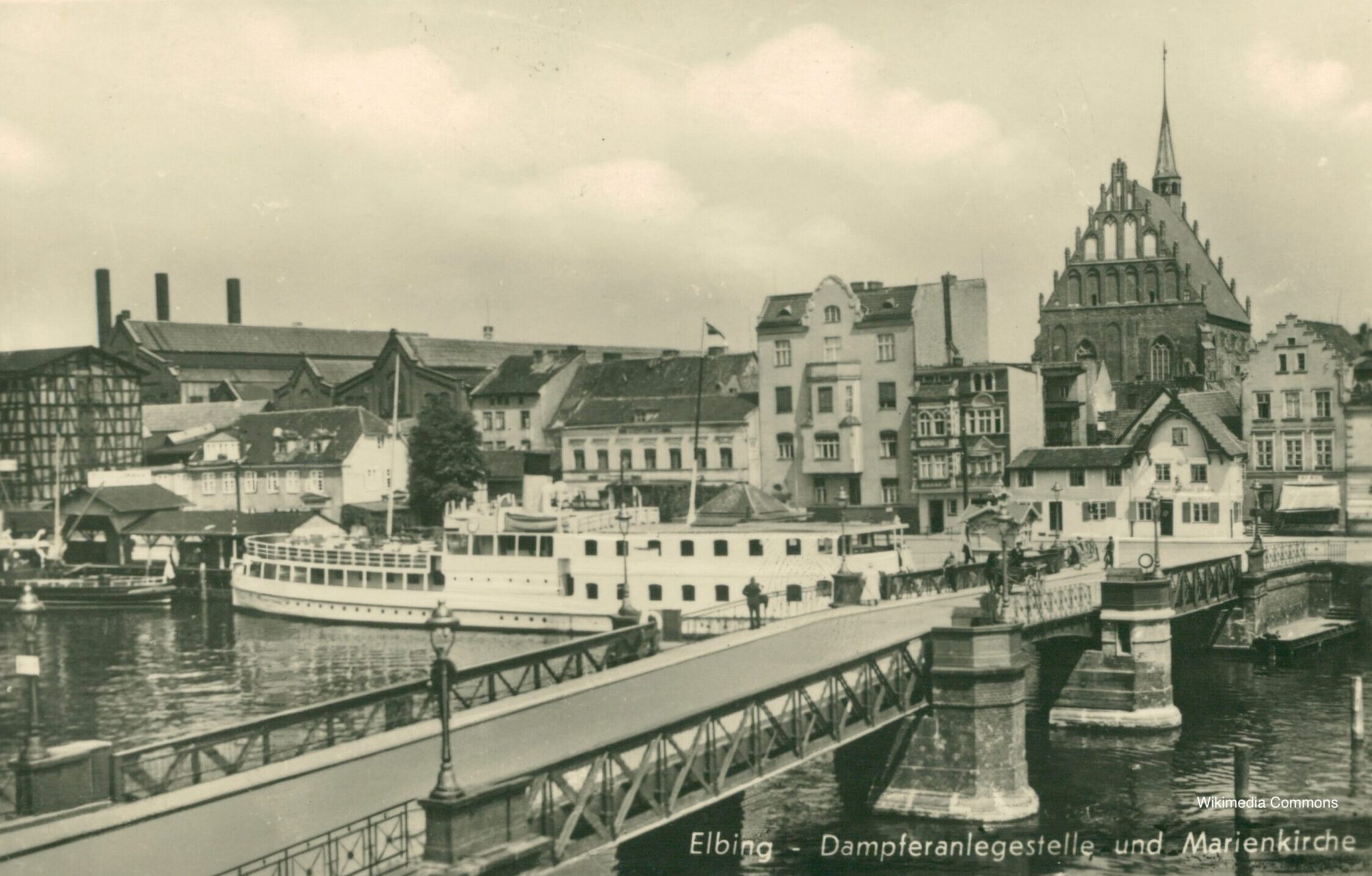
Members of the Boys were born in Elbing in Germany, now Elbląg in Poland.
The Boys were teenage and child-Holocaust survivors, who were brought to the UK after the war for rest and rehabilitation.
Members of the Boys were held in Nazi labour and concentration camps and used as slave labourers. They had also survived World War II in hiding or as lone children.
Pre-World War II Elbing.
Elbing, now known as Elbląg, is a city in northern Poland, which was formerly part of East Prussia with a long history of Jewish settlement.
The siblings Asta, Jacob and Samuel Berlowtz, all members of the Boys were born in Elbing. They came to the UK as the part of the First Group of the Boys in August 1945.
Background
Elbląg had a Jewish community for centuries, making significant contributions to the city’s cultural and economic life.
The first Jews settled in the town in 1783. It is known that in 1812 there were 33 Jewish families living in Elbląg and in 1880 there were 549 Jews in the town. In 1812 a Jewish cemetery was established and in 1824 a synagogue was erected. The biggest cigarette factory group in eastern Germany, the Loeser & Wolff cigar factory, was founded in 1874 by a Jew from Elbląg. In 1926, the company employed as many as 4,000 workers.
Third Reich
Persecutions by the Nazis resulted in the mass migration of Jews. In 1933, the town had 367 Jewish inhabitants, and in 1936 – only 207. The remaining Jews were moved to the area of Wyspa Spichrzow, an unofficial ghetto. They were deported to ghettos in Theresienstadt, Łódź, Riga, Piaski and Kaunas.
The Stutthof concentration camp, located near Elbląg, was a major site of Nazi persecution.
Aftermath
After World War II the city became part of Poland.
There has not been an organised Jewish community in Elbląg since World War II.
Visiting Elbląg
>
Getting there
The nearest international airports are in Gdańsk, Warsaw and Bydgoszcz. It is possible to get to Elbląg by bus and train from other large cities of Poland by bus.
Cemetery
Former Jewish Cemetery (Brzeska ul.)The cemetery was devastated by the Nazis and the tombstones later used to pave city squares in the 1960s. Today, it is a public park. There is a Holocaust memorial at the site.
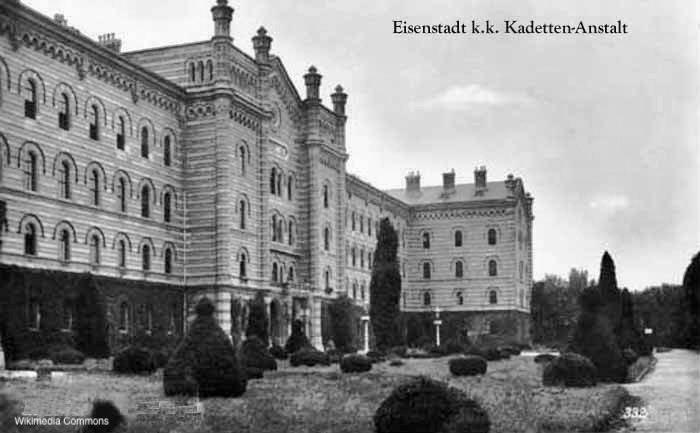
Members of the Boys were born in Eisenstadt in Austria.
The Boys were teenage and child-Holocaust survivors, who were brought to the UK after the war for rest and rehabilitation.
Members of the Boys were held in Nazi labour and concentration camps and used as slave labourers. They had also survived World War II in hiding or as lone children.
Old postcard of Eisenstadt, Austria.
Eisenstadt is the capital city of the Austrian state of Burgenland. Also known as Asch in Jewish sources, Eisenstadt had a Jewish community dating back to the 13th century.
The Jews of Eisenstadt were the first in Austria directly affected by Nazi deportations as they had to leave their homes in April 1938 shortly after the Anschluss.
109 Jews from Eisenstadt perished in the Holocaust, and five survivors returned after the war.
Visiting Eisenstadt
>
Getting there Eisenstadt is easily reached from Vienna with direct train and bus connections taking approximately an hour. The city is also easily accessible by car, situated about 60km south of the Austrian capital.
What to see
Austrian Jewish Museum Located in the former Jewish quarter on Unterbergstrasse, it is housed in a historic 17th-century building and includes a preserved private synagogue (the Wertheimer Synagogue). Jewish Cemetery The older cemetery (17th century) is considered one of Europe’s most important, containing many legible, historically significant, and artistic tombstones.
The Boys were teenage and child-Holocaust survivors, who were brought to the UK after the war for rest and rehabilitation.
Members of the Boys were held in Nazi labour and concentration camps and used as slave labourers. They had also survived World War II in hiding or as lone children.
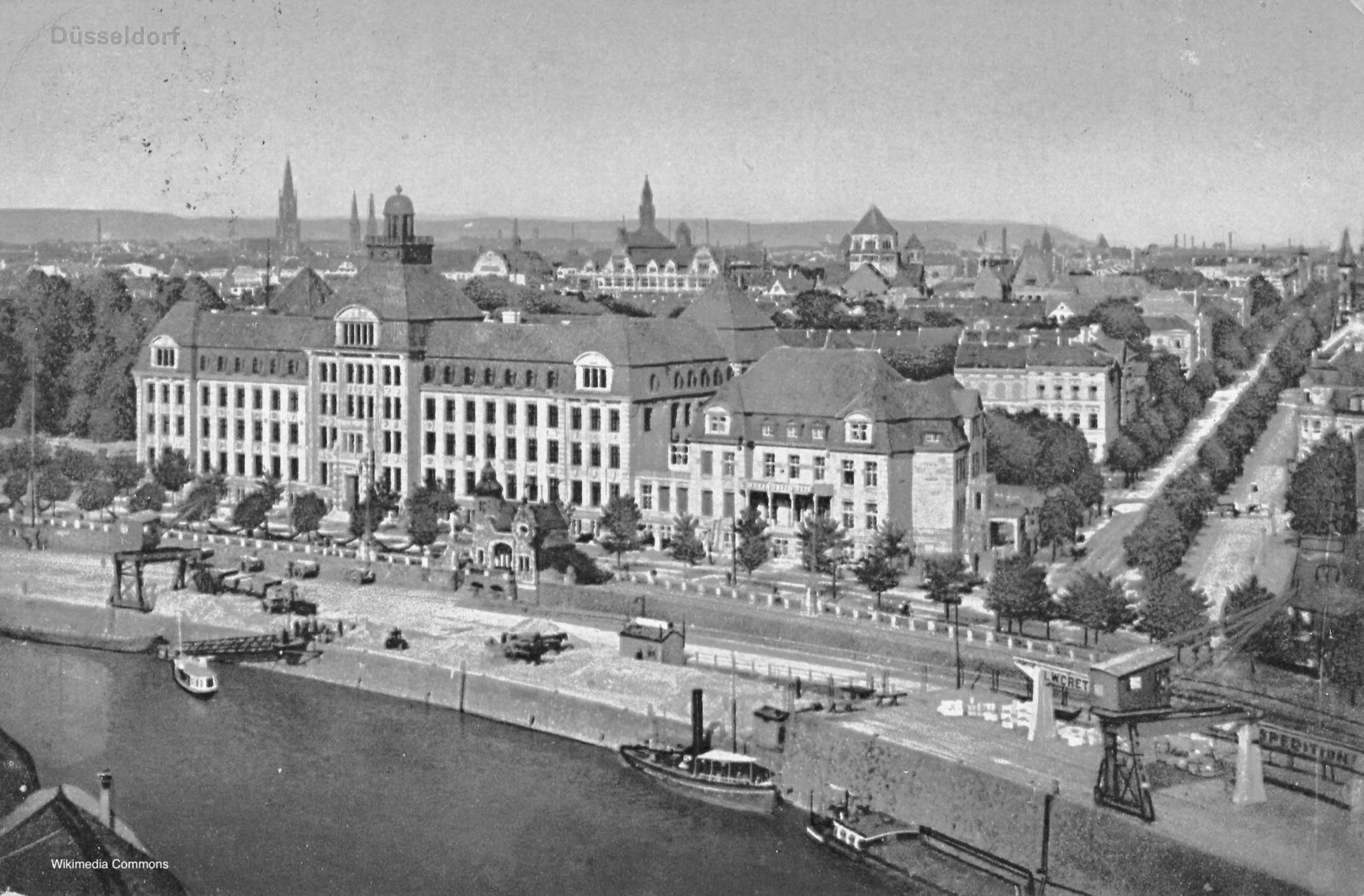
Düsseldorf, Germany.
Düsseldorf is the capital city of North Rhine-Westphalia, the most populous state in Germany.
Background
Jews were first mentioned as living in the city in 1418 but were expelled in 1438.
The community was re-established in the 18th century. During the 19th century Jews played an important part in trade and banking. The community increased from 315 in 1823 to 5,130 in 1925. Leo Baeck, a leader of Reform Judaism, served as district rabbi from 1907 to 1912.
The Story of the Boys’ Families: The Buchführer Family
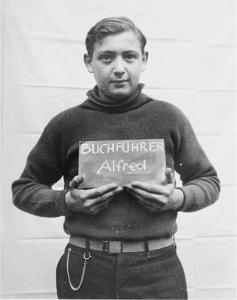
Alfred Buchführer in Kloster Indersdorf, Germany in 1945.
Herman and Regina Buchführer had three children: Rafael ‘Rudi’ (b. 1922) Ezikiel (b. 1924) and Adolf (later Alfred) (b. 1926). Herman was born in Brzesko in southern Poland and Regina in Dukla also in the south of Poland. The family lived in Düsseldorf but later moved to Cologne.
Herman Buchführer was a commercial traveller. Rafael was an accountant and Ezikiel emigrated to the Palestine Mandate, where his father’s sister was also living. There, he worked as a farmer.
Expulsion The family were deported from Cologne on 29 October 1938 in what was known as the ‘Poleaktion’, in which Polish born Jewish residents of Germany who did not have German citizenship were expelled from the Reich. The Buchführer family were among over 17,000 Polish Jews who were sent to Poland within the space of just two days.
The Polenaktion (‘Polish Action’ in German) was the first forced expulsion of Jews from Germany and Austria. The expulsion led directly to Kristallnacht. Herschel Grynszpan, a 17-year-old living in Paris, shot a German diplomat after receiving the news that his family had been deported from Hanover.
The Buchführer’s deportation was ordered overnight, and they were forced to leave their home without warning, losing everything they had. The family was only allowed to take 10 Reichsmarks and a single suitcase each. They were then transported to the German-Polish border town of to Zbąszyń on a special closed train. At the border, the SS violently forced the Buchführers to walk the final few kilometres into Poland.
As the Polish government initially refused them entry, like many of those who had been expelled, they were stranded in the border town of Zbąszyń in dire conditions.
Holocaust The Buchführer family then went to Regina’s hometown of Dukla. Alfred Buchfuhrer is listed as a survivor of Dukla so it can be assumed that the family were held in the Dukla Ghetto. Dukla is located 64km south of Rzeszów on the Jasiołka River.
Regina and Herman were murdered in the Bełżec extermination camp in August 1942. It is not known what happened to Rafael Buchführer. To find out more about Alfred Buchführer click here.
Third Reich
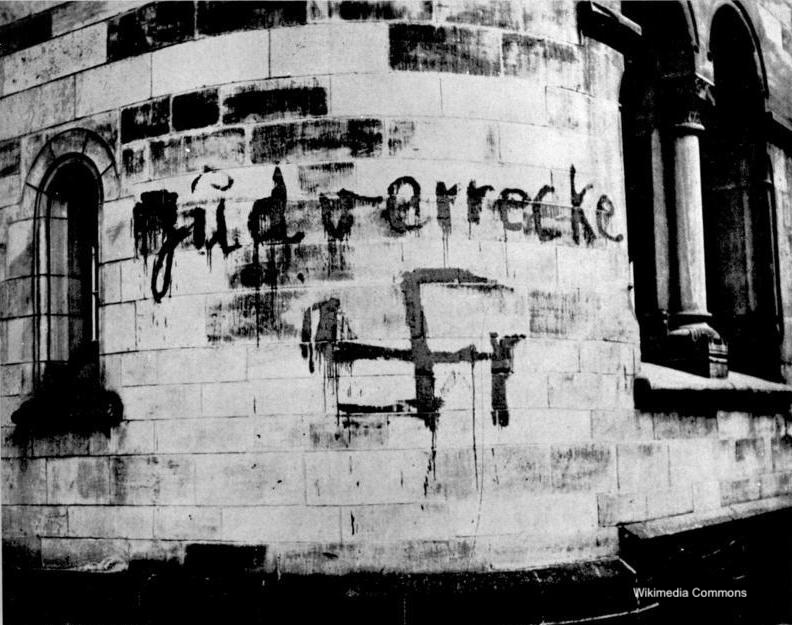
In the Kristallnacht pogrom of November 1938, the main synagogue in Düsseldorf, built in 1905, and two Orthodox synagogues were burned down. Seven Jews were killed or died from the effects of their wounds, and about 70 were injured.
In May 1939, 1,831 Jews remained in Düsseldorf, dropping to 1,400 in 1941. Most were deported to Minsk, Łódź, Riga, and Theresienstadt. Only 25 Jews remained in Düsseldorf in 1946.
Aftermath
The community was reconstituted after the war, and in 1951 the Central Council of Jews in Germany was established in Düsseldorf. The main German Jewish newspaper, the Allgemeine Wochenzeitung der Juden in Deutschland (today Jüdische Allgemeine), was founded in 1946 and published in the city until 1985. A synagogue was inaugurated in 1958.
Present-day
Comprising some 7,000 members, the Jewish community in Düsseldorf is the largest in North Rhine-Westphalia and the third-largest in Germany.
Visiting Düsseldorf
>
Getting there & around
Düsseldorf Airport is the fourth largest airport in Germany and Düsseldorf Hauptbahnhof (main station) is a major stop for Deutsche Bahn railways.
Use the suburban railway network (S-Bahn) to get around.
What to see
Synagogue & Community
The New Synagogue ( Paul-Spiegel-Platz) Rebuilt in 1958, it is the main place of worship, replacing a 1905 synagogue destroyed during Kristallnacht. It serves as a hub for cultural and religious life, including a community centre and library.
Cemetery
New Jewish Cemetery ( Fischerstraße 87) Its counterpart is the old Jewish cemetery, around 700m to the south-east at Ulmenstrasse.
Members of the Boys were born in Cottbus in Germany.
The Boys were teenage and child-Holocaust survivors, who were brought to the UK after the war for rest and rehabilitation.
Members of the Boys were held in Nazi labour and concentration camps and used as slave labourers. They had also survived World War II in hiding or as lone children.
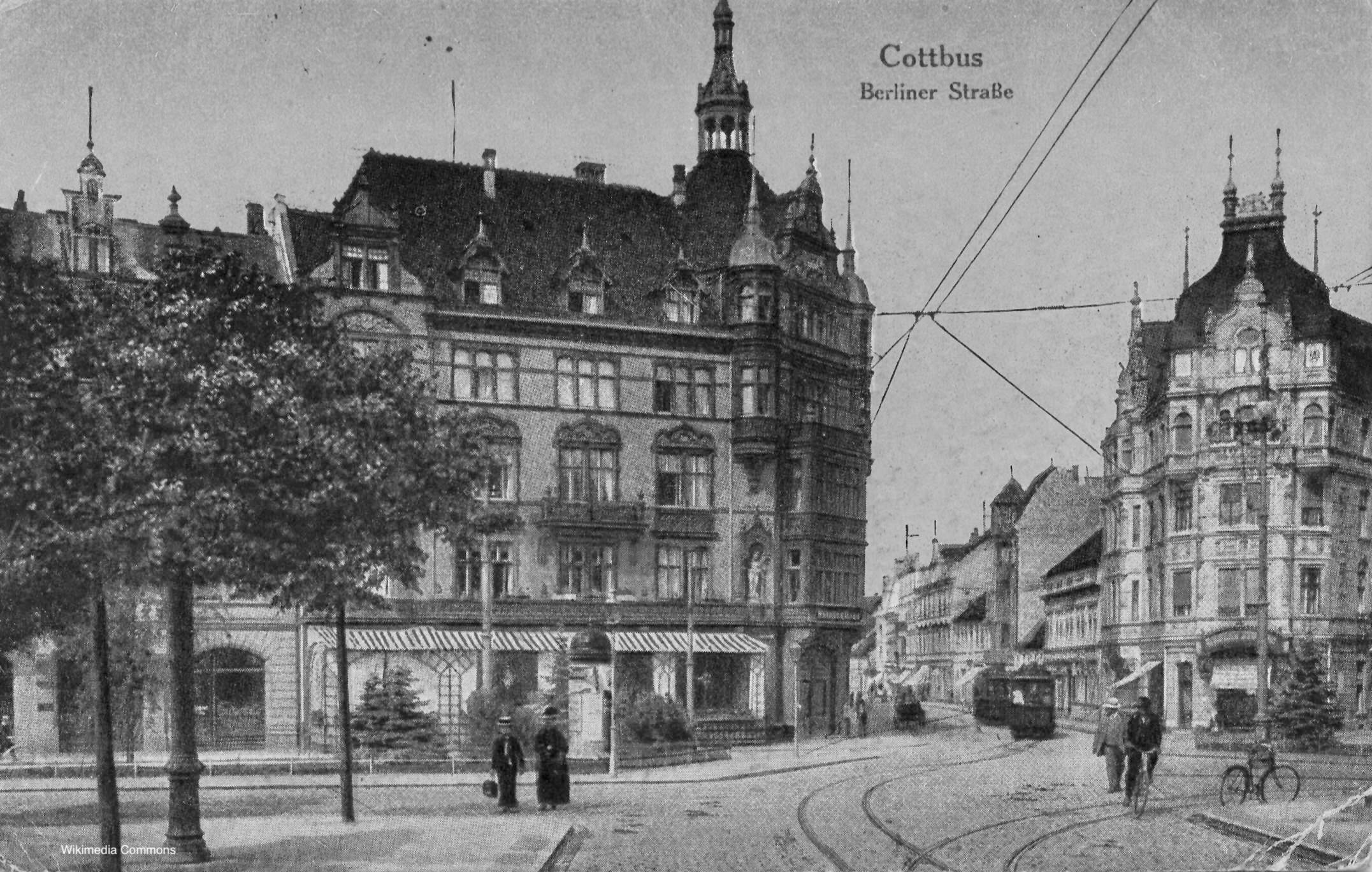
Old Postacrd of Cottbus, Germany.
In 1933, there were around 450 Jews in Cottbus, which is located 130km southeast of Berlin.
From May 1933, they were prohibited from taking part in the annual fair. From June, all Jewish employees were ousted from the trade unions and deprived of their jobs. The majority Jews in Cottbus, who had the means to do so, emigrated in the years immediately after 1933. Others who had been born in Poland were expelled across the border in 1938.
The Story of the Boys’ Families: The Schindler Family
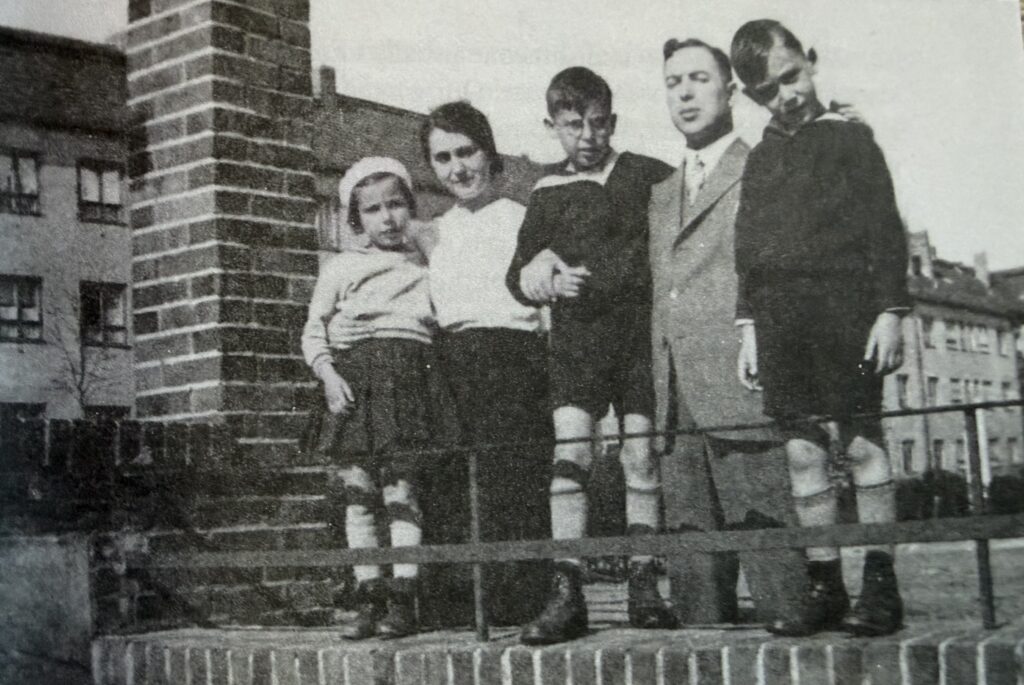
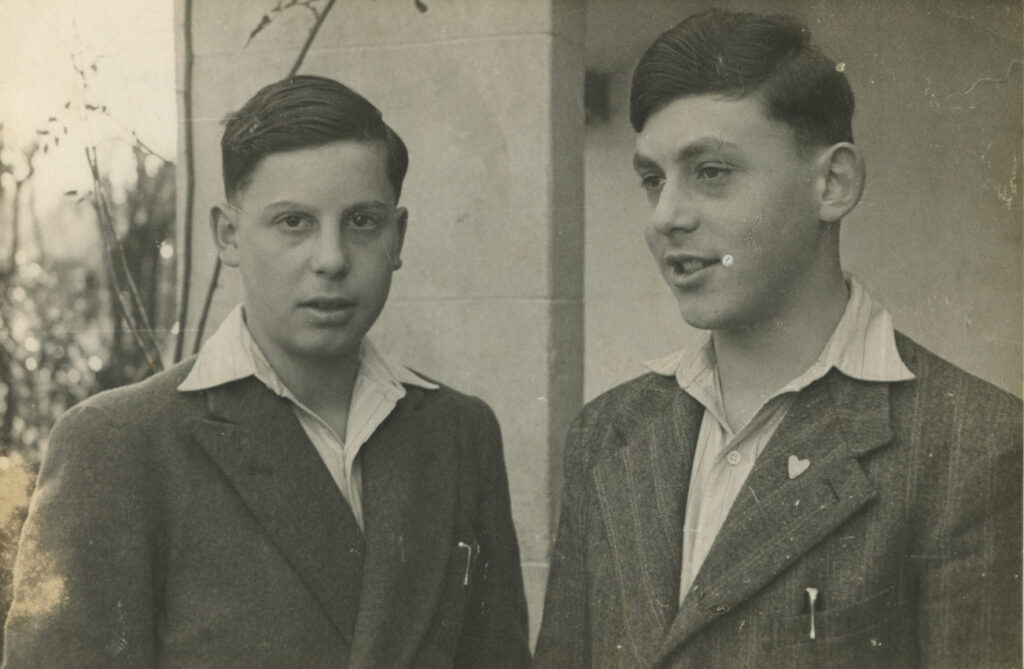
The Schindler Family, Cottbus 1936.Max Schindler (right) with his brother Fred 1946.
Benjamin and Racjela Schindler lived at Calauer Strasse 65. They had three children: Alfred (b. 1928), Max (b. 1929) and Cäcilie (b. 1930). Both Benjamin and Racjela had been born in Poland and did not have German citizenship.
“As the fall months wear on in 1937, Dad says the situation for Jews in Germany is changing steadily. It seems that Hitler is gaining popularity and his power is increasing. He is circulating propaganda in the newspapers, on the radio and in the movies to make people hate Jews.
Dad is concerned about Fred and me because there is growing aggression toward Jews in public. We reassure Dad that we are not suffering at school, which makes him feel a little better …
The next day, Dad informs us that the Germans came to his liquor store and took all its contents. He was ordered not to return. Fred and I jump up yelling, ‘They can’t do that!’
He orders us to sit down and listen. He continues, saying that throughout the ordeal people were throwing rocks and calling him a dirty Jew. He had no choice but to walk away.” – Max Schindler
Benjamin Schindler tried to emigrate to the United States, where he had relatives but the paperwork failed to come through before disaster struck.
Expulsion The family were deported from Cottbus in October 1938 in what was known as the ‘Poleaktion’, in which Polish born Jewish residents of Germany who did not have German citizenship were expelled from the Reich. The Schindler family were among over 17,000 Polish Jews who were sent to Poland within the space of just two days.
The Polenaktion (‘Polish Action’ in German) was the first forced expulsion of Jews from Germany and Austria. The expulsion led directly to Kristallnacht. Herschel Grynszpan, a 17-year-old living in Paris, shot a German diplomat after receiving the news that his family had been deported from Hanover.
The Schindlers made their way to their parents’ homes eventually settling in Brzesko.
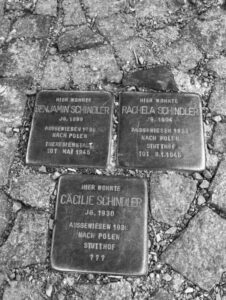
Stolperstiene for the Schindler family
Holocaust When the war broke out they fled from their maternal grandmother’s house in Wytrzyszczka. The managed to avoid being forced into a ghetto but were eventually taken to a labour camp.
Benjamin and his two sons endured several concentration camps. Benjamin Schindler died in the Theresienstadt Ghetto just before the liberation after enduring a death march.
Racjela and her daughter Cäcilie died in the Stutthof concentration camp.
To find out more about Alfred Schindler click here and to read about the life of Max Schindler click here.
By May 1939, only 142 Jews remained in Cottbus.
Present-day
The Jewish community was formally re-established in 1998. Today, it consists of roughly 350–460 members, almost exclusively immigrants from the former Soviet Union
Visiting Cottbus
>
Getting there Cottbus is an hour by train from Berlin.
What to See
Synagogues
Site of the Old Synagogue The city’s original grand synagogue, dedicated in 1902, was destroyed by the Nazis during Kristallnacht in 1938. Today, a department store stands on the site at Karl-Liebknecht-Strasse 136.
The New Synagogue (Schlosskirche) A decommissioned Protestant church (the Schlosskirche) was converted into a synagogue in 2015.
Cemetery
Jewish cemetery (Dresdnerstrasse) The cemetery is located in a corner of the city’s main graveyard, featuring both historical graves and fresh stones belonging to the revived community.
What to read
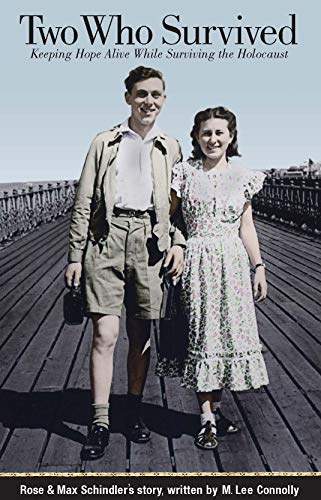
Two Who Survived: Keeping Hope Alive While Surviving the Holocaust (MRS, 2019) M. Lee Connolly. The story of Max Schindler and his wife Rose, who was also one of the Boys. To find out more click here.
Members of the Boys were born in Budzanów, Poland, now Budaniv, Ukraine.
The Boys were teenage and child-Holocaust survivors, who were brought to the UK after the war for rest and rehabilitation.
Members of the Boys were held in Nazi labour and concentration camps and used as slave labourers. They had also survived World War II in hiding or as lone children.
Background
Budzanów, founded in 1549, was known for its significant Jewish population, constituting around 40% of the total. It was part of Austro-Hungary until World War I. Many Jews left for the Unites States and other countries at the end of the 19th century.
In the interwar years it was part of Poland. Jews were active in political life and there was a significant Zionist movement.
About 1,200 Jews lived in the town in 1921.
World War II
The Red Army occupied Budzanów on 17 September 1939. The Germans then captured the town on 2 July 1941.
In November 1942 all the Jews of Budzanów were taken to the Trembowla Ghetto. The Jewish community of Budzanów was systematically deported to the Bełżec extermination camp in November 1942.
Aftermath
Only 18 Jewish residents of Budzanów remained alive when the town was liberated by the Russians on 23 March 1944.
Visiting Budzanów
>
Getting there The closest railway station is in Ternopil.
Note that the UK Foreign Office advises against travel to Ukraine because of the ongoing Russian invasion.
What to see
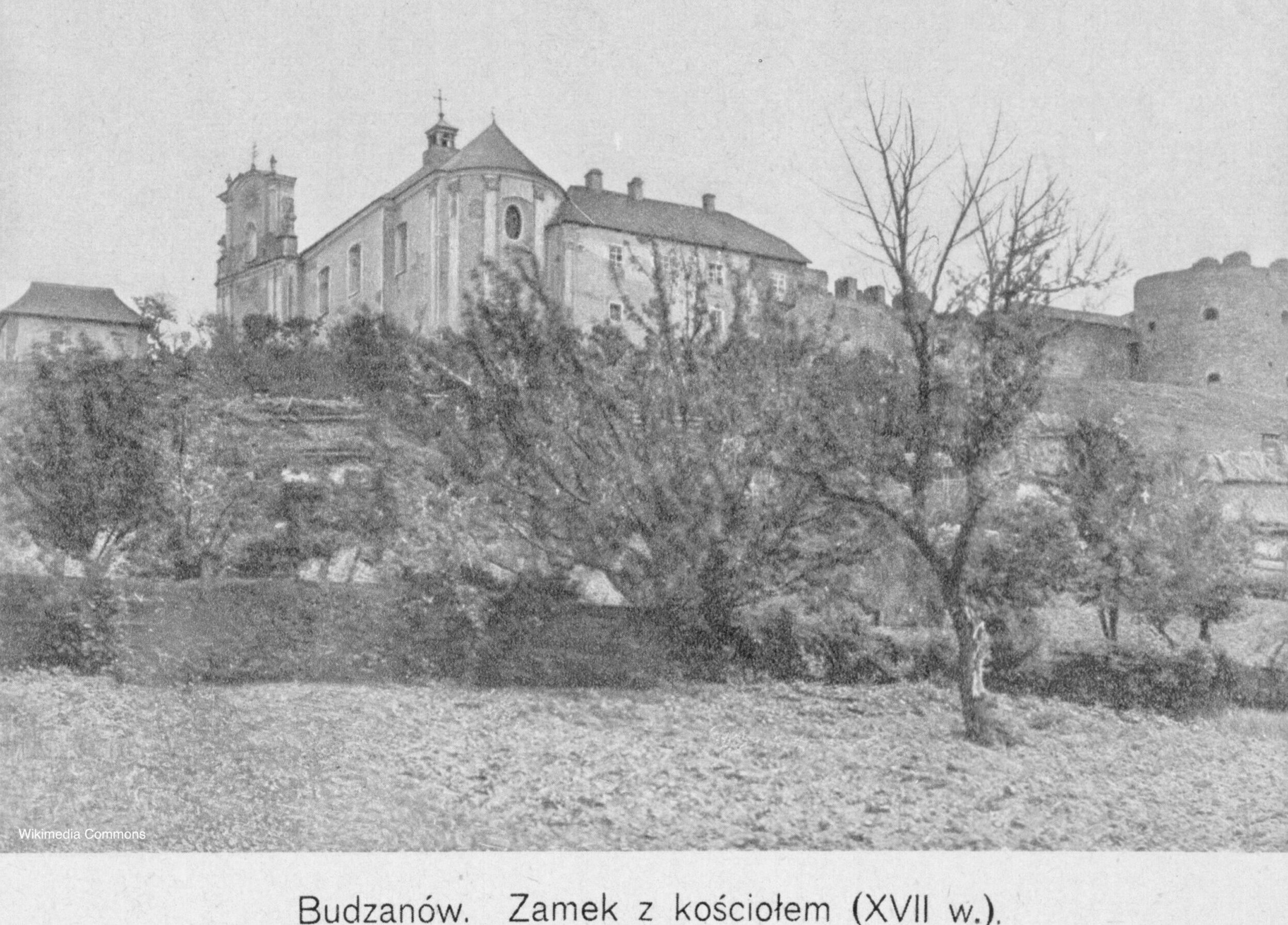
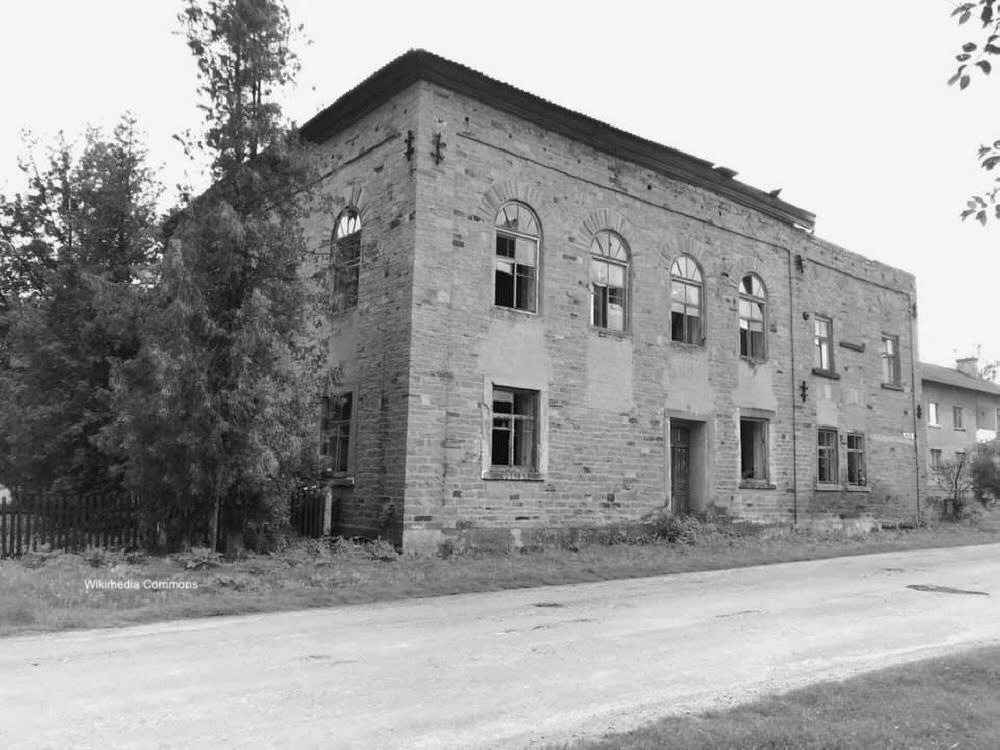
Synagogue (4 Mickiewicz St) An imposing, now abandoned building. Old Jewish Cemetery Located near the Budaniv castle, it was largely destroyed and only a few upright tombstones remain. New Jewish Cemetery Established by the 19th century, it contains approximately 30 gravestones and was recently fenced by the ESJF European Jewish Cemeteries Initiative to prevent further degradation. Stepan Derevianko Monument A unique memorial to a local Ukrainian police chief who was killed by the Nazis for attempting to protect the town’s Jewish community in 1941.
Members of the Boys were born in Budapest and the surrounding area.
The Boys were teenage and child-Holocaust survivors, who were brought to the UK after the war for rest and rehabilitation.
Members of the Boys were held in Nazi labour and concentration camps and used as slave labourers. They had also survived World War II in hiding or as lone children.
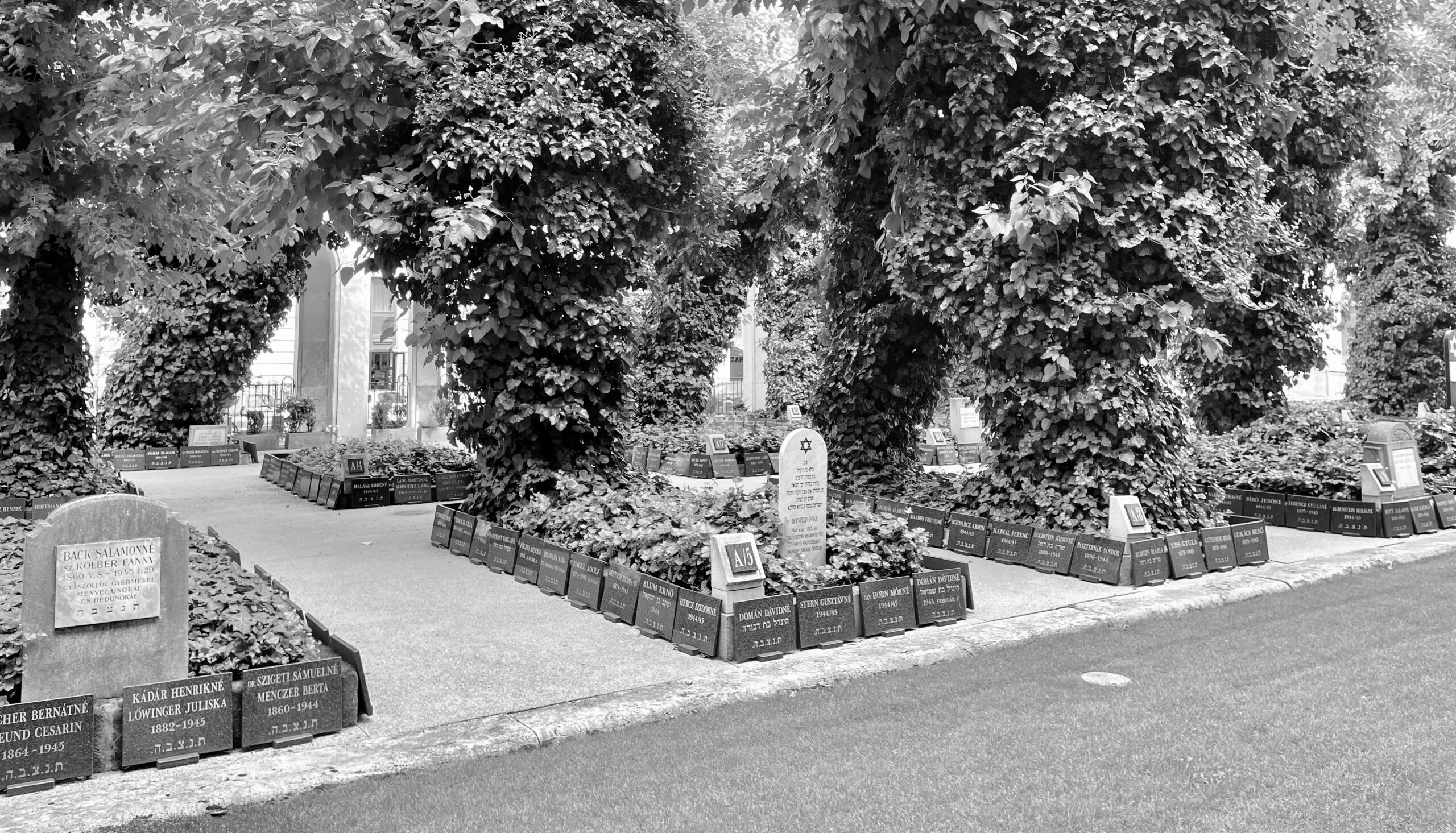
Graves of Jews who died in the Budapest Ghetto in the Dohány Synagogue in Budapest, Hungary.
Background
Budapest, the Hungarian capital, has always been the centre for Hungarian Jewish cultural life. Hungary’s Jewish population played a significant part in the development of the country’s political, cultural and economic life after emancipation in 1867.
Dohany Street Synagogue
Budapest was also the birthplace of Theodor Herzl, the father of modern political Zionism.
In the early 20th century, Jews represented a significant proportion of Hungary’s professionals; 60% of Hungarian doctors were Jewish.
To find out more about the history of Hungary click here.
World War II
In the late 1930s and early 1940s, Budapest and its surrounding area was a safe haven for Jewish refugees. Some 5,000 Austrian and German Jewish refugees arrived in Budapest before the war. Budapest was relatively secure until the German occupation of Hungary in March 1944.
In November 1944, some 70,000 Budapest Jews were herded into the ghetto, where they lived 14 people to a room. To find out more about the ghetto and the Boys who were held in it click here.
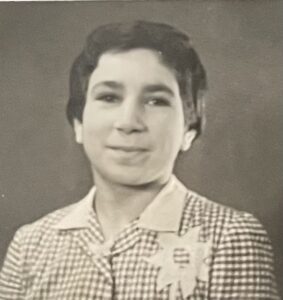
Magda Lieberman was one of the Boys who hid in Budapest during World War II.
Between April and July 1944, the Germans and Hungarians deported Jews from the Hungarian provinces.
Yet on 7 July 1944, following a private intervention by Pope Pius XII, Horthy stopped the deportations, saving the Jews of Budapest. Horthy was deposed in October 1944 in a coup staged by the far-right ultranationalist Arrow Cross.
In December 1944 and January 1945, approximately 20,000 Jews were shot on the banks of the Danube.
Two ghettos were set up in the 7th District and the so-called International Ghetto near Szent Istvan Park.
Raoul Wallenberg, a Swedish diplomat and a small group of other diplomats, issued life-saving diplomatic passports and papers to thousands of Hungarian Jews.
Erika Vermes was one of the Boys given life saving papers by Raoul Wallenberg.
Wallenberg delivered papers to Jews on the banks of the Danube about to be shot and those in the railway station about to be deported. He even warned the commander of the German troops that he would see him prosecuted for war crimes if the ghetto was liquidated.
Once the Jews had protective papers they were housed in an international ghetto. The Arrow Cross permitted this as it meant Jews would be taken out of Hungary. Wallenberg disappeared in January 1945 and is believed to have been taken to Moscow by the Soviet secret police, accused of spying for the Germans.
Aftermath
Budapest was liberated by Soviet forces on 13 February 1945. About 100,000 Jews were still alive when the Red Army occupied Budapest. Many of the survivors chose to emigrate to Israel in the early post-war years, and after the 1956 Hungarian revolution.
Present-day
Today, Hungary has a large Jewish population of around 100,000, most of whom live in Budapest, which is home to Europe’s largest synagogue.
Visiting Budapest
>
Budapest was and remains the centre of the Jewish community in Hungary.
The city is home to some moving memorials and important stories. It also has a vibrant Jewish Quarter which is the city’s cool hipster place to hang out. Budapest hosts several Jewish cultural festivals, notably the Jewish Cultural Festival (Zsidó Kulturális Fesztivál; w zsidokulturalisfesztival.hu), which is held at the end of summer.
Getting there Budapest is well connected by low-cost airlines to most major European cities. There are regular rail services between Berlin, Vienna and Prague and the city’s three train stations. Bus links are also good.
Getting around Most of the main sites in Budapest are walkable.
To drive on Hungary’s motorways, you must buy a vignette. To visit the towns related to the story of the Boys mentioned in this chapter you can use public transport, but for more rural sites you need your own car.
What to see
>
Synagogue
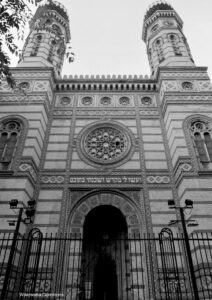
Dohány Street Synagogue (Dohány utcai Zsinagóga; Dohány Street; entry fee) This the largest synagogue in Europe. In 1939, the building was attacked by the pro-Nazi Arrow Cross. It was then used as a stable and was damaged during the siege of Budapest at the end of the war. Renovations began in 1991.
A centre of Neolog Judaism, the synagogue can hold almost 3,000 people. Inside, surprisingly, it resembles a church, and there is no bimah in the centre. The ark contains Torah scrolls from synagogues destroyed during the Holocaust.
The synagogue is unusual too in that it has an organ and a mass grave in the courtyard. Jews are never normally buried in the grounds of a synagogue, but during the winter of 1944–45, when the synagogue was part of the ghetto, Jews who died of hunger, cold and disease were buried here. The grave contains the remains of at least 2,281 people, whose identities are for the most part unknown. There is a wordy but highly informative exhibition in the basement of the synagogue about the Budapest Ghetto.
Emmanuel Tree Memorial, Dohany St Synagogue, Budapest
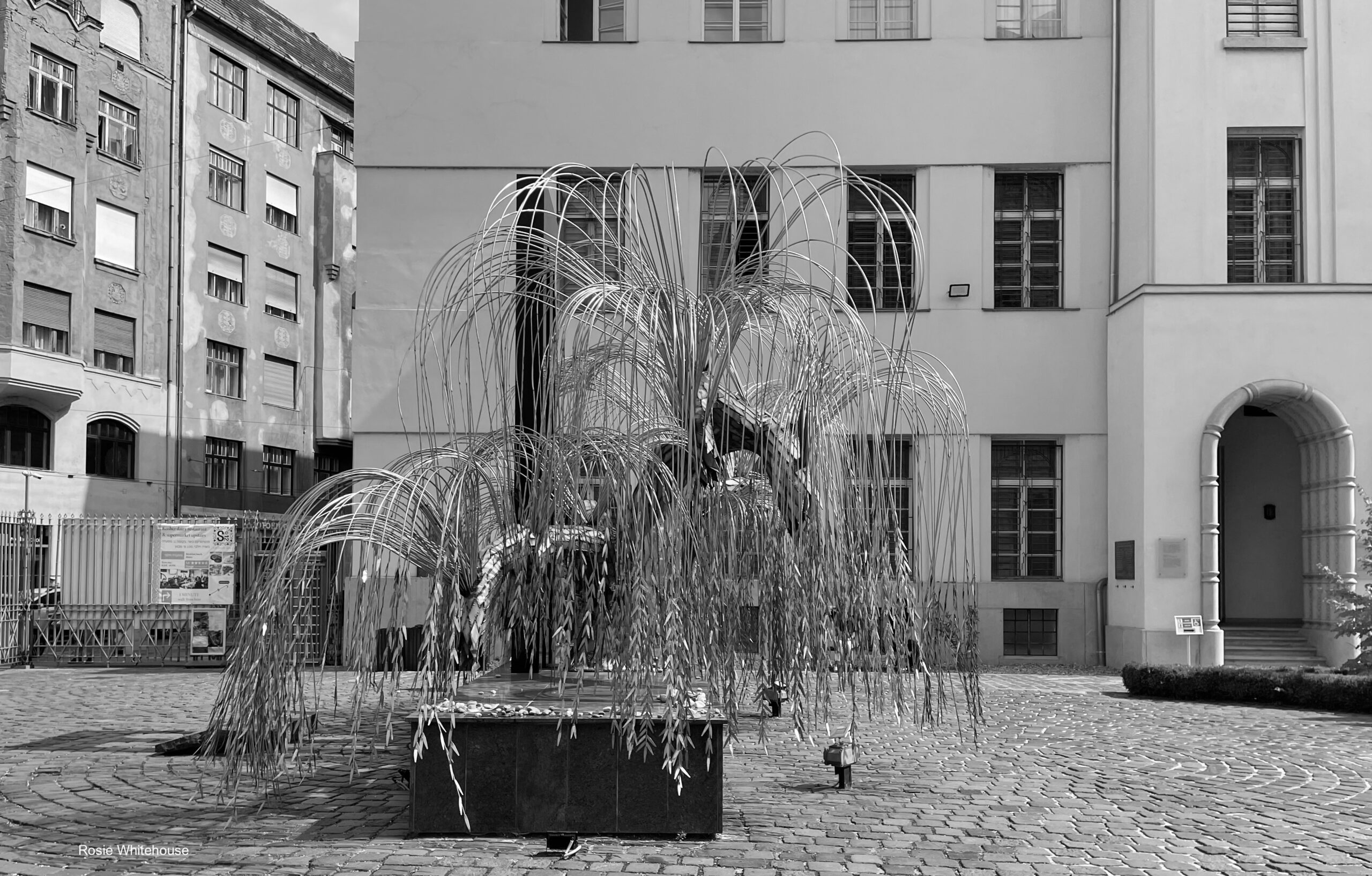
In the courtyard behind the synagogue, the Emmanuel Tree Memorial is a silver-coloured weeping willow made of metal with the names of 30,000 Hungarian Holocaust victims engraved on its leaves. The American actor Tony Curtis, whose Jewish parents were born in Hungary, paid for the statue.
The synagogue complex also contains a symbolic headstone for Raoul Wallenberg, the Swedish diplomat who issued life-saving diplomatic passports and papers to thousands of Hungarian Jews among them members of the Boys.
Wallenberg was not the only diplomat to help the Jews. There are also memorials in the synagogue complex to Italians Giorgio Perlasca, Angelo Rotta and Gennaro Verolino, as well as Portuguese diplomats Carlos de Liz-Texeira Branquinho and Carlos Sampaio Garrido.
Ghetto Location
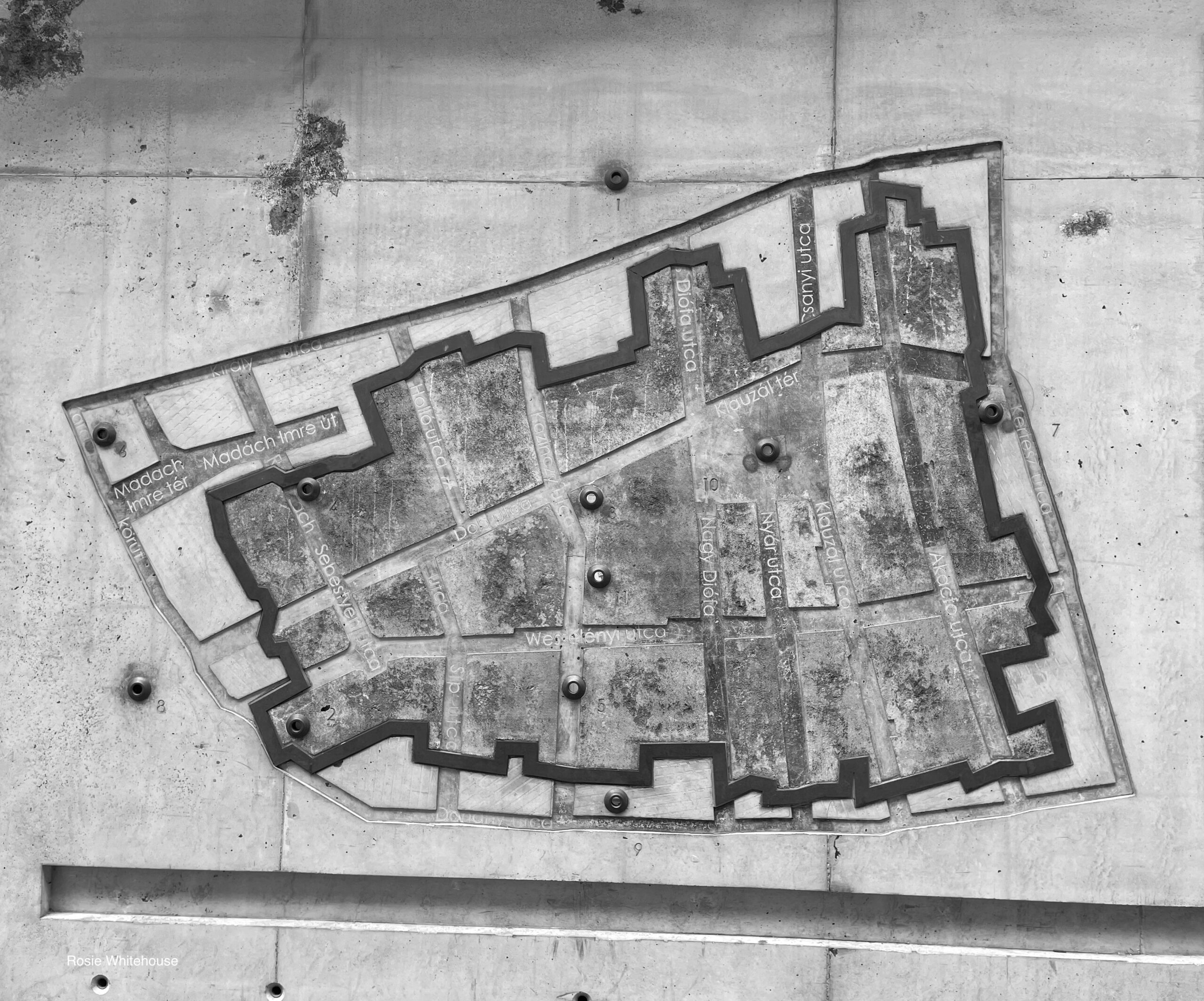
Map of the Budapest Ghetto.
The Budapest Ghetto was enclosed by today’s Király, Kertész, Dohány and Rumbach streets in the Jewish Quarter.
A reconstructed part of the ghetto wall can be seen from a distance at Király Street 15 in the courtyard of a private apartment building.
Memorials
Ghetto Memorial Wall (Dohány Street 34) shows a map of the confined area, and there are bullet-shaped peep holes through which visitors can see images of the ghetto.
Ghetto Memorial (Klauzál tér) This new memorial stands on the square where corpses were dumped in the winter of 1944–45.
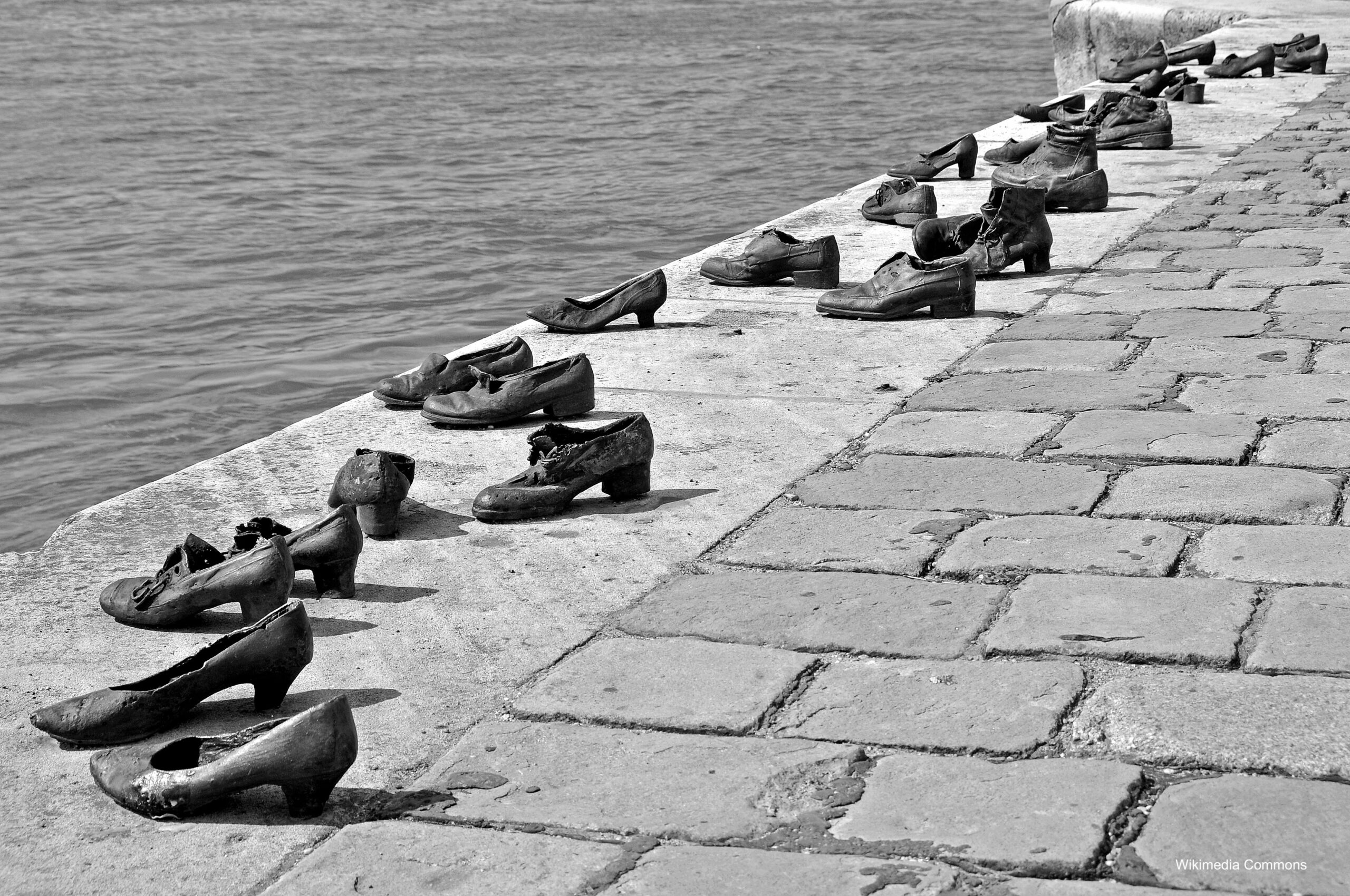
Shoes on the Banks of the Danube (Cipők a Duna-parton between the parliament building and the Chain Bridge) The memorial shows 60 cast-iron men’s, women’s and children’s shoes on the embankment. Approximately 20,000 Jews were shot on the banks of the river by the Arrow Cross militia, who ordered them to remove their shoes before the execution took place.
Memorial to the Jewish Labourers (A zsidó munkaszolgálatosok emlékműve; Bethlen tér 2) commemorates the thousands of Jewish Hungarian men who were taken into forced labour service units, munkaszolgálat, during World War II. Many of the Boys fathers and older brothers were taken into these brigades.
ELITE University Memorial (Trefort Garden opposite the Astoria Hotel) The memorial on the wall of the Faculty of Humanities lists the names of the students and teachers who died in the Holocaust.
Memorials to Foreign Diplomats
Raoul Wallenberg In 1946, a monument was put up by survivors in Szent István Park (St Stephen’s Park) to honour Raoul Wallenberg. In 1949, the night before the monument was to be unveiled, the communist authorities removed it. A copy of the statue was reinstated in 1999 and a ceremony is held here annually on 4 August, Wallenberg’s birthday. There is another monument to Wallenberg at Erzsébet ter 11–13.
There is a plaque on the safe house in the International Ghetto (Pozsonyi Street,10). Another statue marks the spot in Buda where Wallenberg’s abandoned car was found.
Carl Lutz A memorial at Dob Street 12, not far from the Dohány Street Synagogue, depicts Lutz as a golden angel, descending from the heavens to help a fallen victim. He saved an estimated 60,000 Hungarian Jews.
Angel Sanz Briz There is a plaque remembering the diplomat on the Spanish Embassy at Eötvös Street 11. Acting independently of General Franco’s fascist government, he managed to save 5,000 Jewish lives.
Museums
Holocaust Memorial Centre (Holokauszt Emlékközpont; IX Páva untca 39; entry fee) Budapest’s Holocaust Memorial Centre is outside the traditional Jewish Quarter and as a result is often sadly overlooked by tourists. The memorial and museum is in the former Páva Synagogue, once the second largest in the city. The complex was used as an internment camp in 1944 and is the best place to start to understand the Holocaust in Hungary.
The Glass House (Üvegház; Vadasz u. 29; free), A former glass factory declared by diplomat Carl Lutz neutral territory which provided a safe haven for some 3,000 Jews, is now a small but excellent museum.
Memorialisation: Good to Know
The Holocaust in Hungary has in recent years been subject to historical distortion.
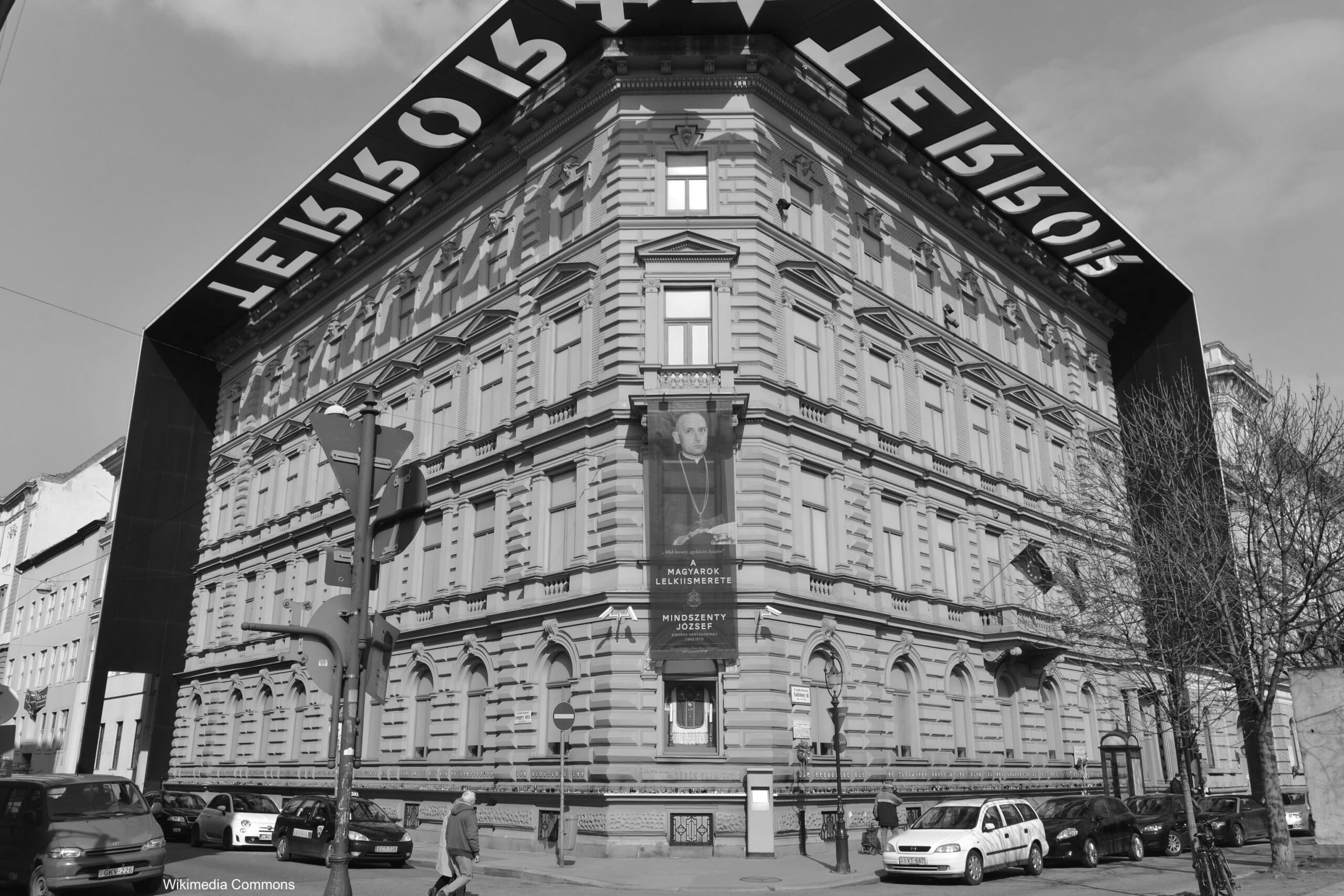
House of Terror, Budapest
A visit to the House of Terror (Terror Háza), one of Budapest’s most controversial museums, is a step into the dangerous world of memory politics and historical distortion. The museum, which opened in 2002, is located inside the building that served first as the headquarters of the fascist collaborationist Arrow Cross Party, and later by the Soviet-supported secret police, and seeks to equate the communist and Nazi totalitarian regimes.
This distortion also surrounds the debate over a project known by its temporary name, the House of Fates (Sorsok Háza). The unfinished museum stands in the Józsefvaros district at the site of the former railway station, from where several trainloads of Budapest Jews left for Auschwitz. Construction began in 2015 and has so far cost over €20 million. Critics, among them the Israeli Holocaust Memorial Yad Vashem and the United States Holocaust Memorial Museum, say the museum will present Hungary as a victim not a collaborator by concentrating on events after March 1944 and ignoring Hungarian antisemitism and anti-Jewish legislation.
The 2014 Memorial to the Victims of the German Occupation (A Német Megszállás Áldozatainak Emlékműve) in Freedom Square (Szabadsag ter) has been criticised for representing Hungary as an innocent victim of Nazi Germany. It shows a German eagle swooping down on the Archangel Gabriel, who represents Hungary. It has been condemned by Jewish organisations and is the object of protest.
What to watch & read
>
Online
Centropa (w centropa.org/en/hungary) The Vienna-based organisation Centropa has an extensive archive on Hungarian Jewry.
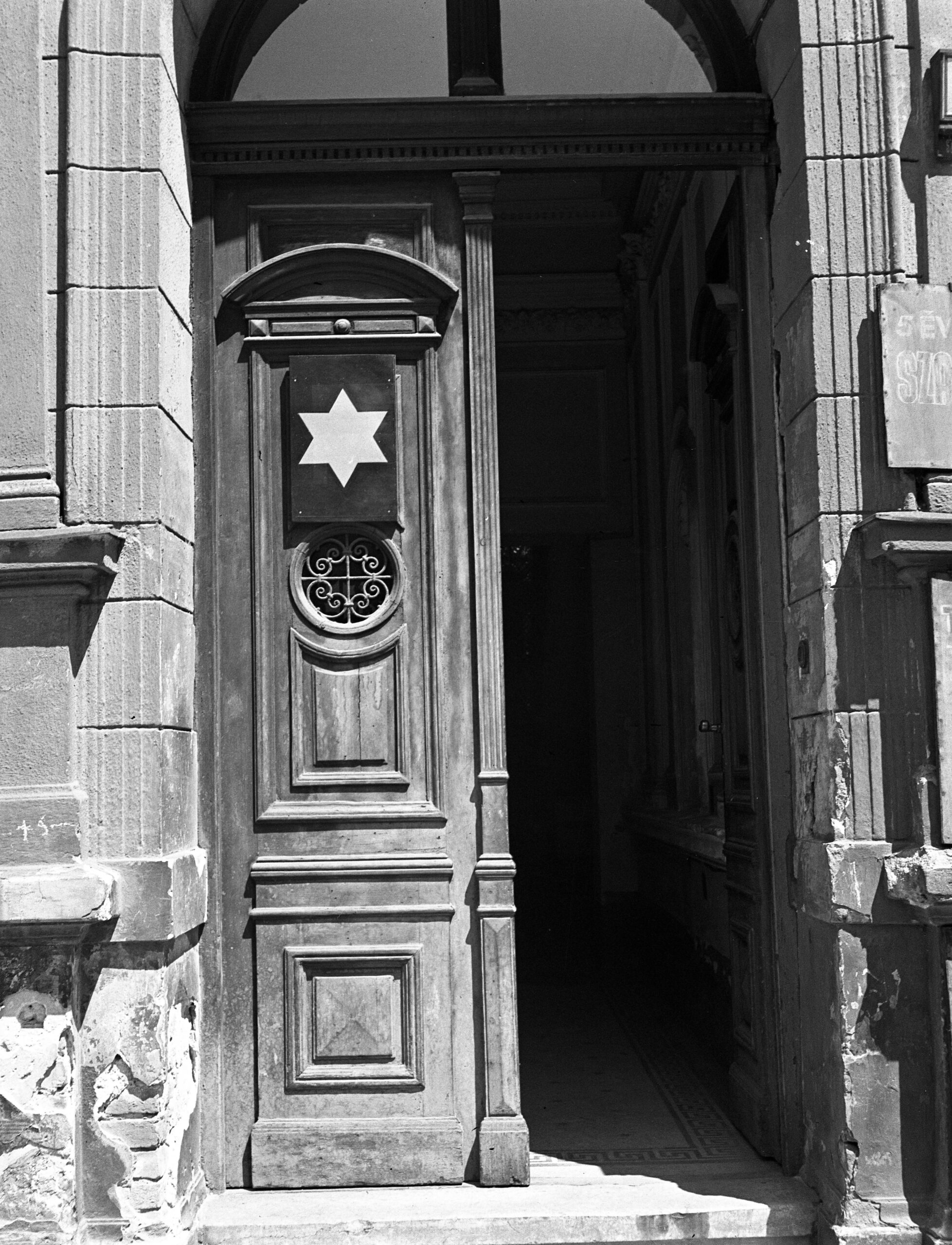
Yellow House, Budapest 1944
Yellow Star Houses The buildings that were once yellow-star houses are now private residences, but the website w yellowstarhouses.org marks their locations.
Members of the Boys were born in Breslau, Germany, now Wrocław, Poland.
The Boys were teenage and child-Holocaust survivors, who were brought to the UK after the war for rest and rehabilitation.
Members of the Boys were held in Nazi labour and concentration camps and used as slave labourers. They had also survived World War II in hiding or as lone children.
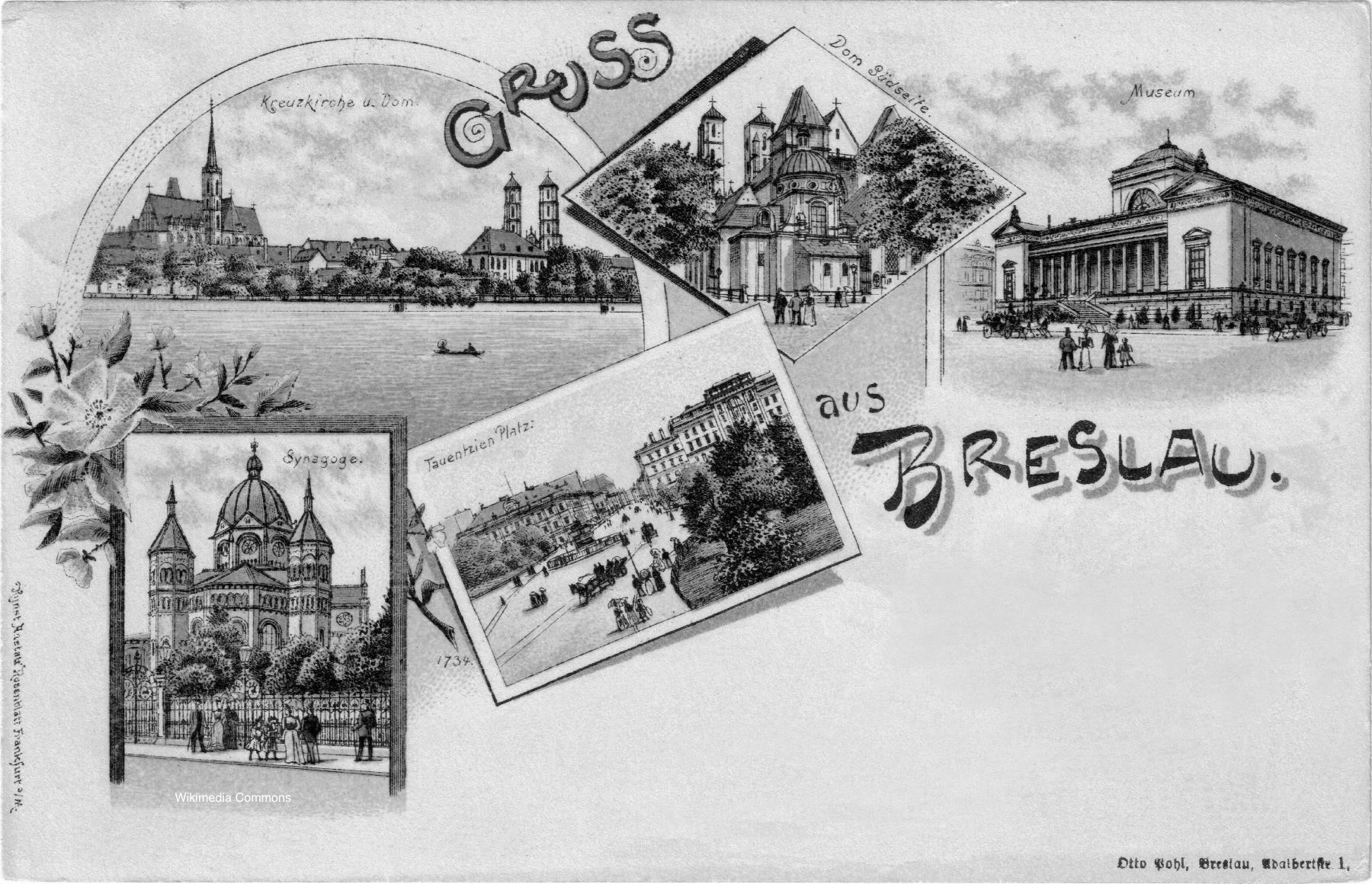
Old postcard of Breslau, Germany.
Breslau, now known as Wrocław, in western Poland, had a long-standing Jewish community, with a large, prominent Reform Jewish congregation.
Background
The oldest Jewish tombstone found in the city dates back to 1203. In 1290, Wrocław had the second largest Jewish community in east central Europe, after Prague. The Jews of the city worked primarily as moneylenders and traders; a smaller minority worked as artisans.
During the 14th century, however, the Jews of Wrocław were the victims of a number of outbreaks of violence, notably a pogrom in 1349 at the time of the Black Death. Jews were expelled in 1453 and forbidden to live in Wroclaw until 1744.
In 1741 the city was annexed by Prussia, and in 1744 Frederick II allowed Jews to form an official community. The Jewish population grew rapidly.
Wrocław became an important centre for the Haskalah (the Jewish Enlightenment). Both communities – the orthodox and the liberal – were active in the religious and cultural lives of the Jews of the city, and were led by distinguished rabbis and scholars. The number of Jewish residents in the city was 19,743 in 1900, and 10,300 in 1939.
Third Reich In November, 1938 Jewish cultural, social, and educational activities were halted and synagogues and Jewish schools were destroyed during the Kristallnacht pogroms.
Beginning in September 1941, the Jews were driven from their homes and crowded into ‘Judenhauser’, to be deported later to transit camps in Silesia, and from there to the Auschwitz II-Birkenau concentration and extermination camp.
From April 1942, the remaining Jews were deported to Auschwitz, Sobibór extermination camp, and ghettos in Riga or Theresienstadt. Of the 3,800 deported to Theresienstadt, only 200 survived.
Aftermath
After World War II, the city along with most of Lower Silesia, became part of Poland.
Beginning in May 1945, Wrocław was a transit centre for Jewish survivors returning from concentration camps in Silesia and Poland. Jews from former Polish territories that had been annexed to the Soviet Union during the war began arriving in the city in waves beginning in 1946, making Wroclaw the largest Jewish community in Poland. Though the number of Jews in Wroclaw rose to 17,747 in 1946, after the pogrom in Kielce in July of that year the numbers dropped considerably.
By 1974, there were 3,000 Jews in Wrocław. A Jewish revival began during the late 1980s.
Present-day
The Jewish Community of Wrocław currently has approximately 300–350 registered members, though the broader Jewish-identifying population is estimated at around 800.
Visiting Wrocław
>
Wrocław is the historic capital of Silesia and it has changed hands repeatedly over the centuries. At different points throughout history, the city has been in the Kingdom of Poland, Bohemia, the Austrian Empire, Prussia and Germany. In 1945 the city became a part of Poland again as the borders of Poland were moved westwards in the immediate aftermath of World War II. The German population were expelled, among them German Jewish survivors. They were replaced by Poles from Vilnius and Lviv.
Getting there & around
There are direct flights from the UK to Wrocław–Copernicus Airport.
Wrocław Główny is the city’s main train station and serves as a major transit point for the Polish rail network, with many daily trains departing and arriving from all of the major cities in the country. There are also excellent bus and road connections.
The city centre is easily walkable and taxis are relatively cheap. Take a taxi to visit the two Jewish cemeteries.
There are tours to Gross Rosen 2kn south of Rogiźnica.
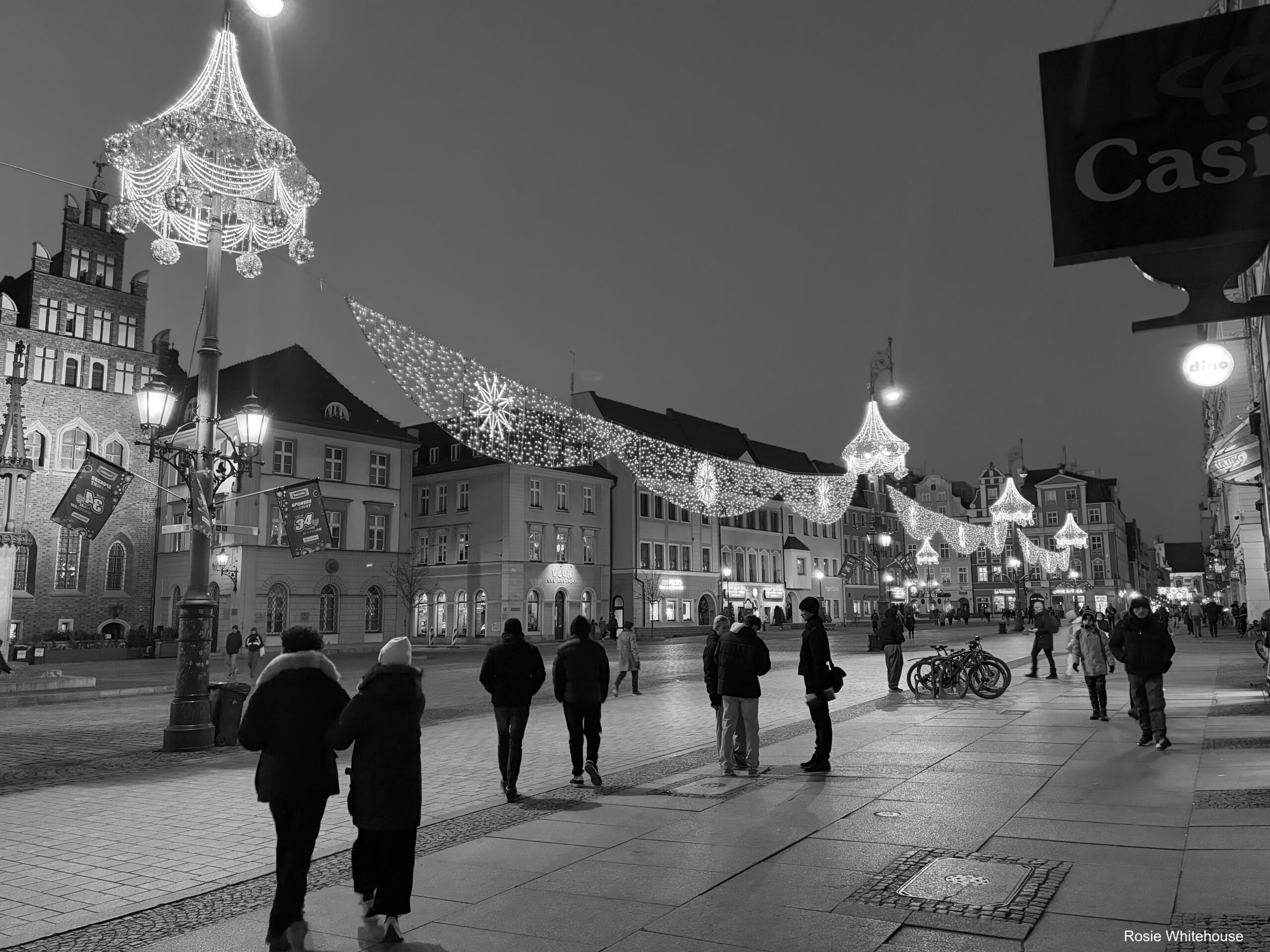
Wrocław
What to See
Synagogue & Jewish Community
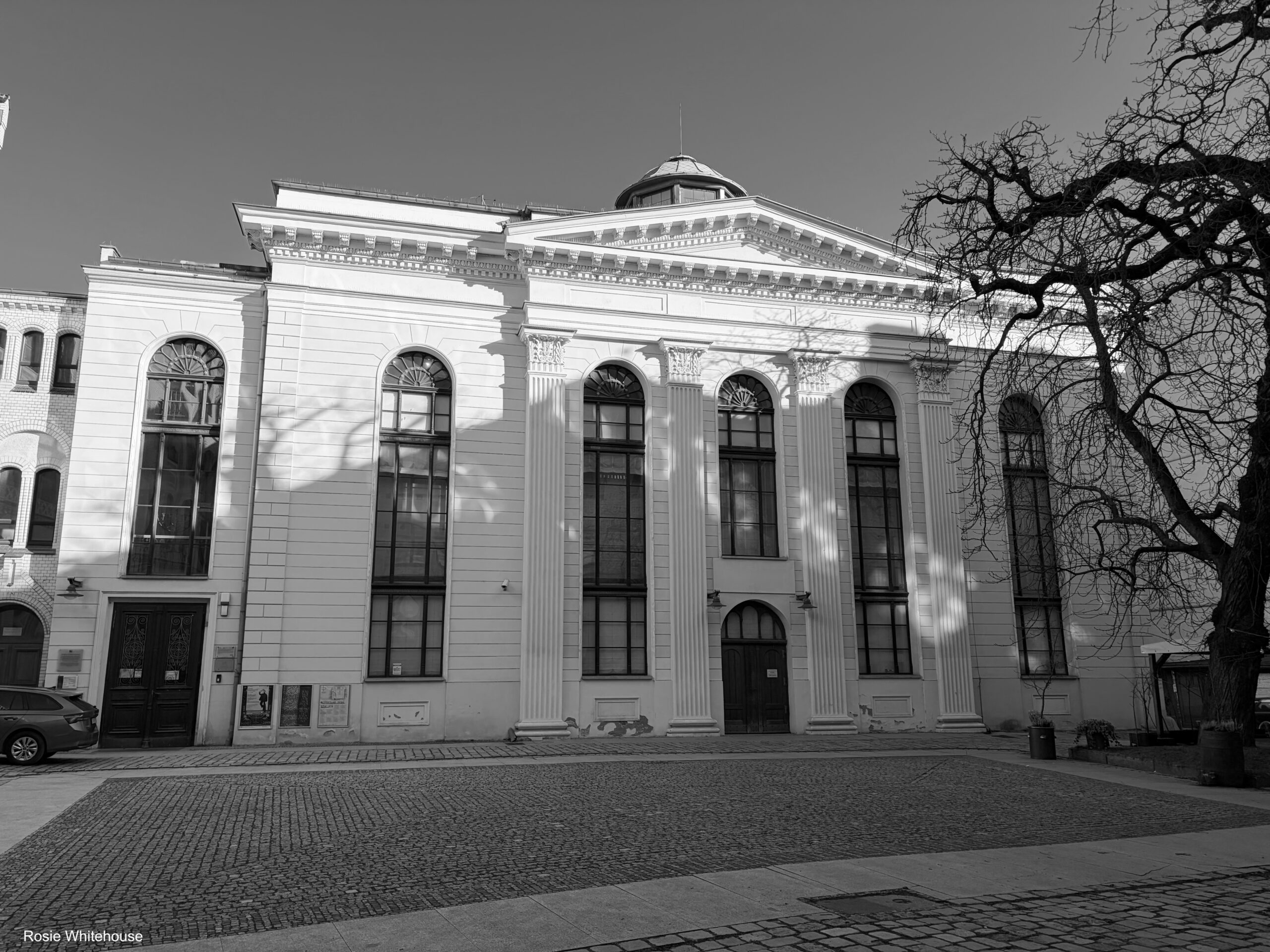
The White Stork Synagogue (Włodkowica Street, entry fee) The synagogue was severely damaged on Kristallnacht in 1938 but after a complete renovation reopened in 2010. It is the focal point for religious and cultural life, featuring a synagogue, a kosher cafe, and exhibition spaces.
The New Synagogue (located at today’s Łąkowa ul. 6 is marked by a small memorial) The synagogue was built for liberal Jews in 1872 and the second largest in Germany. It was destroyed on Kristallnacht.
A full walking tour of Jewish Wrocław leaflet is available at the synagogue.
Memorial
The Holocaust memorial is next to the synagogue.
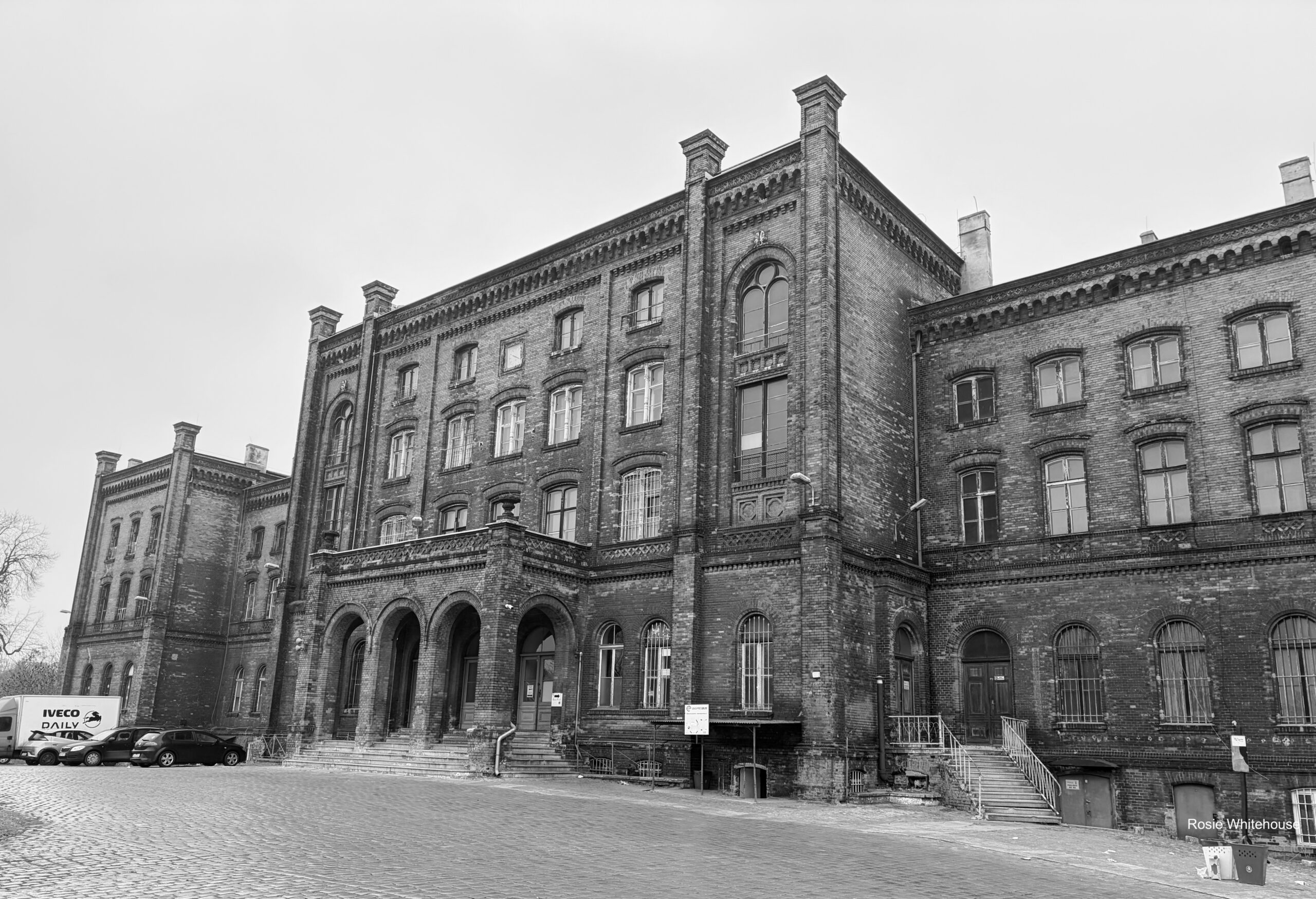
Odertor Railway Station (Dwórzec Nadodrze), Wrocław
Odertor Railway Station (Dwórzec Nadodrze) Jews had to wait for deportation at collection points in front of the White Stork Synagogue and the vicinity of the present Nadodrze Station from where the majority of the trains left. There is no memorial.
In May 1942 trains also left from Wrocław Główny, the main station.
There is an extraordinary collection of photographs taken in secret of the deportation on w atlas.lastseen.org/en/image/breslau/18
Cemetery
Old Jewish Cemetery (ul. Ślężna) This is perhaps the most well-preserved testament to the former strength of Wroclaw’s pre-war Jewish community, with over 1200 gravestones. Closed in 1942, in 1945 it saw fierce fighting – some of the tombstones have eerie bullet holes.
New Jewish Cemetery (ul. Lotnicza) The fifth-largest Jewish cemetery is located northwest of the centre. Founded in 1902 when the Ślężna Street cemetery became too small, and is still in use by Wrocław’s Jewish community. It contains a memorial to Jewish soldiers killed in World War I.
Visiting Gross Rosen
>
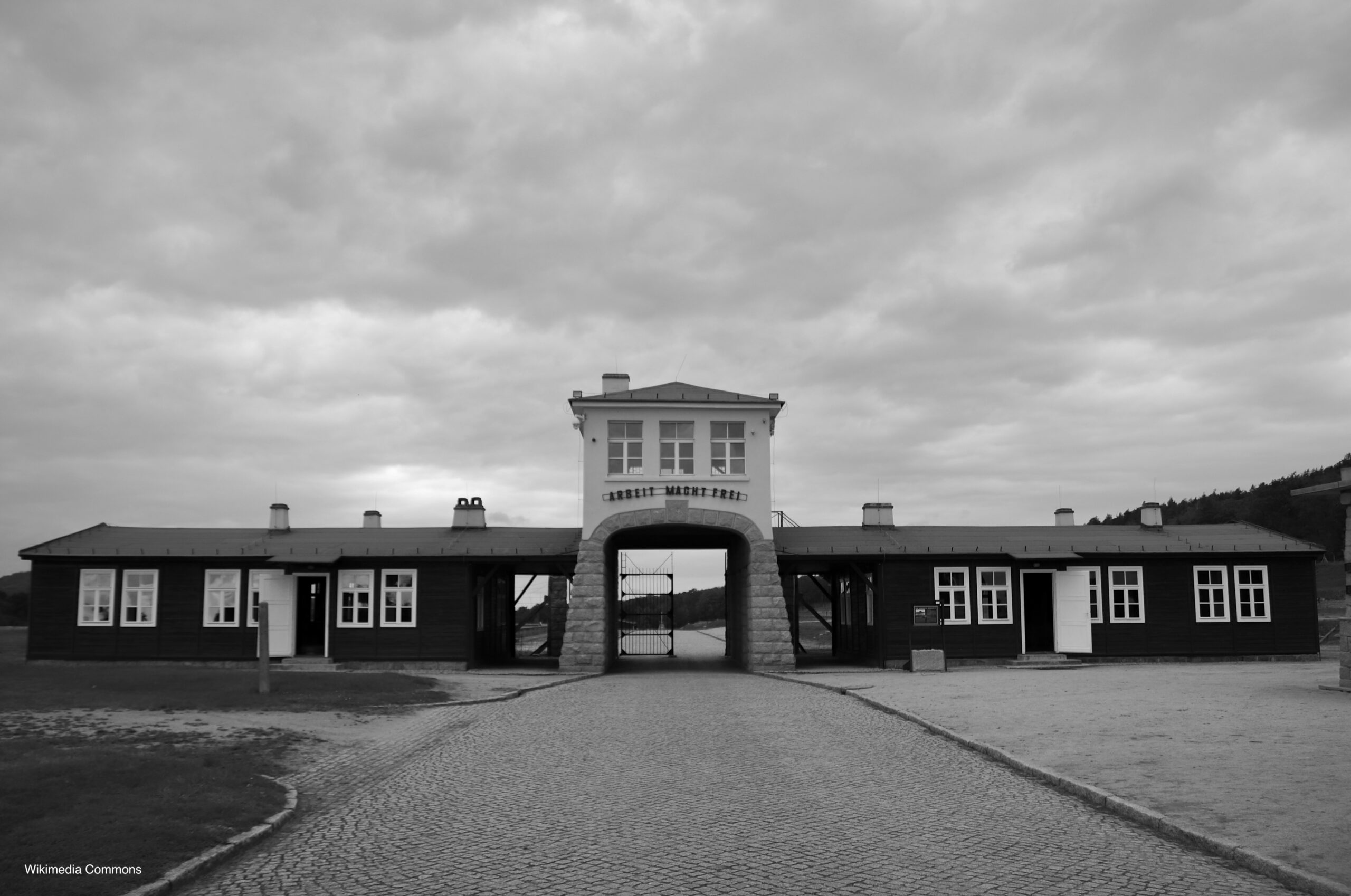
Gross Rosen
Muzeum Gross-Rosen (Ofiar Gross Rosen; w gross-rosen.eu; free) Initially a satellite of Sachsenhausen, Gross Rosen became an independent camp in 1941. Until 1943, it held mostly Polish and German political prisoners, when 57,000 Jewish prisoners were imprisoned here. Prisoners worked in the granite quarry. It was also a destination for many of the death marches endured by the Boys.
The camp was evacuated in February 1945; some of the original buildings remain.
Note that Gross-Rosen and its subcamps are not easy to visit if you don’t have a car.
Members of the Boys were born in Borysław, Poland, now Boryslav, Ukraine.
The Boys were teenage and child-Holocaust survivors, who were brought to the UK after the war for rest and rehabilitation.
Members of the Boys were held in Nazi labour and concentration camps and used as slave labourers. They had also survived World War II in hiding or as lone children.
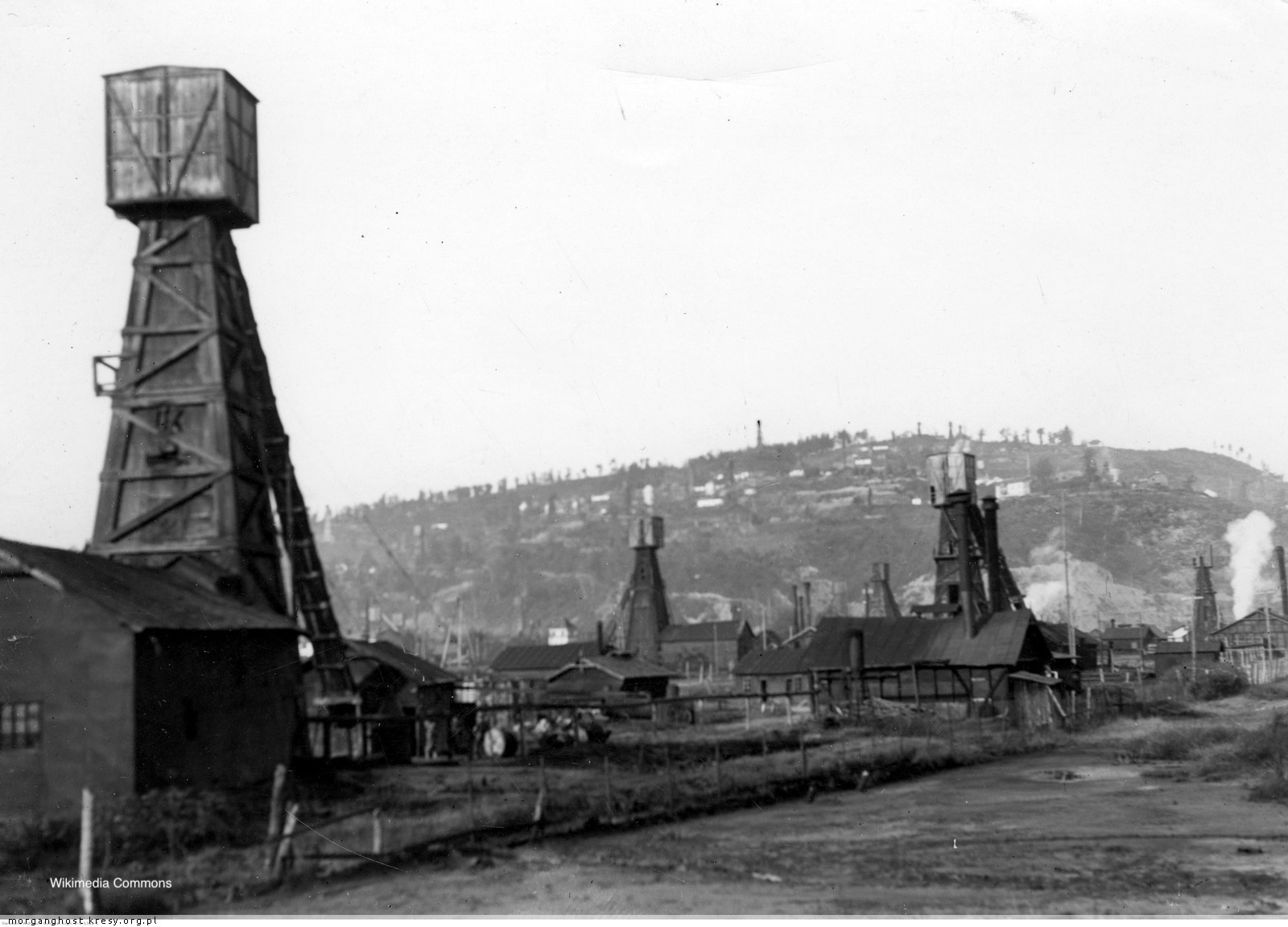
Borysłav, Poland before the Second World War.
Borysłav is a city located on the Tysmenytsia river, a tributary of the Dniester, in Lviv Oblast in western Ukraine.
Background
In 1387 Borysłav became a part of the Crown of the Kingdom of Poland. In 1772, during the Partitions of Poland, it was annexed by Austria and became a part of the Austrian Kingdom of Galicia and Lodomeria. After World War I it was part of the new state of Poland.
In the 19th century it became a centre for the extraction of crude oil. One of the first oil rigs in the world was built near Borysłav by Robert Doms in 1861.
World War II
In 1939, after the Soviet invasion of Poland, the town was annexed by the Soviet Union under the terms of the Molotov–Ribbentrop Pact. In 1941, the city came under Nazi control after the German invasion of the Soviet Union.
About 13,000 Jewish residents lived in Borysłav at the beginning of the war. On the day following the Germans’ arrival, local Ukrainians instigated a pogrom in which about 350 Jews were killed.
At the end of November 1941, around 1,500 Jews, deemed weak and unable to work, were shot by the Ukrainian militia and German security police in the forest near the town of Truskavets. During the winter of 1941–1942, many Jews died of hunger and disease.
In May 1942, an official ghetto was set up. To find out more about the ghetto click here. At the beginning of August 1942, Jews, including those from neighbouring villages were rounded up by the German police, Ukrainian Auxiliary Police, and Jewish police. Some were shot on the spot, about 400 were sent to the Janowska labor camp near Lwów (modern-day Lviv), and 5000 were sent to Bełżec extermination camp, where they were immediately gassed.
Two separate ghettos were created in Borysłav, including one for workers in the oil industry. In October 1942, the German and local Ukrainians and Poles, led by German soldiers, rounded up more than 1,000 Jews and sent them to Bełżec. In another action in November, a further 1500 Jews were also sent to Bełżec.
During the fifth action in February 1943, 600 Jews were shot by members of the Ukrainian Auxiliary Police, German police, and the Schupo. In June 1943, the Borysłav Ghetto was liquidated. Over the course of a week, the German forces murdered around 700 Jews. Other Jews were hunted down by Ukrainian and German forces and shot. The remaining Jews were deported to labour camps in Plaszów and Mauthausen from April to June 1944.
Jewish Resistance Some Jews escaped and formed partisan units in the forests. Resistance groups in the ghetto obtained some arms and set fire to some raw materials in ghetto industry.
Aftermath
After World War II, Borysłav became part of the Soviet Union.
Visiting Boryslav
>
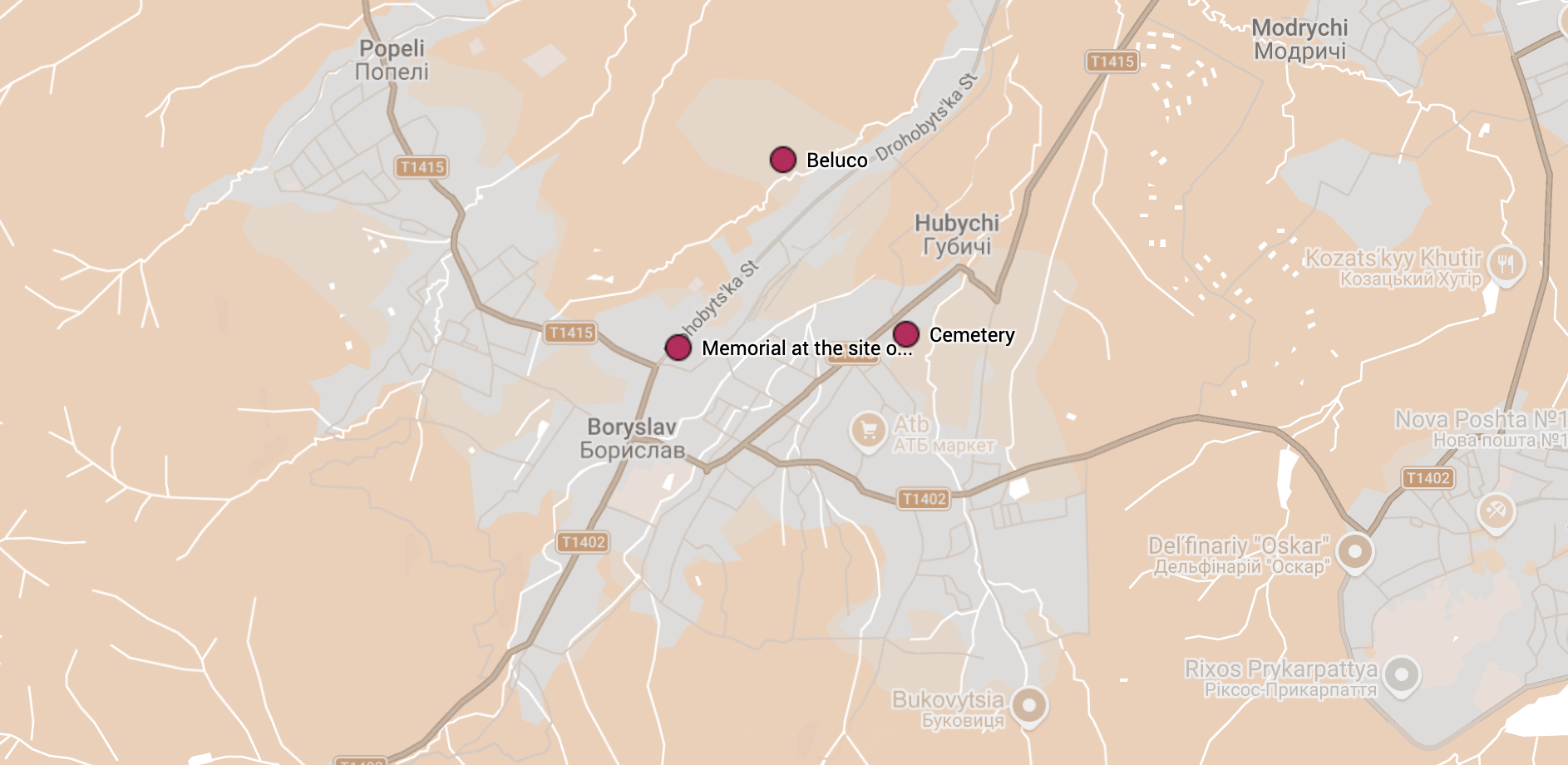
Getting there Boryslav is located 12km south of Drohobych, 99 km south-west of Lviv. Bus travel takes considerable time so a car is advisable.
Note that the UK Foreign Office advises against travel to Ukraine because of the ongoing Russian invasion.
Memorials
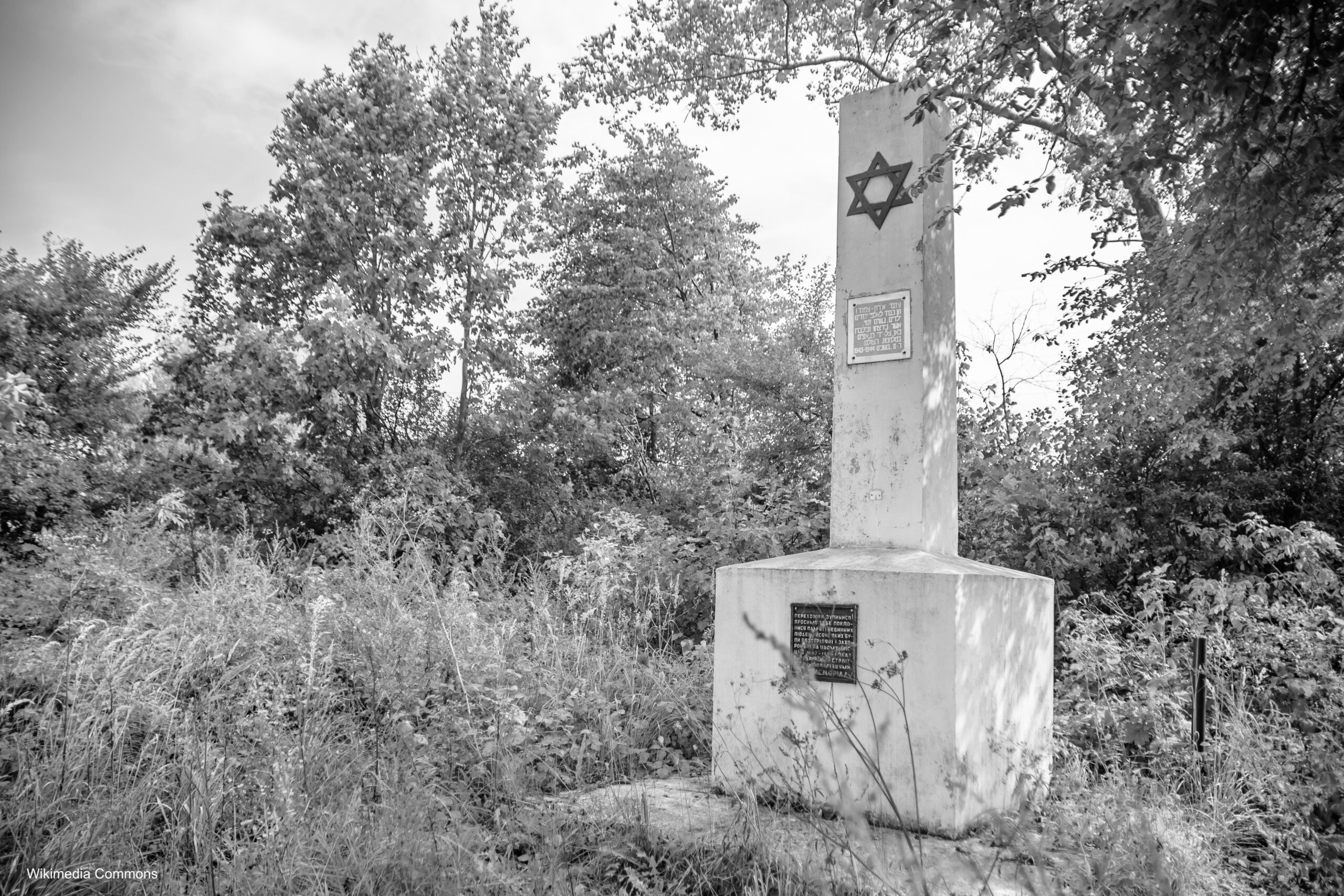
The Holocaust Memorial is located at the killing site in a forest near Boryslav off Drohobych st 109 (Ukrainian : вулиця Дрогобицька ) near the Beluco factory.
A plaque is attached to one of the premises of the forced labor camp for Jews in Boryslav on Bld Stepan Bandera.
The Jewish Cemetery Memorial (Drohobycka Street 10: Ukrainian : вулиця Дрогобицька). In 1959, the Soviet authorities destroyed the cemetery. No tombstones remain but the site is marked by a memorial.
Cemetery
The municipal cemetery is located behind the house at 164, Volodimira Velikogo. The Jewish section is in the north-eastern section.
 About
About History
 Education
 Quilts
 FIlms
FIlms Photos
 News Media & Events
 Publications
 Donate