Einsatzgruppe Special SS units dispatched to Slovakia to murder or deport the remaining Jewish population after the Slovak National Uprising in late 1944.
Reinhard Heydrich The SS General appointed as the Deputy Reich Protector of Bohemia and Moravia. Nicknamed the “Hangman of Prague,” he spearheaded aggressive Germanisation and anti-Jewish policies until his assassination by Czech resistance fighters in 1942.
Hlinka Guard The militant, fascist wing of the Slovak People’s Party, which served as local collaborators in rounding up Jews and enacting violence.
Protectorate of Bohemia and Moravia The name given to the rump Czech territories occupied by Nazi Germany in March 1939.
Slovak Republic An nominally independent, fascist puppet state closely aligned with Nazi Germany, responsible for stripping its Jewish citizens of rights and initiating deportations.
Subcarpathian Rus (Ruthenia) The easternmost region of pre-war Czechoslovakia. It was annexed by Axis-aligned Hungary in March 1939.
Sudetenland The border regions of Czechoslovakia primarily inhabited by ethnic Germans. It was annexed by Nazi Germany in October 1938 following the Munich Agreement.
Theresienstadt (Terezín) A fortress town near Prague, functioning as a combined concentration camp and ghetto. It served as a transit camp for deportation to death camps and was cynically used as a “model camp” to deceive the International Red Cross.
Vrba-Wetzler Report A groundbreaking 1944 eyewitness document compiled by two Slovak Jewish escapees, Rudolf Vrba and Alfréd Wetzler. It provided the Western Allies with the first highly detailed structural maps and data proving mass murder at Auschwitz.
Italy breaks the Triple Alliance and enters World War I on the side of the Allies.
1918
World War I ends. The Treaty of Saint-Germain grants Italy the regions of Trentino, South Tyrol, and Trieste.
1919–1920
The Biennio Rosso (Red Years), this period sees strikes and massive social unrest.
1922
Following the “March on Rome,” Benito Mussolini is appointed Prime Minister by the King.
1925–1926
Mussolini dismantles democratic institutions, suppressing opposition parties to establish a totalitarian dictatorship.
1929
Mussolini signs the Lateran Treaty with the Vatican, establishing Vatican City as an independent state.
1935
Italy invades Ethiopia in a bid to expand its empire.
1938
July
The Fascist regime publishes the Manifesto of Race.
September
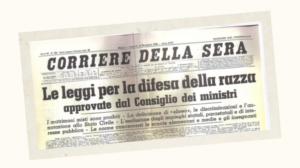
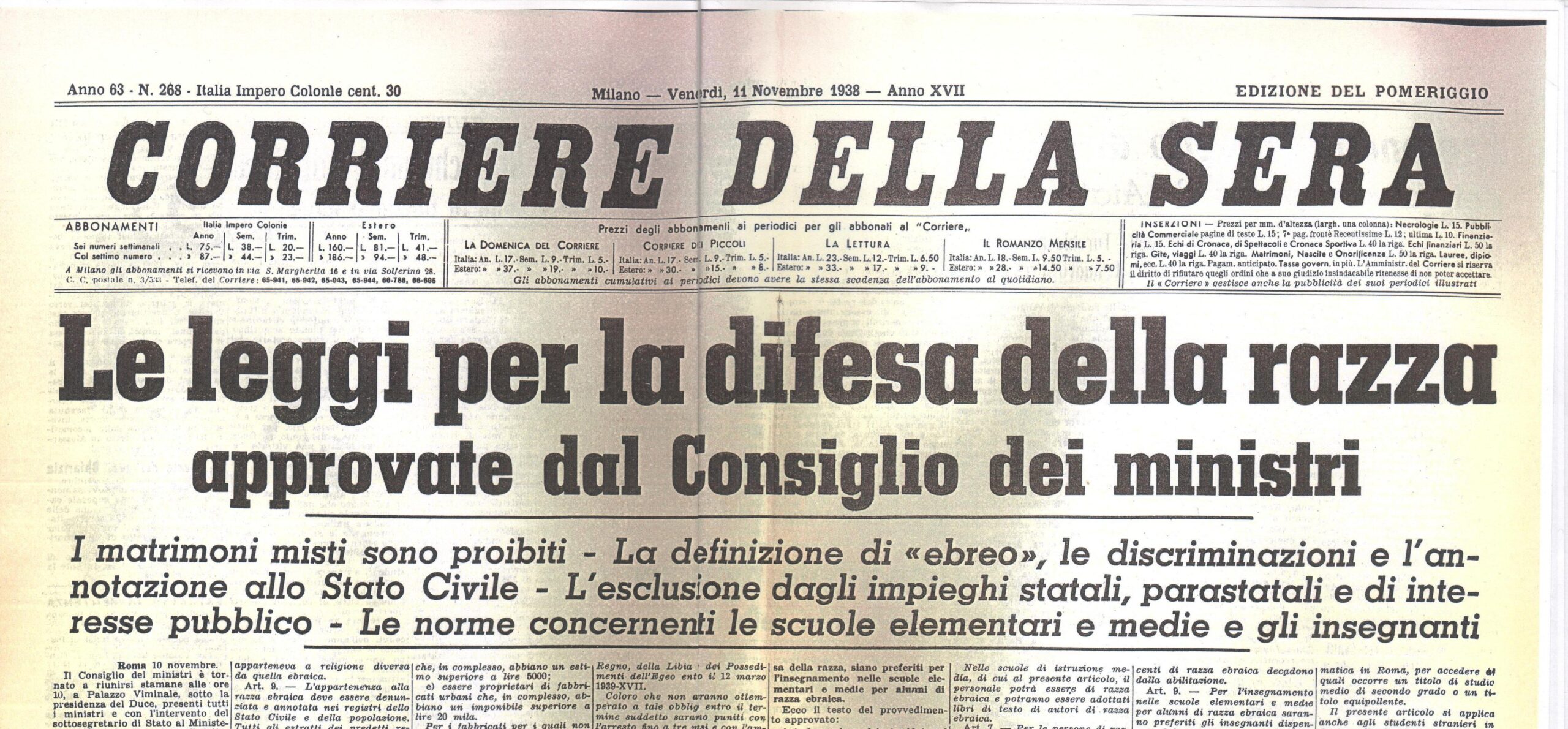
Laws strip Jews of citizenship, banning them from schools, and excluding them from professions.
1940
June
Italy enters World War II on the side of Nazi Germany, subsequently invading parts of North Africa, Greece, and Yugoslavia.
The government creates internment camps for foreign Jews but resists Nazi demands to deport them.
1941–1943
Italian-occupied zones in France, Greece, and Yugoslavia act as temporary refuges; Italian authorities largely refuse to hand over Jews to German forces.
1943
July
The Allies invade Sicily. Mussolini is deposed, the King surrenders to the Allies, and Germany invades northern Italy, setting up a puppet state.
September
Following Allied landings in Sicily, the Italian government surrenders and switches sides to the Allies. Germany occupies northern and central Italy, establishing the Italian Social Republic puppet state led by a reinstated Mussolini. 16 October
SS and German police conduct a massive roundup in the Jewish Ghetto of Rome, deporting over 1,000 Jews to the Auschwitz-Birkenau Memorial. December
The Fossoli concentration camp becomes fully operational as a central transit point for Jewish deportees.
1944
January–February
Thousands of Jews are deported from major northern transit hubs, notably Milan, bound for extermination camps.
1944–1945
Despite widespread collaboration from Italian fascist militias, thousands of Italian Jews successfully evade capture or are hidden by non-Jewish Italians.
1945
Allied forces advance, and partisans liberate the country. Mussolini is captured and executed. Deportations end.
1945-1946
70,000 Jewish refugees arrive in Italy. Italy becomes a centre for illegal immigration to the Palestine Mandate.
1946
A national referendum results in the abolition of the monarchy. The Italian Republic is officially born.
Czechoslovakia was proclaimed as an independent republic following the collapse of Austria-Hungary.
1920
The new constitution was formally adopted, establishing a stable, prosperous parliamentary democracy. It becomes a beacon of democracy, treating its Jewish population with full equality and granting them national minority status.
1933
30 January
Adolf Hitler is appointed Chancellor of Germany.
1933–1938
Fleeing the rise of Nazism, many German and Austrian Jews seek refuge in Czechoslovakia.
1938
30 September
Munich Conference. Britain, France and Italy agree to German occupation of the Sudetenland.
1-10 October
German troops occupy the Sudetenland. Tens of thousands of Czechs and Jews flee the annexed territory into the remaining parts of Czechoslovakia.
9-10 November Kristallnacht a nation-wide anti-Jewish pogrom organised by the Nazis takes place throughout Germany, Austria and the Sudetenland region of Czechoslovakia.
1939
14 March
The Slovak State declares formal independence, becoming a fascist puppet state heavily subordinate to Germany.
15 March
Germany occupies Czechoslovakia, which is dismembered.
Slovak Republic declares independence. Carpathian region of eastern Czechoslovakia occupied and later annexed by Hungary. Anti-Jewish laws are extended to the area.
16 March
Adolf Hitler proclaims the Protectorate of Bohemia and Moravia from Prague Castle. Systematic anti-Jewish persecution begins through decrees excluding Jews from public life, banning them from schools, and confiscating their properties.
23 May
British government severely restricts immigration to the Palestine Mandate in the 1939 White Paper.
1 September
Germany invades Poland.
17 October
The German authorities begin the first experimental, forced deportations of Czech and Austrian Jews to Nisko in occupied eastern Poland.
2 November
Under the First Vienna Award the Second Czechoslovak Republic is forced to cede the southern third of Slovakia.
1941
September
Jewish Code passed in Slovakia stripping Jews of their rights.
October
The Nazi regime bans all Jewish emigration from the Protectorate and begins systematic, large-scale deportations. Nearly 20,000 Czech Jews are sent directly to the Łódź Ghetto in Poland.
24 November
The Nazi authorities officially establish the Theresienstadt (Terezín) Ghetto near Prague as a transit camp. The first transport of 342 Czech Jewish men arrives to build its infrastructure.
30 November
Mass, systematic transports of Czech Jewish civilians to Theresienstadt begin.
1942
20 January
Wannsee Conference.
1 March
Auschwitz II-Birkenau begins operation
March
The Slovak puppet government begins the mass deportation of Slovak Jews directly to German killing centers in occupied Poland, including Auschwitz and Majdanek.
27 May
Czechoslovak resistance agents attack and mortally wound SS General Reinhard Heydrich, the Reichsprotektor, in Prague.
9-10 June
In brutal retaliation for Heydrich’s assassination, the Nazis completely destroy the Czech village of Lidice, murdering all the men and deporting the women and children to concentration camps.
June
Large-scale systematic deportations from Theresienstadt to extermination camps (such as Treblinka, Bełżec, and Sobibór) accelerate sharply.
1943
February
Germany surrenders at Stalingrad.
1944
April
Slovak Jewish prisoners Alfred Wetzler and Rudolf Vrba successfully escape from Auschwitz. They compile the Vrba-Wetzler Report, providing the first highly detailed eyewitness evidence of mass murder operations to the Western Allies.
August–October
The Slovak National Uprising erupts against the fascist regime. German troops immediately move in to crush the revolt, accompanied by SS mobile killing units (Einsatzgruppen).
September
Direct German deportations of the remaining 12,600 Slovak Jews resume, sending them mostly to Auschwitz and Theresienstadt.
1944
Summer
The massive Soviet offensive prompts SS chief Heinrich Himmler to order prisoners in all concentration camps and sub-camps be forcibly evacuated toward the interior of the Reich.
October
Carpathian Ruthenia occupied by the Red Army. The Soviet administration declares the independent state of Transcarpathian Ukraine.
Winter
SS authorities increasingly evacuate concentration camp prisoners from both east and west on foot.
1945
January–April
As Soviet forces advance, the Nazis evacuate concentration camps further east, sending tens of thousands of starving prisoners on brutal “death marches”. Thousands of international prisoners are marched into the overflowing Theresienstadt ghetto.
8 May
Germany surrenders. End of the Third Reich. Liberation of Theresienstadt.
29 June
Czechoslovakia officially cedes Carpathian Ruthenia to the Soviet Union.
August
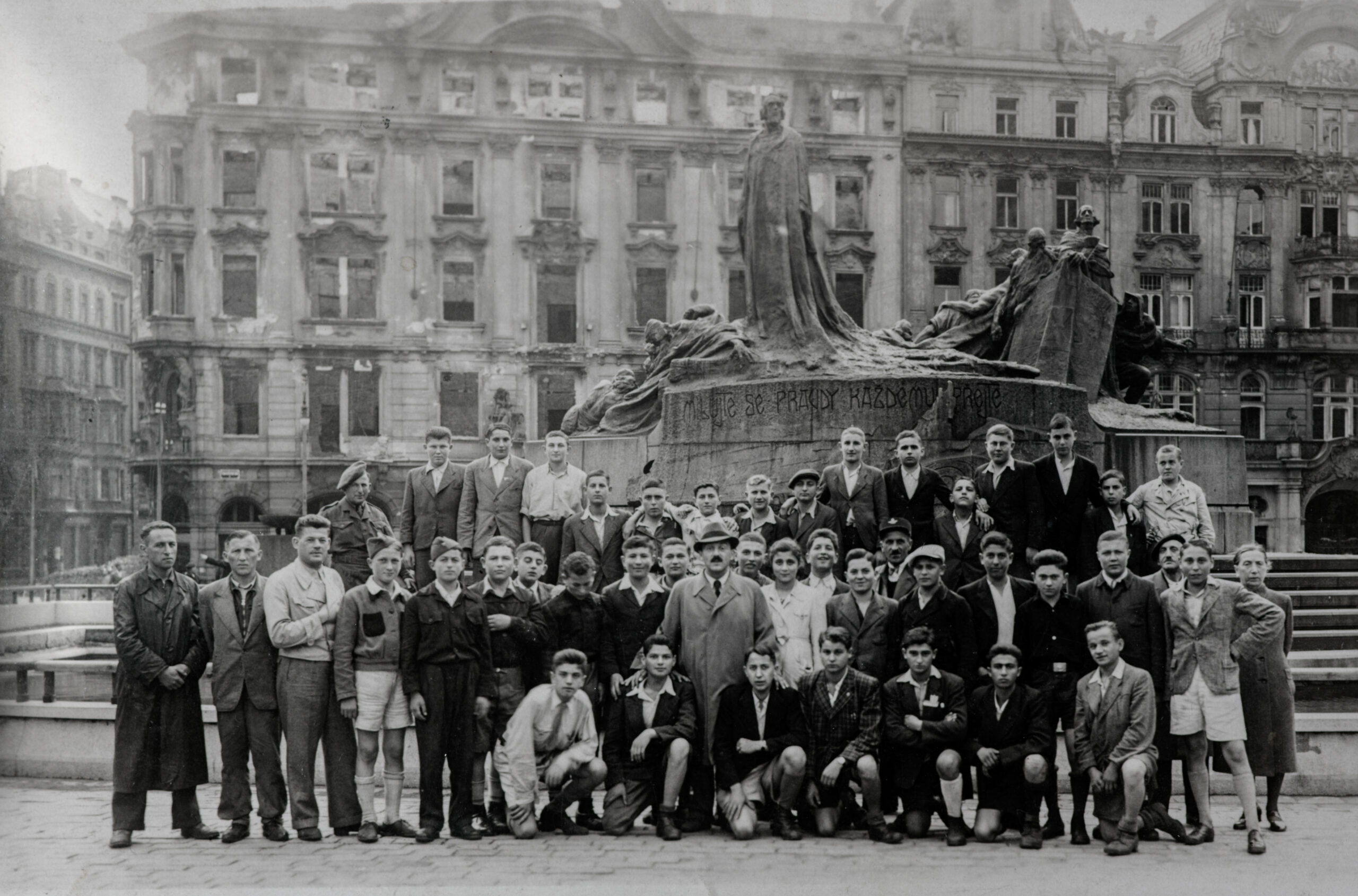
First Group of the Boys leaves from Prague.
1946
March
Third Group of the Boys leaves from Prague.
June
Fourth Group of the Boys leaves from Prague.
4 July
The Kielce Pogrom prompts the exodus of a large part of the surviving Polish Jewish population. Many Jewish refugees arrive in Czechoslovakia.
1948
February
The Communist Party takes power in Czechoslovakia. Many surviving Jews choose to emigrate to the newly established state of Israel.
Key terminology, regions, and sites related to the Holocaust in Italy include:
Campo di Fossoli Located near Carpi in northern Italy, it was the principal transit camp from which Italian Jews—including the famous chemist and writer Primo Levi—were deported to Auschwitz-Birkenau.
Displaced Persons Camp (“DP Camp”) A series of camps established by the Allies after World War II to house survivors of Nazi persecution and refugees from eastern Europe, known as displaced persons, or DPs, while they awaited repatriation to their home countries or resettlement in a new destination.
Italian Social Republic Also known as the Salò Republic, this puppet state in northern and central Italy was headed by Mussolini after he was rescued by the Germans in September 1943.
Racial Laws A series of antisemitic laws passed by Benito Mussolini’s Fascist regime starting in 1938. They stripped Italian Jews of their citizenship, banned them from public schools and universities, and restricted property ownership.
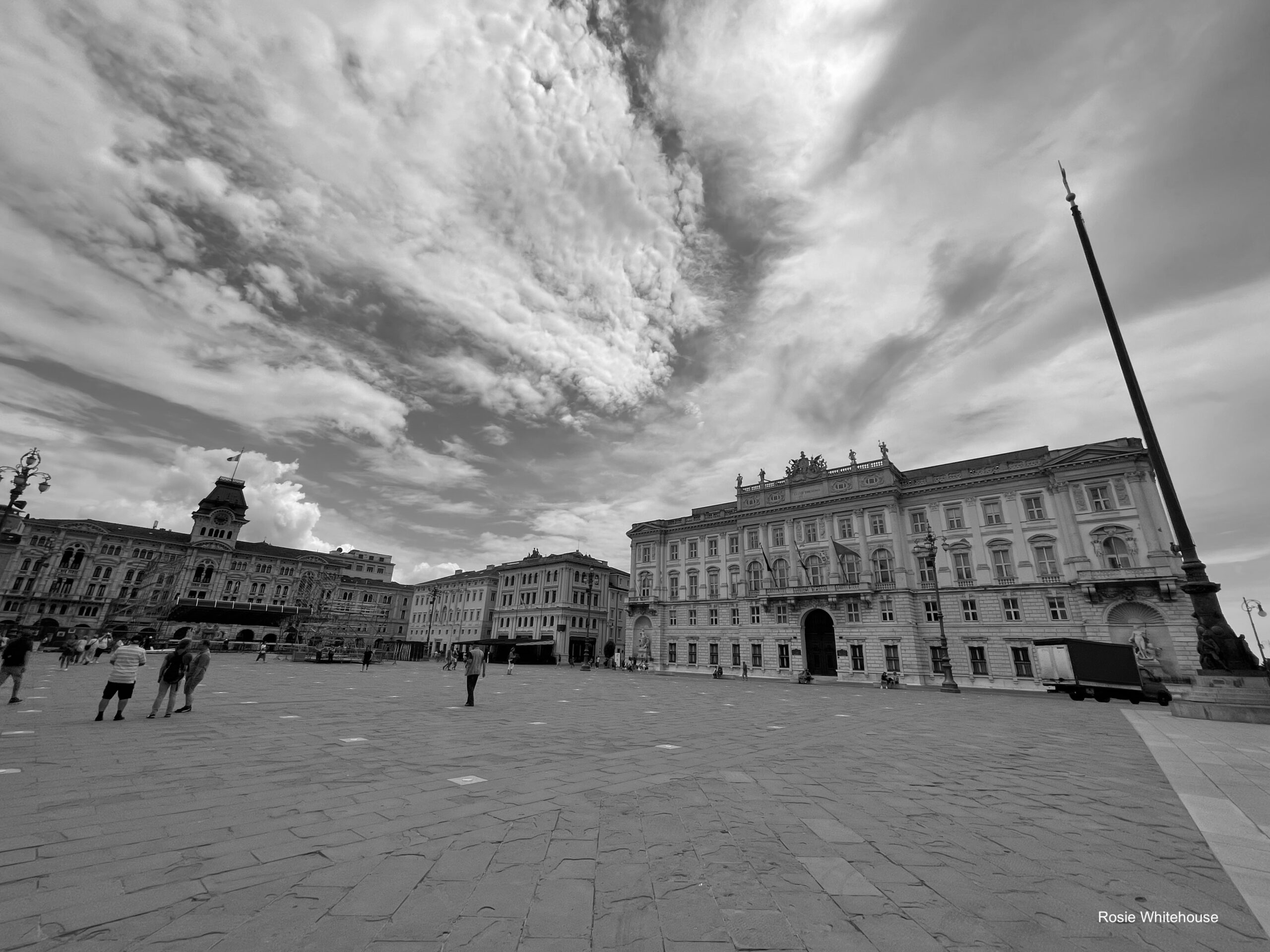
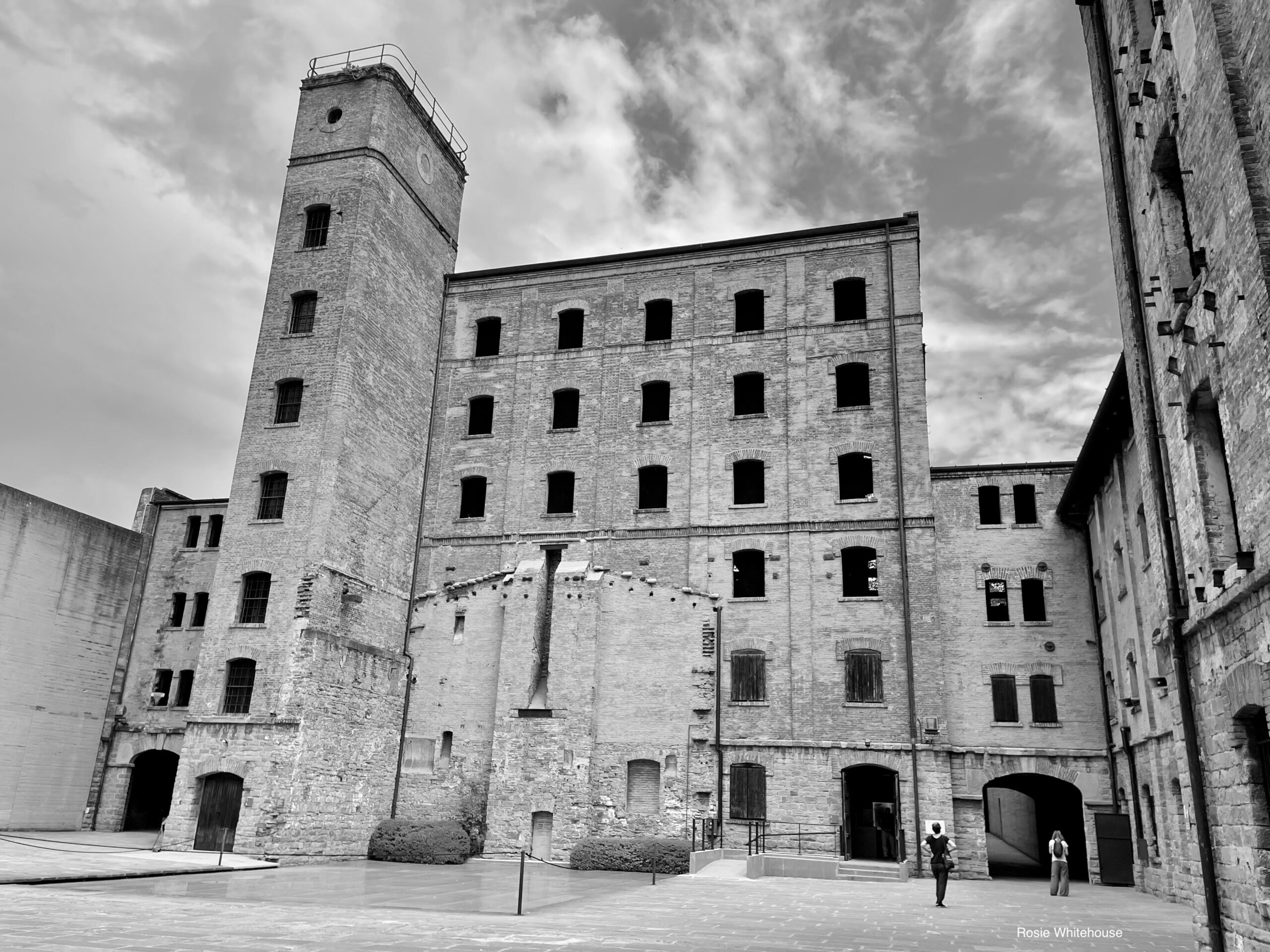
Risiera di San Sabba A former rice-processing mill in Trieste. It was transformed by Nazi occupiers into a police transit camp and served as the only structural extermination camp with a crematorium oven on Italian soil.
Myth arises that Germany was stabbed in the back by a conspiracy of specifically Jews, socialists, and republican politicians.
9 November
The Weimar Republic is proclaimed. The new democratic government grants Jews full legal and political equality
1918–1923
Antisemtism is a feature of this period of political unrest
1920
The Nazi Party (NSDAP) is founded and publishes its 25-point program, which calls for the stripping of Jewish citizenship.
1922
Foreign Minister Walther Rathenau, a prominent Jewish industrialist and politician, is assassinated by right-wing extremists.
1933
30 January
Adolf Hitler is appointed Chancellor of Germany.
22 March
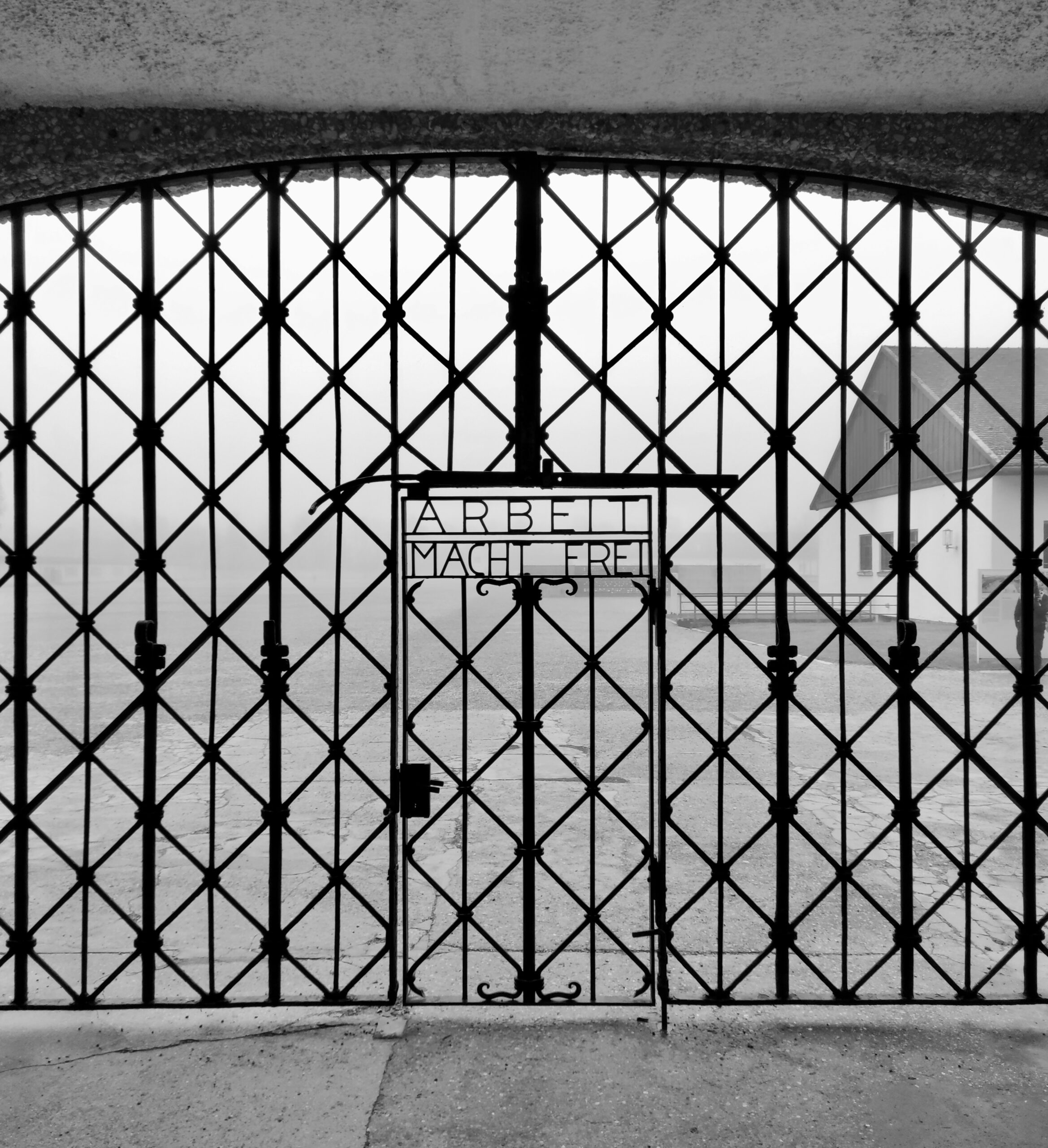
Dachau concentration camp opens.
1 April
Boycott of Jewish shops and businesses.
7 April
Jewish people are barred from holding civil service, university, and state positions.
14 July
Naturalised Jewish immigrants stripped of their German citizenship.
1934
2 August
Hitler proclaims himself Führer and Reich Chancellor. Armed forces must now swear allegiance to him.
1935
May
Jewish people are barred from serving in the German armed forces.
September
The Nuremberg Laws are declared
1936
7 March
Germany occupies the Rhineland demilitarised in the Treaty of Versailles.
August
Four Year Plan Memorandum sets the German economy on a war footing.
1938
3 March
Austria is incorporated into the Third Reich.
26 April
Mandatory registration of all Jewish property over 5,000 Reichsmarks.
30 September
Munich Conference. Britain and France agree to German occupation of the Sudetenland.
5 October
Germans mark all Jewish passports with a letter ‘J’ at the request of the Swiss authorities.
27 October
17,000 Polish Jews living in Germany are expelled.
9-10 November
Kristallnacht a nation-wide anti-Jewish pogrom organised by the Nazis takes place throughout Germany, Austria and the Sudetenland region of Czechoslovakia.
12 November
Jewish Germans are forced to transfer businesses to Aryan owners.
15 November
Jewish pupils are expelled from German schools.
1939
30 January
Hitler says ‘if war erupts it will mean the Vernichtung (extermination) of European Jews’.
15 March
Germany occupies Czechoslovakia, which is dismembered.
April
Law Concerning Jewish Tenants removes housing protections for Jews. It allows their concentration in exclusively ‘Jewish houses.’
23 August
Nazi-Soviet Pact signed.
1 September
Germany invades Poland.
1940
10 May
Germany invades the Netherlands, Belgium, Luxembourg and France.
October
Mass deportations began with the expulsion of over 6,500 Jews from Baden and Saarpfalz in southwestern Germany to the Gurs internment camp in Vichy, France.
1941
22 June
Germany invades the Soviet Union.
August
Massacres of Jews in territories occupied by German forces, The persecution of the Jews becomes genocidal.
1 September
Reinhard Heydrich decreed that all Jews within the Reich, aged six and older, had to wear a yellow Star of David.
15-17 September
Hitler orders the deportation of German Jews to ghettos in the east prompting the mass murder of those Jews already living in the ghettos.
October
Jewish emigration from Germany banned.
November
Theresienstadt (Terezín) ghetto established. Many German Jews are deported here.
7 December
Japan attacks Pearl Harbour.
11 December
Germany declares war on the USA.
1942
20 January
Wannsee Conference.
1 March
Auschwitz II-Birkenau begins operation.
June
Mass transports begin moving German Jews directly to the Theresienstadt Ghetto.
July
Direct transports from the German Reich to the Auschwitz-Birkenau and Sobibor extermination camps commence. By late 1944, more than 70,000 Jews from the Greater German Reich are deported directly to Auschwitz
November
Allied victory in North Africa.
1943
February
Germany surrenders at Stalingrad.
February–March
The Gestapo rounds up and deports the final remaining Jewish labourers working in German armaments factories, primarily targeting Berlin.
1 June
Berlin is officially declared Judenrein, free of Jews.
1944
Summer
The massive Soviet offensive prompts SS chief Heinrich Himmler to order prisoners in all concentration camps and subcamps be forcibly evacuated toward the interior of the Reich.
Winter
SS authorities increasingly evacuate concentration camp prisoners from both east and west on foot.
1945
27 January
Auschwitz is liberated by the Red Army.
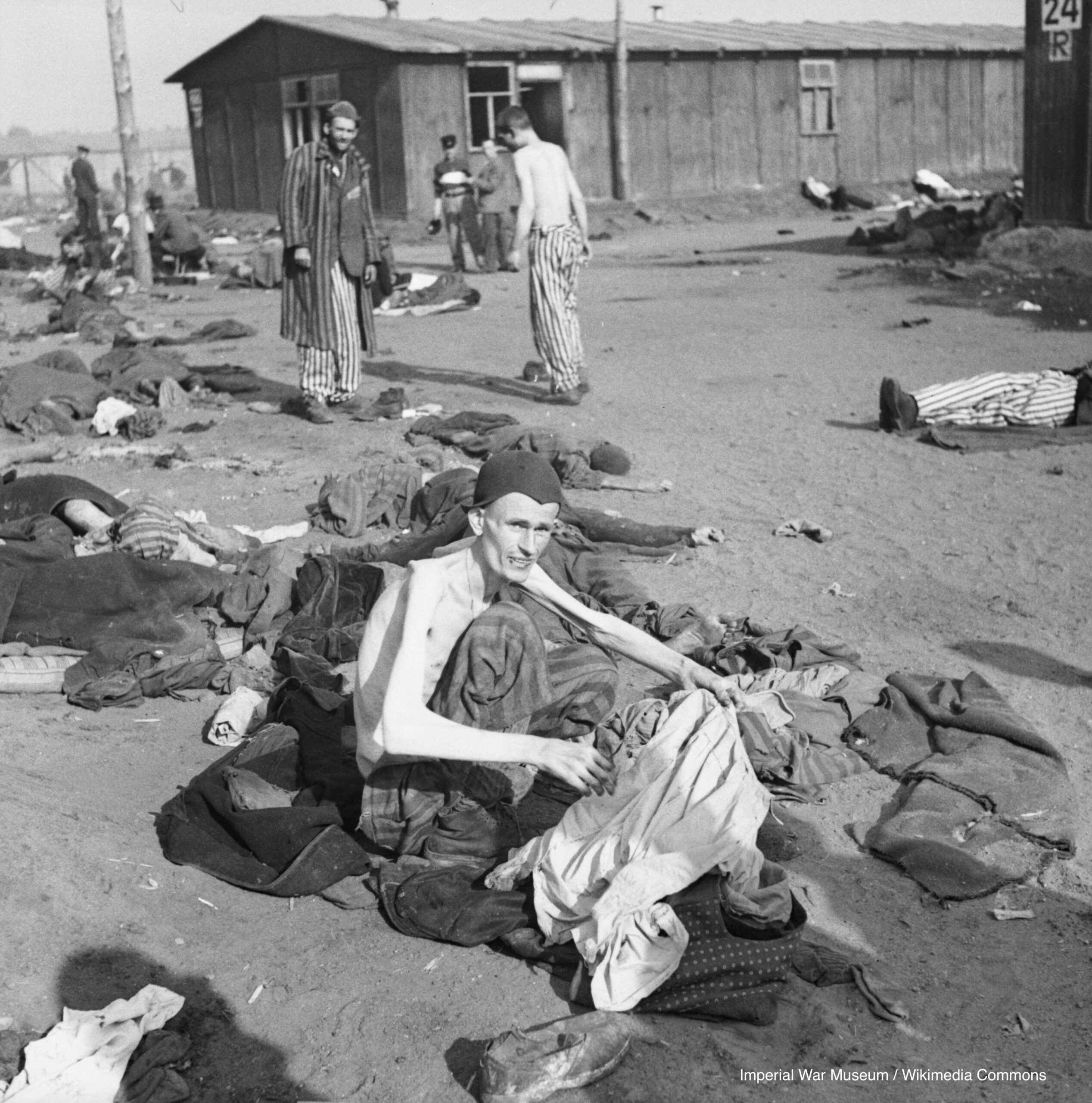
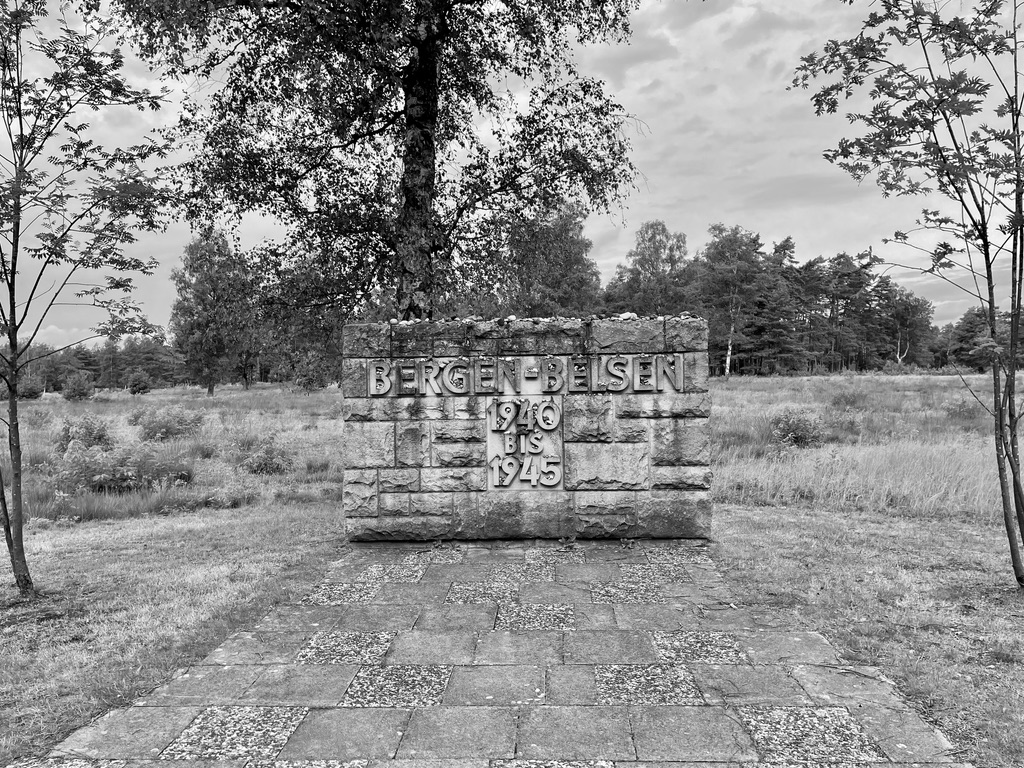
British Army liberates Bergen-Belsen.
29 April
Dachau is liberated by the American Army.
8 May
Germany surrenders. End of the Third Reich. Liberation of Theresienstadt.
May onwards
Germany becomes a hub for Jewish survivors.
October
The second group of the Boys leaves Germany.
1952
The majority of Displaced Persons camps in Germany are closed.
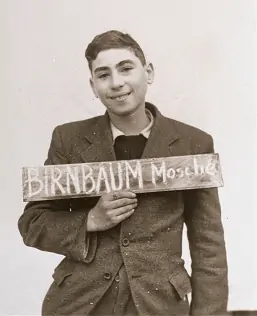
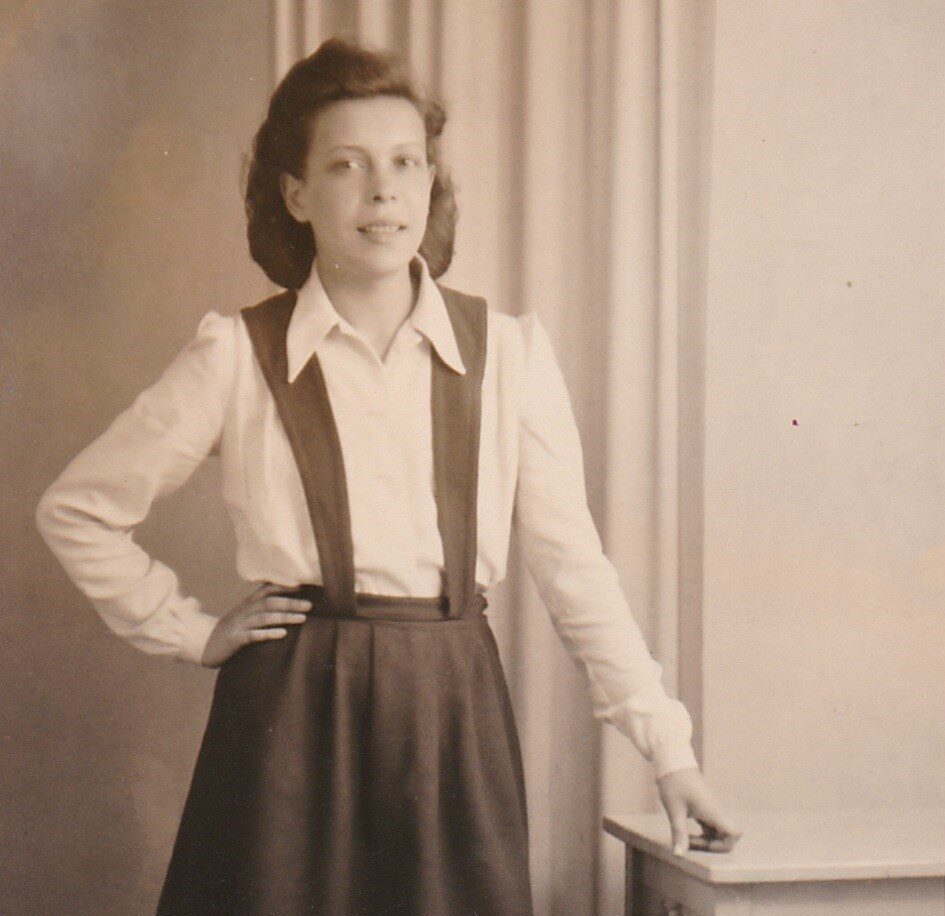
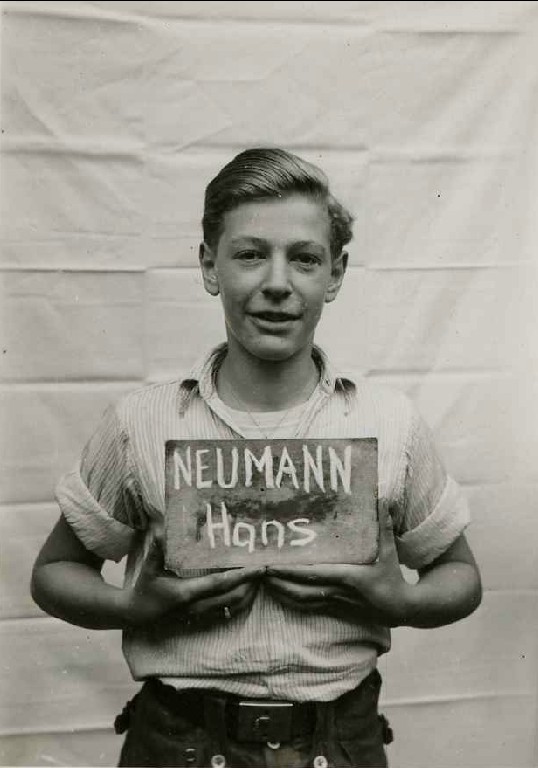
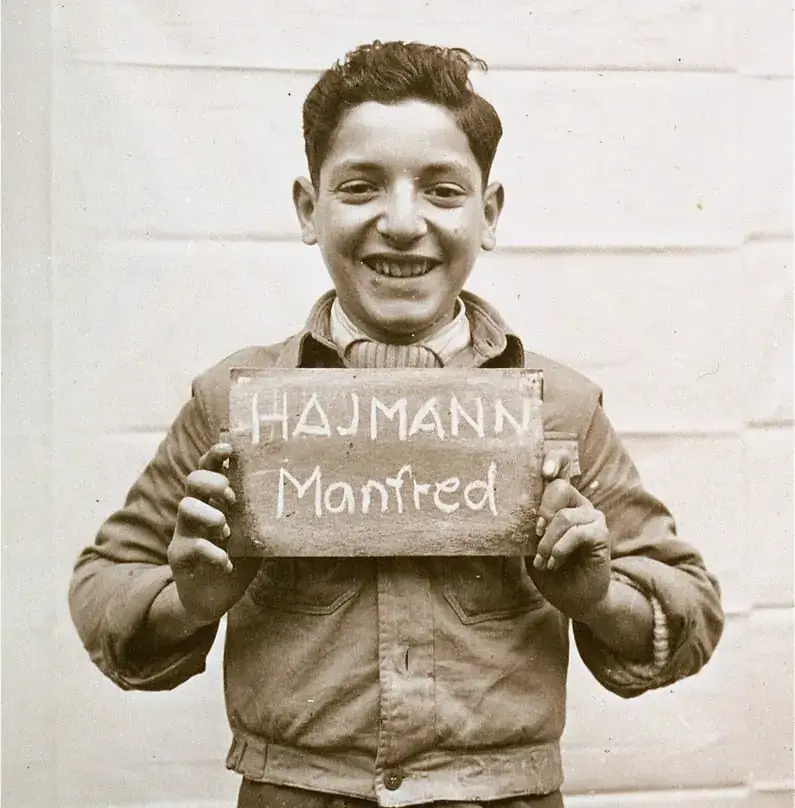
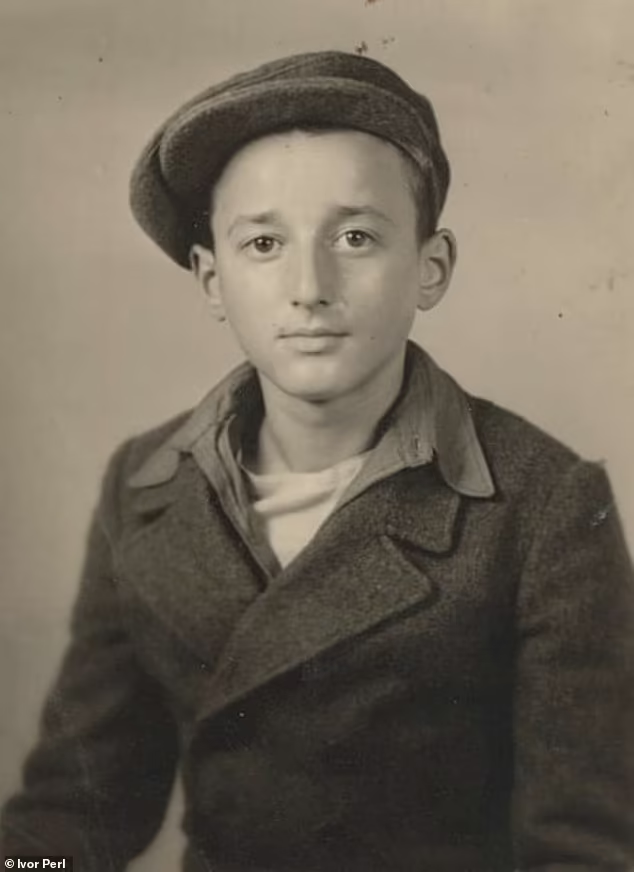
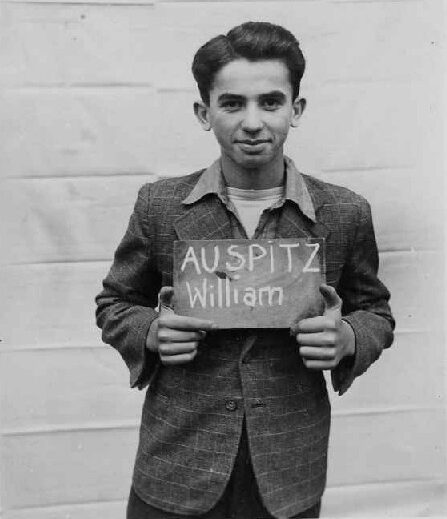
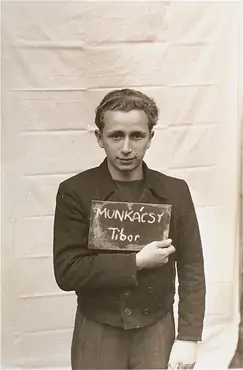
The Boys were teenage and child-Holocaust survivors, who were brought to the UK after the war for rest and rehabilitation.
Members of the Boys were held in Nazi labour and concentration camps and used as slave labourers. They had also survived World War II in hiding or as lone children.
Germany Key Facts
Capital: Berlin
Population 1939: 79,375,281
Jewish Population in 1939: Approximately 214,000 to 215,000. Down from 1933 figures of 522,000 to 525,000
Present-day Population: About 83,500,000
Present-day Jewish Population: Approximately 125,000
Modern-day Germany.
Good to Know: The borders of modern-day Germany are not the same as they were in the inter-war period.
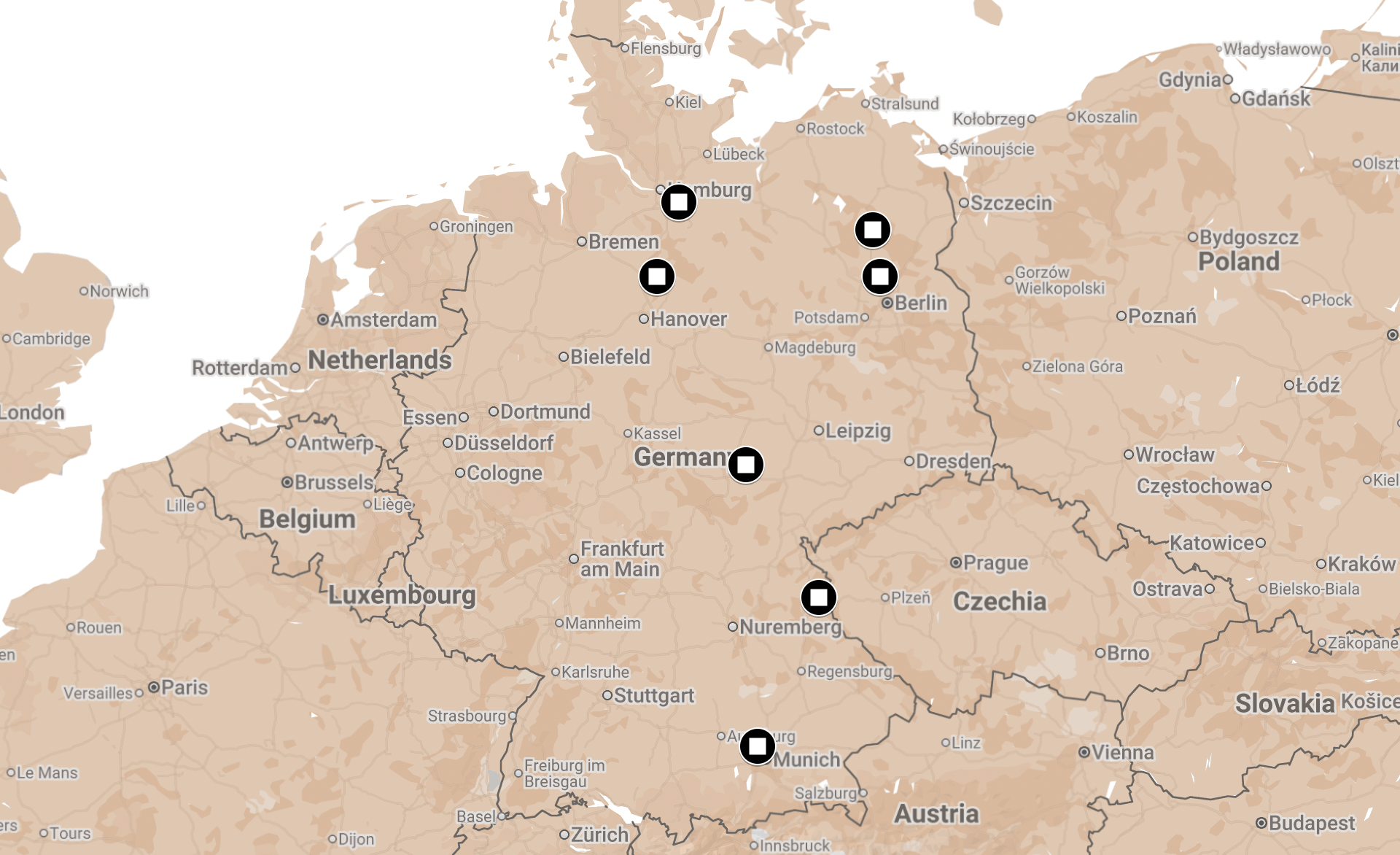
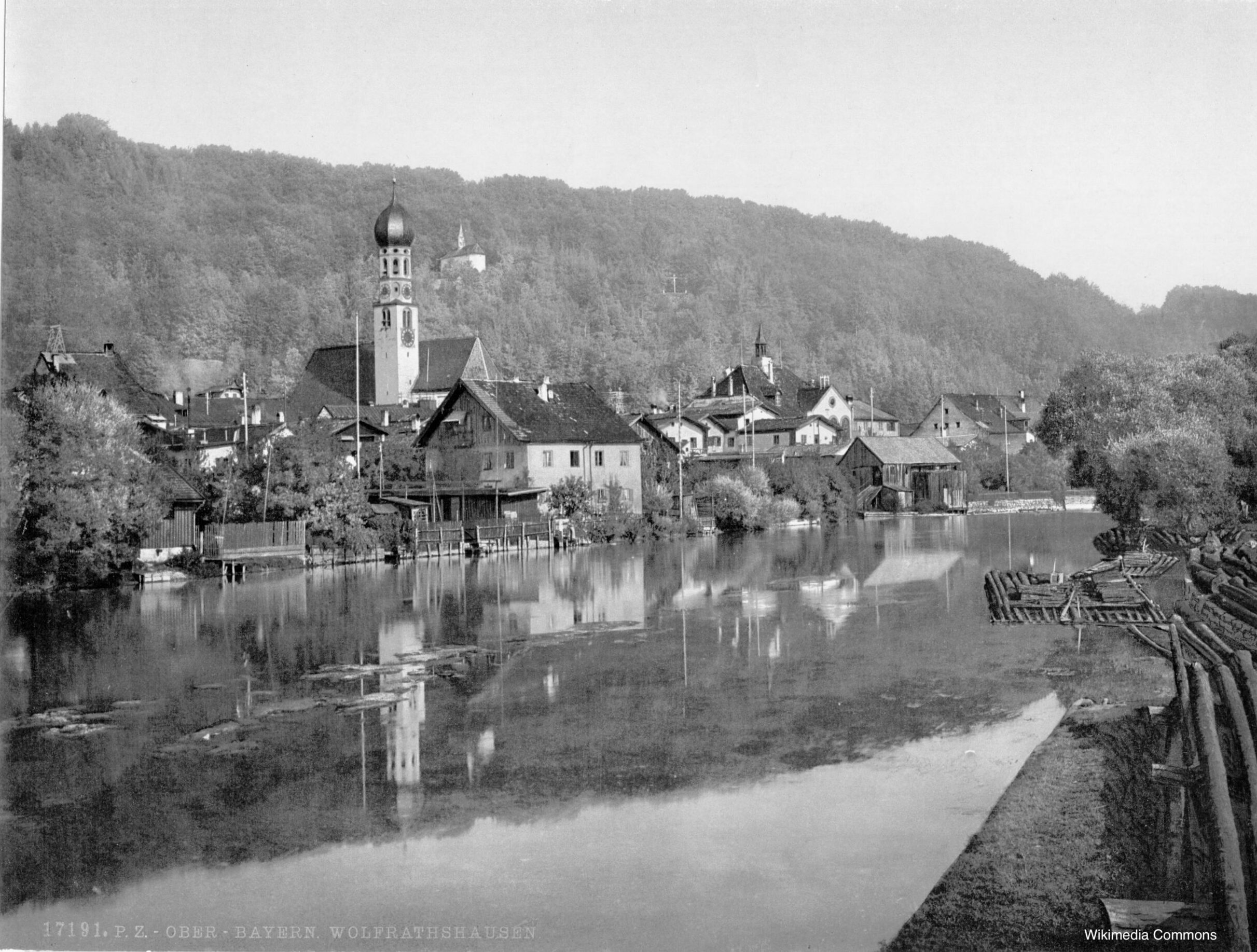
The members of the Boys born in pre-war Germany came from the following places:
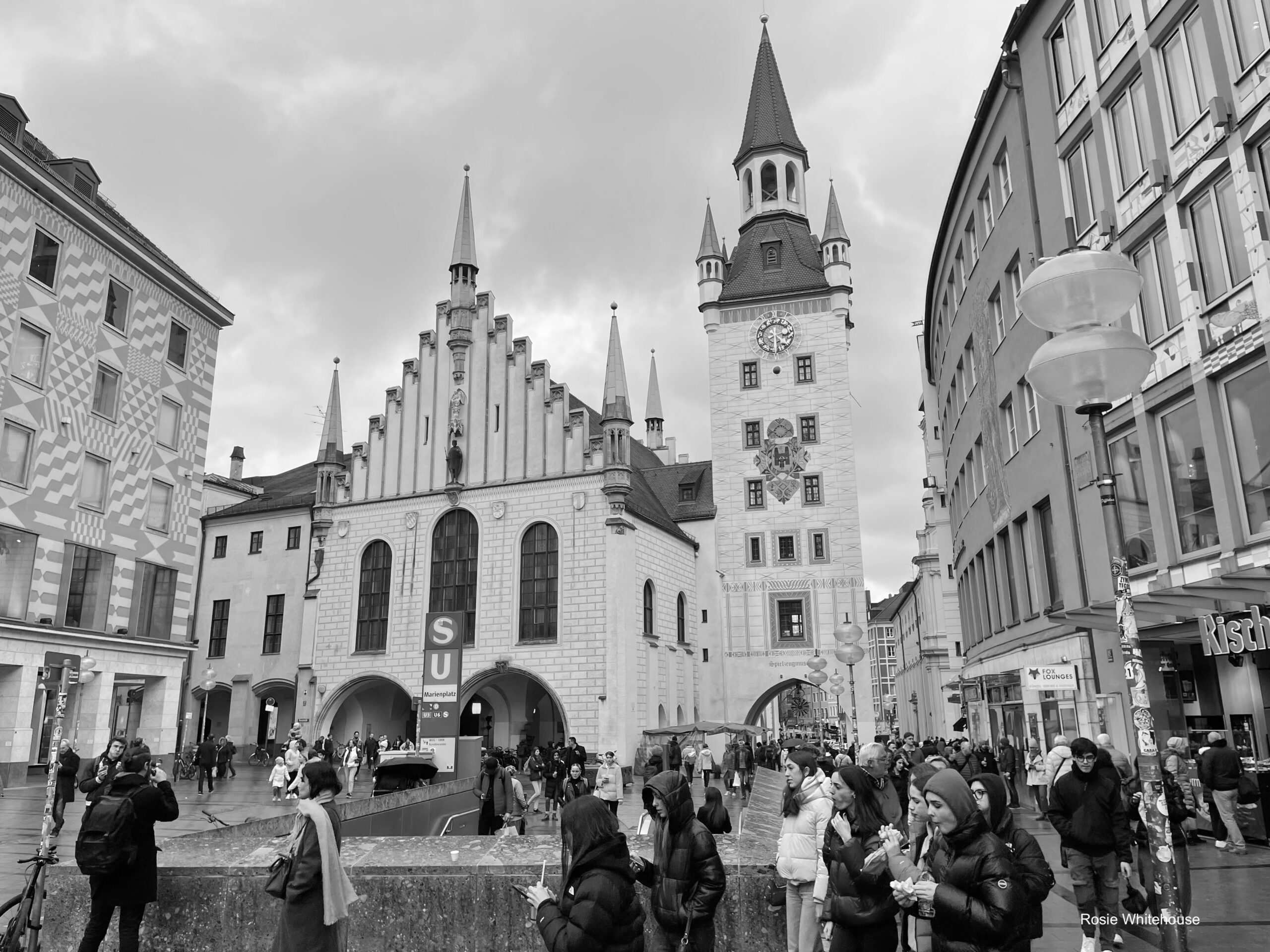
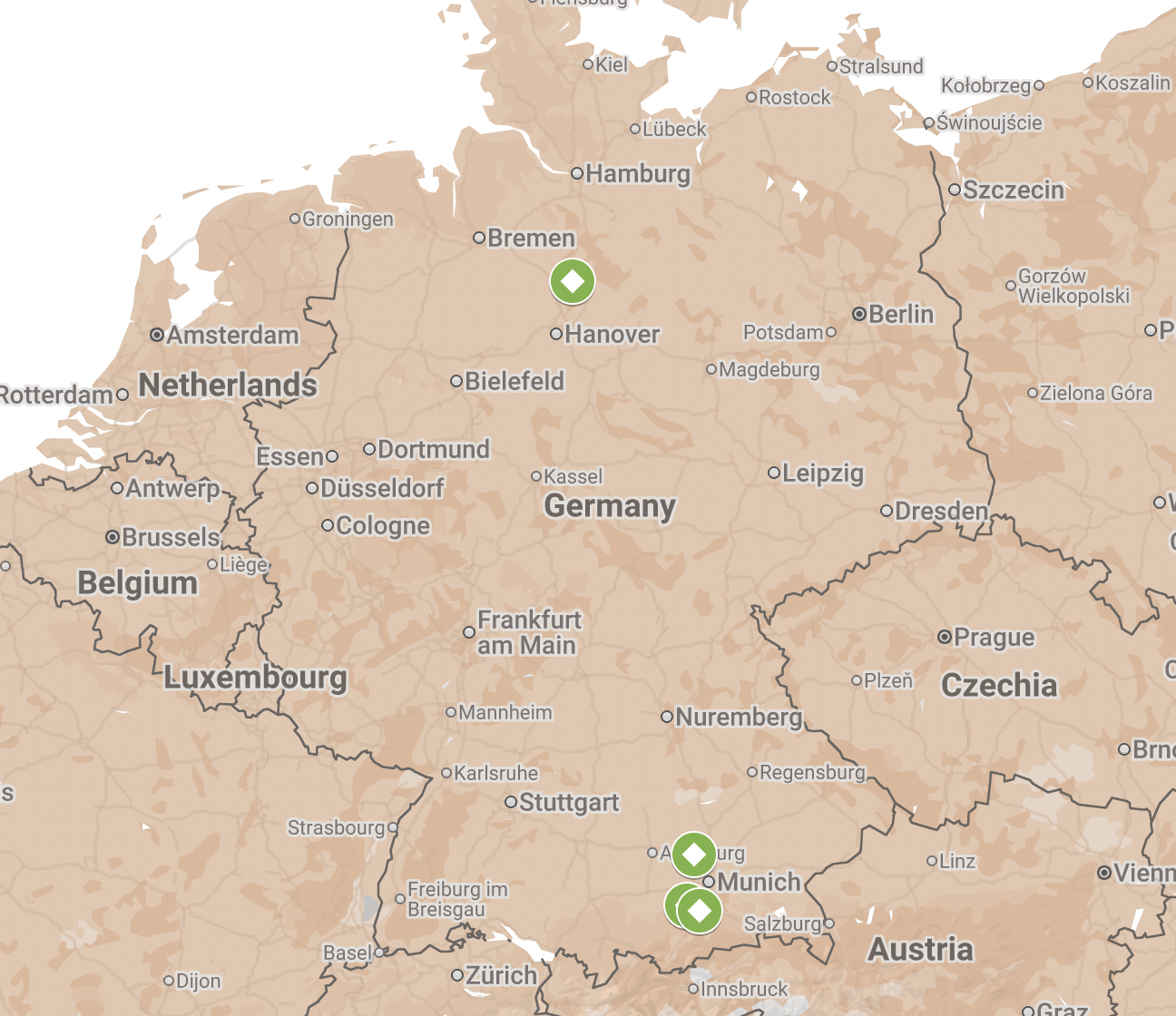
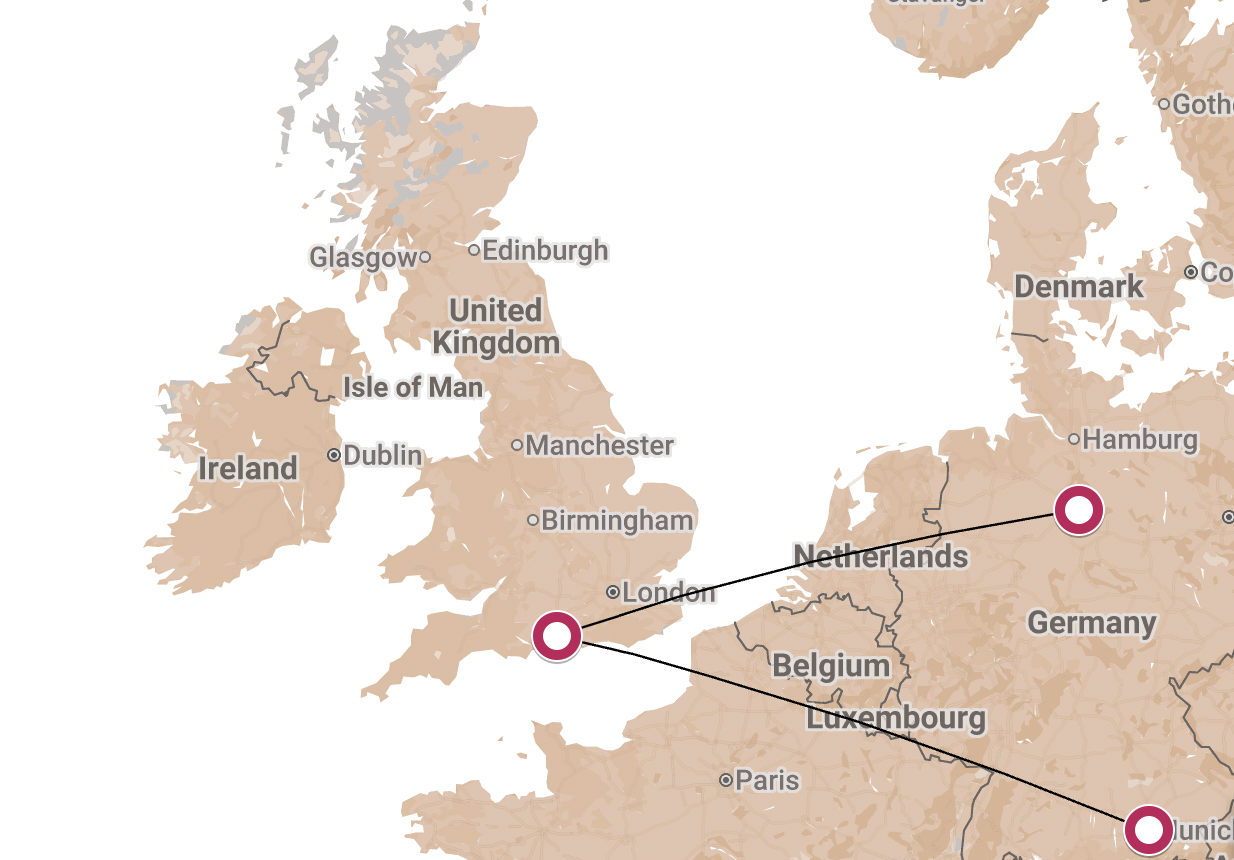
The Second Group of the Boys flew from Celle near Bergen-Belsen and Munich in Bavaria. They landed near Southampton in southern England. They were then taken to the Wintershill Hall hostel.
Key terminology, regions, and sites related to the Holocaust in Geermany include:
Anschluss The annexation of Austria into Nazi Germany in March 1938.
Aryan A term misused by the Nazis to describe a supposed Germanic “master race” characterised by specific physical traits like blonde hair and blue eyes.
Buchenwald One of the first major concentration camps on German soil.
Dachau Model concentration camp located outside Munich, opened 20 March 1933; initially designed to hold political prisoners.
Displaced Persons Camp (“DP Camp”) A series of camps established by the Allies after World War II to house survivors of Nazi persecution and refugees from eastern Europe, known as displaced persons, or DPs, while they awaited repatriation to their home countries or resettlement in a new destination.
Euthanasia Program The secret Nazi program (“Aktion T4”) targeting physically and mentally disabled individuals for murder, which pioneered the use of gas chambers.
Führer The German word for ‘leader’, adopted by Adolf Hitler as his title to denote absolute authority.
Gestapo The Nazi Secret State Police, responsible for brutally crushing political opposition and organising the deportation of Jews.
Kristallnacht “The Night of Broken Glass” (November 9–10, 1938) A state-sponsored violent pogrom involving the destruction of Jewish synagogues, businesses, and homes across Germany and Austria.
National Socialism (Nazism) The fascist political ideology of the National Socialist German Workers’ Party (NSDAP), rooted in extreme nationalism, racism, and totalitarianism.
Nuremberg Laws Anti-Jewish racial laws enacted in 1935 that stripped German Jews of citizenship and prohibited marriage with non-Jews.
SS An elite Nazi paramilitary organisation led by Heinrich Himmler that managed the concentration and killing centres.
Third Reich The official Nazi designation for the German regime from 1933 to 1945, meaning the “Third Empire”.
Weimar Republic The democratic German republic established after World War I that collapsed when Hitler seized power in 1933.
Wehrmacht The combined regular armed forces of Germany from 1935 to 1945.
The Boys were teenage and child-Holocaust survivors, who were brought to the UK after the war for rest and rehabilitation.
Members of the Boys were held in Nazi labour and concentration camps and used as slave labourers. They had also survived World War II in hiding or as lone children.
Hungary Key Facts
Capital: Budapest
Population 1939: Approximately 9,220,000
Jewish Population in 1939: 450,000 to 500,000.
Present-day Population: 9,489,000 to 9,585,818
Present-day Jewish Population: 80,000 to 100,000
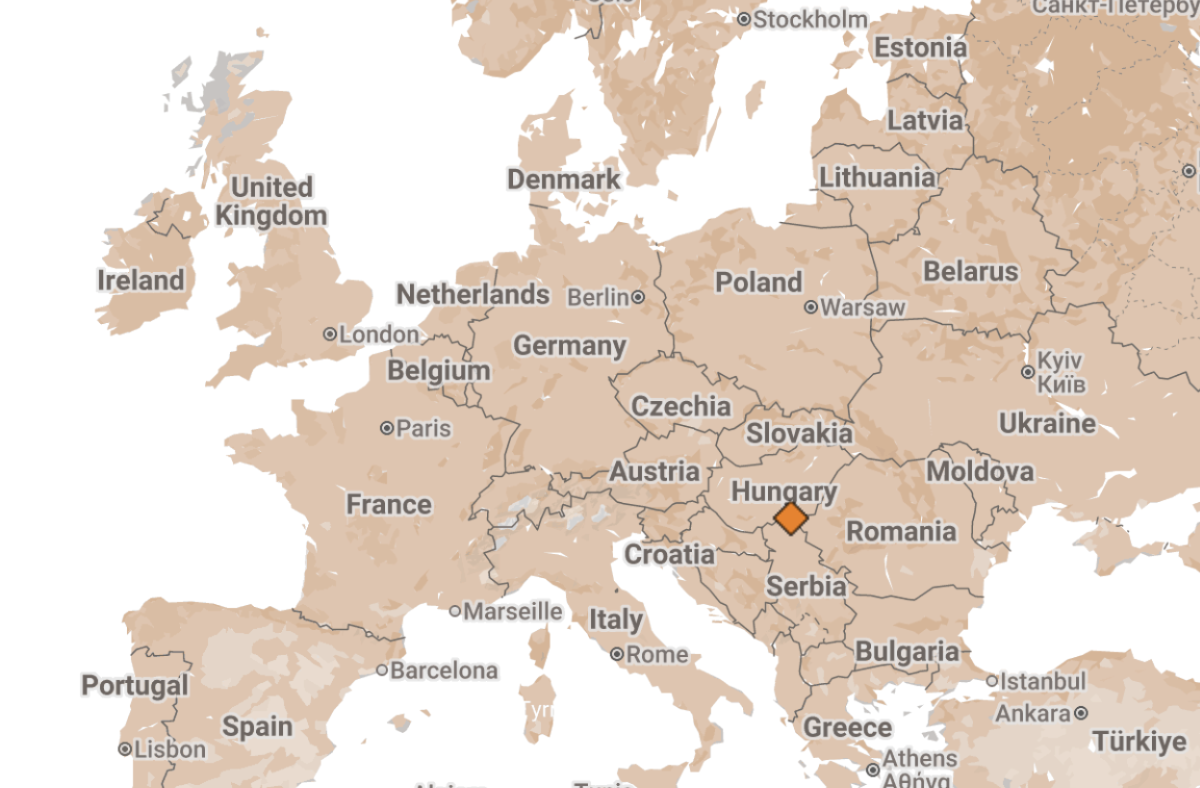
Modern-day Hungary.
Good to Know
In March 1939, after the German invasion of Bohemia and Moravia sparked the dismemberment of Czechoslovakia. Hungary occupied Transcarpathia (then in Czechoslovakia but now part of Ukraine) and parts of southern Slovakia that Hungary had lost in the Treaty of Trianon.
After World War II had broken out in August 1940, Transylvania was occupied by Hungary. Lost in the Treaty if Trianon, it was home to 160,000 Jews.
In 1941, Hungary then took part in the invasion of Yugoslavia, annexing sections of Baraja, Bačka, Medimurje and Prekmurje.
When Germany invaded Hungary in 1944, Jews in Hungarian territory were rounded up into ghettos and many deported. Most were taken to their deaths in Auschwitz-Birkenau concentration and extermination camp.
To find out more about ghettos in Hungary click here.
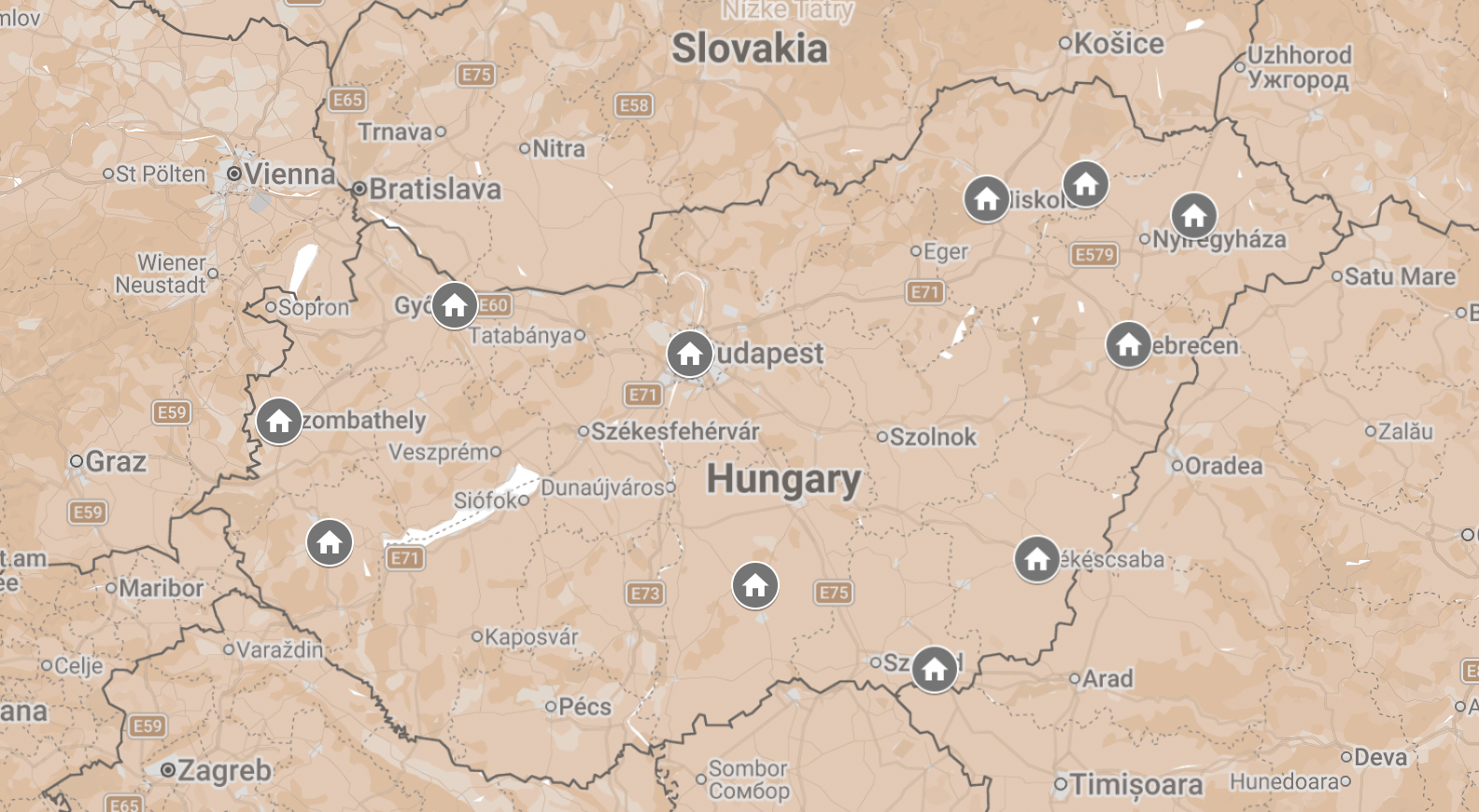
The members of the Boys born in pre-war Hungary lived in:
The Members of the Boys birthplaces in pre-war Hungary.
Austria-Hungary is part of the Central Powers in World War I, fighting alongside Germany, Bulgaria, and the Ottoman Empire.
The Central Powers are defeated by the Allied Powers of Great Britain, France, Russia, Italy, Romania, Japan and the United States.
1920
June
Treaty of Trianon signed ending WWI between the Allies and the Kingdom of Hungary. Hungary loses two-thirds of its pre-war territory, mainly to Czechoslovakia, Romania and Yugoslavia. The Treaty also enforces restrictions on Hungary’s armed forces and the payment of reparations.
Admiral Horthy is elected regent of Hungary.
Numerus clausus, a new law, limits the number of Jewish students allowed to pursue higher education in Hungary. A maximum of 6% of places in universities are now available to Jewish students. This is the first anti-Jewish legislation passed in Europe after World War I.
1933
30 January
Adolf Hitler is appointed Chancellor of Germany.
Hungary forms an alliance with Germany. Both authoritarian regimes share a keen interest in revising the Treaty of Trianon.
1935
September
Introduction of the Nuremberg Laws in Germany
1938
3 March
Austria is incorporated into the Third Reich.
29 May
First Jewish Law: Hungary adopts comprehensive anti-Jewish laws, which restricts the role played by Jews in the Hungarian economy to 20%.
30 September
Germany annexes the Sudetenland, part of Czechoslovakia, according to the Munich Agreement.
2 November
First Vienna Award: Hitler returns part of Austro-Hungary’s former territory in Czechoslovakia to Hungary.
9-10 November
Kristallnacht, a nation-wide anti-Jewish pogrom organised by the Nazis takes place throughout Germany, Austria and the Sudetenland region of Czechoslovakia.
1939
March
The Hungarian Labour Service System is established in March. Hungarian Jewish men between the ages of 20-48 are drafted into forced labour units.
15 March
Germany occupies Czechoslovakia, which is dismembered.
Slovak Republic declares independence. Transcarpathia in eastern Czechoslovakia occupied and later annexed by Hungary. Anti-Jewish laws are extended to the area.
5 May
Second Jewish Law: Jews defined as a race. Jewish employment is further restricted. As a consequence of the First and Second Jewish Laws, over 90,000 Jews lose their employment, affecting around 220,000 people.
1 September
Germany invades Poland.
3 September
World War II begins as Britain and France declare war on Germany. Hungary does not join the war.
1940
10 June
France surrenders.
30 August
Second Vienna Award cedes the Romania territory of Northern Transylvania to Hungary.
November
Hungary joins the Axis alliance.
1941
22 June
Germany invades the Soviet Union.
Summer
Hungary deports approximately 17,000 Jews who cannot prove their Hungarian citizenship to Nazi-occupied modern-day Ukraine, where they are shot by the Einzatzgruppen, Nazi mobile killing squads, as the persecution of the Jews becomes genocidal.
8 August
Third Jewish Law: bans marriage and sexual relations between Jews and non-Jews.
3-5 September
First experimental gassing at the Auschwitz concentration camp.
11 December
Germany declares war on the USA.
13 December
Hungary and Romania declare war on the United States.
1942
20 January
Wannsee Conference.
January/February
1000 Hungarian Jews are murdered by military and gendarmerie units.
Auschwitz II-Birkenau begins operation.
6 September
Fourth Jewish Law: bans Jews from owning or purchasing land
November
Allied victory in North Africa.
1943
February
The Axis powers are defeated by the Red Army in the Battle of Stalingrad.
Hungary tries to distance itself from Germany and begins negotiating with the western Allies.
1944
19 March
Germany invades Hungary in response to Hungary’s efforts to negotiate with the Allies.
Key government officials are replaced with pro-Nazi radicals, who reinforce Hungary’s commitment to the Nazi war effort and agree to cooperate with the deportation of Hungarian Jews.
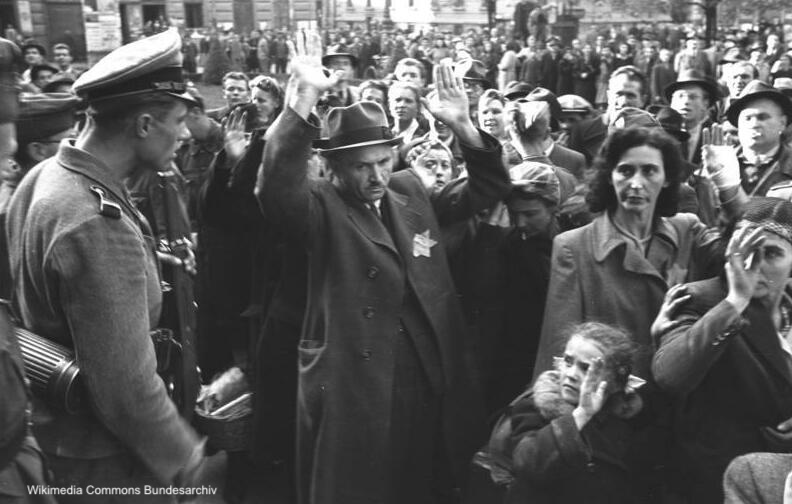
Jews are immediately forced to identify themselves by wearing the Star of David and their property and businesses are seized.
16 April
The first ghetto is established. Armed Hungarian police, or gendarmes, round up Jews, often stealing their personal possessions.
15 May
Systematic deportations begin. Over the course of the next 56 days, over 430,000 Jews are deported on 147 trains. All but 15,000 are sent to Auschwitz-Birkenau, where 80% are gassed upon arrival.
7 July
Hungary stops deportations due to pressure from Allies threatening war crimes trials after their increasingly likely victory. The remaining Jews, largely confined to Budapest, are temporarily spared.
Hungary attempts once again to negotiate with the Allies, this time with the Soviet Union.
15 October
Hungary announces it is leaving the Axis alliance. Germany sponsors a coup d’etat, replacing the Hungarian government with the fascist and violently antisemitic Arrow Cross party.
November
The Arrow Cross institutes a reign of terror, pulling Jews out for brutal forced labour and carrying out summary executions in the streets. Tens of thousands of Jewish residents from Budapest are forced on death marches to Austria.
The Jews who remain in Budapest are confined to a ghetto.
November 1944-January 1945
Neutral diplomats operate elaborate safe house and rescue networks in Budapest. They successfully protect tens of thousands of Jews until the city is liberated
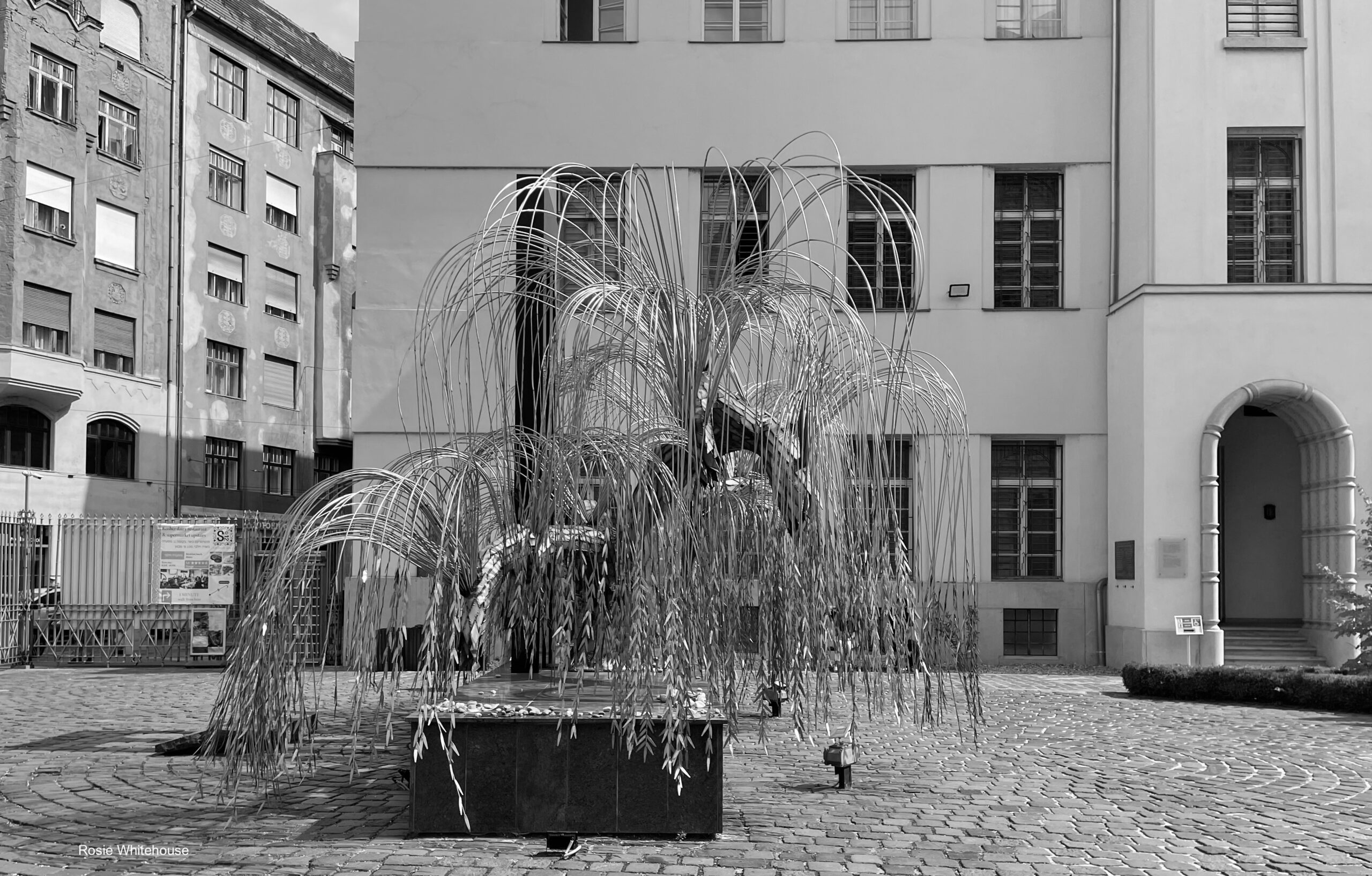
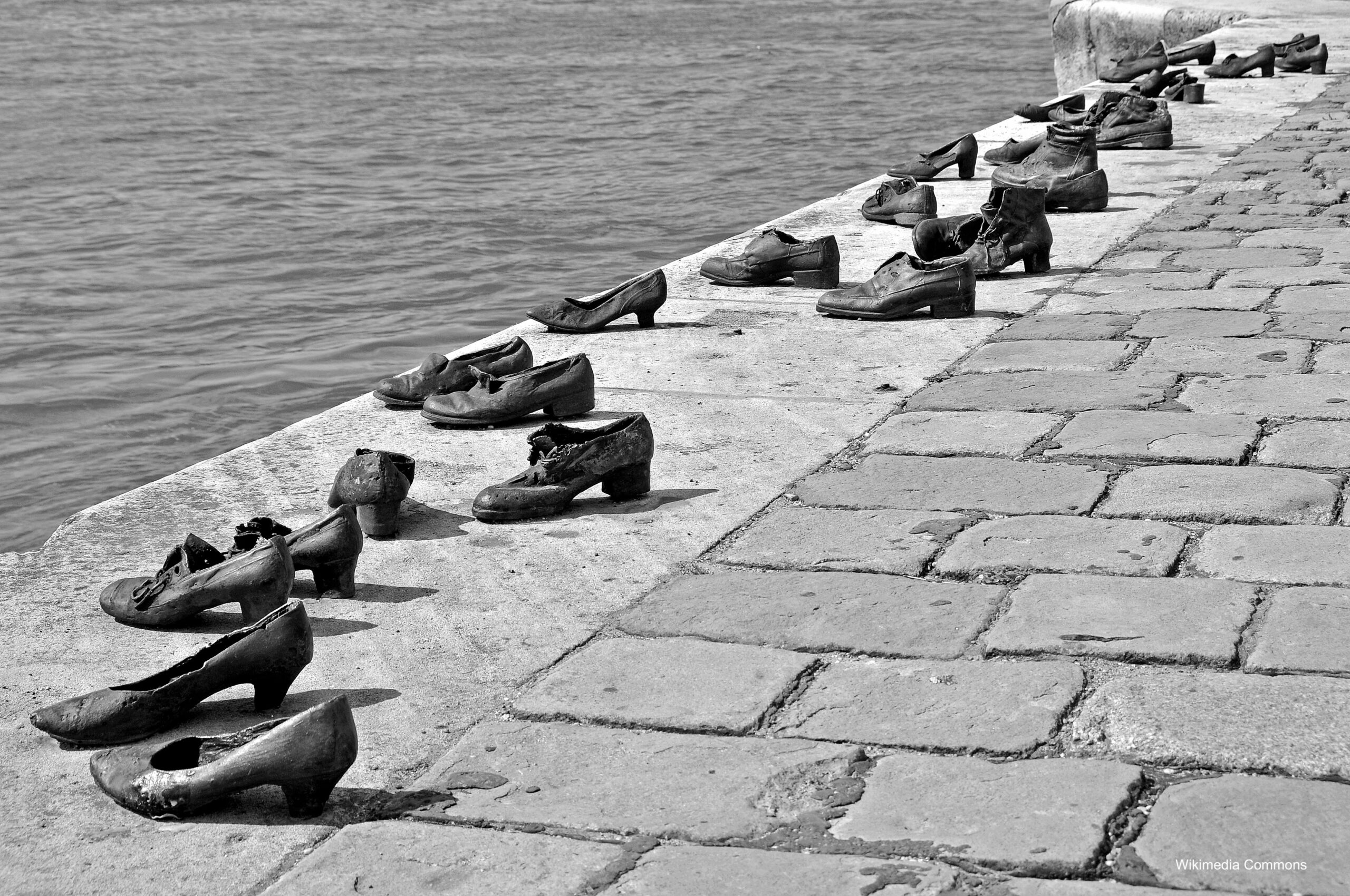
The Hungarian Arrow Cross murders around 20,000 Jews on the banks of the Danube River.
26 December
The Soviet Army begins the Siege of Budapest.
1945
February
Soviet forces liberate Budapest bringing the Holocaust in Hungary to an end.
Of the approximately 825,000 Jews living in Hungary in 1941, around 255,000 (less than one-third) survived.
April
Soviet forces liberate Hungary from the last of the German and Arrow Cross units.
Key terminology, regions, and sites related to the Holocaust in Hungary include:
Arrow Cross Party The Hungarian fascist, violently antisemitic movement led by Ferenc Szálasi. They seized total power in a German-sponsored coup on 15 October 1944, and initiated brutal street-level massacres of the remaining Jewish population.
Gendarmerie The rural police force of Hungary. They played a critical role in executing the rapid roundup, concentration, and deportation of Jews from provincial towns to the border.
Miklós Horthy The conservative Regent of Hungary who ruled from 1920 to 1944. While he authorised harsh anti-Jewish laws and the deportation of provincial Jews, he temporarily halted deportations in July 1944 to protect the Jews of Budapest amid growing international pressure.
Labour Service A forced labour system implemented by the Hungarian military for ‘unreliable’ citizens, primarily targeting Jewish men aged 20 to 48. Sent to the Eastern Front without weapons or proper clothing, tens of thousands died from exhaustion, starvation, or execution.
Kamianets-Podilskyi Massacre The first major mass murder event involving Hungarian Jews. In August 1941, Hungarian authorities deported roughly 18,000 ‘foreign’ or stateless Jews into German-occupied Ukraine, where they were systematically shot by the Einsatzgruppen.
International Ghetto A separate network of safe houses in Budapest protected by neutral diplomatic missions, including Sweden, Switzerland, and Spain.
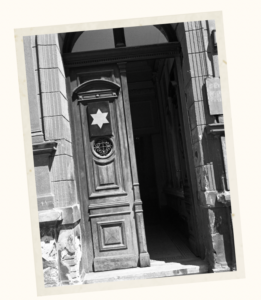
Yellow Star Houses A unique system deployed in Budapest in June 1944. Instead of a single walled ghetto, authorities forced the city’s Jewish population to relocate into roughly 2,000 designated apartment buildings marked with a yellow Star of David.
Raoul Wallenberg A Swedish diplomat who arrived in Budapest in July 1944. He issued protective Swedish passports (Schutzpass) and set up safe houses, saving tens of thousands of lives.
 About
About History
 Education
 Quilts
 FIlms
FIlms Photos
 News Media & Events
 Publications
 Donate
 1938
1938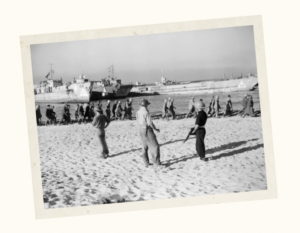 1943
1943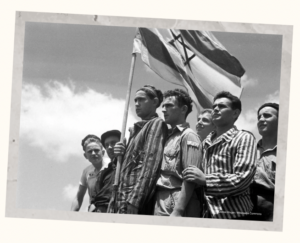
 30 January
 9-10 November
 1 September
 February
 January–April

 The Jews who remain in Budapest are confined to a ghetto.