The Boys were young children and teenagers when they were abruptly torn from their homes and their families destroyed.
The story of their birthplaces is that of ordinary families wiped out by prejudice and antisemitism.
The Boys were teenage and child-Holocaust survivors, who were brought to the UK after World War II for rest and rehabilitation.
There were five groups of the Boys and they came from several different countries.
Members of the Boys were held in Nazi labour and concentration camps and used as slave labourers. They had also survived World War II in hiding or as lone children.
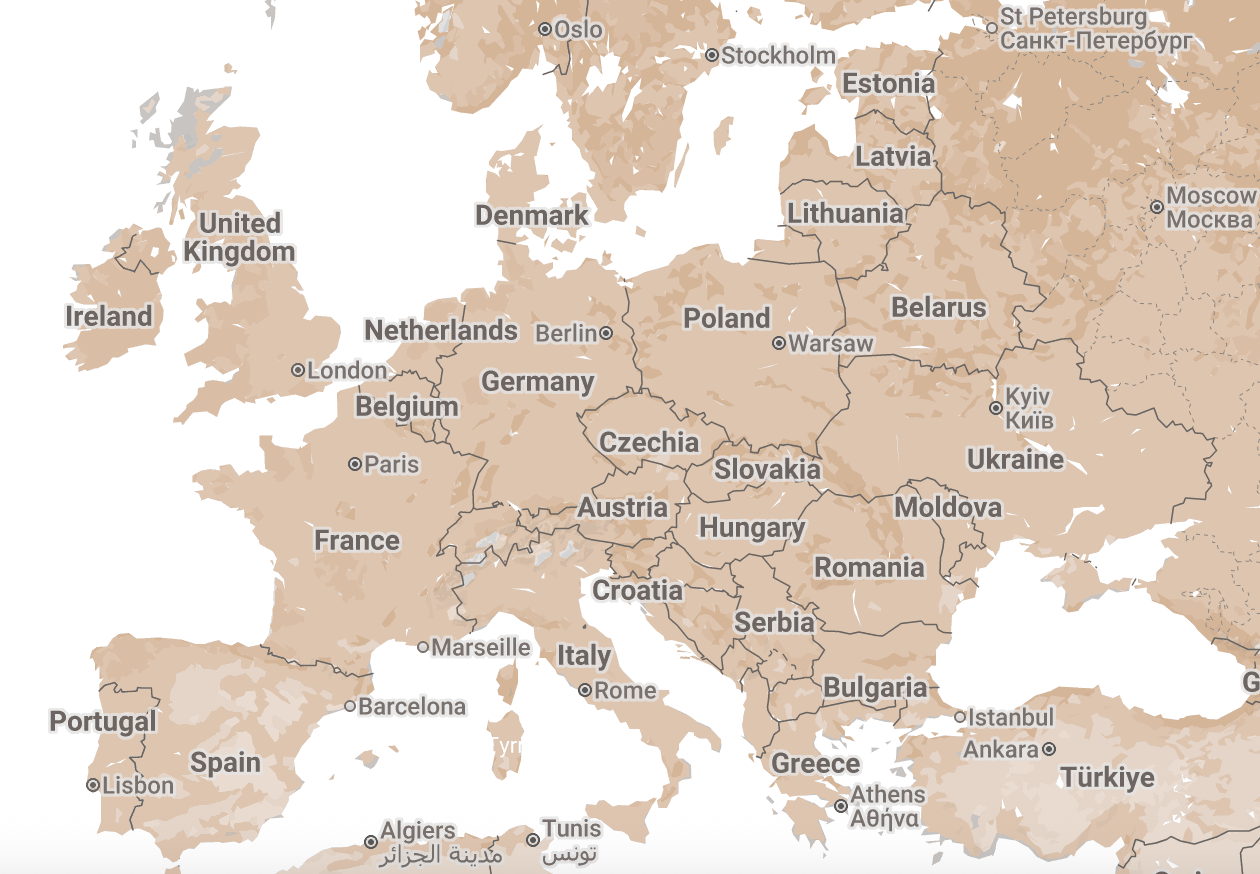
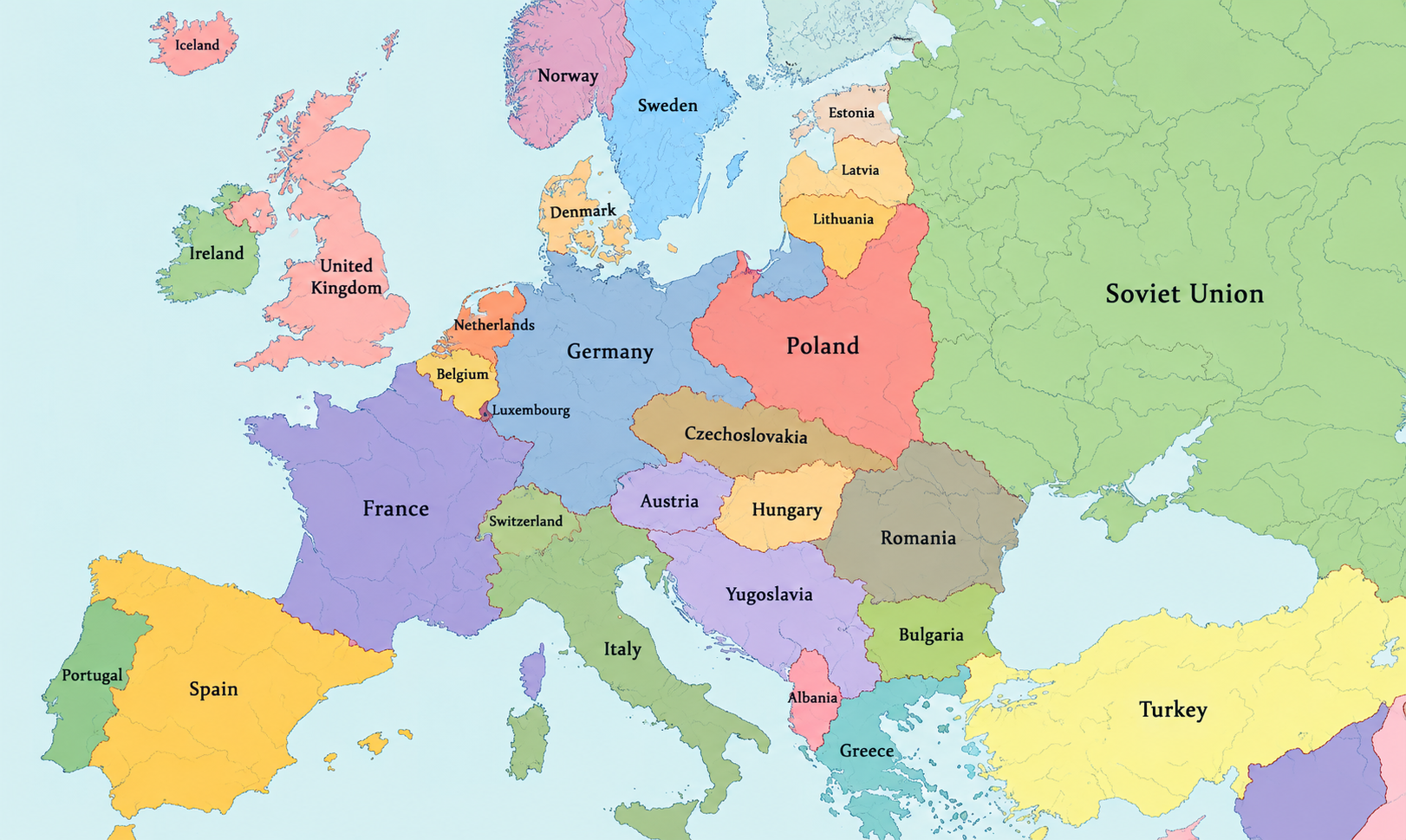
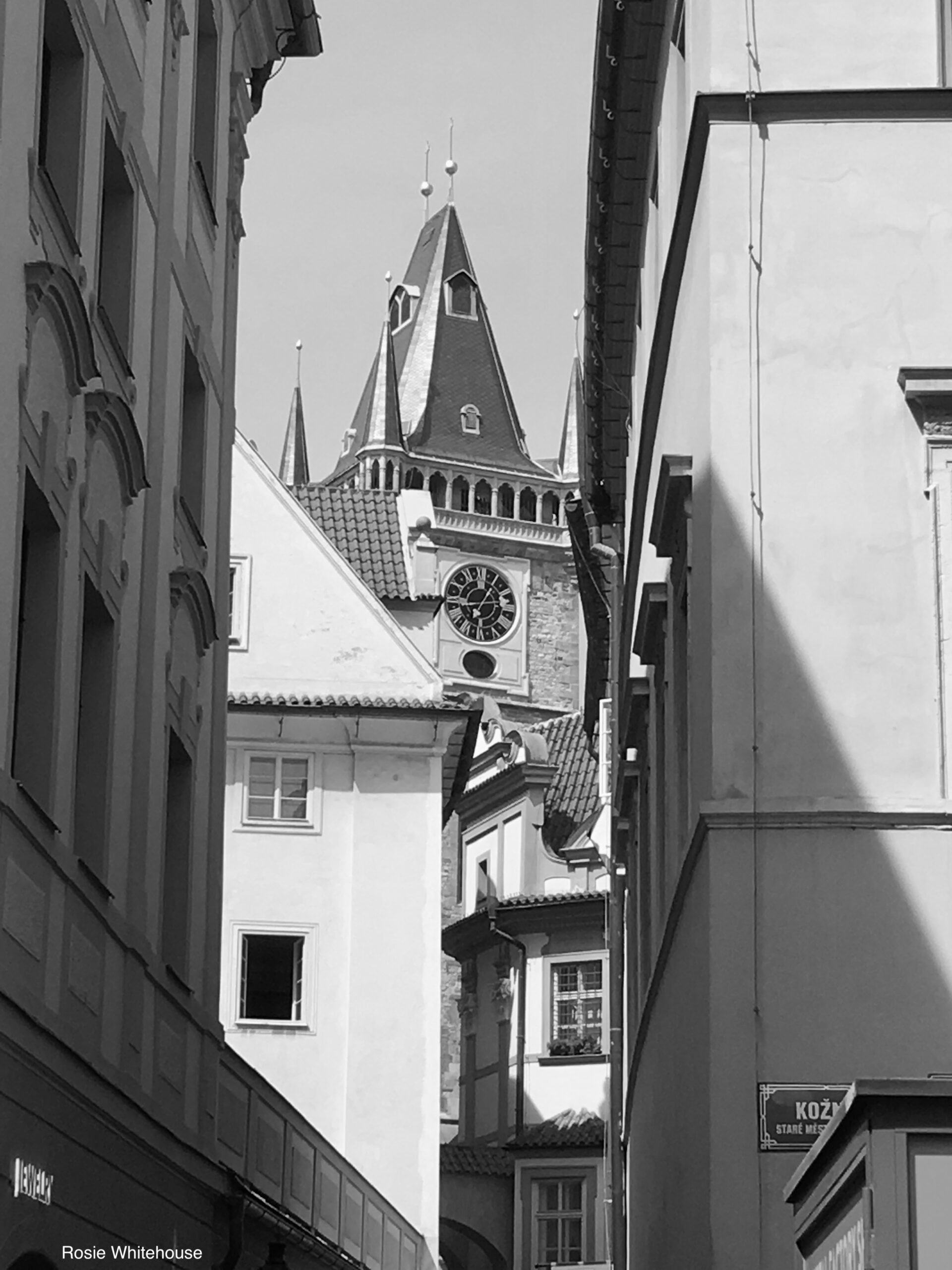
The two largest groups of the Boys came from interwar Czechoslovakia and Poland.
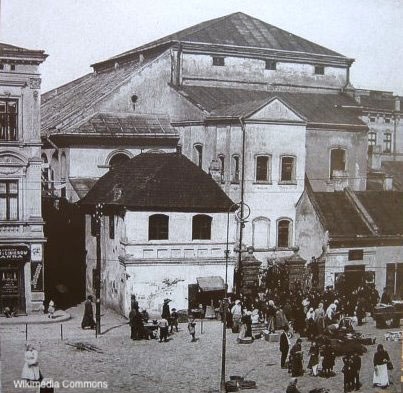
About 230 of the Boys came from Transcarpathia. The wild valleys of the Carpathian Mountains had until the World War I been a remote corner of the Austro-Hungarian Empire and were home to a unique multi-ethnic society which shared languages and mystical views. Jewish life centred on modern-day Mukachevo (now in Ukraine). Known to survivors by its Hungarian name of Munkács, it was 50% Jewish in 1914.
“Just taking a simple stroll down the main street in Munkács was an exciting pastime when I was small. It gave one a flavour of life in our town. There was a fabulous atmosphere, a feeling of familiarity that you can only get in a close-knit community. There were two markets in town; one was located in a large square and the other was the street market …
Saturday night was great fun for young people who loved to wander up and down the Corso. Young men would flirt with young women, and the children, including myself, would follow older siblings to spy on them in their more amorous moments.”
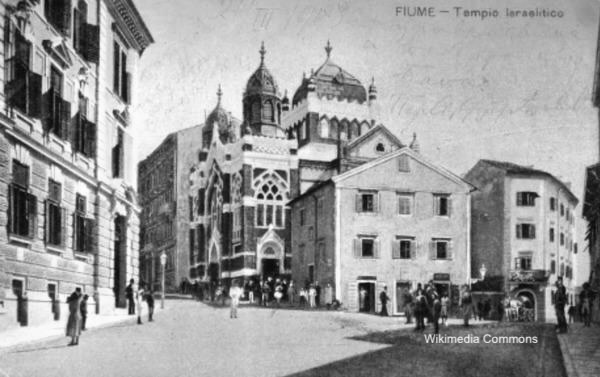
The list of the Boys’ birthplaces are identified by the names used in the interwar period and the country where it was then located.
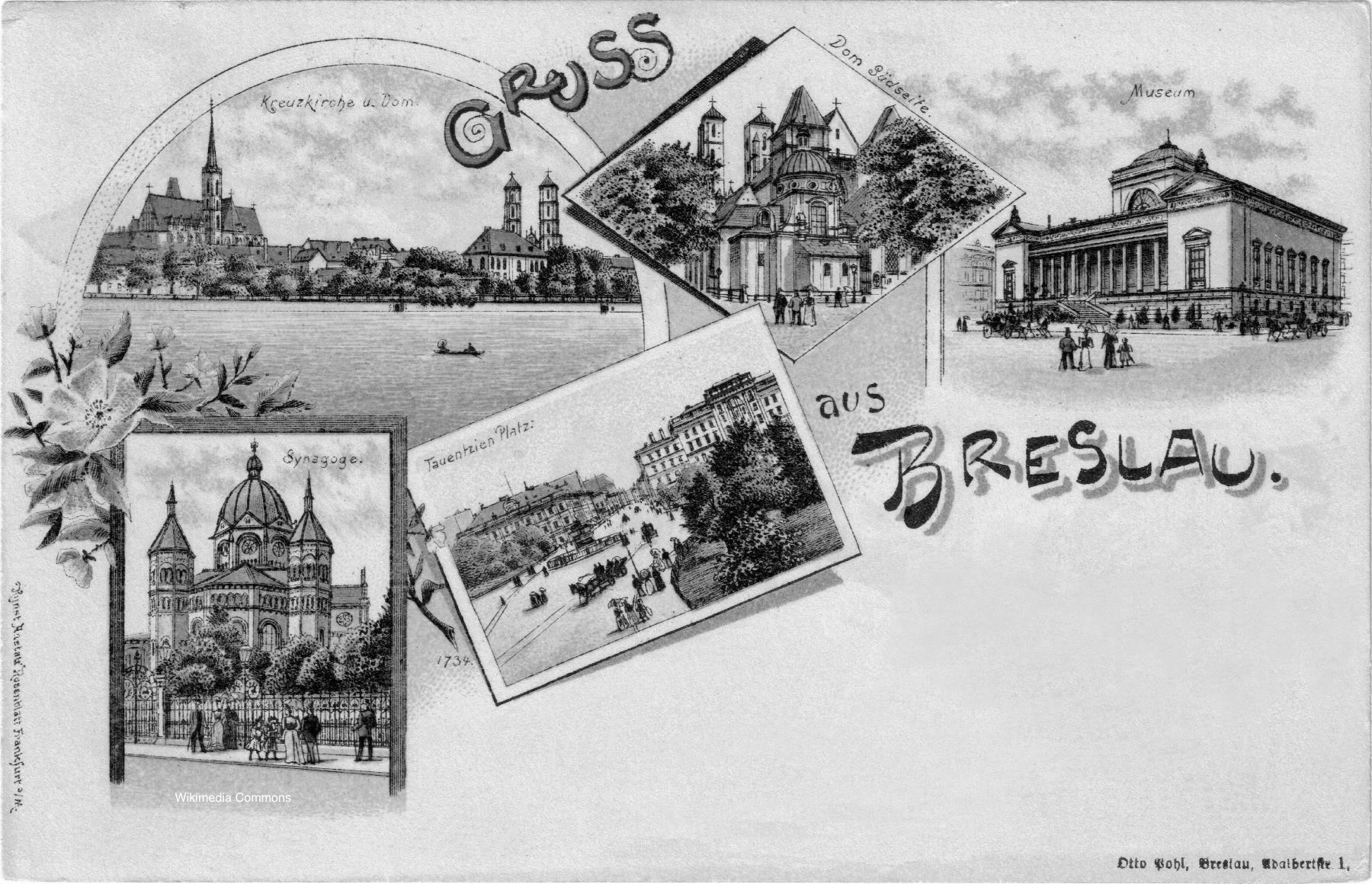
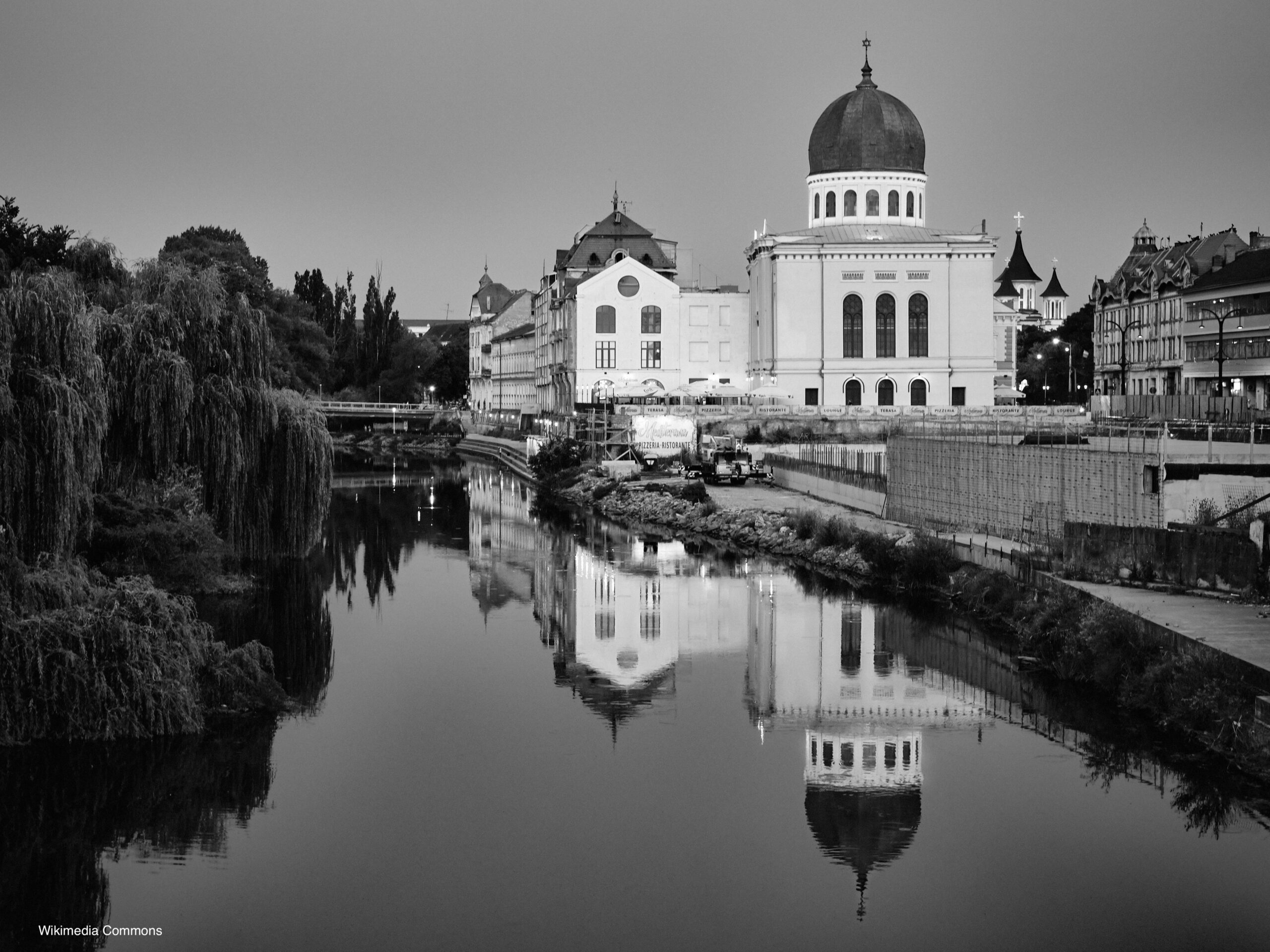
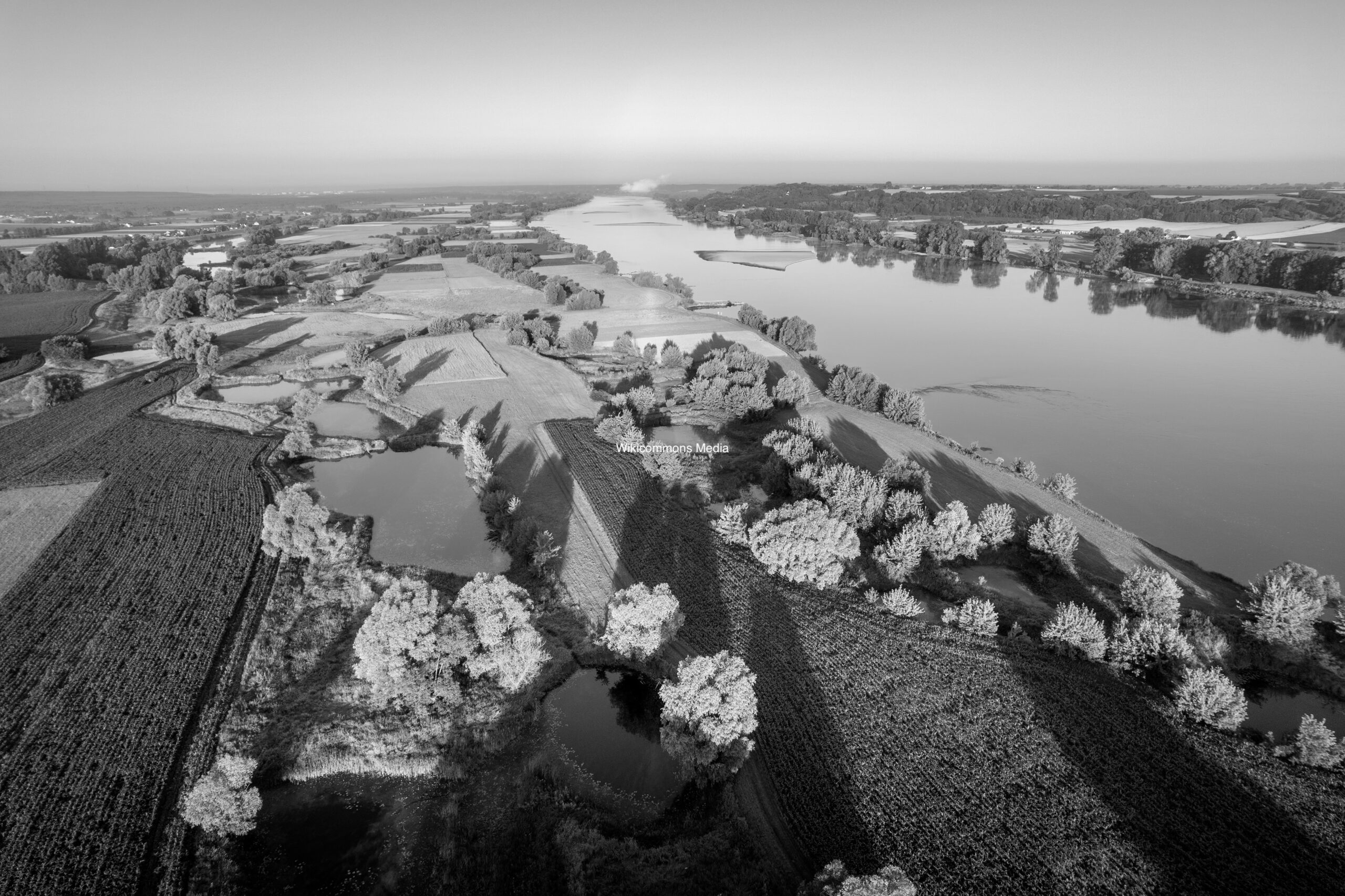
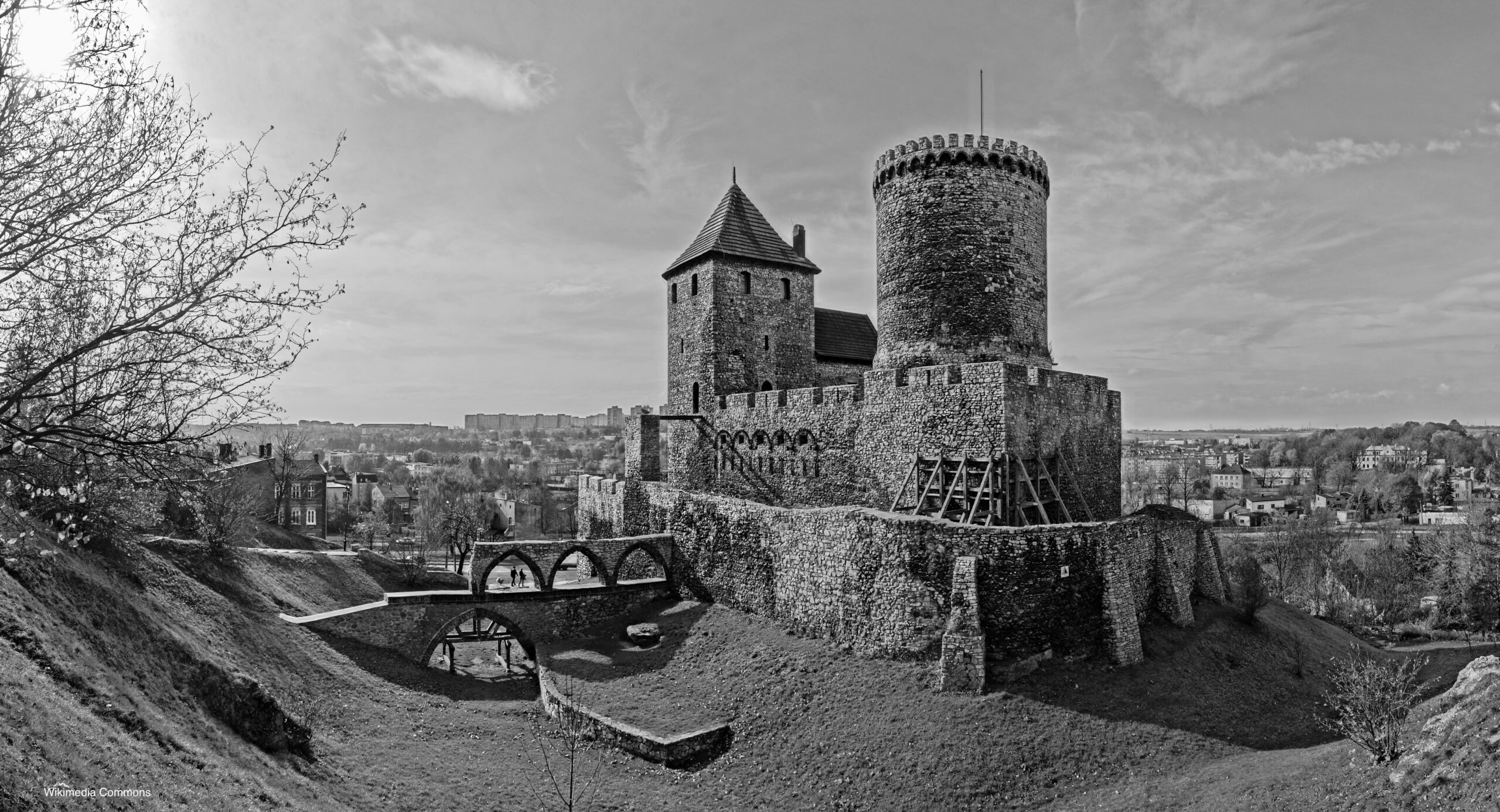
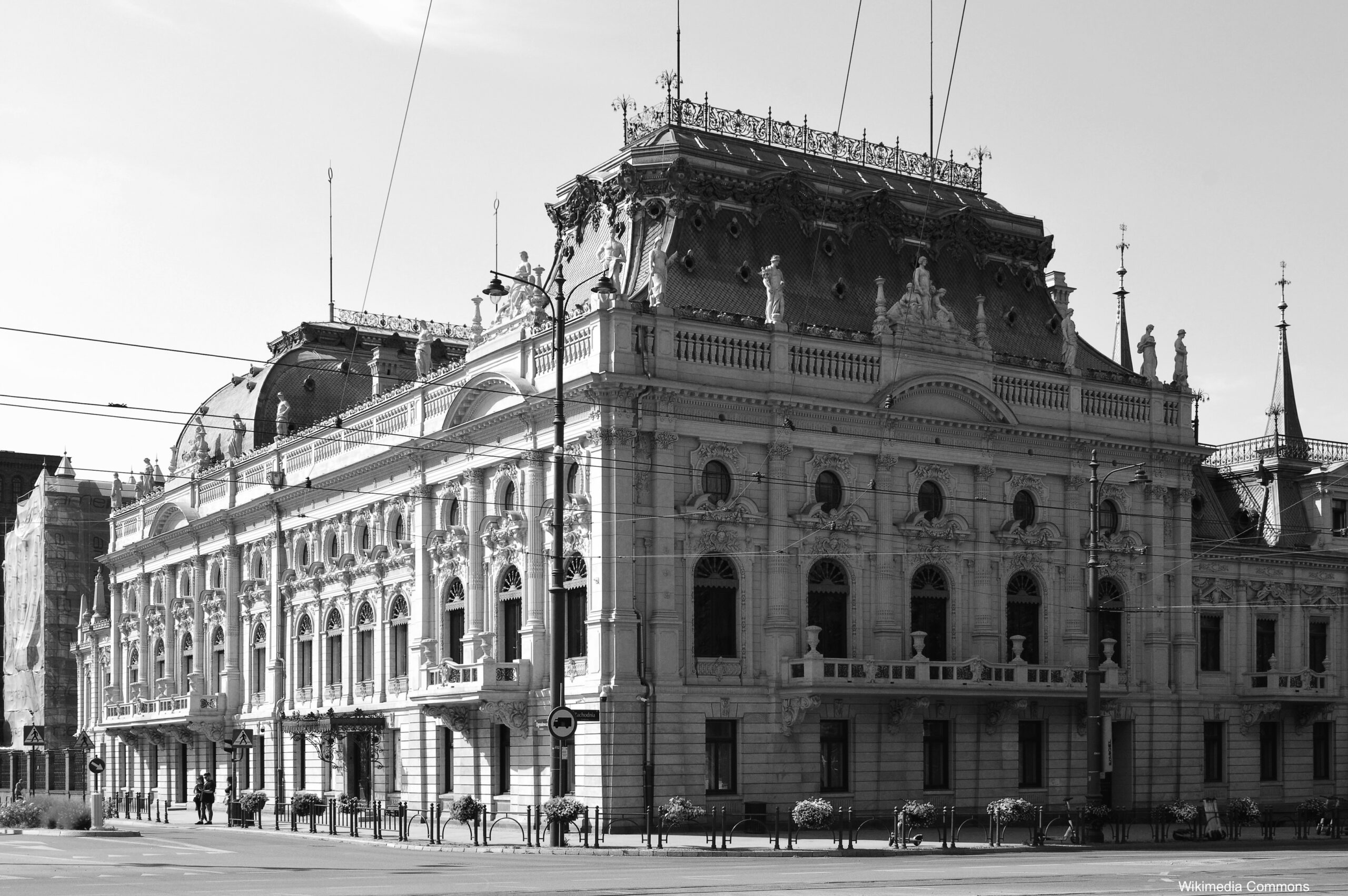
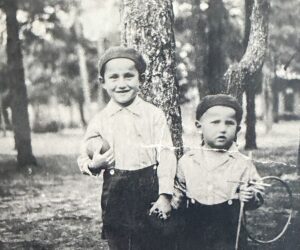
The Boys’ childhoods differed.
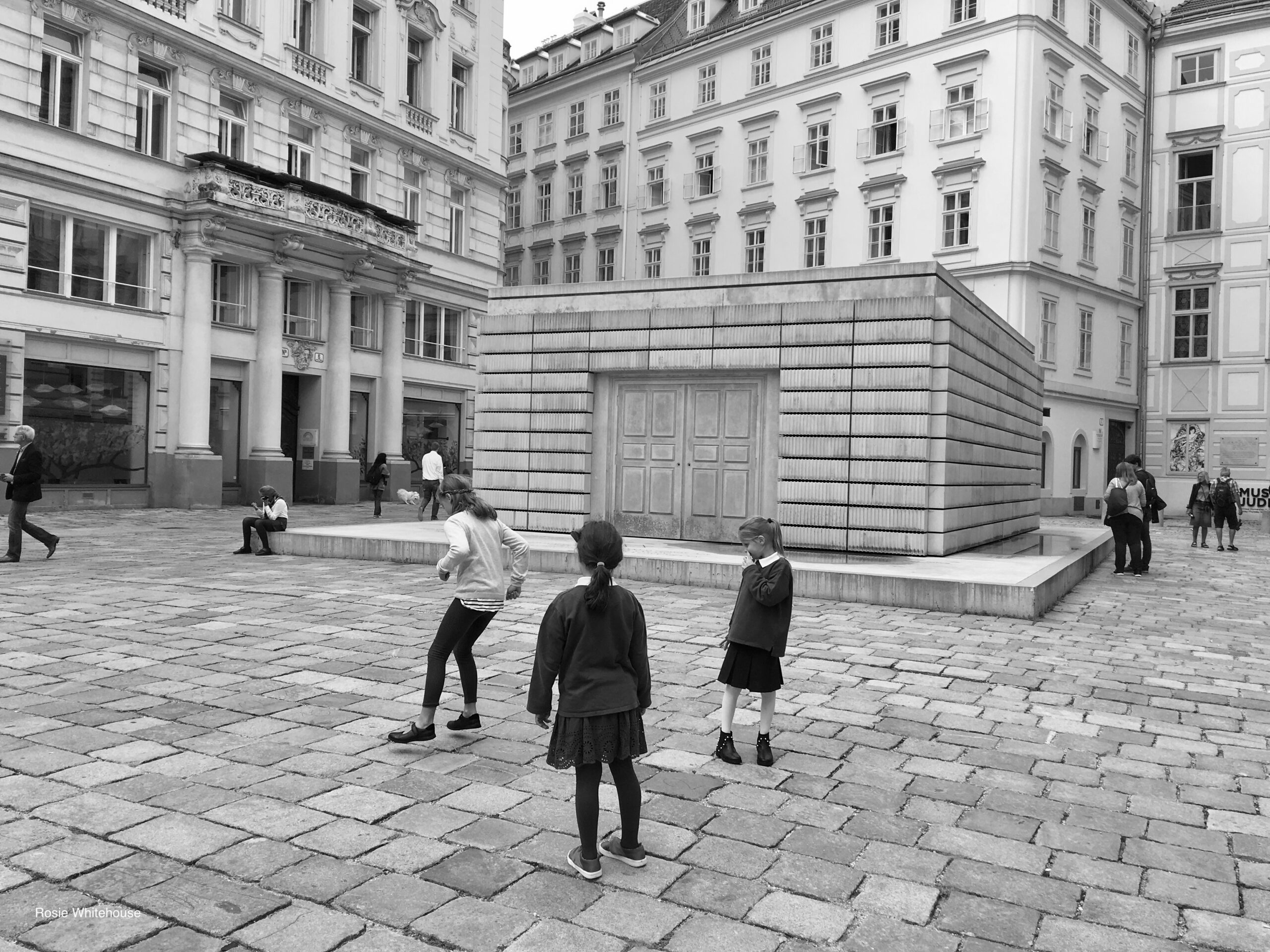
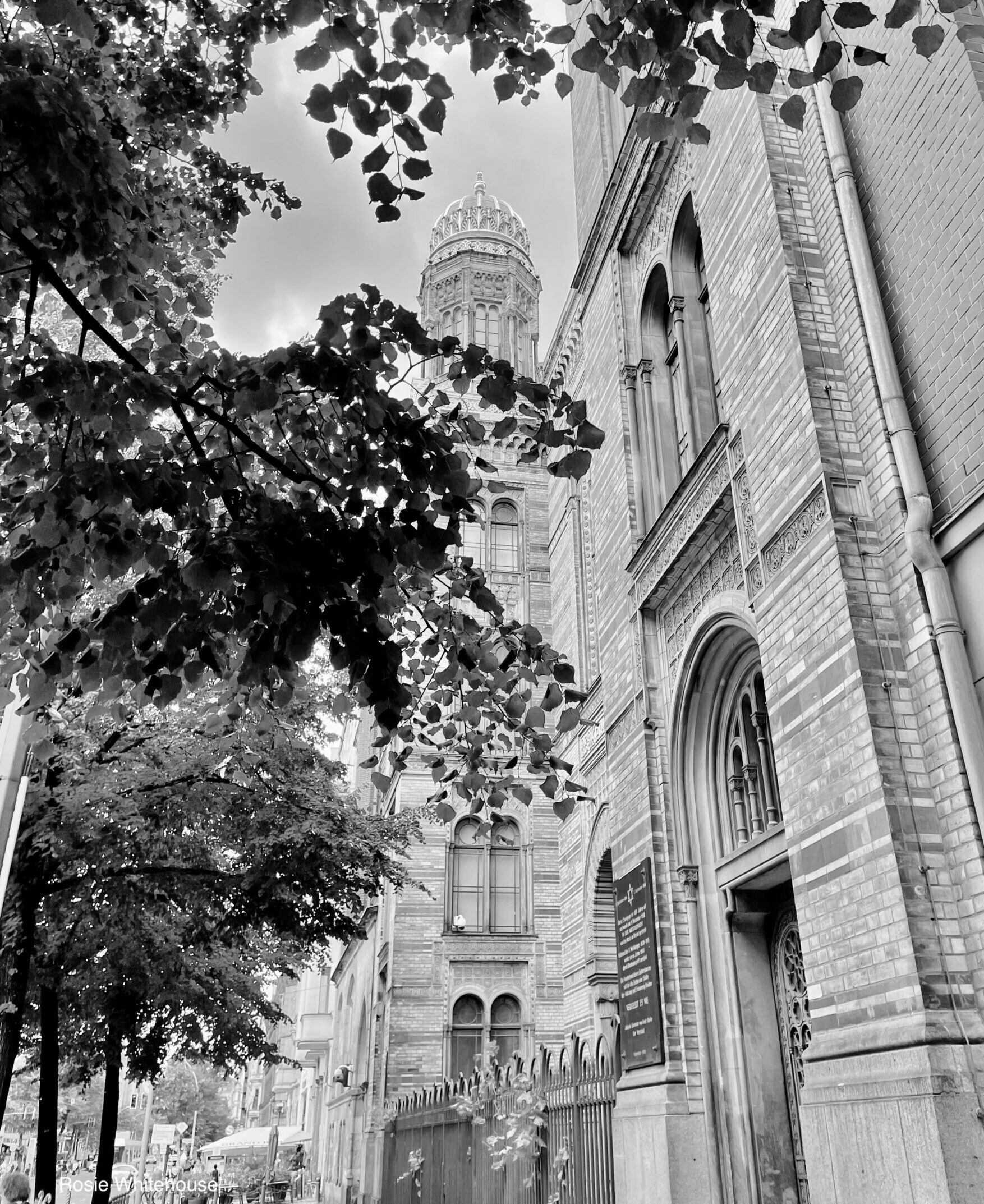
Some of the Boys grew up in the wild mountain regions of Czechoslovakia, others in big cities like Berlin and Vienna.
In some cases the Boys’ families were wealthy but others were extremely poor.
While families were highly assimilated and other religiously observant.
Although the Boys came from a variety of backgrounds, their childhood memories are overwhelmingly positive and the love and security that their parents gave them provided them with a inner strength that contributed to their ability to rebuild their lives.
Marie Paneth, an art therapist, was one of the team who cared for the Boys after they arrived in the UK. In her book Rock the Cradle, she wrote that this was the most important factor in their ability to “blend the good past they had known with the thought of a bearable future”. She asked, “Had their cradle been rocked, gently and wisely, in a rhythm which gave them security, and which they could reproduce when they were free?”
Their memories centre on family life, friends, and above all Jewish high days and holidays. Find out more about Jewish holidays here.
“My favourite of all Jewish festivals was Purim, which comes around February or March. The story of Purim is about the deliverance of the Persian Jews from the hands of a terrible oppressor called Haman. When this festival came around, I would go to the synagogue with my father, holding in one hand a flag covered in different pictures with a red apple stuck on the top of it, and in the other hand a gregger – wooden rattle – which, when twirled around, made the most dreadful noise. The reader in the synagogue would tell the story of Purim, and each time he mentioned the name ‘Haman’, everybody, but especially the children, would stamp their feet and twirl their greggers and generally make as deafening a noise as possible. This action, repeated many times during the service, must have made the poor reader a nervous wreck, but it was lots of fun for us children.”
The Boys were multi-lingual.
They spoke a variety of mother tongues: Czech, German, Hungarian, Italian, Polish, Romanian and Yiddish. Those living in multi-ethnic areas spoke multiple-languages. Russian was also widely spoken and many of the Boys learned to speak it either in childhood or after liberation by the Red Army. Many also began to speak Czech in the months they spent in Czechoslovakia.
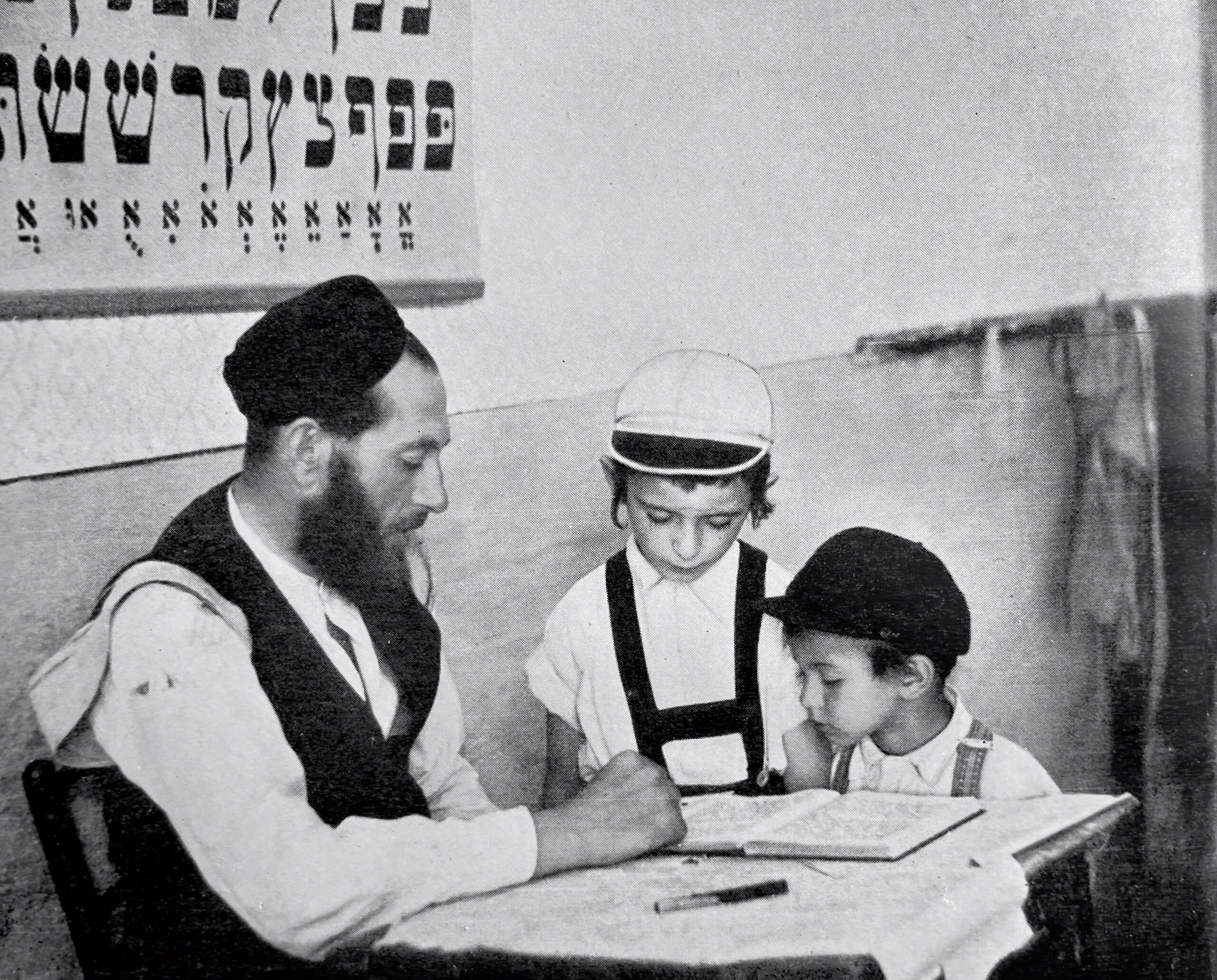
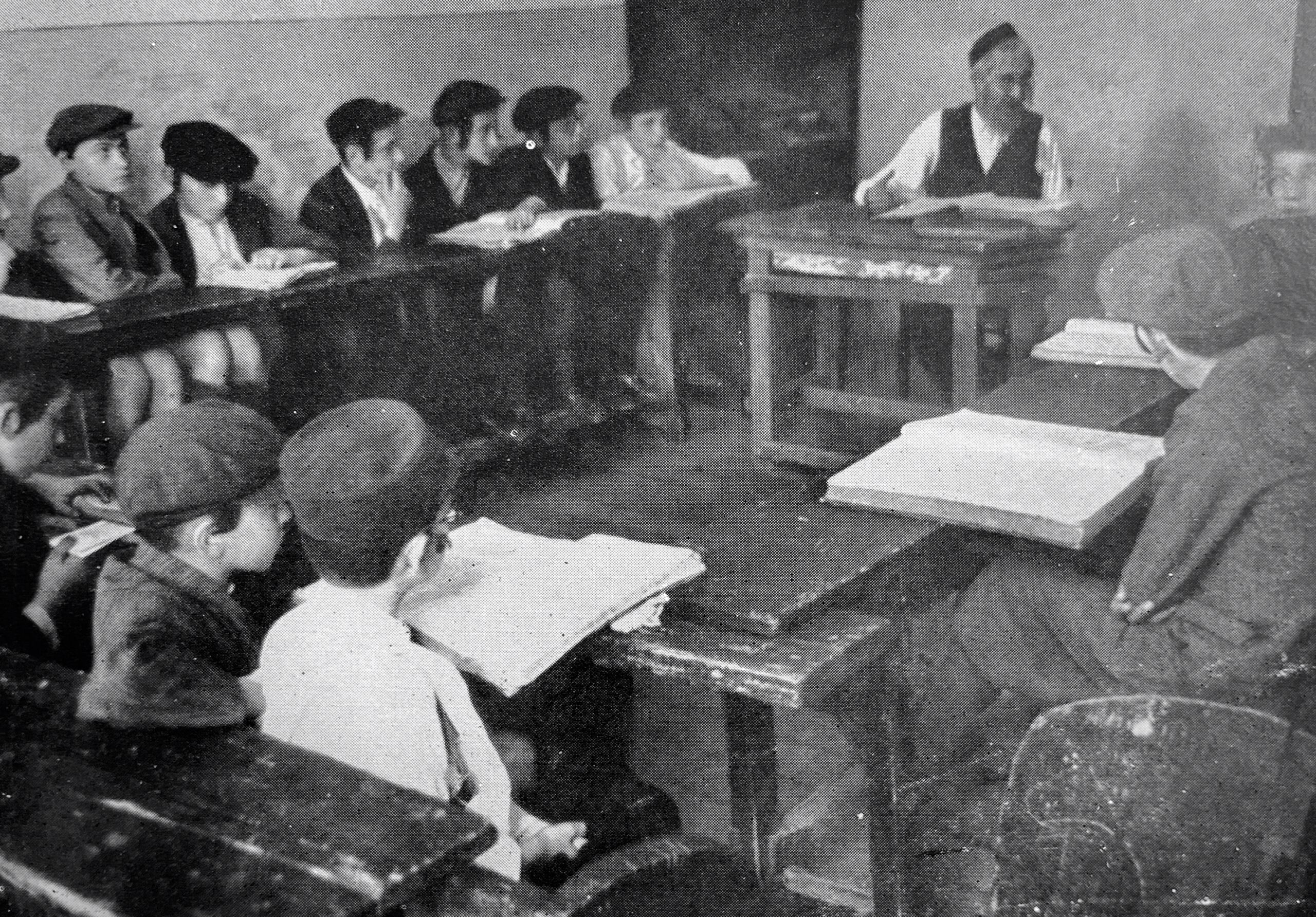
In addition many of the Boys had attended Jewish religious or secular schools where they had learned Hebrew.
Many of the Boys spoke Yiddish but not all. A knowledge of Yiddish saved many on arrival at Auschwitz where they were warned by Yiddish speaking Jews to say that they were older than they really were.
After their wartime experiences in the Nazi concentration camp system many of the Boys who were not native German speakers had a good working knowledge of the German language. Many of those who cared for the Boys after arrival in the UK were German and Austrian Jews who had arrived in the UK as pre-war refugees. German was a thus a common language and widely used in the hostels after the Boys arrived in the UK in the period while they learned English.
Many of the smaller German speaking children were encouraged to stop speaking German – some still feel considerable resentment that they lost not just their mothers but their mother tongues.
Yiddish
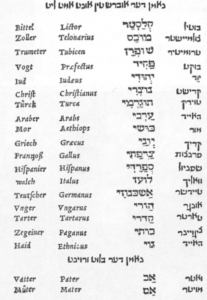
Yiddish is a Germanic language historically spoken by Ashkenazi Jews. It developed in the Middle Ages fusing Aramaic, Hebrew, German and Slavic elements. It has traditionally been written using the Hebrew alphabet.
For centuries, it was the primary language of everyday life, literature, theatre, journalism, education, and politics for millions of Jews in Eastern Europe. The 19th and early 20th centuries witnessed a remarkable flowering of Yiddish literature, scholarship, and cultural institutions.
Before World War II, there were between 11 and 13 million Yiddish speakers in the world. Some 85% of the Jews murdered in the Holocaust spoke Yiddish, which greatly contributed to its decline. It was however not spoken by highly assimilated German and Austrian Jews.
For many of the Boys it was a common language when they first arrived in the UK. They used it in letters and notes scribbled on the back of photographs they shared between them. It was also widely spoken in British Jewish communities and by some of those who cared for the Boys.
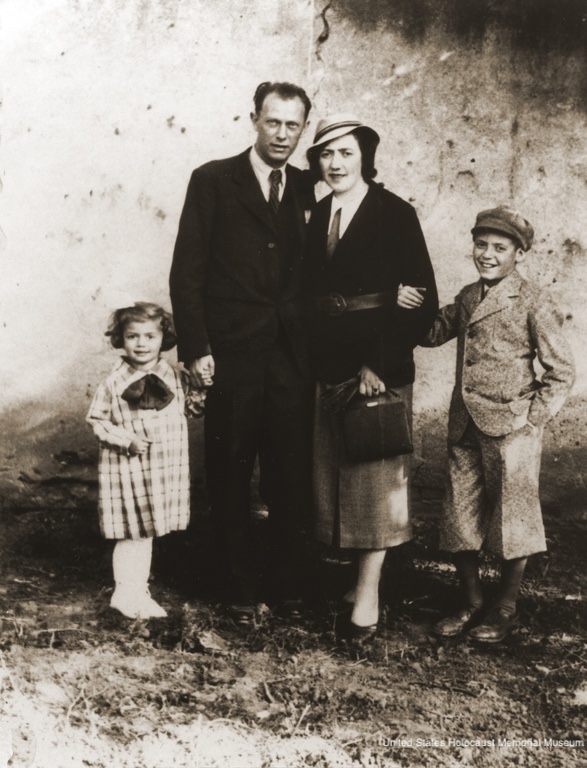
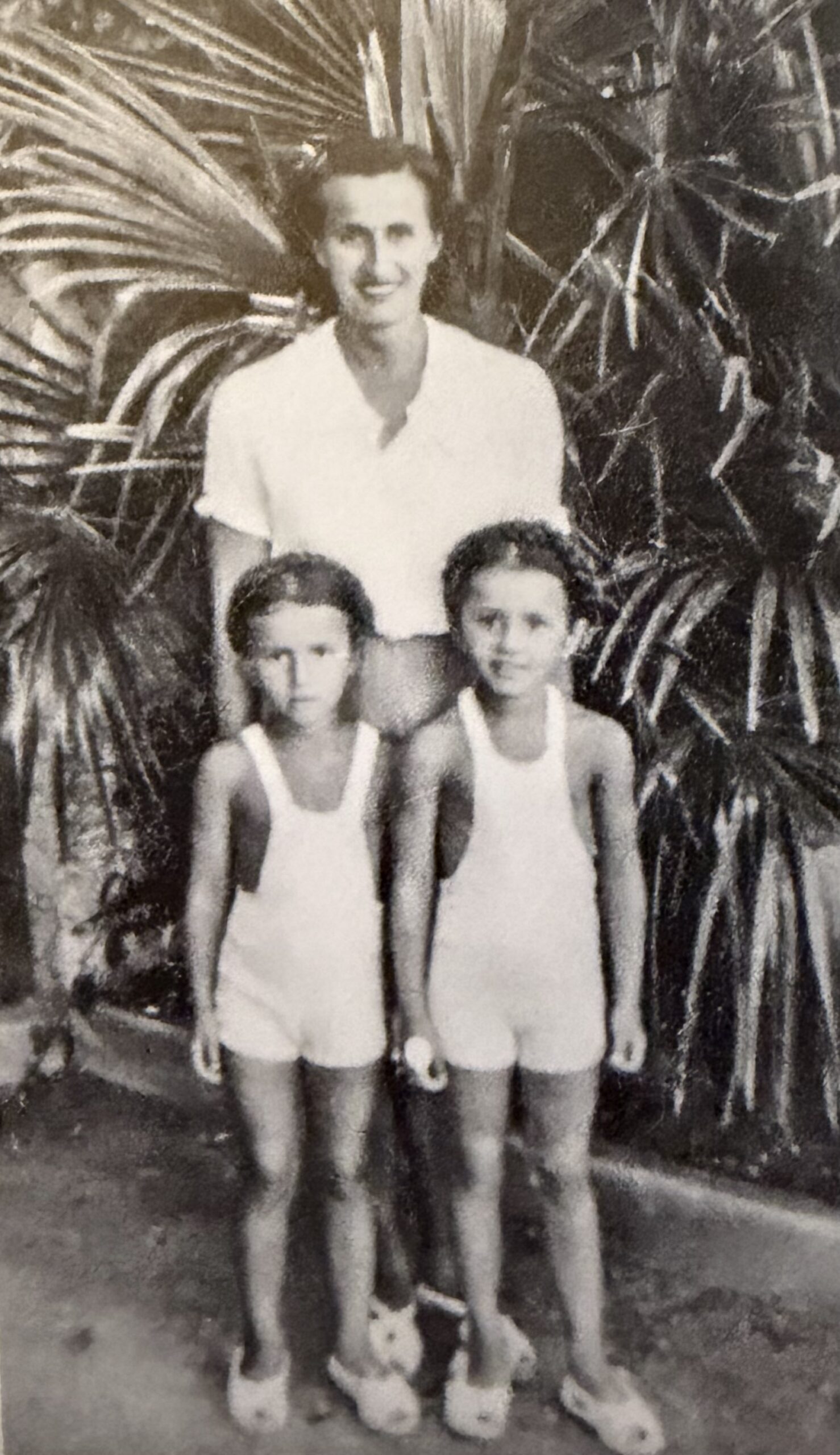
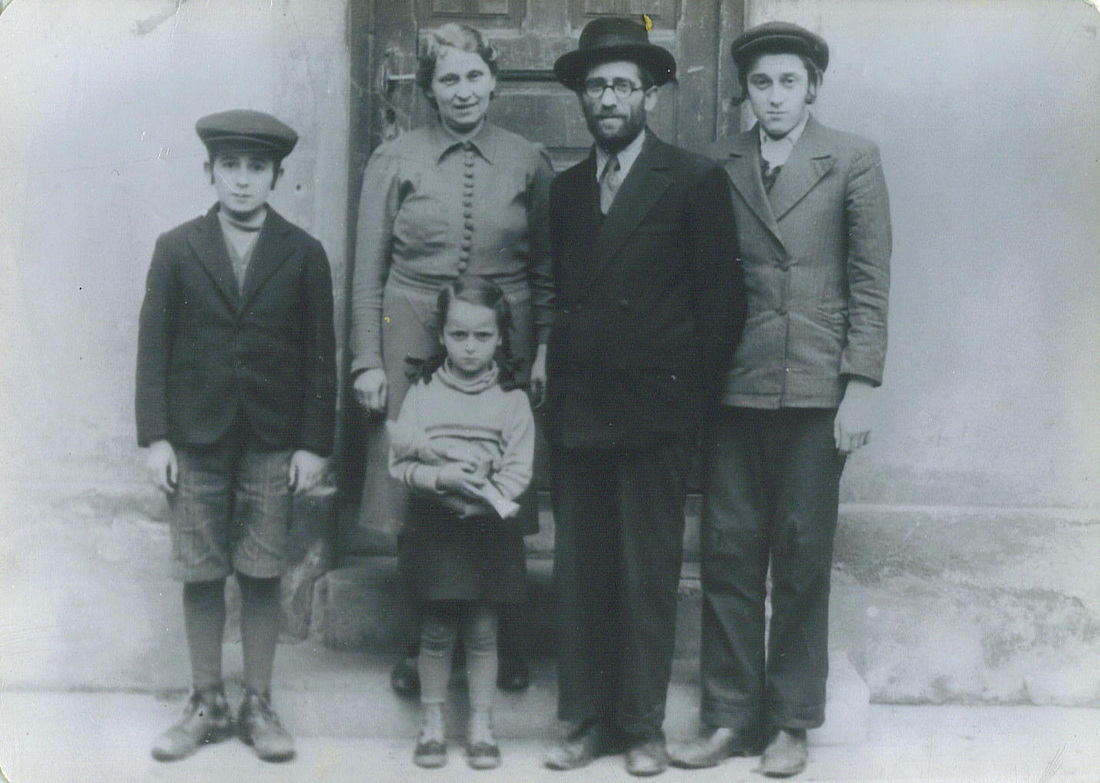
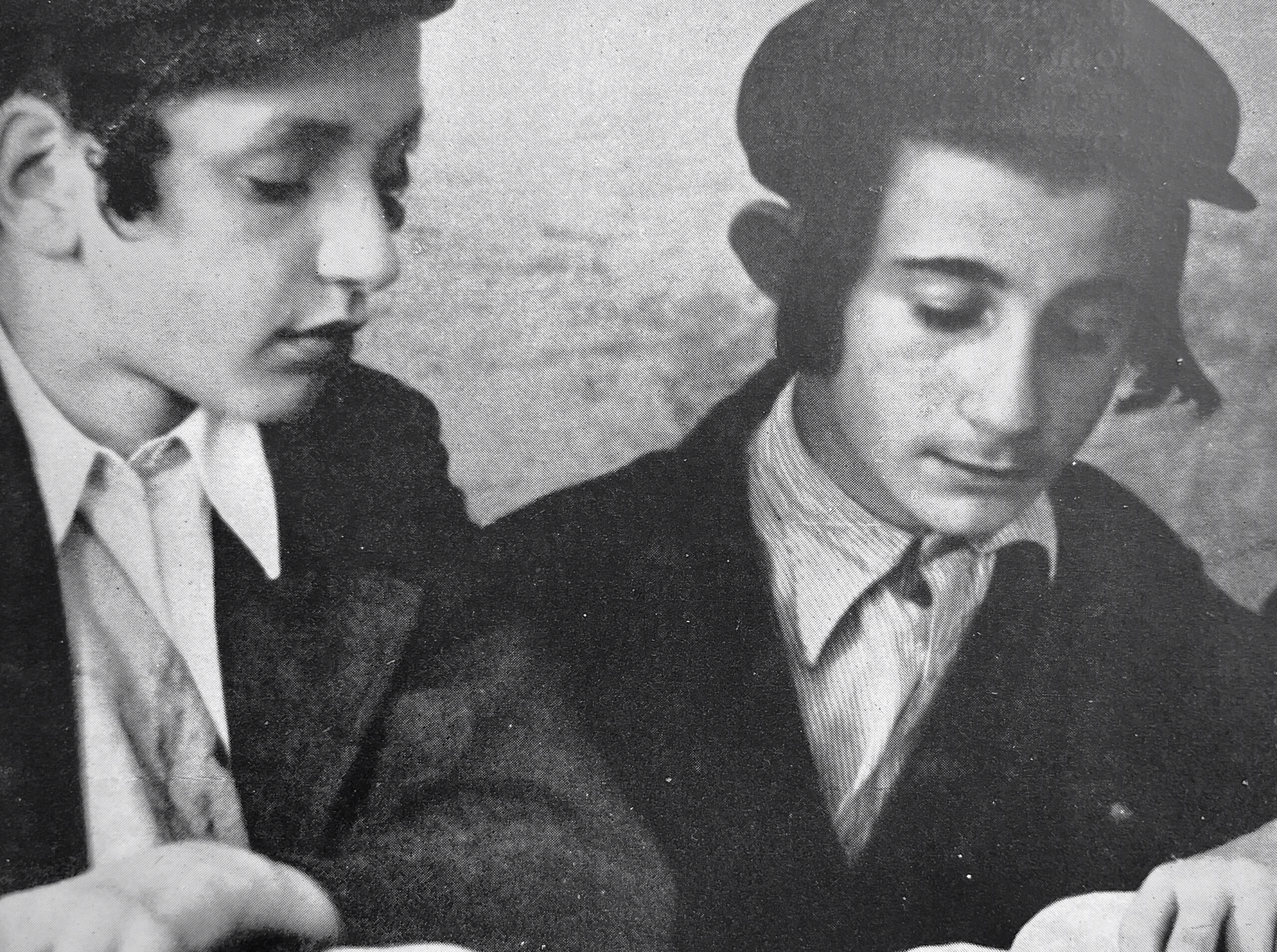
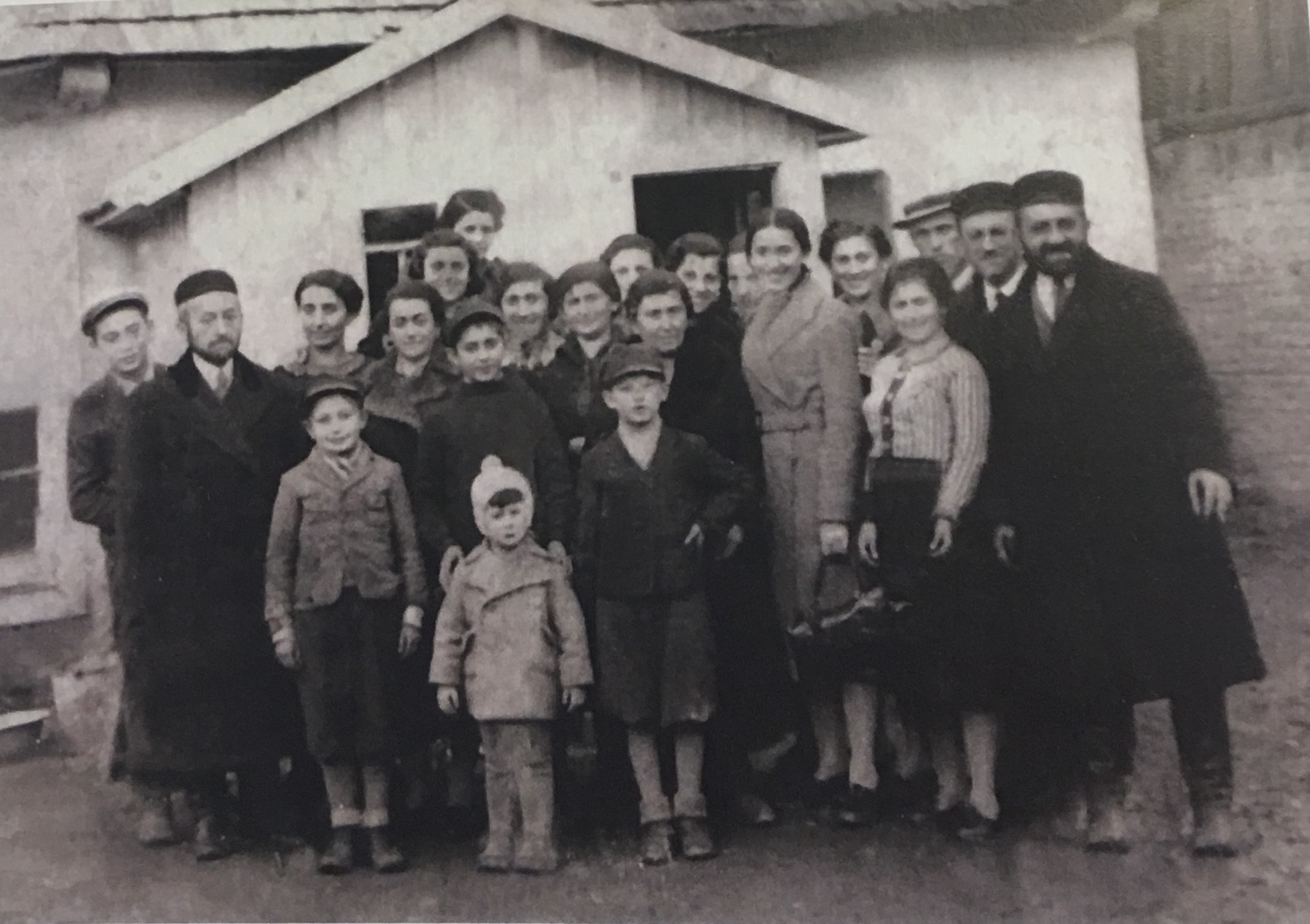
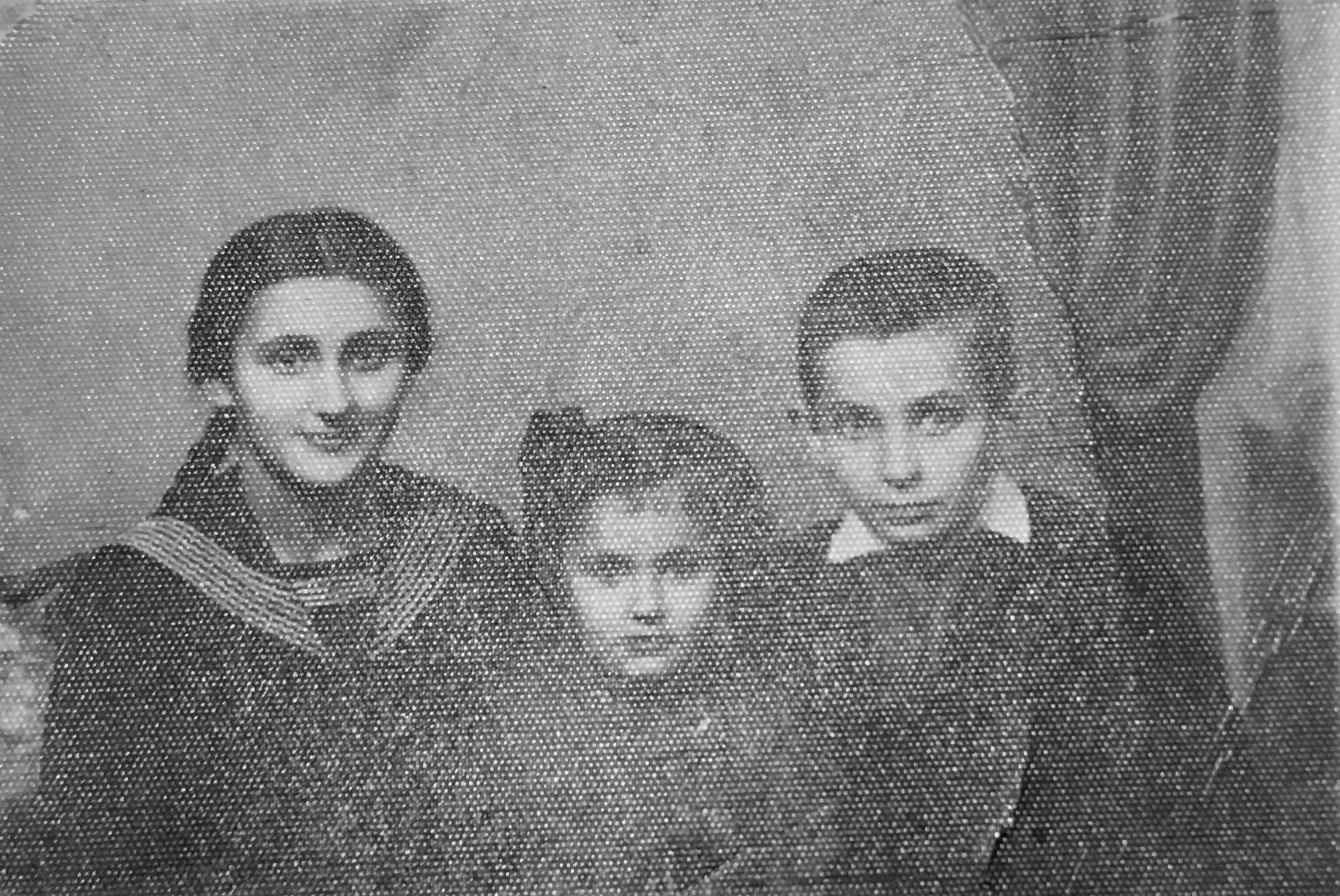
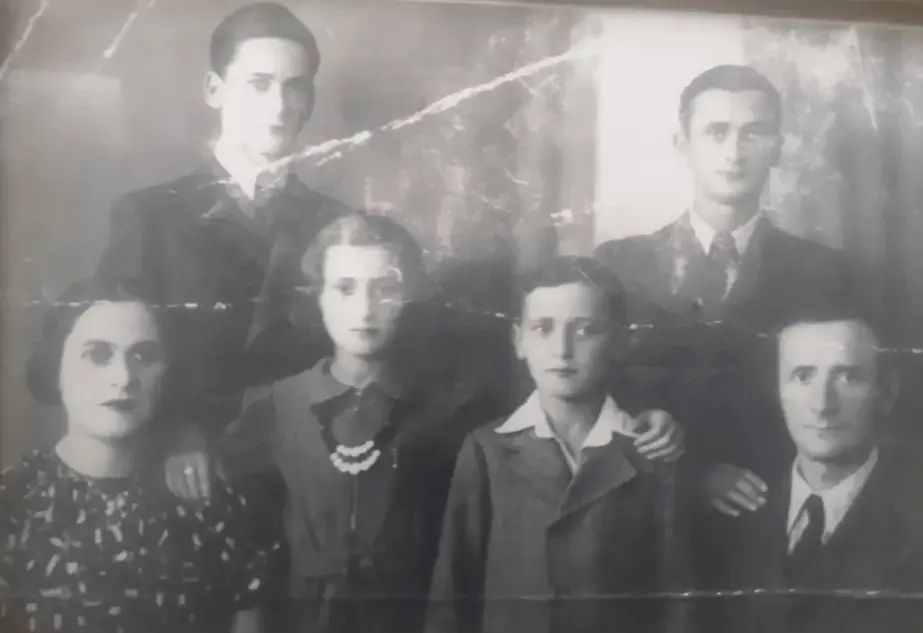
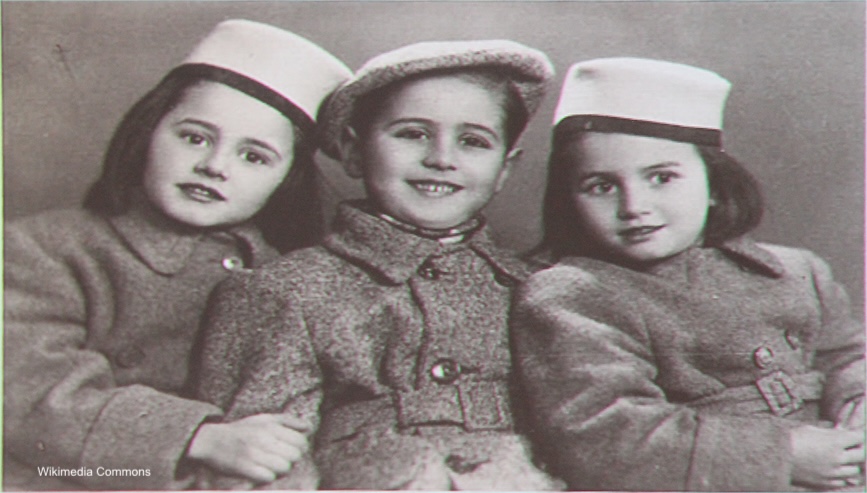
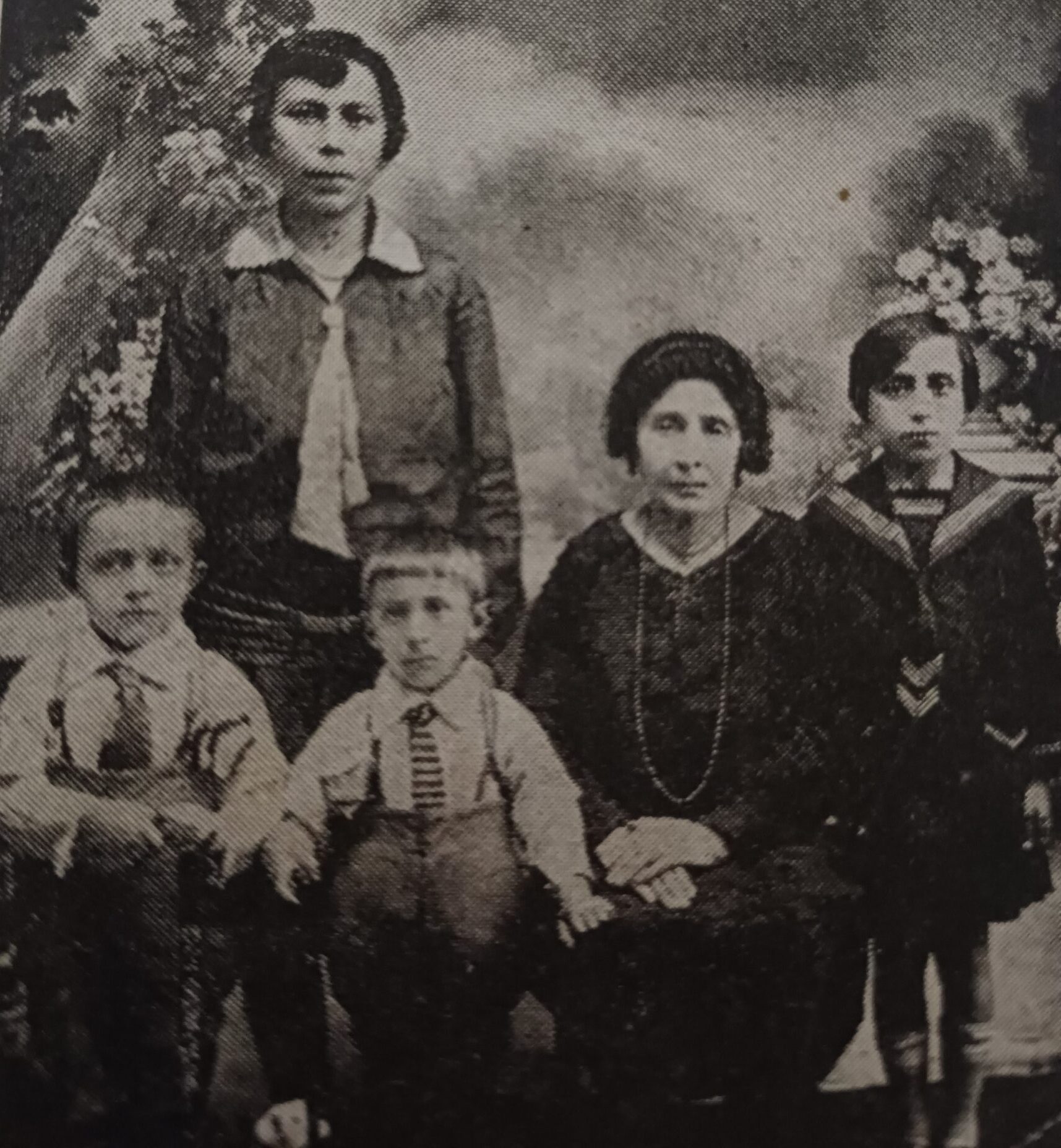
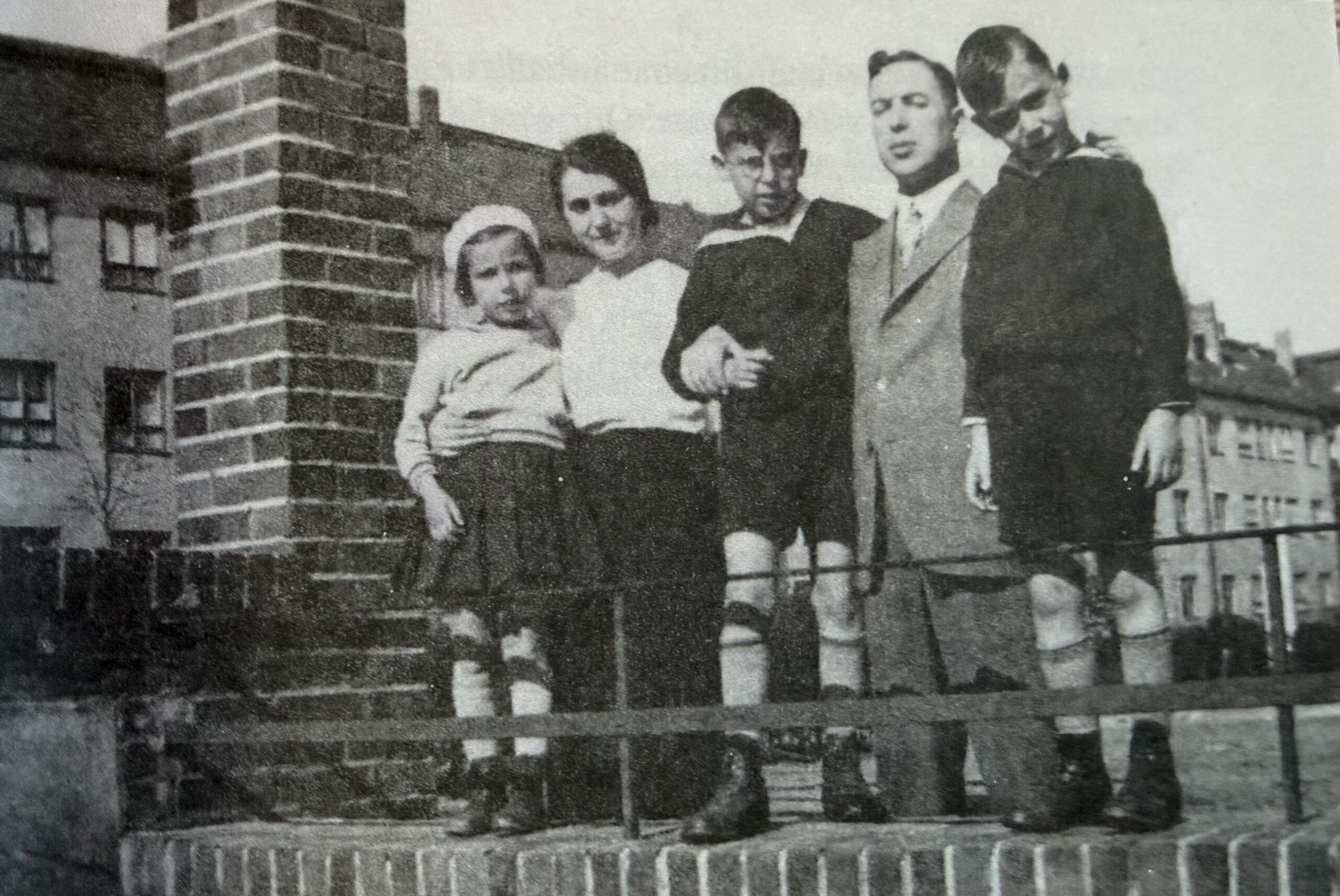
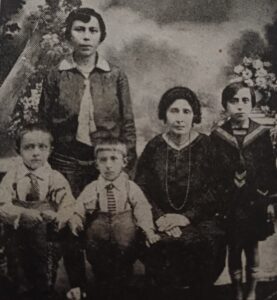
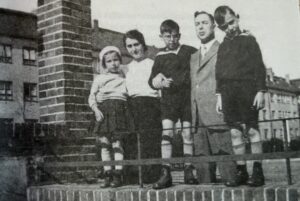
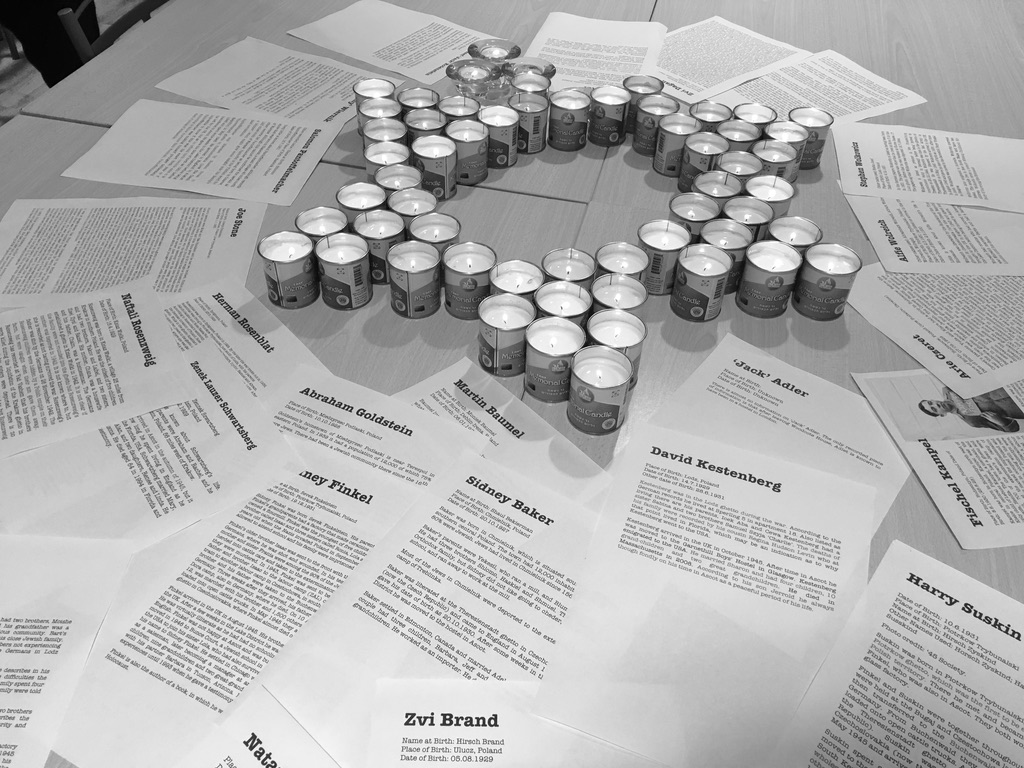
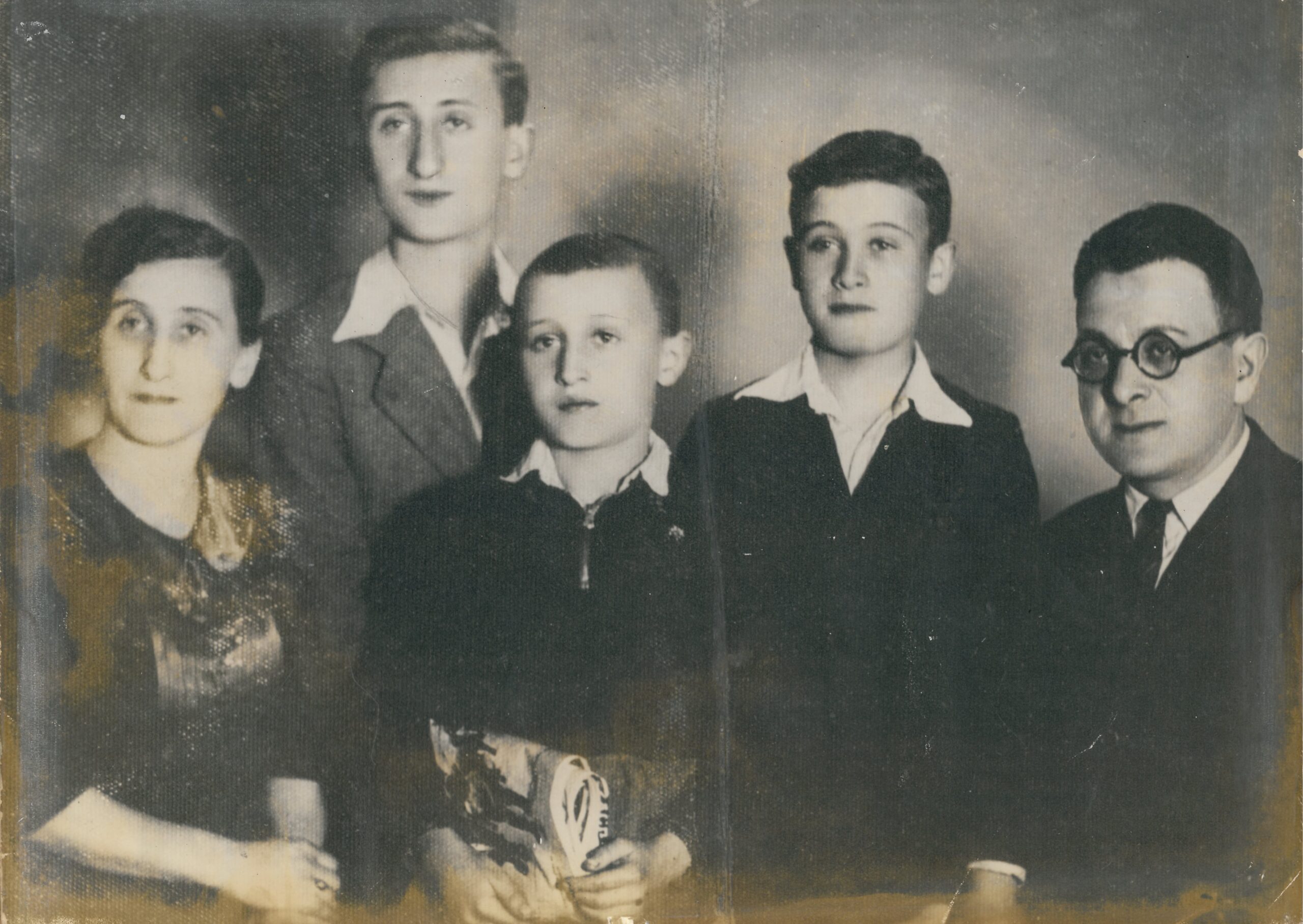
The ’45 Aid Society archive contains a significant collection of family photographs taken before World War II. They capture a Jewish world that was destroyed. The archive is also a memorial to the families of the Boys who were murdered in the Holocaust.
To explore the family album click here.
Behind each picture is a story.
These stories told on the pages below matter because time and time again in their testaments the Boys reference the strength they drew from the families that they had lost.
Each photograph is precious.
The Boys tried to hold on to the pictures that they had rescued from their homes and taken to the ghettos and camps.
The pain of loosing the photographs of their families was something that they never forgot.
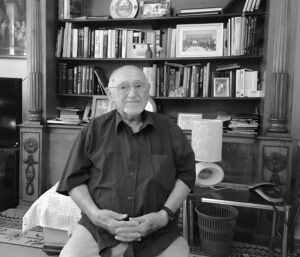
“When we arrived at the camp, they made us give them everything but our shoes. They gave us thick blue paper overalls.
They said they would shoot us if we did not do as they said.
I had photographs of my family. I didn’t know what to do. I was frightened, so I gave them up.
It was a terrible mistake. I should have taken the risk. I should have tried to keep them. It would have been worth being shot for.”
Sam Freiman was the sole survivor of his family.
The ’45 Aid Society has its own unique Holocaust education programme.
The Boys were young people when their lives were torn apart. Students will learn about where they came from, the families they lost, their experiences in ghettos, camps, hiding and death marches, their liberation and, importantly, what happened afterwards.
To find out more about the resources we offer click here.
Use our lesson plans on how to deliver the story of the Boys in the classroom and book a speaker from the ’45 Aid Society.
Aids for Teaching Pre-war Jewish Life
Individual country glossaries and timelines can be found here.
Jewish Festivals
In addition to the daily way of life and the spiritual highpoint of the Sabbath (Shabbat), which lasts from sundown on Friday until sundown on Saturday, there are festivals that add rhythm and colour to Jewish life.
Rosh Hashanah The Jewish New Year occurs in September/October. It is the anniversary of the creation of Adam and Eve, the first man and woman according to the Hebrew Bible and starts a ten-day period of self-examination and repentance. It is a time for Jews to reflect on their year, including their good and bad deeds. The Tashlich ceremony takes place during Rosh Hashanah. At this ceremony sins are cast out and poured into water as people ask for God’s forgiveness.
The shofar, a ram’s horn, is blown to symbolise a call for repentance. Apples are dipped in honey to represent the hope of a sweet new year. Pomegranates are also eaten because of the fruit’s appearance in the Torah (the Jewish bible,) as the fruit of the land of Israel and as it is said to have 613 seeds. This is the same number as the number of historic laws governing Jewish Jewish life according to tradition.
Yom Kippur Also known as the Day of Atonement, this is the holiest day of the Jewish calendar. There is a 25 hour fast during which nothing must be eaten or drunk. On the eve of Yom Kippur it is traditional for a father to bless his sons and daughters. The service that introduces Yom Kippur is called Kol Nidre after the prayer that is recited.
Much of the day is spent in synagogue in prayer to repent and seeking forgiveness for one’s sins over the last year.
Succot (Sukkot) Five days after Yom Kippur, the festival of Succot celebrates God’s care of the Jewish people in the wilderness after the Exodus and is also the Jewish harvest festival. Succot, which means ‘tabernacles’, refers to the temporary huts in which the Jews lived in their 40 years in the desert.
During Succot a blessing is said over four species of plants mentioned in the Bible. The collective name for these species is a lulav, after the Palm frond which is the most conspicuous. Meals are taken outside in a flimsy hut called a succah.
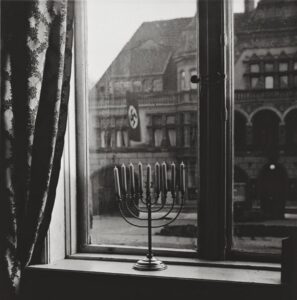
Hanukah celebrates the victory of the Jewish Maccabeans against the Greek rulers, who sought to impose Hellenistic culture and religion on the Jews. The struggle culminated in the recapture and rededication of the Temple in Jerusalem. The oil burned in the Temple had been spoiled, except for one jar. It was enough to last for one day but by a miracle lasted for eight days. As a result, the festival lasts for eight days, and on each evening a special eight branched candelabra is lit starting with one candle on the first night and ending with eight on the last night.
It is traditional to eat fried foods, especially potato lakes and doughnuts.
Purim celebrates the deliverance of the Jewish people from the wicked Haman in the days of Queen Esther of Persia. It is celebrated by reading the story of Purim from a special scroll called the megilla, having a festive meal, giving to charity and exchanging gifts of food with family and friends. Children, and sometimes adults, dress up in fancy costumes. The Fast of Esther occurs just before Purim. It commemorates the fast undertaken by the Jewish people when they learned of the decree of annihilation planned against them.
Pesach Also known as Passover in English, the festival is held in March or April and celebrates the Jews’ escape from slavery in Egypt. It lasts for eight days in the diaspora and begins with the Seder, which consists of a service and a meal. The items on the Seder plate each symbolise a part of the Exodus story, which is retold during the meal using a book called the Haggadah. During Pesach it is not permitted to eat anything which has or may have leaven. Jews eat matzah, which is unleavened bread. This is symbolic of the fact that when Pharoah ordered the Jews to leave they did so in such a rush that there was not time for their bread to rise. Only foods which have been specially produced for Passover are permitted, except for fresh fruit and raw vegetables.
Shavuot celebrates the giving of all the Torah laws, including the Ten Commandments at Mount Sinai after the Exodus. Shavuot means weeks in Hebrew. It is traditional to eat a dairy meal that symbolises the land of milk and honey.
Tisha B’Av is the saddest day of the year and commemorates the destruction of the First Temple in Jerusalem. A major fast lasts for 25 hours.
Other major calamities have happened to the Jewish people on Tisha B’av, among them the start of the First Crusade, the expulsion of the Jews from England, France and Spain. Word War I broke out on Tisha B’av and the mass deportation from the Warsaw Ghetto also began on the fast day.
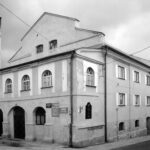
Good to Know: The Jewish calendar follows a lunar cycle and like other lunisolar calendars, it consists of months of 29 or 30 days which begin and end at approximately the time of the new moon. According to the Jewish calendar we are now in the 6th millennium. The Hebrew year count starts in year 3761BCE, which the 12th-century Jewish philosopher Maimonides established as the biblical date of creation.
During the Holocaust the Germans often deliberately carried out deportations, mass shootings, gassings and the liquidation of ghettos on important Jewish festivals. Most Jews tried to observe the festivals as best as they could and those who refused to work were punished and often murdered.
Critical Thinking Questions
On the Page
Between the lines
Beyond the Page
For a full list of Critical Thinking Questions click here.
Glossary
Aryan Term used in Nazi Germany to refer to non-Jewish and non-Gypsy Caucasians — white Europeans, especially northern Europeans with blonde hair and blue eyes — who were considered by the Nazis to be the most superior of races and members of a “master race.”
Aryanisation The Nazi term for the seizure of Jewish property and its transfer to non-Jews.
Ashkenazi A Jewish diaspora population that emerged in the Holy Roman Empire in the 8th and 9th centuries. Ashkenazim traditionally spoke Yiddish and largely migrated towards northern and eastern Europe during the late Middle Ages to escape persecution.
Deportation Forced removal of Jews in the Third Reich and German occupied countries from their homes.
Ghetto Under the Nazis a ghetto was a very clearly defined district, often walled or fenced in and surrounded by armed guards, in which only Jews were forced to live in the worst possible conditions. All, except the Theresienstadt Ghetto, were eventually dissolved and the Jews were murdered. The word ghetto was first used in Venice in 1516 to describe an area of a town or city where Jews were required to live.
Kindertransport Literally ‘children’s transport’ in German. A pre-war programme whereby the British government allowed the admission of almost 10,000 mostly Jewish child refugees from central Europe after Kristallnacht until the outbreak of war curtailed the operation.
Pale of Settlement The western part of the Russian Empire in which Russian Jews were allowed to live from 1835 to 1917.
Pogrom Violent attack on a Jewish community.
Sephardi Sephardic Jews are a diaspora community, who in 1492 were forced to convert to Catholicism or face expulsion from Spain. Between 100,000-300,000 Spanish Jews left Spain and settled in different parts of Europe and the Middle East. Approximately 100,000 Sephardic Jews from locations including Greece, Yugoslavia, Macedonia, Netherlands, Italy, France, Tunisia and Libya, were killed by the Nazis in World War II.
Yiddish A Germanic language with elements of Hebrew and Aramaic historically spoken by Ashkenazi Jews.
For a full Glossary click here.
 About
About History
 Education
 Quilts
 FIlms
FIlms Photos
 News Media & Events
 Publications
 Donate