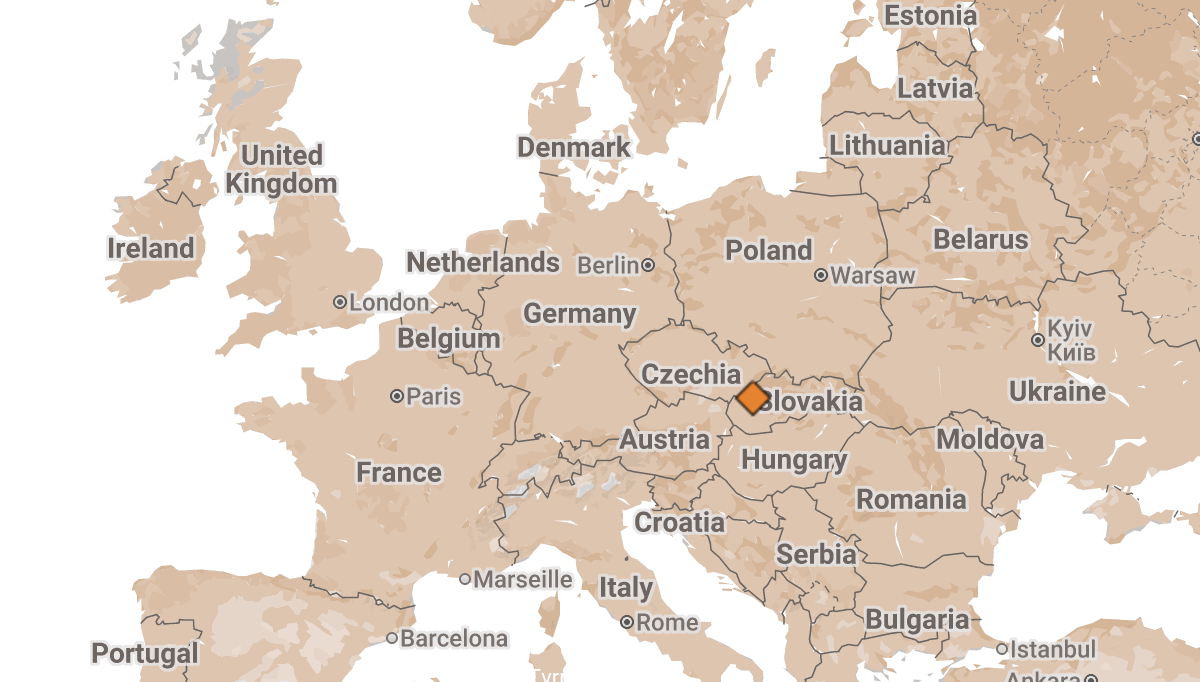
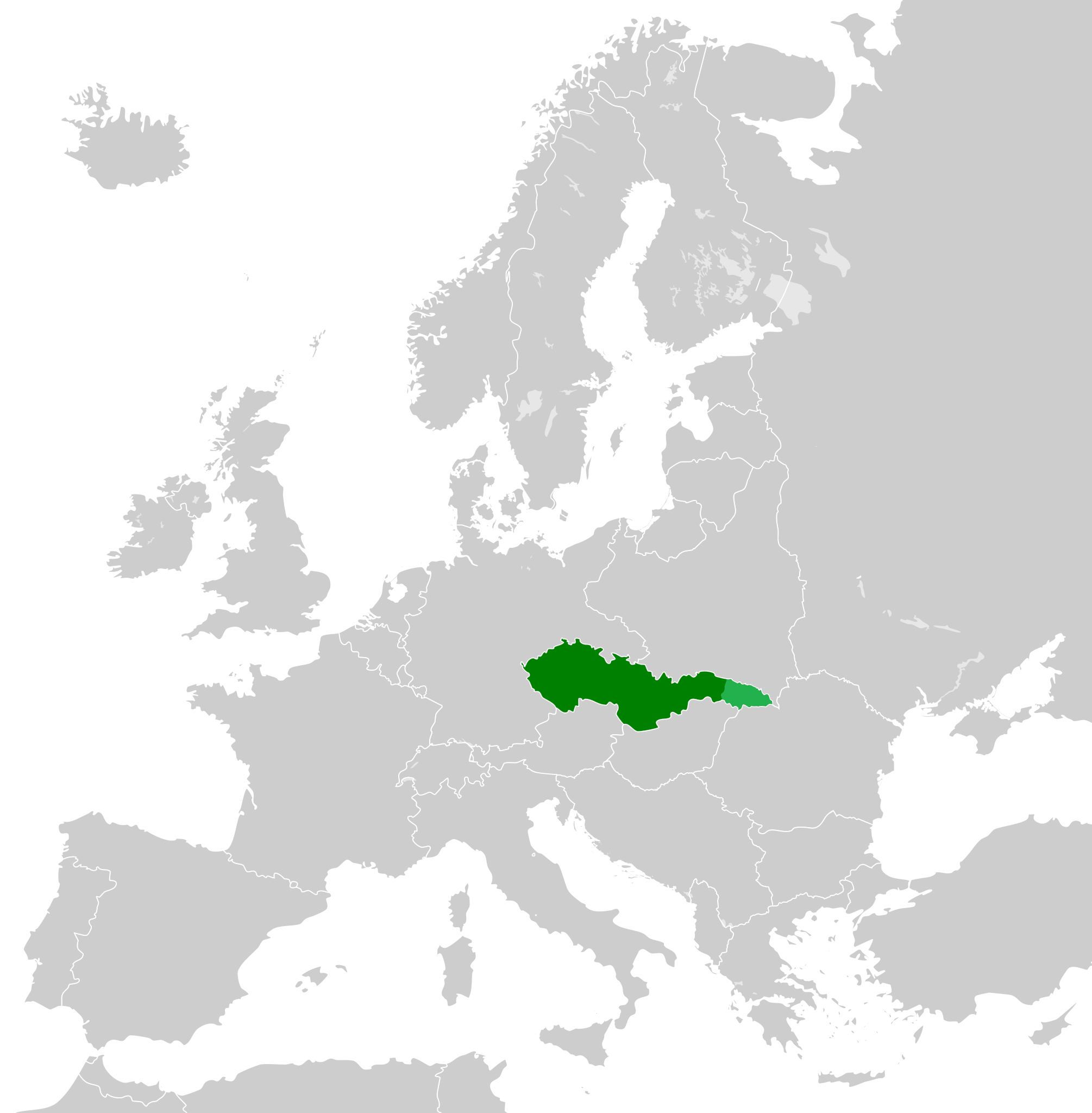
Until the end of World War I, Czechia and Slovakia were both part of the Austro-Hungarian Empire. In the interwar period modern day Czechia and Slovakia, in the heart of central Europe, were part of the state of Czechoslovakia. The state also included a province known as Transcarpathia, which is now part of Ukraine.
Background
Jews first settled the region in the 10th century.
In Bohemia and Moravia most Jews spoke German as well as Czech. They were highly assimilated, and Bohemia had the highest rate of mixed marriage in Europe among the Jewish community.
By contrast, in Slovakia, Jews were Orthodox and spoke primarily Hungarian. Before World War I, Slovak nationalists associated them with Hungarian control and in the interwar period with the new Czechoslovak state.
Interwar years
Czechoslovakia was a stable, liberal democracy in which Jews were recognised as a distinct ethnicity in the census and a Czech-Jewish identity began to emerge.
1918-1920: Anti-Jewish riots broke out across the country during the Paris Peace conference. Nationalists attacked Jewish communities they regarded as pro-Austrian or pro-Hungarian.
1930s: Antisemitic riots broke out again in Slovakia encouraged by the Slovak People’s Party. Jewish boxers and wrestlers took to the streets to defend their communities, a move that prompted the wrestler Imi Lichtenfeld (1910–98) to set up the Krav Maga movement, a form of simple martial arts, so Jews could defend themselves.
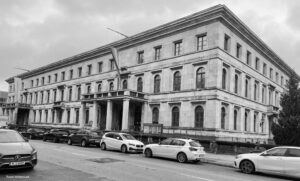
1938: Hitler demanded that the Sudetenland, the mountainous borderland region that marked a natural border between Czechoslovakia and Germany, was given to the Reich. Not only was the area home to 3m ethnic Germans, but Hitler wanted to get his hands on the region’s industry to boost the Germany economy in preparation for war.
At the Munich Conference in September Britain and France, wanting to avoid war, allowed Germany to annex the Sudetenland.
In the aftermath of the Munich Pact, territories Hungary had lost in the 1920 Treaty of Trianon in southern Slovakia and southern Transcarpathia were ceded to Hungary, and a small portion of territory in Slovakia was also given to Poland.
March 1939: Germany invaded Czechoslovakia. The remaining part of current day Czechia became the Protectorate of Bohemia and Moravia. German anti-Jewish laws were applied. At the same time, Transcarpathia was occupied by Hungary. Slovakia became an independent state under the leadership of Jozef Tiso (1887–1947), a Catholic priest and Slovakian politician. Significantly, Slovak state propaganda blamed the Jews for the territorial losses.
World War II
Protectorate of Bohemia and Moravia
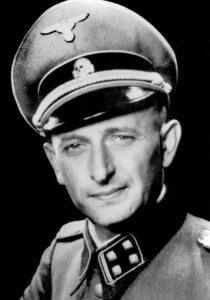
June 1939: Adolf Eichmann arrived in Prague to create a Czech Zentralstelle für jüdische Auswanderung (Central Agency for Emigration), similar to the one he had already set up in Vienna.
More than 26,000 Jews left the Protectorate before emigration was banned in 1941.
October 1941: Czech Jews were deported to the Theresienstadt Ghetto.
Slovakia
1940: Slovakia joined the Axis powers.
September 1941: A ‘Jewish Code’ similar to the Nuremberg Laws was proclaimed and the country became the first Axis partner to agree to the deportation of its Jews, for which it was paid.
1942: The Hlinka Guard (the paramilitary wing of the Slovak People’s Party), alongside Slovak police and military personnel, concentrated 58,000 Jews in labour camps. They then transported them to the border with the General Government in occupied Poland, where they handed them over to the SS. The vast majority were murdered in Auschwitz, Majdanek and Sobibór.
April 1944: Alfred Wetzler and Walter Rosenberg escaped from Auschwitz and informed the Jewish authorities in Slovakia of the mass extermination at the camp. The deportations were then suspended. Some 6,000 Slovak Jews fled to Hungary.
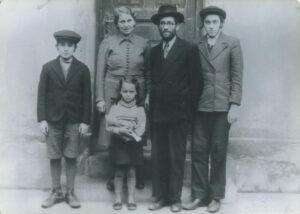
August 1944: Germany invaded Slovakia. The Slovak National Uprising against the invading forces broke out and the counter-measures taken by the Germans devastated the country. A further 12,600 Jews were deported to Auschwitz and Theresienstadt. Thousands of Jews remained in hiding when the Red Army occupied Slovakia in April 1945.
Aftermath
After World War II the two countries were reunited in the new state of Czechoslovakia.
Post-war Czechoslovakia was, however, a far more nationalistic place which expelled its entire ethnic German population, as well as tens of thousands of Hungarians.
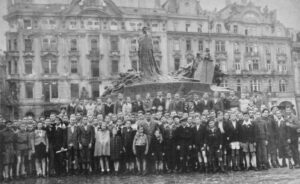
Jews who had identified as such in the 1930 census experienced discrimination. Antisemitism was rife and at least 36 Jewish survivors were killed and more than 100 seriously injured between 1945 and 1948. The most significant riots took place in 1945 in Topol’čany and Kolbasov. There were also riots in Bratislava in 1946.
After the Soviet annexation of Transcarpathia, most of the surviving Jews fled to western parts of Czechoslovakia. Yiddish speaking, and far more religious than their Bohemian and Moravian counterparts, they were greeted with hostility. Many Jews tried to leave the country. This is the reason that the majority of the Boys in the Third, Fourth and Fifth Groups were from pre-war Czechoslovakia.
Czechoslovakia came under Communist control in 1948.
After the Velvet Revolution in 1989, the two states parted ways in 1993.
Memorialisation: Good to Know
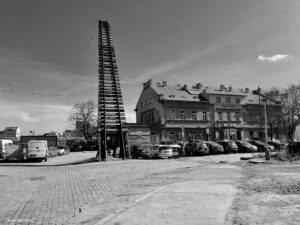
As in other communist countries there was little discussion of the Holocaust until after the collapse of the Berlin Wall in 1989.
The Czech Republic has a good track record of remembering the Holocaust but Slovakia has faced issues coming to terms with its past as an ally of Nazi Germany.
The far-right Our Slovakia party claims Tiso’s regime was the first independent Slovak state and should be celebrated. The Church has also refused to censure Tiso.
 About
About History
 Education
 Quilts
 FIlms
FIlms Photos
 News Media & Events
 Publications
 Donate