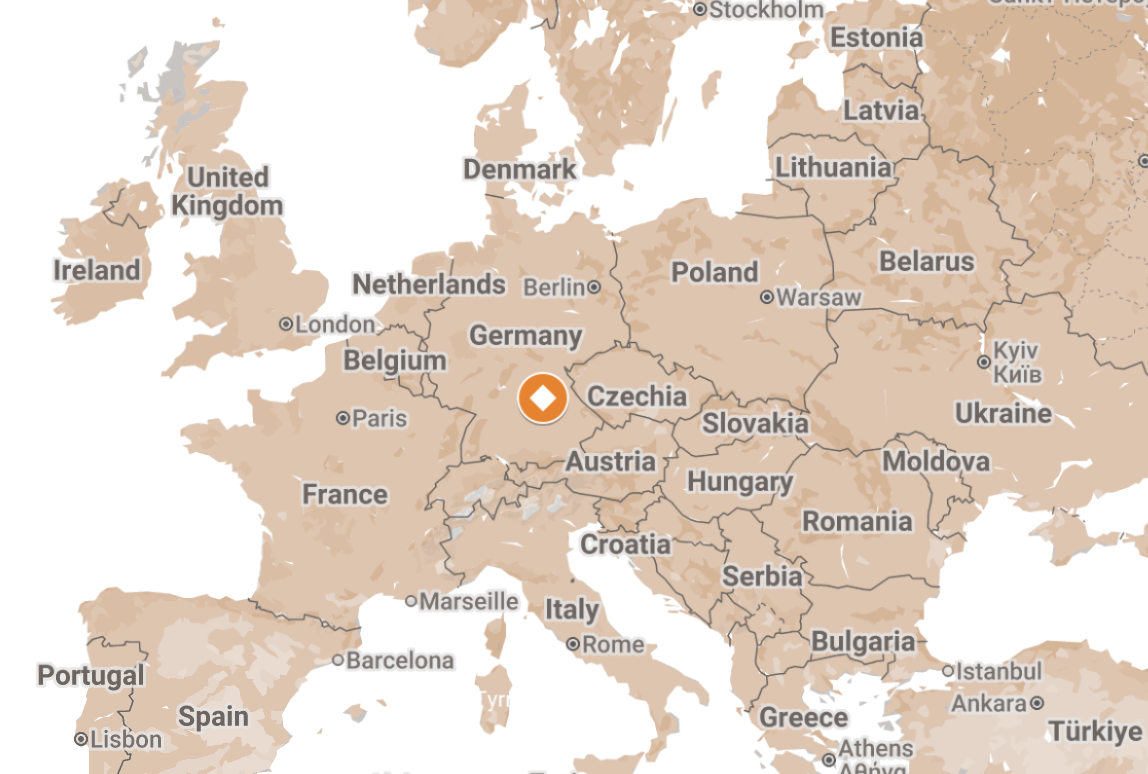
Jews have lived in the area that is now Germany since Roman times, and in the Middle Ages Mainz and Worms were important centres of Talmudic study. In modern times the German Jewish community was one of the most well integrated in Europe and Jews excelled in science, literature and the arts, accounting for 24% of the country’s Nobel prize winners.
Late 19th century
1871: Jews were emancipated when the German state was founded; but almost immediately, their position was undermined by the depression of the 1870s.
1890s: Antisemitic parties were represented in the Reichstag. A racial antisemitism was on the rise that saw Jews as alien to a distinctive German Christian culture.
World War I
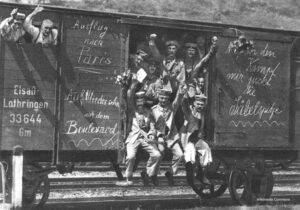
Most German Jews supported the country’s entry into World War I but after almost 600,000 German soldiers were killed in the Battle of the Somme in 1916, antisemites in the army and the Reichstag blamed Jews for the defeat and singled them out as shirkers.
October 1916: A census of Jewish soldiers was ordered to assess their commitment to defending the Fatherland. The dead and wounded as well as the living were counted. Although the War Ministry failed to uncover any evidence that Jewish soldiers had evaded the frontline, the findings were never made public.
1918: The German Empire collapsed. The defeat plunged Germany into social chaos and economic ruin. Jewish veterans faced accusations of cowardice and dereliction of duty and a myth rapidly gained ground that Germany had been ‘stabbed in the back’ by a conspiracy of socialists and Jews.
Interwar years
1918: The Spartacists, a radical group of communists, called a general strike. Several of their leaders such as Rosa Luxemburg, were Jewish. In Bavaria, a left-wing government led by the Jewish journalist Kurt Eisner seized power.
1919–23: After World War I, Germany became a republic, but many Germans accused Jews of undermining the monarchy and empire. Hugo Preuss, one of the group who drew up the Weimar constitution, was Jewish.
There was deep resentment over the severity of the Treaty of Versailles, in which Germany lost territory and was forced to pay reparations that undermined the German economy further.
Germans felt victimised and antisemitic groups moved from the margins to the mainstream.
The period was one of economic and political turmoil which culminated in hyperinflation in 1923. It was the perfect breeding ground for radical right-wing antisemitic groups. Jewish politicians were assassinated and food riots in Berlin turned into a pogrom when Jewish shops were looted.
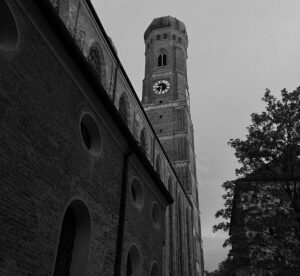
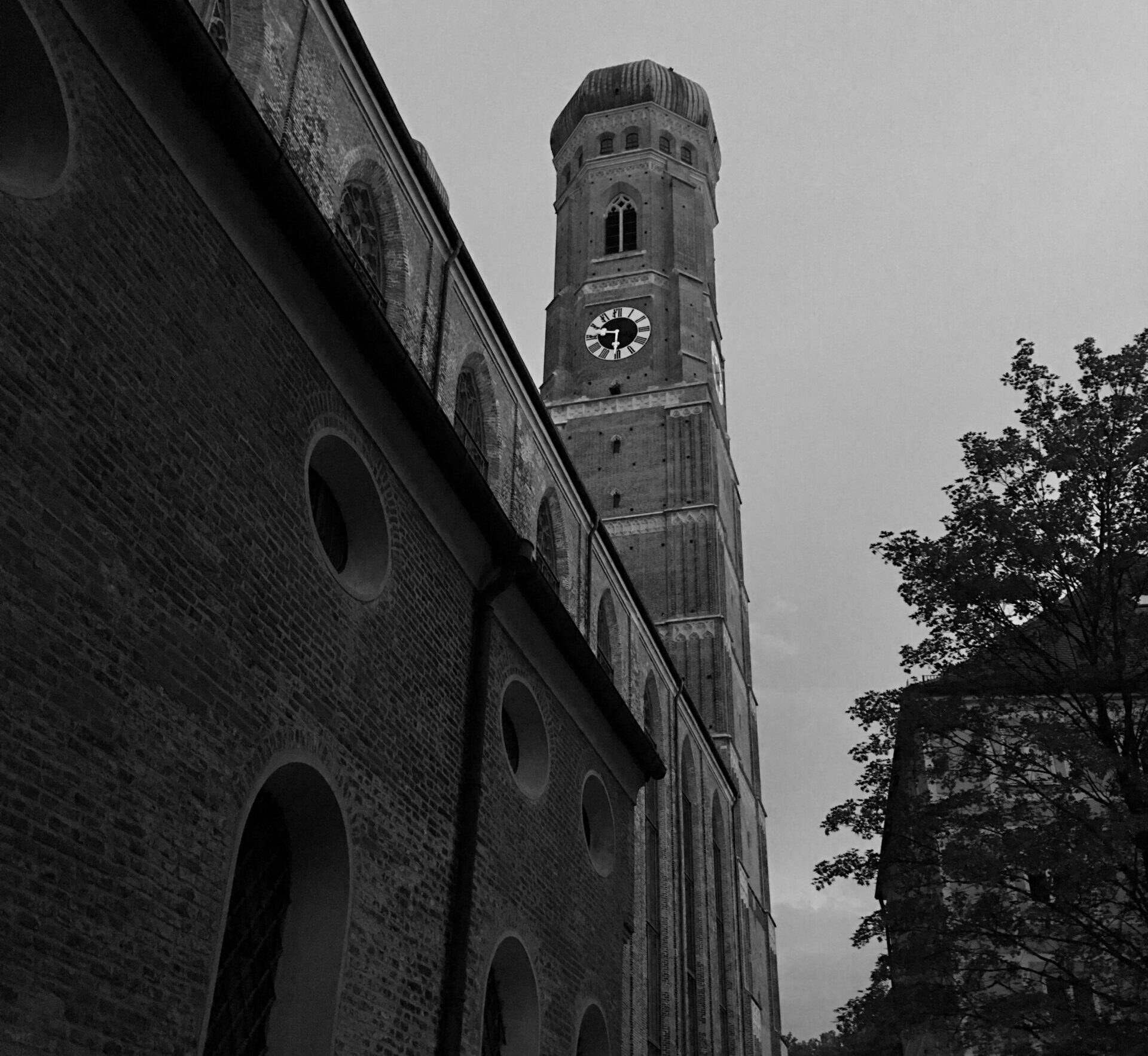
Munich Putsch: In 1919, former soldier Adolf Hitler joined the tiny and unimportant German Workers’ Party (later to become the National Socialist Party) and became their leader. After trying to seize power in a coup d’etat in 1923, Hitler was imprisoned. During his time in Landsberg Prison, he began to write Mein Kampf, in which he set out his racial theories and plans for global domination. After his release in April 1924, the party tried to gain popularity by legal means. The party was elected to the Reichstag but made little gains against the backdrop of economic stability in the country at that time.
Wall Street Crash 1929: After the crash, the Nazis received 18.3% of the vote in the 1930 elections. In July 1932 they became the largest party in the Reichstag.
1933–45
30 January 1933: Hitler became Chancellor. Within months the country became a one-party state.
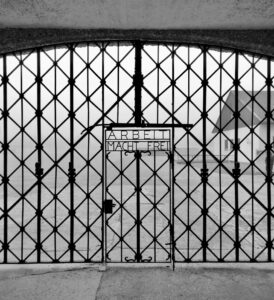
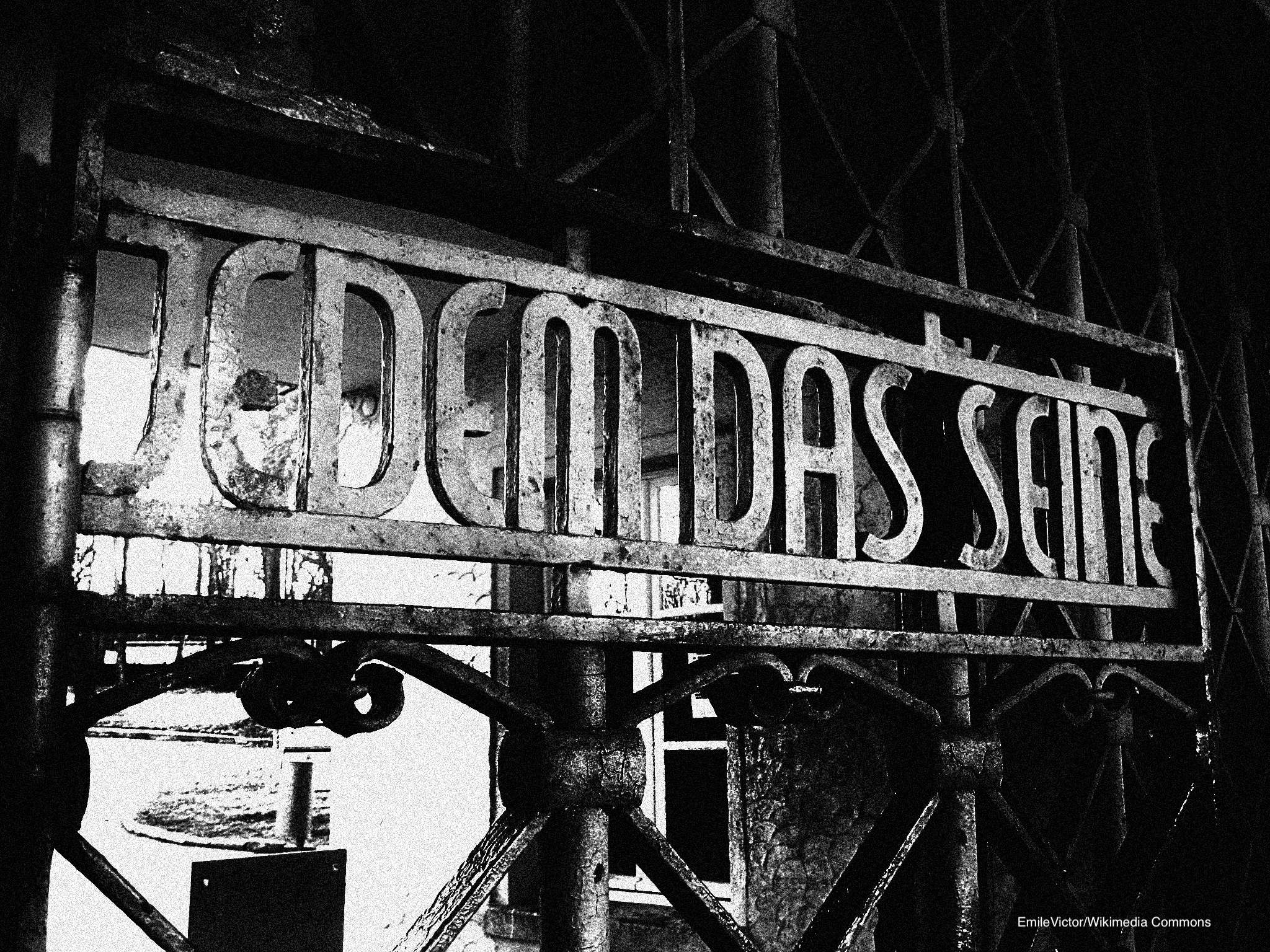
March 1933: Dachau concentration camp was opened to hold anyone considered an enemy of the state, among them communists, socialists and liberals.
Anti-Jewish policy: Persecution of the Jews began immediately. Policy was designed to exclude Jews from society to avoid a second alleged ‘stab in the back’. Alongside the drive to make Germany the dominant power in Europe Jews were stripped of their citizenship and property in a series of racial laws.
1938: The Anschluss of Austria saw a spike in antisemitism. It was followed by a radicalisation of Nazi Jewish policy as Jews were expelled from Austria’s Burgenland, as were Polish Jews living in the Reich. On 7 November 1938, a Polish immigrant in France, Herschel Grynszpan, whose parents were among the Polish Jews who had been expelled, shot an official at the German Embassy in Paris.
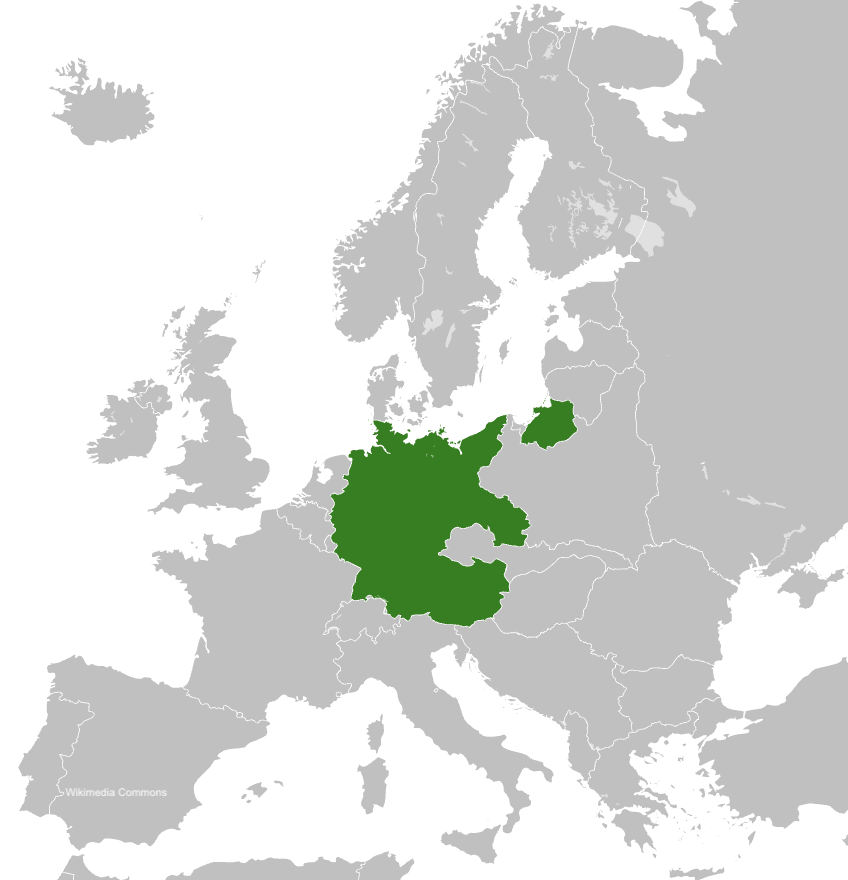
The assassination prompted an orgy of orchestrated violence against Jews across the Reich. Synagogues burned, Jewish shops were looted, and Jews killed. Thousands of Jewish men were imprisoned in concentration camps. After the Kristallnacht pogroms, 10,000 children were brought to the UK on the Kindertransport scheme.
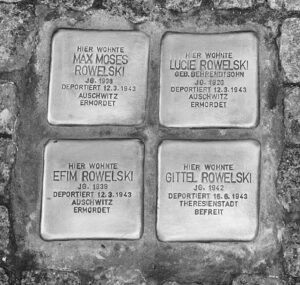
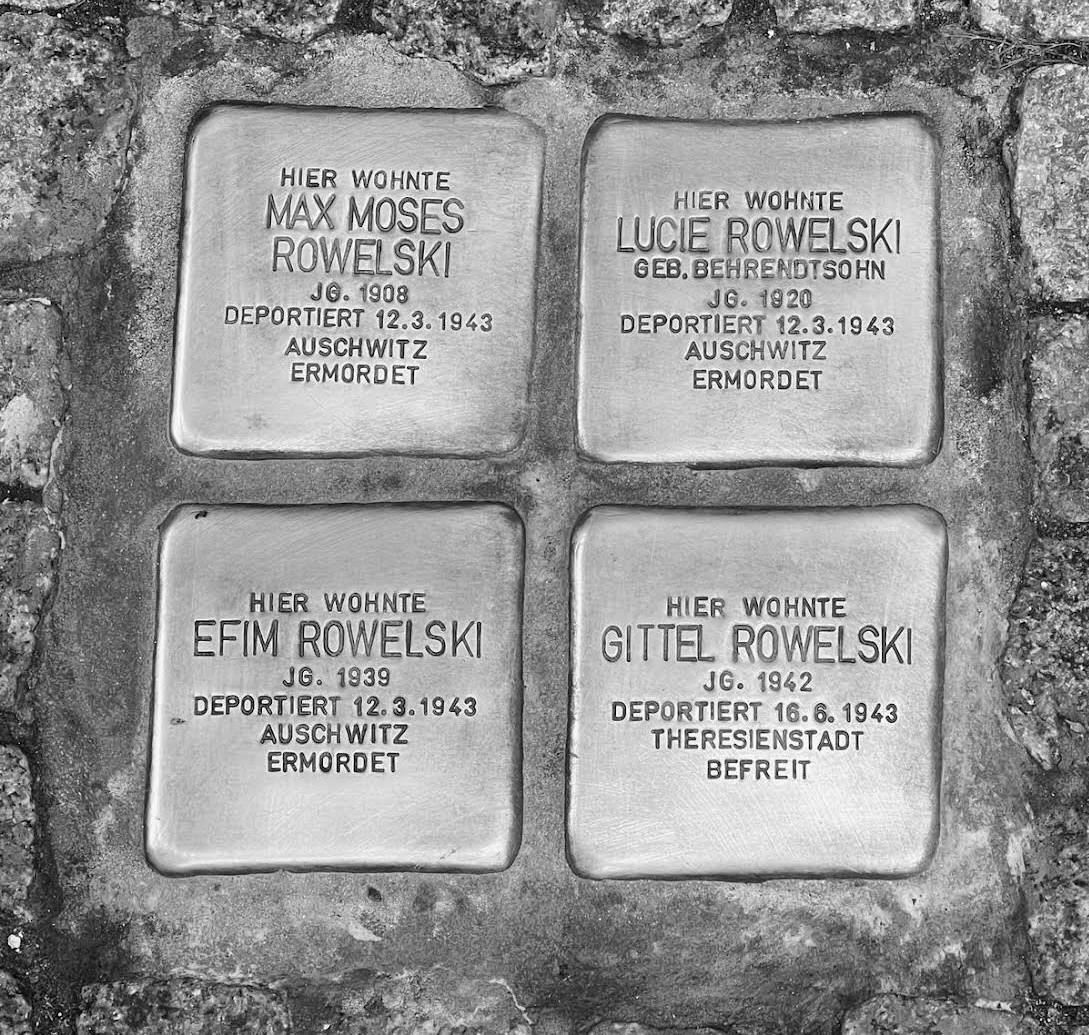
Deportation: There were no ghettos in Germany. Jews from the Reich began to be deported in late 1941. There was widespread indifference and apathy amongst the general population with regard to Nazi Jewish policy.
1945: Germany was devastated by the war and overrun with refugees. For most Germans the refugees who mattered were ethnic Germans expelled or fleeing from eastern Europe and from parts of the east of the country now given to postwar Poland.
Aftermath
Germany Divided: Germany was occupied and split into four zones of Allied occupation. The northeast was controlled by the Soviet Union, the southeast by the Americans, the northwest by Britain and the southwest by France. Thousands of survivors, among them members of the Boys, found themselves in displaced persons camps in Germany.
In the 1990s many Soviet Jews settled in the country. Today, Germany’s Jewish community numbers 100,000 and is the eighth largest in the world.
1949: Germany was formally divided into two states: the Federal Republic of Germany (FRG), made up of the three Western occupation zones, and the communist German Democratic Republic (GDR) in the east.
1990: The country was reunited after the fall of the Berlin Wall the previous year.
This British Pathé newsreel shows the 1936 Nuremberg Rally. The Nuremberg rallies were massive, annual propaganda events held by the Nazi Party in Germany from 1923 to 1938. Located on purpose-built grounds in Nuremberg, these week-long spectacles combined military parades, theatrical light shows, and fiery speeches by Adolf Hitler to project an image of absolute national unity, order, and overwhelming power.
Wikimedia Commons: Public Domain
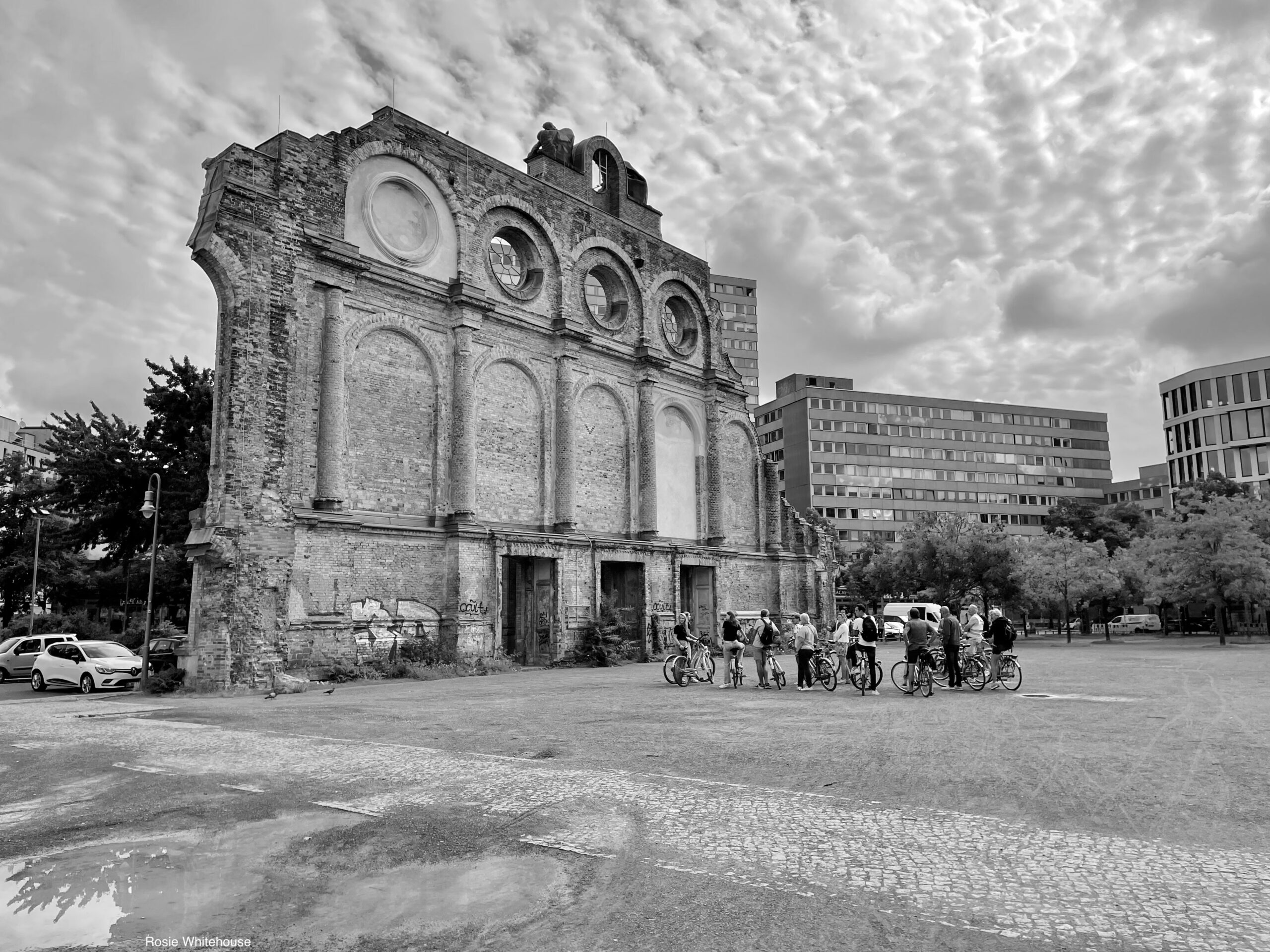
Memorialisation: Good to Know
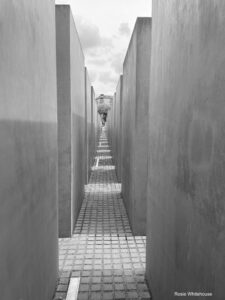
At first, in both East and West Germany, there was an emphasis on collective German suffering which was not conducive to recognising the fate of the Jews, about which there was a general amnesia.
Each of the two new German states drew on different historical narratives. In West Germany, Nazism was portrayed as an alien idea that had been imposed on the German people. In East Germany, fascism was blamed on capitalism and the emphasis was on both communist resistance and Soviet liberation. No differentiation was made between victims of the Nazis.
Denazification was difficult and complex, and never fully completed. The first West German Chancellor, Konrad Adenauer, who came to power in 1949, was opposed to the process of denazification and opted for a strategy of integration in order to move forward. The developing Cold War meant that Britain and America saw West Germany as a useful ally against the Soviet Union, and therefore the former Nazis who returned to their positions in society were viewed as less of a threat than communists. On top of this, even the process of establishing who had been a Nazi was challenging and often relied on citizens providing information about themselves.
In West Germany, acceptance of its perpetrator role was driven by the need for international acceptance and an agreement was reached with Israel to pay survivors reparations. West Germany officially apologised to Israel for the Holocaust in 1952. In response, East Germany adopted an anti-Zionist stance, allied itself with Arab states and arrested citizens who were suspected of sympathetic leanings towards ‘cosmopolitan’, ie: American and Jewish, influences. Antisemitic stereotypes soon re-emerged there.
Change came slowly. The publication of Anne Frank’s diary in 1955, the trial of Adolf Eichmann in Jerusalem in 1961 and that of 22 former Auschwitz personnel in Frankfurt in 1963–65 prompted young Germans to ask questions.
Since reunification, the state’s recognition of its responsibility has been unwavering. There is even a word for it, Vergangenheitsbewältigung, which means ‘struggle to overcome the past’. Not that this acceptance of guilt is without issues: Included in the reactionary populism of the Alternative for Germany party (AfD) is the claim that the Holocaust is over-remembered.
 About
About History
 Education
 Quilts
 FIlms
FIlms Photos
 News Media & Events
 Publications
 Donate