Background
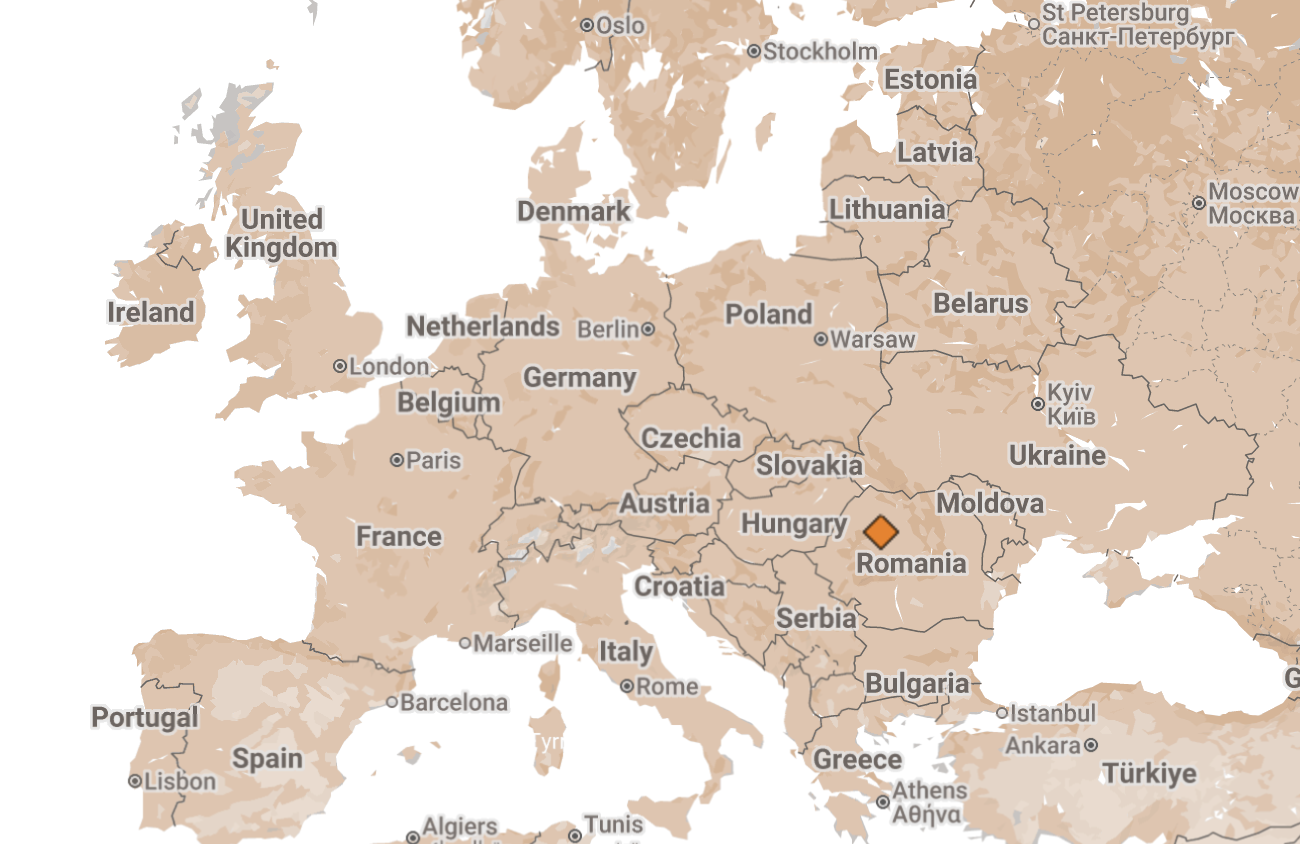
Romania’s Jewish community was a relatively small until, in the mid-19th century, Jews fleeing from persecution in the Russian Empire settled in the country (much smaller than it is today). Laws were introduced limiting their civil rights and there were major anti-Jewish riots in Bucharest in 1866. After the infamous Kishinev Pogrom of 1903, more Jews fled Bessarabia, then part of the Russian Empire, and sought refuge in Romania.
Interwar years
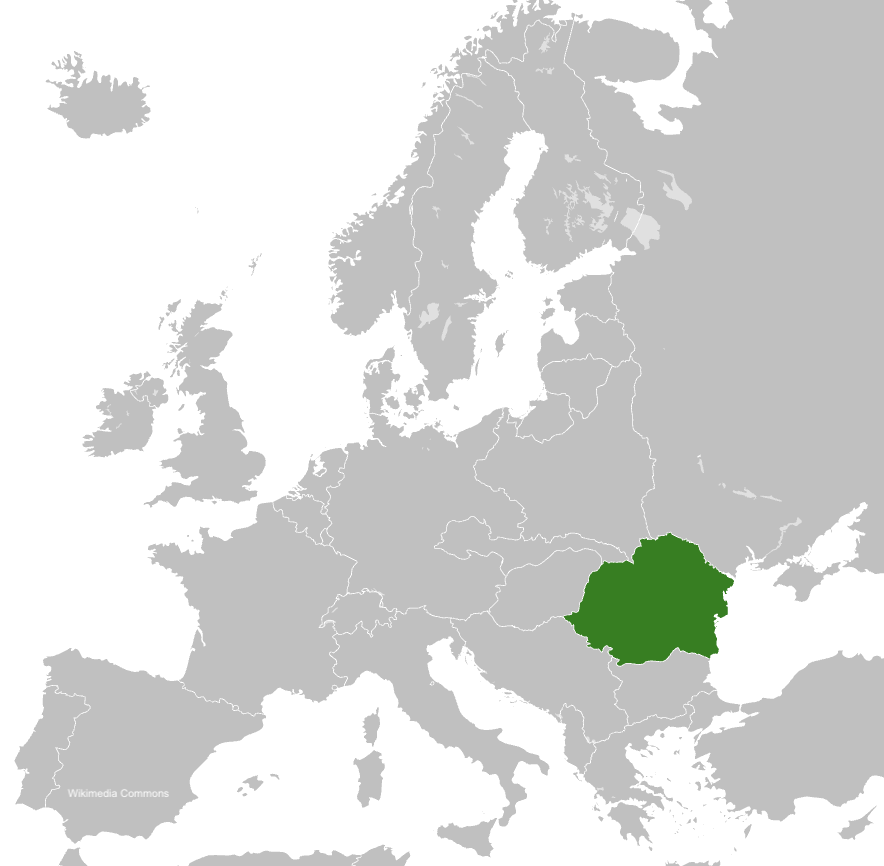
The end of World War I saw the creation of Greater Romania. To pre-war Romanian territories were now added: Transylvania, which until then had been in the Hungarian part of Austro-Hungary; Bukovina, which had been in the Austrian part; Bessarabia, which had been part of the Russian Empire; plus part of Banat (which was divided with Yugoslavia), Crişana and Maramureş in the north. This doubled Romania’s population, of whom almost one third was made up of minority ethnic groups. Especially with the addition of Bessarabia (most of which is now neighbouring Moldova), Romania had a Jewish population of about 730,000, the third largest in Europe after Poland and Russia.
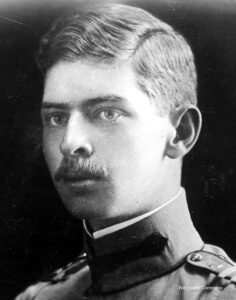
Romania was politically unstable in the interwar period. The reign of King Carol II was dogged by controversy. In 1925 a scandal surrounded his affair with Magda (Elena) Lupescu and he went into exile. He returned to rule Romania again in 1930, and by 1938 he had established a royal dictatorship.
Antisemitism permeated political and aristocratic circles in Romania in the interwar period, but King Carol II himself was not an antisemite. Lupescu, Carol’s mistress and subsequent wife, was Jewish, albeit born to parents who had converted to Christianity. Antisemitic legislation began to be passed in 1934, leading to that of January 1938 which resulted in a loss of citizenship for at least 200,000 Jews.
World War II
Post-World War I, Romania had strong ties to France but after the Fall of France in June 1940, Romania was diplomatically isolated and opted for German protection. It came at a price, as in 1940 Germany obliged Romania to cede northern Transylvania to Hungary, southern Dobruja to Bulgaria and Bessarabia and northern Bukovina to the Soviet Union. This radicalised Romanian politics.
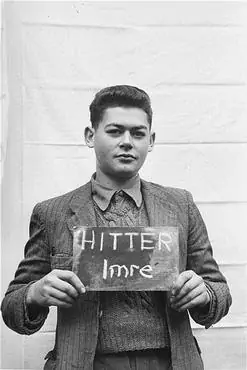
8 August 1940: The government passed a decree-law stripping Jews of many of their rights. The new laws banned most Jews from a variety of careers in public service and the military. Jews were also mostly prohibited from being lawyers, or owning liquor shops, and media outlets. A process of expropriating Jewish-owned property began.
September 1940: Carol II was forced to abdicate and fled the country.
The extreme right-wing Iron Guard was brought into a right-wing military government led by the deeply antisemitic General Ion Antonescu.
November 1940: Romania officially joined the Axis alliance; and Antonescu took the title Conducǎtor, the Romania equivalent of Führer.
January 1941: The Iron Guard staged a rebellion against Antonescu, while at the same time carrying out a violent pogrom in Bucharest. Antonescu, with the help of German officials defeated them and took complete control.
Some 80 laws and regulations were passed in the period 1941–42, which mimicked many Nazi laws.
June 1941: Romania took part in the invasion of the Soviet Union, with the aim of reoccupying the territories annexed by the Soviets in 1940.
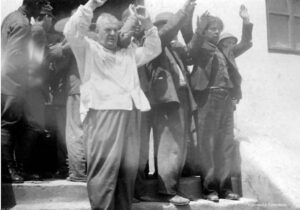
July 1941: The Romanian government instigated a pogrom in Iaşi, in which more than 13,000 Jews, some one third of the city’s Jewish population, were killed.
The German and Romanian armies then pushed deep into the Soviet Union, and the Romanians recovered Bessarabia and northern Bukovina.
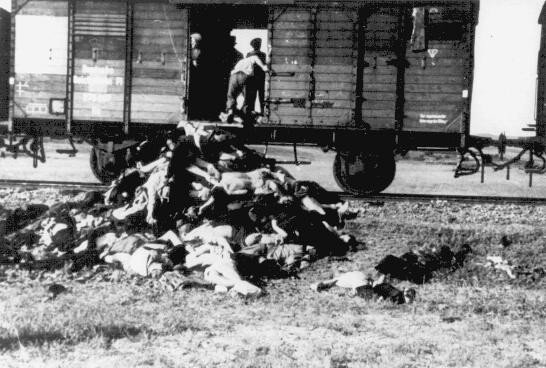
Mass Killings: As soon as they took Bessarabia and northern Bukovina, the Romanian army and the Einsatzgruppen, Nazi mobile killing units, massacred between 100,000 and 120,000 Jews.
Approximately 155,000 Jews in Bessarabia and northern Bukovina plus 25,000 Roma were deported to Transnistria, to ghettos and transit and concentration camps, where they were murdered or died of starvation, illness, hypothermia and exhaustion.
Summer 1942: Plans made to deport all of Romania’s Jews were cancelled by Antonescu for a variety of reasons including a failure of Hitler to promise the return of northern Transylvania to Romania in exchange. As a result, most Jews in the so-called Regat or Old Kingdom, plus southern Transylvania and southern Bukovina survived the war. From this grew the myth that Antonescu had protected the country’s Jews.
April-August 1944: Soviet forces took control of Moldova. With the support of opposition politicians, King Michael, Carol ll’s young son, overthrew Antonescu and signed an armistice with the Soviet Union. In August 1944, Romania switched sides and fought alongside the Red Army as it drove on eastwards.
Aftermath
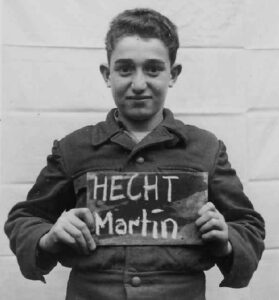
At least 290,000 Jews remained alive within its borders immediately after the war, though some reports put that number as high as 360,000.
Mass emigration ensued and, by the end of 1951, some 115,000 Romanian Jews had left for Israel.
Those who remained faced increasing persecution especially in 1952–53, the period of Stalin’s antisemitic paranoia.
Despite this, throughout the communist era, Romania allowed large numbers of Jews to emigrate to Israel, mostly in exchange for cash payments.
By 1987, there were only 27,000 Jews left in the country. Further emigration since the 1989 revolution has reduced numbers even more.
Memorialisation: Good to Know
The Holocaust was swept under the carpet and little discussed during the communist period during which the country was cut off from the world. After the fall of the communist dictator Nicolae Ceauşescu, the idea persisted that the Romanian state had protected its Jews.
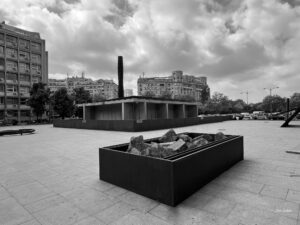
When Romania negotiated its entry into the European Union, it was required to come clean about its past. The government set up the Elie Wiesel National Institute for Studying the Holocaust in Romania and commissioned it to examine the country’s role. Their report concluded that between 1940 and 1944 the dictatorship of Ion Antonescu was responsible for the death of between 280,000 and 380,000 Jews and 11,000 Roma in Romania and Romanian-controlled territory. This was officially recognised by the government in 2004.
Although successive Romanian governments have made significant steps in Holocaust memorialisation, the general public have lagged behind. There have been moves to rehabilitate Ion Antonescu and there are statues to him in a number of towns. Streets have also been renamed after him. Despite a ban on symbols used by the fascist Iron Guard, they persist. A survey commissioned by the Elie Wiesel Institute, released in October 2017, found that only 41% of adults believed the Holocaust had occurred in the country, while 44% considered Ion Antonescu a hero.
In 2023, after years of wrangling, the government approved plans to build a new National Museum of the Holocaust in Bucharest.

 About
About History
 Education
 Quilts
 FIlms
FIlms Photos
 News Media & Events
 Publications
 Donate