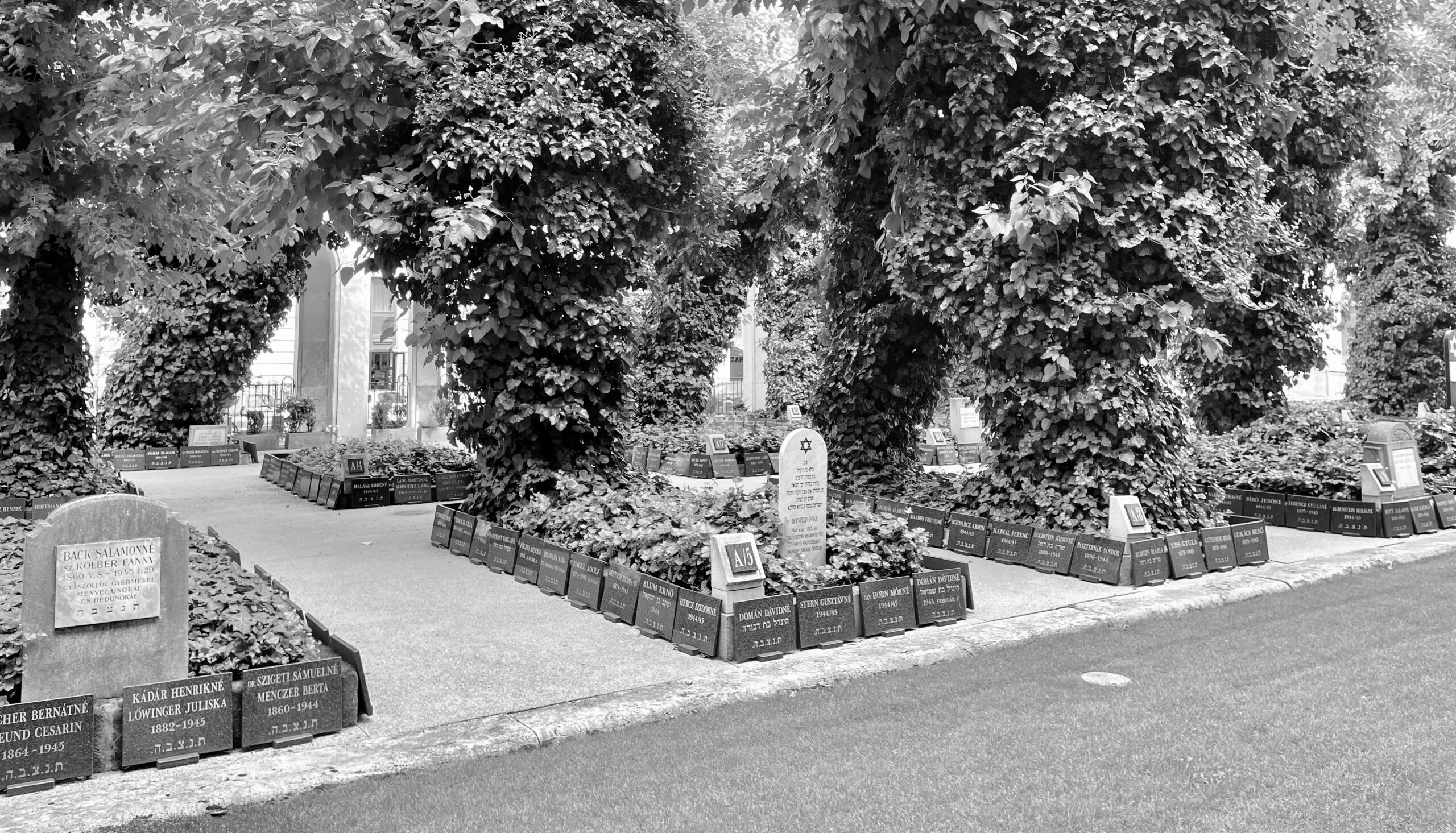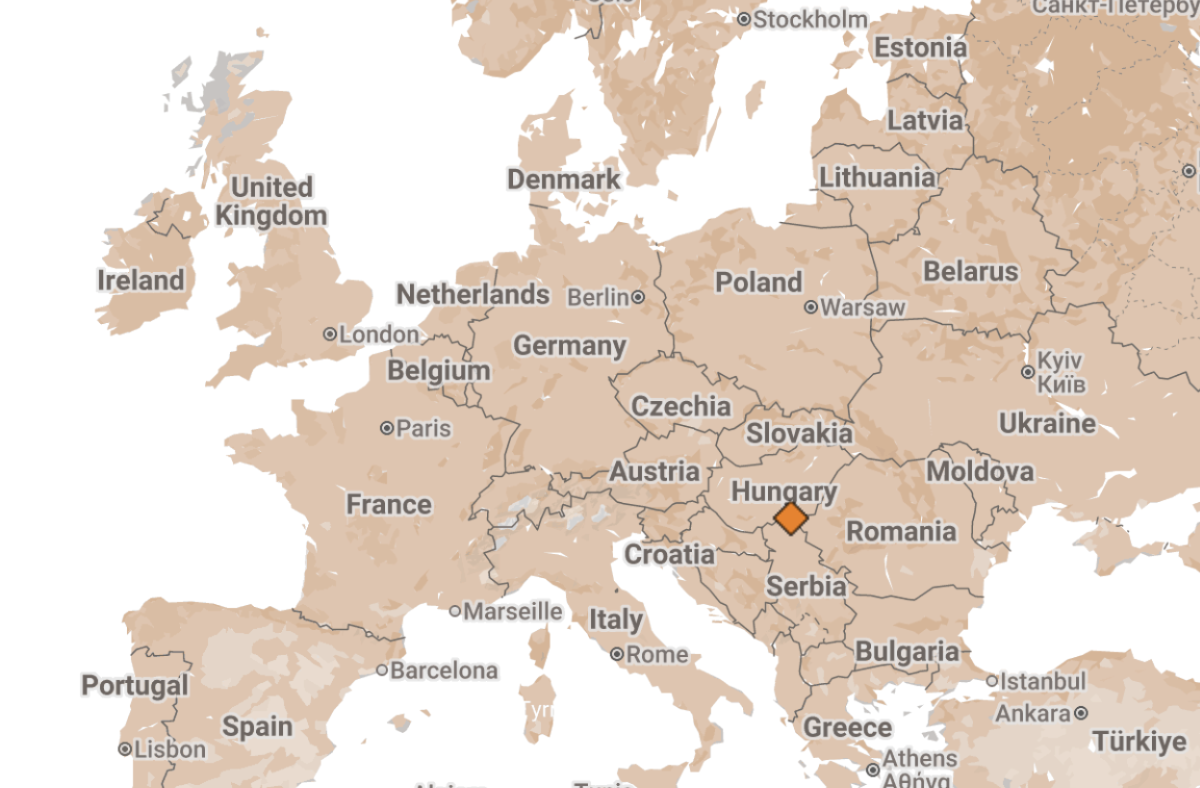
Today Hungary has a large Jewish population of around 100,000 most of whom live in Budapest, which is home to Europe’s largest synagogue. However, Jewish life in the country’s small towns and villages was eradicated by the Holocaust.
Background
Hungary’s Jewish population played a significant part in the development of the country’s political, cultural and economic life after emancipation in 1867.
The Jewish community was integrated into Hungarian society. Yet, in the early 20th century, there was widespread resentment of the level of success Jews had achieved; 60% of Hungarian doctors, for example, were Jewish. In areas of the Kingdom of Hungary where Hungarians were not in the majority, Jews were associated with Magyarisation.
Interwar years
The 1920 Treaty of Trianon stripped Hungary of two thirds of its territory. A sense of grievance fed a fanatical nationalist movement which soon acquired an authoritarian nature, which in turn fuelled growing antisemitism.
Soon Jews, who had become the largest single minority left in the country, became a scapegoat for the ills that had befallen it.
1919: The communist uprising, which had had many Jewish leaders, also had a serious impact on the way Hungarian Jews were viewed by their countrymen and fostered the Judeo-Bolshevik myth.
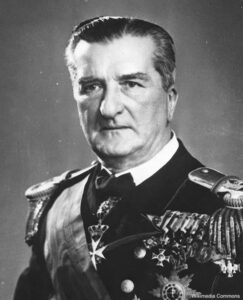
1920: After Hungary tried to reclaim Transylvania and Slovakia, the Romanian army invaded and the Hungarian Soviet Republic was suppressed. The National Army took control of Budapest. The Austro-Hungarian admiral Miklós Horthy, an avowed antisemite, was named regent in 1920. He was personally responsible for anti-Jewish legislation and introduced quotas for Jews at universities, making Hungary the first interwar state to pass such legislation.
Horthy’s desire to overturn the Treaty of Trianon drew him into the orbit of Nazi Germany. The interwar years also saw the emergence of the far-right Arrow Cross Party.
Hungary’s 1938–41 racial laws were modelled on Germany’s Nuremberg Laws. By reversing the equal citizenship laws of 1867, the government excluded the Jewish community from Hungarian society. Jews then found themselves impoverished and marginalised.
March 1939: The German invasion of Bohemia and Moravia sparked the dismemberment of Czechoslovakia. Hungary occupied Transcarpathia and parts of southern Slovakia that Hungary had lost in the Treaty of Trianon.
World War II
August 1940: Transylvania was occupied by Hungary. Lost in the Treaty if Trianon, it was home to 160,000 Jews.
1941: Hungary then took part in the invasion of Yugoslavia, annexing sections of Baraja, Bačka, Medimurje and Prekmurje.
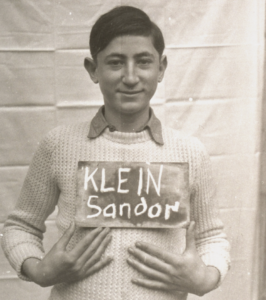
April: 20,000 Jews who could not prove legal residency were deported to modern-day Ukraine, where they were shot by the Einsatzgruppen, Nazi mobile killing squads. This was a serious step in the escalation towards genocide. Nevertheless, Horthy resisted German pressure to deport the country’s Jews.
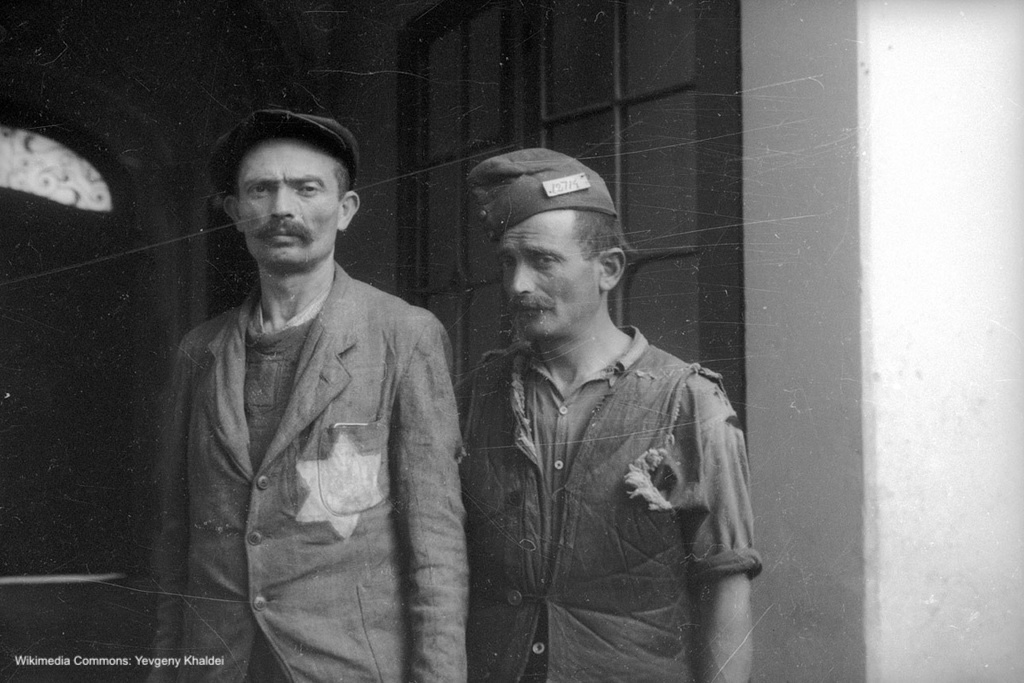
June: Hungary joined Germany in invading the Soviet Union. Thousands of Jewish men were sent to forced labour battalions attached to the armed forces.
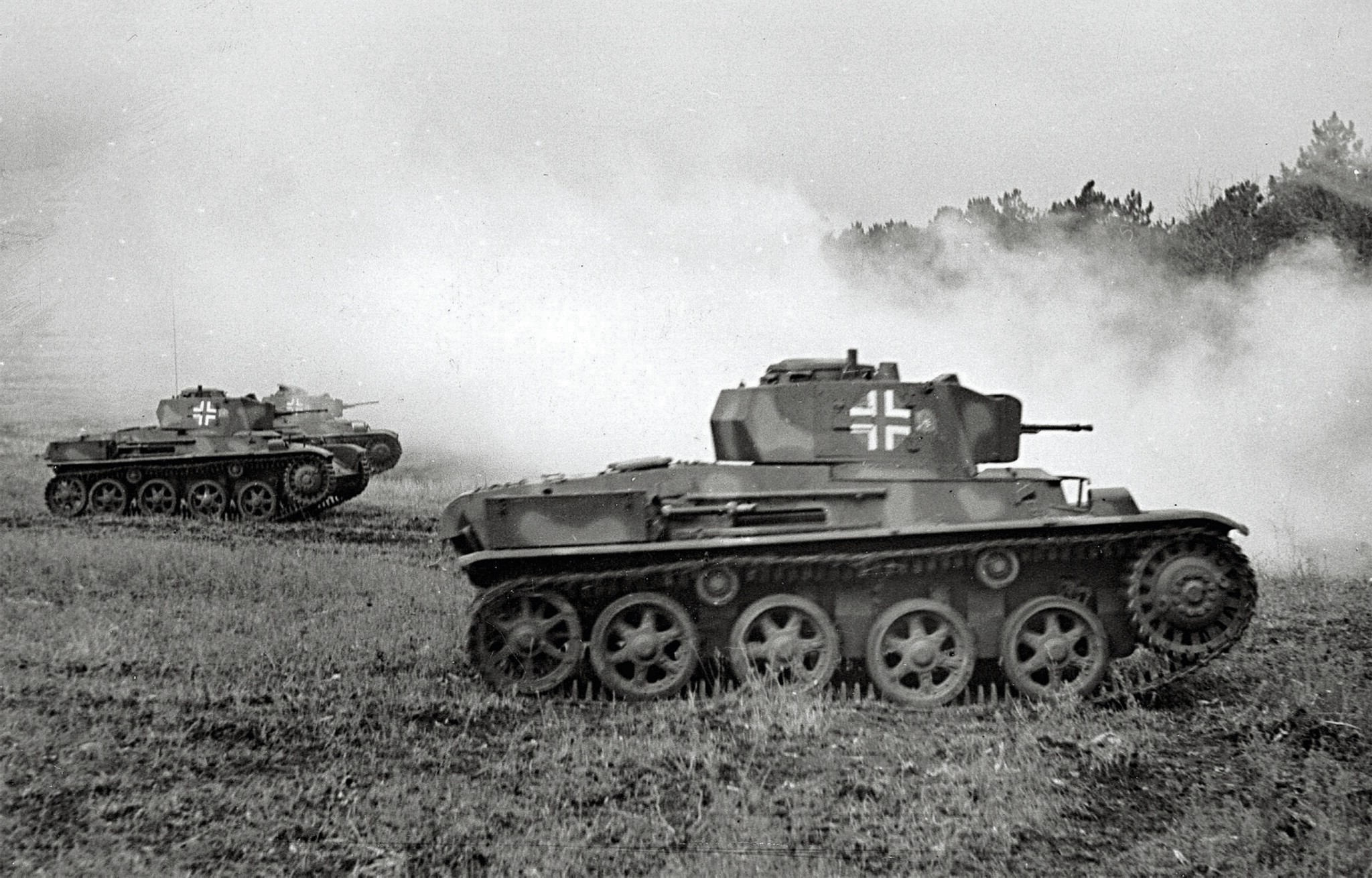
March 1944: After Stalingrad, Horthy began to look for a way out of his alliance with Germany and tried to negotiate a separate armistice with the Allies. It prompted Germany to occupy Hungary.
The Holocaust in Hungary
Adolf Eichmann was despatched to oversee the destruction of the country’s Jewish population. The 1944 deportation of Hungary’s almost 440,000 Jews in just 56 days was the deadliest extermination campaign in the Holocaust. It was extremely well documented by the Germans, and many of the images that we have of the ramp at Auschwitz show the arrival of Hungarian Jews.
7 July 1944: Following a private intervention by Pope Pius XII, Horthy stopped the deportations, saving the Jews of Budapest.
October 1944: Horthy was deposed in a coup staged by the far-right ultranationalist Arrow Cross.
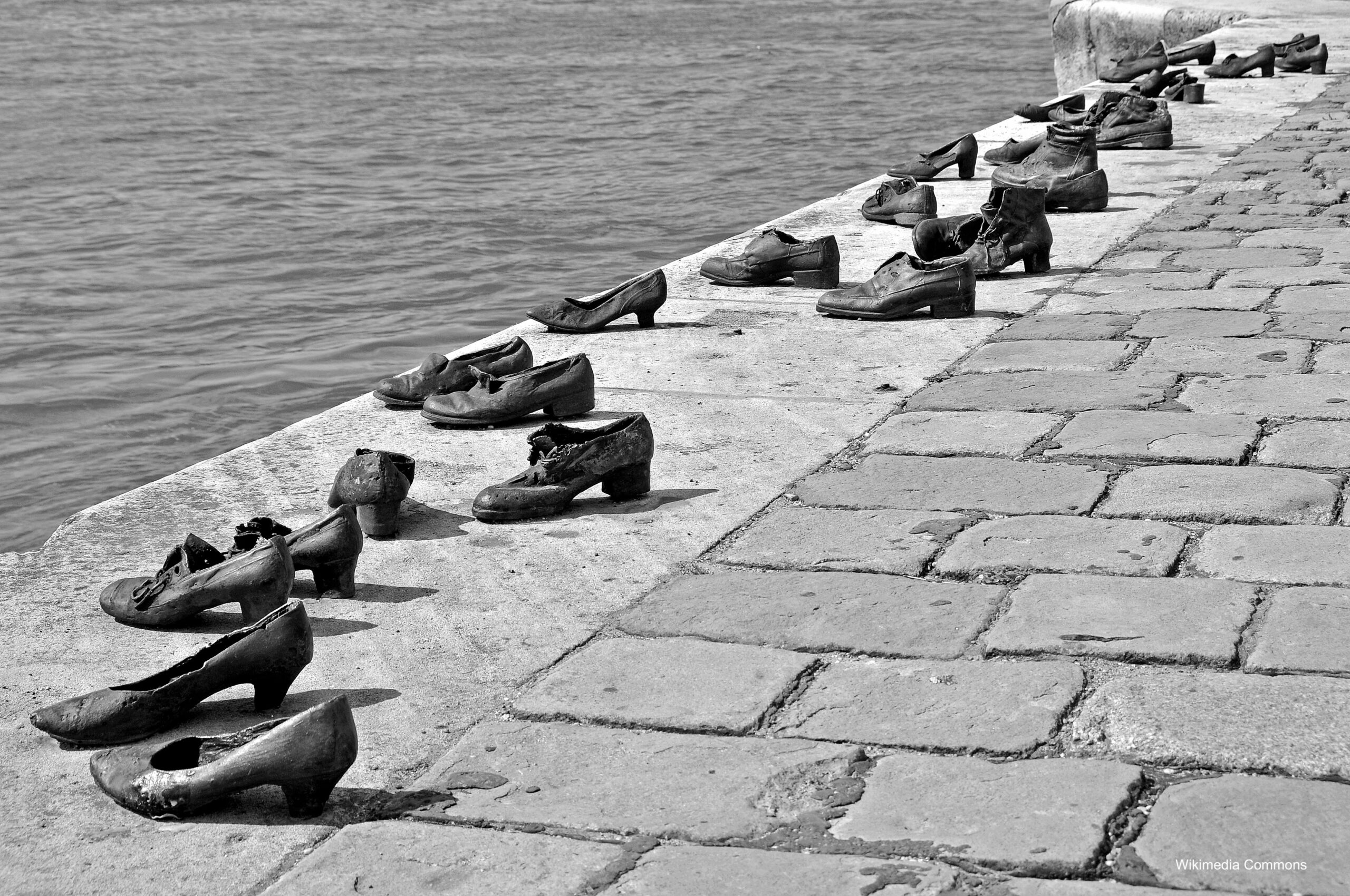
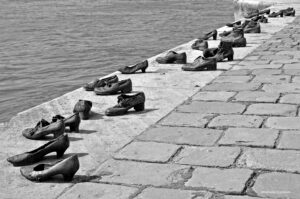
December 1944-January 1945: Approximately 20,000 Jews were shot on the banks of the Danube and two ghettos were set up in the 7th District and the so-called International Ghetto near Szent István Park.
About 100,000 Jews were still alive when the Red Army occupied Budapest. Many of the survivors chose to emigrate to Israel in the early post-war years, and after the failed 1956 revolution.
Memorialisation: Good to Know
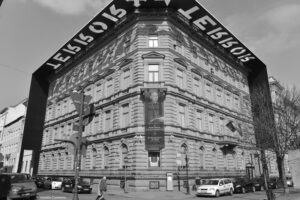
The memory the Holocaust in Hungary has been subject to historical distortion since the end of World War II. After the communist takeover in 1949, Jews were not recognised as having suffered uniquely both in the interwar period and during the war itself.
After the fall of the Berlin Wall, some important steps were taken to remember the fate of Hungary’s Jewish community, notably in Budapest.
This continued during the first term of the Viktor Orbán government (1998-2002). Yet in recent years under Orbán’s leadership, Hungary has gained the dubious distinction of rewriting history. It has downplayed the responsibility of the Hungarian government and local officials. Hungarians are presented not as allies of the Germans but victims of a Nazi occupation. There is also a move to equate the Holocaust with the Soviet Gulag. In 2014, the main Jewish community broke from the government over Holocaust revisionism.

 About
About History
 Education
 Quilts
 FIlms
FIlms Photos
 News Media & Events
 Publications
 Donate