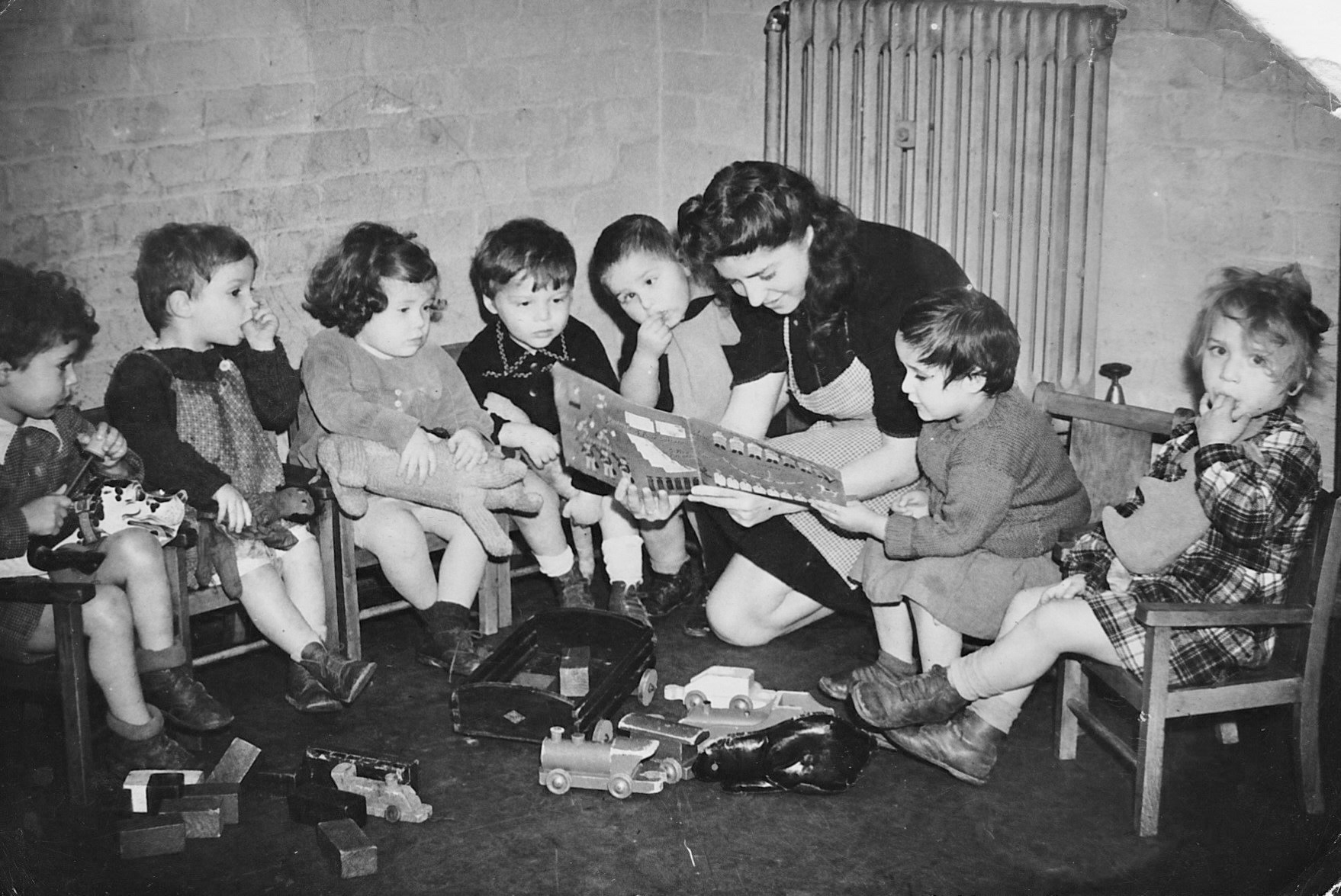
The Central British Fund (CBF) put together a large team of people to look after the Boys.
The Boys were teenage and child-Holocaust survivors, who were brought to the UK after the war for rest and rehabilitation.
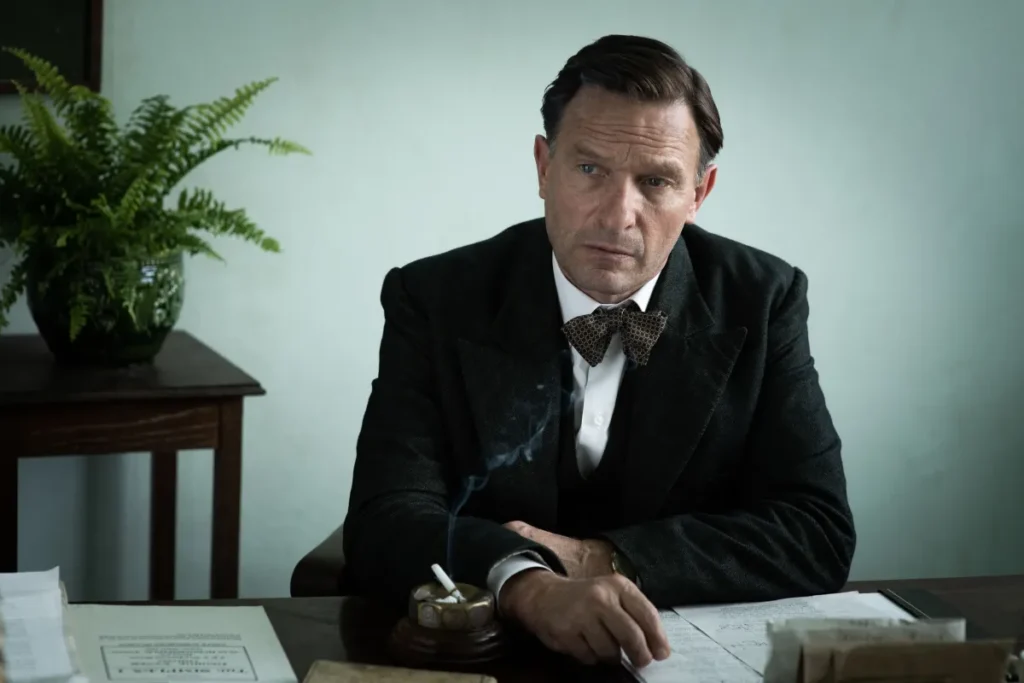
Oscar Friedmann was a German-Jewish educator, social worker, and psychotherapist who became one of the central figures in the rehabilitation of the Boys at the Windermere reception centre after World War II.
Early Life
Friedmann was born in Germany in 1903. Orphaned at a young age, he spent much of his childhood together with his nine siblings in an orphanage. He trained as a teacher and social worker and specialised in working with troubled and delinquent boys, developing progressive ideas about child welfare, discipline, and psychological care.
During the 1920s and 1930s, Friedmann worked in Berlin in institutions for vulnerable and disadvantaged youth. His methods emphasised understanding emotional trauma as opposed to punishment, an approach that was considered highly modern for the period.
Wartime
As a Jew in Germany under the Nazi regime, Friedmann became a target of persecution. Before the outbreak of World War II, he was imprisoned in the Sachsenhausen concentration camp, where he suffered severe mistreatment. The injuries he sustained left part of the left side of his face permanently paralysed.
In 1938, Friedmann was asked by the Jewish community to accompany a group of Jewish children to Britain. Although he initially intended to return to Germany, the political situation made this impossible. He settled in London, where he began working for the Central British Fund (later World Jewish Relief), assisting refugees who had escaped Nazi persecution. His wife and children later joined him in Britain.
Windermere
In 1945, the British government offered 1,000 visas to bring the Boys to the UK but the caveat was that the CBF were responsible for their care and would pay all the expenses. Friedmann was appointed director of the Windermere reception centre, housing 300 of the Boys on their arrival to Britain. He believed strongly that the children needed structure, responsibility, and independence rather than pity. He argued that they should be encouraged to rebuild their lives through education, routine, sport, work, and social integration, rather than becoming dependent on charity.
Many survivors remembered Friedmann as a strict and demanding figure. Some deeply admired him for helping restore dignity, discipline, and confidence after years of brutality and deprivation, while others found him distant and authoritarian. His complex legacy reflected the immense difficulty of caring for severely traumatised young survivors in the immediate aftermath of the Holocaust.
Later Life
In 1948, Friedmann trained as a psychotherapist and continued working in child psychology and rehabilitation. His experiences with the Boys contributed to early post-war thinking about trauma, recovery, and the psychological needs of displaced children.
Friedmann died in 1984.
 About
About History
 Education
 Quilts
 FIlms
FIlms Photos
 News Media & Events
 Publications
 Donate