Central Committee of the Liberated Jews (CCLJ) was a self-help organisation founded by Holocaust Survivors in the DP camps in Germany.
It played a key role in looking after members of the Boys after the liberation.
The Boys were teenage and child-Holocaust survivors, who were brought to the UK after the war for rest and rehabilitation.
The Central Committee of the Liberated Jews (CCLJ) was established in 1945 in the DP camps of the British and American zones, with its headquarters eventually located in Belsen-Hohne. Formed by survivors, the CCLJ became the largest self-governing body of Jewish survivors in post-war Europe.
Work in the DP Camps
The CCLJ helped organise food distribution, housing allocations, welfare committees, religious life, cultural rebuilding, and dealt with military and other international bodies. It was also central to the development of Jewish schools, youth groups, and communal services across the DP camps.
Chaired in the British sector by Josef Rosensaft, an Auschwitz and Bergen-Belsen survivor, the committee helped shape the internal life of the camp—promoting self-governance, democratic elections and restoring a sense of dignity to the survivors at Bergen-Belsen.
The committee in the American sector was established on July 1, 1945, at a meeting in Feldafing by leaders like Dr. Zalman Grinberg and U.S. Army chaplain Rabbi Abraham Klausner (pictured left).
Unlike the Jewish Relief Unit (JRU) and Jewish Committee for Relief Abroad (JCRA)—both British-based volunteer organisations working inside the camps—the CCLJ was a survivor-run governing body, not an external relief agency. The three groups faced tensions over the post-war emigration of children; while the CCLJ advocated for the children to be sent to Palestine, the JRU and CBF supported temporary relocation to Britain for rehabilitation.
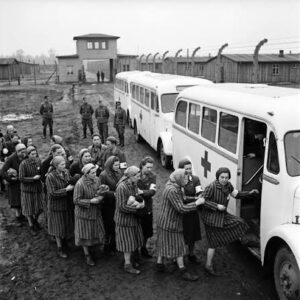
The Red Cross is an international humanitarian organisation founded in the 19th century to provide medical assistance, protection, and relief in times of war and crisis. It played a key role in looking after members of the Boys after the liberation.
The Boys were teenage and child-Holocaust survivors, who were brought to the UK after the war for rest and rehabilitation.
Background and Mission
During World War II, the ICRC’s ability to intervene was restricted by its mandate to remain neutral and by diplomatic pressure from Axis and Allied governments. The Red Cross often struggled to gain access to concentration camps, and has been criticised for inaction.
Liberation One important exception was the Polish Red Cross, whose members were among the first relief workers to enter the Auschwitz-Birkenau complex after it was liberated on 27 January 1945. Their medical teams carried out health assessments, helped evacuate the sick, and transported bodies. They also documented camp conditions and searched for missing children and relatives.
Red Cross teams worked with displaced persons (DP) in the months that followed, operating mobile clinics, supplying medicines, and assisting with repatriation. In the British and American zones, the Red Cross cooperated with UNRRA, the JDC, and local Jewish welfare organisations to deliver food, clothing, and medical aid.
Legacy
Today, both the ICRC and national Red Cross societies continue humanitarian work worldwide, preserving archives that help families trace survivors.
Members of the Boys and their families were held in the Westerbork Transit Camp in the Netherlands.
The Boys were teenage and child-Holocaust survivors, who were brought to the UK after the war for rest and rehabilitation.
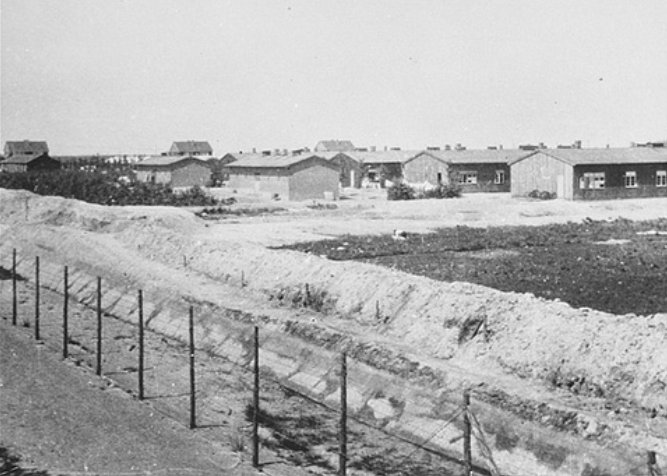
Westerbork Camp after Liberation.
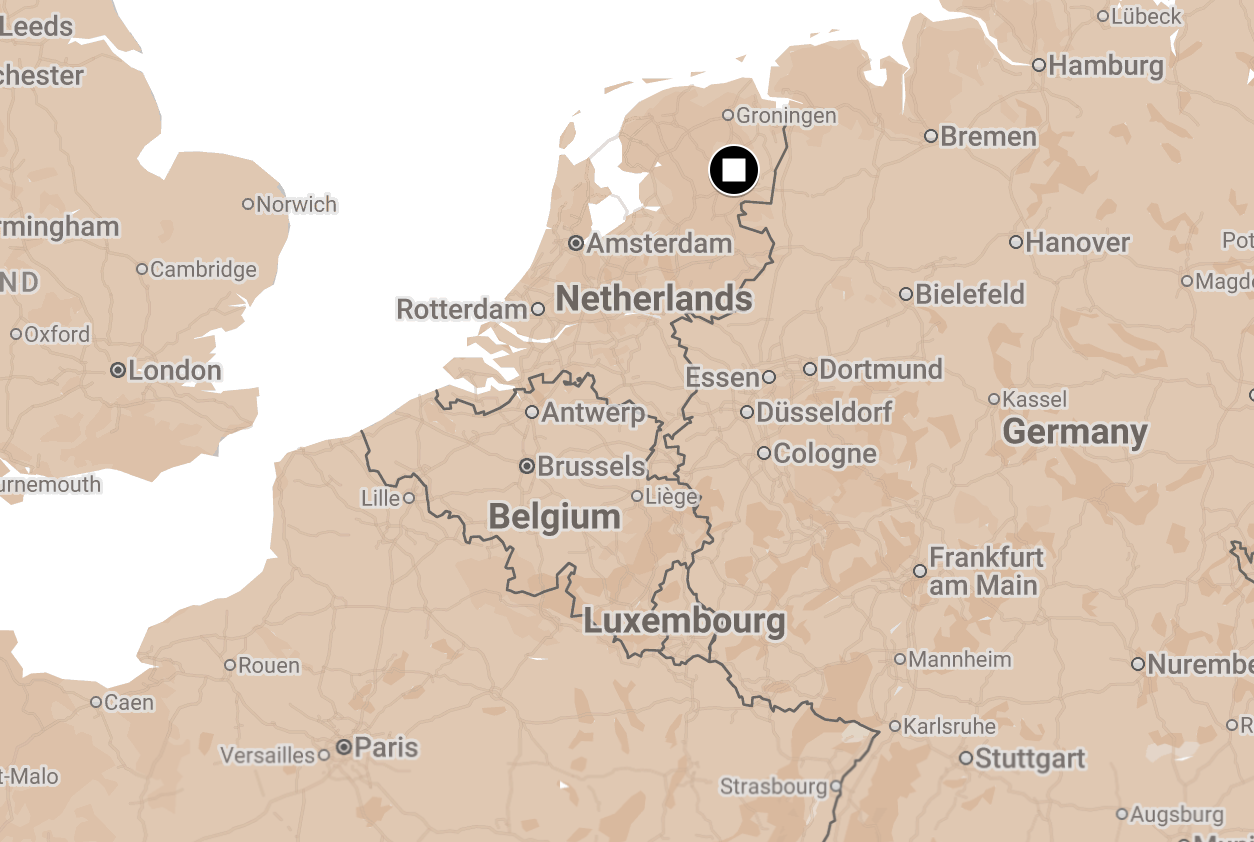
Dutch Jews were deported from the Westerbork transit camp located near the village of Hooghalen in a remote rural area in the north of the country, close to the German border. More than 100,000 people were deported from Westerbork in 93 transports.
Location of the Westerbork Camp.
Westerbork was originally built in 1939 to house several hundred German Jewish refugees fleeing persecution in the Reich and was paid for by the Jewish community. After the Germans invaded and occupied the Netherlands in 1940, it remained under the control of the Dutch Jewish Council until the deportations began in the summer of 1942, when the SS assumed control. The Nazis treated the original German inmates as a preferred prisoner population who were responsible for drawing up the lists of deportees, confiscating valuables and taking people to the trains. Because of this, there were considerable tensions between the German and Dutch Jews, although ultimately both groups were to die in large numbers.
Life in Westerbork
As there was a large semi-permanent community in Westerbork, unlike the other main transit camps in western Europe, Drancy in France or Mechelen in Belgium, it functioned like a deceptive miniature city, with a café, offices, a registry, canteen, kindergarten and hospital. Only the street names – the Boulevard of Misery, Suffering Alley and Worry Street – hinted at the internee’s fears. There was a lively cultural life that included a symphony orchestra with some of the country’s best musicians and a world-class cabaret, whose cast changed regularly due to the deportations. Performances ceased in October 1943.
Deportations
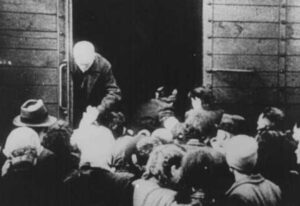
Deportation of Jews from Westerbork, 1943.
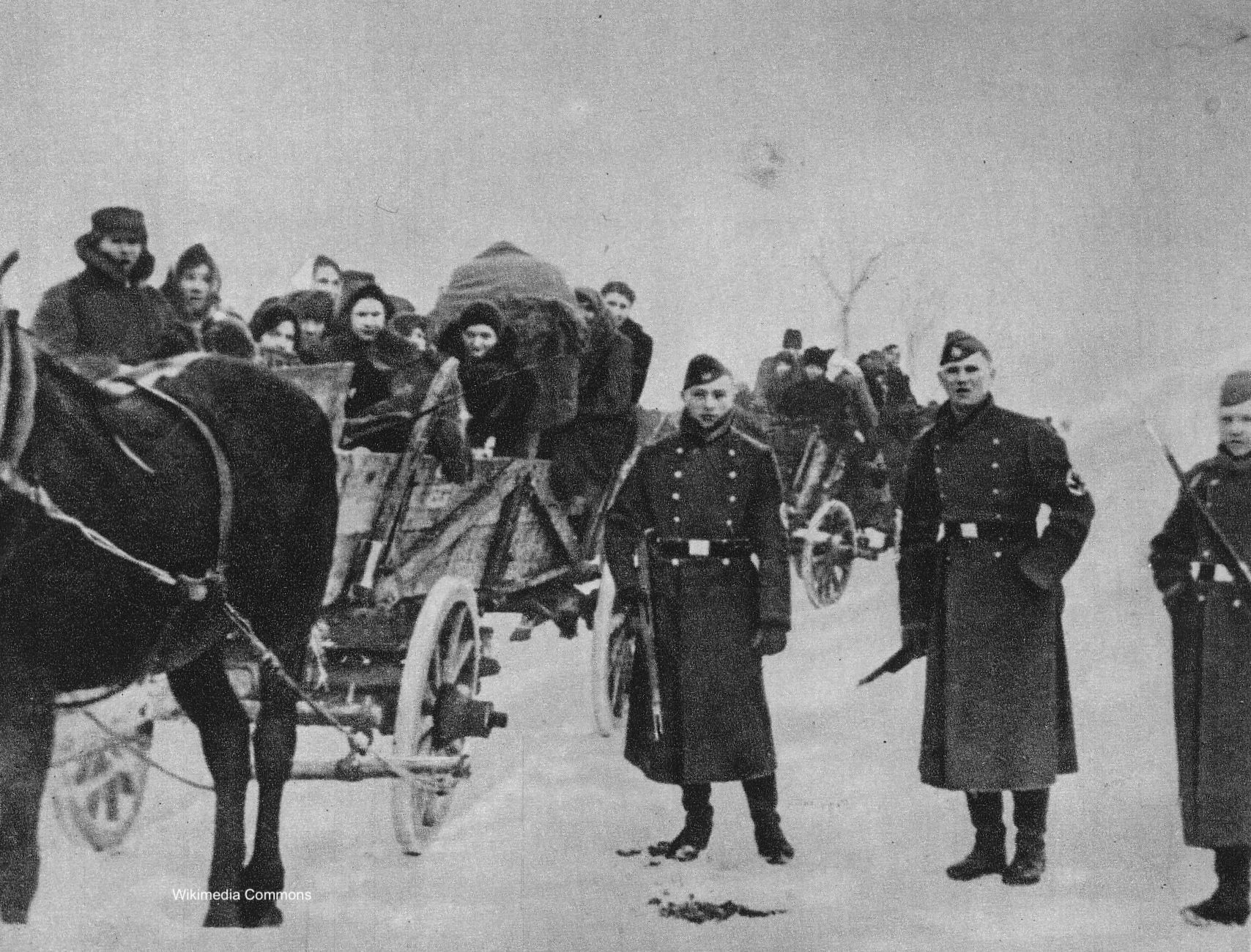
The first transports left on 15–16 July 1942. In the months that followed, trains left twice a week, most headed for Auschwitz, but others for Sobibór. Having left Hoolhagen, the deportation trains – a mixture of freight wagons and passenger cars – were then attached to another train in Beilen 9km from Westerbork. At this point many letters would be thrown from the train. Initially the same train shuttled back and forth between Westerbork and the extermination camps.
The Oppenheimer’s father Johann worked for the Mendelssohn Bank in Berlin but, fearing for his family’s safety after the rise of the Nazis, sent his wife Rita and sons Paul and Rudi to stay with his brother in Britain whilst he arranged a transfer to the Netherlands. While the family were in London, Eve was born.
The family then moved to the Netherlands.
The German invasion of the Netherlands in May 1940 was followed by a barrage of legal restrictions on Dutch Jews and in May 1942 the Oppenheimers were forced to lived in Amsterdam. They were eventually deported to Westerbork transit camp in June 1943.
However, as Eve had been born in the UK and was a British citizen, the family were classed as ‘Exchange Jews’, earmarked for possible exchange for Germans prisoners of the Allies. This allowed the Oppenheimers to remain in Westerbork until February 1944 when they were deported to Bergen-Belsen, which at that stage held many Exchange Jews. However, as tens of thousands of Jews from camps in the East were deported to Belsen over the next year, conditions deteriorated dramatically. The Oppenheimer’s mother died in January 1945 and their father in March.
Aftermath
When Westerbork was liberated by Canadian troops on 12 April 1945, there were 876 prisoners left in the camp. The commandant, Albert Gemmeker, was sentenced to ten years’ imprisonment, but was released on account of good behaviour in 1951.
After the war the camp was used to hold suspected collaborators and then to house Indo-Dutch refugees from Indonesia after the colony became independent in 1949. It subsequently fell into disrepair and was demolished in 1971.
Today the camp is The Camp Westerbork Memorial Centre (Herinneringscentrum Kamp Westerbork; Oosthalen 8, Hooghalen; w kampwesterbork.nl).
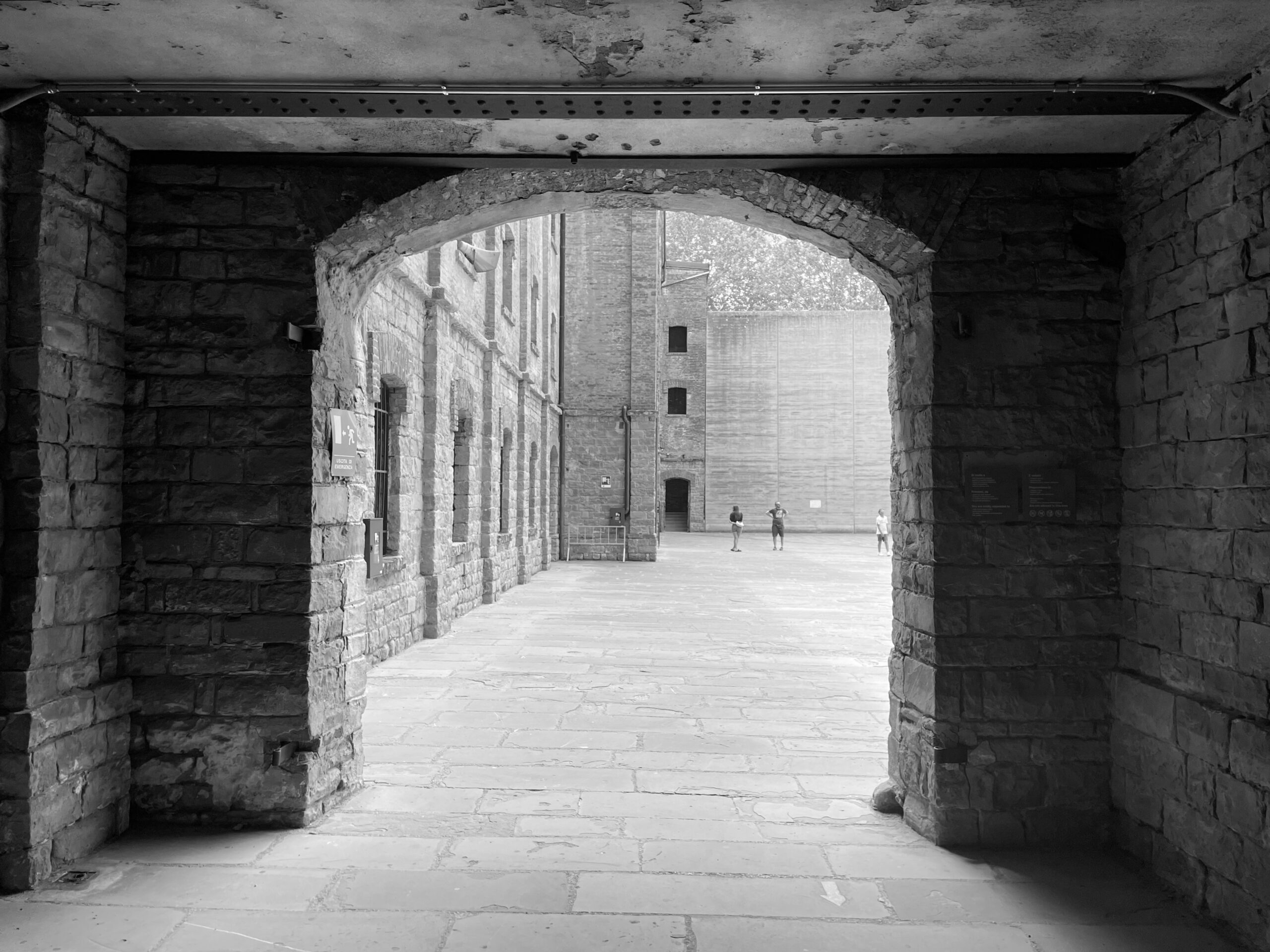
Members of the Boys and their families were held in the Risiera San Sabbia prison.
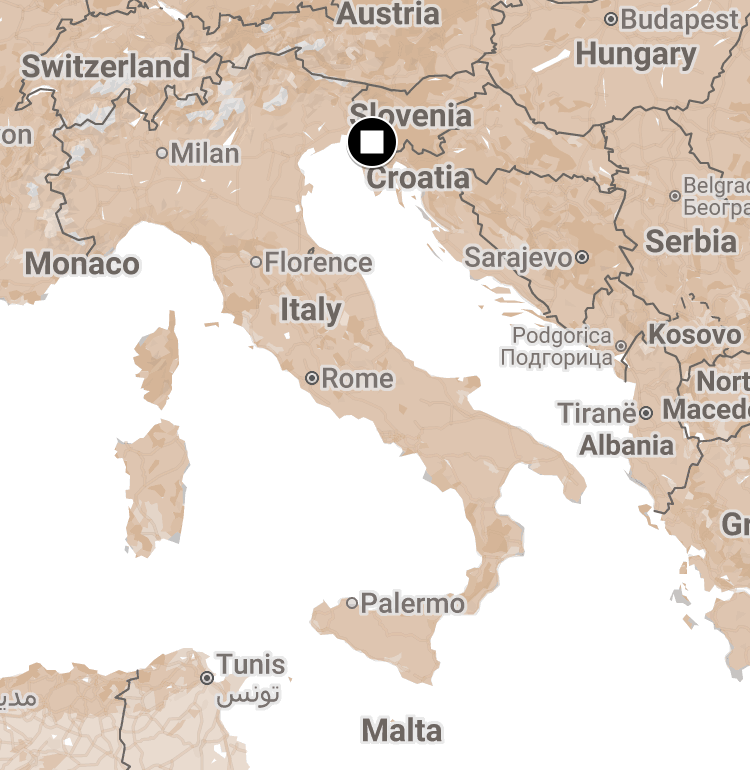
The prison in Trieste in Italy functioned as a transit camp after the Nazi occupation of Italy in 1943.
The Boys were teenage and child-Holocaust survivors, who were brought to the UK after the war for rest and rehabilitation.
The Risiera San Sabbia is now one of Italy’s most important Holocaust museums.
The Risiera di San Sabba was a former industrial rice-processing plant built in 1898. The factory closed in the early 1930s. It was then used as a military barracks before the occupying German forces turned it into a temporary prison camp for captured Italian soldiers.
Location of the Risiera San Sabbia Prison
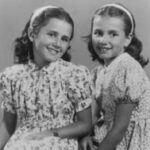
Tatiana and Alessandra Bucci in 1946.
It was then used as a detention centre for Croatian, Italian and Slovenian partisans and political prisoners, and as a transit and extermination camp for Jews.
The sisters Andra and Liliana Bucci, who would later become part of the Third Group of the Boys, were held in the prison with their family prior to deportation to Auschwitz in 1944.
Members of the Boys and their families were held in Jewish Houses in Austria, Germany and Hungary.
The Jewish Houses were individual segregated buildings where Jews were held prior to deportation to the east. They functioned as transit camps and were set up and run by Nazi Germany.
The Boys were teenage and child-Holocaust survivors, who were brought to the UK after the war for rest and rehabilitation.
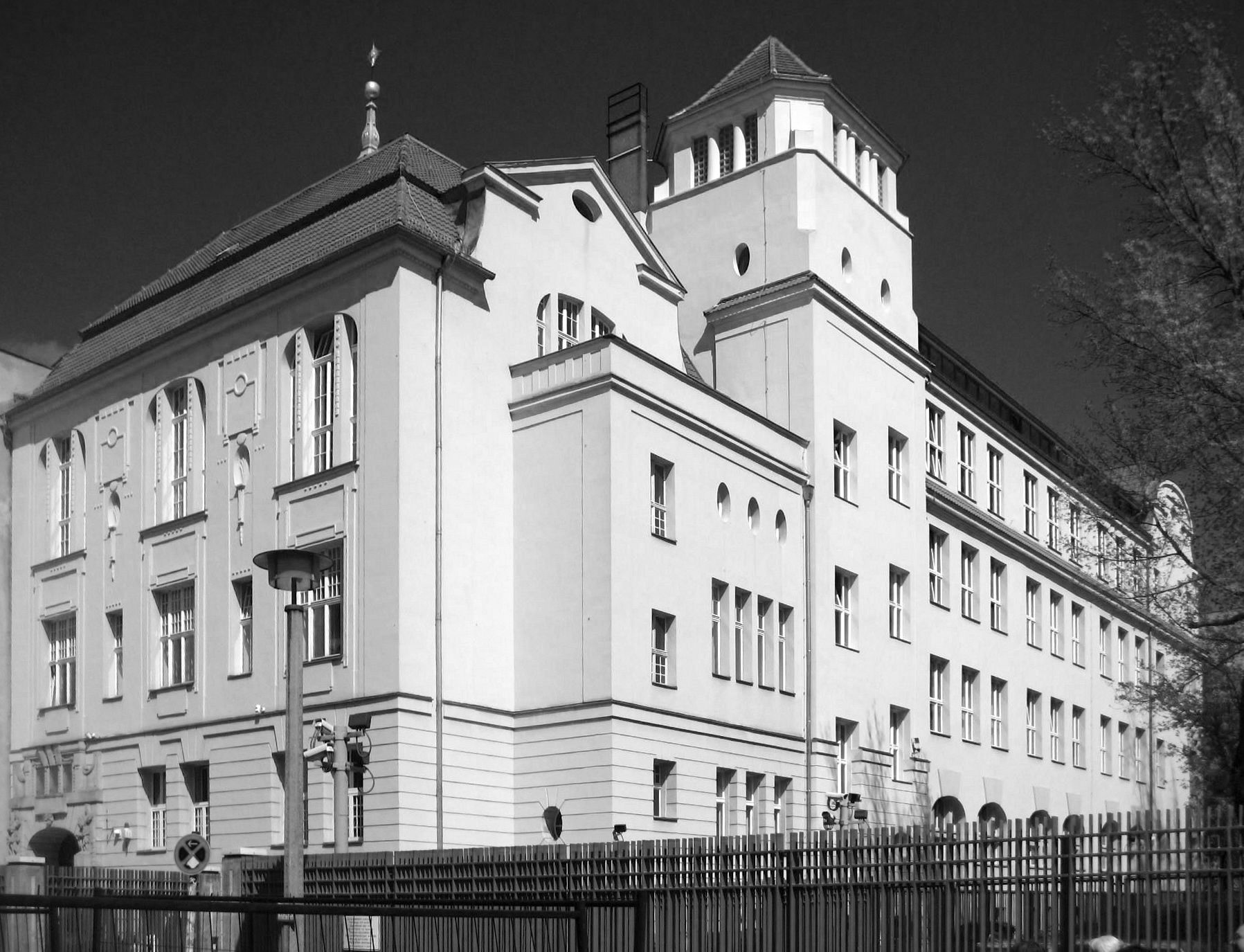
Grosse Hamburger Strasse 27 in Mitte, Berlin. The Jewish school functioned as a Jewish house and transit camp from 1942 onwards.
Background
Immediately after the November Kristallnacht Pogroms of 1938, Hermann Göring, one of the most powerful figures in the Nazi Party, considered establishing ghettos in Austria and Germany. However, the police chief Reinhard Heydrich believed that police surveillance there would be difficult. He recommended housing Jews in Jewish houses, Judenhäuser, anticipating that they would be monitored “by the watchful eye of the entire population.”
Housing policies stripped Jews of property rights and Jews were crammed into these Judenhäuser which were segregated buildings that had previously belonged to Jews. They were deliberately placed apart from each other to avoid ‘ghettoisation’.
When deportations of Reich Jews began in the autumn of 1941, the concentration of people in these houses made it easier for the authorities to manage the logistics of deportations to the extermination camps and turned them into transit camps.
Austria
Following the 1938 Anschluss, roughly 170,000 to 180,000 Jews in Vienna faced immediate property theft, eviction, and forced sales of private homes under Nazi rule.
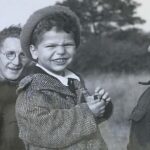
Jackie Young at Crosby-on-Eden airfield, August 1945.
Judenhäuser, often referred to in Vienna as Sammelwohnungen or collective forced apartments, were then introduced. Sammelwohnungen were clustered in the inner and northern districts, particularly Leopoldstadt (the 2nd district). Abandoned Jewish children were taken to Jewish orphanages that also functioned as transit camps, among them was Jackie Young.
Specific locations like Grosse Mohrengasse 38, Kleine Sperlgasse 2a, Castellezgasse 35, and Malzgasse 7 and 16 served as primary transition points or assembly camps, sammellager, before victims were dispatched to concentration and death camps
Germany
Across Germany, Jews were forced out of their apartments and into tightly monitored marked collective housing, which was under the control of the Gestapo.
This freed up living space for the so-called German-blooded population at the expense of the Jews. The general housing shortage in major cities was constantly exacerbated by air raids. In Hamburg, over 1,000 apartments had already been destroyed by bombs by the end of 1941. Plans to redevelop Berlin also necessitated clearly large areas of the capital. The measure facilitated discrimination against Jewish residents and disrupted established neighbourly relations.
Numerous buildings had been transferred to the Reich Association of Jews in Germany because smaller religious communities could no longer afford their upkeep or were dissolving. Jews were often assigned to these facilities: makeshift conversions of kindergartens and schools into living quarters, old people’s homes and hospitals, offices and meeting rooms, prayer rooms and cemetery chapels.
The term ‘Jewish house’ was adopted into everyday language during the Third Reich. As an alternative to the Nazi term, the term ‘ghetto house’ is also used today.
Hungary
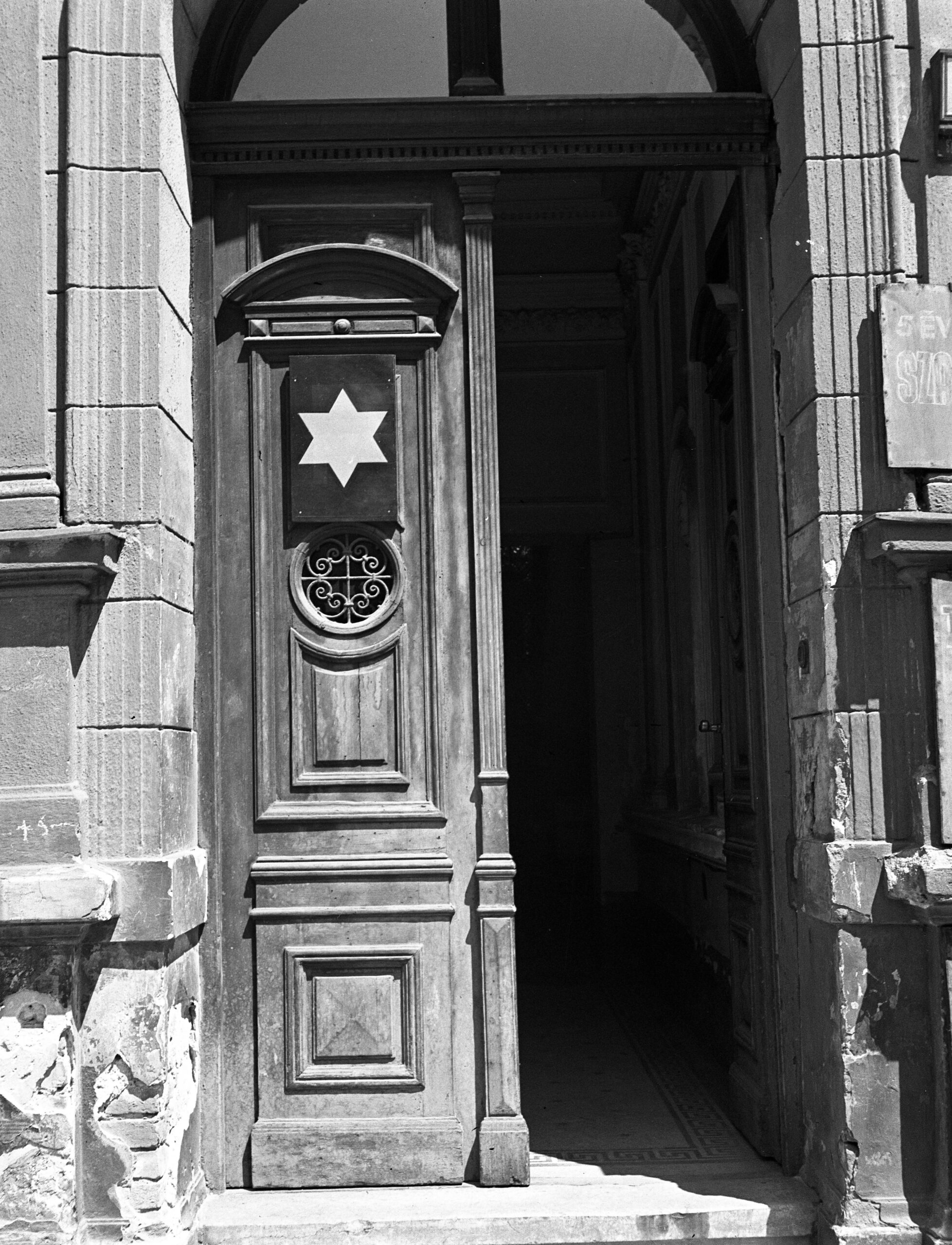
In June 1944, authorities in Budapest, Hungary, designated over 2,000 specific apartment blocks as yellow-star houses, csillagos házak. These houses were scattered throughout the city. Known as Yellow-star Houses, the buildings had to display a large yellow star near the entrance so the public could easily identify them.
Jews across the city were ordered to leave their homes and move into these marked buildings as a precursor to ghettoisation and transport to Auschwitz.
Where to See Former Jewish Houses
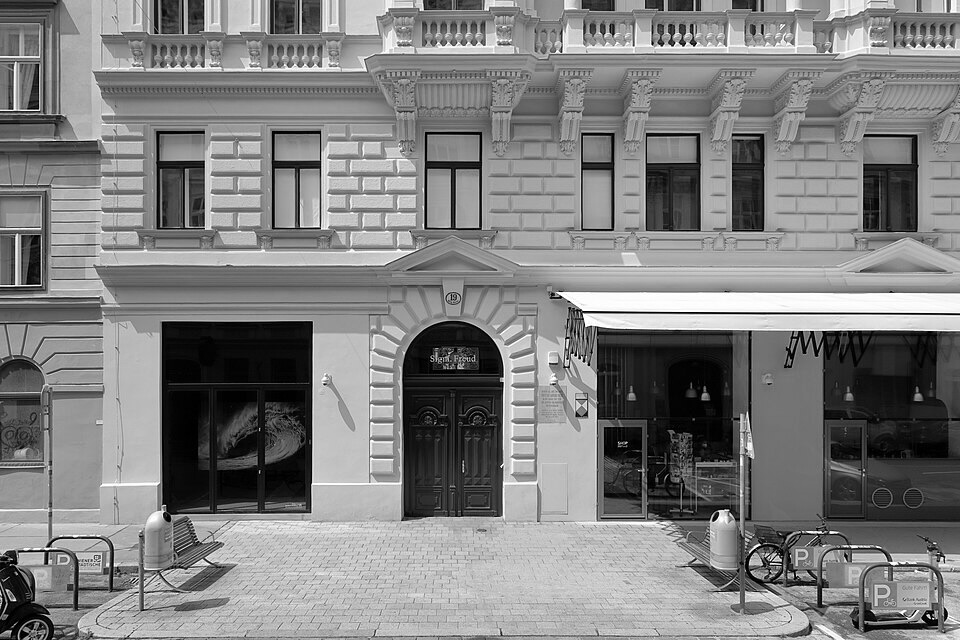
Vienna: Sigmund Freud Museum (Berggasse 19; w freud-museum.at) The home of the psychoanalyst Sigmund Freud (1856–1939) north of the city centre. The Freud family lived here from 1891 until they fled to the UK in 1938. The Freud family were among 110,000 Austrian Jews who managed to escape.
From 1939 onwards Jews were ordered into crowded designated buildings as their apartments were confiscated. Freud’s apartment was eventually confiscated in 1942. The newly renovated museum commemorates Freud’s neighbours and the 76 Jews detained in the building between the autumn of 1939 and spring 1942. While some escaped, the majority died in the Theresienstadt Ghetto or were murdered in extermination camps and the Shoah by Bullets in Riga and Minsk.
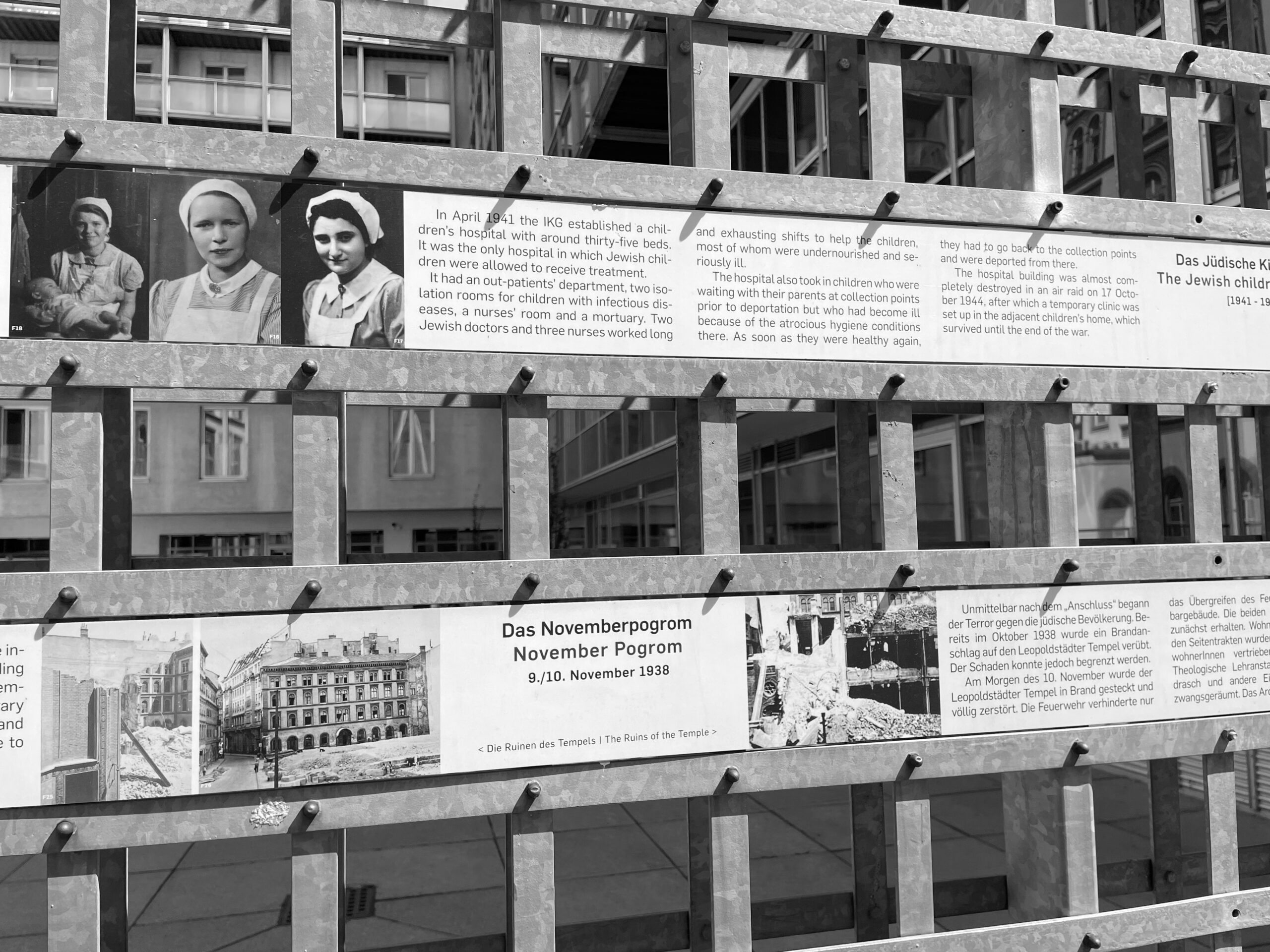
There is a memorial at the site of the former orphanage where Jackie Young was held at Tempelgasse 5.
Berlin: The Jewish School at Grosse Hamburgerstrasse 27. After the school closed in 1942, it and the adjacent old people’s home (destroyed in a bombing raid) was used as a transit camp for Jews prior to deportation.
Budapest: The buildings that were once yellow-star houses are now private residences, but an interactive map on the informative Yellow-Star Houses website (w yellowstarhouses.org) marks their locations.
Members of the Boys families were murdered in Treblinka. Treblinka was an extermination camp – there were no selections for slave labour.
The Boys were teenage and child-Holocaust survivors, who were brought to the UK after World War II for rest and rehabilitation.
Members of the Boys were held in Nazi labour and concentration camps and used as slave labourers. They had also survived World War II in hiding or as lone children.
Treblinka Key Facts
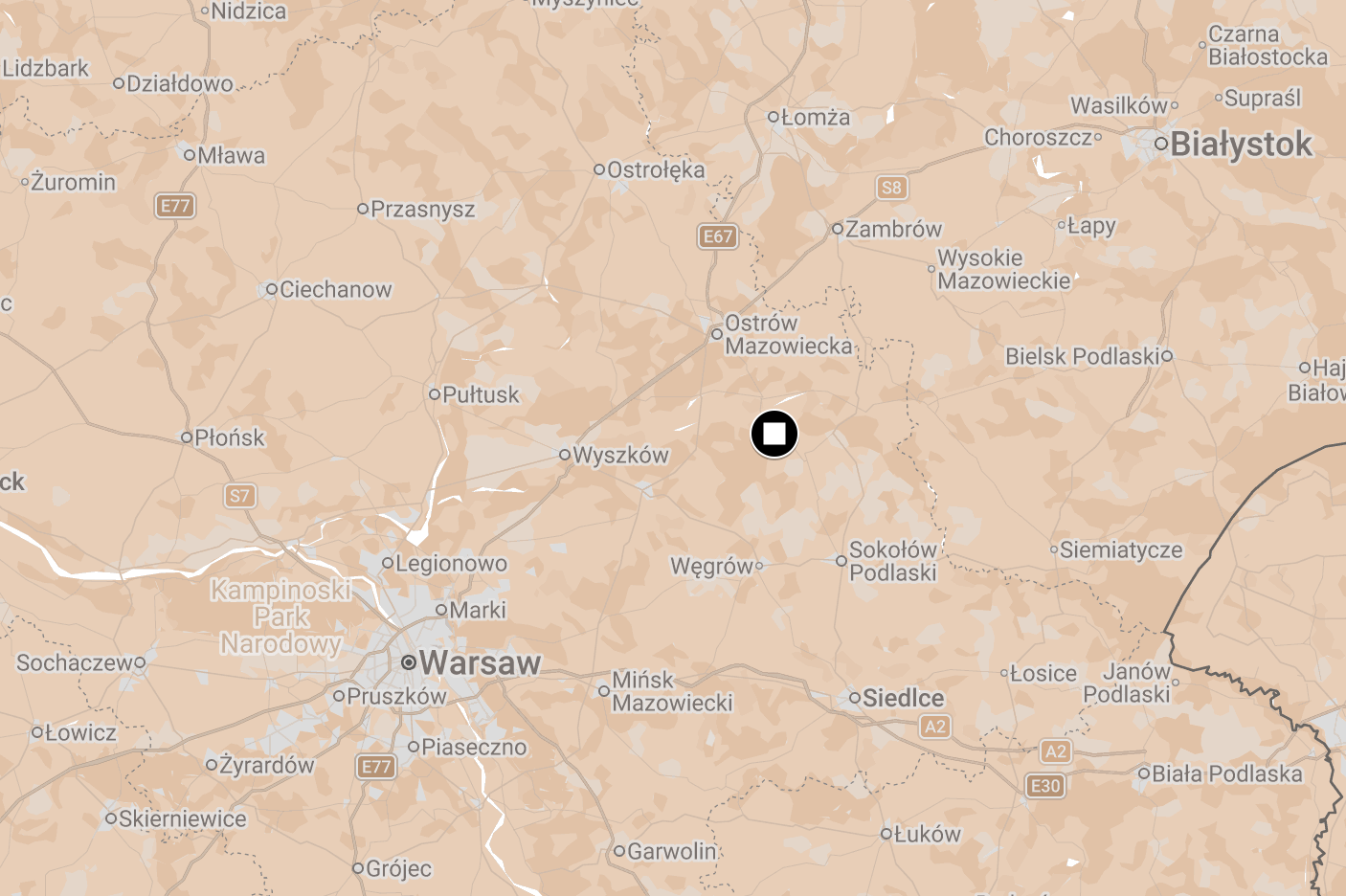
Location: 85km northeast of Warsaw
Date of Operation: Treblinka I (Labor Camp): December 1941 late July 1944. Treblinka II (Extermination Camp): 23 July 1942 until 19 October 1943.
Operated by: Nazi Germany
Uprising: 2 August 1943
Number of Victims: Estimated 800,000 to 920,000
Treblinka, 85km northeast of Warsaw, was the site of one the Germans’ deadliest extermination camps, and between 800,000 and 920,000 Jews from ten different countries were murdered here between 1942 and 1943.
Close to the Bug River in remote countryside, Treblinka was chosen for the site of the camp as it was close to the main Warsaw–Białystok railway line. Today, it is a quiet, lonely place which gets few visitors. Surrounded by deep forests, the site is eerie and evocative and, given what happened here, it is surprisingly calm and peaceful.
History
The camp was set up as part of Operation Reinhard, a plan to murder all the Jews in the General Government-controlled area of Poland. It was close to an existing labour camp, Treblinka I, a gravel mine where Polish prisoners were held. Prisoners and Jews from the surrounding area were forced to construct the extermination camp, known as Treblinka II. The camp was surrounded by barbed wire fences worked into the branches of the trees. and was supervised by 30 SS and 100 Ukrainian guards.
Jews were transported to Treblinka in freight cars, a journey that often took days. The first transport arrived from Warsaw on 23 July 1942. The platform could unload 20 wagons at a time. The first commandant, Irmfried Eberl, a veteran of the T4 euthanasia programme, accepted more transports than he could process and the initial unloading process was chaotic. Thousands were kept in freight wagons for so long that the SS resorted to mass shootings. Dozens of Jews managed to escape while many died of suffocation. The bodies of the escapees were not always cleared away before further transports arrived.
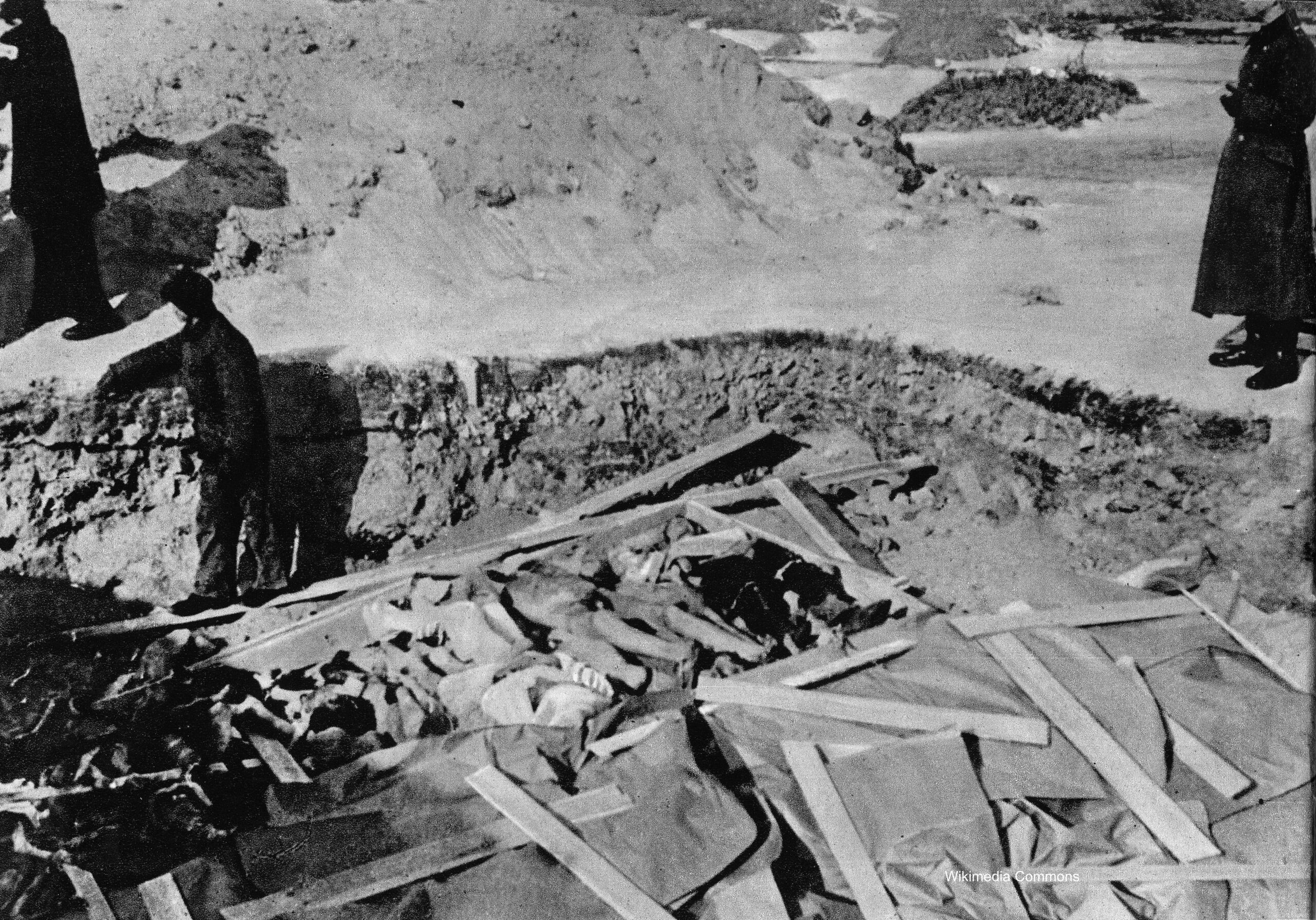
An open mass grave in the Treblinka death camp. A German photograph from 1943.
From late 1942, the victims’ first sight of Treblinka was a wooden barracks later painted to look like a railway station, with timetables and a clock. The station platform was intended to make victims believe they were arriving in a transit camp before being moved on to labour camps. From the ramp victims were led into a barracks were men and women were separated. Their heads were then shaved. Those who were too weak to walk were taken to an ‘infirmary’, behind which they were shot in a large pit. The barracks opened into a barbed wire corridor that led to the gas chamber. The bodies were initially buried then cremated in mass graves. The process took 2–3 hours.
In April 1943, transports slowed.
Uprising
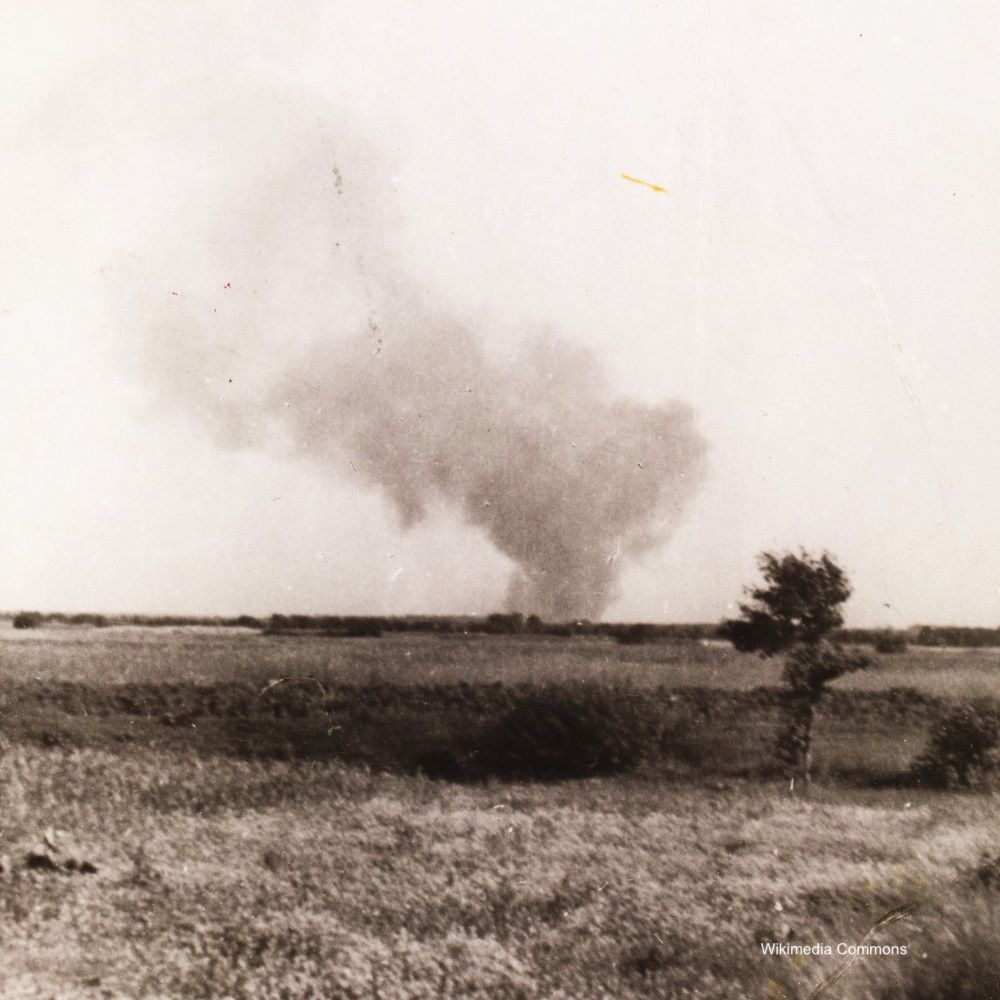
Treblinka Uprising 1943. A clandestine photograph of the burning German death camp Treblinka II perimeter taken by Franciszek Ząbecki, eye witness to every Holocaust transport that came into the camp.
On 2 August 1943, the Sonderkommando, Jewish prisoners forced to work in the gas chambers and bury the corpses, initiated an uprising in the camp by throwing a grenade into the German barracks and setting the petrol store on fire. The insurgents failed to destroy the gas chambers but cut the telephone lines. About 300 of the 800 prisoners held in the camp managed to escape, of whom 70 survived the war. After the last transport arrived from Białystok in August 1943, the camp was demolished and landscaped.
After Liberation
Immediately after the liberation, Treblinka was a scene of frenzied excavation as the local peasantry, convinced that Jews were richer than them, arrived with shovels and dug up the remains of the murdered in search of hidden treasure or at least a gold tooth. Some of the earliest photographs of the site show freshly dug holes with human bones scattered around.
The site became a memorial in 1964.
World War II
Present-day
Visiting Treblinka
>
Close to the Bug River in remote countryside, Treblinka was chosen for the site of the camp as it was close to the main Warsaw–Białystok railway line. Today, it is a quiet, lonely place which gets few visitors.
Good to know
It is much cheaper to visit Treblinka on your own steam. If you do not have a car take a taxi from the station in Małkinia Górna (7km away) and ask the driver to wait. Trains run from the main Central Station in Warsaw. Be sure to arrange the price first. It takes under an hour to see the site. Be aware that the route follows that taken by the trains to Treblinka.
What to see
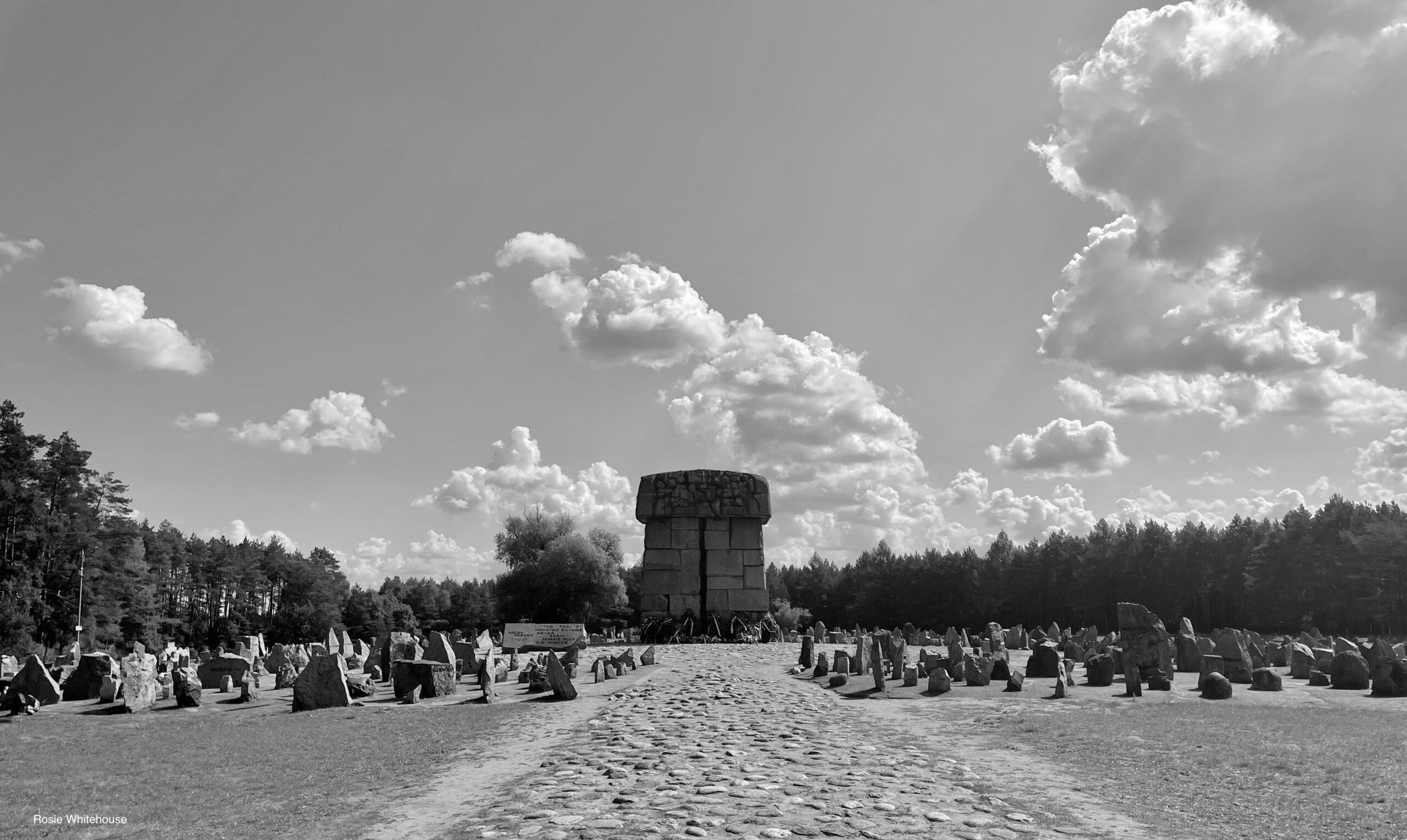
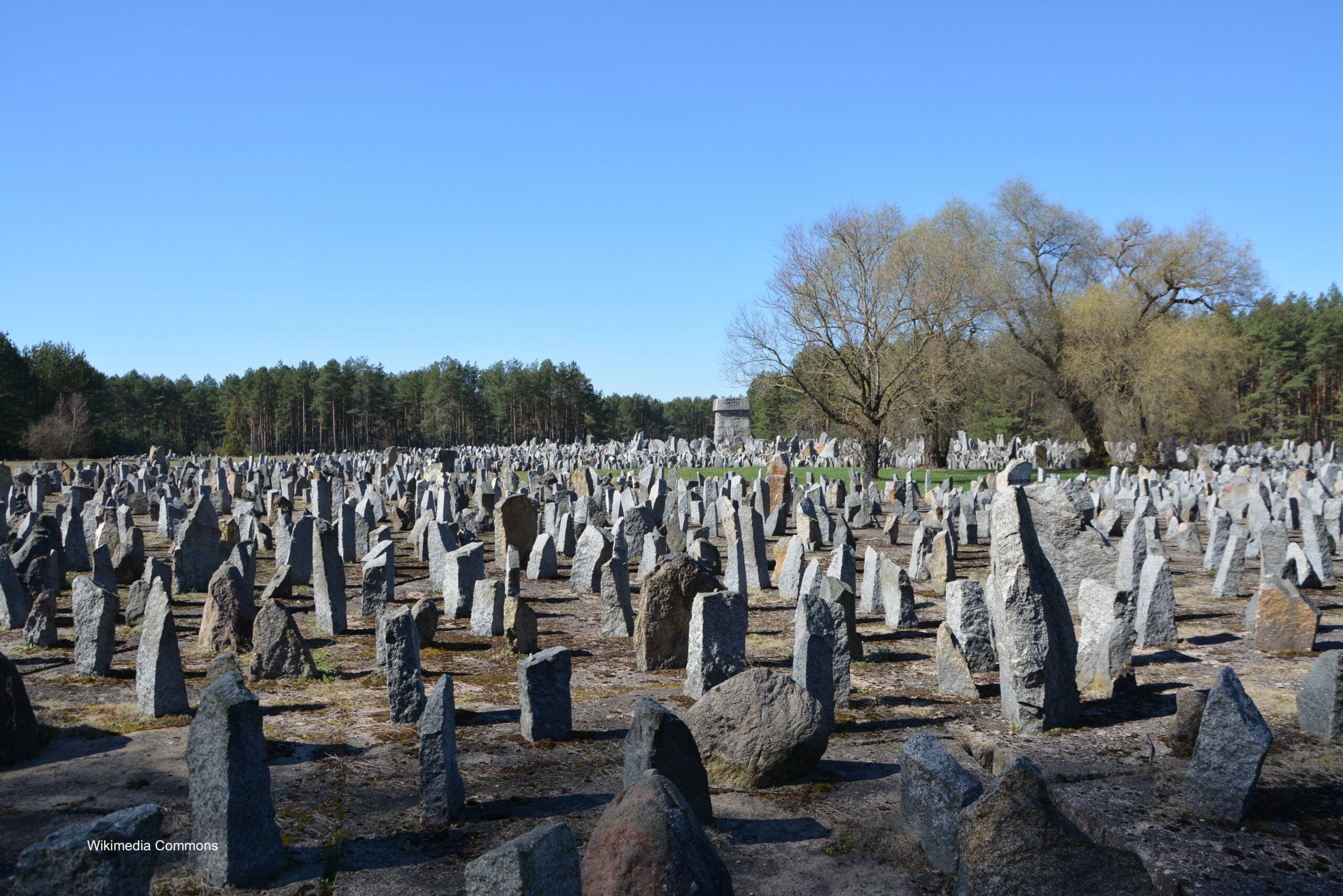
Treblinka Stone memorials.
The site at Treblinka is over 2km long. The main area which was once the extermination camp, Treblinka II, is a short walk from the car park. The labour camp, Treblinka I, is at the other end of the forest complex from the museum and main memorial. It is possible to drive there, where there is a second car park.
There is no need to book in advance to visit Treblinka, access is 24 hours and free.
The Treblinka Museum (open daily; free) is next to the main car park.
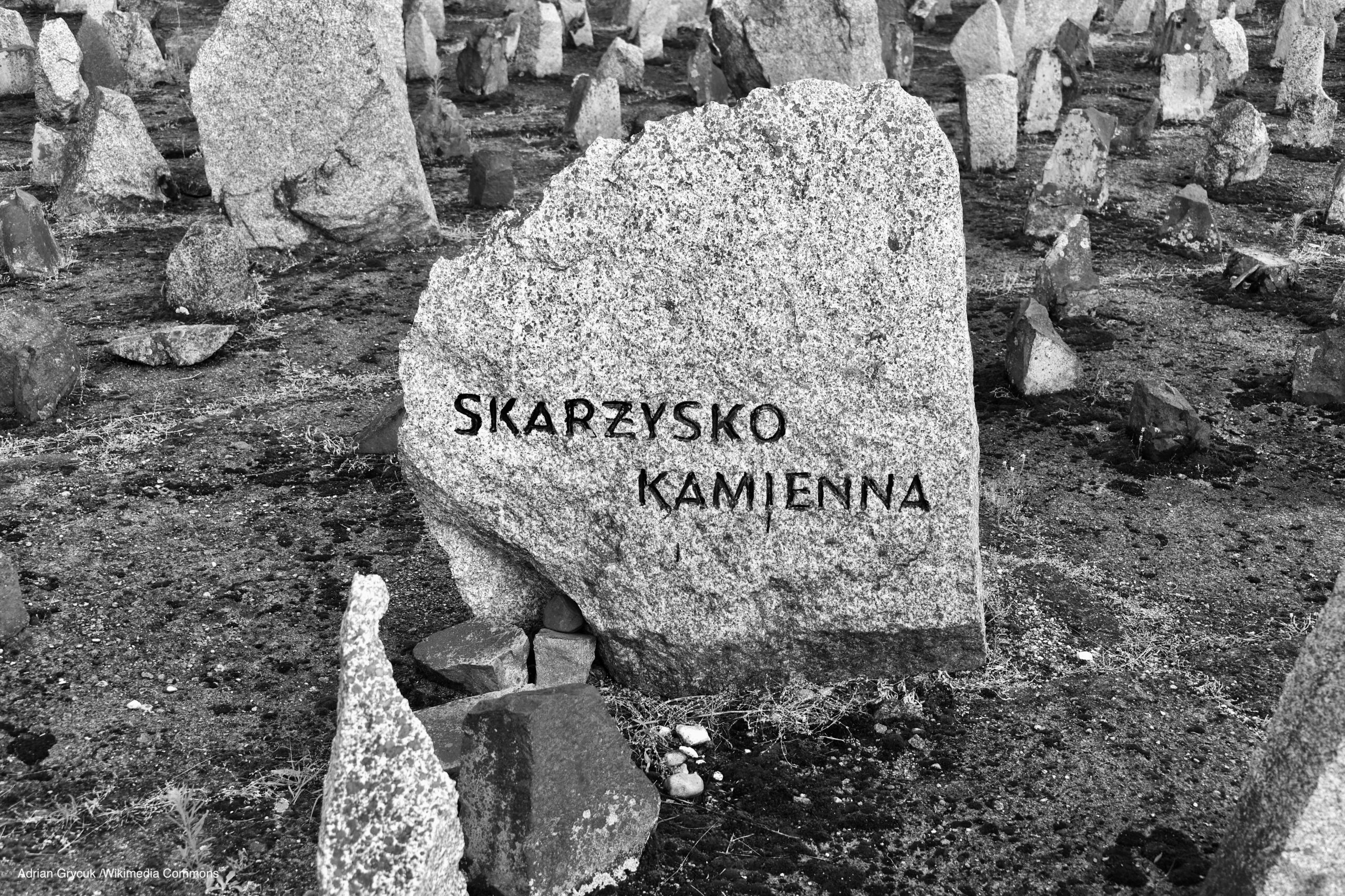
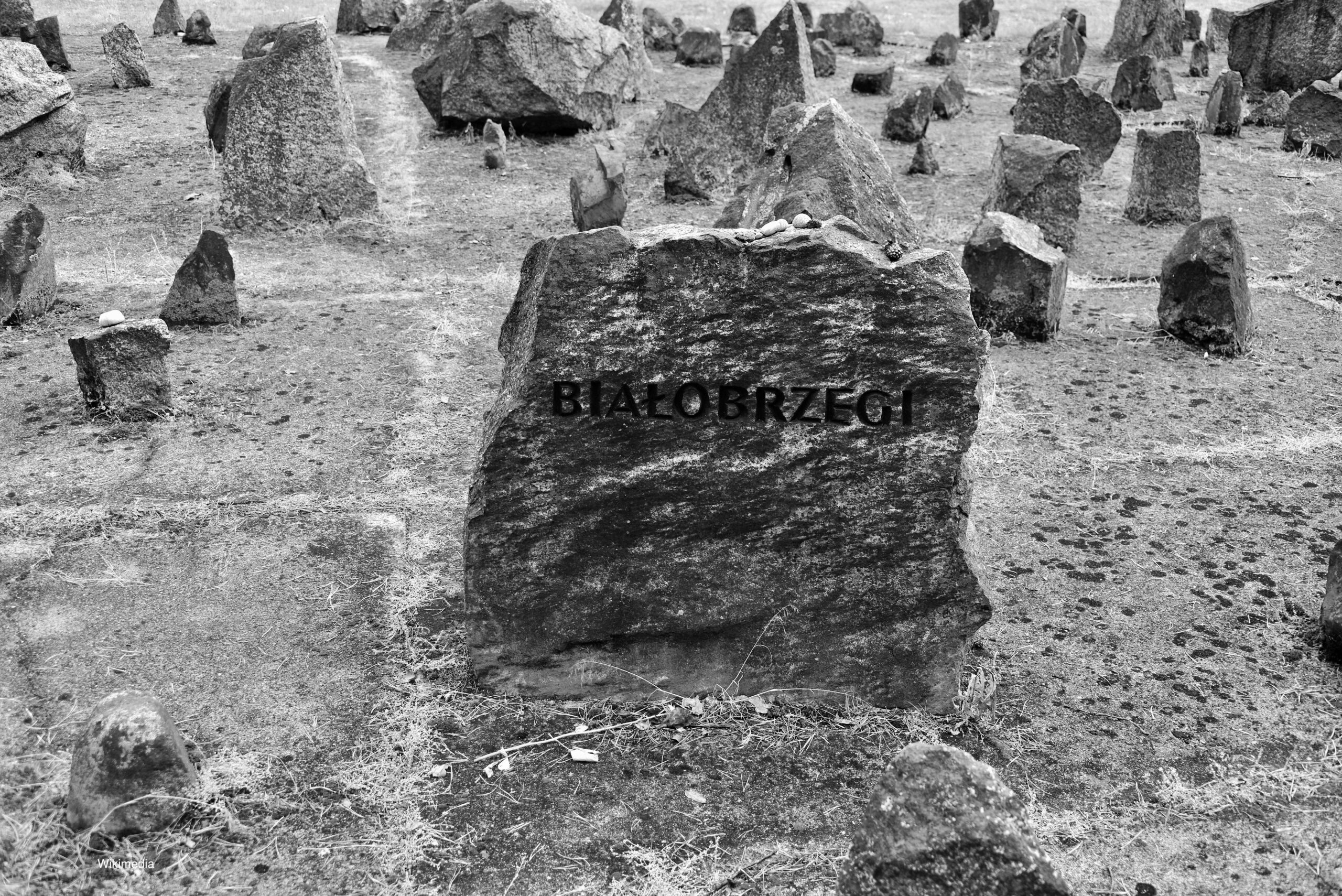
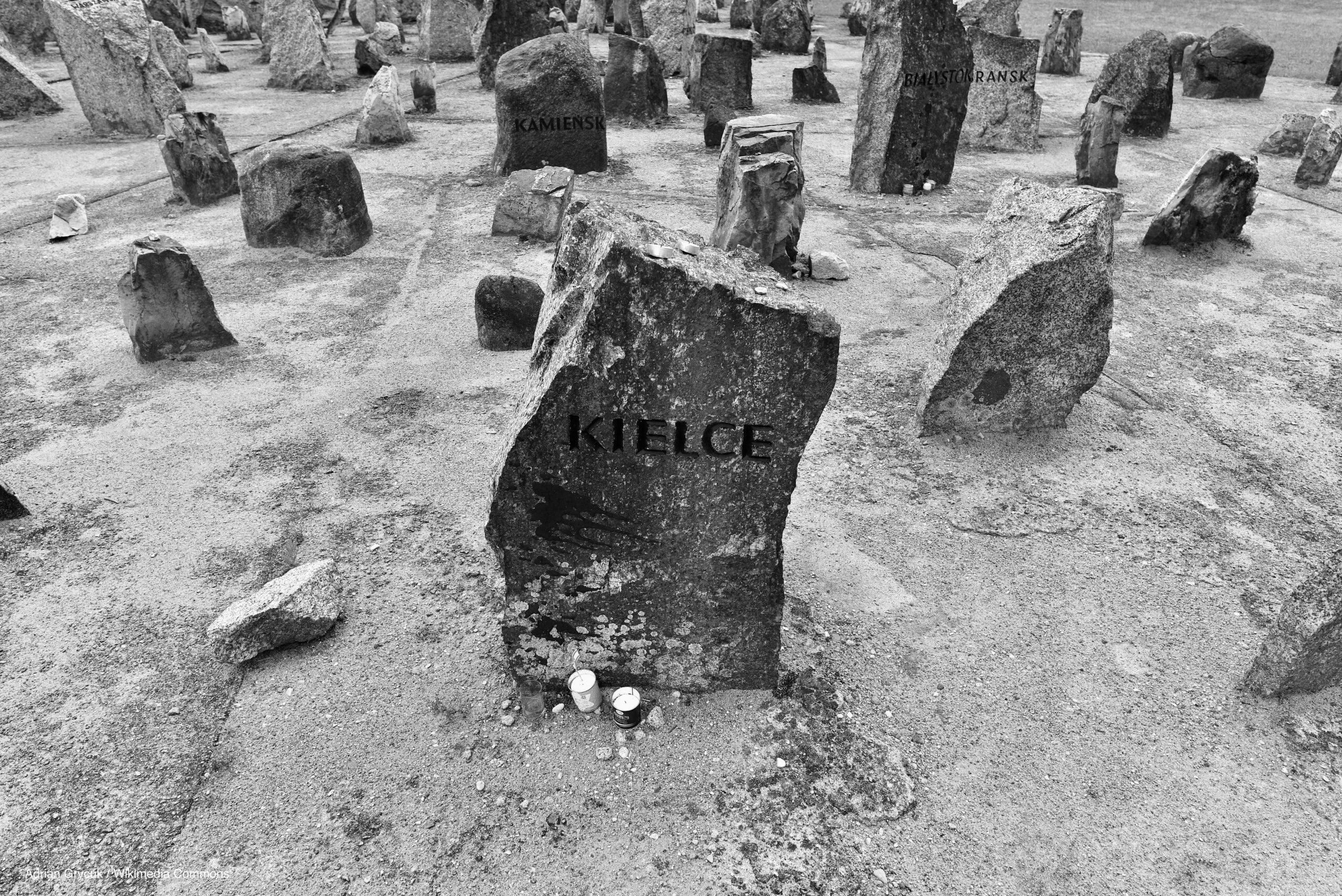
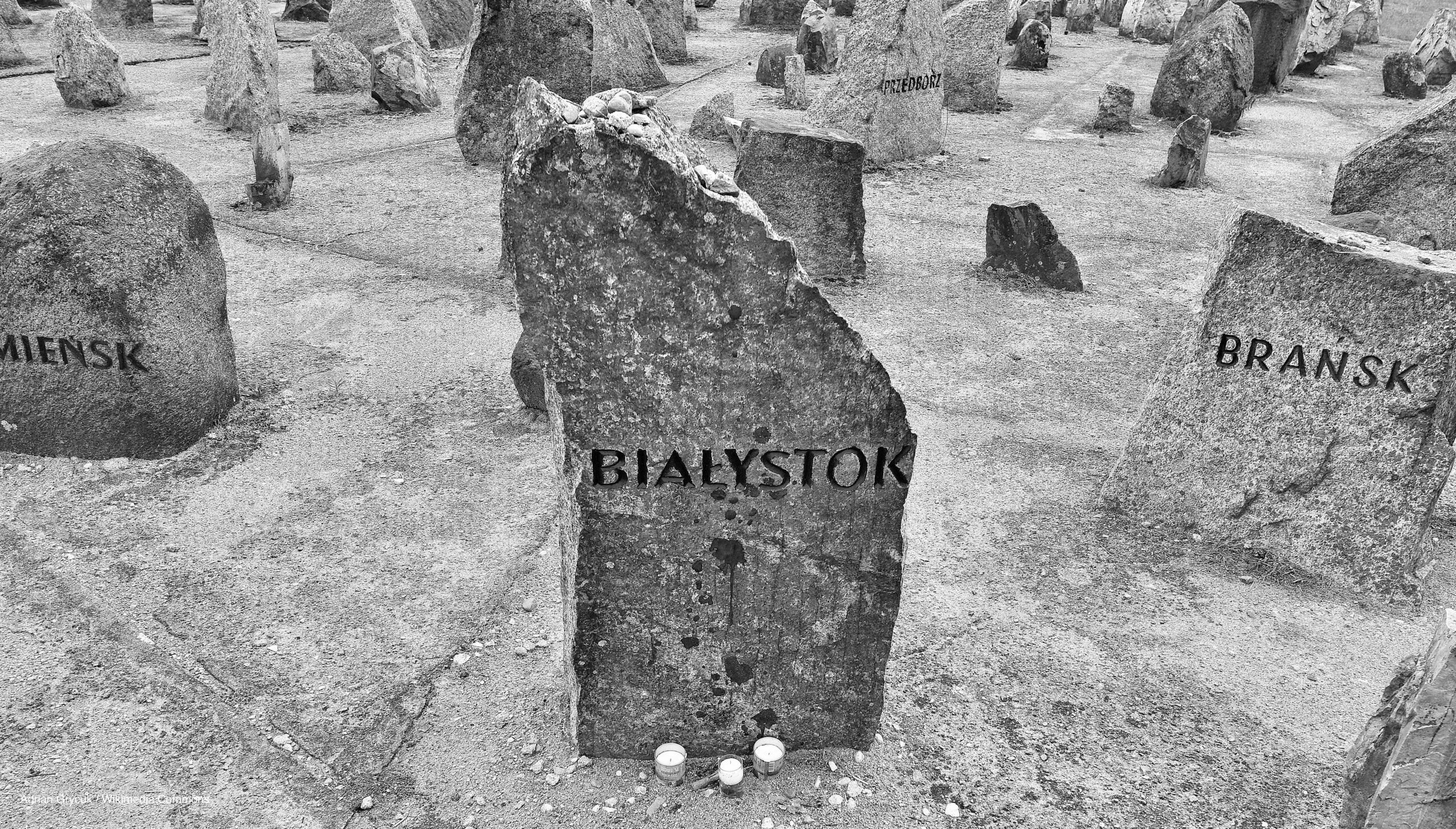
Nothing remains of the camp, which is now covered by 17,000 stones, 216 of which are marked with the names of communities destroyed by the mass murder in Treblinka. They stand on the site of the mass graves and buried ashes.
The path from the car park takes you past the memorial. The railway line is marked by stone slabs that lead to the ramp. The path continues behind the main monuments and curves back to the car park and visitors’ centre.
Members of the Boys families were murdered in Sobibór. Sobibór was an extermination camp – there were no selections for slave labour.
The Boys were teenage and child-Holocaust survivors, who were brought to the UK after World War II for rest and rehabilitation.
Members of the Boys were held in Nazi labour and concentration camps and used as slave labourers. They had also survived World War II in hiding or as lone children.
Sobibór Key Facts
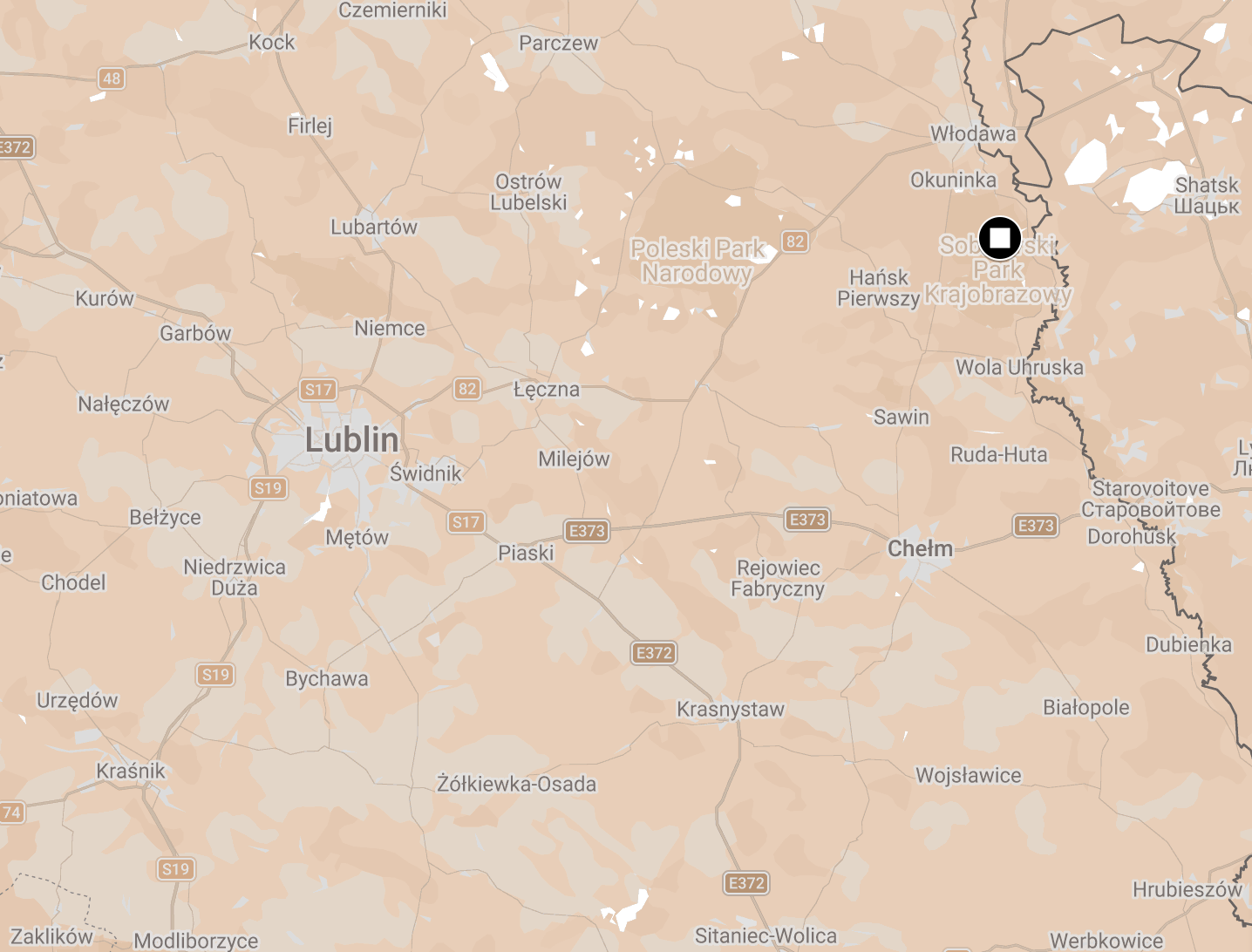
Location: 95km east of Lublin
Date of Operation: May 1942 until 14 October 1943
Operated by: Nazi Germany
Uprising: 14 October 1943
Number of Victims: Estimated 175,000 to 250,000
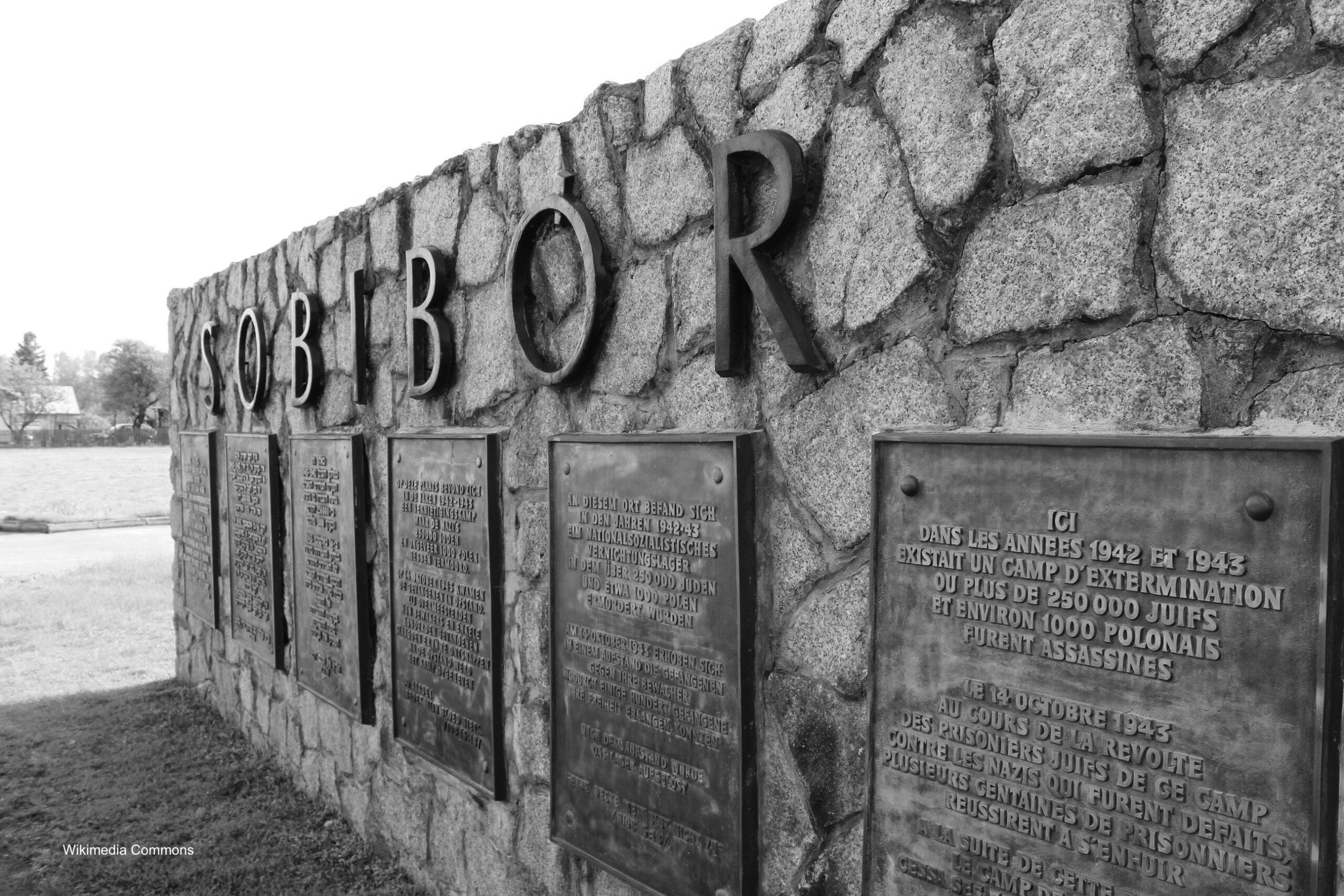
The wild untamed Bug slips into marshy woodland and forms a natural border between Poland and Belarus. Today this is a real political frontier where the EU comes to an end. Across the water, Belarus is in a world of its own, yet until the end of World War II much of it was part of the Polish heartland and there was no border here at all.
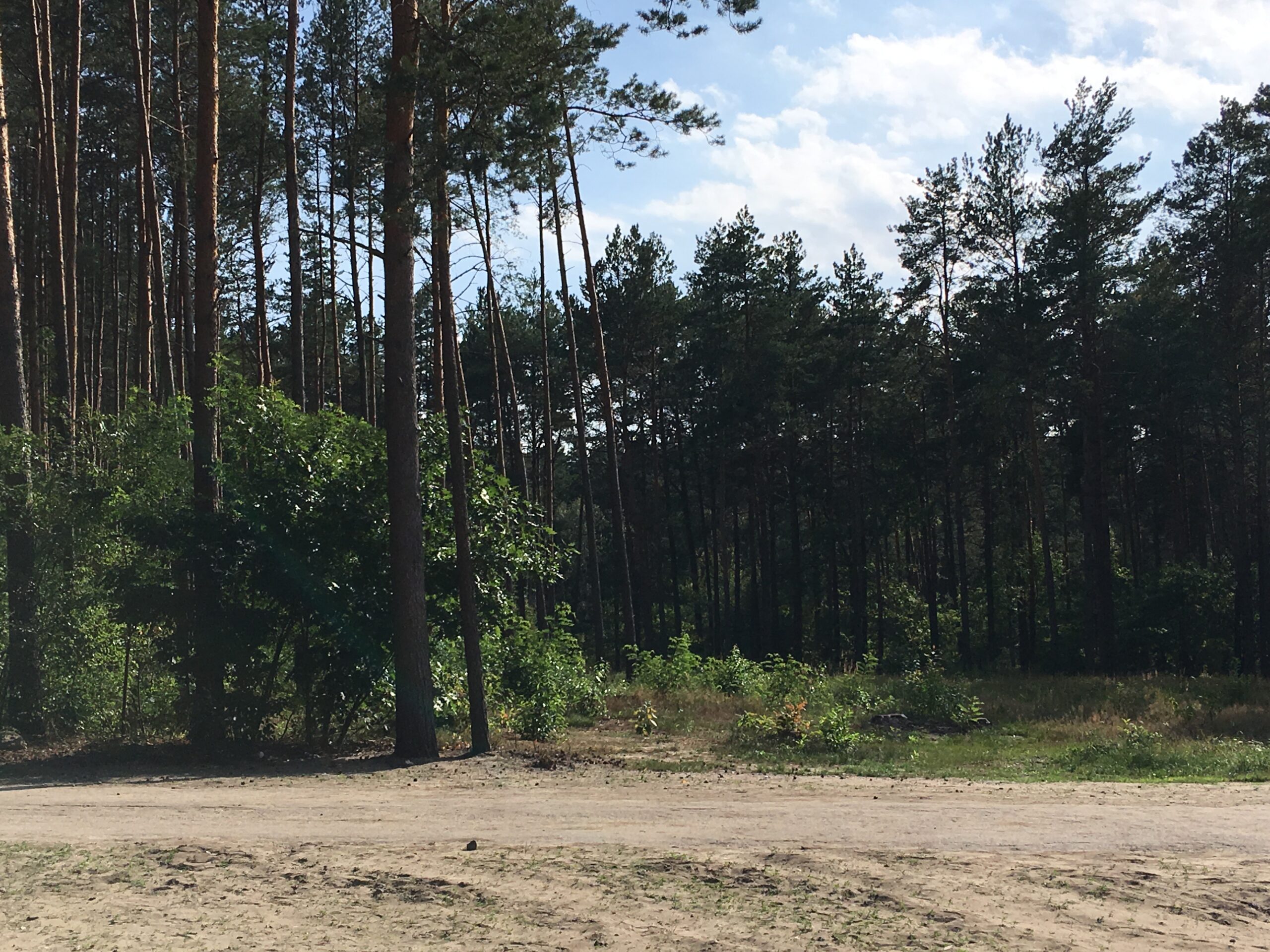
An empty road winds through russet trunked pines and sandy groves to the small village of Żłobek Duży 96km east of Lublin. The village is clustered around a lonely little siding. The station was built after the war was but the tracks that cut through the forest are original and come to an abrupt end at the site of the deadly Sobibór extermination camp.
History
The forest at Sobibór.
The camp opened in March 1942, but killings began in earnest in May. It was a surreal, systemised world where people were quickly herded from the cattle trucks, stripped naked, their heads shaved, and funnelled into the gas chambers that were pumped full of carbon monoxide. In their Black Book of Soviet Jewry (Transaction, 2003), the journalists Ilya Ehrenburg and Vasily Grossman record the story of a German guard, a boxer from Berlin who could slay a man with one hand, but patted the naked children on the head as they walked into the gas chamber and even gave them sweets.
In all it is thought 170,000 people were murdered at Sobibór until a Jewish rebellion prompted the camp’s closure in the autumn of 1943. The gas chambers were quickly demolished and covered by an asphalt road; trees were planted to disguise the site. When the Red Army arrived in this part of Poland, there was nothing see and no reason to make a diversion into the lonely forests where few people lived.
In the post-war population exchange, which began in the months that followed, in which Ukrainians were sent east and Poles moved west, Ukrainians were housed in the barracks of the old camp’s guards which were then demolished in 1947. Until the 1960s the site was abandoned and forgotten.
Visiting Sobibór
>
Getting there If you do not have your own transport, to visit the former Sobibór extermination camp, take the bus from Lublin to Włodawa. From there take a taxi to Sobibór, 18km away. Alternatively take a train to Chelm and then a taxi.
The forest at Sobibór.
What to see
The Sobibór death camp is now the Sobibór Museum and Memorial Site (Muzeum i Miejzsce Pmięci w Sobiborze; free) which has a new visitors centre. The central part of the exhibition space is a 25m-long showcase containing 700 objects discovered during archaeological excavations which have been going on since 2000. These objects include personal items belonging to the victims.
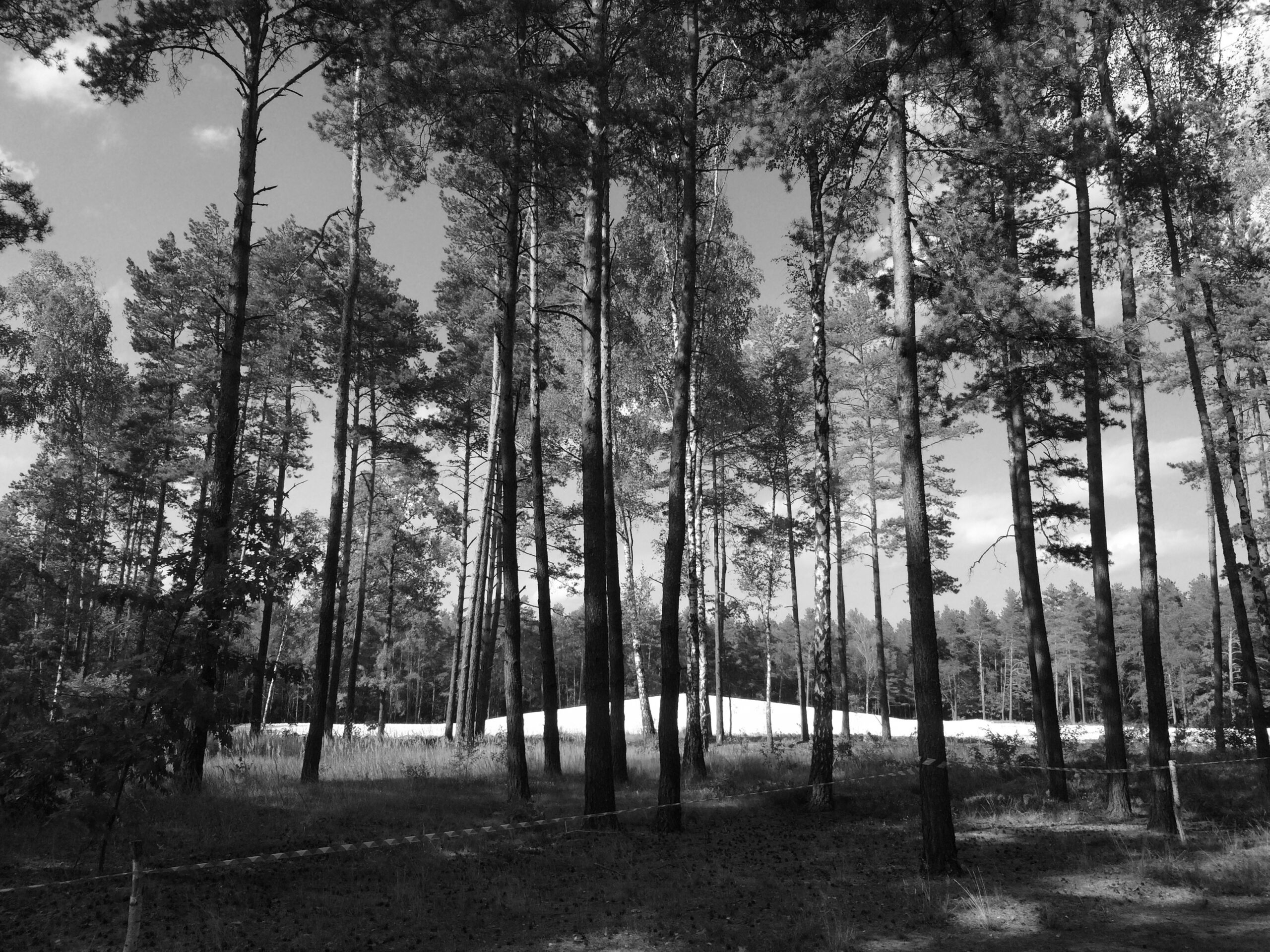
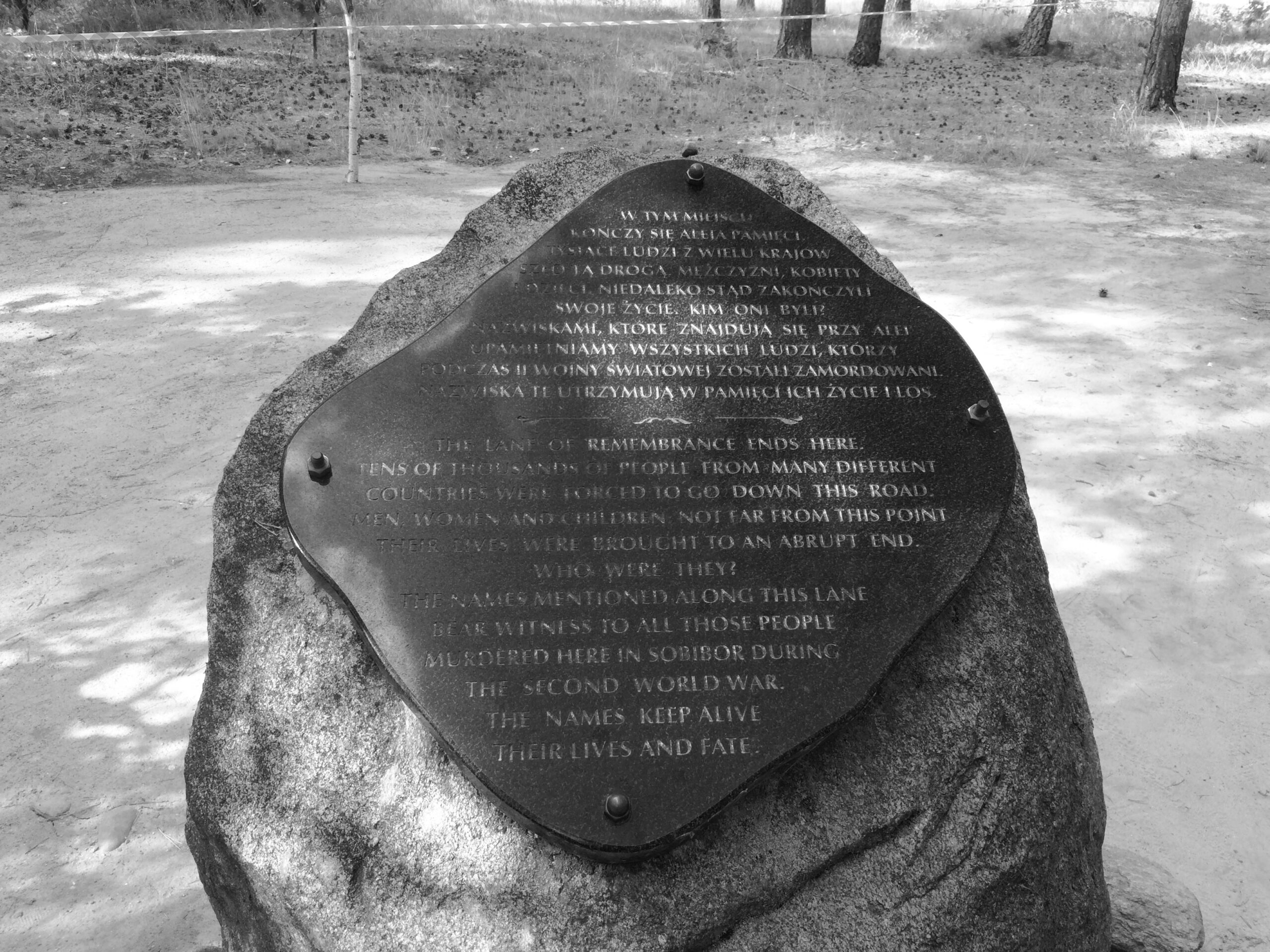
Some of the 34,313 Dutch Jews brought here in 19 trains are commemorated along a walkway through the trees lined with small rocks, on which little plaques, the type you see on park benches, record their names.
Members of the Boys families were murdered in Chełmno. Chełmno was an extermination camp – there were no selections for slave labour.
The Boys were teenage and child-Holocaust survivors, who were brought to the UK after World War II for rest and rehabilitation.
Members of the Boys were held in Nazi labour and concentration camps and used as slave labourers. They had also survived World War II in hiding or as lone children.
Chełmno Key Facts
Location: 77km northwest of Łódź
Date of Operation: 8 December 1941, to April 1943 & 23 June 1944 to 17 January 1945,
Operated by: Nazi Germany
Number of Victims: Between 152,000 and 200,000
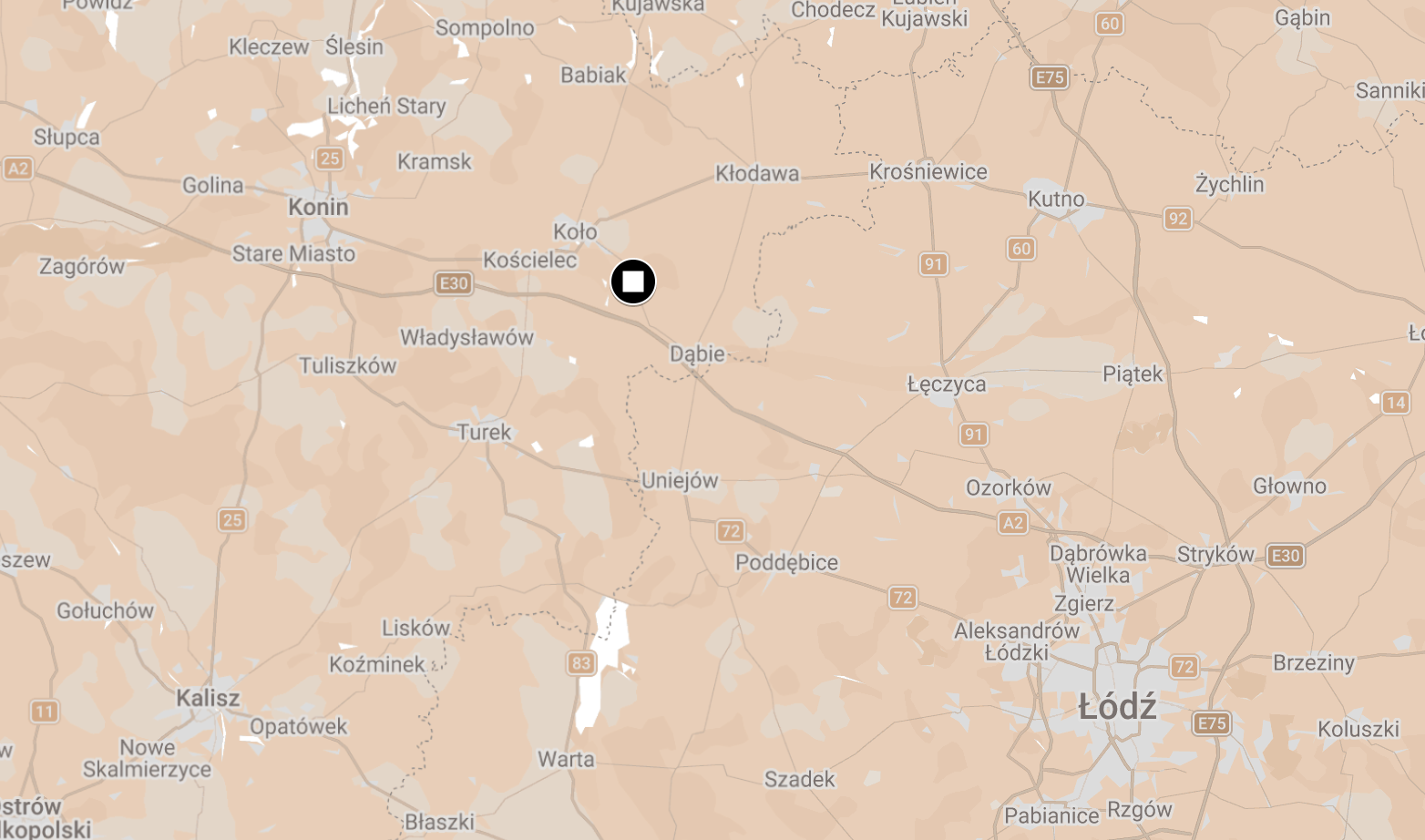
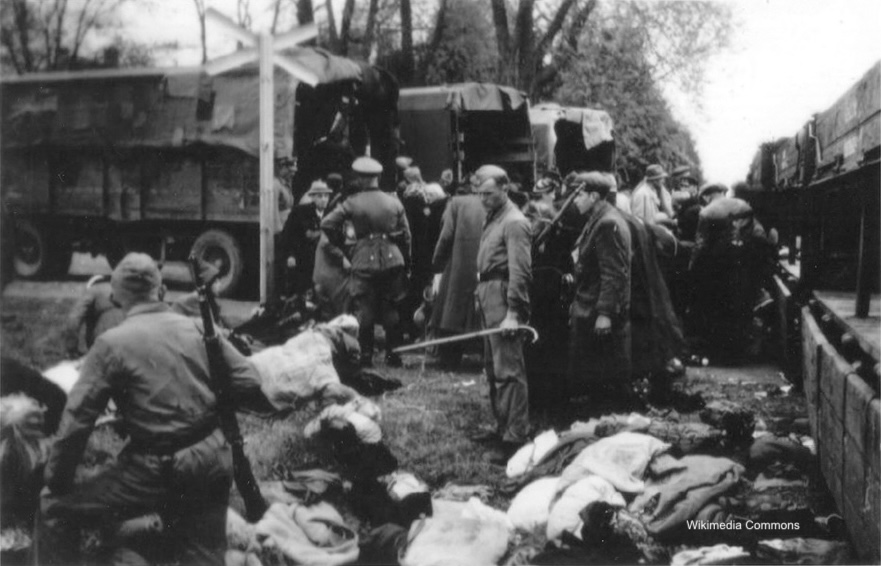
The former Chełmno extermination camp, 77km northwest of Łódź, was the site of the first Nazi extermination camp on Polish soil and the first place where Jews were gassed. They choked to death as gas vans drove into the Rzuchów Forest along the road from Dabie to Kolo.
Chełmno extermination camp 1942. The photograph was taken by an unknown SS officer.
In terms of numbers who died Chełmno was the fifth most deadly extermination camp. Yet it gets few visitors, well under 20,000 a year most of whom are local school children. The noise of the traffic on the main Berlin-Warsaw highway that was originally built by built by forced labourers rises up from the valley below but is drowned out by the cows mooing in the barn next to the empty car park.
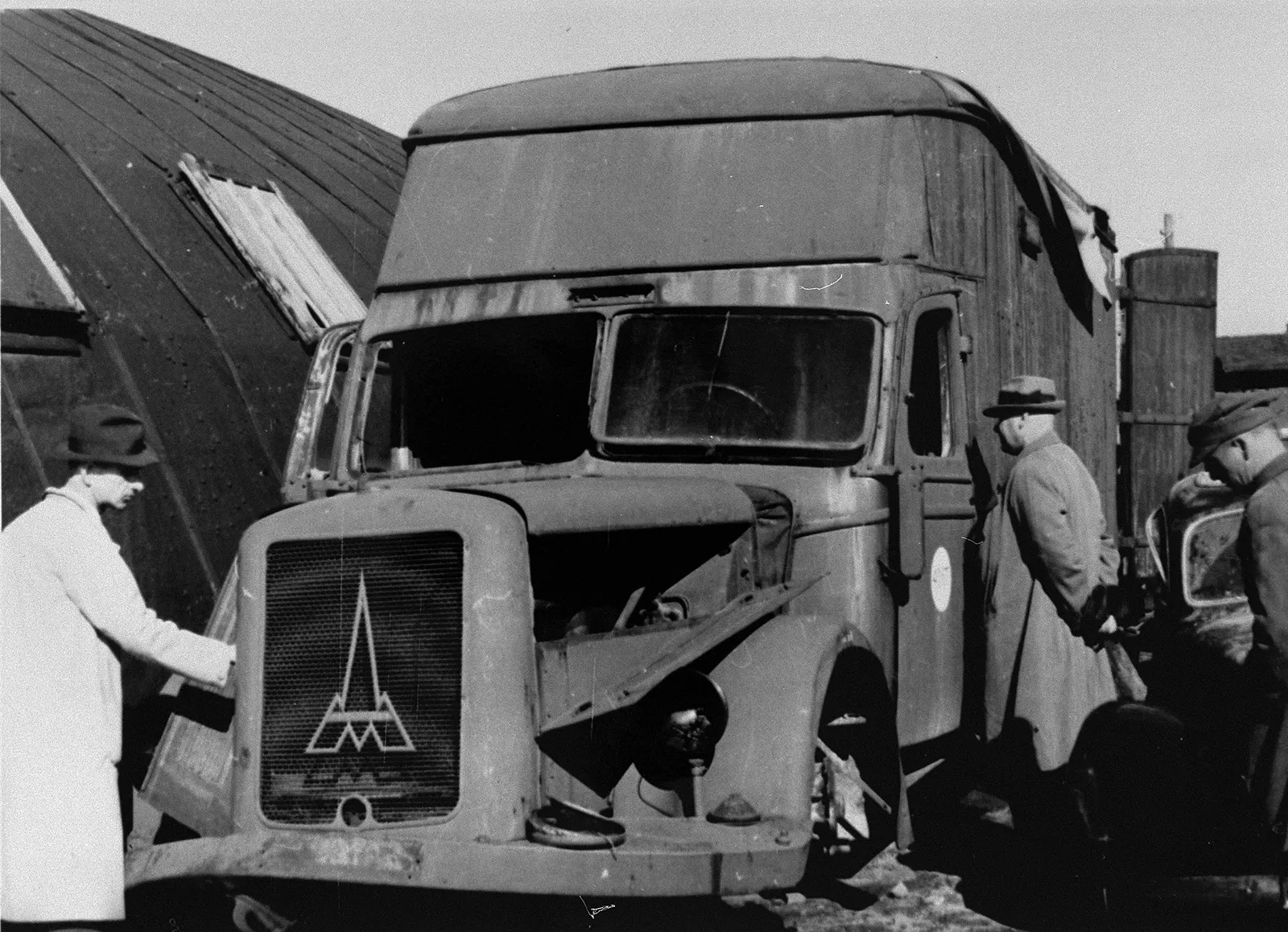
Destroyed gas van found near Chełmno in 1945.
History
The first transport from the Łodz ghetto arrived in December 1941. In the months that followed, over 200,000 Jews, Soviet prisoners of war and Roma were murdered here. Chełmno closed temporarily in March 1943 but was reactivated when the Łódź Ghetto was liquidated.
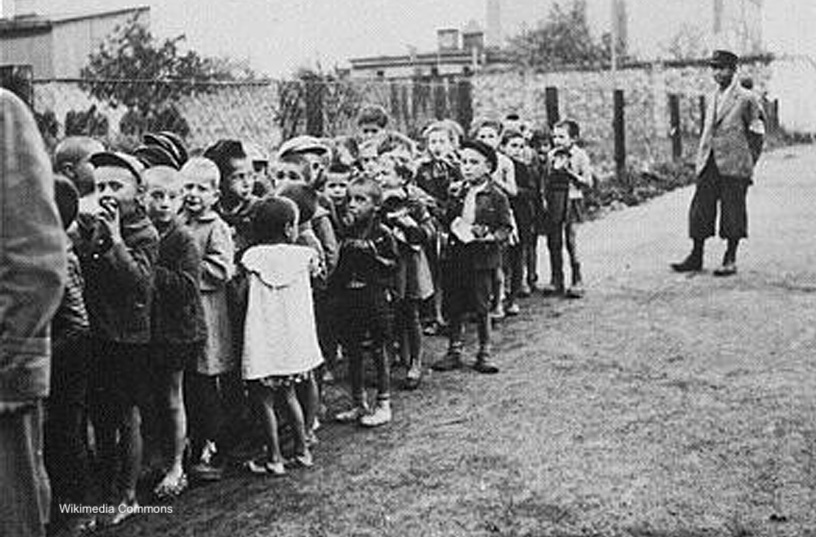
Children from the Łódź Ghetto being deportation to Chełmno.
Chełmno is one of the most sinister of the Nazi extermination camps because it was here that the Nazi teams led by those who had gained experience in the T4 euthanasia program in Germany experimented with ways to carry out mass murder and dispose of the bodies.
Operations at Chełmno were top secret and, when the locals passed by the death pits in the forest, they were ordered to look straight ahead, or they would be shot. Even the postman who brought letters to the camp had to stand with his back to it. Nevertheless, the stench of rotting bodies could be smelt for miles around, so the Nazis began to burn the corpses.
In the Rzuchowski Forest they built the first crematoria. When the Germans noticed that the grass grew greener where the ashes were scattered, the camp started a side-line business selling bonemeal to Polish farmers, who scattered it on their land thinking it was from an abattoir.
Visiting Chełmno
>
Getting there If you do not have your own transport, to visit the site of the Chełmno extermination camp take the train to Kolo and then a taxi, a journey of about 15 minutes. It is worth asking the taxi to wait to take you on to nearby Rzuchowski Forest. It is still cheaper than taking a tourist guided tour.
What to see The Muzeum Kulmhof w Chełmnie nad Nerem (Chełmno 59a; [w] chelmno-muzeum.eu; free) uses the German name for the village Kulmhof as the area around the camp was annexed by the Reich in 1940.
The tour starts at the ruins of the country house, where in the cellar Jews from the neighbouring towns were stripped of their possessions and then loaded into mobile gas vans. There is a moving exhibition in the granary and a new museum.
The testimony of Simon Srebnik, one of two people to survive the camp, is shown in the museum. He was featured in Claude Lanzmann’s epic film, Shoah (1985). Lanzmann devoted a large part of the film to Chełmno interviewing a former Nazi guard, who testified that the Jews were naked and beaten into the vans in the most brutal fashion, and a German settler who described the screams and yells she heard coming from the camp. Also revealing are his interviews with the villagers, who believed that all the Jews who murdered in the camp were extremely wealthy.
The Rzuchowski Forest is 15 minutes away. The first monument here was put up in the 1960s but as with other memorials during the communist period it did not mention that most of the victims were Jewish. During the changing political climate of the 1980s archaeological research began at the site and memorials were erected. Visitors can see the remains of the experimental crematorium.
Tip It is well worth booking in advance a museum run tour in English in order to understand the importance of the monuments in the nearby Rzuchowski Forest.
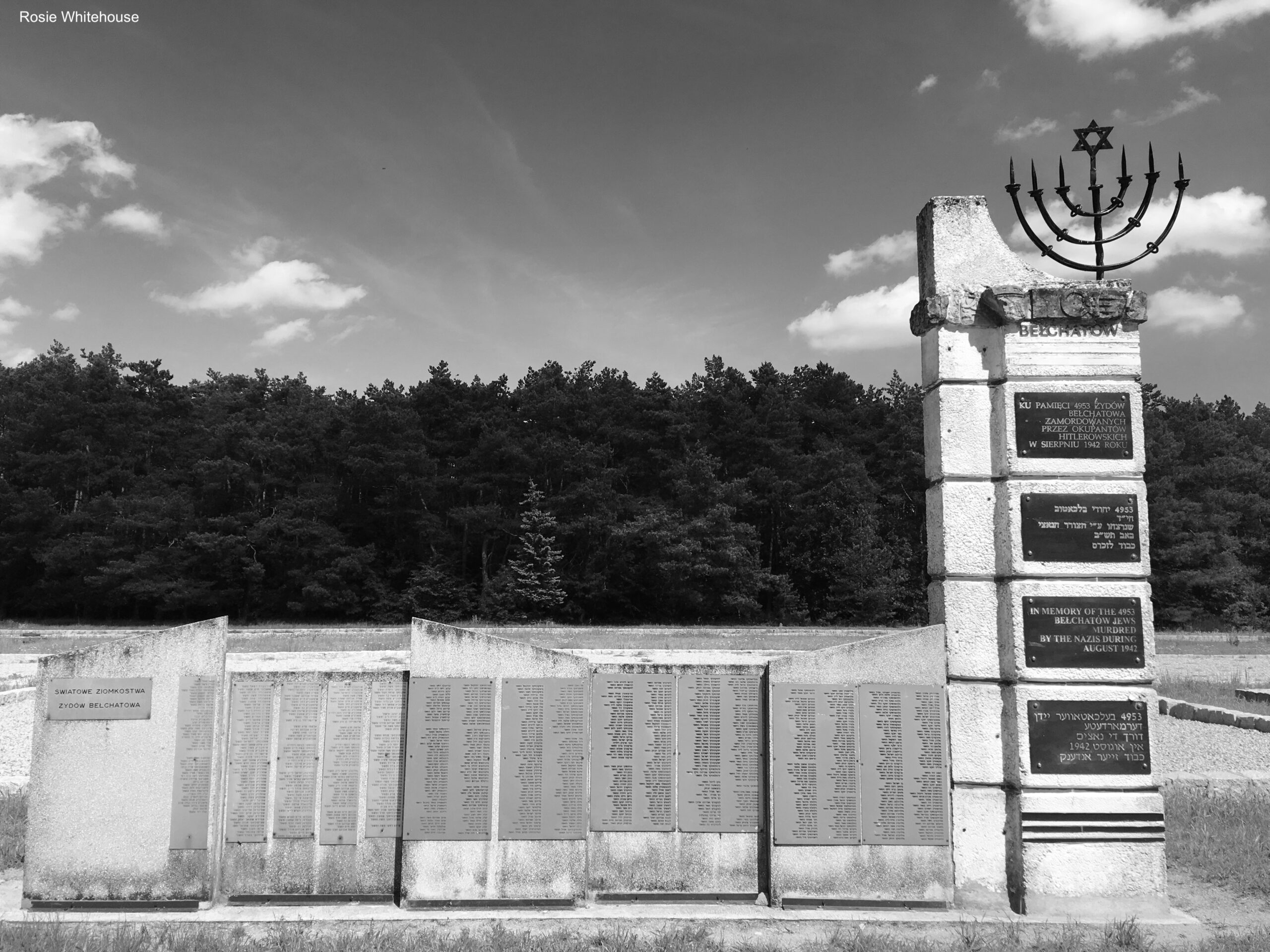
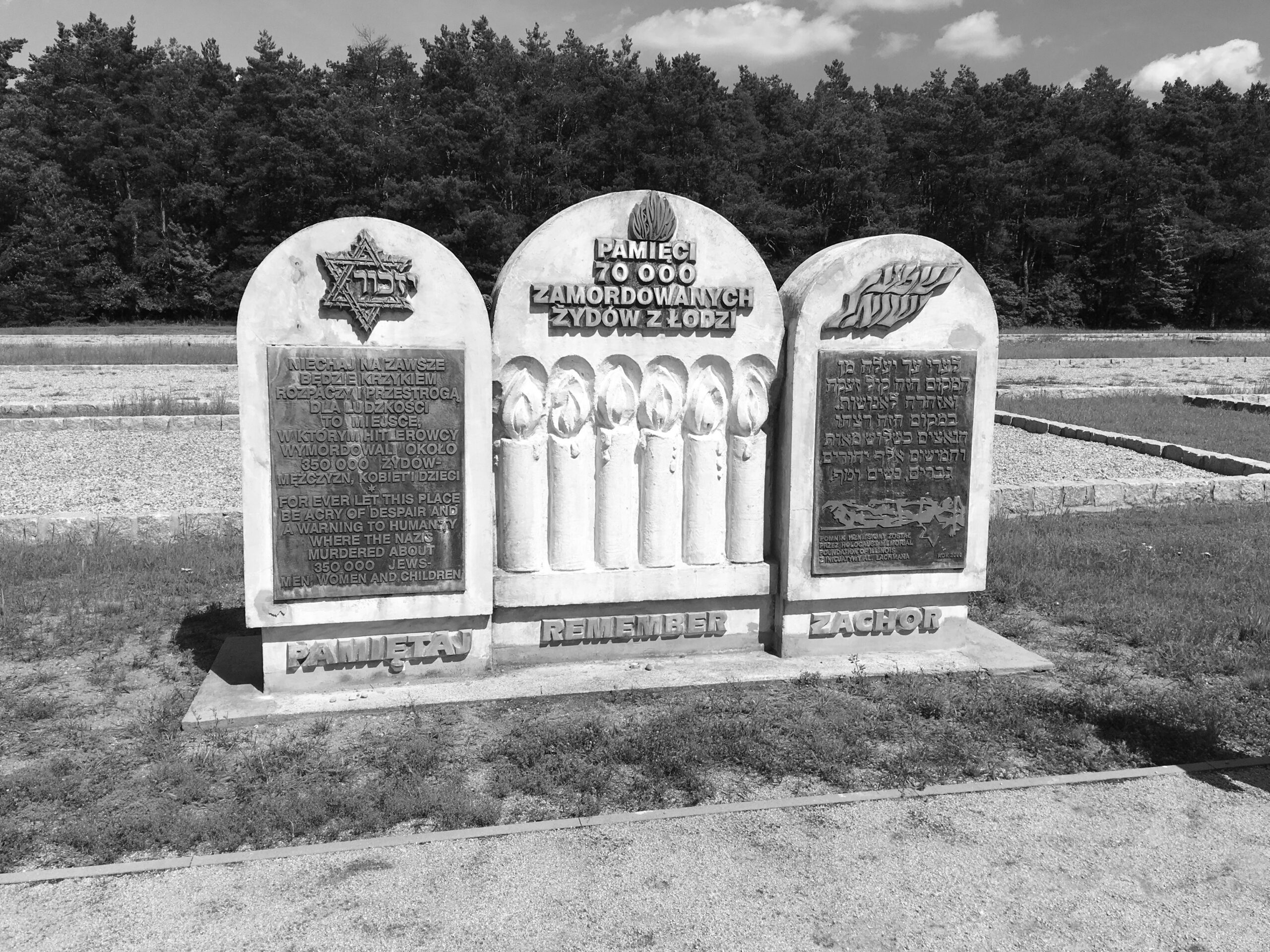
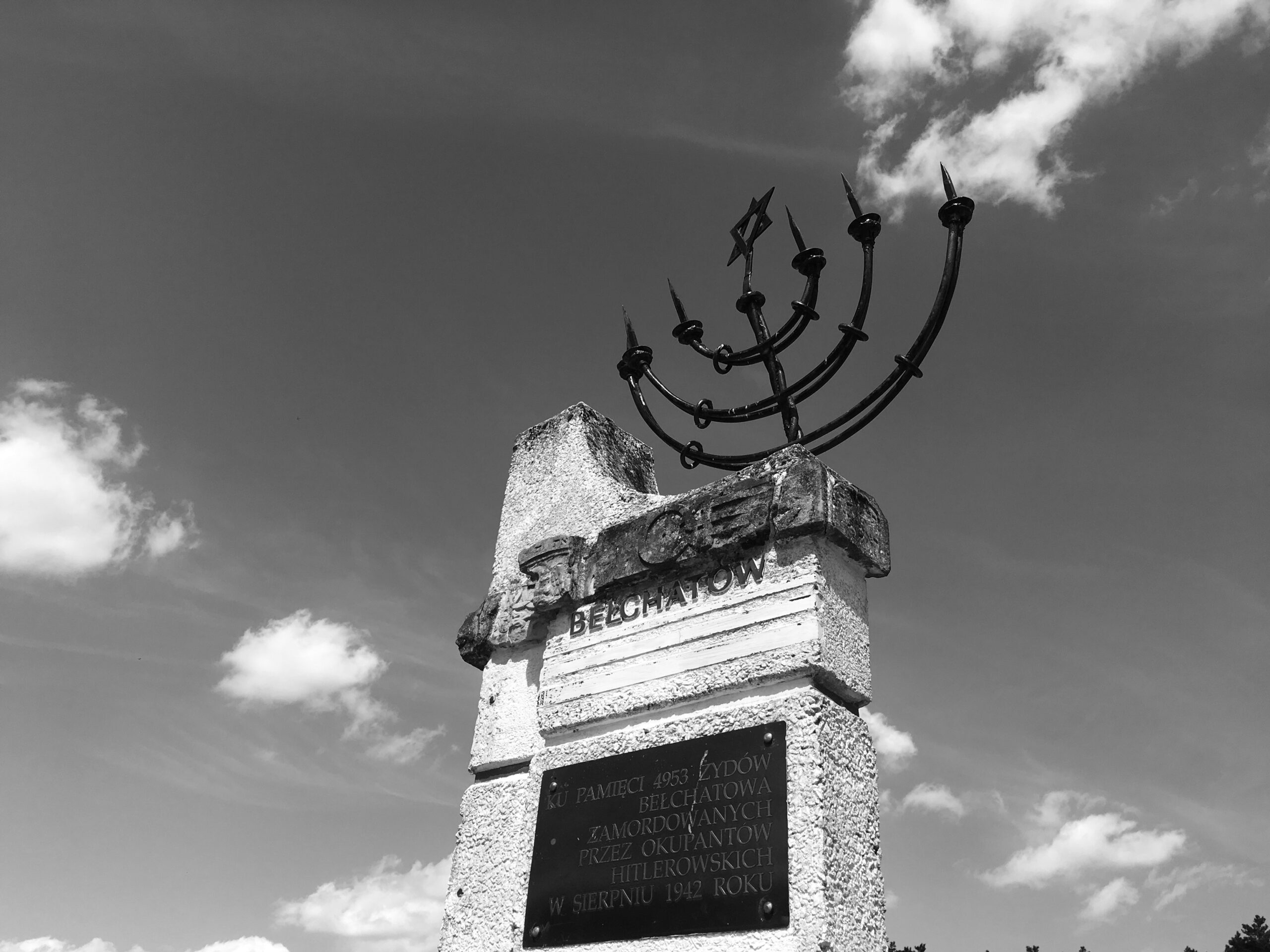
Members of the Boys families were murdered in Bełżec. Bełżec was an extermination camp – there were no selections for slave labour.
The Boys were teenage and child-Holocaust survivors, who were brought to the UK after World War II for rest and rehabilitation.
Members of the Boys were held in Nazi labour and concentration camps and used as slave labourers. They had also survived World War II in hiding or as lone children.
Bełżec Key Facts
Location: 289km east of Kraków,
Date of Operation: 17 March 1942, to December 1942
Operated by: Nazi Germany
Number of Victims: Estimated 434,500 to 600,000
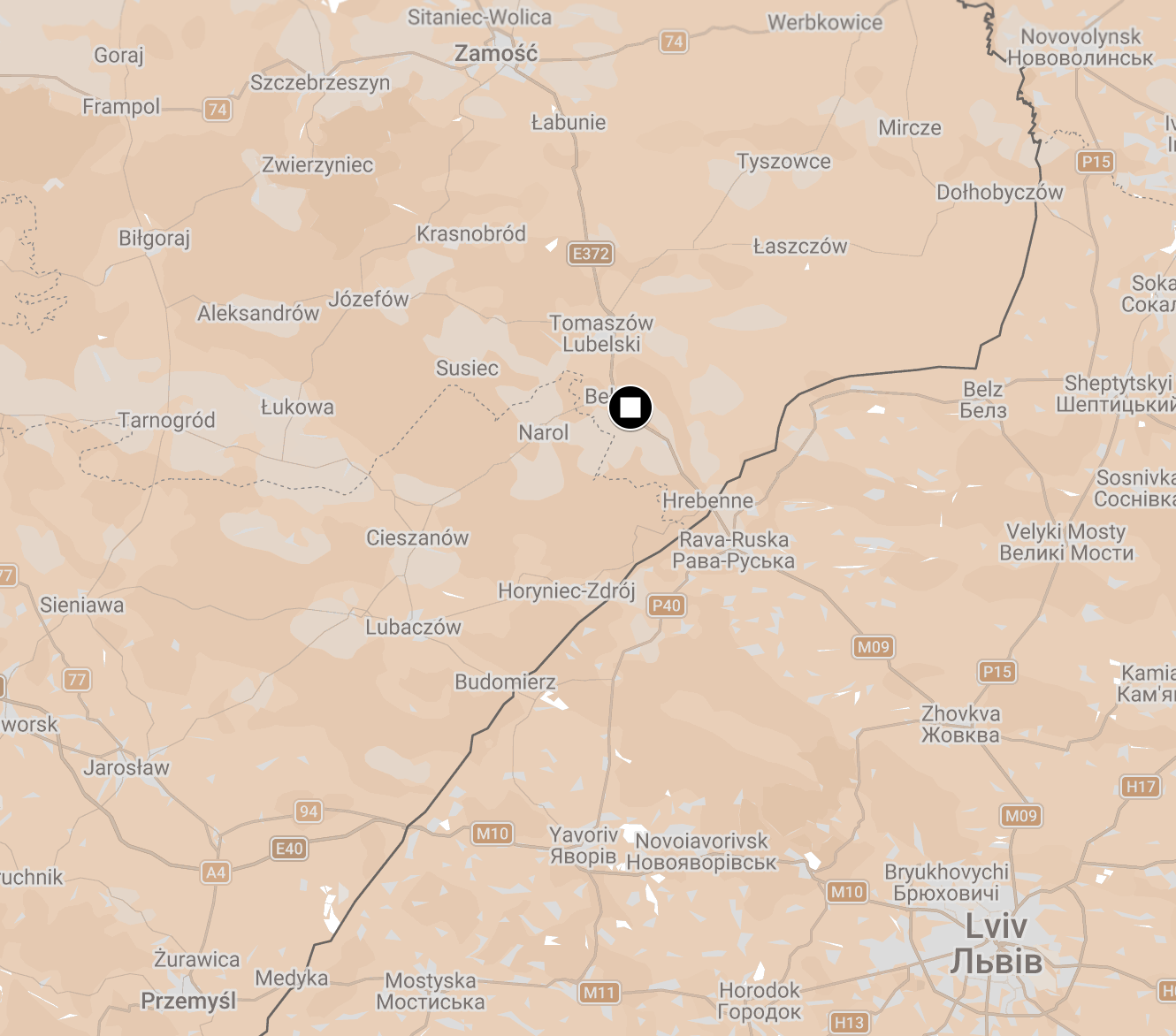
The former camp is, and always was, situated on the main road to Lviv which was then in Poland. Local trains pass by between the road and the camp, which was deliberately built just next to the mainline between Lviv and Lublin.
March 1942 deportation to Bełżec extermination camp.
History
When experimental gassing was carried out here in February 1942, the victims had little idea of what awaited them. As the weeks passed by, Jews arrived knowing what was going to happen to them and the unloading and processing became increasingly frantic. By December, 500,000 people had been consumed by the killing machine. It is thought that fewer than ten people escaped from Bełżec. Only two gave any testimony of what had happened there. One of them was murdered after the war and other made it to the safety of Canada.
Although the Germans had at first made no attempt to hide the camp, at the end of 1943 it was decided that all evidence of its existence would be eradicated. Holocaust denial began in the Holocaust itself. The Nazis replaced the camp with a new country house with landscaped gardens. Bełżec remained like this until the 1960s when a small memorial was erected in what by then was a run-down park.
There was no return from Bełżec and without a bevy of survivors the camp has found it hard to find a future and it gets few visitors. As a result, it does not figure in popular culture and like many aspects of the Holocaust is a forgotten story. Although Bełżec and Sobibór are now little known, the Polish Jews had no illusions when they arrived at the death camps. There was often violence as they fought for their lives. Their existence was common knowledge that was brought out of Poland by the underground agent Jan Karski and the Allies were aware of the camps existence.
Visiting Bełzec
>
Getting there Bełżec is located in southeastern Poland near the Ukrainian border, it is a 90-minute (100 km) drive south of Lublin, or roughly 50 km south of Zamość via national road DK17. Train connections to the Bełżec station from major cities are infrequent. However, the Museum and Memorial in Bełżec is just a short 3- to 5-minute walk from the Bełżec train station.
Getting there From Zamość the main road to Ukraine leads south to Tomaszow Lubelski. In the suburbs on the 17/E72 just north of the Ukrainian border is the site of the Bełżec extermination camp (Ofiar Obozu Zagłady 4), which was the first of the Aktion Reinhard camps and a template for those to come. For independent travelers relying on transit, you can take a regional bus or limited Polregio train to the nearby hub of Zamość, and then connect to an onward bus to Bełżec.
What to see
Nazi extermination sites are not all the same. Bełżec is just the size of a few football pitches and must have been such a fever of intense activity that no one passing by could have failed to notice.
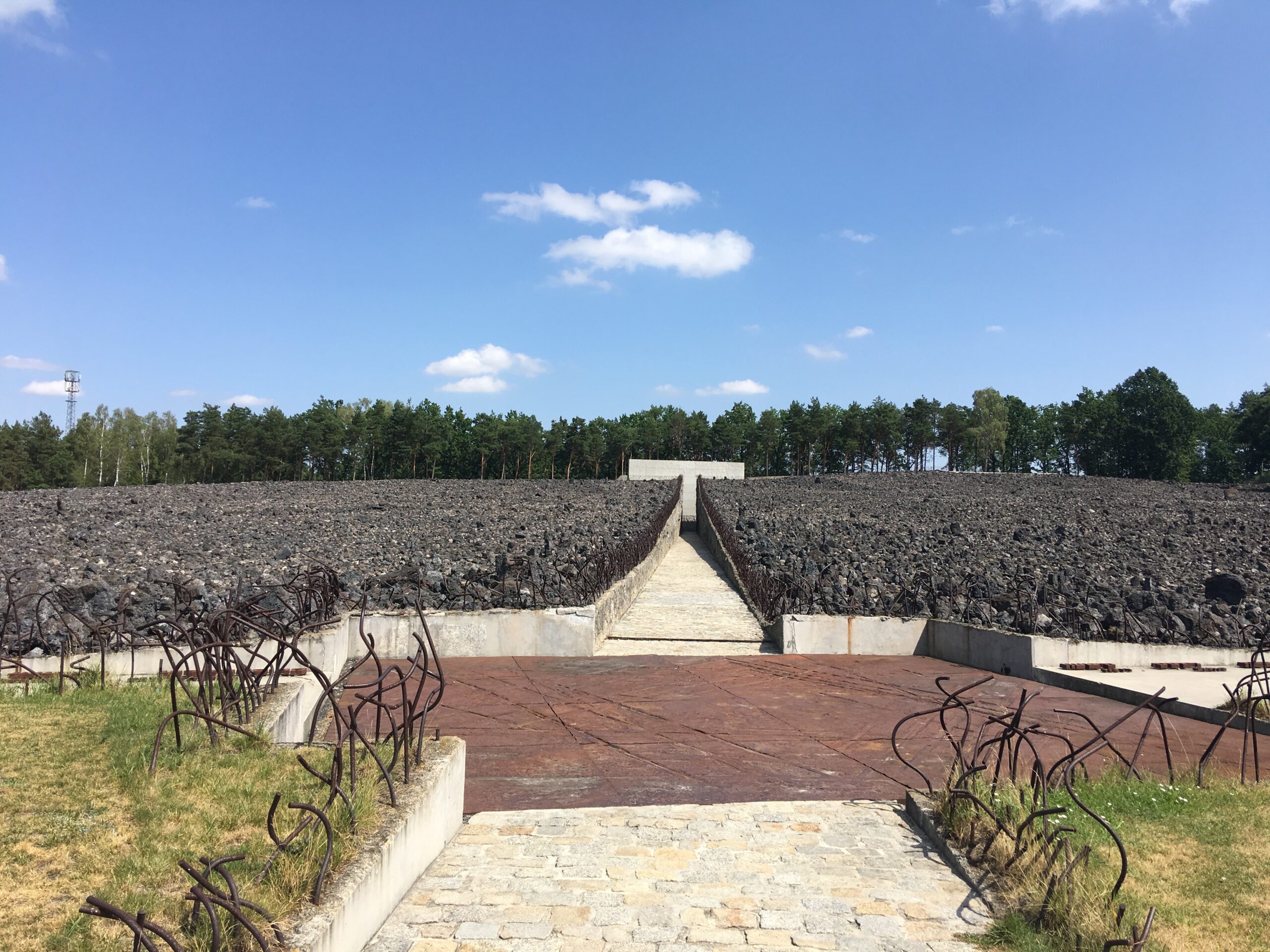
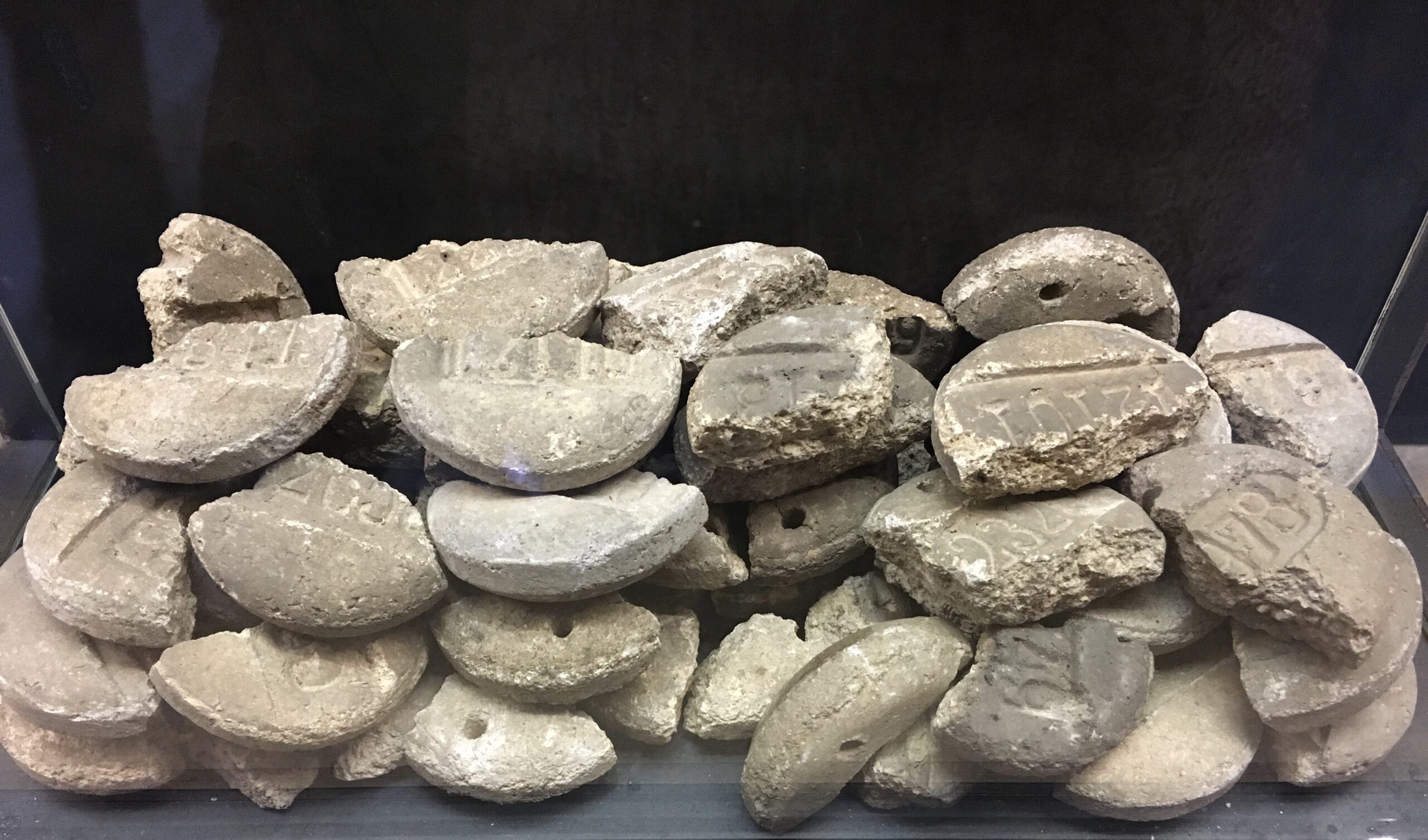
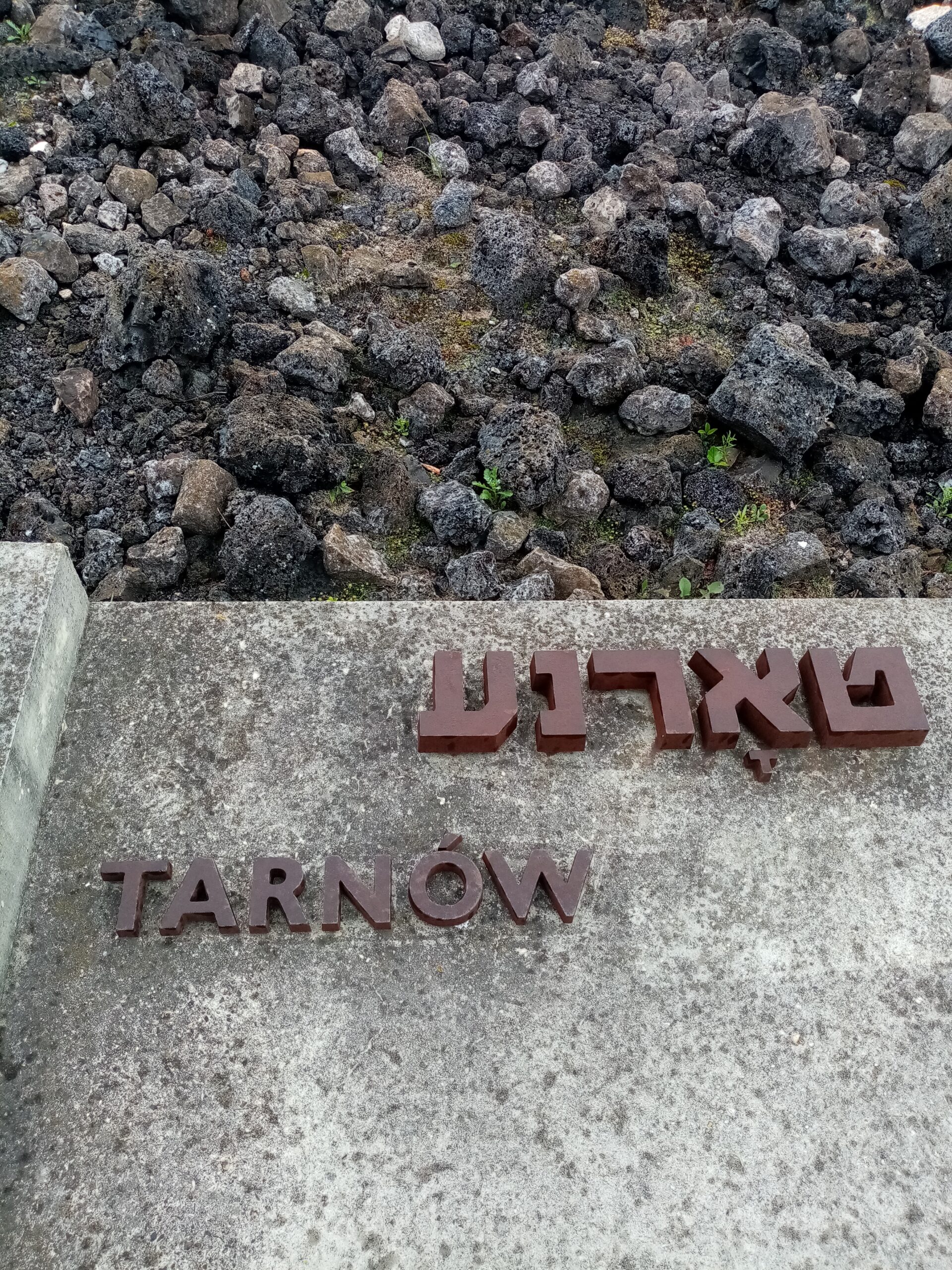
In 2004, Bełżec edged back into the national consciousness when a striking memorial was built. Covered in twisted wire and industrial slag, it rises up the hill, a straight path cuts through the middle. It follows the original path to the gas chambers, which was to prove to be a design flaw. It was too easy for the victims to see where they were being taken and is the reason at Sobibór the path twists in order to conceal the destination. The tracks at the left of the gate are not from Bełżec but were used in Treblinka. To the right of the entrance there is a fascinating exhibition in the Muzeum I Miejzsce Pmięci w Bełżcu ([w] belzec.eu; [o] 09.00–17.00 Tue–Sun; free). Note the concrete disks found in the excavations. One theory is that they were given to victims in return for valuables playing into the illusion that they were being taken to a bathhouse. As in so many camp museums there are crushed Nivea cream tins. The museum also has an excellent website with a series of online exhibitions.
Pebbles on show at the Bełżec Memorial believed to have been given to victims in receipt of valuables.
Members of the Boys were born in Kalisz in Poland.
The Boys were teenage and child-Holocaust survivors, who were brought to the UK after the war for rest and rehabilitation.
Members of the Boys were held in Nazi labour and concentration camps and used as slave labourers. They had also survived World War II in hiding or as lone children.
The oldest city in Poland, Kalisz also played a pivotal role in Polish Jewish history. In 1264, Bolesław the Pious, ruler of the western part of Poland (Wielkopolska), was the first to grant a charter to the local Jewish community, giving them settlement rights, legal protection, and certain religious and financial freedoms. This ‘Statute of Kalisz’ was extended to the whole country by King Casimir the Great and expanded by later Polish rulers. It provided the legal foundation for Jewish rights in Poland.
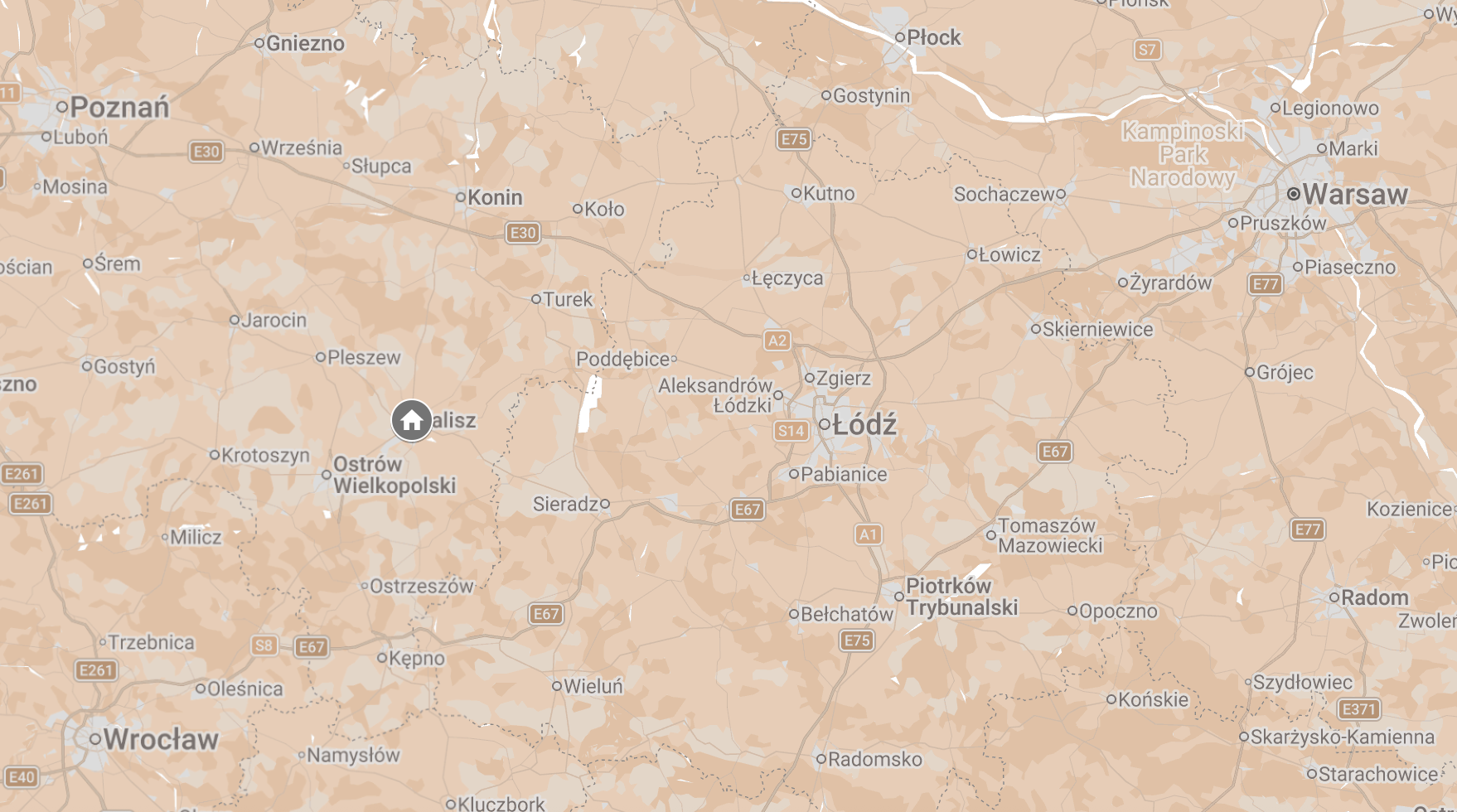
Map of Kalisz
Kalisz Key Facts
Country pre-1939: Poland
Country 1939-1945:
Country Post-1945: Poland
Yiddish name: Kalish
German name: Kalisch
Location: 120km west of Łódź
Population 1939: 81,052
Jewish Population 1939: Approximately 27,000
Population 2026: Approximately 89,000 to 91,000
Jewish Population 2026: Under 10
Background
The first Jews came to Kalisz in the mid-12th century, seeking refuge from persecution in Bohemia and Germany. By the 13th century, they had already established one of the most important Jewish communities in Greater Poland.
The Jewish presence in Kalisz was not without friction with the Polish community and in the early 19th century Jewish residency was limited to a specific area. When this was lifted in the later half of the century the Jewish population grew considerably. By 1875 Jews made up 45% of the total population.
A dark day for Kalisz Jews came on 26 June 1878, when violent riots broke out during a Corpus Christi procession. A mob armed with sticks and stones began to attack Jewish houses and stores and the synagogue. The Russian authorities who then controlled this part of Poland did nothing.
The town’s Jewish community was dynamic and diverse. The majority represented traditional Orthodox Judaism, but a noteworthy and steadily growing group was made up by assimilated Jews from the intelligentsia, wealthy merchants and industrialists.
In the early 20th century, progressive Jews erected a Reform synagogue (the so-called German Synagogue) on Krótka Street. Despite their differences, Kalisz Jews worked together towards cultivating common traditions, supporting charity organisations, the Jewish hospital, and homes for the elderly.
Interwar Years
The period of the Second Polish Republic saw intensive reconstruction from the ravages of war and was a time of considerable development for Kalisz.
In the interwar period, Kalisz, which had a long history of producing lace and other textiles, became a centre for the garment industry. In 1921, of the over 500 Jewish-owned factories and enterprises, 400 produced clothing or textiles (other products included metals, lumber, and leather). Flour from the 12 Jewish-owned mills in Kalisz reached all parts of Poland. There was also a handful of Jewish professionals.
The Jews of Kalisz were not immune from the antisemitism that swept across Poland in the late 1930s. The town had an active antisemitic press, and bands of ruffians would often attack Jewish traders and peddlers on isolated roads as they were making their way to area markets. The situation deteriorated to the point that in 1936 a delegation of merchants traveled to Warsaw to present their case to the Prime Minister and the Ministry of Interior.
In 1937, Jews were forced to set up shop in a separate area in the town market, and Polish nationalists stood guard to ensure that Christians did not patronise Jewish-owned stalls.
Jewish Life in Kalisz
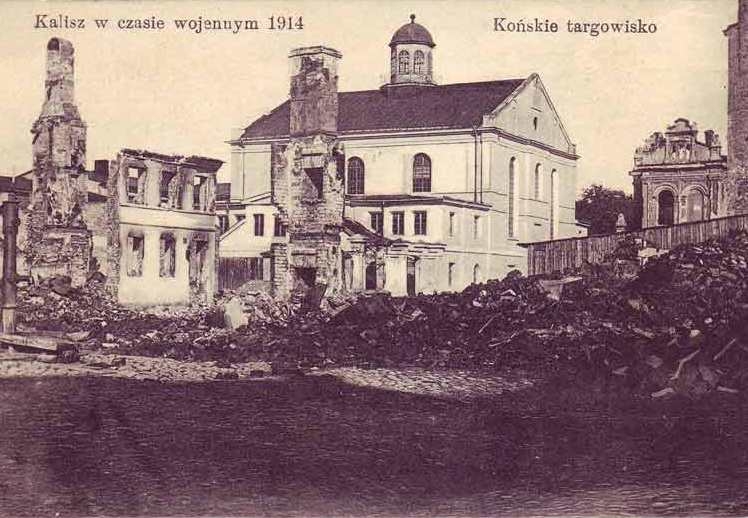
Kalisz Wielka Synagoga 1914
In the interwar period, Kalisz boasted numerous Jewish social, cultural, and charitable organisations. Kalisz also had active Jewish sports associations. The performing arts were also cultivated in Kalisz. Jews could enjoy performances by a Jewish orchestra, a brass band, and a theatrical troupe. Local Bund members were especially active in this arena, creating a cultural club, a drama club, a Working Women’s Club, and the Comet Amateur Theatre.
By the 1890s Kalisz boasted two large synagogues and close to 40 smaller prayer houses. Three more synagogues, including one in the style of German Reform Judaism, were built in Kalisz in the first decade of the 20th century.
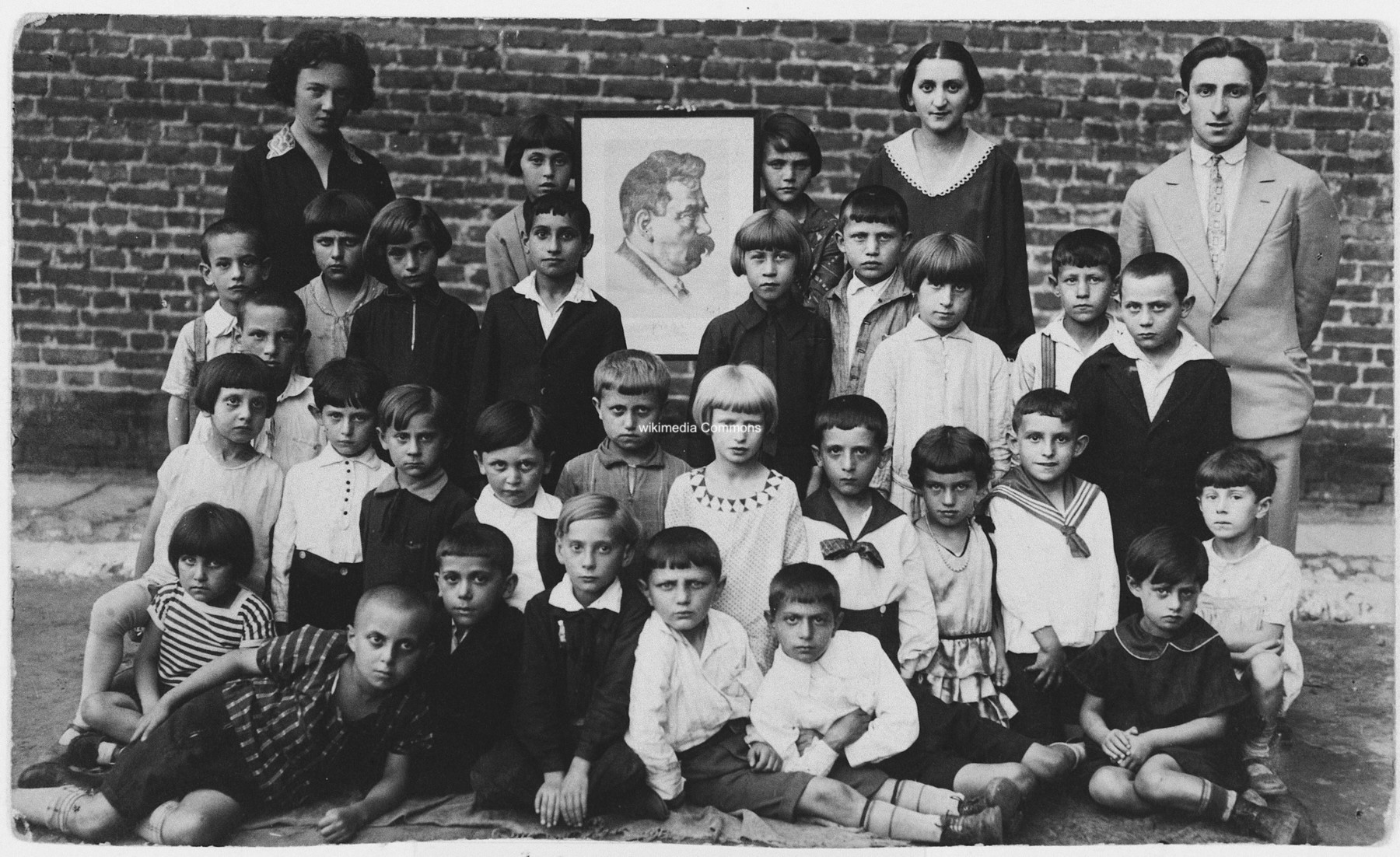
Kalisz also had an array of Jewish political parties: Zionist, socialist Bundist and religious orthodox. These differing political visions were mirrored in the Jewish schools of Kalisz which by World War I included a bilingual Jewish high school, two Yiddish-oriented schools, and an Orthodox educational network of 1,800 students. Since Jewish workers constituted 45 percent of all wage-earners in Kalisz, it is not surprising that Jews played an important role in the town’s trade unions.
Youth movements played an important role in the Kalisz Jewish community and could be found on all points of the political spectrum.
World War II
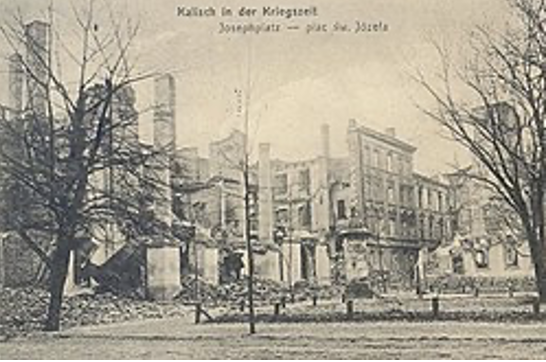
Wartime destruction in Kalisz.
The Germans invaded Poland in September 1939. The part of Poland were Kalisz is located was then incorporated into the Reich as the Warthegau.
German violence towards the Jews of Kalisz started the moment that Wehrmacht troops entered the town. Following the outbreak of World War II, a large proportion of Kalisz’ Jewish population, which was about 20,000.
The town began to take on a decidedly more German character. All Polish signs were removed and replaced with German ones, streets received German names, and portraits of Hitler began appearing in display windows.
German soldiers demolished the Great Synagogue on Złota Street and threw the Torah scrolls and other religious items into a canal on the Prosna River. In mid-November, an order came in to mark all Jews (regardless of age or sex). They were to wear a 10-centimetre-wide yellow band on their right arm. In addition, they were forbidden from leaving their houses between 5pm and 8am. Failure to abide by these regulations was punished with death.
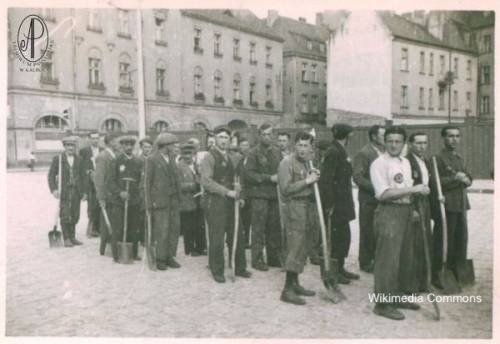
Beatings of Jews, desecration of places of religious worship, pillaging, persecution, and humiliation all went unpunished and made up the everyday life for the Jewish population in September 1939. Soon, round-ups began, with the captured people sent to perform back-breaking labour, during which they were both physically and mentally abused. For base entertainment, German soldiers began to “toy” with Jews, forcing them to conduct prayers in the street, to dance and sing. A favourite past time of Wehrmacht troops was stopping Orthodox Jews in the street and shaving, burning, or ripping off their beards and payot, and forcing them to perform their ablutions in the Prosna River. Women were also rounded up and ordered to clean floors (often using their own clothes) or peel potatoes. This was only a prelude to what these people would soon face – displacement and the Holocaust.
Deportations
The German plan to “cleanse” the territories incorporated into the Reich was to be implemented through the relocation of all Jews to the General Government between November 1939 and February 1940. Mass deportations of Jews began on 10 November, starting with the wealthier streets, where Germans would then place Baltic Germans arriving in Kalisz. Jews were given ten minutes to pack and they were only allowed to take basic items. Their luggage could not exceed 15 kg. The Jews were temporarily placed in the Bernardine monastery; some managed to escape.
Kalisz Ghetto
All Jews still remaining in Kalisz by the spring of 1940 were moved to Lustig’s factory and other industrial buildings on Złota Street. It is estimated that there were 612 Jews in Kalisz at the time, and the following year, only 430. The ghetto’s population worked in craft workshops, local businesses, and performed cleaning works around the town.
In November 1940, many of the 1,000 patients from the Jewish hospital were taken into sealed, black trucks. A total of 270 old and infirm people were gassed in the trucks. In November 1941, the black trucks showed up once again, and 290 Jews were killed. The victims gassed in the trucks were buried in the forests around Kalisz.
After Liberation
Following the war, Jewish Holocaust survivors returned to the city, by 1946 numbering some 500. By the late 1940s only some 100 remained, and those few who stayed blended into non-Jewish society. Today, Kalisz has no Jewish community.
Pre-war Kalisz
Kalisz Ghetto
Modern Kalisz
Visiting Kalisz
>
The Jewish quarter was centered around Nowa Street (now mostly Złota and Alfons Parczewski Streets). It was a vibrant hub of economic, cultural, and religious life with numerous synagogues, prayer houses, Yiddish schools, and active political parties.
The Jewish neighbourhood of Kalisz was in the northwest area of the central city, along the main Nowa Street boulevard. Nowa and adjacent streets were the site of the Great Synagogue and the House of Study. The bridge that carried Nowa Street over a branch of the Prosna River was the heart of Jewish activity. Well-to-do Jewish families lived in various areas of the city.
The Talmud-Torah building, a religious school for boys in Kalisz, still stands today at the intersection of today’s Złota and Targowa Streets (address: ul. Targowa 1). It underwent significant transformations after World War II. It currently houses the Second Tax Office.
Synagogue
The Great Synagogue (currently nonexistent, located by the former Horse Market on the so-called Rozmarek and on the corners of Żydowska Street (currently Złota Street) and Nadwodna Street (currently Alfons Parczewski Street).
The privilege of building the synagogue was granted to the Jews in 1358 by Casimir the Great (Polish: Kazimierz Wielki). This oldest synagogue was probably wooden. In the middle of the 17th century a brick synagogue was erected by so-called Rozmarek. It was burnt during the great fire of the town in 1792. It was rebuilt thanks to the wealth of the Kalisz community but it was consumed by fire in 1852. Another synagogue, the so-called Great, could not match the predecessor in its architectural form. It was surrounded by various extensions serving economic and ritual purposes. Its closest neighbourhood was created by the square called the “Horse Market”. The synagogue, where there were objects of worship of great artistic value, was robbed and then demolished by the Nazis during World War II. In order to commemorate the Kalisz Jewish community and the destroyed synagogue, Kalisz local government funded a commemorative plaque at the Rozmarek Square in 2014
Memorials
The monument of books – Planty in Kalisz (Babina Street)
It is an unusual monument commemorating thousands of books from Kalisz libraries – Polish and Jewish. In the years 1940-42 the Nazis threw them into the Babinka channel – the arm of the Prosna River – which was being filled in at that time. The memorial plaque in the form of an open book was made in 1978 by the sculptor Jerzy Sobociński according to the design of the Kalisz artist Władysław Kościelniak. It is the only monument in Europe dedicated to “murdered books”, which are a symbol of culture and a testimony to the intellectual potential of occupied nations.
Cemeteries
The Old Jewish Cemetery
The New Jewish Cemetery
The old Jewish cemetery in the Rypinek district functioned since the end of the 13th century. In 1919, due to the lack of places for burials, a new Jewish cemetery was established by the current Podmiejska Street. In 1921 a fence was erected, and in 1926 the construction of a pre-burial house began. The new cemetery became the resting place of mainly reformed and assimilated Jews. Therefore inscriptions in German and Polish can be found on the preserved in situ sandstone matzevahs (Jewish headstones), or wealthy monuments of black marble. In 1932 Rabbi Jechaskiel Lipszyc, respected not only in the Jewish community, was buried in the cemetery. The rabbi’s ohel has survived to our times. Jews who come to Kalisz pray and leave their requests there. During World War II, the Germans devastated the area of the cemetery, which was also the place of execution of 326 Poles. The cemetery and the pre-burial house survived the occupation. In 1998 the then Governor of Kalisz province conveyed the cemetery area to the Jewish religious community in Wrocław. It is the legal successor of the nonexistent Kalisz community. Thanks to Zenon Sroczyński, a businessman and Baruch (Bolek) Kolski, the pre-burial house was renovated – it became the House of Remembrance.
.
OLD CEMETERY: The first, established at the end of 18th century on the hill between the villages of Dobrzec and Rypinek, is on the site called “On czaszkach” at today’s streets: ulicami: Skalmierzycką, Handlową, and Nowy Świat. Prince Przemyslaw II enabled the purchase of land for the cemetery in 1287 as follows in documentation: “Rupinjusz, the son of Jews and Jaska kaliscy, … said of his own free will that of his savings … of his inherited wealth Podgórze … their community [needs] the cemetery for elderly Jews; fees for the century are 9 and 2 talents of pepper saffron.” The cemetery was used for the next several hundred years and completely destroyed during WWII. Antique gravestones, at the order of the Nazis, were used to shore up the banks of the Prosna. In 1946, by decree, the State Treasury acquired the “abandoned” cemetery land. Subsequently, the site between blocks of flats contains an educational center for children with special needs and the ambulance station.
NEW CEMETERY: At the end of the 19th century, the old Jewish cemetery was full. The new cemetery was established. The main entrance to the cemetery is from ul. Podmiejskiej. On the right side of the gate is the renovated preburial house, now functioning as a memorial meeting house holding a collection of photos, many books, articles, and other memorabilia of the Kalisz Jewish population including a complete Torah scroll and ritual candlesticks. The building also functions for classroom lectures for schools and conferences on Jewish topics. On the left side of the entrance are the ruins of a brick building from the 1930s, a monument dedicated to victims of the Holocaust, unveiled in 1967 for ashes of a destroyed Jewish cemetery in Błaszkach. In the southern part is an obelisk commemorating the Jews murdered 1939-1945. In the middle of the cemetery are preserved gravestones partly in suit and others flat on the ground or set vertically.
The cemetery also has a symbolic grave of Kalisz Jews murdered in the Holocaust, erected after the war by their families.
 About
About History
 Education
 Quilts
 FIlms
FIlms Photos
 News Media & Events
 Publications
 Donate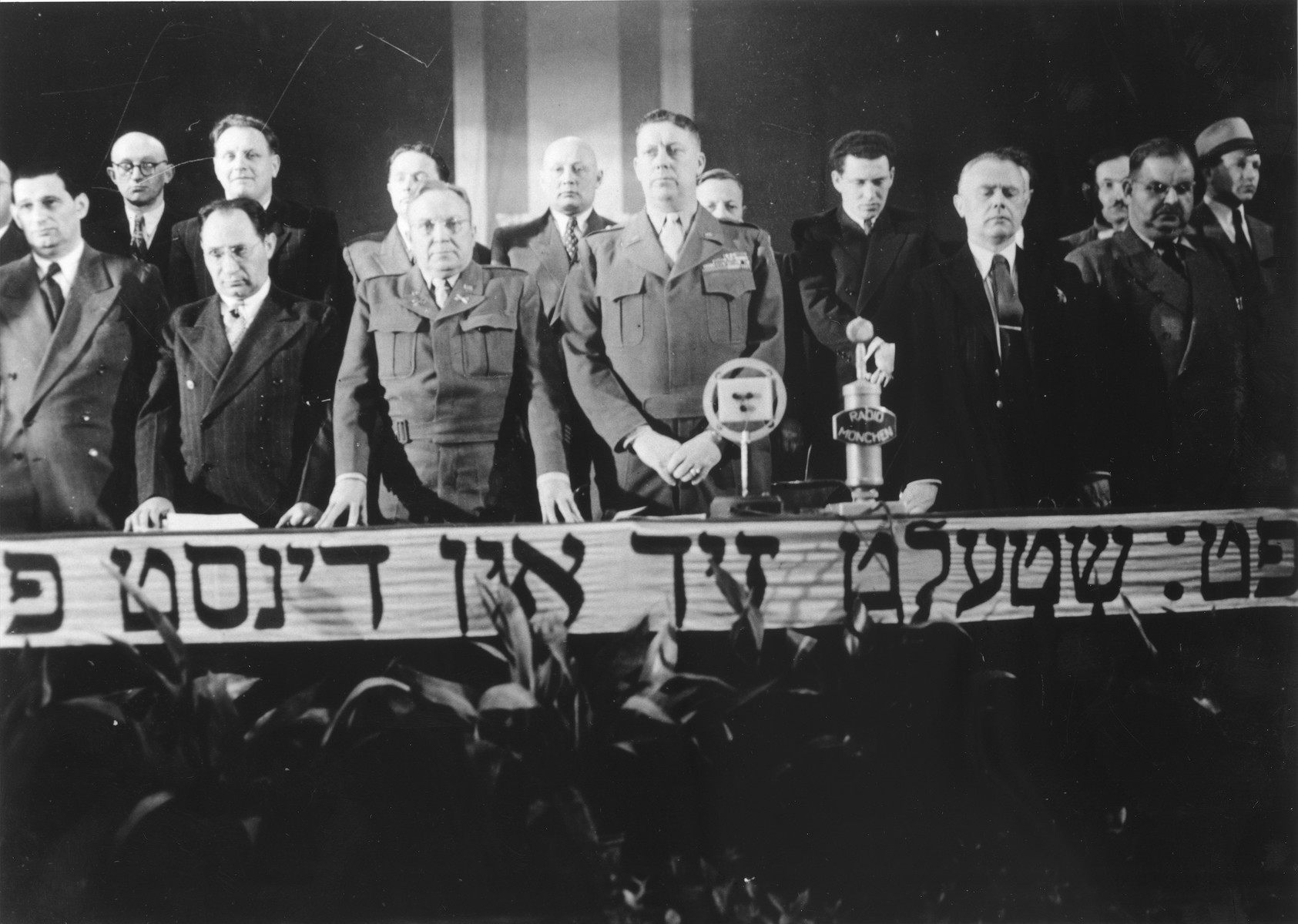
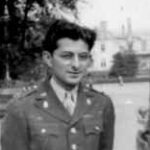 The committee in the American sector was established on July 1, 1945, at a meeting in Feldafing by leaders like Dr. Zalman Grinberg and U.S. Army chaplain Rabbi Abraham Klausner (pictured left).