Members of the Boys and their families were held in Jewish Houses in Austria, Germany and Hungary.
The Jewish Houses were individual segregated buildings where Jews were held prior to deportation to the east. They functioned as transit camps and were set up and run by Nazi Germany.
The Boys were teenage and child-Holocaust survivors, who were brought to the UK after the war for rest and rehabilitation.
Background
Immediately after the November Kristallnacht Pogroms of 1938, Hermann Göring, one of the most powerful figures in the Nazi Party, considered establishing ghettos in Austria and Germany. However, the police chief Reinhard Heydrich believed that police surveillance there would be difficult. He recommended housing Jews in Jewish houses, Judenhäuser, anticipating that they would be monitored “by the watchful eye of the entire population.”
Housing policies stripped Jews of property rights and Jews were crammed into these Judenhäuser which were segregated buildings that had previously belonged to Jews. They were deliberately placed apart from each other to avoid ‘ghettoisation’.
When deportations of Reich Jews began in the autumn of 1941, the concentration of people in these houses made it easier for the authorities to manage the logistics of deportations to the extermination camps and turned them into transit camps.
Austria
Following the 1938 Anschluss, roughly 170,000 to 180,000 Jews in Vienna faced immediate property theft, eviction, and forced sales of private homes under Nazi rule.
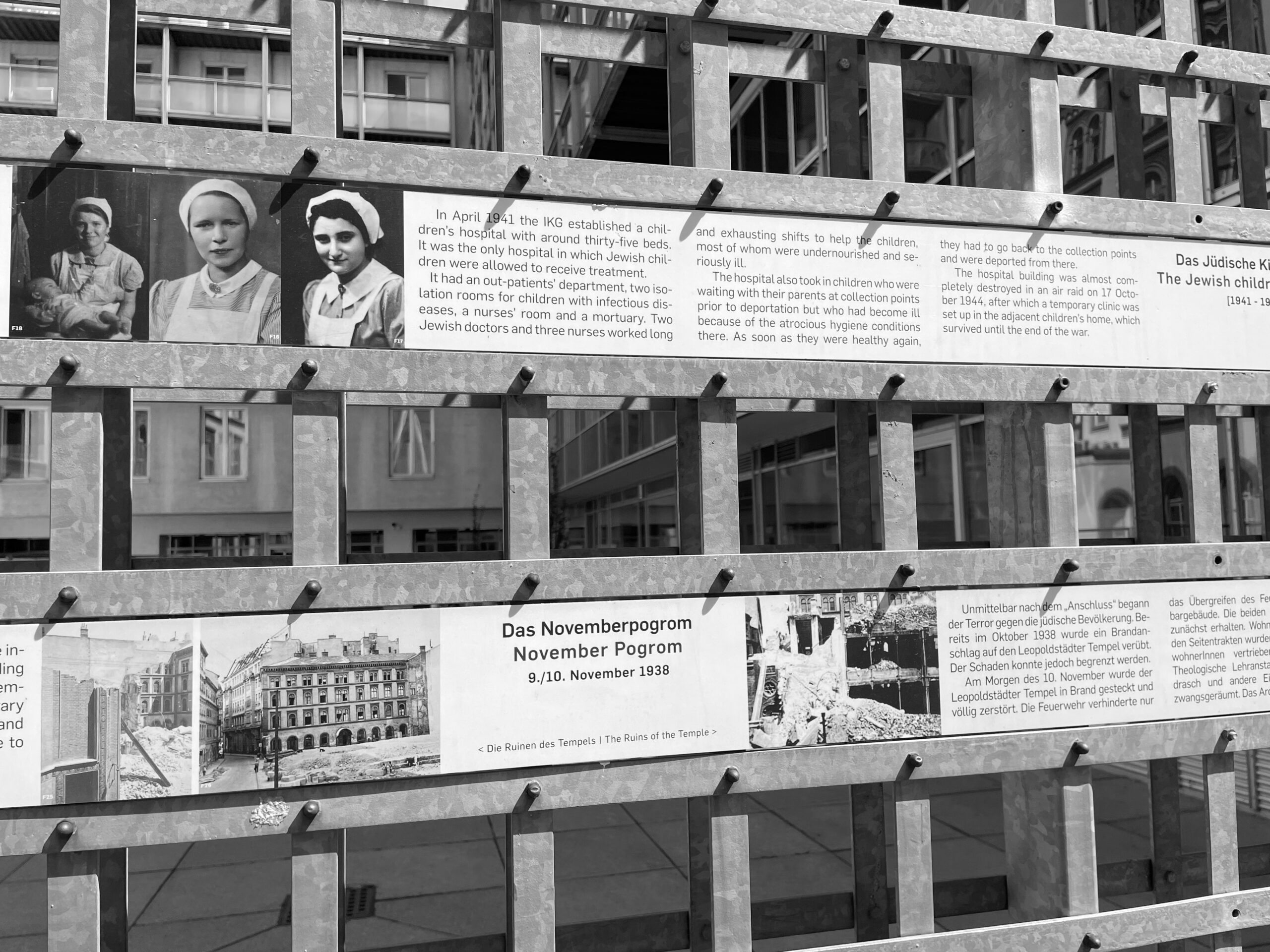
Judenhäuser, often referred to in Vienna as Sammelwohnungen or collective forced apartments, were then introduced. Sammelwohnungen were clustered in the inner and northern districts, particularly Leopoldstadt (the 2nd district). Abandoned Jewish children were taken to Jewish orphanages that also functioned as transit camps, among them was Jackie Young.
Specific locations like Grosse Mohrengasse 38, Kleine Sperlgasse 2a, Castellezgasse 35, and Malzgasse 7 and 16 served as primary transition points or assembly camps, sammellager, before victims were dispatched to concentration and death camps
Germany
Across Germany, Jews were forced out of their apartments and into tightly monitored marked collective housing, which was under the control of the Gestapo.
This freed up living space for the so-called German-blooded population at the expense of the Jews. The general housing shortage in major cities was constantly exacerbated by air raids. In Hamburg, over 1,000 apartments had already been destroyed by bombs by the end of 1941. Plans to redevelop Berlin also necessitated clearly large areas of the capital. The measure facilitated discrimination against Jewish residents and disrupted established neighbourly relations.
Numerous buildings had been transferred to the Reich Association of Jews in Germany because smaller religious communities could no longer afford their upkeep or were dissolving. Jews were often assigned to these facilities: makeshift conversions of kindergartens and schools into living quarters, old people’s homes and hospitals, offices and meeting rooms, prayer rooms and cemetery chapels.
The term ‘Jewish house’ was adopted into everyday language during the Third Reich. As an alternative to the Nazi term, the term ‘ghetto house’ is also used today.
Hungary
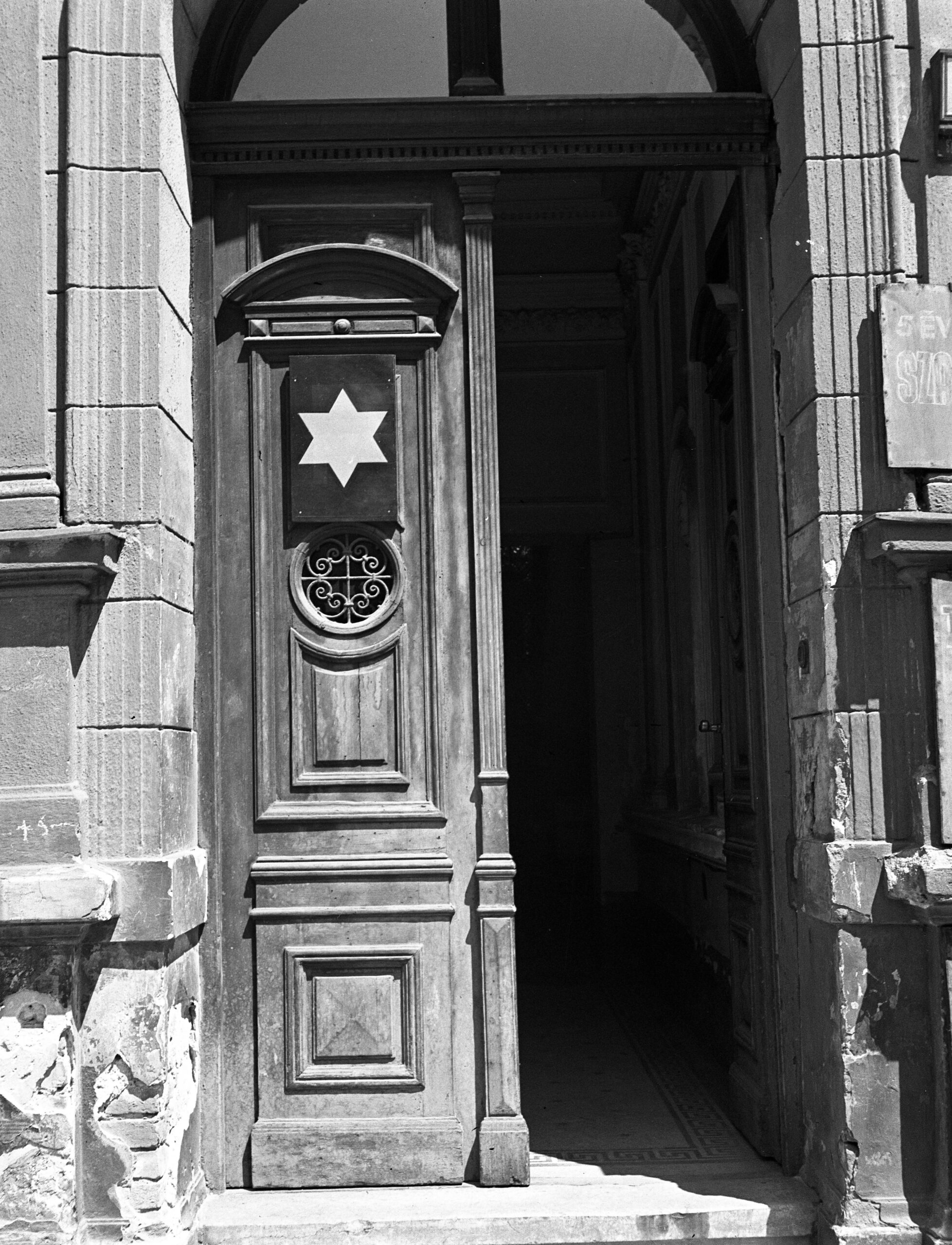
In June 1944, authorities in Budapest, Hungary, designated over 2,000 specific apartment blocks as yellow-star houses, csillagos házak. These houses were scattered throughout the city. Known as Yellow-star Houses, the buildings had to display a large yellow star near the entrance so the public could easily identify them.
Jews across the city were ordered to leave their homes and move into these marked buildings as a precursor to ghettoisation and transport to Auschwitz.
Where to See Former Jewish Houses
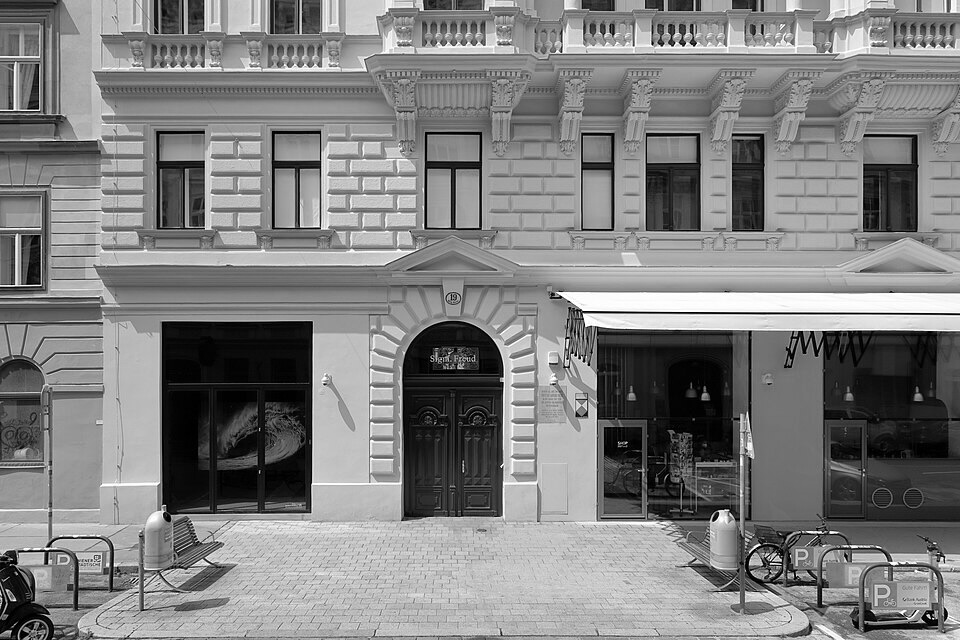
Vienna: Sigmund Freud Museum (Berggasse 19; w freud-museum.at) The home of the psychoanalyst Sigmund Freud (1856–1939) north of the city centre. The Freud family lived here from 1891 until they fled to the UK in 1938. The Freud family were among 110,000 Austrian Jews who managed to escape.
From 1939 onwards Jews were ordered into crowded designated buildings as their apartments were confiscated. Freud’s apartment was eventually confiscated in 1942. The newly renovated museum commemorates Freud’s neighbours and the 76 Jews detained in the building between the autumn of 1939 and spring 1942. While some escaped, the majority died in the Theresienstadt Ghetto or were murdered in extermination camps and the Shoah by Bullets in Riga and Minsk.
There is a memorial at the site of the former orphanage where Jackie Young was held at Tempelgasse 5.
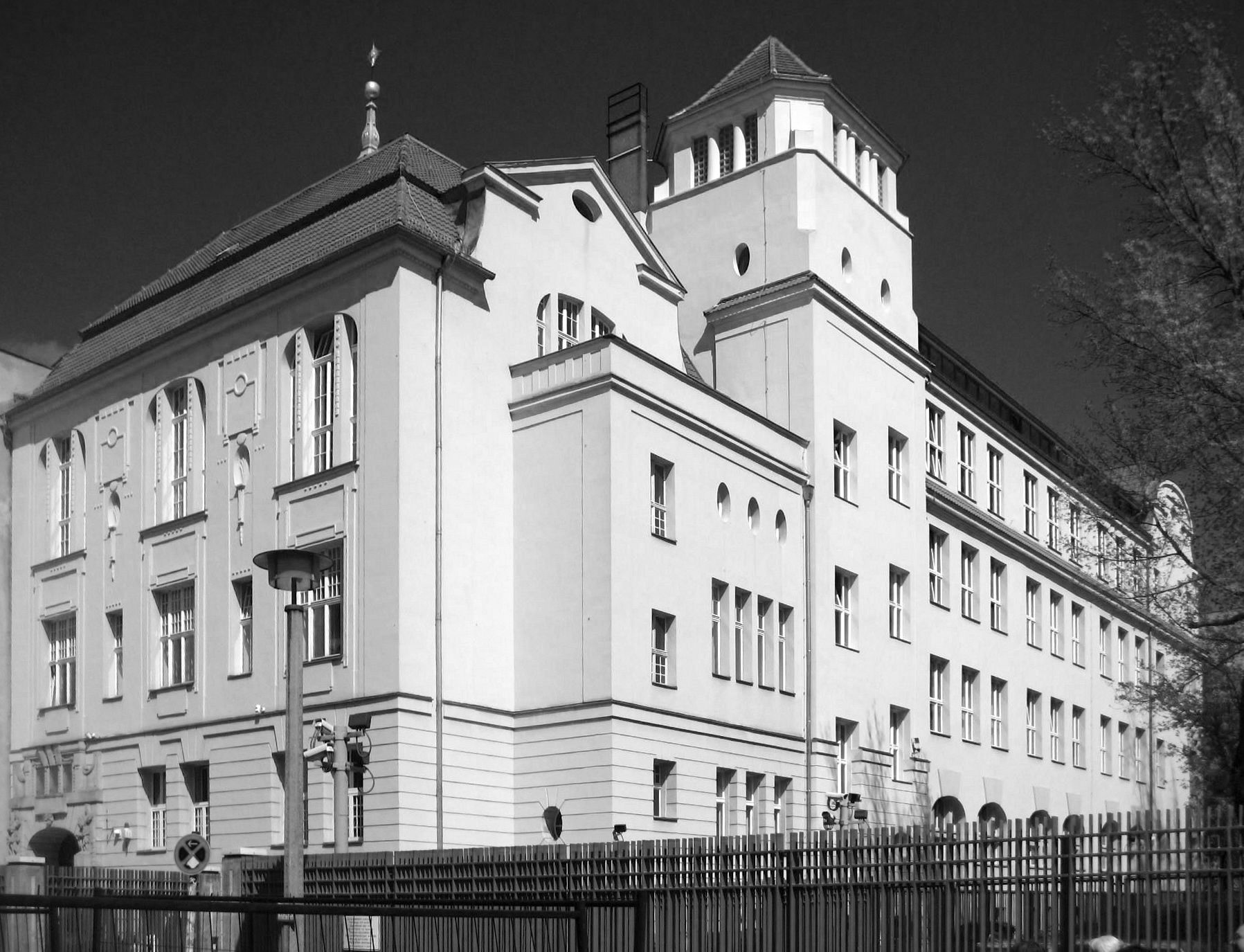
Berlin: The Jewish School at Grosse Hamburgerstrasse 27. After the school closed in 1942, it and the adjacent old people’s home (destroyed in a bombing raid) was used as a transit camp for Jews prior to deportation.
Budapest: The buildings that were once yellow-star houses are now private residences, but an interactive map on the informative Yellow-Star Houses website (w yellowstarhouses.org) marks their locations.

 About
About History
 Education
 Quilts
 FIlms
FIlms Photos
 News Media & Events
 Publications
 Donate