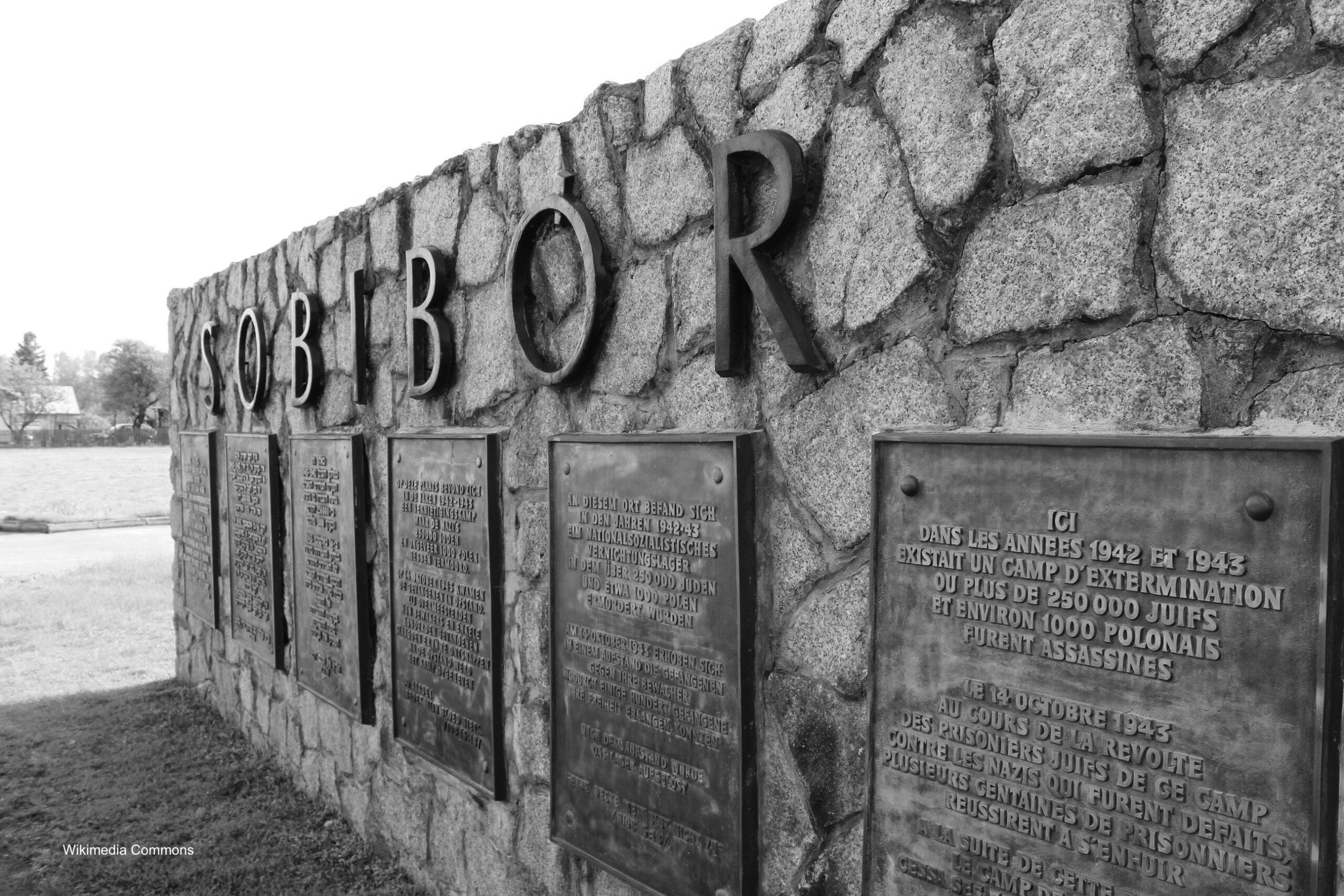
Members of the Boys families were murdered in Sobibór. Sobibór was an extermination camp – there were no selections for slave labour.
The Boys were teenage and child-Holocaust survivors, who were brought to the UK after World War II for rest and rehabilitation.
Members of the Boys were held in Nazi labour and concentration camps and used as slave labourers. They had also survived World War II in hiding or as lone children.
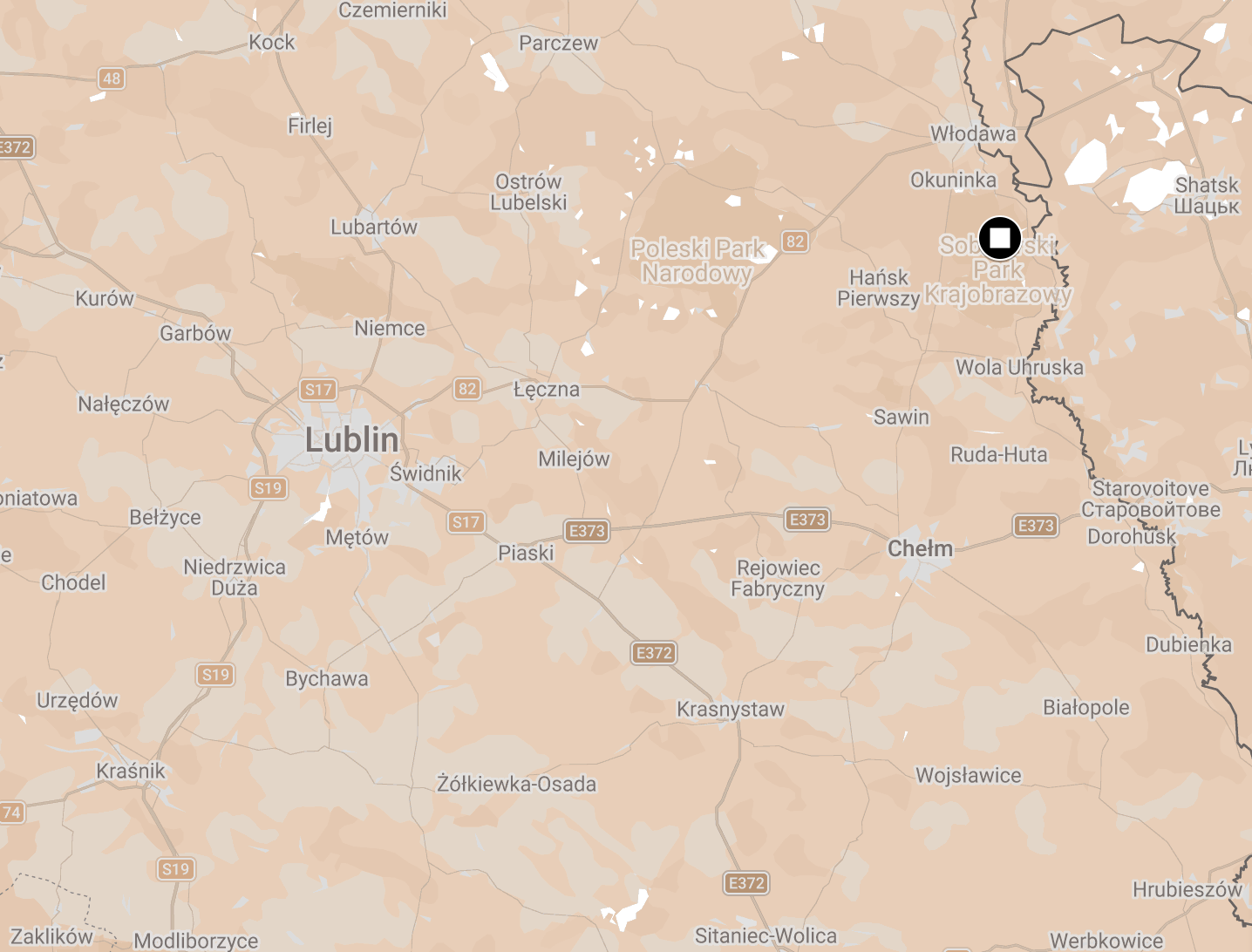
Location: 95km east of Lublin
Date of Operation: May 1942 until 14 October 1943
Operated by: Nazi Germany
Uprising: 14 October 1943
Number of Victims: Estimated 175,000 to 250,000
The wild untamed Bug slips into marshy woodland and forms a natural border between Poland and Belarus. Today this is a real political frontier where the EU comes to an end. Across the water, Belarus is in a world of its own, yet until the end of World War II much of it was part of the Polish heartland and there was no border here at all.
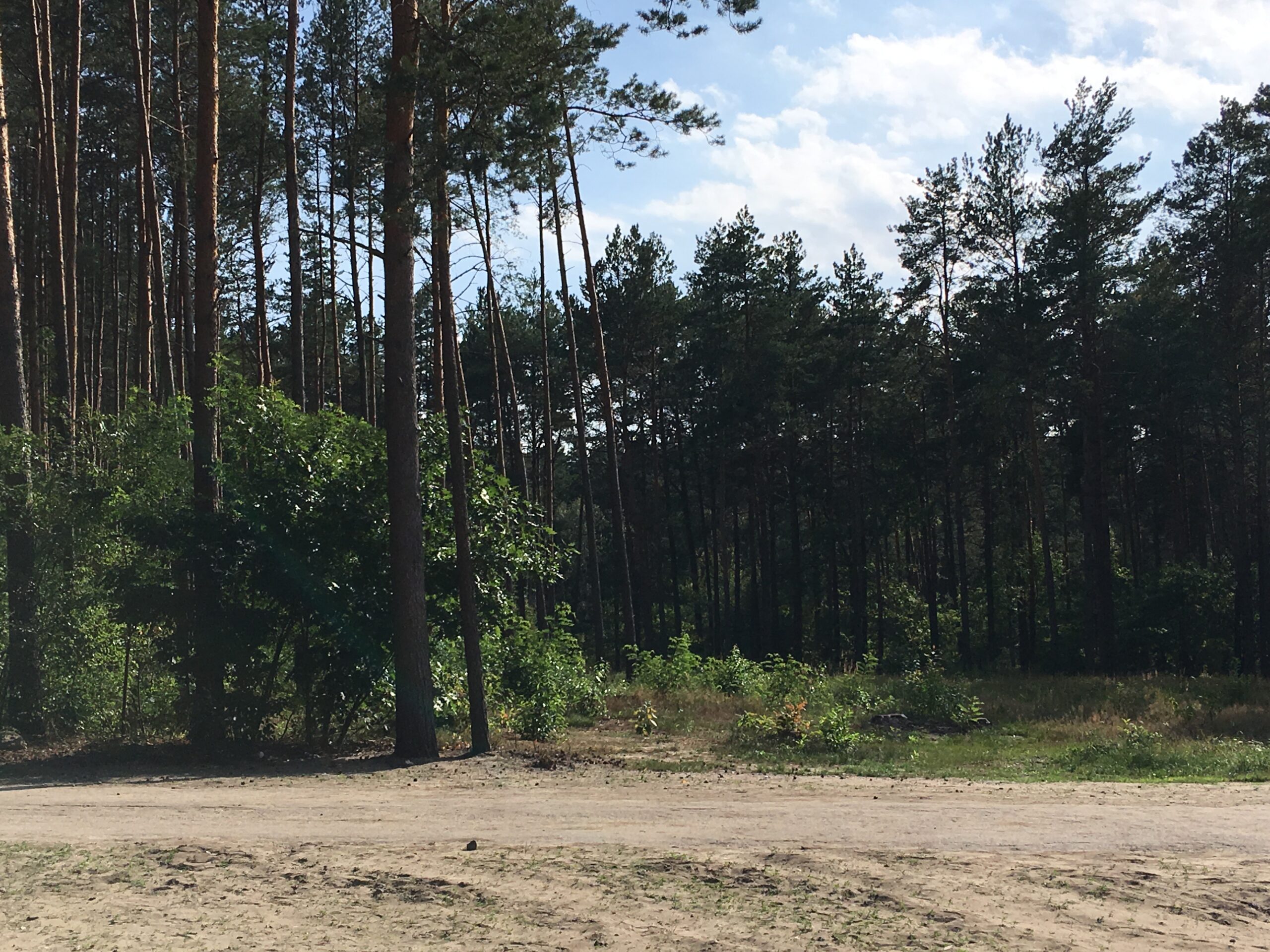
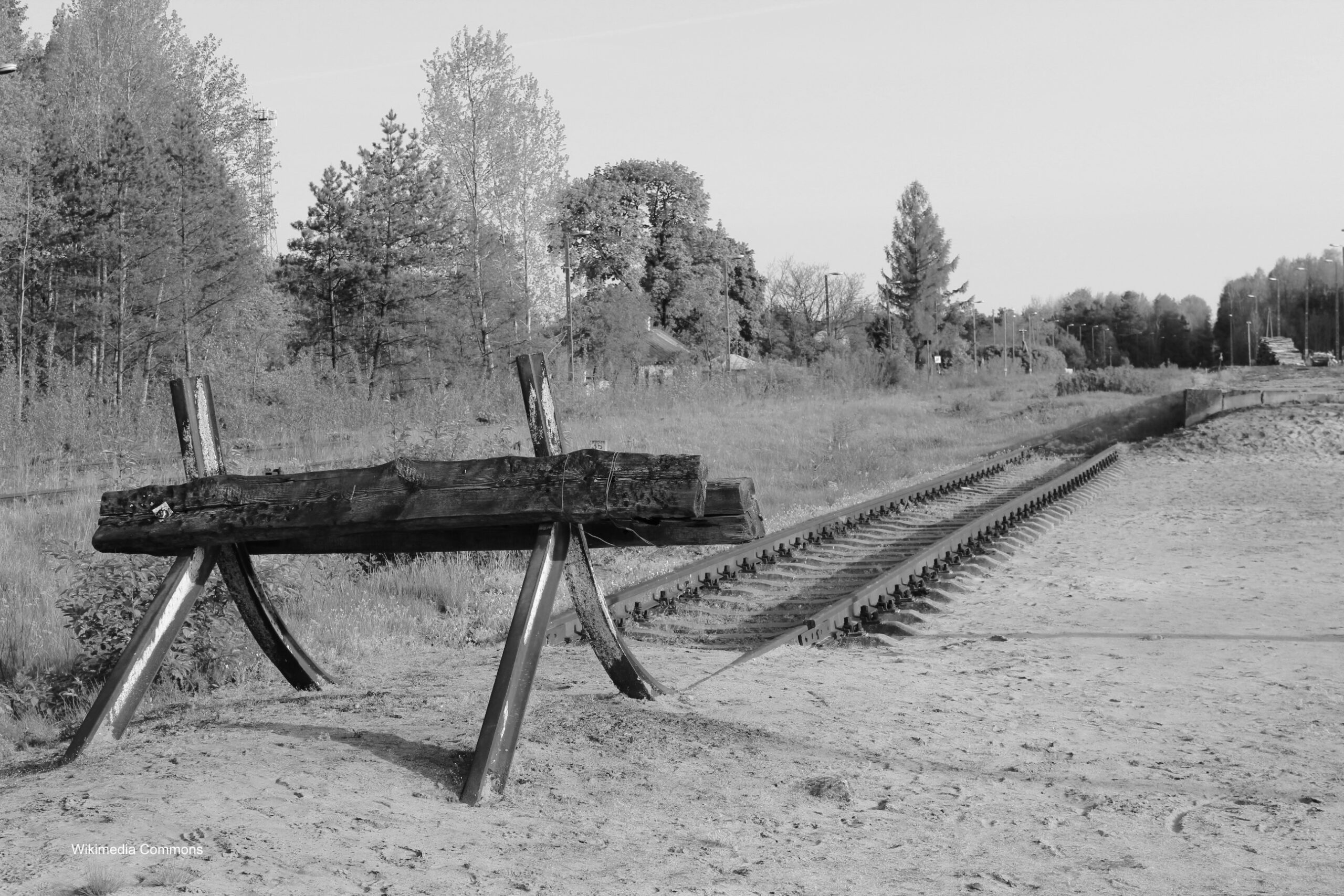
An empty road winds through russet trunked pines and sandy groves to the small village of Żłobek Duży 96km east of Lublin. The village is clustered around a lonely little siding. The station was built after the war was but the tracks that cut through the forest are original and come to an abrupt end at the site of the deadly Sobibór extermination camp.
History
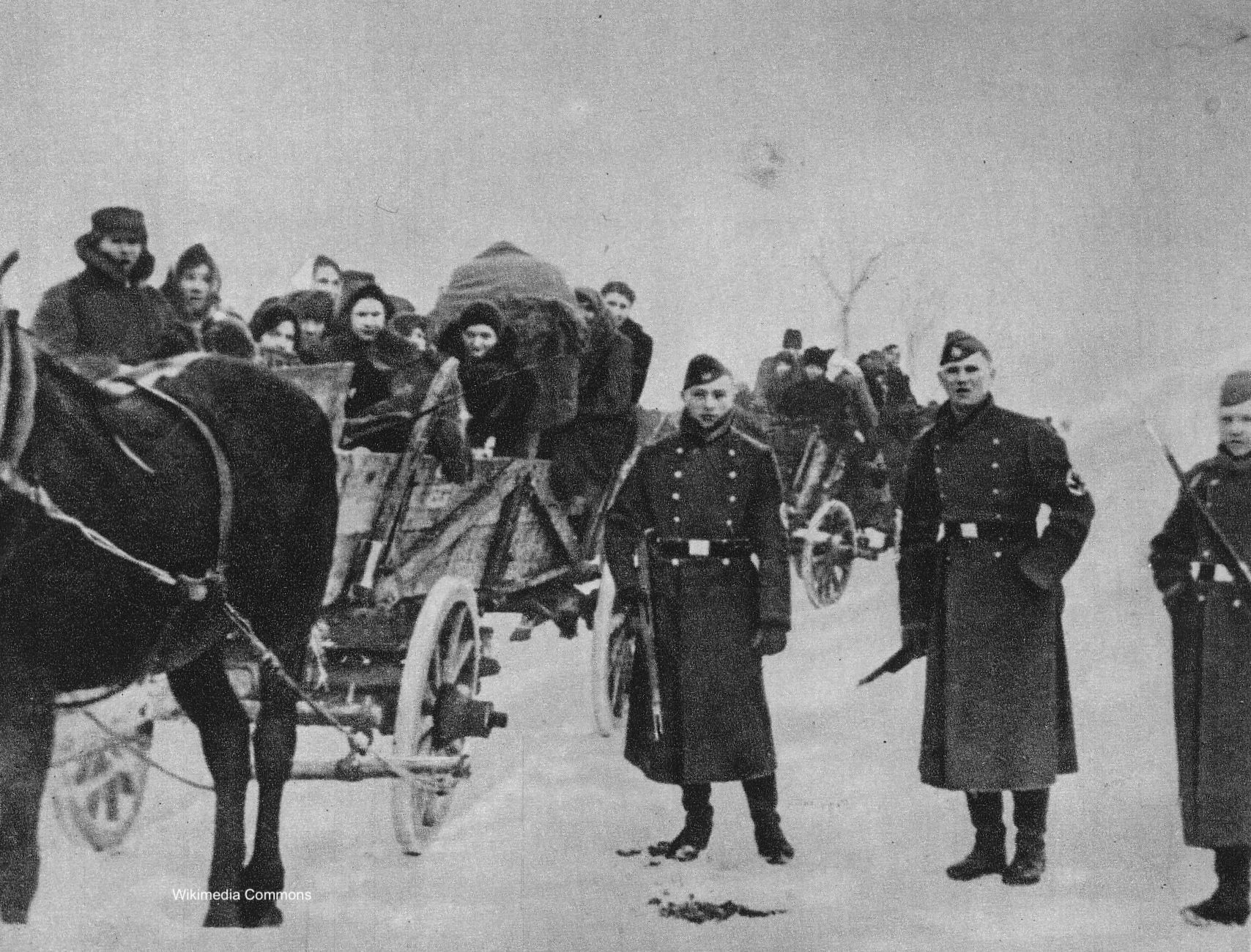
The camp opened in March 1942, but killings began in earnest in May. It was a surreal, systemised world where people were quickly herded from the cattle trucks, stripped naked, their heads shaved, and funnelled into the gas chambers that were pumped full of carbon monoxide. In their Black Book of Soviet Jewry (Transaction, 2003), the journalists Ilya Ehrenburg and Vasily Grossman record the story of a German guard, a boxer from Berlin who could slay a man with one hand, but patted the naked children on the head as they walked into the gas chamber and even gave them sweets.
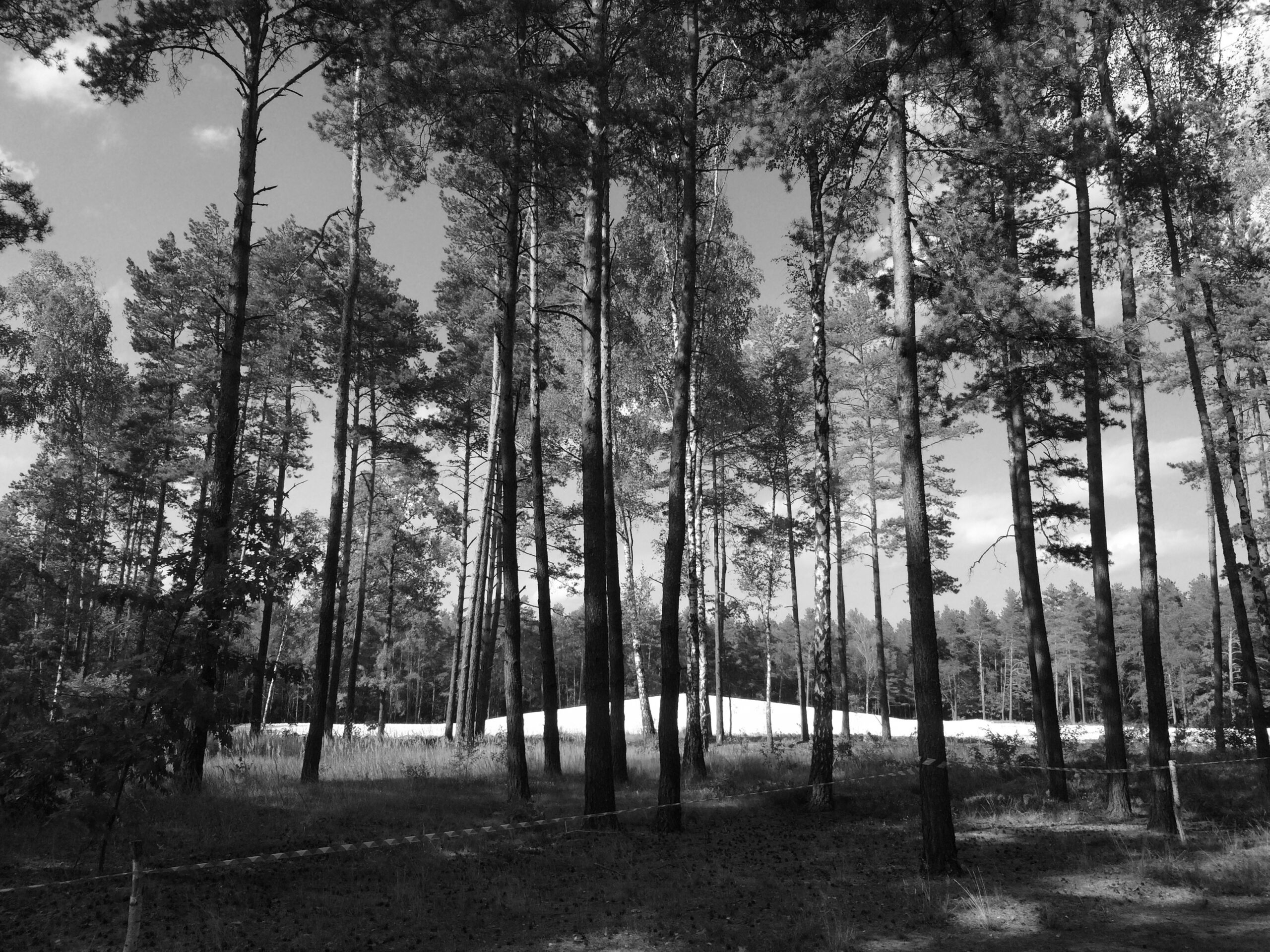
In all it is thought 170,000 people were murdered at Sobibór until a Jewish rebellion prompted the camp’s closure in the autumn of 1943. The gas chambers were quickly demolished and covered by an asphalt road; trees were planted to disguise the site. When the Red Army arrived in this part of Poland, there was nothing see and no reason to make a diversion into the lonely forests where few people lived.
In the post-war population exchange, which began in the months that followed, in which Ukrainians were sent east and Poles moved west, Ukrainians were housed in the barracks of the old camp’s guards which were then demolished in 1947. Until the 1960s the site was abandoned and forgotten.
Getting there If you do not have your own transport, to visit the former Sobibór extermination camp, take the bus from Lublin to Włodawa. From there take a taxi to Sobibór, 18km away. Alternatively take a train to Chelm and then a taxi.
What to see
The Sobibór death camp is now the Sobibór Museum and Memorial Site (Muzeum i Miejzsce Pmięci w Sobiborze; free) which has a new visitors centre. The central part of the exhibition space is a 25m-long showcase containing 700 objects discovered during archaeological excavations which have been going on since 2000. These objects include personal items belonging to the victims.
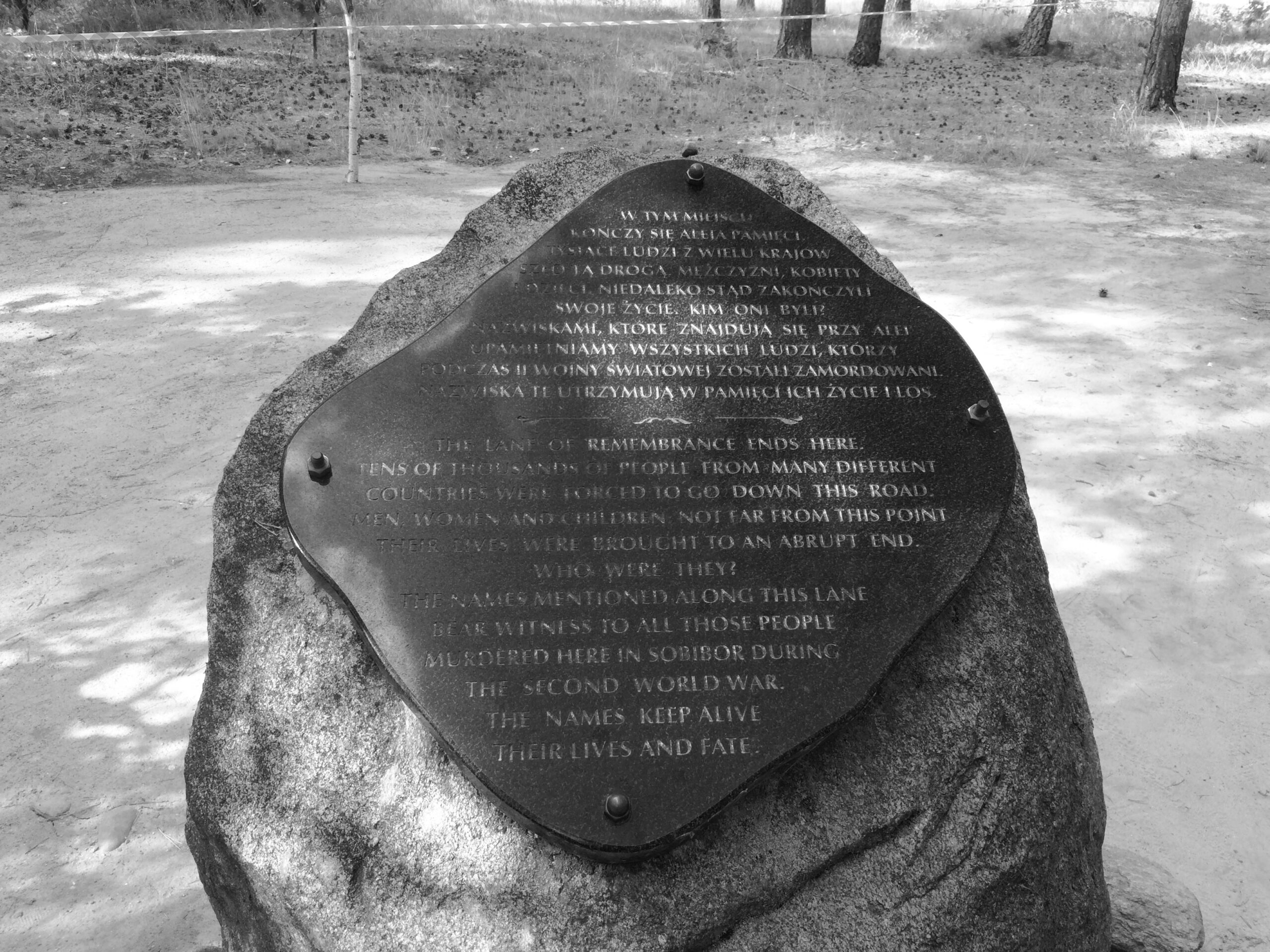
Some of the 34,313 Dutch Jews brought here in 19 trains are commemorated along a walkway through the trees lined with small rocks, on which little plaques, the type you see on park benches, record their names.

 About
About History
 Education
 Quilts
 FIlms
FIlms Photos
 News Media & Events
 Publications
 Donate