The ’45 Aid Society is here to support and help teachers who would like to use the story of the Boys to study the Holocaust.
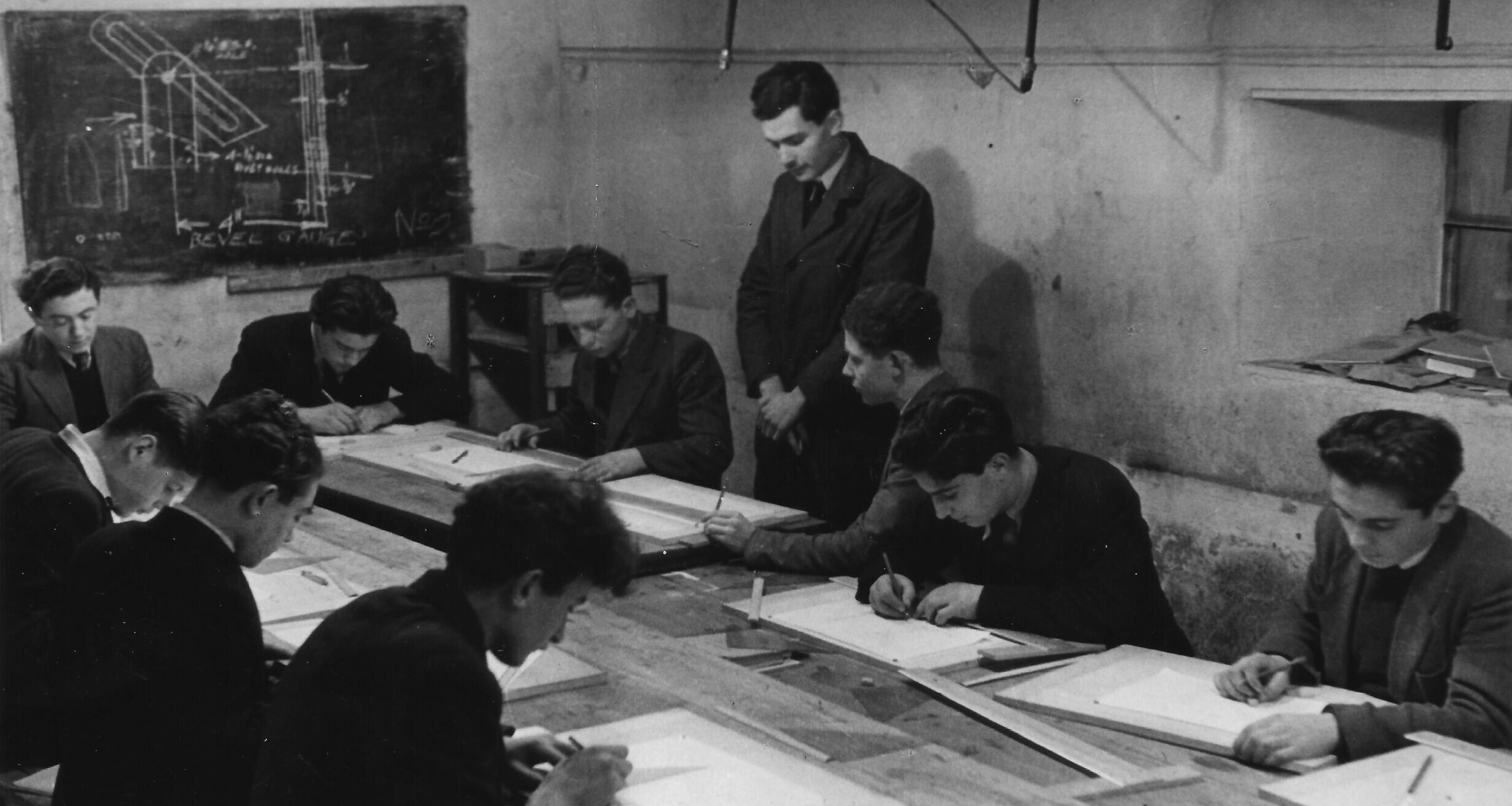
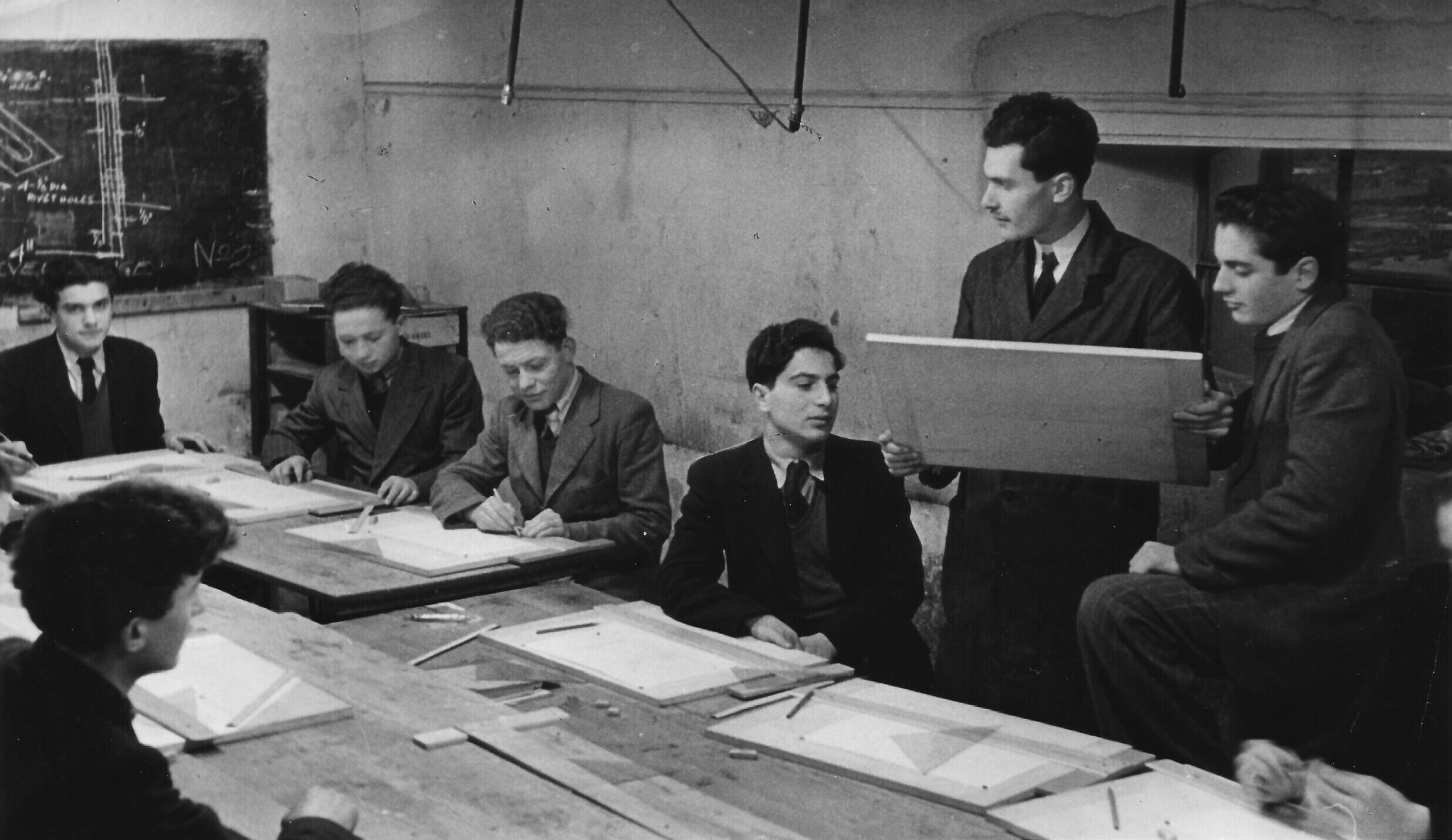
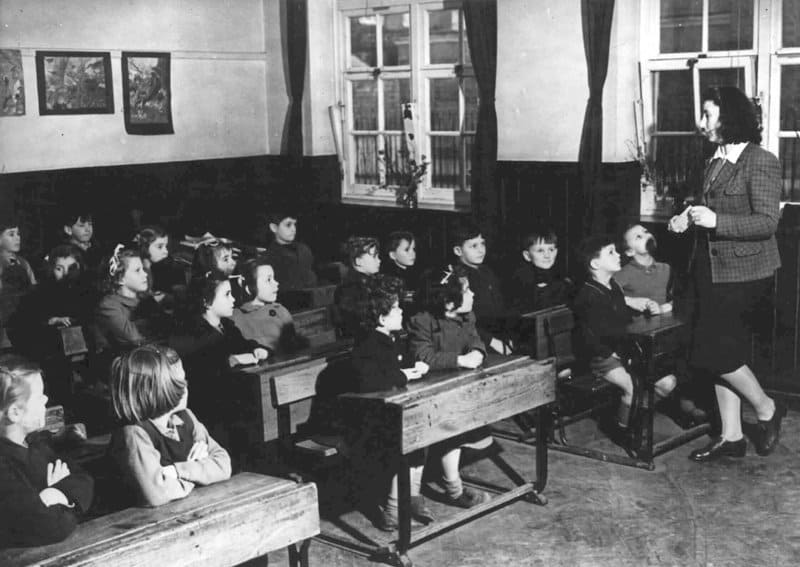
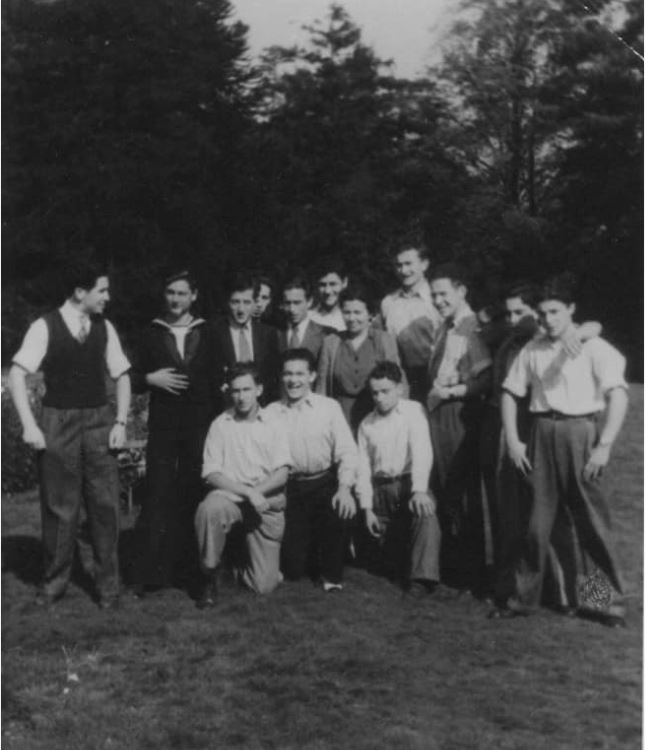
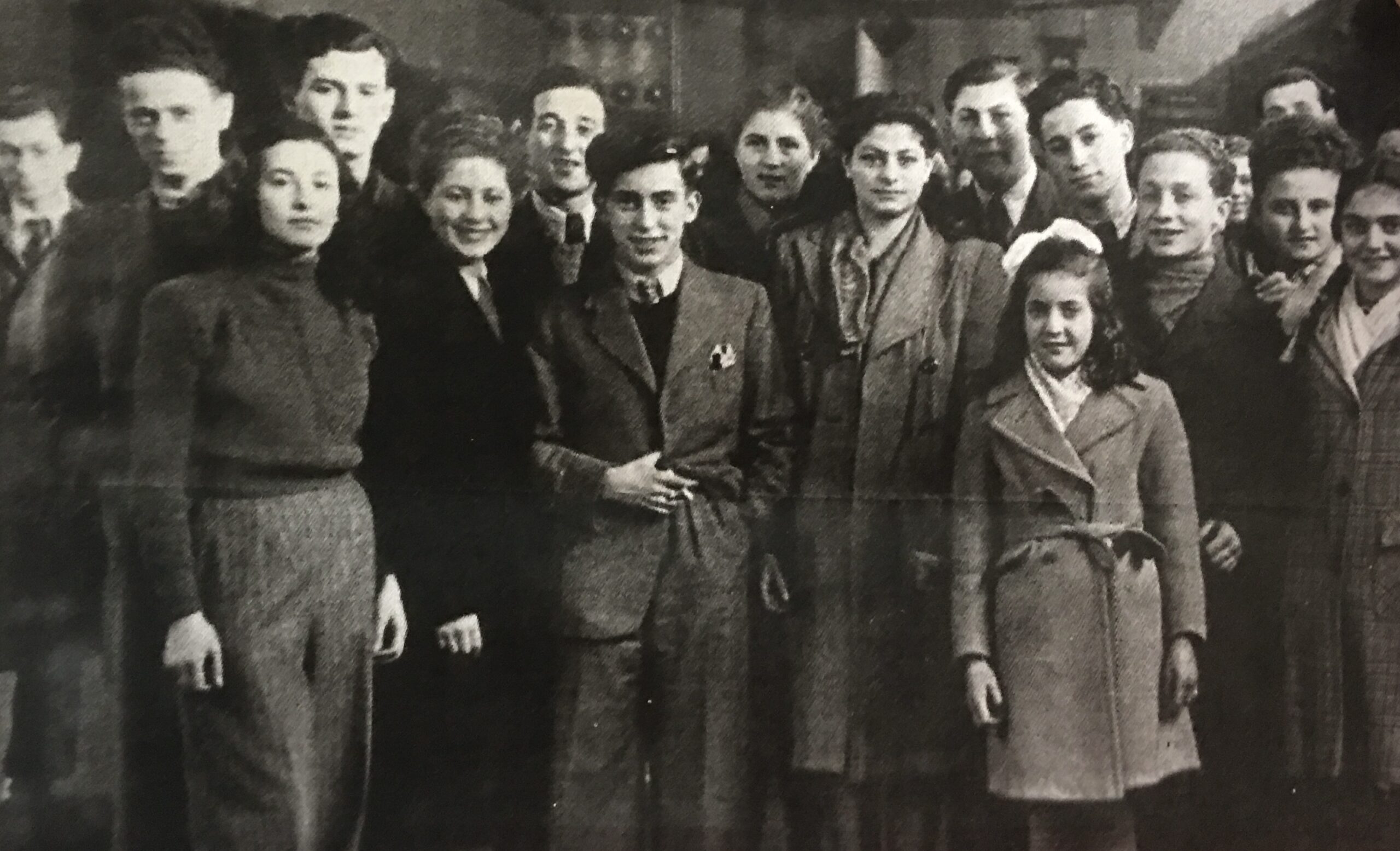
The ’45 Aid Society represents the teenage and child-Holocaust survivors and their descendants who were brought to the UK after World War II for rest and rehabilitation. The group is known as ‘the Boys’ despite the fact that it included over 200 girls.
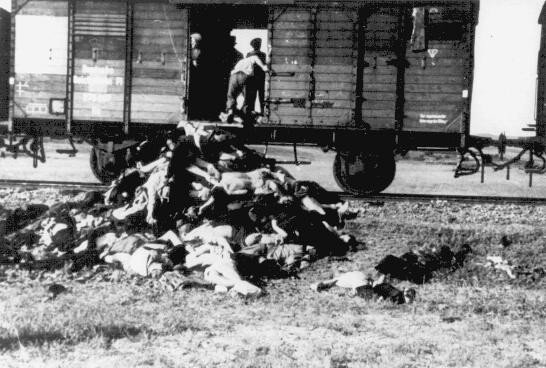
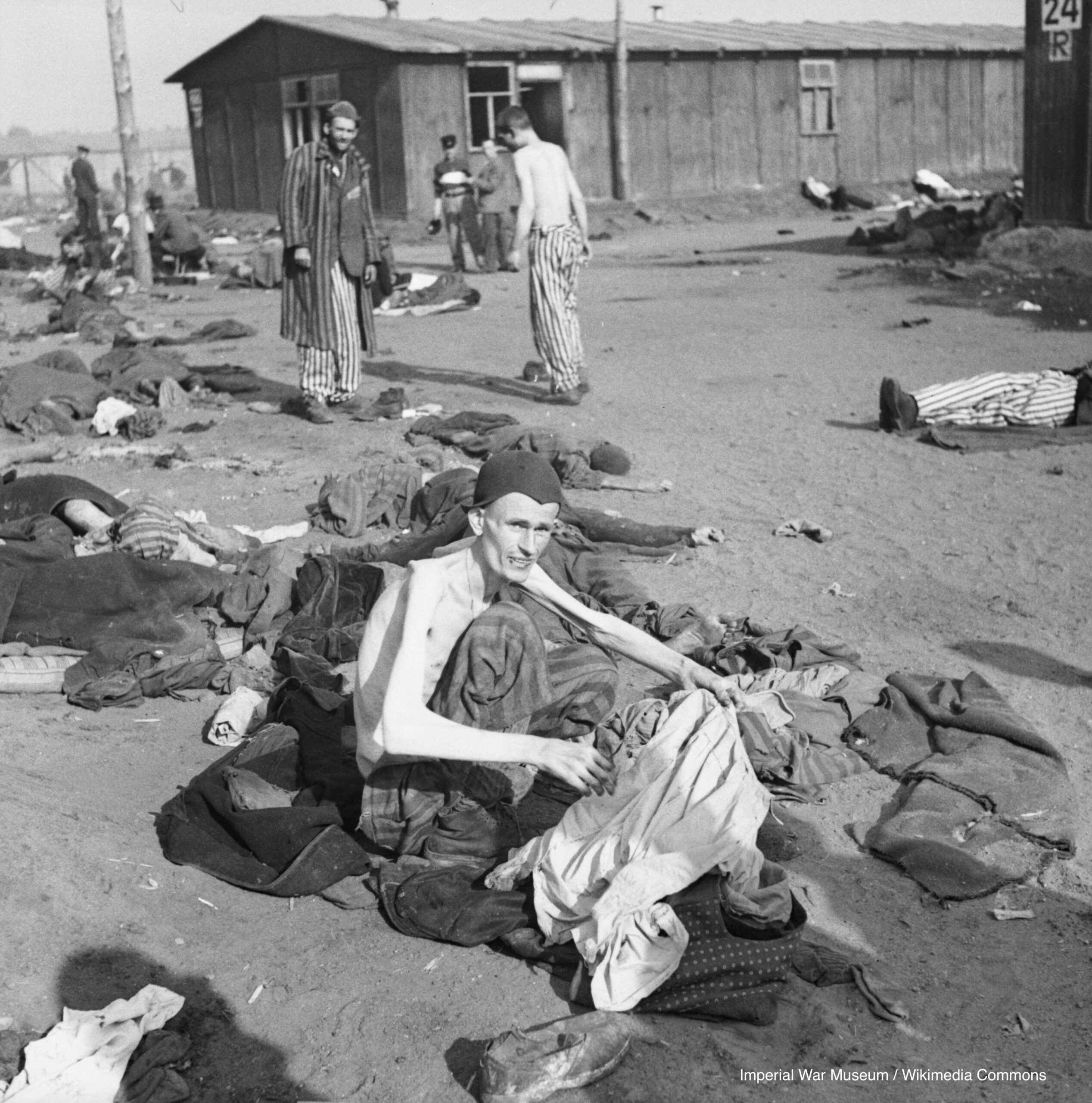
Members of the Boys were held in Nazi labour and concentration camps and used as slave labourers. They had also survived World War II in hiding or as lone children.

The Holocaust was the systematic, bureaucratic, state-sponsored persecution and murder of over six million Jewish people by the Nazi regime and its collaborators.
It was the radical, violent culmination of antisemitism, occurring between 1933 and 1945, where Jews were targeted for total annihilation.
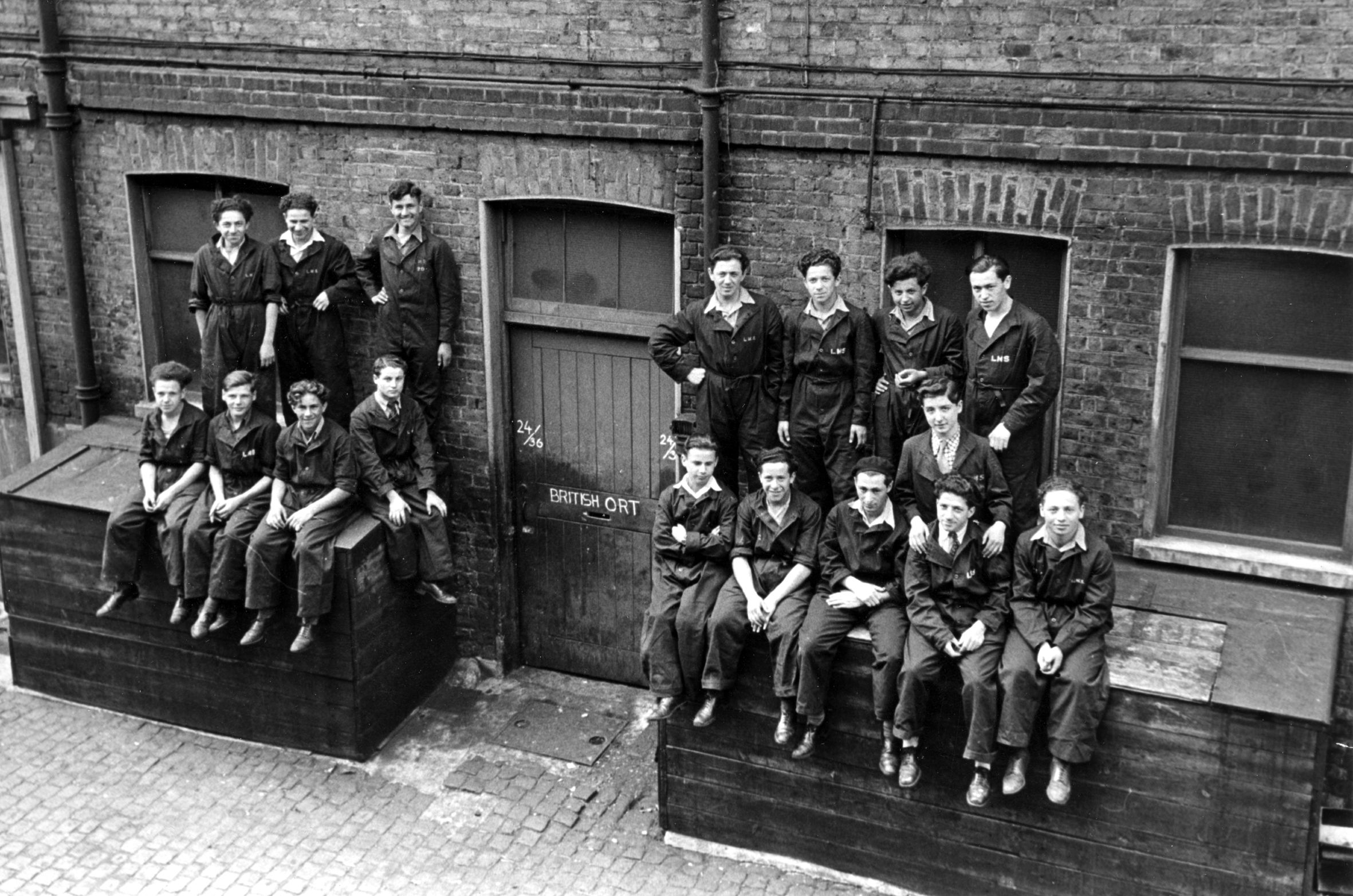
The Boys arrived in the UK after World War II on a scheme organised by the Central British Fund for German Jewry (CBF), now World Jewish Relief.
Members of the Boys were held in Nazi labour and concentration camps and used as slave labourers. They had also survived World War II in hiding or as lone children.
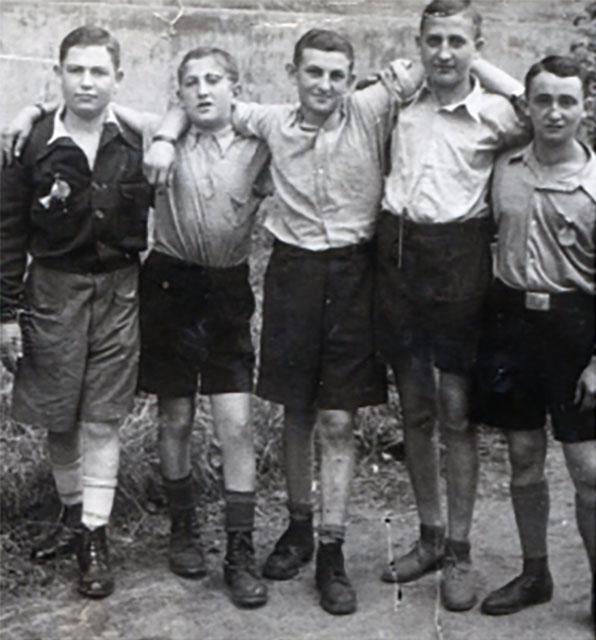
No. The members of the Boys came to the UK after World War II between 1945 and 1948. The Kindertransport children came to the UK in 1938-39.
There are however some close links between the two groups:
The Central British Fund for German Jewry set up in 1933 organised the Kindertransport. They also organised the four transports of the child survivors who came after the war known as the Boys. The conditions imposed on joining the Boys transports were the same as for Kindertransport – significantly they had to be paid for by the Jewish community and the children had two years leave to remain.
The Committee for the Care of the Children from the Concentration Camps which was set up to care for the Boys was made up of prominent members of the Central British Fund who had organised the Kindertransport.
Many of the senior staff hired by the Central British Fund had been involved in organising and accompanying the Kindertransport. Many of the junior staff who worked in the hostels were on the Kindertransport. The Boys were also often housed in hostels with Kinder from the Kindertransport or attended schools (which had fled Nazi Germany) such as Bunce Court and Stoatley Rough, where many Kinder were also looked after.
The Primrose social club in London was a place where the Kinder and the Boys met and romances began. Many Boys married Kinder.
The lessons learned from the Kindertransport affected the way the Boys were cared for and led to the initial use of hostels rather than foster families.
The Kindertransport also had important repercussions in the DP camps. There were 220 child survivors who were due to come to the UK from the Belsen-Hohne DP camp in 1945 but their transport to the UK was blocked by Zionist and religious survivors. The later quoted the Kindertransport for their opposition to the children going to the UK as many of the Kinder had been placed in Christian homes.
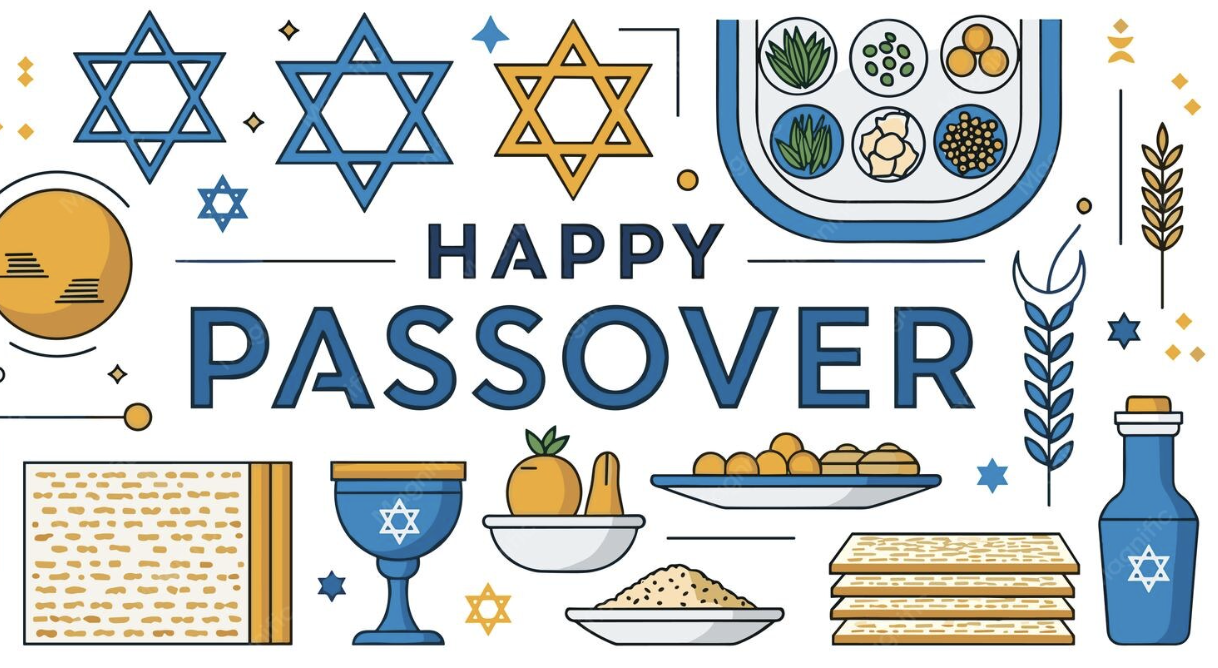
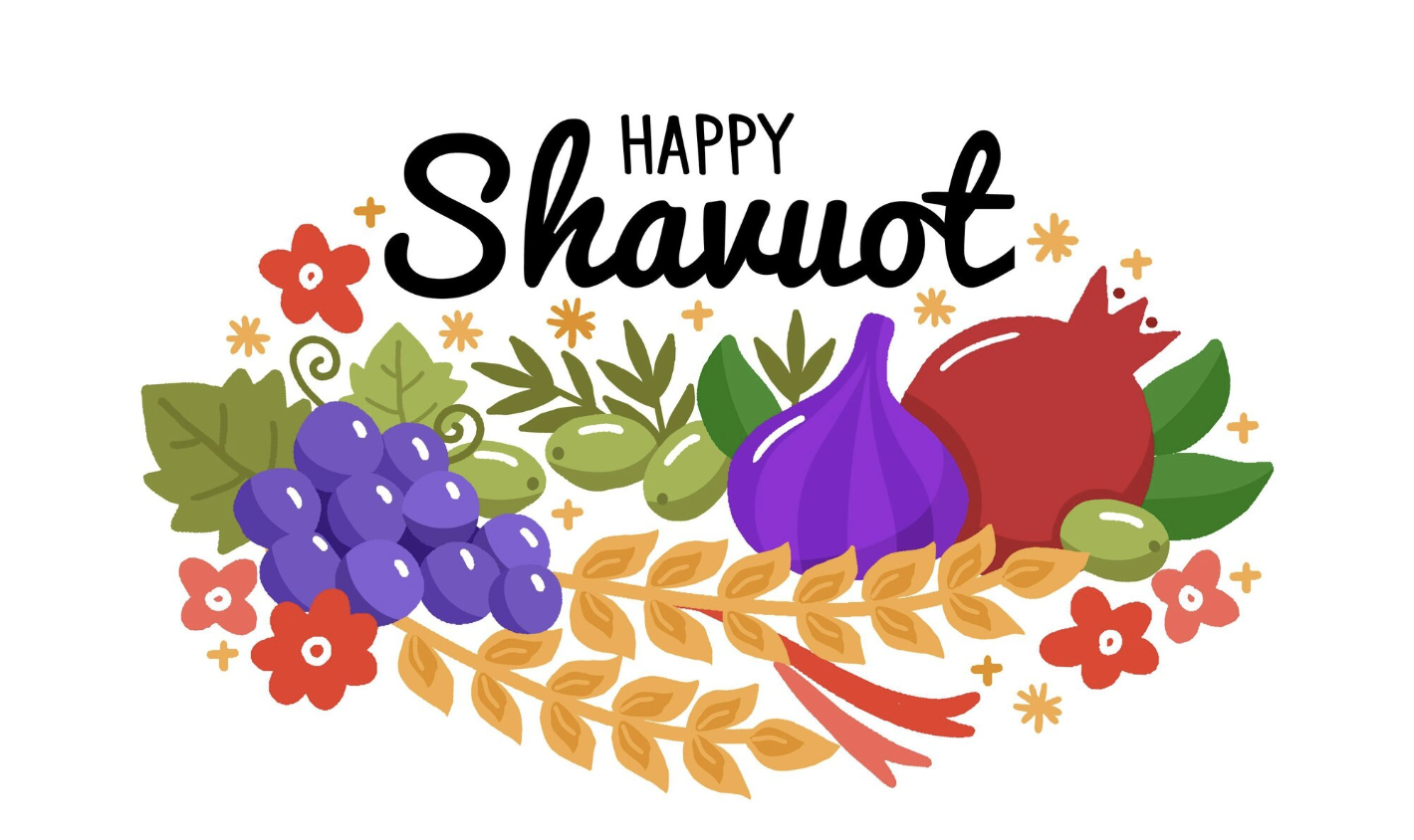
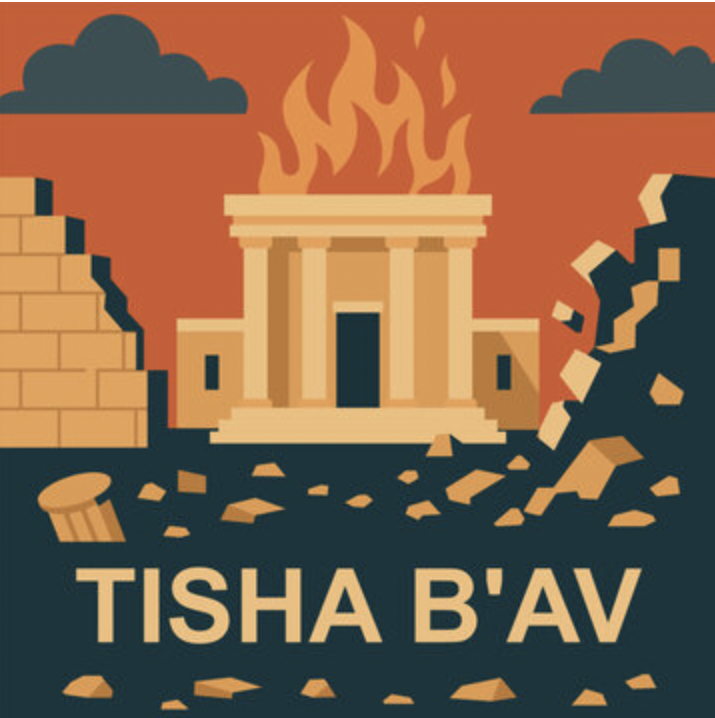
In addition to the daily way of life and the spiritual highpoint of the Sabbath (Shabbat), which lasts from sundown on Friday until sundown on Saturday, there are festivals that add rhythm and colour to Jewish life.
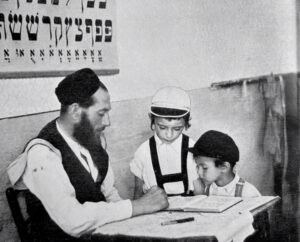
Jewish festivals span the entire year, each carrying deep historical, agricultural, and spiritual meaning.
Days begin and end at sunset, and Jewish festivals and holy days always commence a short time before sunset and terminate at nightfall the following day – approximately a 25 hour period.
The Jewish calendar follows a lunar cycle.
Like other lunisolar calendars, it consists of months of 29 or 30 days which begin and end at approximately the time of the new moon.
According to the Jewish calendar we are now in the 6th millennium.
The Hebrew year count starts in year 3761BCE, which the 12th-century Jewish philosopher Maimonides established as the biblical date of creation.
Good to Know: During the Holocaust the Germans often deliberately carried out deportations, mass shootings, gassings and the liquidation of ghettos on important Jewish festivals. Most Jews tried to observe the festivals as best as they could and those who refused to work were punished and often murdered.
Critical Thinking Questions are an important way of stimulating discussion in the classroom.
In each of the Teachers’ Corners across this website you find a list of questions that can prompt a deeper understanding of the story of the Boys.
Here is a full list of Critical Thinking Questions designed to accompany the teaching of the Holocaust in schools and colleges from Key Stage 3 upwards.

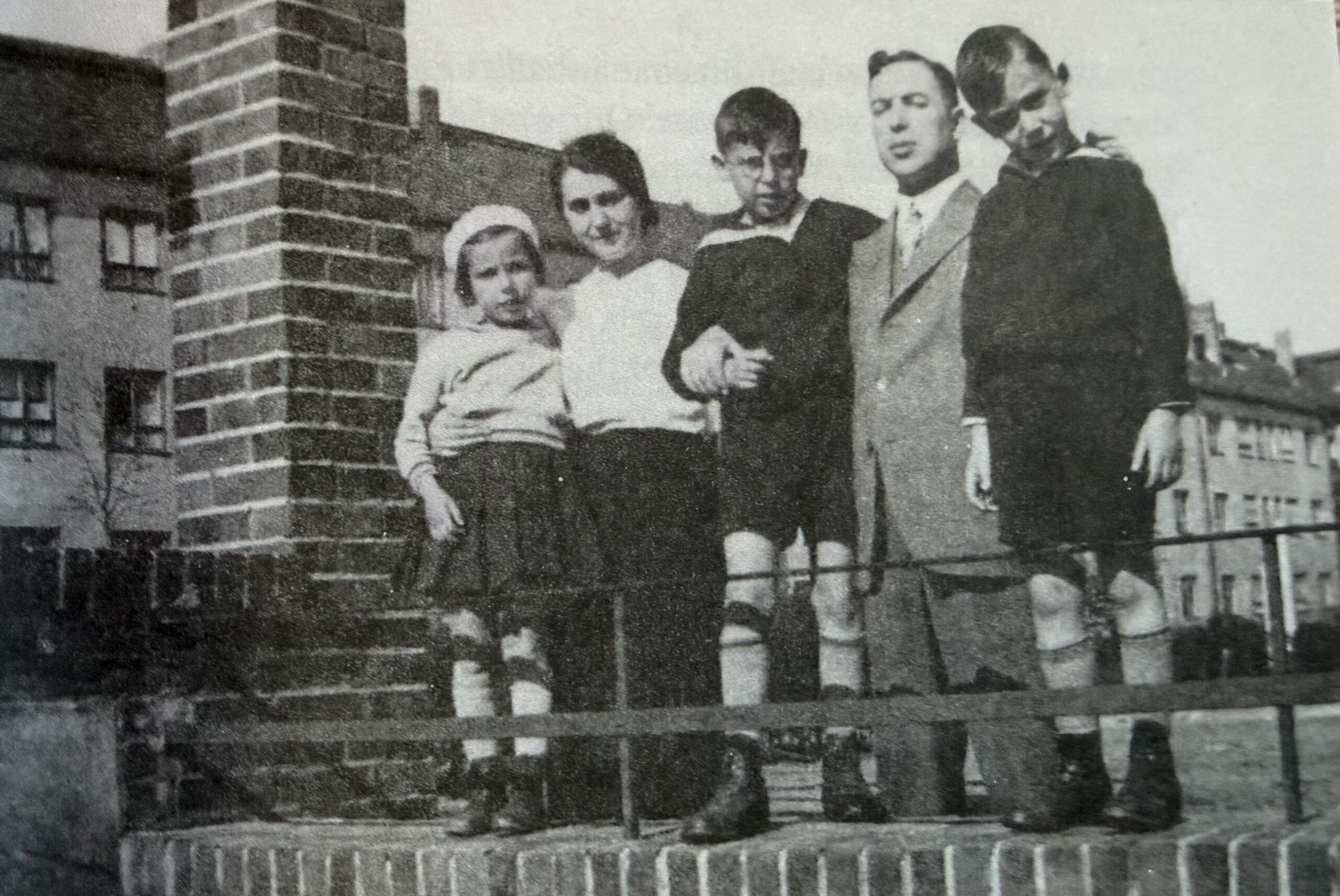
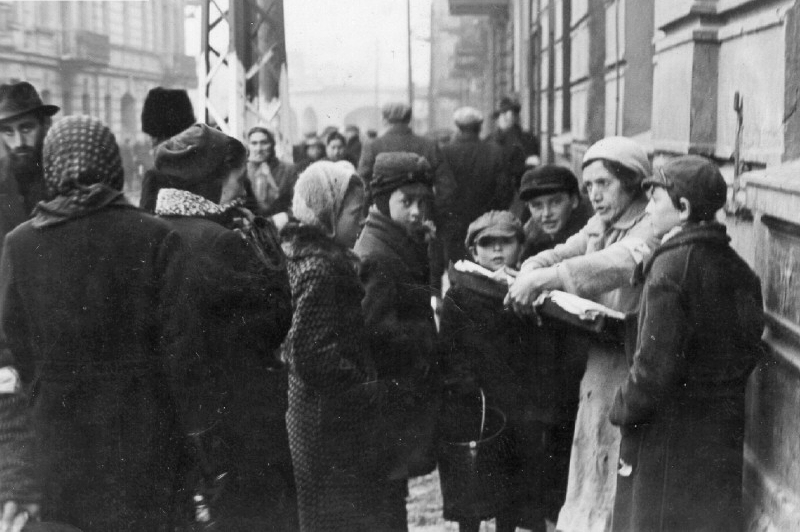
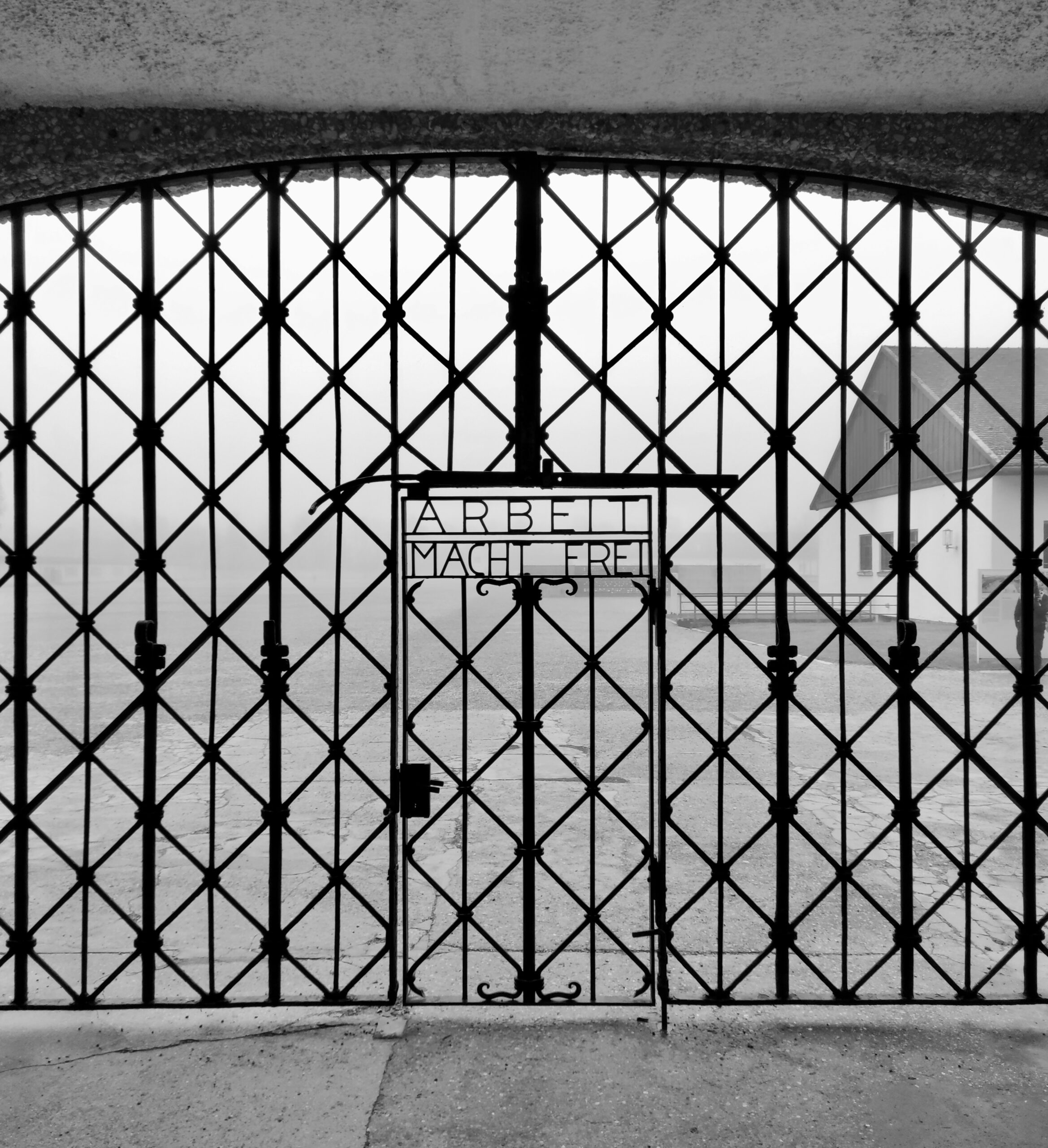
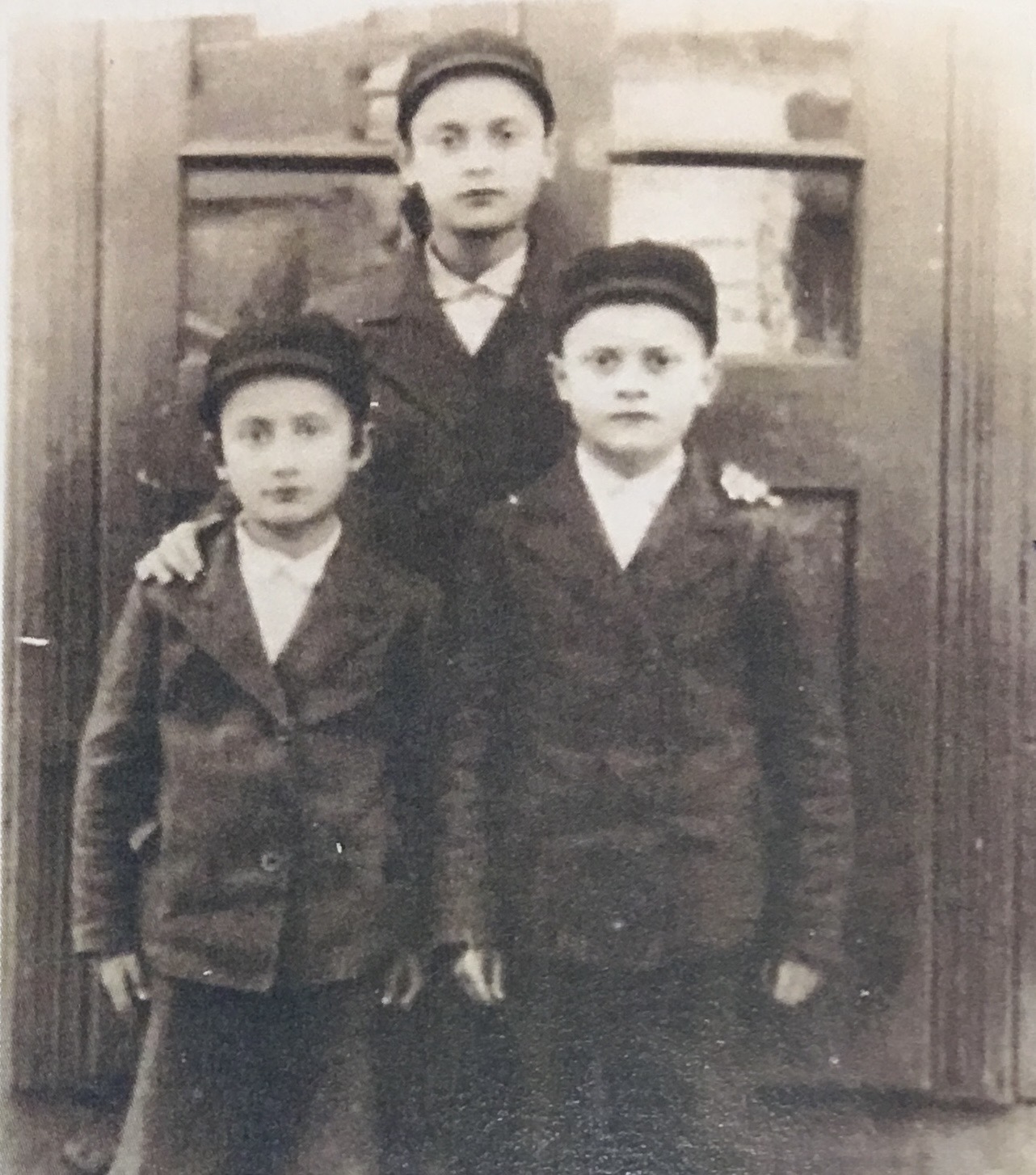
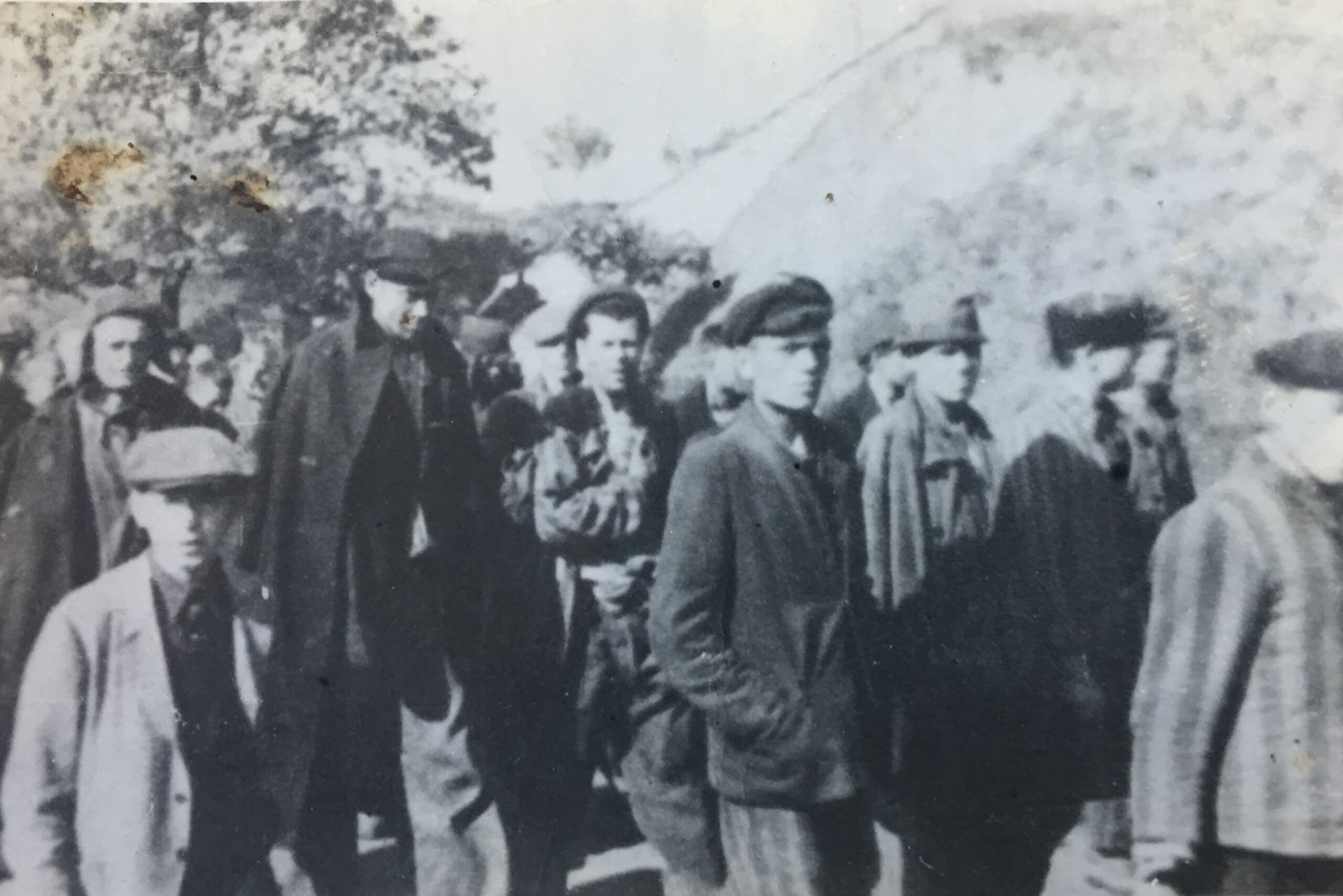
Using a glossary is essential when teaching the Holocaust because it builds historical accuracy, provides critical context, and counters deceptive propaganda.
A structured vocabulary ensures students grasp the profound moral and historical realities of the genocide without relying on imprecise language.
A Glossary:
There is a main glossary and country specific glossaries to help students on this website:
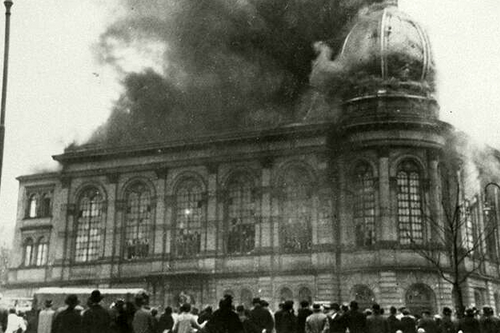
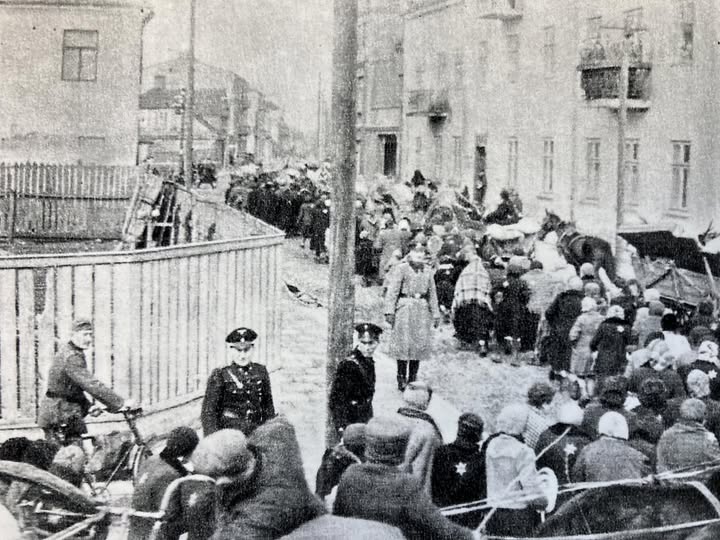
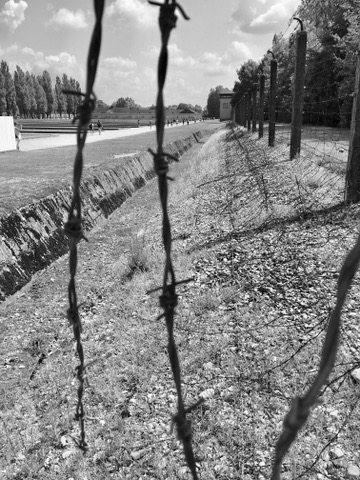
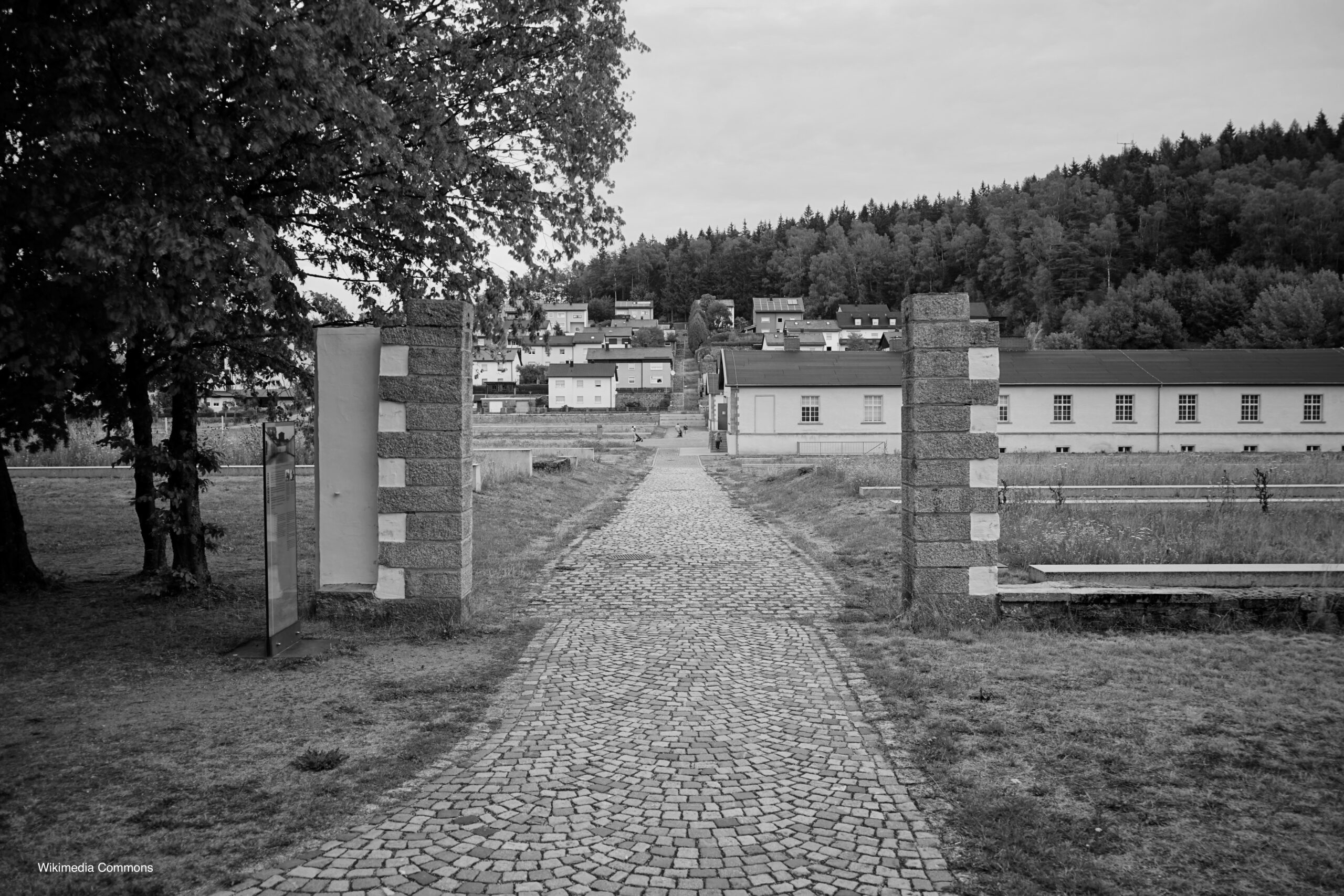
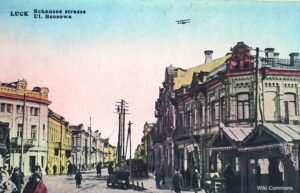
A timeline can help students studying the Holocaust.
Using a timeline can help:
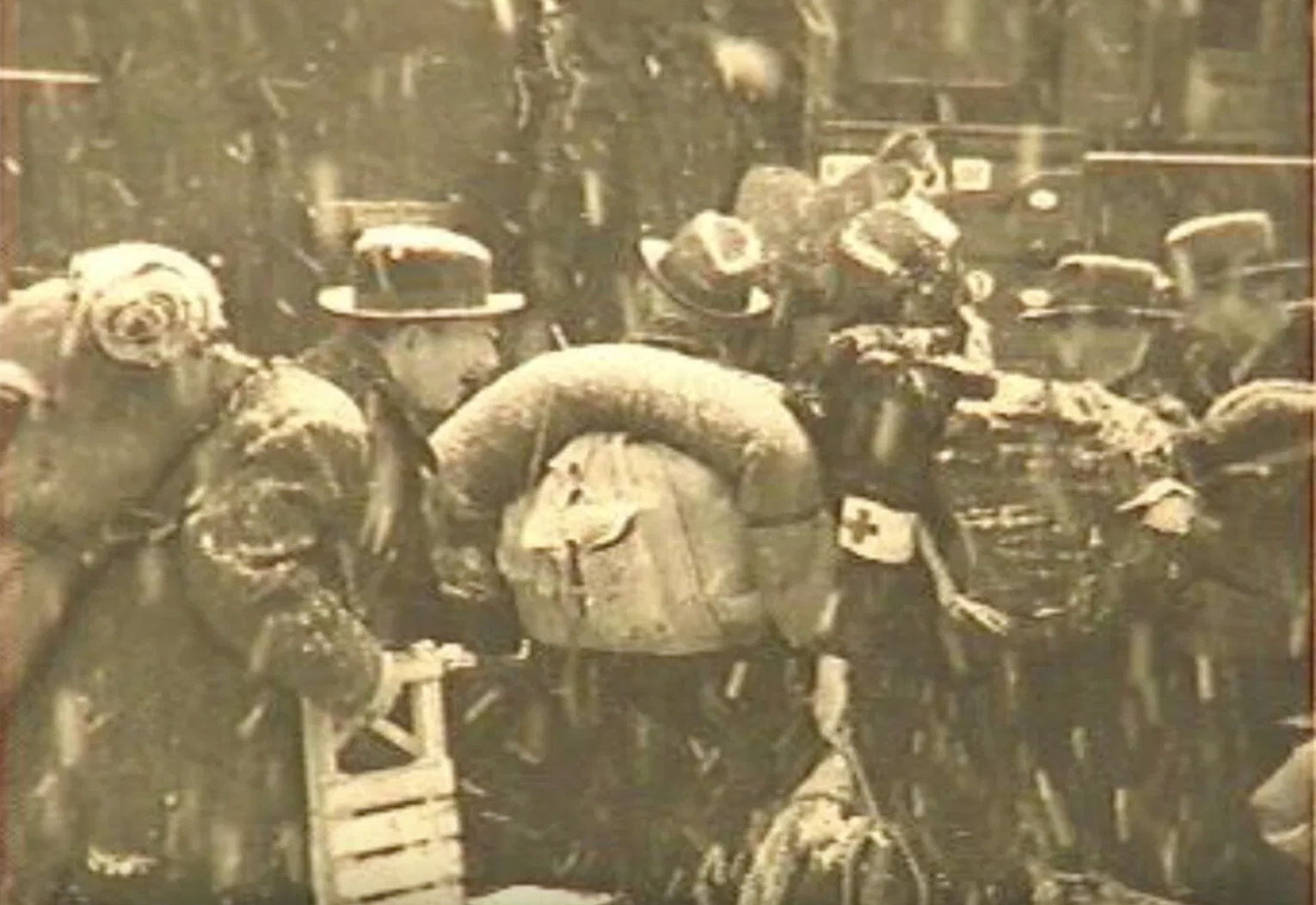
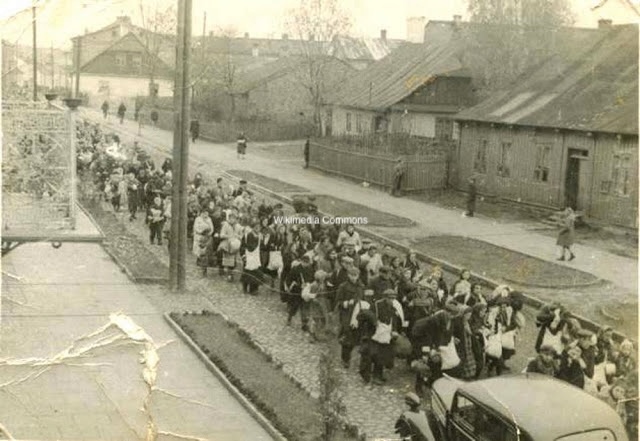
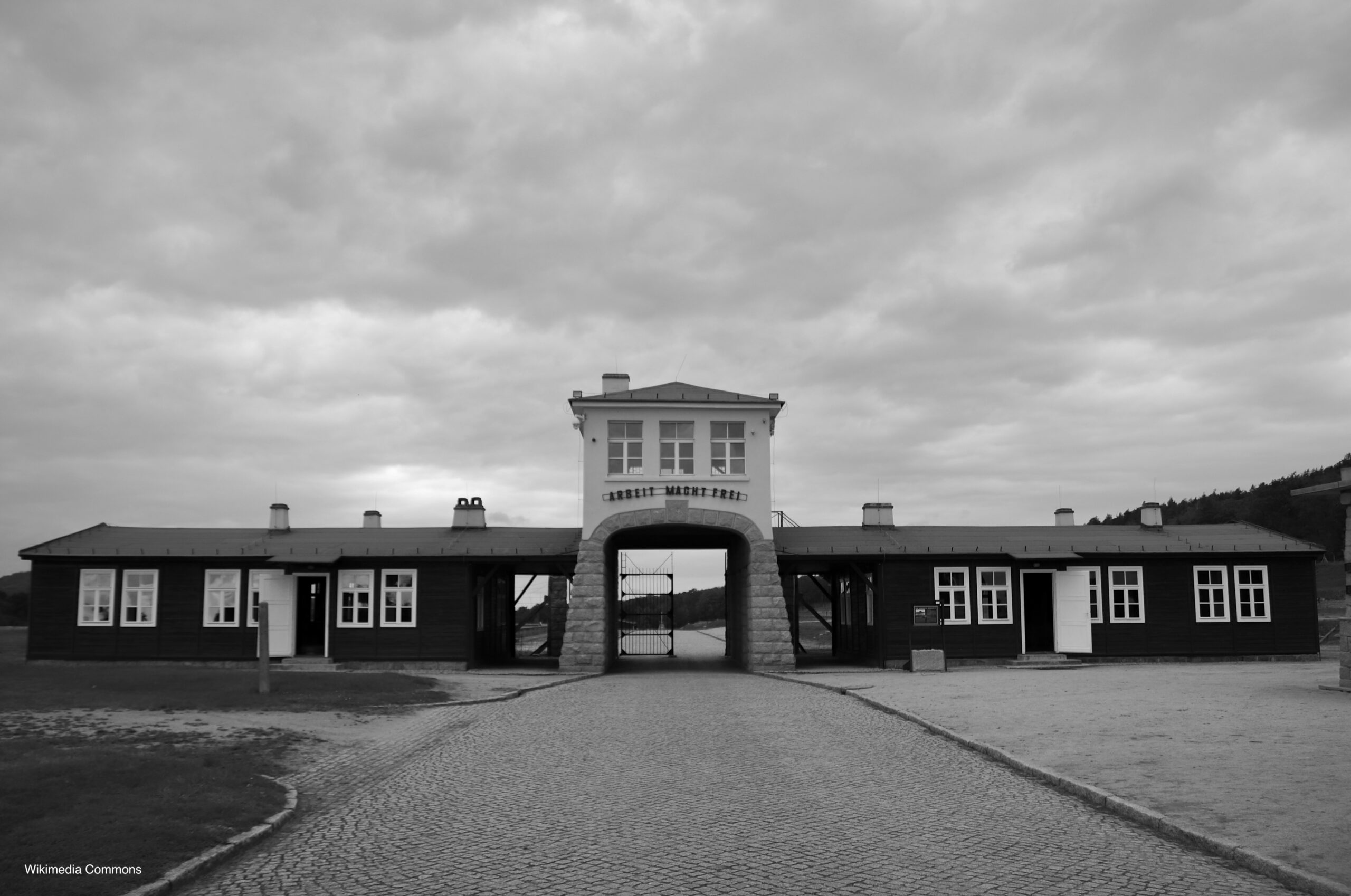
There are full timelines that tell the story of the Boys on this website that can be used in the classroom:
 About
About History
 Education
 Quilts
 FIlms
FIlms Photos
 News Media & Events
 Publications
 Donate