Members Boys and their families were imprisoned in the Aknaszlatina Ghetto in Solotvyno in modern-day Ukraine.
Aknaszlatina Ghetto was one of a network of ghettos set up by Nazi Germany after it invaded in Hungary in March 1944.
The Boys were teenage and child-Holocaust survivors, who were brought to the UK after the war for rest and rehabilitation.
Overview
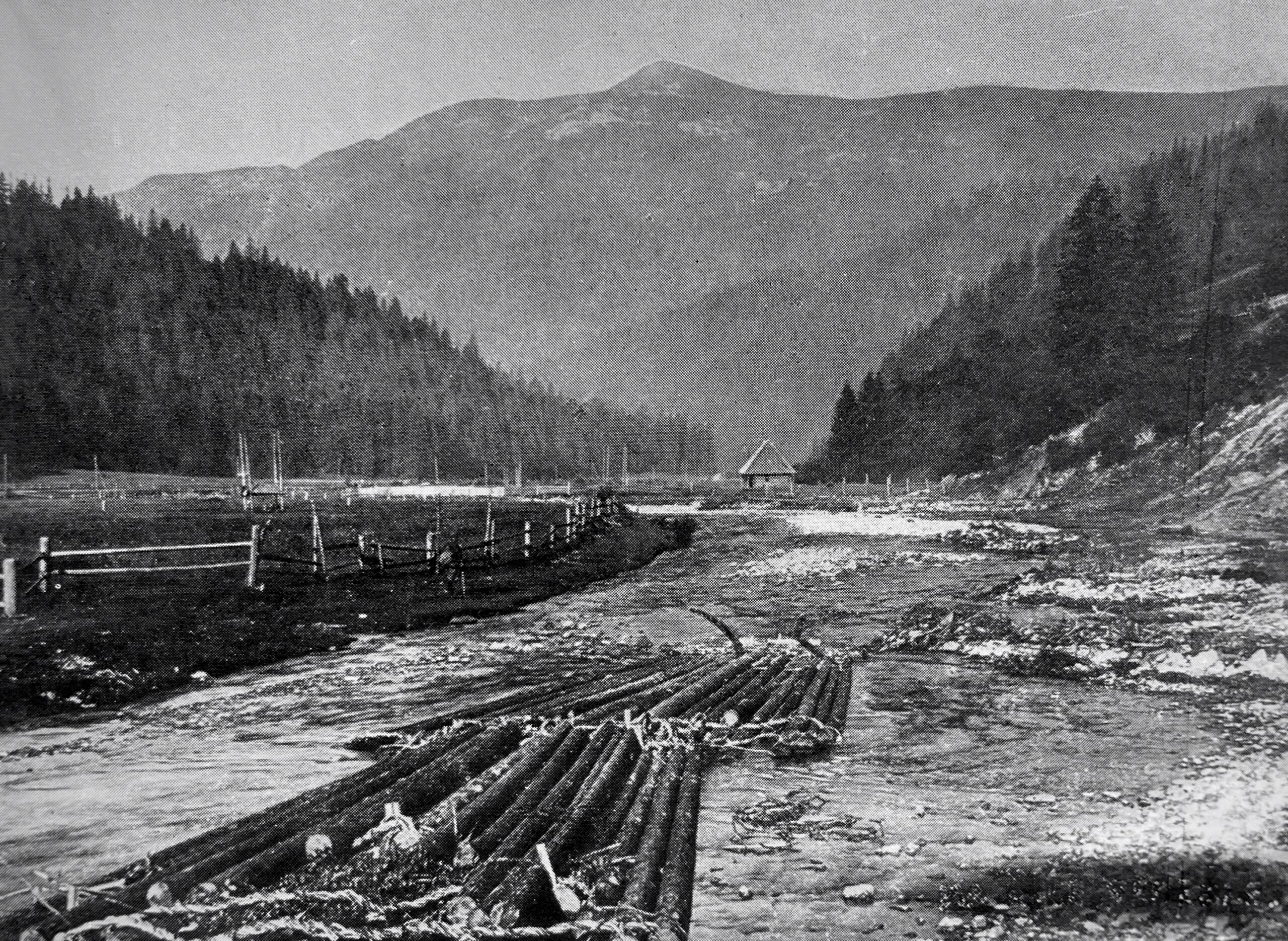
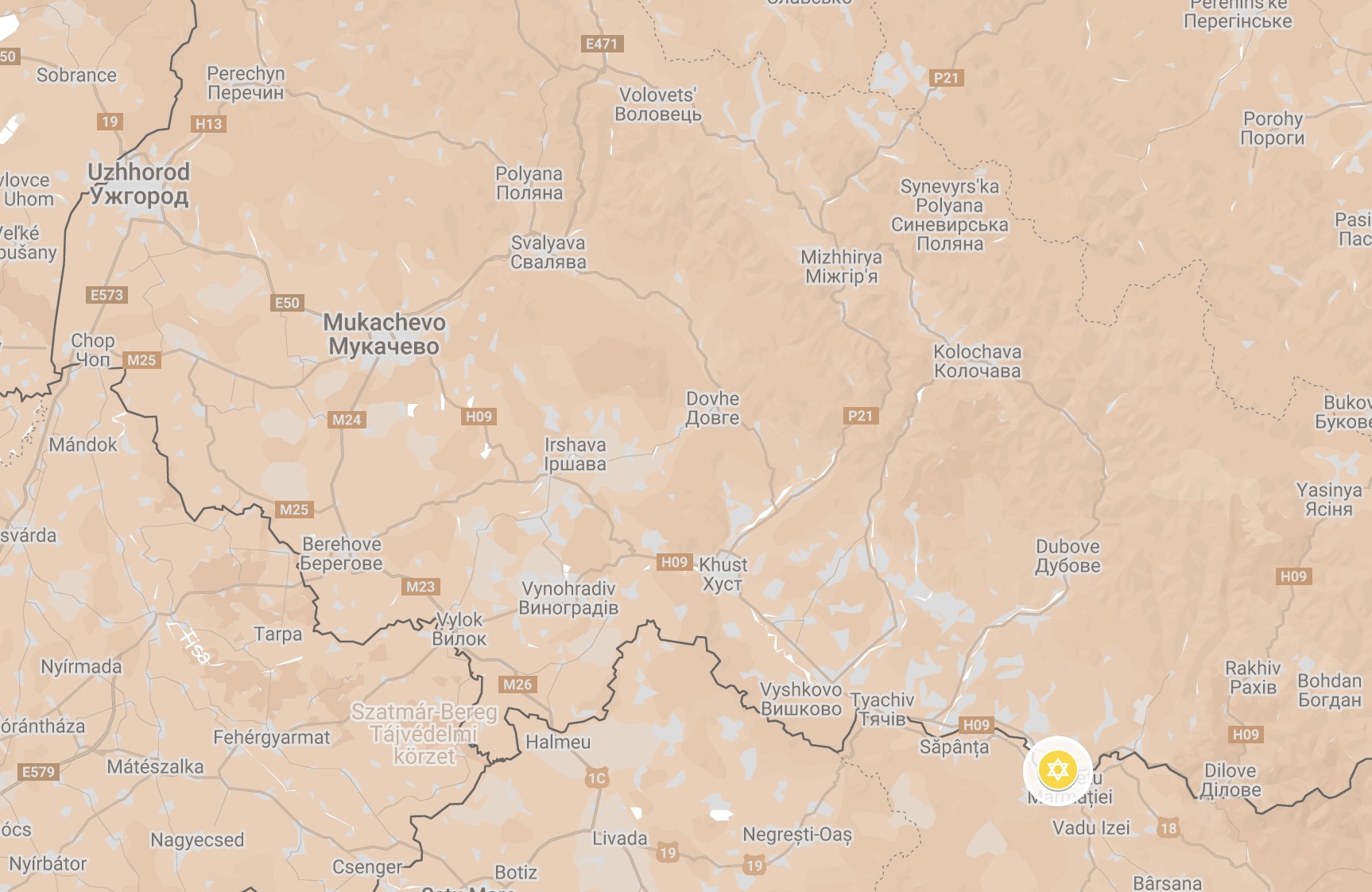
Aknaszlatina (present-day Solotvyno, Ukraine) was a small town in the Carpathian region that came under Hungarian control in 1939. Before the war, it was home to a Jewish community of approximately 2,000, with a strong Hasidic presence, which played a prominent role in local businesses and religious life. To find out more about the history of Solotvyno click here.
Following the Nazi occupation of Hungary in March 1944, a ghetto was established. It functioned until early June, when its inhabitants were deported to Auschwitz II-Birkenau extermination and concentration camp.
Layout
The ghetto was set up around the Jewish neighbourhood of Aknaszlatina. It was not surrounded by walls but was heavily guarded and restricted. Movement in and out of the area was tightly controlled by Hungarian authorities.
“We were driven out of our hiding places like cattle. Our neighbours couldn’t help it. We didn’t blame them. The soldiers gave us time to gather some of our things before marching us off in lines. We kept walking until we arrived at a big field surrounded by wire. It was in Solotvyno, near the Romanian border, now in south west Ukraine. There were huts on the field and hundreds of other people, young and old, were already there, many were crying and very upset.
My grandparents were there with my lovely auntie Shifra, the dressmaker, and their twin boys and another child … We stayed together as a family. I was busy looking after my younger siblings so I wasn’t scared. We just followed my mother’s lead.”
Rachel Levy, I Still Dream in Yiddish (My Voice, 2025). Rachel Levy was just 14 years old when she was held in the ghetto.
Daily Life
Jews were forced to live in overcrowded houses, with several families assigned to a single residence. Basic needs such as food, clean water, and medical care were difficult to obtain. Religious life continued in limited ways, with secret prayers and minimal observance of traditions.
Deportations
Between 20 May and early June 1944, the entire population of the Aknaszlatina Ghetto was deported in transports to Auschwitz II-Birkenau. The deportations were carried out by Hungarian authorities in coordination with the SS.
Liquidation
The ghetto was finally liquidated in early June 1944. Few Jews from Aknaszlatina survived the Holocaust.
Jewish Resistance
There was no organised resistance in the Aknaszlatina Ghetto. A small number of individuals attempted to escape or hide with non-Jewish neighbours.
Memorialisation
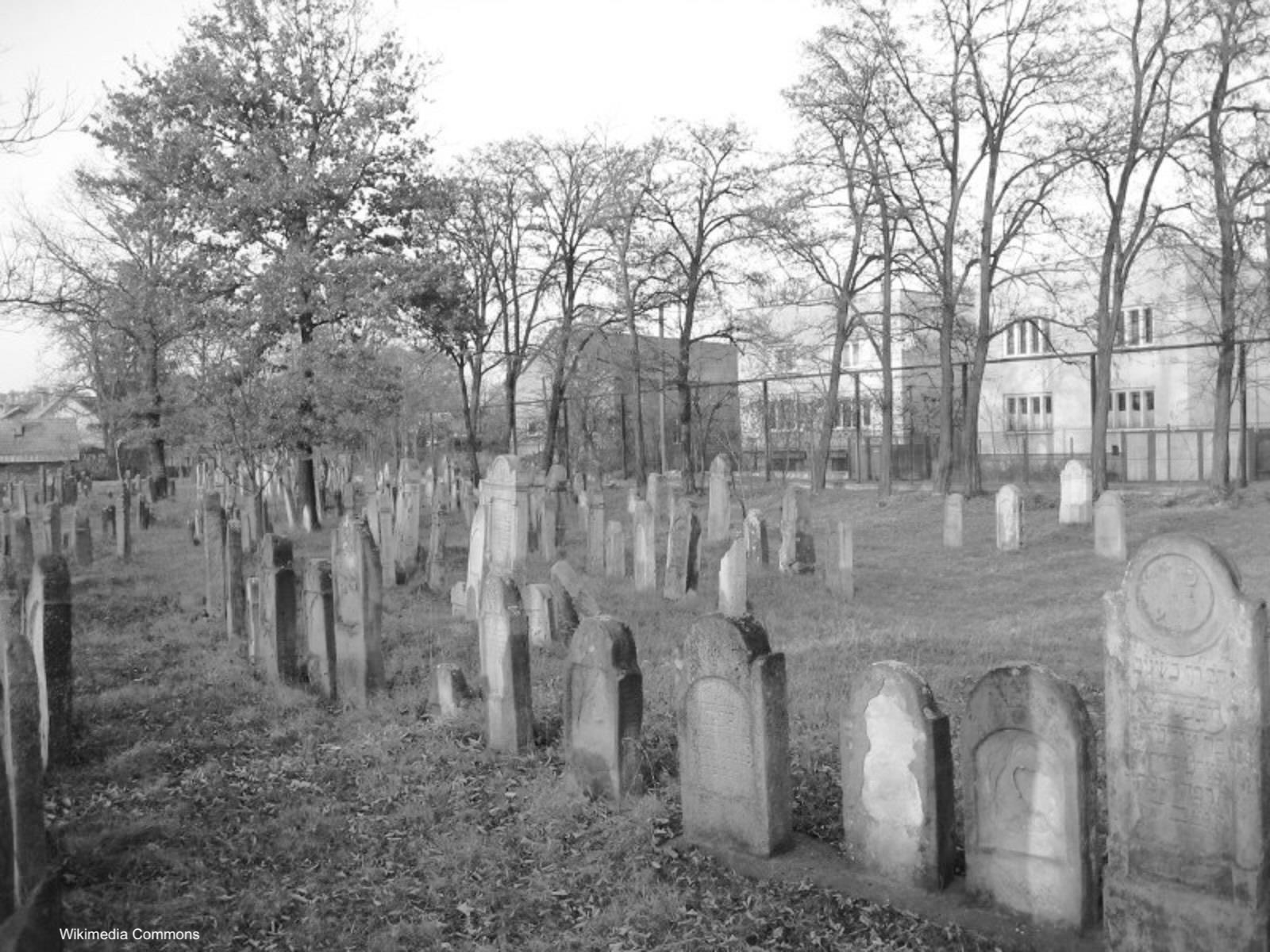
Today, a Jewish cemetery remains in Solotvyno, though it is in poor condition. For information about visiting Solotvyno click here.
 About
About History
 Education
 Quilts
 FIlms
FIlms Photos
 News Media & Events
 Publications
 Donate