Members of the Boys were slave labourers in the Schwarzheide labour camp, a subcamp of the Sachsenhausen concentration camp.
Sachsenhausen concentration camp was operated by Nazi Germany. The camp had 92 subcamps.
The Boys were teenage and child-Holocaust survivors, who were brought to the UK after the war for rest and rehabilitation.
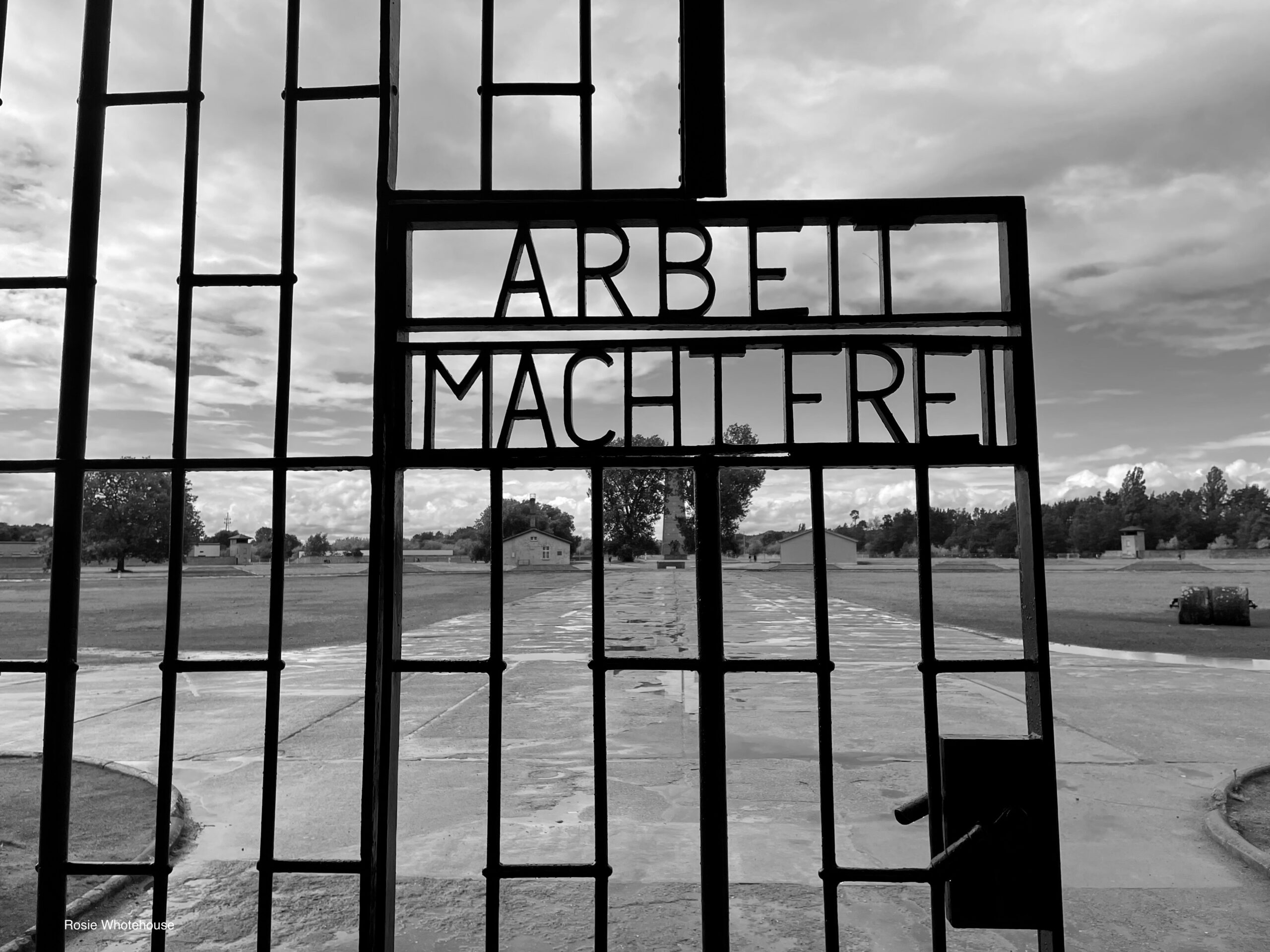
The Schwarzheide camp was run by the Brabag, Braunkohle Benzin AG, who worked closely with the Nazi regime.
The camp was located 50km north of Dresden in Germany.
Brabag (Braunkohle-Benzin AG) produced synthetic fuel from lignite, commonly known as brown coal. It was a private company and was crucial to the Nazi war effort.
The company unsuccessfully lobbied to use concentration camp prisoners as slave labourers until in May 1944, Allied squadrons bombed and damaged the Brabag factories, just as the SS was simultaneously deporting Hungarian Jews.
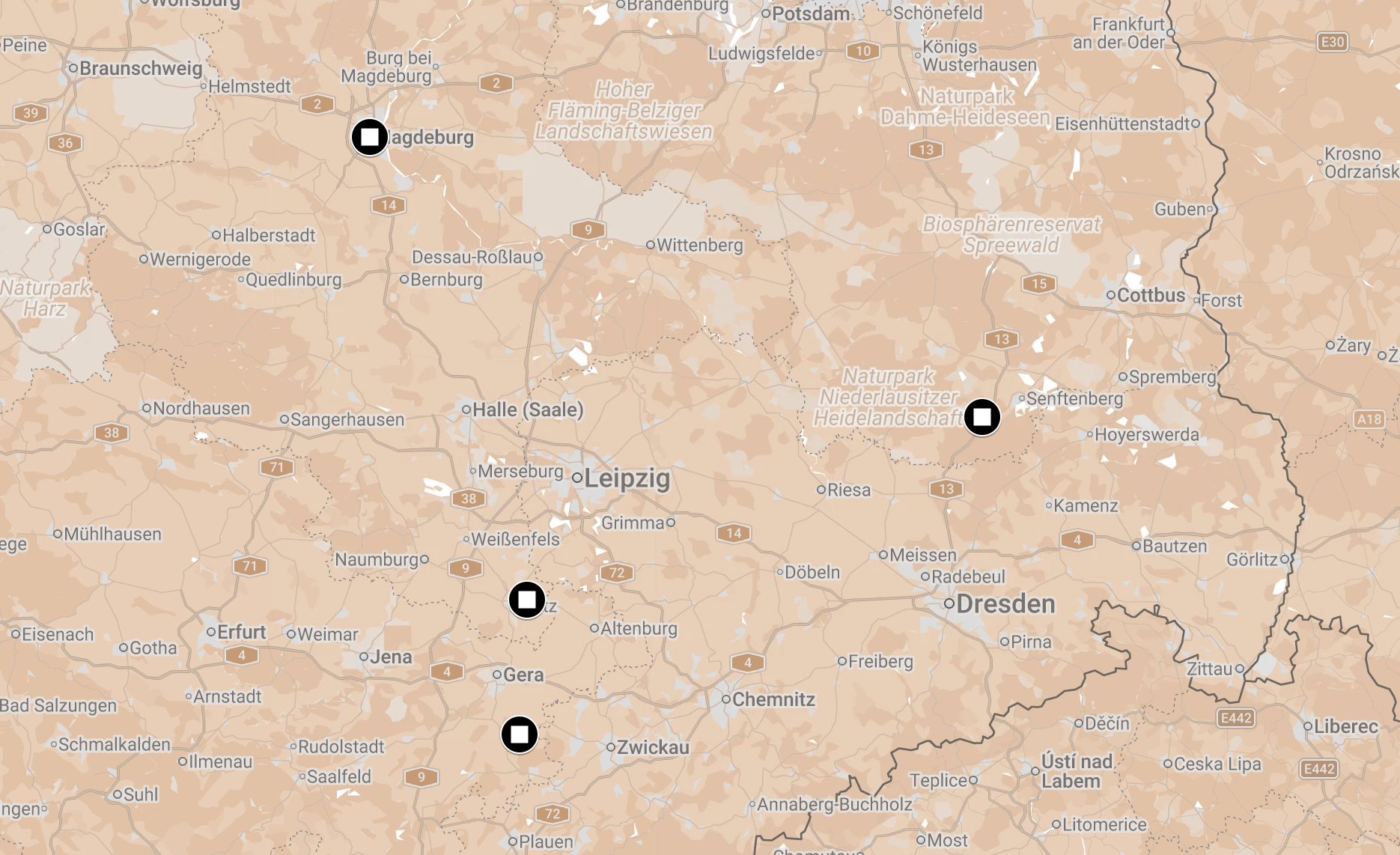
In 1944–1945, Brabag then used more than 13,100 concentration camp prisoners as slave labourers. Members of the Boys endured hard labour at plants in Rehmsdorf-Tröglitz, Magdeburg, Schwarzheide and Berga/ Elster.
The firm and its remaining assets were dissolved at the end of the war.
History
The slave labourers were Jews transferred from Auschwitz II-Birkenau. They included people who had been in the family camp that had been set up in Auschwitz II-Birkenau for prisoners from the Thereseinstadt Ghetto who had been moved there before the Red Cross inspection of the ghetto. Among them was Otto Armand Jakubowic who became one of the Boys.
Conditions were brutal and many prisoners were killed in air raids as they were not allowed to use shelters.
Structure
The camp employed over 1,400 prisoners, all male and most of them Jewish, deported from Auschwitz.
Dissolution & Liberation
In April 1945, those capable of walking were sent on a death march to the Theresienstadt Ghetto. Of the almost 600 prisoners survived less than half survived.
Aftermath
After the war the firm and its remaining assets were dissolved. Brabag denied any responsibility for the prisoners and rejected all claims for compensation by former prisoners.


 About
 History
 Education
 Quilts
 FIlms
 Photos
 News Media & Events
 Publications
 Donate
