The Jewish calendar follows a lunar cycle and like other lunisolar calendars, it consists of months of 29 or 30 days which begin and end at approximately the time of the new moon.
According to the Jewish calendar we are now in the 6th millennium.
The Hebrew year count starts in year 3761BCE, which the 12th-century Jewish philosopher Maimonides established as the biblical date of creation.
Shabbat is the weekly Jewish day of rest and spiritual renewal, observed from just before sunset on Friday until nightfall on Saturday. It is a sacred time dedicated to stepping away from everyday labour to focus on family, prayer, and rest in commemoration of God resting on the seventh day of creation.
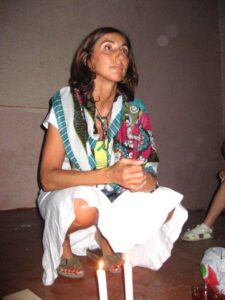
How it is Observed Friday Evening: The day is welcomed with the lighting of Shabbat
The daughter of David Herman, Julia Burton lights Shabbat candles in her father’s former home in Mukachevo, Ukraine.
candles, followed by Kiddush (a blessing over wine) and Hamotzi (a blessing over braided bread called challah). This leads into a festive, relaxing family dinner.
Saturday: Many attend synagogue services in the morning, followed by a second festive meal. The afternoon is typically spent relaxing, reading, and spending time with loved ones. Saturday Night: Shabbat concludes with a beautiful multi-sensory ceremony called Havdalah. It involves a braided candle, sweet spices, and wine, marking the transition from holy time back to the ordinary work week.
Restrictions & “Work” Observant Jews refrain from traditional forms of creative work, which historically includes activities like driving, writing, handling money, or operating electronic devices. Instead of being restrictive, this ‘disconnection’ is viewed as a gift—creating a peaceful sanctuary in time to disconnect from the noise of the modern world and focus on deeper connections
Tisha B’Av is the saddest day of the year and commemorates the destruction of the First Temple in Jerusalem.
A major fast lasts for 25 hours.
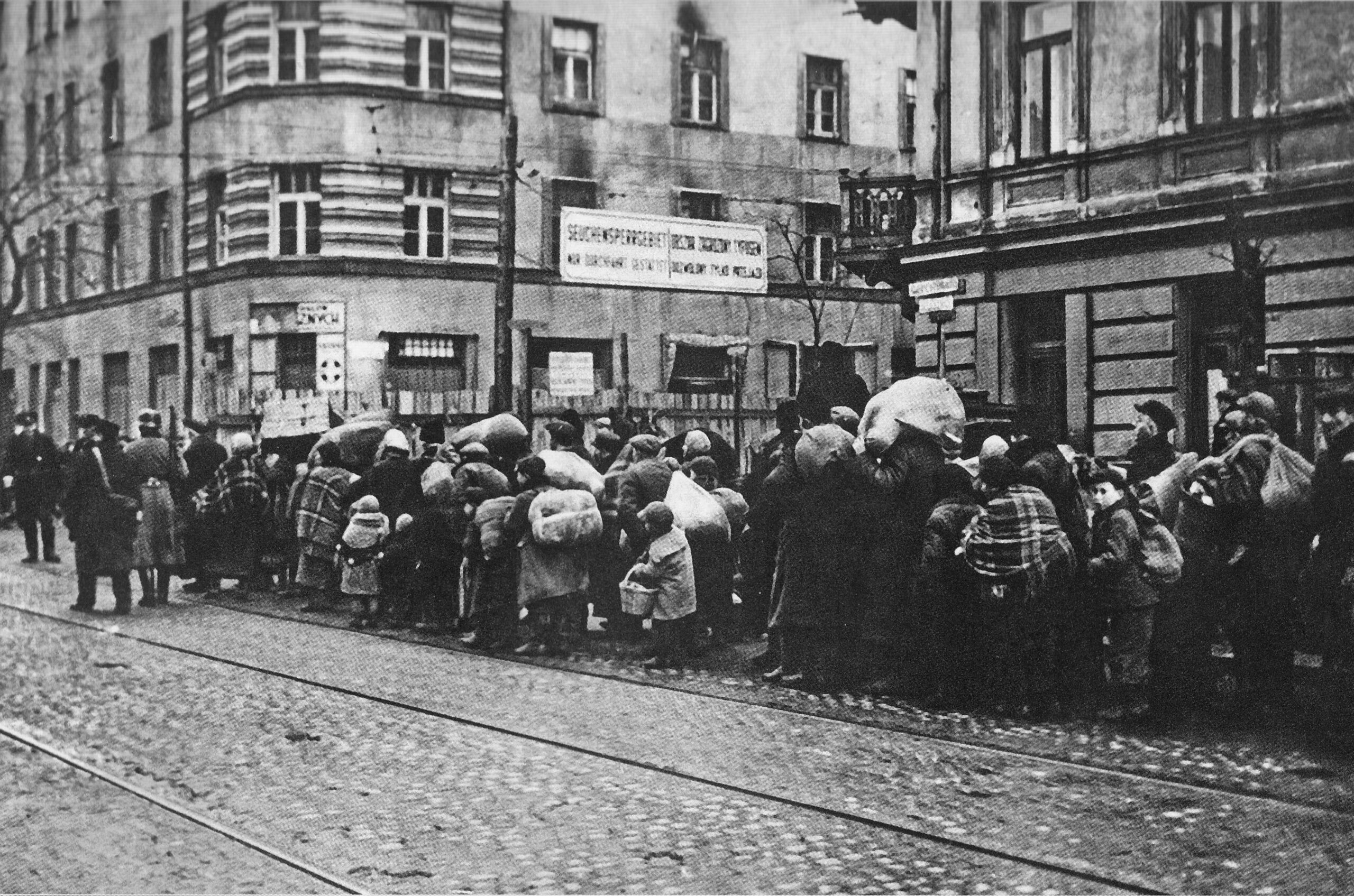
Other major calamities have happened to the Jewish people on Tisha B’av, among them the start of the First Crusade, the expulsion of the Jews from England, France and Spain. Word War I broke out on Tisha B’av and the mass deportation from the Warsaw Ghetto also began on the fast day.
Pesach, also known as Passover in English, the festival is held in March or April and celebrates the Jews’ escape from slavery in Egypt.
It lasts for eight days in the diaspora and begins with the Seder, which consists of a service and a meal.
The items on the Seder plate each symbolise a part of the Exodus story, which is retold during the meal using a book called the Haggadah.
During Pesach it is not permitted to eat anything which has or may have leaven. Jews eat matzah, which is unleavened bread. This is symbolic of the fact that when Pharoah ordered the Jews to leave they did so in such a rush that there was not time for their bread to rise.
Only foods which have been specially produced for Passover are permitted, except for fresh fruit and raw vegetables.
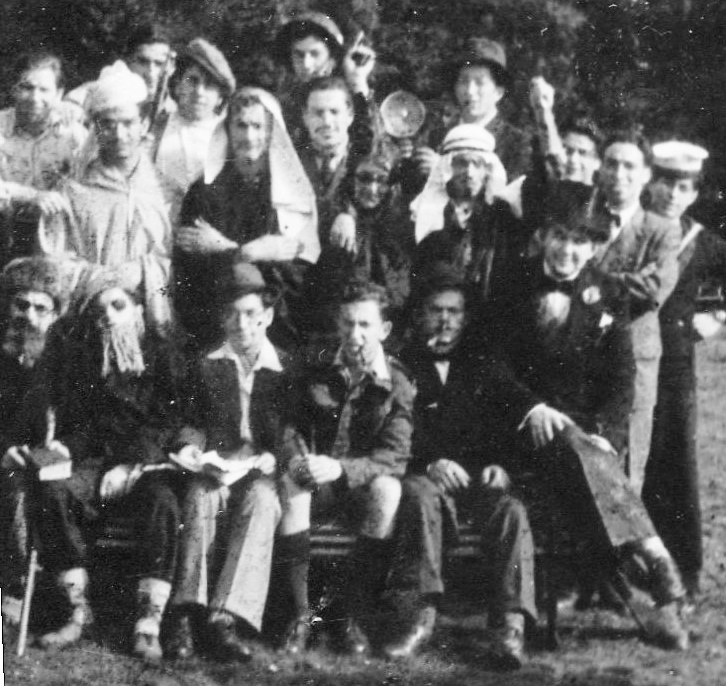
Purim celebrates the deliverance of the Jewish people from the wicked Haman in the days of Queen Esther of Persia.
It is celebrated by reading the story of Purim from a special scroll called the megilla, having a festive meal, giving to charity and exchanging gifts of food with family and friends.
Children, and sometimes adults, dress up in fancy costumes.
The Fast of Esther occurs just before Purim. It commemorates the fast undertaken by the Jewish people when they learned of the decree of annihilation planned against them.
Hanukkah celebrates the victory of the Jewish Maccabeans against the Greek rulers, who sought to impose Hellenistic culture and religion on the Jews.
The struggle culminated in the recapture and rededication of the Temple in Jerusalem. The oil burned in the Temple had been spoiled, except for one jar. It was enough to last for one day but by a miracle lasted for eight days.
As a result, the festival lasts for eight days, and on each evening a special eight branched candelabra is lit starting with one candle on the first night and ending with eight on the last night.
It is traditional to eat fried foods, especially potato lakes and doughnuts.
Five days after Yom Kippur, the festival of Sukkot celebrates God’s care of the Jewish people in the wilderness after the Exodus and is also the Jewish harvest festival.
Sukkot, which means ‘tabernacles’, refers to the temporary huts in which the Jews lived in their 40 years in the desert.
During Sukkot a blessing is said over four species of plants mentioned in the Bible. The collective name for these species is a lulav, after the Palm frond which is the most conspicuous. Meals are taken outside in a flimsy hut called a succah
Yom Kippur, also known as the Day of Atonement, this is the holiest day of the Jewish calendar.
There is a 25 hour fast during which nothing must be eaten or drunk. Much of the day is spent in synagogue in prayer to repent and seeking forgiveness for one’s sins over the last year.
On the eve of Yom Kippur it is traditional for a father to bless his sons and daughters. The service that introduces Yom Kippur is called Kol Nidre after the prayer that is recited.
Young Ivor Perl
“A huge warehouse was used as the synagogue, with the rabbi at its head. Although the place was enormous, by the time we arrived it was nearly full and their were no more prayer books. We followed the service as best we could, but being Rosh Hashanah, the praying was very emotional, with a lot of tears.
For Yom Kippur we made sure we got there early, to get a prayer book for Yizkor, (prayer for the dead). The place filled up even sooner than before. When the time came for Yizkor, the atmosphere became charged with emotion. As is the custom, the rabbi gave a sermon that ended with the meaning of Yizkor. There was not a dry eye in the place. The cantor who took the service had a beautiful voice and as soon as he began the prayer there was wailing, screaming and crying. Everyone there had lost loved ones and this was just too much to bear. It hit me then that I would never feel my mother’s arms around me or see my father or the rest of my brothers and sisters. The tears poured out of me. I could not stand it any longer and ran out of the synagogue.”
Rosh Hashanah or The Jewish New Year occurs in September/October.
It is the anniversary of the creation of Adam and Eve, the first man and woman according to the Hebrew Bible and starts a ten-day period of self-examination and repentance. It is a time for Jews to reflect on their year, including their good and bad deeds.
The Tashlich ceremony takes place during Rosh Hashanah. At this ceremony sins are cast out and poured into water as people ask for God’s forgiveness.
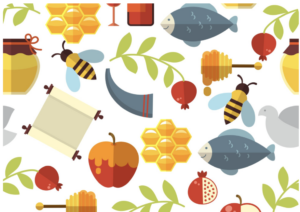
The shofar, a ram’s horn, is blown to symbolise a call for repentance. Apples are dipped in honey to represent the hope of a sweet new year. Pomegranates are also eaten because of the fruit’s appearance in the Torah (the Jewish bible,) as the fruit of the land of Israel and as it is said to have 613 seeds. This is the same number as the number of historic laws governing Jewish Jewish life according to tradition.
 About
About History
 Education
 Quilts
 FIlms
FIlms Photos
 News Media & Events
 Publications
 Donate
 The Jewish calendar follows a lunar cycle and like other lunisolar calendars, it consists of months of 29 or 30 days which begin and end at approximately the time of the new moon.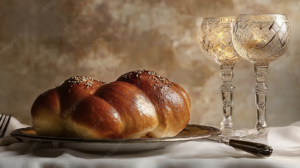
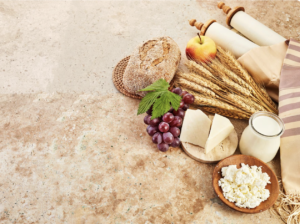 Shavuot celebrates the giving of all the Torah laws, including the Ten Commandments at Mount Sinai after the Exodus.
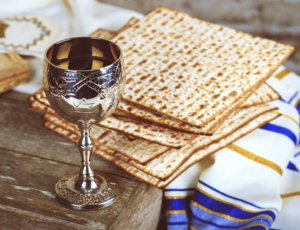 Pesach, also known as Passover in English, the festival is held in March or April and celebrates the Jews’ escape from slavery in Egypt.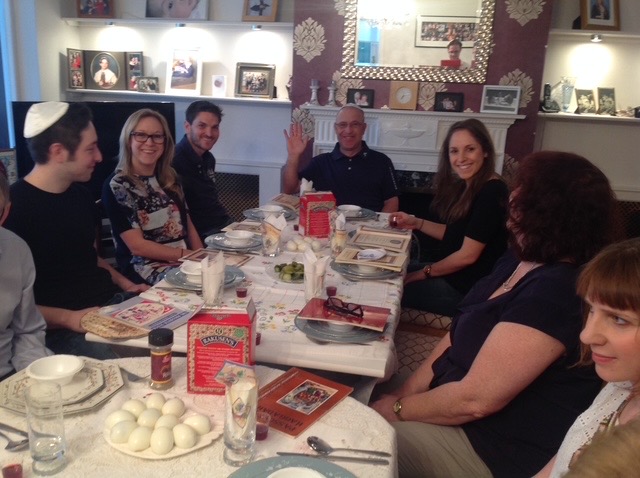
 Purim celebrates the deliverance of the Jewish people from the wicked Haman in the days of Queen Esther of Persia.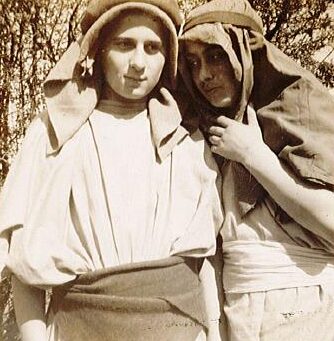
 Hanukkah celebrates the victory of the Jewish Maccabeans against the Greek rulers, who sought to impose Hellenistic culture and religion on the Jews.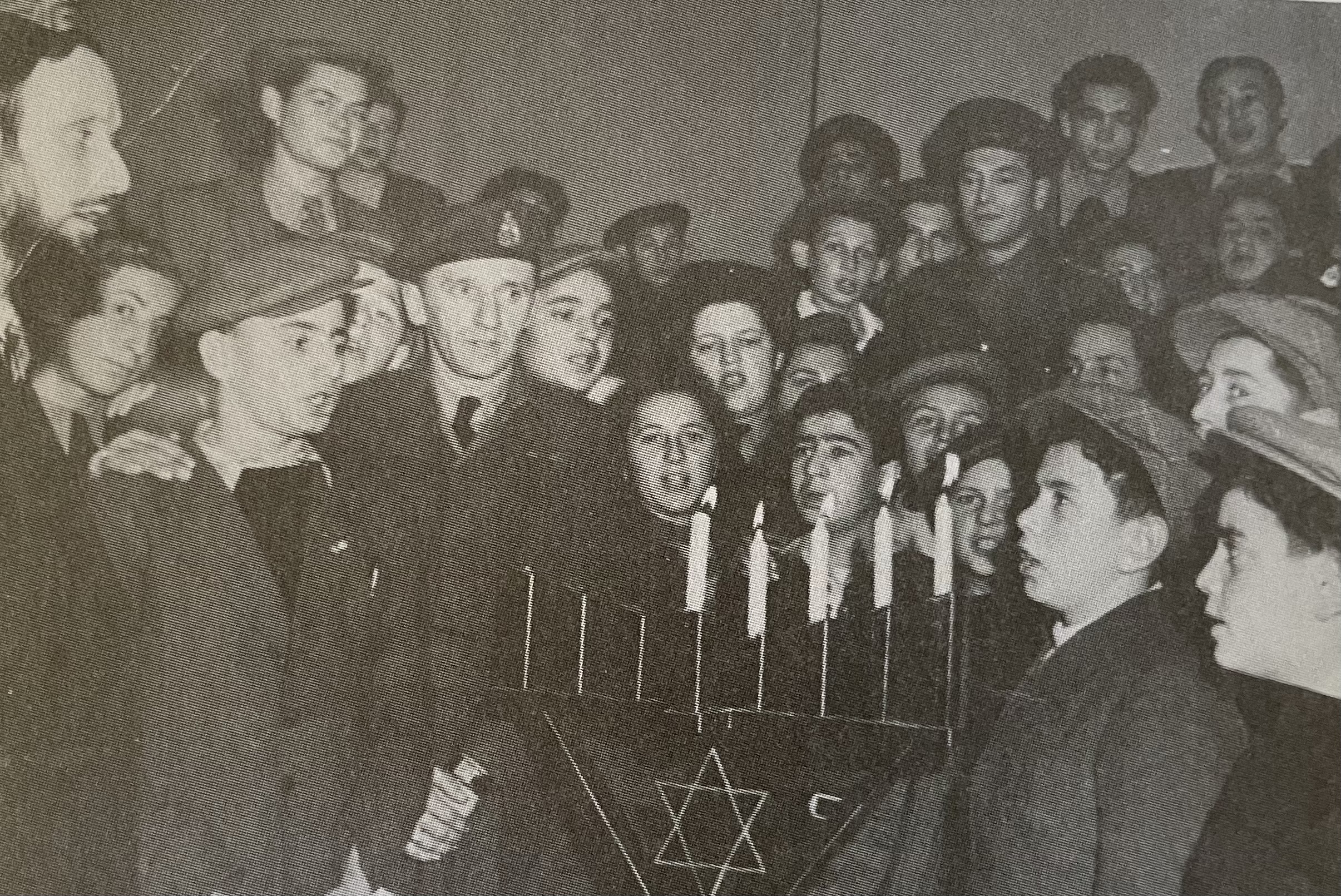
 Yom Kippur, also known as the Day of Atonement, this is the holiest day of the Jewish calendar.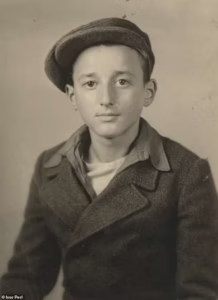
 It is the anniversary of the creation of Adam and Eve, the first man and woman according to the Hebrew Bible and starts a ten-day period of self-examination and repentance. It is a time for Jews to reflect on their year, including their good and bad deeds.