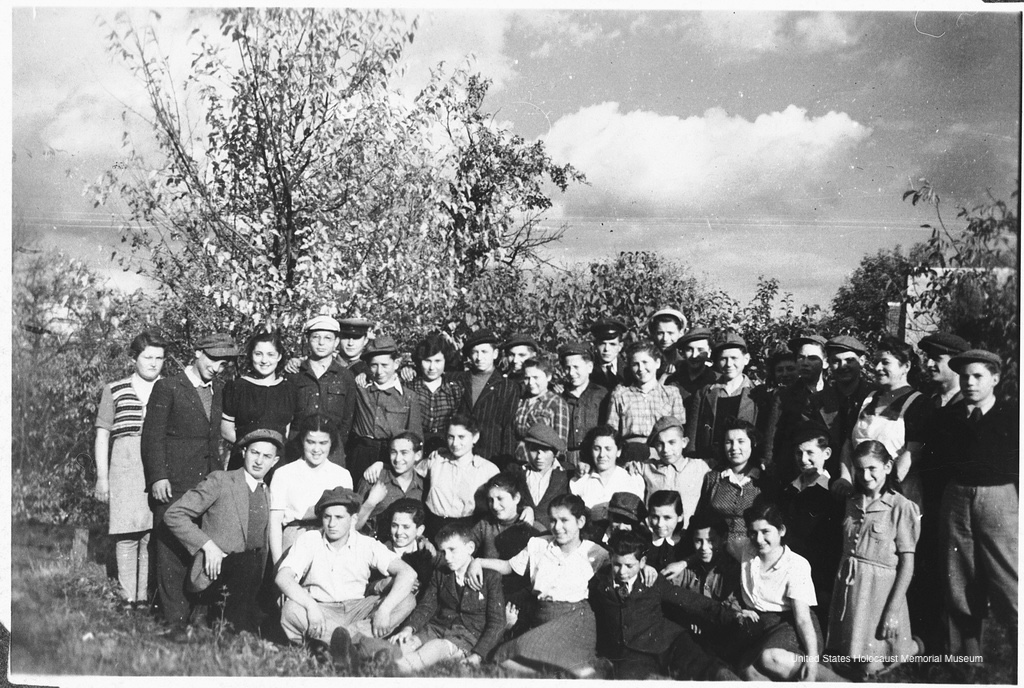
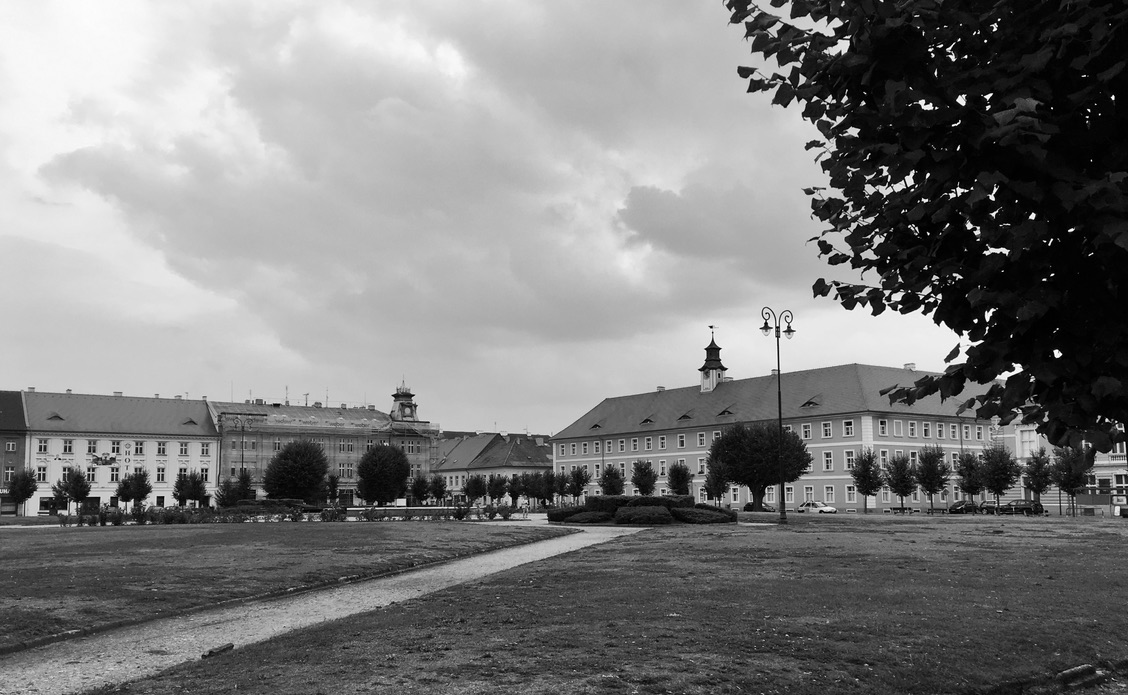
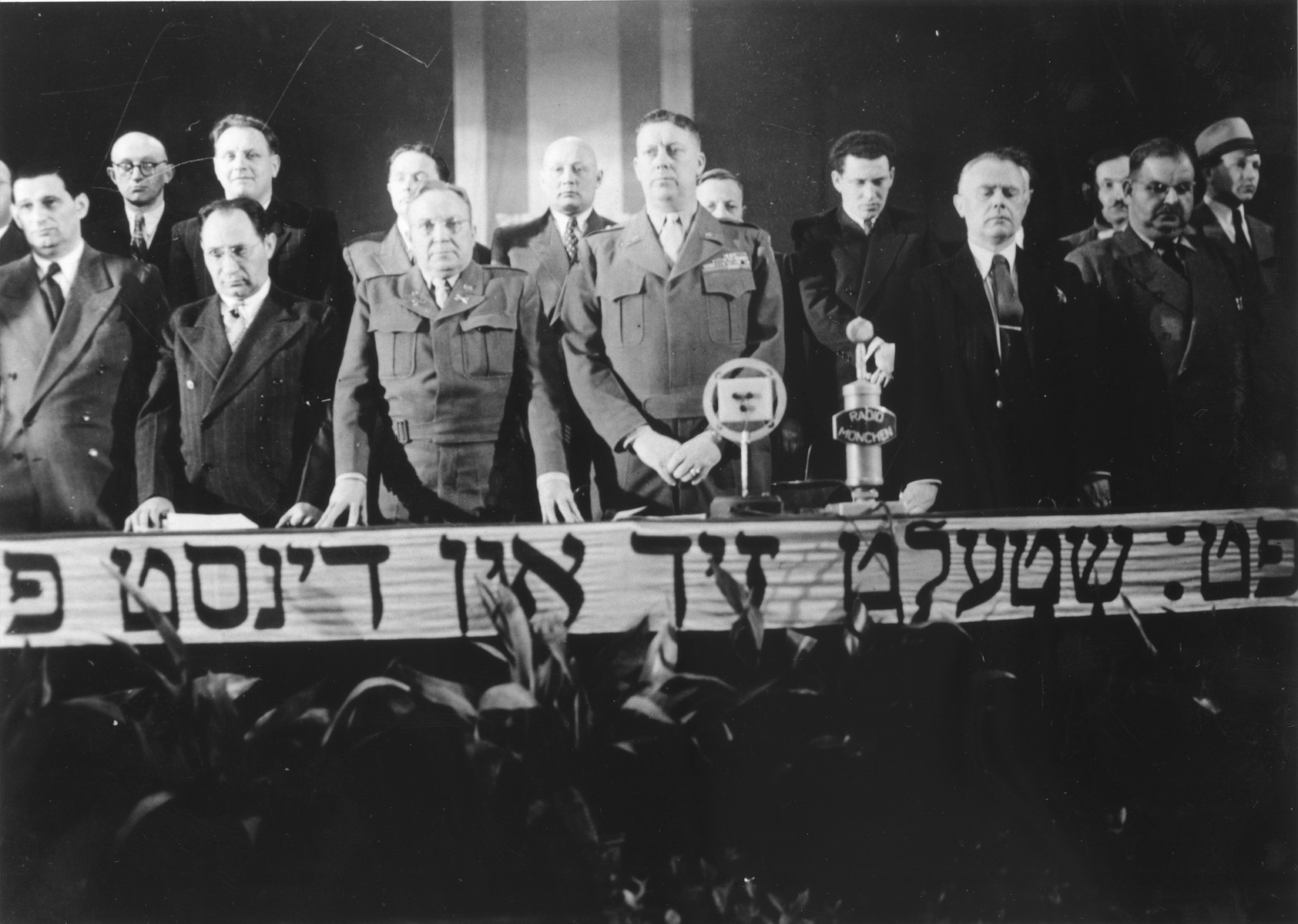
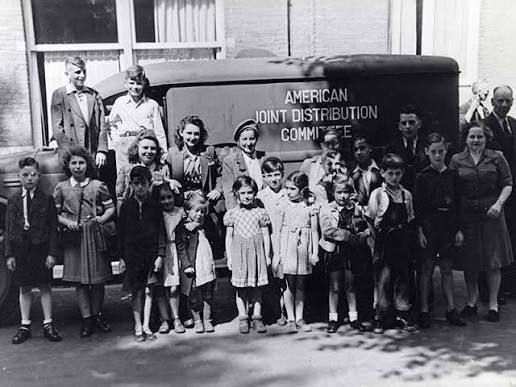
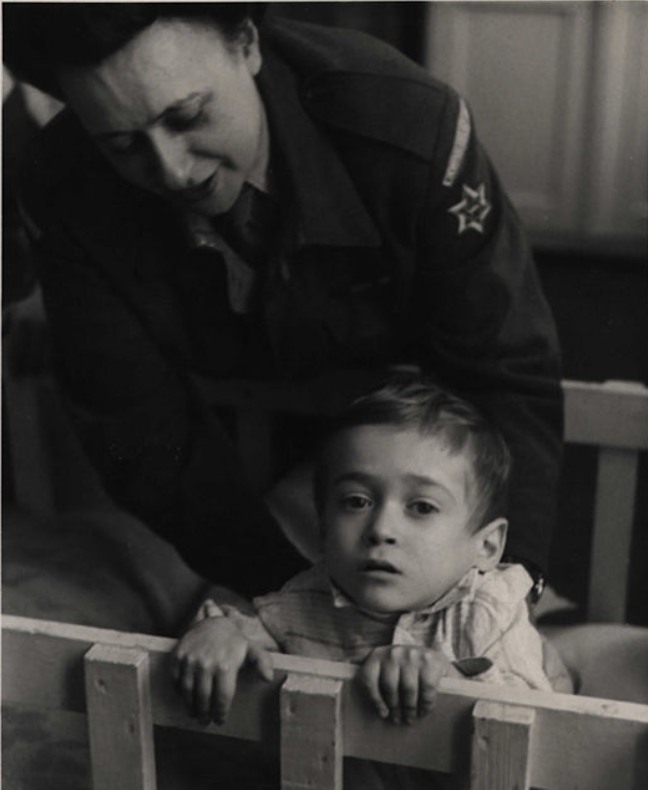
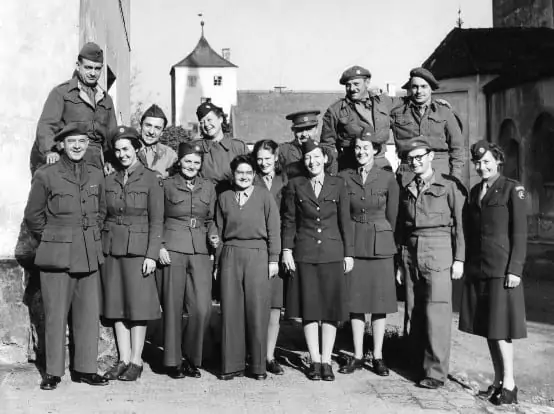
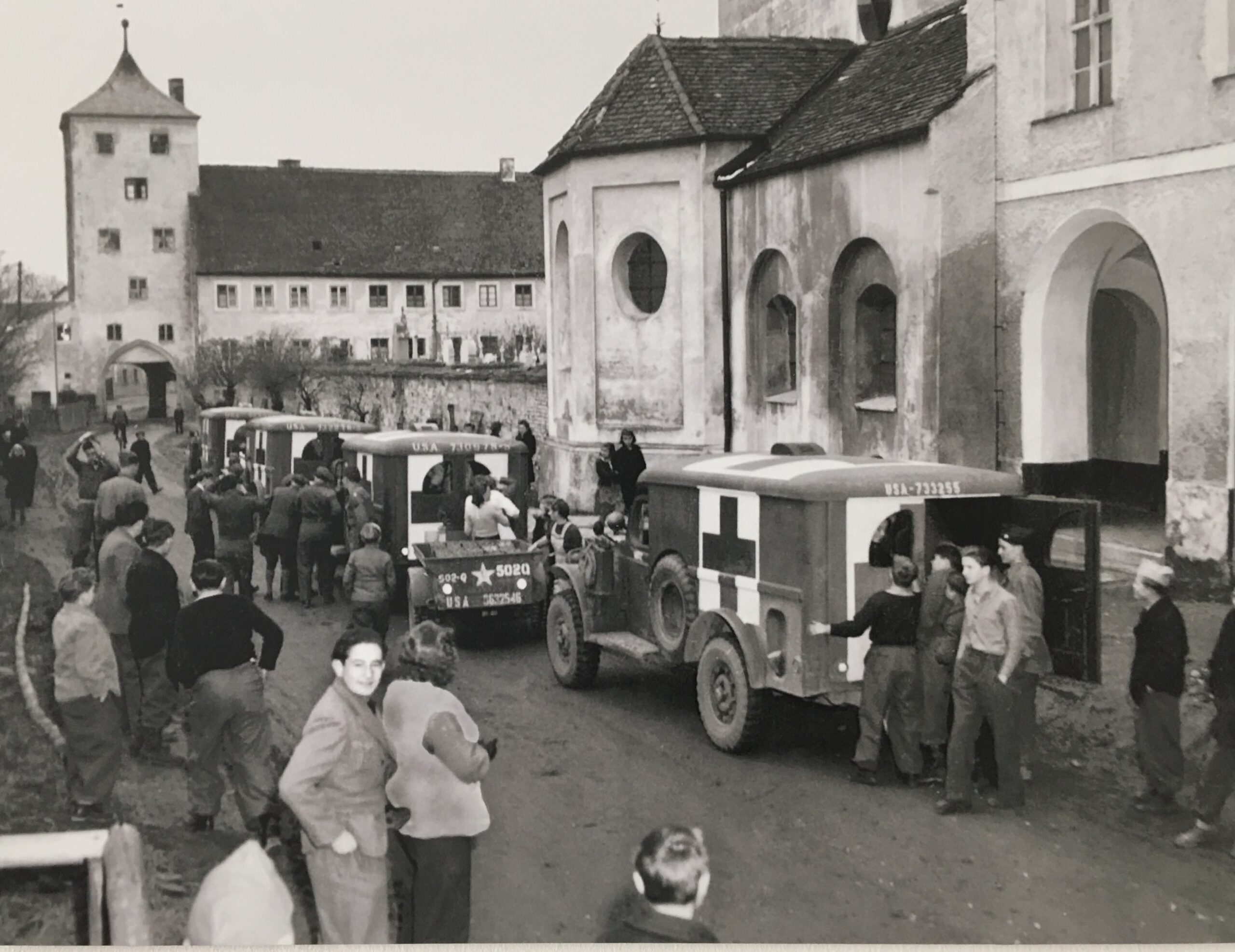
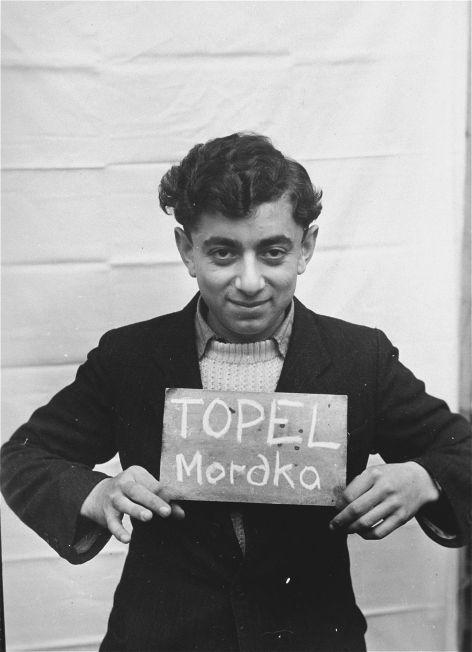
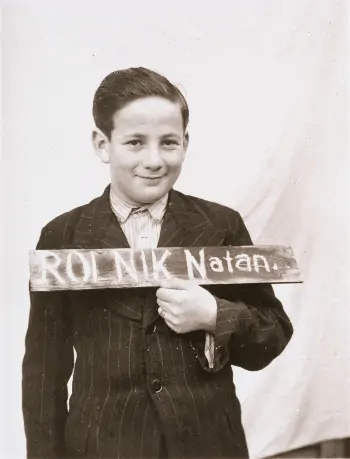
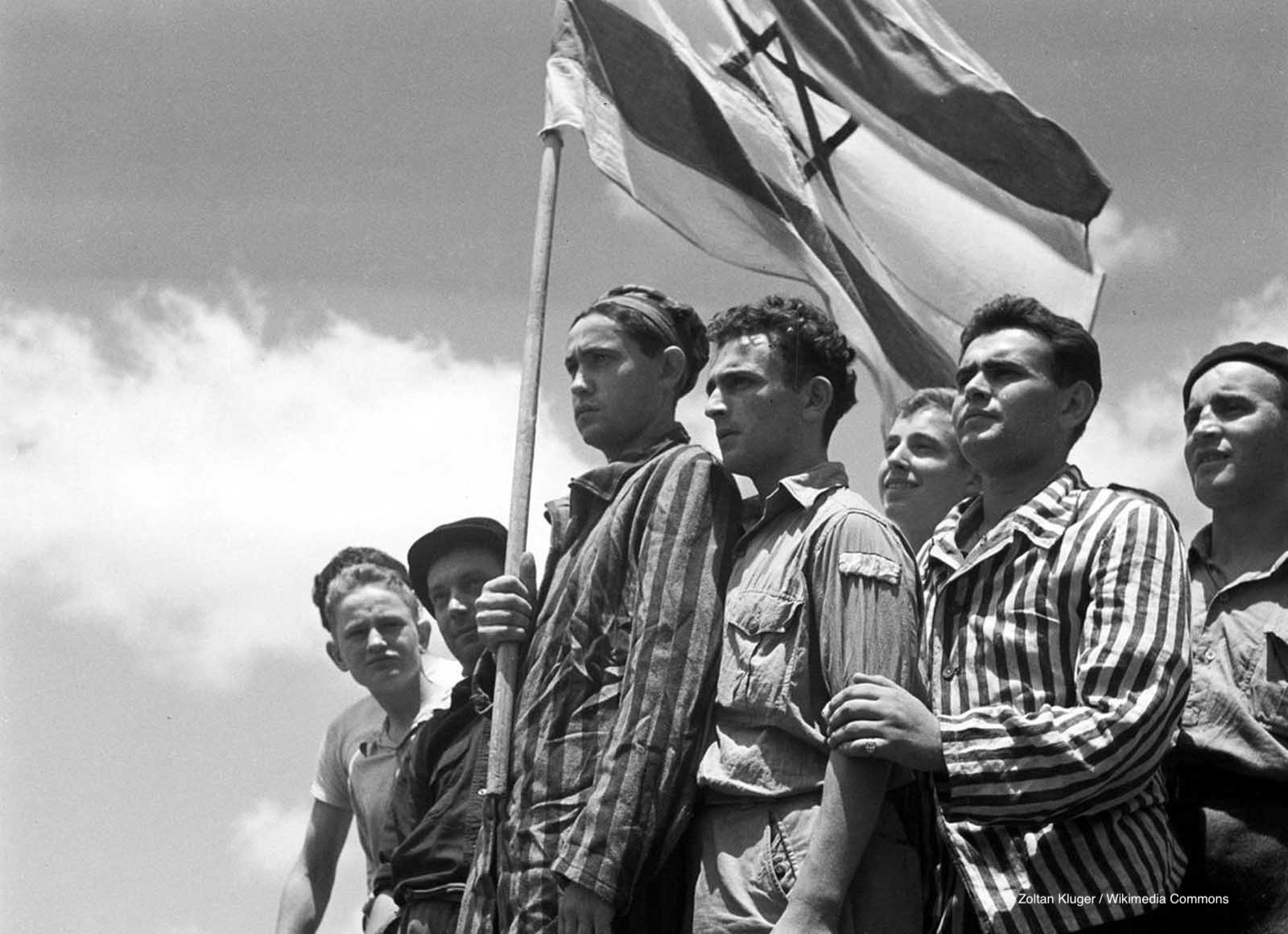
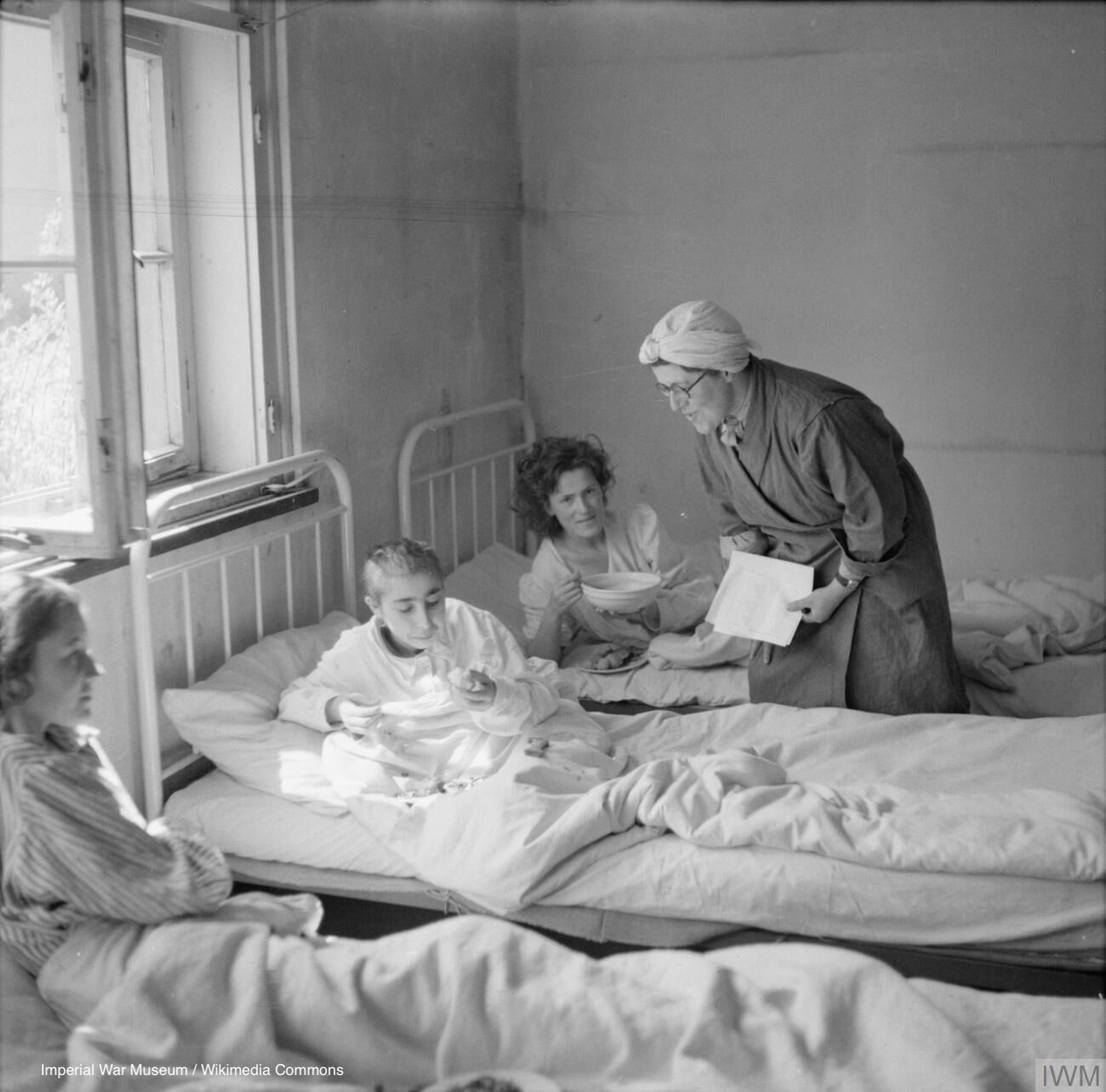
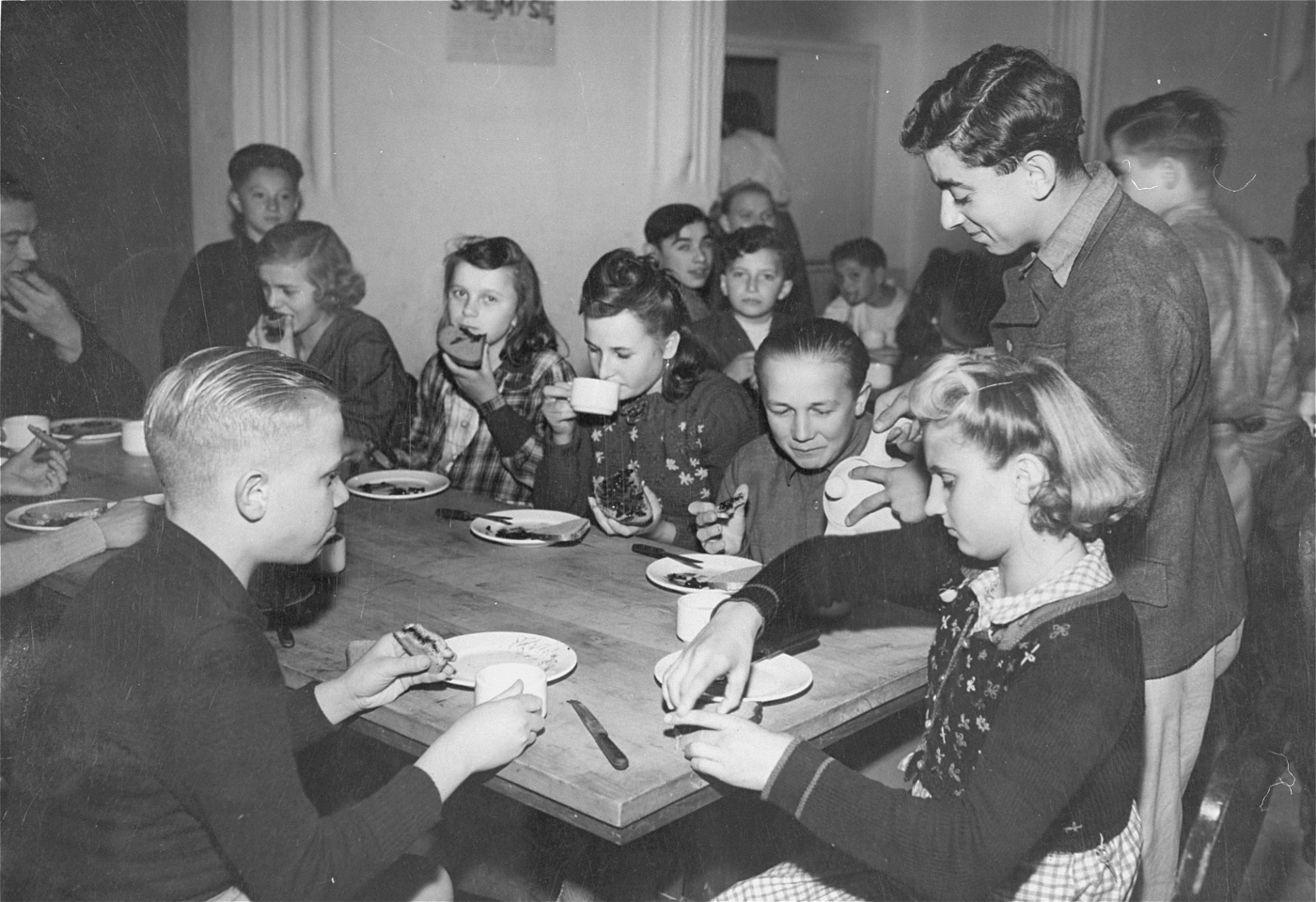
The Boys were cared for after liberation in a network of displaced persons’ camps and children’s homes that were set up in Czechoslovakia and Germany. Some of the Boys spent only a short time in these camps and orphanages but others spent months or years there.
The Boys were child-Holocaust survivors who were later brought to the UK after the war for rest and rehabilitation.

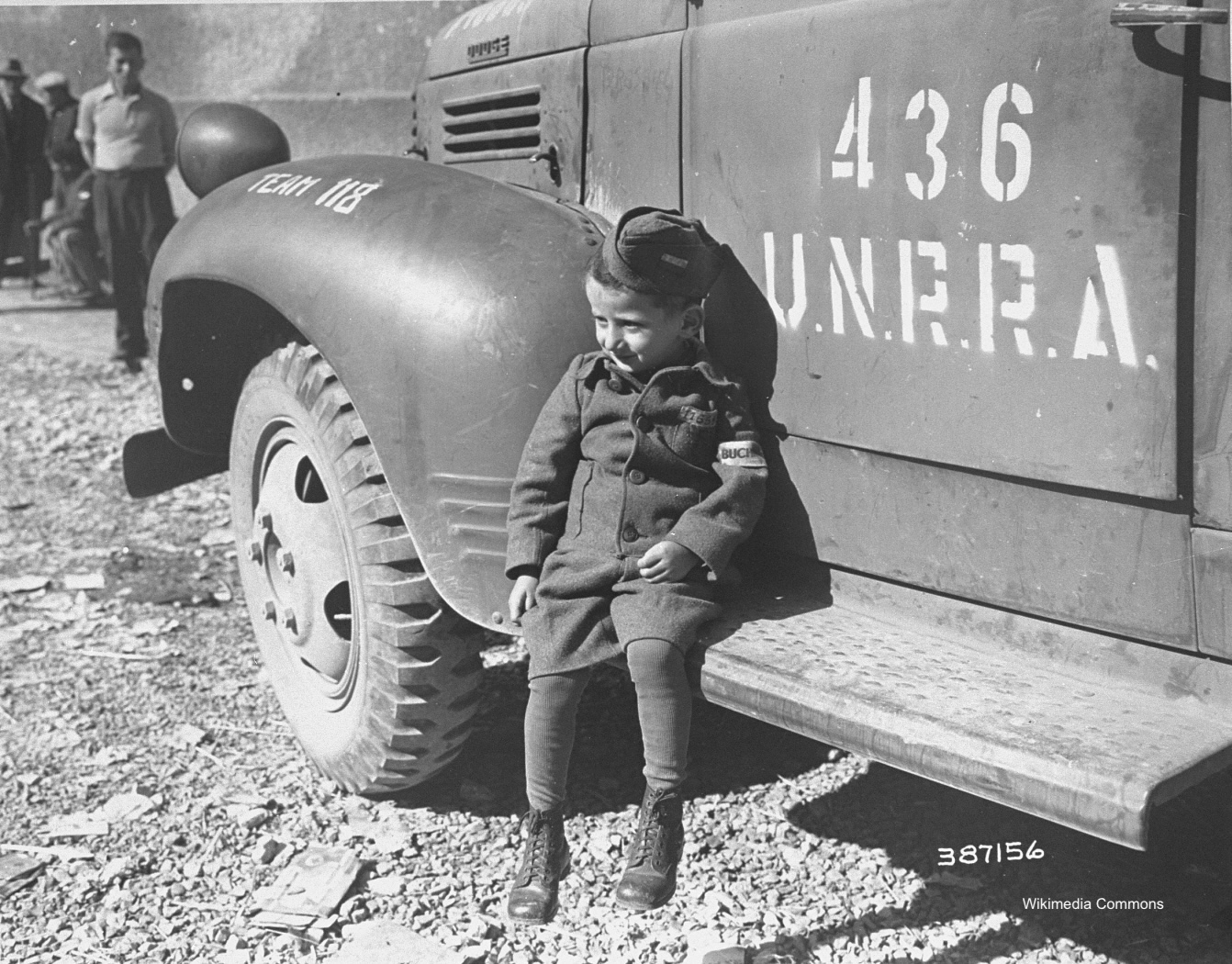
The DP camps in Germany were administered by the United Nations Relief and Rehabilitation Administration, UNRRA. UNRRA also offered financial aid to charitable organisations who helped the survivors.
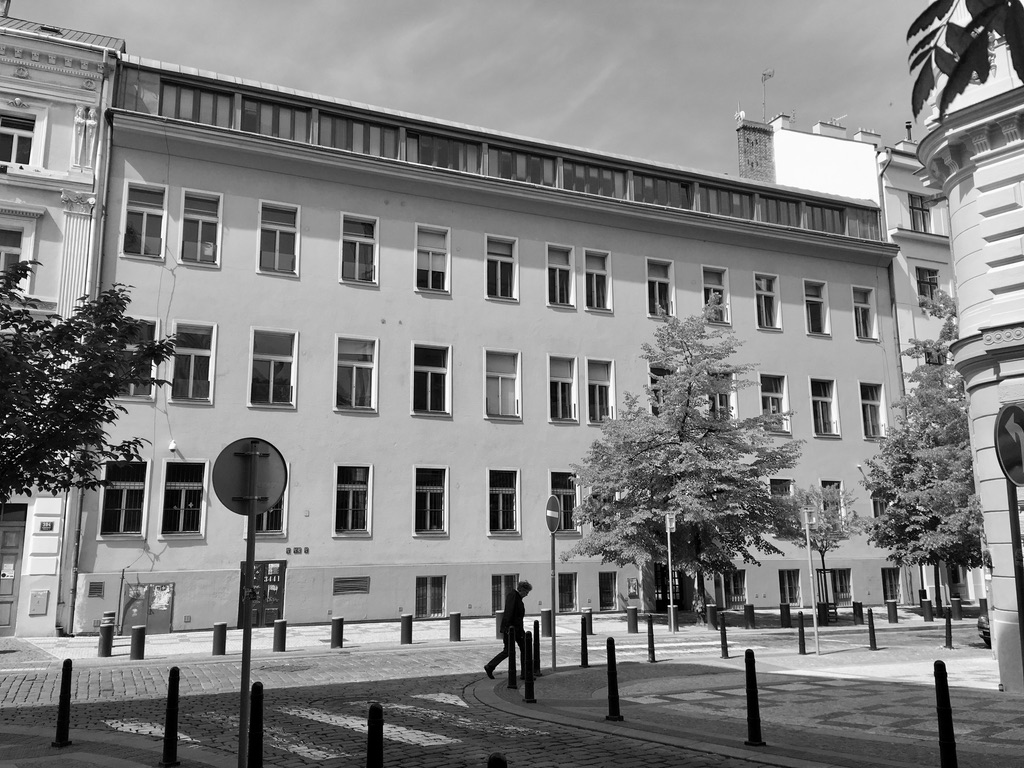
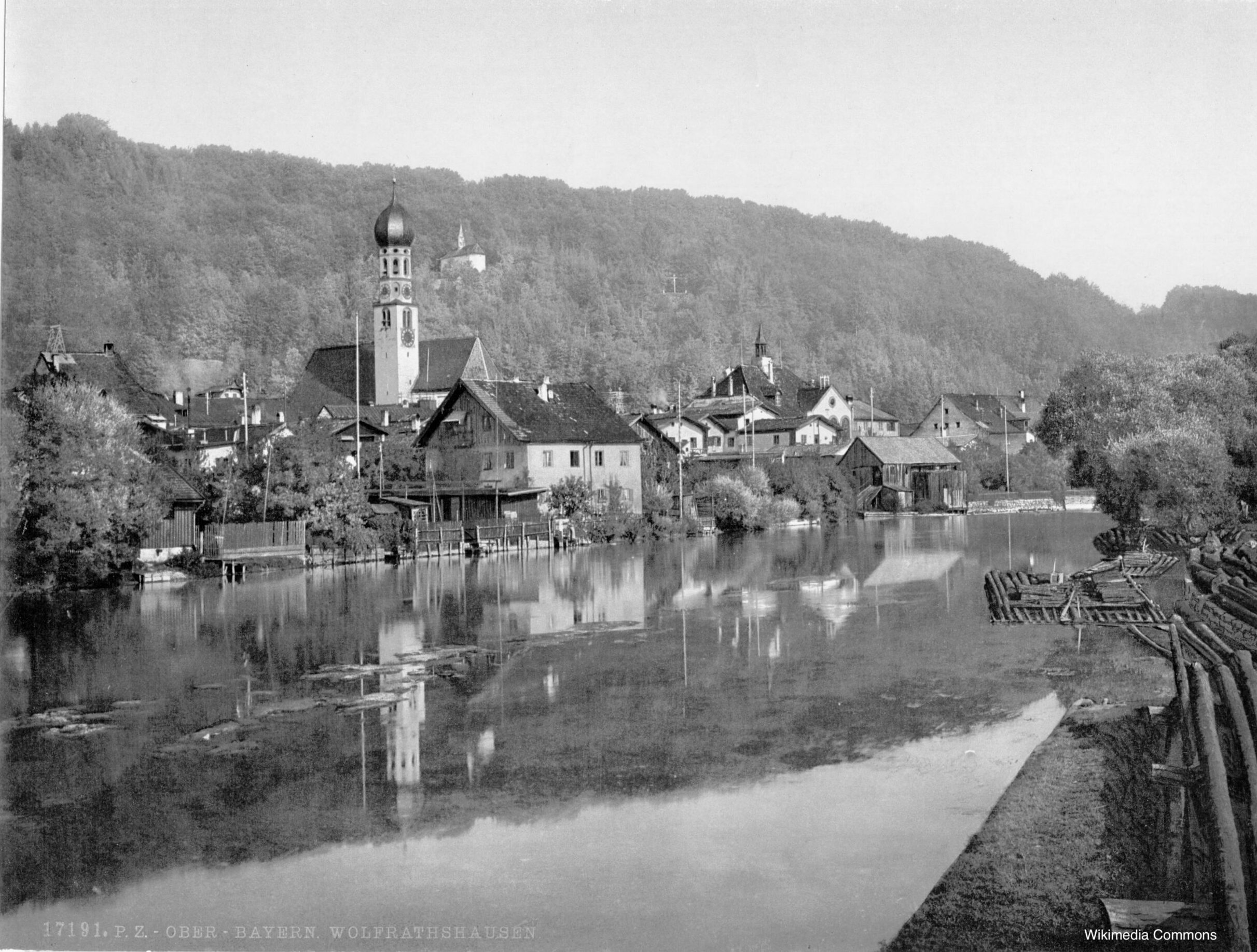
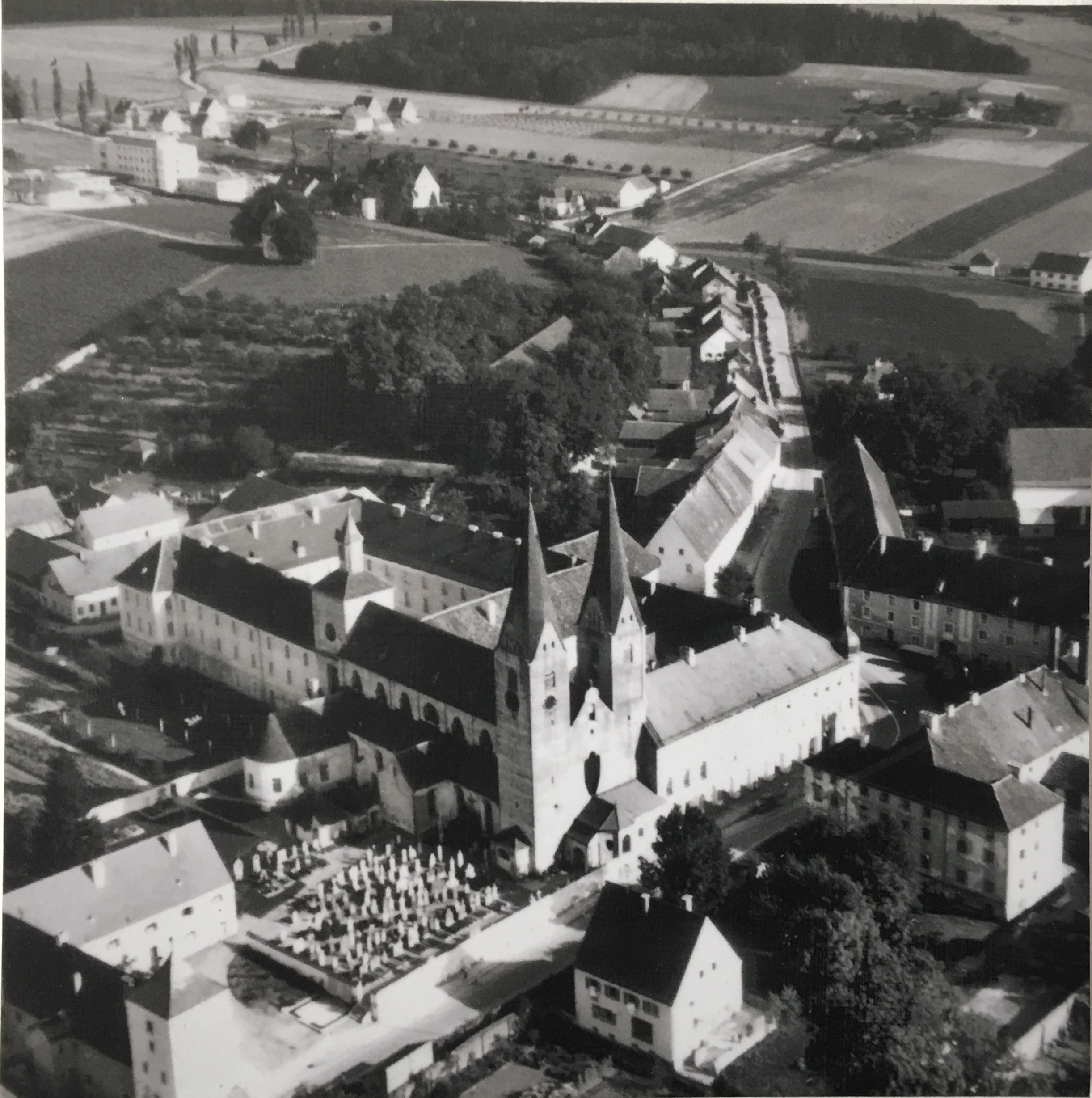
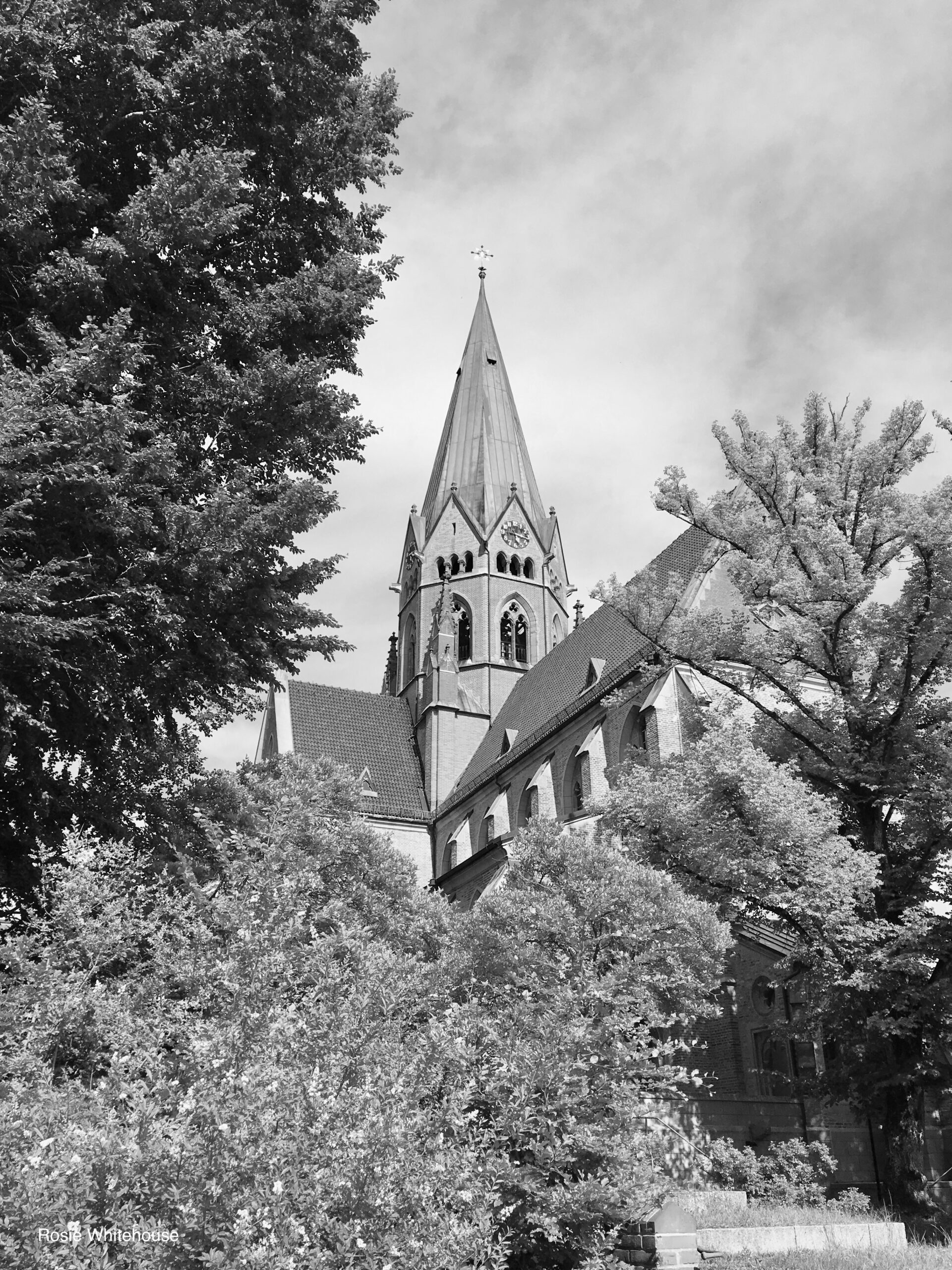
The Boys were cared for in the Belsen-Hohne DP camp in the British occupied sector in the north of Germany and in four DP camps – Feldafing, Föhrenwald-Wolfratshausen, Kloster Indersdorf and St Otillien – were in the American sector in souther Germany.
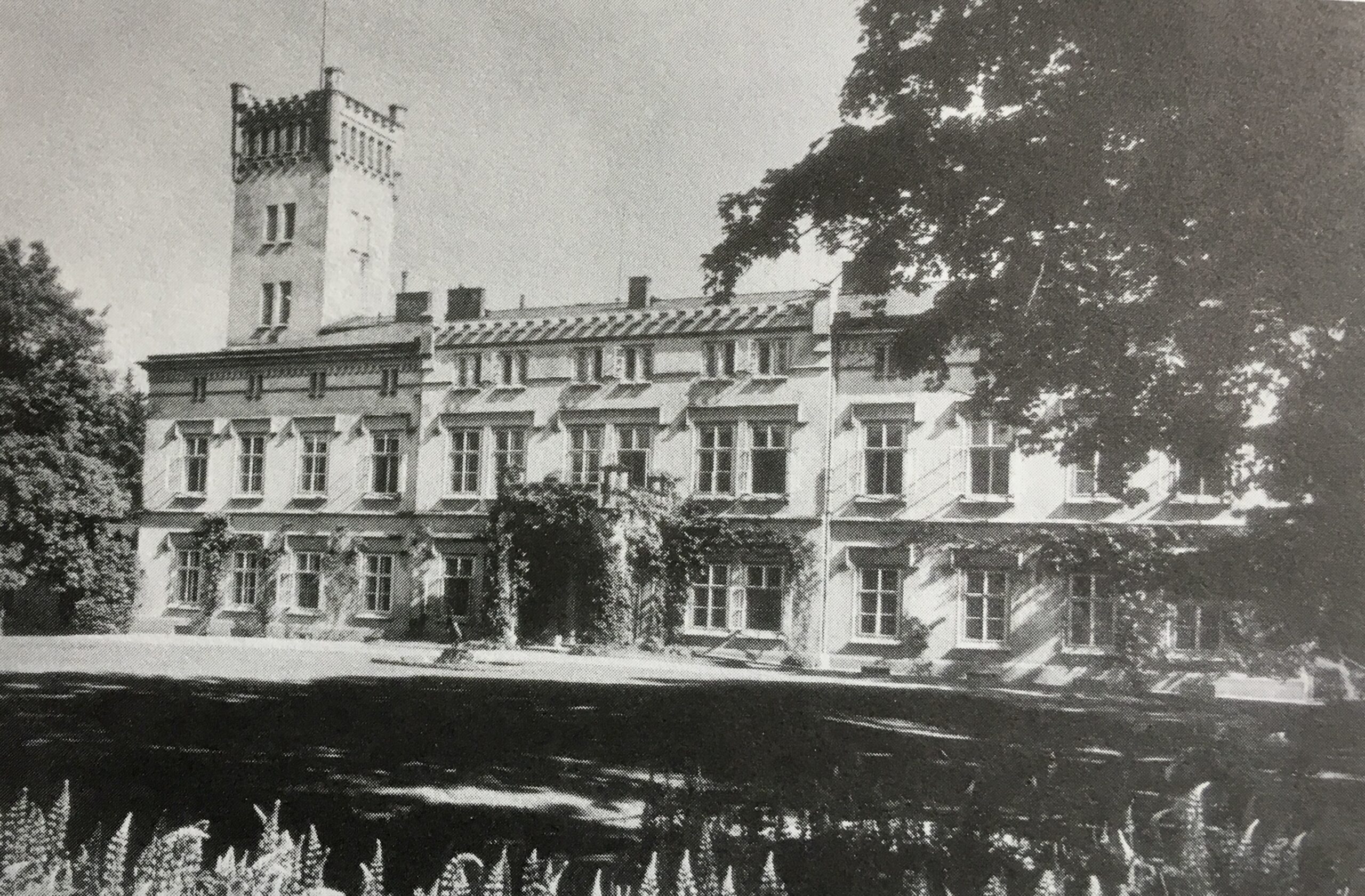
The childrens’ homes – the Belgiská Orphanage, Pitter’s Castles and the series of homes in Košice – all in Czechoslovakia were run by charitable organisations. The Terezín DP camp was run by the new Czechoslovak government.


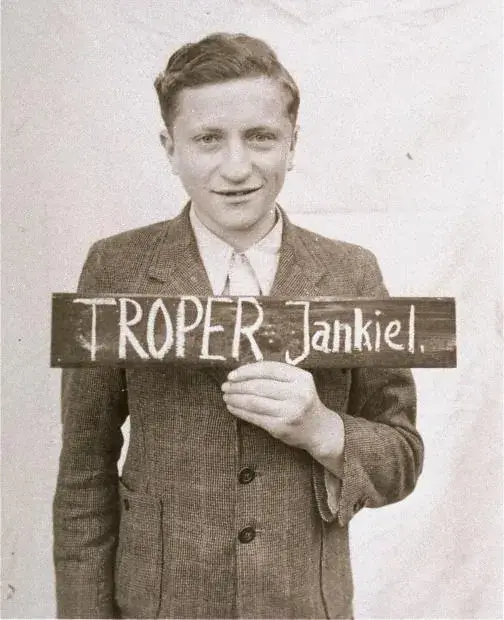
Immediately after the liberation, Holocaust survivors were categorised by nationality and many found themselves in camps alongside their co-nationals who held antisemitic views and had even persecuted them in the Nazi concentration camps.
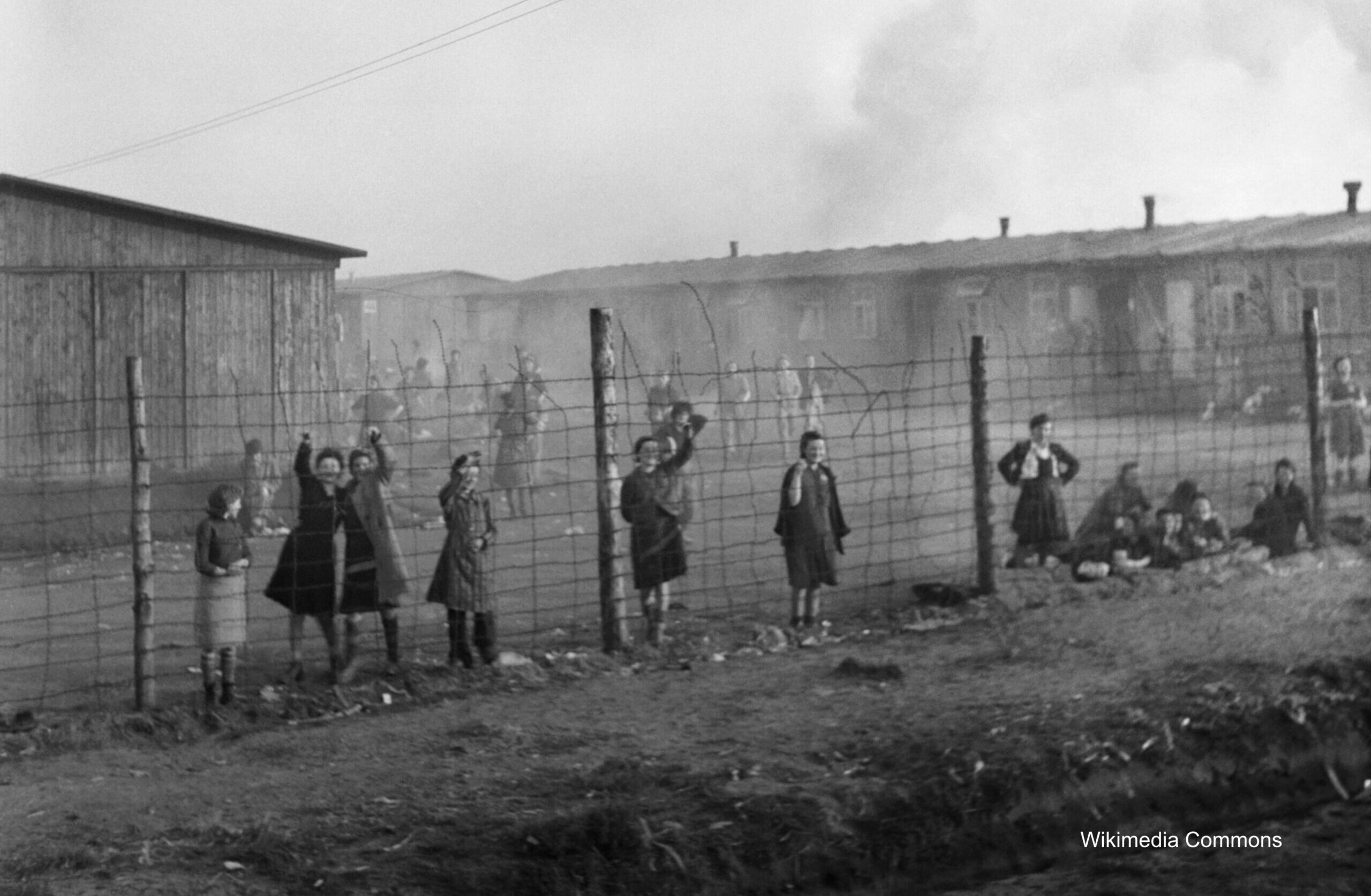
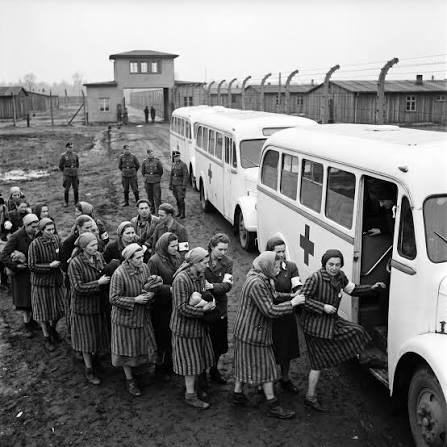
Initially life in the DP camps was very harsh especially for Jewish survivors. Many of the camps had been previously used as labour or concentration camps by the Nazis and remained enclosed with barbed wire and under armed guard. Death rates also remained high. In the Belsen-Hohne DP camp there were 23,000 deaths in the first three months after the liberation.
The Harrison Report
After a campaign by the US Army chaplain, Abraham Klausner, news of the terrible situation Jews endured in the DP camps in the American zone reached the White House, President Truman sent an envoy, Earl G Harrison, the newly-appointed American delegate to the Intergovernmental Committee on Refugees, to report on the situation.
The Harrison Report, published in July 1945, revealed that not only were Jewish survivors living in terrible conditions but they were forced to live with those who had collaborated with the Nazis.
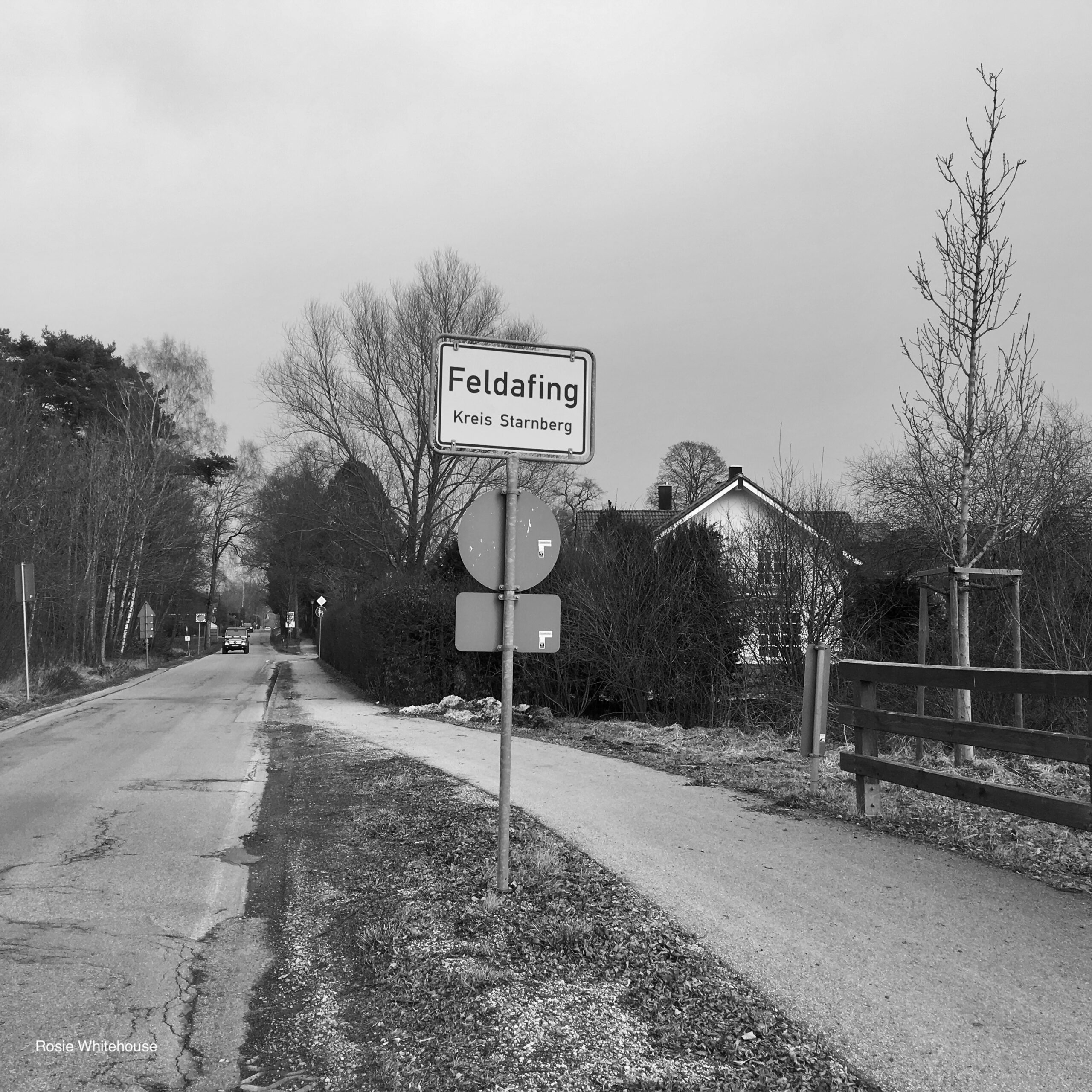
As a result of the Harrison Report, military advisors were appointed to oversee the DP camps in the American zone and conditions improved. One of the first measures implemented was to separate the Jews from the rest of the population of displaced persons. In July 1945, Feldafing became the first exclusively Jewish DP camp.
It was the first time that Jews had been recognised as a nationality and thus Feldafing played an important role in Jewish history. Föhrenwald DP camp followed in the late summer of 1945.
Camps like Feldafing and Föhrenwald were unique to the American zone.
“First of all most of the camps-DP camps were ex-Nazi barracks not camps not concentration camps not extermination camps but barracks of the SS. It was good officers quarters and had lots of rooms and spaces.
Okay so that’s the physical part. The internal social structure of it there was some sort of organization and there was newspaper in Yiddish. There were some classes. They started classes about Zionism and there were visitors from various Jewish community members from around the world …
Those who worked would get some pay but you could volunteer for things. And I remember volunteering for one particular job which was shovelling … coal and German kids were making some funny noises and sort of like yelling Juda or something and that’s when I almost snapped. I took a piece of coal like stone and threw it, and as bad luck would have it, it hit him right in the face right – in the eye – and as the truck was driving off I saw him going like this gesturing and don’t know whether I blinded him or not. This is still debatable in my mind. And felt so good. It was my revenge poor innocent kid. Mean – but he shouldn’t have opened his mouth. He opened his mouth at the wrong time and I feel that at that point in time I’m relatively certain that if somebody ordered me to kill somebody I would have. If somebody ordered me to kill say some German or Nazi I would have done that. Easily. But subsequently you know, as the years went by, I felt that this was not the way to behave.”
Oliner was 15 years old when he was in Föhrenwald DP camp.
Daily Life
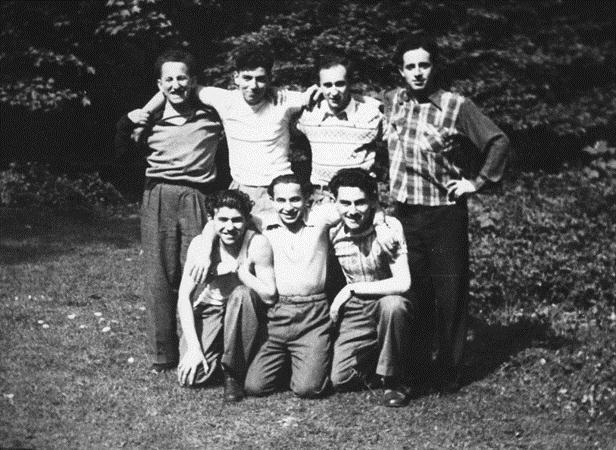
Despite the tragedy and horror that they had experienced, once they began to physically recover, Jews in the DP camps showed a remarkable zest for life.
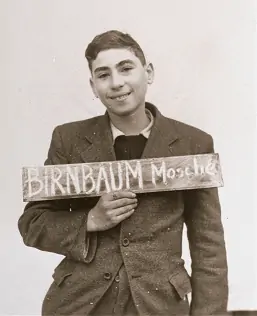
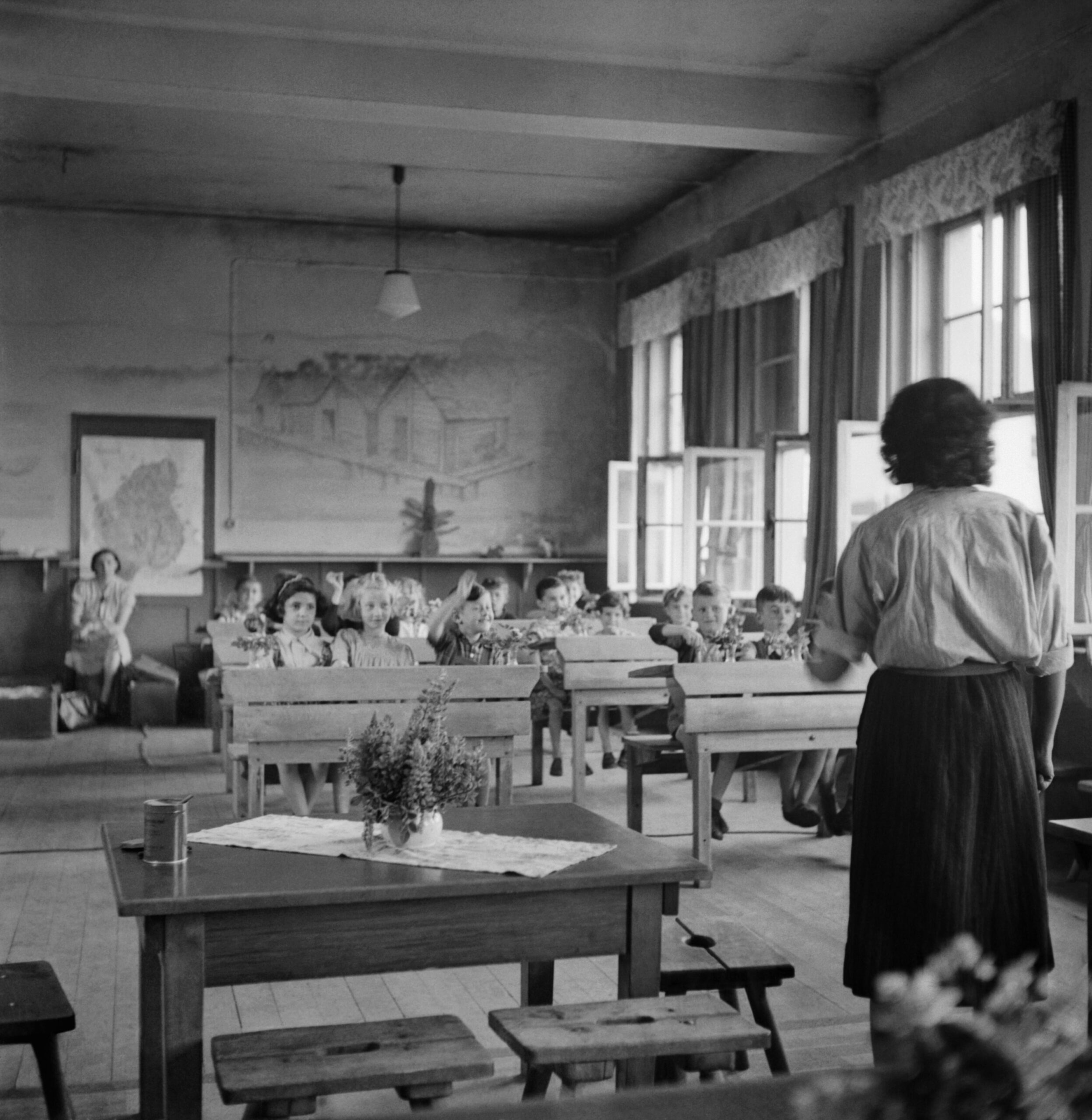
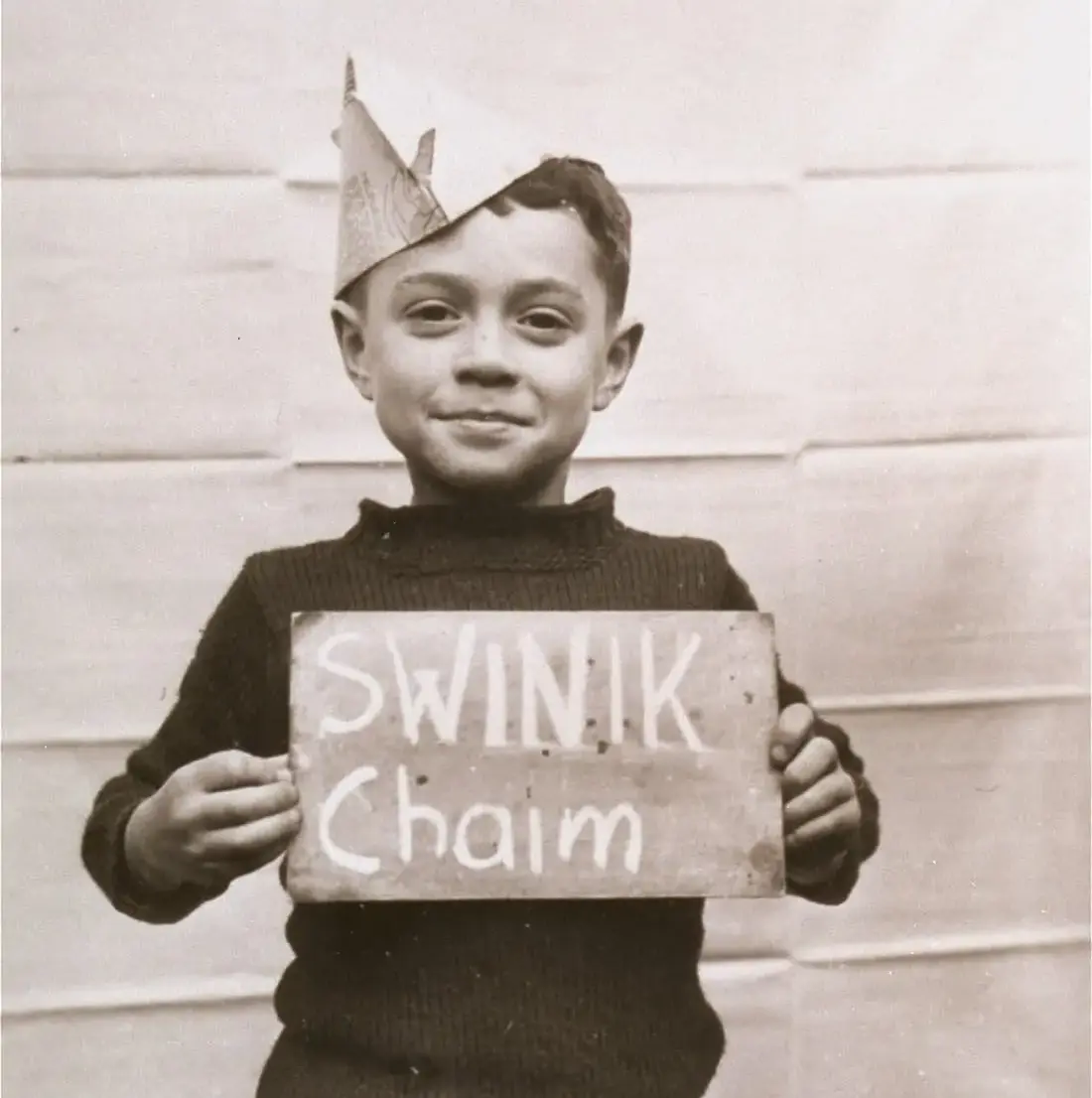
Schools, kindergartens and vocational training centres were set up. Yet, despite the efforts of the Jewish leaders in the DP camps to organise education and sports activities for the young survivors many of them were left to their own devices and they spent time trading on the black market.
Aid workers in the camp and many Jewish leaders saw the pressing need to move the young survivors to a place more suited to their rehabilitation. Young survivors were taken to Mandate Palestine both legally and illegally, as well as to France, Sweden, Switzerland and the UK.
“The United Nations Relief Agency started registering people for repatriation or immigration. I did not want to return to Poland as I knew I had no family left there. The remaining choice was the U.S.A, England or Israel (Palestine) and I put my name down for all three. Whichever came up first is where I would go. A couple of months later as autumn approached, I was told I could go on a transport to England. England was allowing a certain number of refugees under the age of eighteen to enter. The organizers of Aliyah Bet (immigration to Israel) said that British and American authorities were allowing mainly younger refugees to enter their countries, hence their opposition. The Americans took all of us who were in Feldafing to Föhrenwald D.P.C. because Aliyah Bet had threatened to block the road on our departure.”
Zionism
The Jewish revival in the camps also brought with it a renewed and reinvigorated Zionist movement.
Jewish survivors in the American zone had, by the summer of 1945, begun to organise themselves into an effective Zionist lobby, as is shown by Rosie Whitehouse in her study of the period The People on the Beach: Journeys to Freedom After the Holocaust (Hurst, 2020).
The Committee of the Liberated Jews of Bavaria lobbied for survivors’ rights and the establishment of a Jewish state in Palestine and as a result were opposed to moving the children anywhere but Palestine.
It set them on a collision cause with the British government, which had imposed strict limitations on Jewish emigration to Palestine in the 1939 White Paper.
After the war the Labour Party had promised on the hustings to repeal the White Paper but after their landslide victory in 1945 refused to do so.
It was only after much negotiation with the Committee of the Liberated Jews of Bavaria, that it was finally agreed that those children who had been told they were leaving for Britain would be allowed do so but as survivor Ivor Perl remembers the lorries that took them out of the Förenwald DP camp left in the middle of the night just in case Zionist activists tried to stop them.
The situation in the American zone was mirrored in the British zone where the Central Committee of the Liberated Jews prevented 220 child survivors from being taken to the UK.

The Jewish Brigade
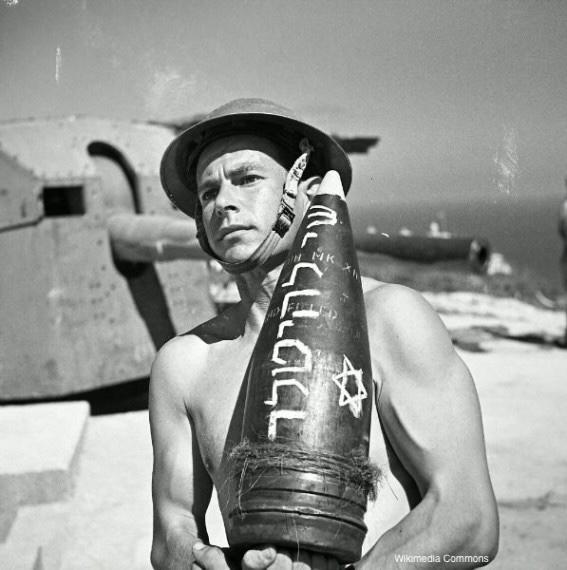
Jewish soldiers from the British Army’s Jewish Brigade also helped out caring for the younger survivors.
The Jewish Brigade played an important part in illegal immigration to the British controlled Palestine Mandate. Many of the young survivors were inspired by seeing Jewish soldiers for the first time.
Emigration
Most Jewish survivors in the DP camps wanted to leave Europe.
Many wanted to go to the British controlled Palestine Mandate. Their options for emigration, however, were severely restricted by immigration quotas. The British government had also put strict limits on Jewish immigration into Mandate Palestine in the 1939 White Paper.
Some survivors tried to make the journey to Mandate Palestine illegally with the help of the Jewish underground Aliyah Bet movement, but many had little choice but to stay in the DP camps where some lived for years.
The last two DP camps, Föhrenwald and Wels closed in 1957 and in 1959.
Belgická Orphanage
Belsen-Hohne DP Camp
Feldafing DP Camp
Föhrenwald-Wolfratshausen DP Camp
Kloster Indersdorf
Košice
Pitter’s Castles
St Ottilien
Terezín
The ’45 Aid Society has its own unique Holocaust education programme.
The Boys were young people when their lives were torn apart. Students will learn about where they came from, the families they lost, their experiences in ghettos, camps, hiding and death marches, their liberation and, importantly, what happened afterwards.
To find out more about the resources we offer click here.
Critical Thinking Questions
On the Page
Name a Displaced Persons’ Camp.
What was a Displaced Person’s Camp?
Who helped the Boys in the DP camps?
Between the Lines
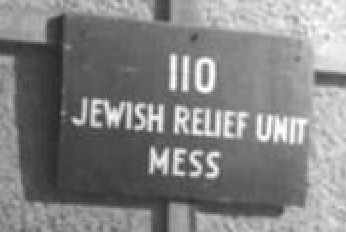
What sort of assistance did the Jewish community offer?
What were the main aid organisations working in the DP camps?
Beyond the Page
Why were some of the Boys unable or unwilling to return to their former homes?
What do the Boys’ testaments tell us about survivors desire for revenge?
For a full list of Critical Thinking Questions click here.
Glossary
Allies A group of 26 nations led by Great Britain, the United States, and the Soviet Union that opposed the Axis powers during World War II.
Central British Fund (CBF) The UK-based charitable organisation that was instrumental in bringing the Boys to the UK. Formerly known as the Central British Fund for German Jewry, it is known today as World Jewish Relief.
Concentration Camp A prison camp used to detain those deemed enemies of the Nazi state, including Jews, Gypsies, political and religious opponents, members of national resistance movements, homosexuals, and others. Imprisonment was of unlimited duration, not linked to a specific act, and not subject to any judicial review. Inmates were often forced to undertake hard labour.
Death March A forced march of prisoners, especially Jews, from the concentration and slave labour camps in eastern Europe to camps further west that began in the autumn of 1944 in face of the advance of the Red Army.
Displaced Persons Camp (“DP Camp”) A series of camps established by the Allies after World War II to house survivors of Nazi persecution and refugees from eastern Europe, known as displaced persons, or DPs, while they awaited repatriation to their home countries or resettlement in a new destination.
Yiddish A Germanic language with elements of Hebrew and Aramaic historically spoken by Ashkenazi Jews.
For a full Glossary click here.

 About
 History
 Education
 Quilts
 FIlms
 Photos
 News Media & Events
 Publications
 Donate