Charlotte Benedikt (née Singer)

Charlotte Benedikt was born Sarolta Singer to parents Alexander and Eva on 18 August 1930 in Gyor, north-western Hungary.

Benedikt was a member of a group of Holocaust survivors known as the Boys, despite the fact the group consisted of over 200 girls.

The Boys were teenage and child-Holocaust survivors, who were brought to the UK after World War II for rest and rehabilitation.

Members of the Boys were held in Nazi labour and concentration camps and used as slave labourers. They had also survived World War II in hiding or as lone children.
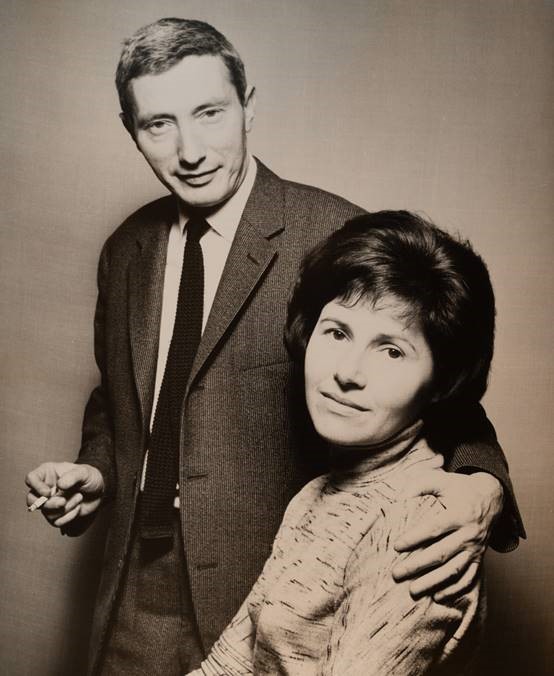
Photograph of Salek Benedikt and Sarola.
Salek Benedikt and Sarola.

This content has been restricted to logged-in users only. Please log in to view this content.

Gisela Beamen (née Senkpiel)

Beamen was born Gisella Senkpiel in Kiel in Germany in 1931.

Beamen was a member of a group of Holocaust survivors known as the Boys, despite the fact the group consisted of over 200 girls. 

The Boys were teenage and child-Holocaust survivors, who were brought to the UK after World War II for rest and rehabilitation.

Members of the Boys were held in Nazi labour and concentration camps and used as slave labourers. They had also survived World War II in hiding or as lone children.

This content has been restricted to logged-in users only. Please log in to view this content.
Bella Schwitzer

Schwitzer was born in the Polish industrial city of Łódź in 1929.

Schwitzer was a member of a group of Holocaust survivors known as the Boys, despite the fact the group consisted of over 200 girls. 

The Boys were teenage and child-Holocaust survivors, who were brought to the UK after World War II for rest and rehabilitation.

Members of the Boys were held in Nazi labour and concentration camps and used as slave labourers, survived World War II in hiding or as lone children.

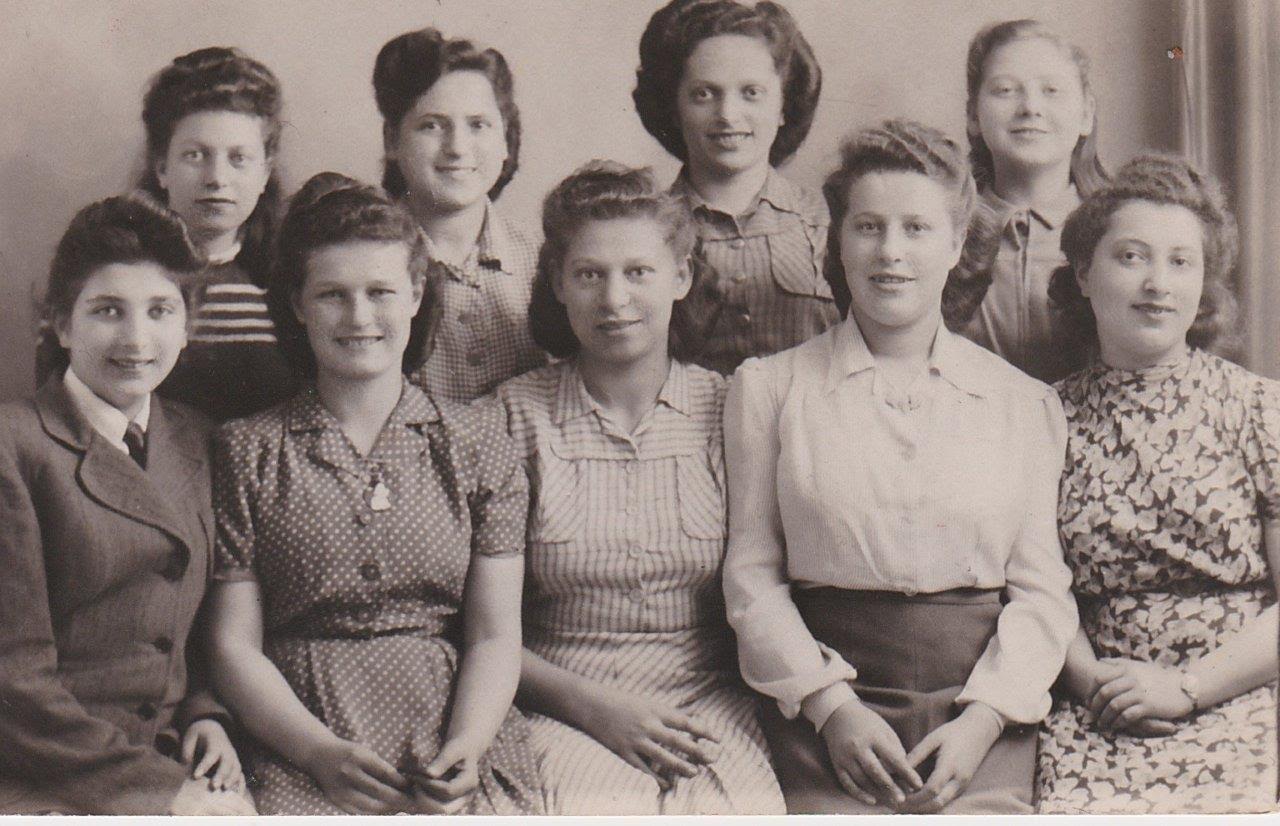
Photograph of the Girls at Kershaw House.
The Girls at Kershaw House.

This content has been restricted to logged-in users only. Please log in to view this content.

Zisha Schwimmer

Schwimmer was born in 1928 in the village of Strozowska, just outside Gorlice, in Poland.

Schwimmer was a member of a group of Holocaust survivors known as the Boys, despite the fact the group consisted of over 200 girls. 

The Boys were teenage and child-Holocaust survivors, who were brought to the UK after World War II for rest and rehabilitation.

Members of the Boys were held in Nazi labour and concentration camps and used as slave labourers. They had also survived World War II in hiding or as lone children.

This content has been restricted to logged-in users only. Please log in to view this content.
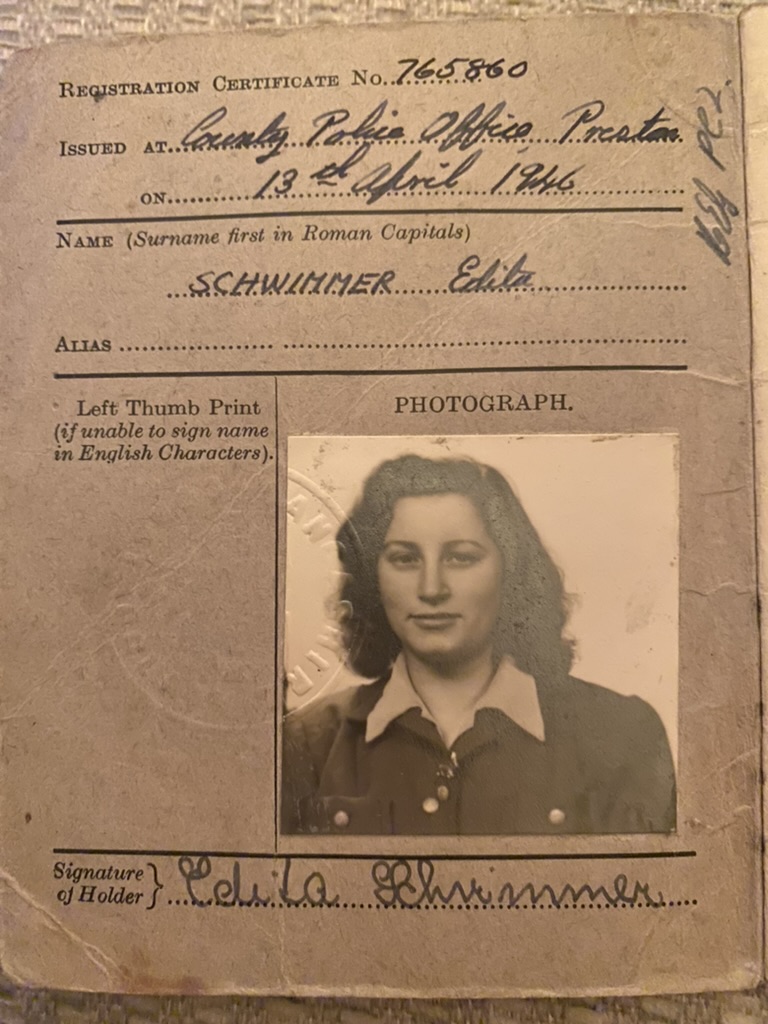
Edita Schwimmer

Schwimmer was born in 1930 in Užhorod in the Carpathian Mountains, which was then the most easterly part of Czechoslovakia. It is now Uzhhorod in Ukraine.

Schwimmer was a member of a group of Holocaust survivors known as the Boys, despite the fact the group consisted of over 200 girls. 

The Boys were teenage and child-Holocaust survivors, who were brought to the UK after World War II for rest and rehabilitation.

Members of the Boys were held in Nazi labour and concentration camps and used as slave labourers. They had also survived World War II in hiding or as lone children.

This content has been restricted to logged-in users only. Please log in to view this content.
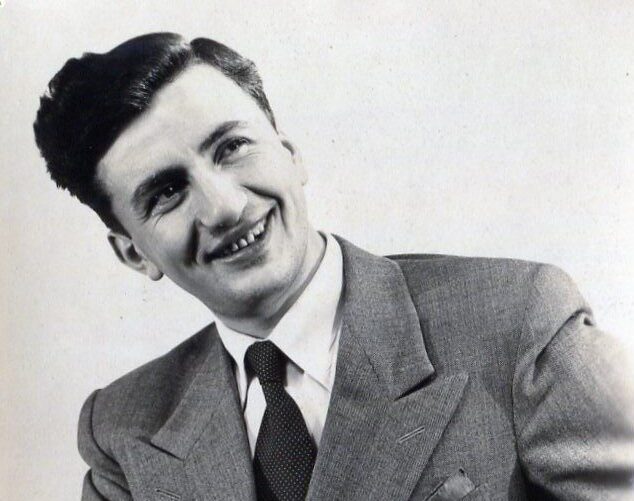
Magarita Schwarz

Schwarz was born on 3 March 1932 in Vel’ka Sevljus in Czechoslovakia which is now in now Vynohradiv in Ukraine.

Schwarz was a member of a group of Holocaust survivors known as the Boys, despite the fact the group consisted of over 200 girls. 

The Boys were teenage and child-Holocaust survivors, who were brought to the UK after World War II for rest and rehabilitation.

Members of the Boys were held in Nazi labour and concentration camps and used as slave labourers. They had also survived World War II in hiding or as lone children.

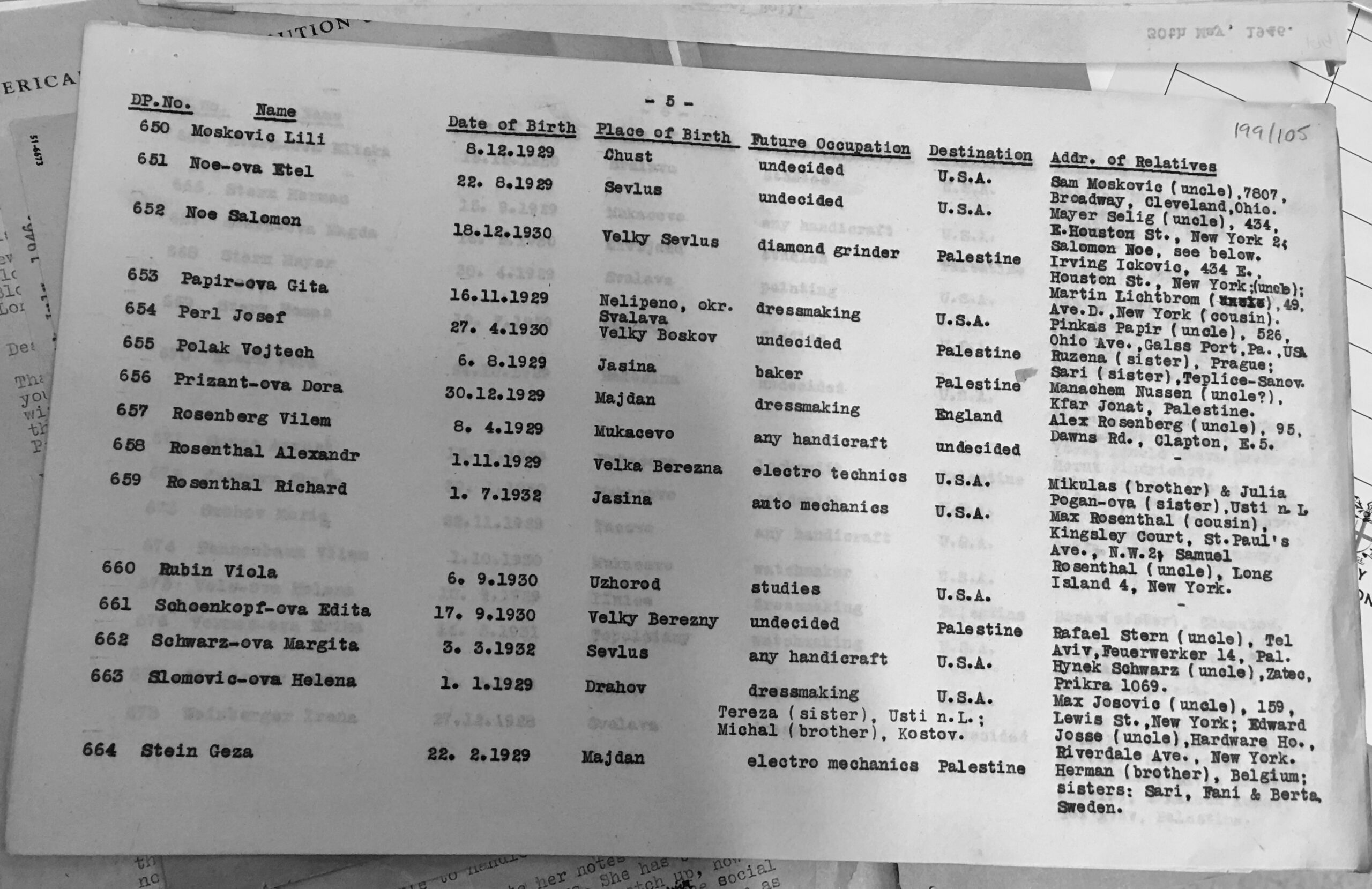
Photograph of the List of the Fourth Group of the Boys in the London Metropolitan Archives.
The List of the Fourth Group of the Boys in the London Metropolitan Archives.
This content has been restricted to logged-in users only. Please log in to view this content.
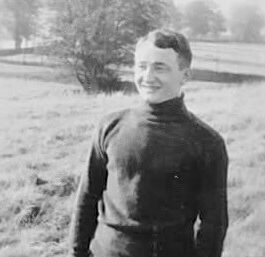
Marie Knobel

Knobel was born in Warsaw on 20 December 1929.

Knobel was a member of a group of Holocaust survivors known as the Boys, despite the fact the group consisted of over 200 girls. 

The Boys were teenage and child-Holocaust survivors, who were brought to the UK after World War II for rest and rehabilitation.

Members of the Boys were held in Nazi labour and concentration camps and used as slave labourers. They had also survived World War II in hiding or as lone children.

This content has been restricted to logged-in users only. Please log in to view this content.
Marcus Klotz

Klotz was born in Frysztak in south-eastern Poland in 1928.

Klotz was a member of a group of Holocaust survivors known as the Boys, despite the fact the group consisted of over 200 girls. 

The Boys were teenage and child-Holocaust survivors, who were brought to the UK after World War II for rest and rehabilitation.

Members of the Boys were held in Nazi labour and concentration camps and used as slave labourers. They had also survived World War II in hiding or as lone children.

Photograph of Markus Klotz

This content has been restricted to logged-in users only. Please log in to view this content.

Simon Klin

Klin was born in Zduńska Wola in Poland in 1927.

Klin was a member of a group of Holocaust survivors known as the Boys, despite the fact the group consisted of over 200 girls. 

The Boys were teenage and child-Holocaust survivors, who were brought to the UK after World War II for rest and rehabilitation.

Members of the Boys were held in Nazi labour and concentration camps and used as slave labourers. They had also survived World War II in hiding or as lone children.

This content has been restricted to logged-in users only. Please log in to view this content.

Jacob Aizenberg

Aizenberg was born in Staszów in southern Poland in 1928.

Aizenberg was a member of a group of Holocaust survivors known as the Boys, despite the fact the group consisted of over 200 girls.

The Boys were teenage and child-Holocaust survivors, who were brought to the UK after World War II for rest and rehabilitation.

Members of the Boys were held in Nazi labour and concentration camps and used as slave labourers. They had also survived World War II in hiding or as lone children.

Photograph of Jack Aizenberg

This content has been restricted to logged-in users only. Please log in to view this content.

45 Aid Copyright 2026
45 aid society is a registered charity in England and Wales (243909)
Design and development: Graphical