Members of the Boys and their families were held in the Westerbork Transit Camp in the Netherlands.
The Boys were teenage and child-Holocaust survivors, who were brought to the UK after the war for rest and rehabilitation.
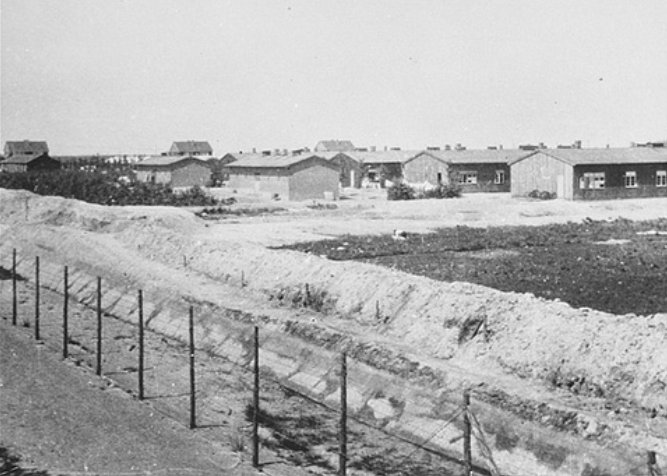
Dutch Jews were deported from the Westerbork transit camp located near the village of Hooghalen in a remote rural area in the north of the country, close to the German border. More than 100,000 people were deported from Westerbork in 93 transports.
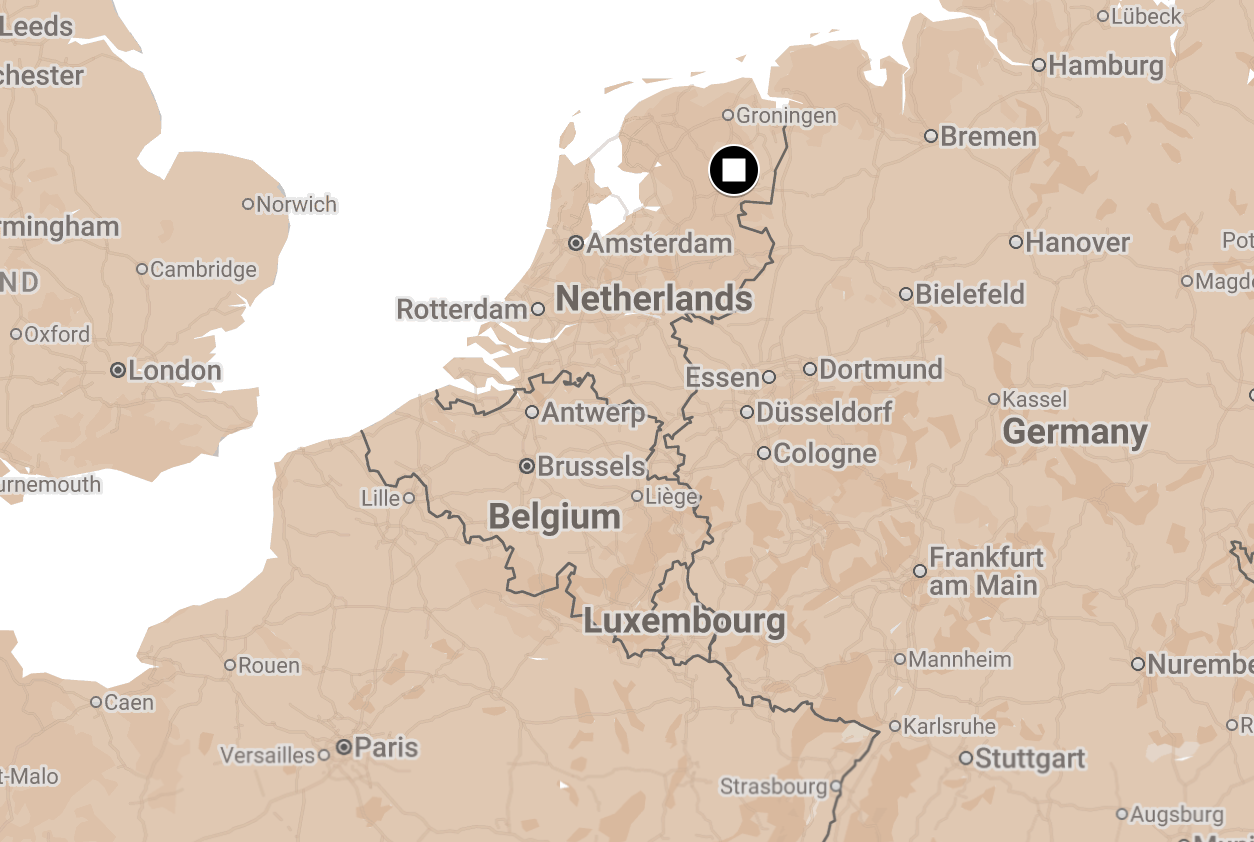
Westerbork was originally built in 1939 to house several hundred German Jewish refugees fleeing persecution in the Reich and was paid for by the Jewish community. After the Germans invaded and occupied the Netherlands in 1940, it remained under the control of the Dutch Jewish Council until the deportations began in the summer of 1942, when the SS assumed control. The Nazis treated the original German inmates as a preferred prisoner population who were responsible for drawing up the lists of deportees, confiscating valuables and taking people to the trains. Because of this, there were considerable tensions between the German and Dutch Jews, although ultimately both groups were to die in large numbers.
Life in Westerbork
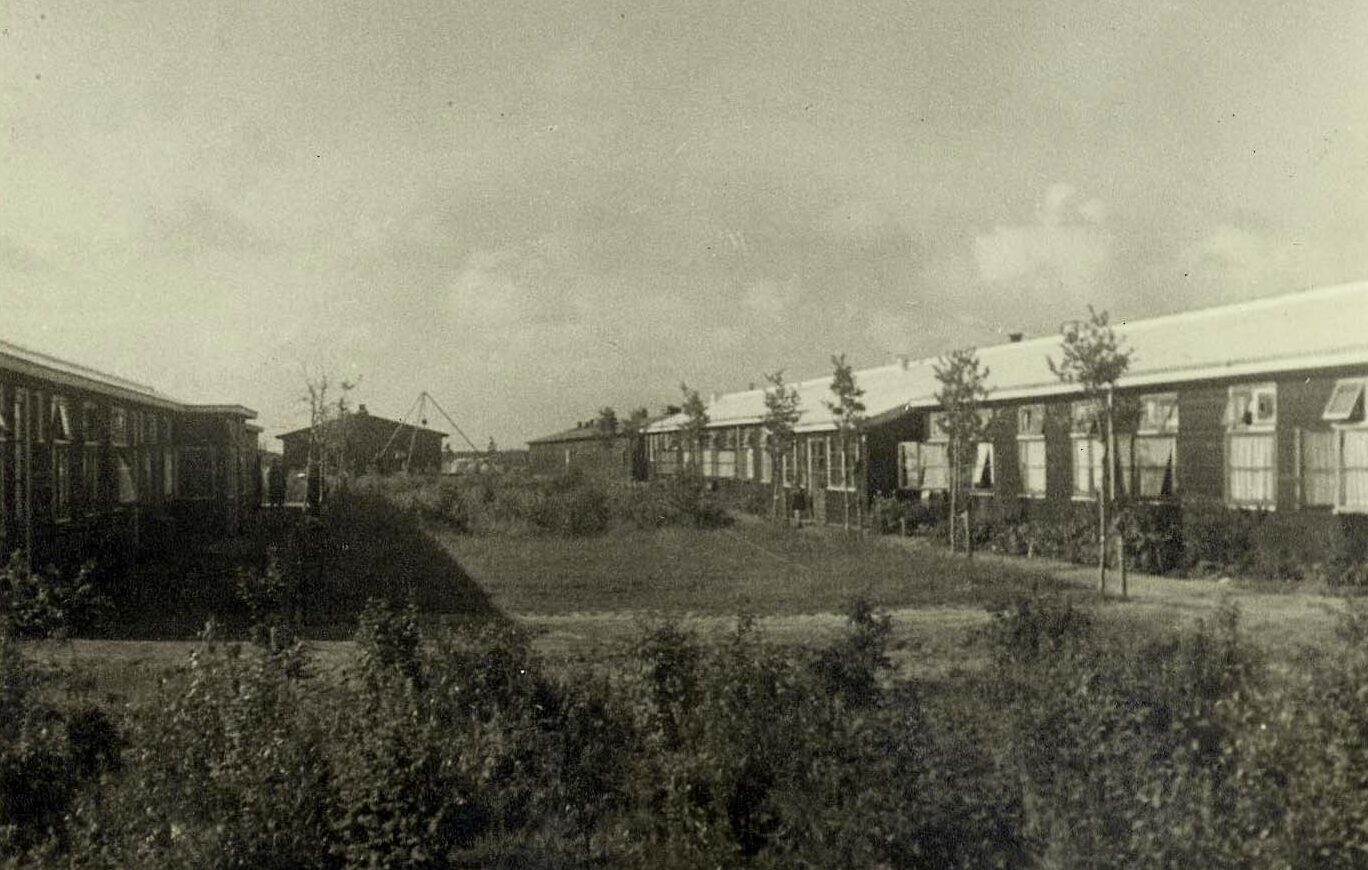
As there was a large semi-permanent community in Westerbork, unlike the other main transit camps in western Europe, Drancy in France or Mechelen in Belgium, it functioned like a deceptive miniature city, with a café, offices, a registry, canteen, kindergarten and hospital. Only the street names – the Boulevard of Misery, Suffering Alley and Worry Street – hinted at the internee’s fears. There was a lively cultural life that included a symphony orchestra with some of the country’s best musicians and a world-class cabaret, whose cast changed regularly due to the deportations. Performances ceased in October 1943.
Deportations
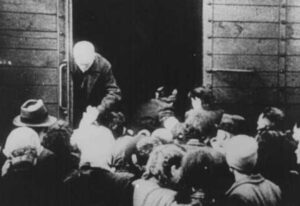
The first transports left on 15–16 July 1942. In the months that followed, trains left twice a week, most headed for Auschwitz, but others for Sobibór. Having left Hoolhagen, the deportation trains – a mixture of freight wagons and passenger cars – were then attached to another train in Beilen 9km from Westerbork. At this point many letters would be thrown from the train. Initially the same train shuttled back and forth between Westerbork and the extermination camps.
The Boys in Westerbork
Eve and Paul Oppenheimer, later members of the Boys, were held in the camp.
The Oppenheimer’s father Johann worked for the Mendelssohn Bank in Berlin but, fearing for his family’s safety after the rise of the Nazis, sent his wife Rita and sons Paul and Rudi to stay with his brother in Britain whilst he arranged a transfer to the Netherlands. While the family were in London, Eve was born.
The family then moved to the Netherlands.
The German invasion of the Netherlands in May 1940 was followed by a barrage of legal restrictions on Dutch Jews and in May 1942 the Oppenheimers were forced to lived in Amsterdam. They were eventually deported to Westerbork transit camp in June 1943.
However, as Eve had been born in the UK and was a British citizen, the family were classed as ‘Exchange Jews’, earmarked for possible exchange for Germans prisoners of the Allies. This allowed the Oppenheimers to remain in Westerbork until February 1944 when they were deported to Bergen-Belsen, which at that stage held many Exchange Jews. However, as tens of thousands of Jews from camps in the East were deported to Belsen over the next year, conditions deteriorated dramatically. The Oppenheimer’s mother died in January 1945 and their father in March.
Aftermath
When Westerbork was liberated by Canadian troops on 12 April 1945, there were 876 prisoners left in the camp. The commandant, Albert Gemmeker, was sentenced to ten years’ imprisonment, but was released on account of good behaviour in 1951.
After the war the camp was used to hold suspected collaborators and then to house Indo-Dutch refugees from Indonesia after the colony became independent in 1949. It subsequently fell into disrepair and was demolished in 1971.
Today the camp is The Camp Westerbork Memorial Centre (Herinneringscentrum Kamp Westerbork; Oosthalen 8, Hooghalen; w kampwesterbork.nl).

 About
About History
 Education
 Quilts
 FIlms
FIlms Photos
 News Media & Events
 Publications
 Donate