Members of the Boys families were murdered in Treblinka. Treblinka was an extermination camp – there were no selections for slave labour.
The Boys were teenage and child-Holocaust survivors, who were brought to the UK after World War II for rest and rehabilitation.
Members of the Boys were held in Nazi labour and concentration camps and used as slave labourers. They had also survived World War II in hiding or as lone children.
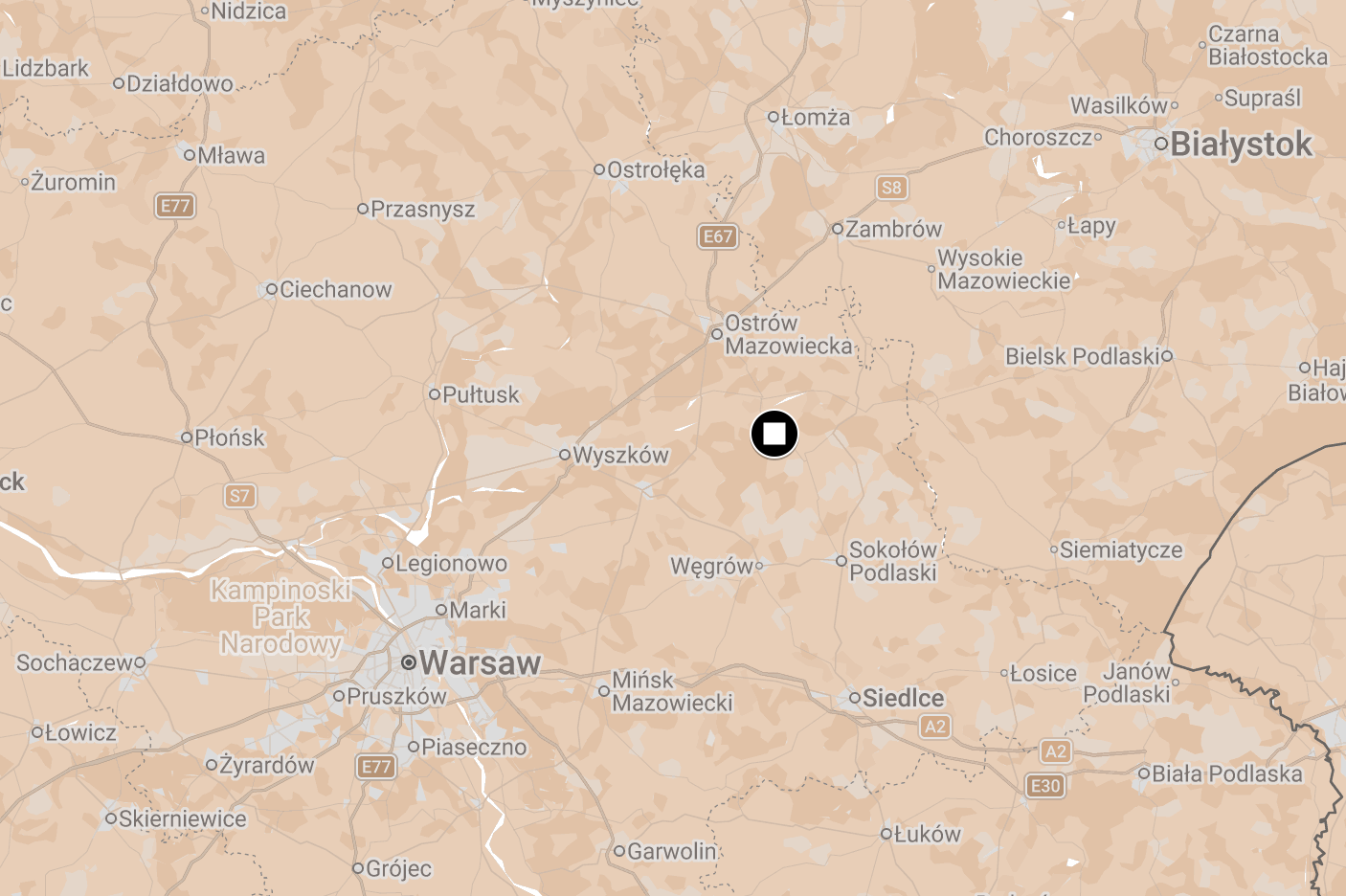
Treblinka Key Facts
Location: 85km northeast of Warsaw
Date of Operation: Treblinka I (Labor Camp): December 1941 late July 1944.
Treblinka II (Extermination Camp): 23 July 1942 until 19 October 1943.
Operated by: Nazi Germany
Uprising: 2 August 1943
Number of Victims: Estimated 800,000 to 920,000
Treblinka, 85km northeast of Warsaw, was the site of one the Germans’ deadliest extermination camps, and between 800,000 and 920,000 Jews from ten different countries were murdered here between 1942 and 1943.
Close to the Bug River in remote countryside, Treblinka was chosen for the site of the camp as it was close to the main Warsaw–Białystok railway line. Today, it is a quiet, lonely place which gets few visitors. Surrounded by deep forests, the site is eerie and evocative and, given what happened here, it is surprisingly calm and peaceful.
History
The camp was set up as part of Operation Reinhard, a plan to murder all the Jews in the General Government-controlled area of Poland. It was close to an existing labour camp, Treblinka I, a gravel mine where Polish prisoners were held. Prisoners and Jews from the surrounding area were forced to construct the extermination camp, known as Treblinka II. The camp was surrounded by barbed wire fences worked into the branches of the trees. and was supervised by 30 SS and 100 Ukrainian guards.
Jews were transported to Treblinka in freight cars, a journey that often took days. The first transport arrived from Warsaw on 23 July 1942. The platform could unload 20 wagons at a time. The first commandant, Irmfried Eberl, a veteran of the T4 euthanasia programme, accepted more transports than he could process and the initial unloading process was chaotic. Thousands were kept in freight wagons for so long that the SS resorted to mass shootings. Dozens of Jews managed to escape while many died of suffocation. The bodies of the escapees were not always cleared away before further transports arrived.
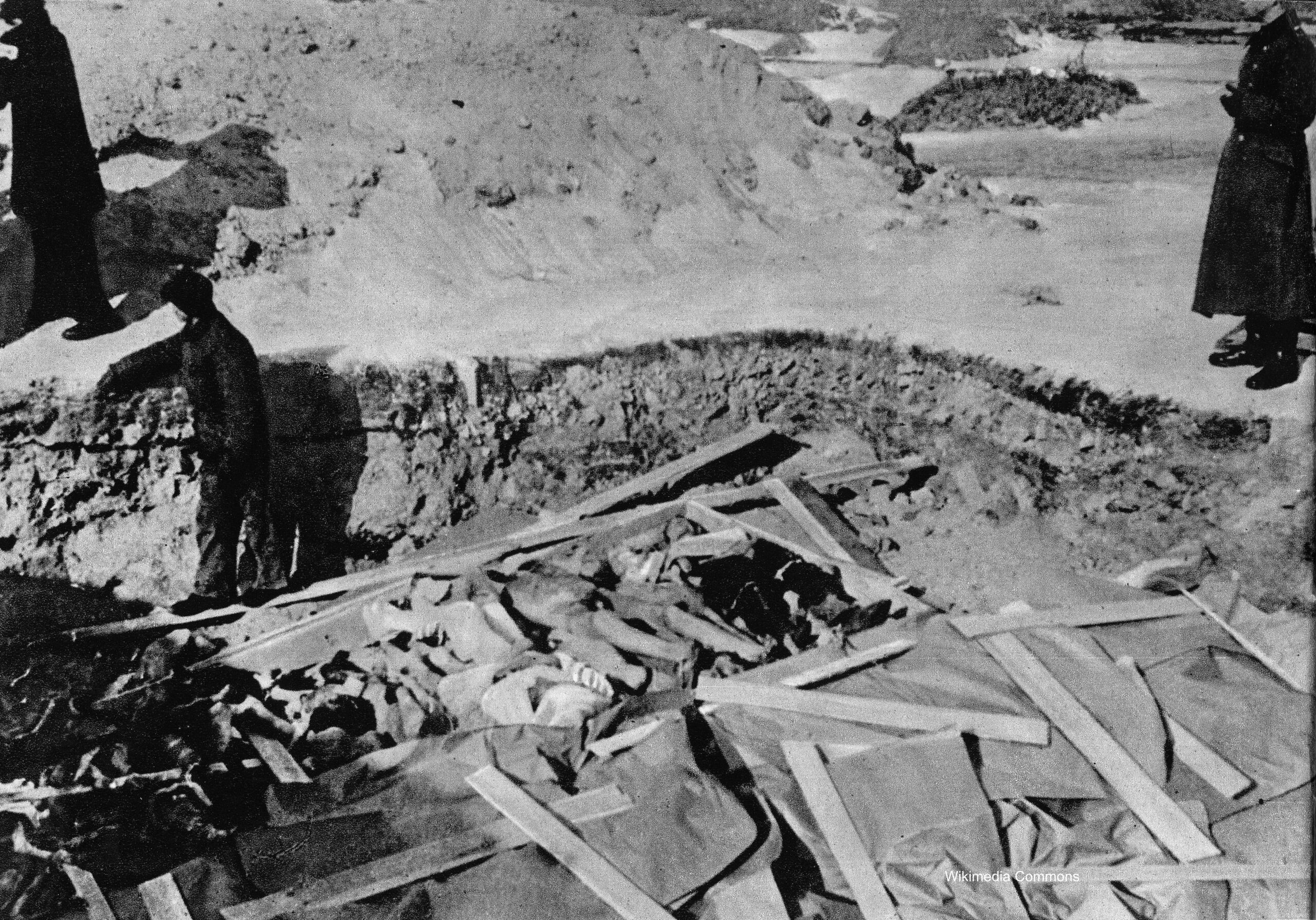
From late 1942, the victims’ first sight of Treblinka was a wooden barracks later painted to look like a railway station, with timetables and a clock. The station platform was intended to make victims believe they were arriving in a transit camp before being moved on to labour camps. From the ramp victims were led into a barracks were men and women were separated. Their heads were then shaved. Those who were too weak to walk were taken to an ‘infirmary’, behind which they were shot in a large pit. The barracks opened into a barbed wire corridor that led to the gas chamber. The bodies were initially buried then cremated in mass graves. The process took 2–3 hours.
In April 1943, transports slowed.
Uprising
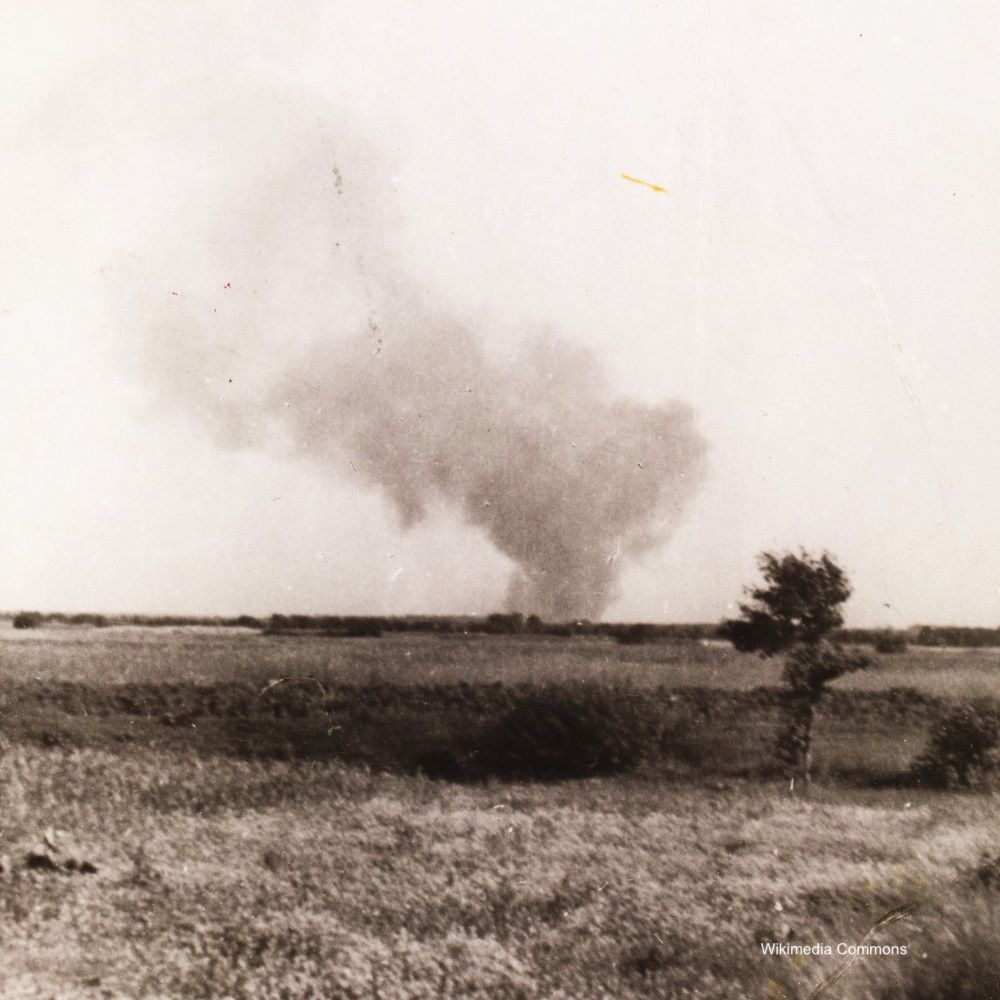
On 2 August 1943, the Sonderkommando, Jewish prisoners forced to work in the gas chambers and bury the corpses, initiated an uprising in the camp by throwing a grenade into the German barracks and setting the petrol store on fire. The insurgents failed to destroy the gas chambers but cut the telephone lines. About 300 of the 800 prisoners held in the camp managed to escape, of whom 70 survived the war. After the last transport arrived from Białystok in August 1943, the camp was demolished and landscaped.
After Liberation
Immediately after the liberation, Treblinka was a scene of frenzied excavation as the local peasantry, convinced that Jews were richer than them, arrived with shovels and dug up the remains of the murdered in search of hidden treasure or at least a gold tooth. Some of the earliest photographs of the site show freshly dug holes with human bones scattered around.
The site became a memorial in 1964.
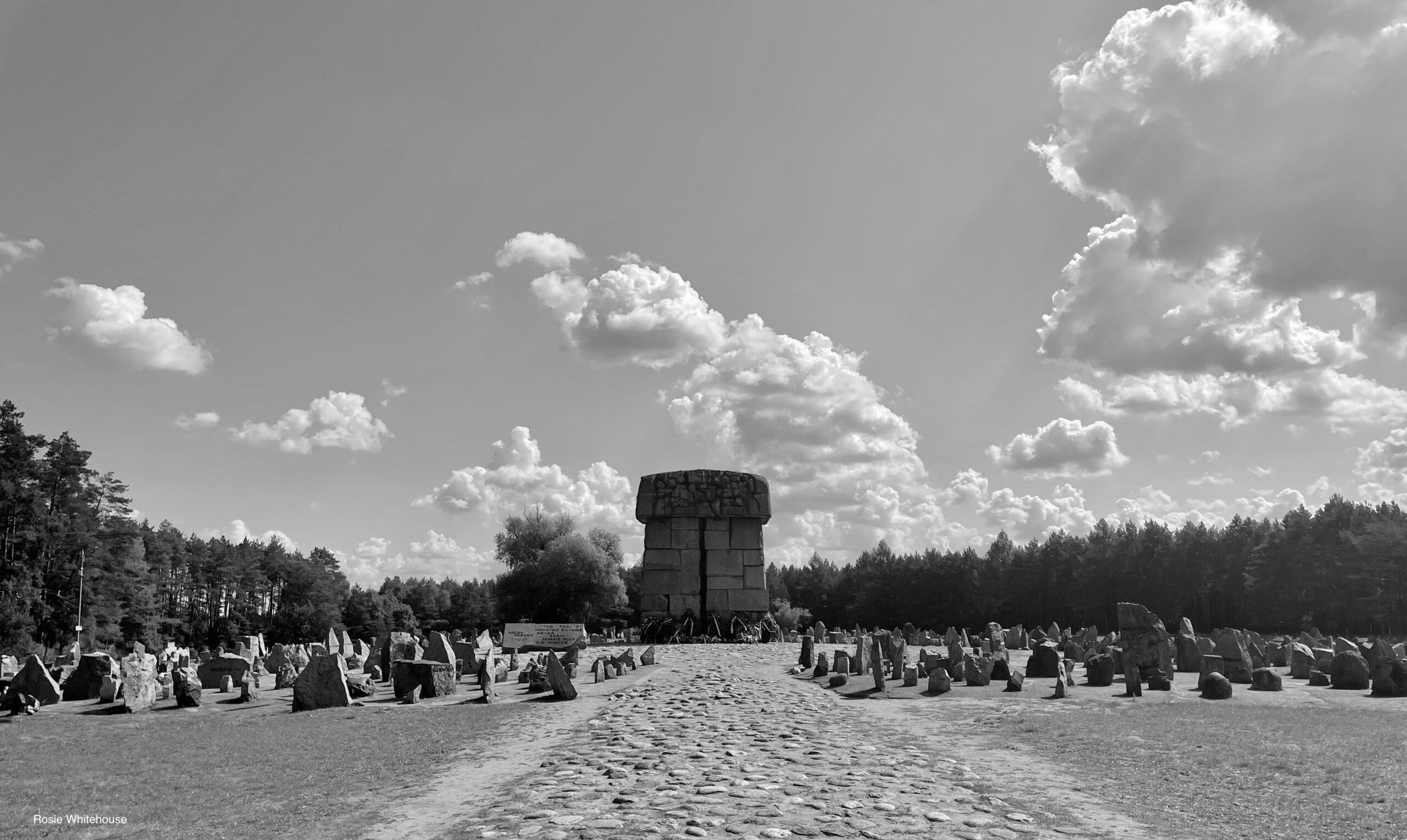
Close to the Bug River in remote countryside, Treblinka was chosen for the site of the camp as it was close to the main Warsaw–Białystok railway line. Today, it is a quiet, lonely place which gets few visitors.
Good to know
It is much cheaper to visit Treblinka on your own steam. If you do not have a car take a taxi from the station in Małkinia Górna (7km away) and ask the driver to wait. Trains run from the main Central Station in Warsaw. Be sure to arrange the price first. It takes under an hour to see the site. Be aware that the route follows that taken by the trains to Treblinka.
What to see
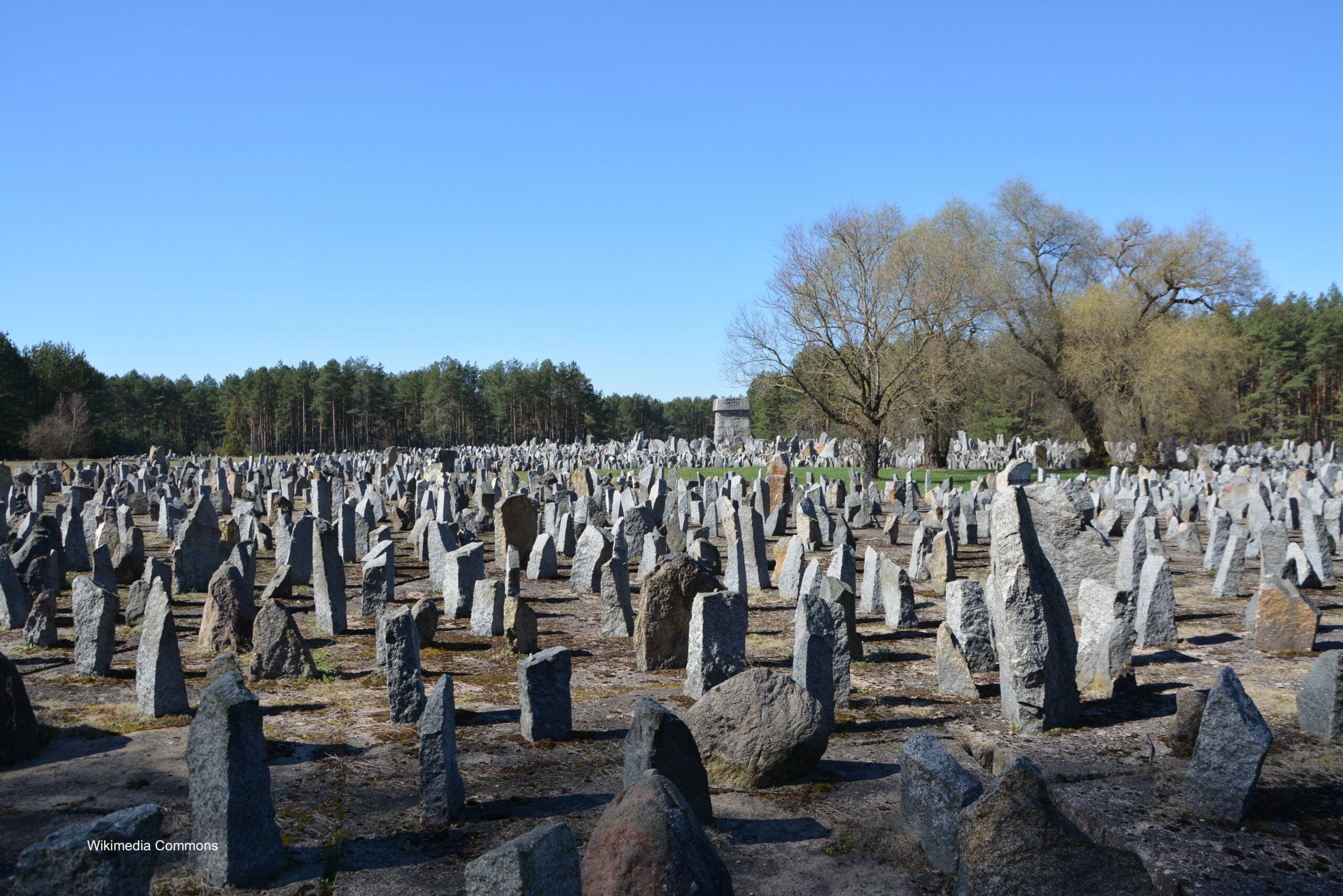
The site at Treblinka is over 2km long. The main area which was once the extermination camp, Treblinka II, is a short walk from the car park. The labour camp, Treblinka I, is at the other end of the forest complex from the museum and main memorial. It is possible to drive there, where there is a second car park.
There is no need to book in advance to visit Treblinka, access is 24 hours and free.
The Treblinka Museum (open daily; free) is next to the main car park.
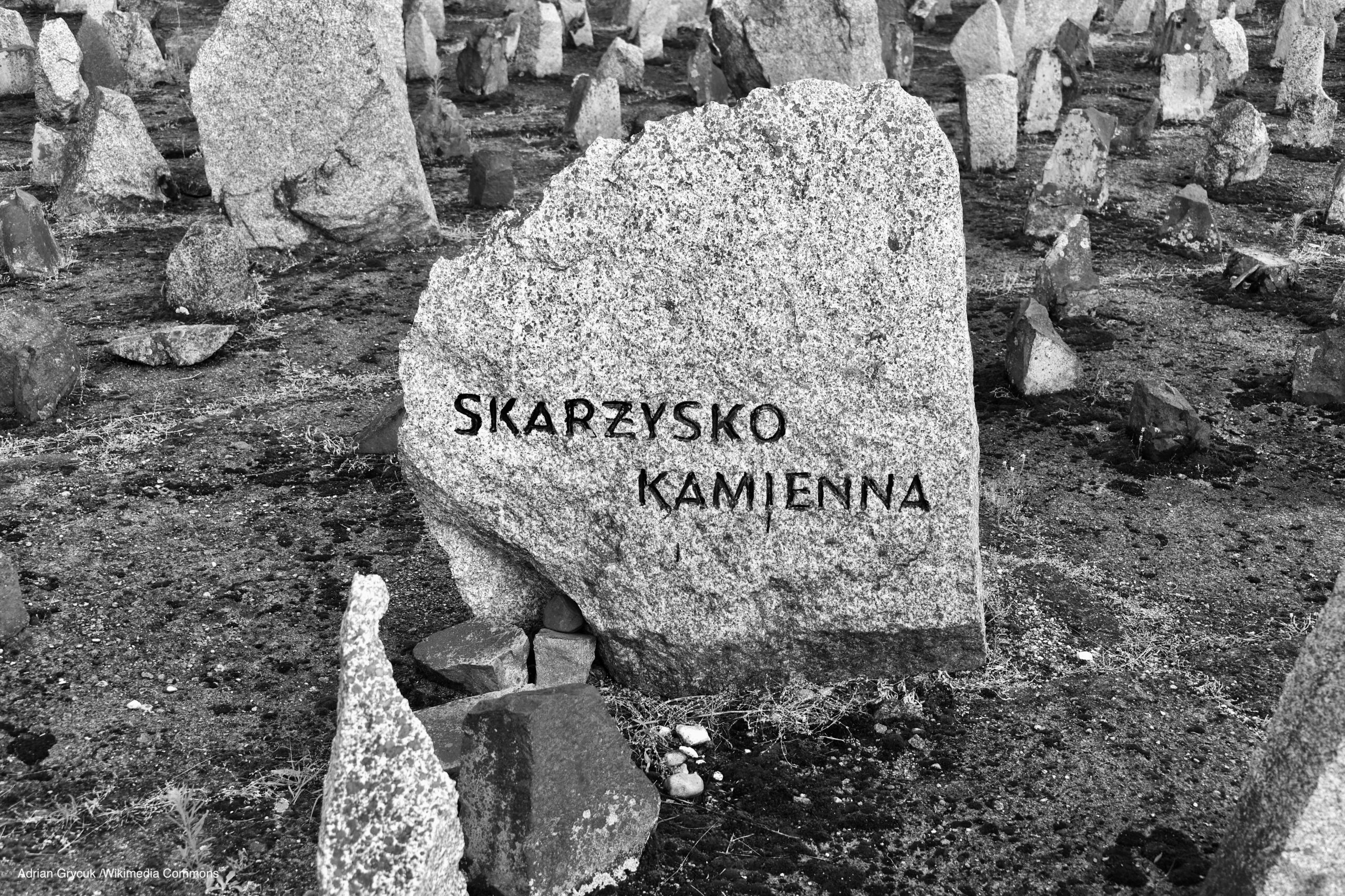
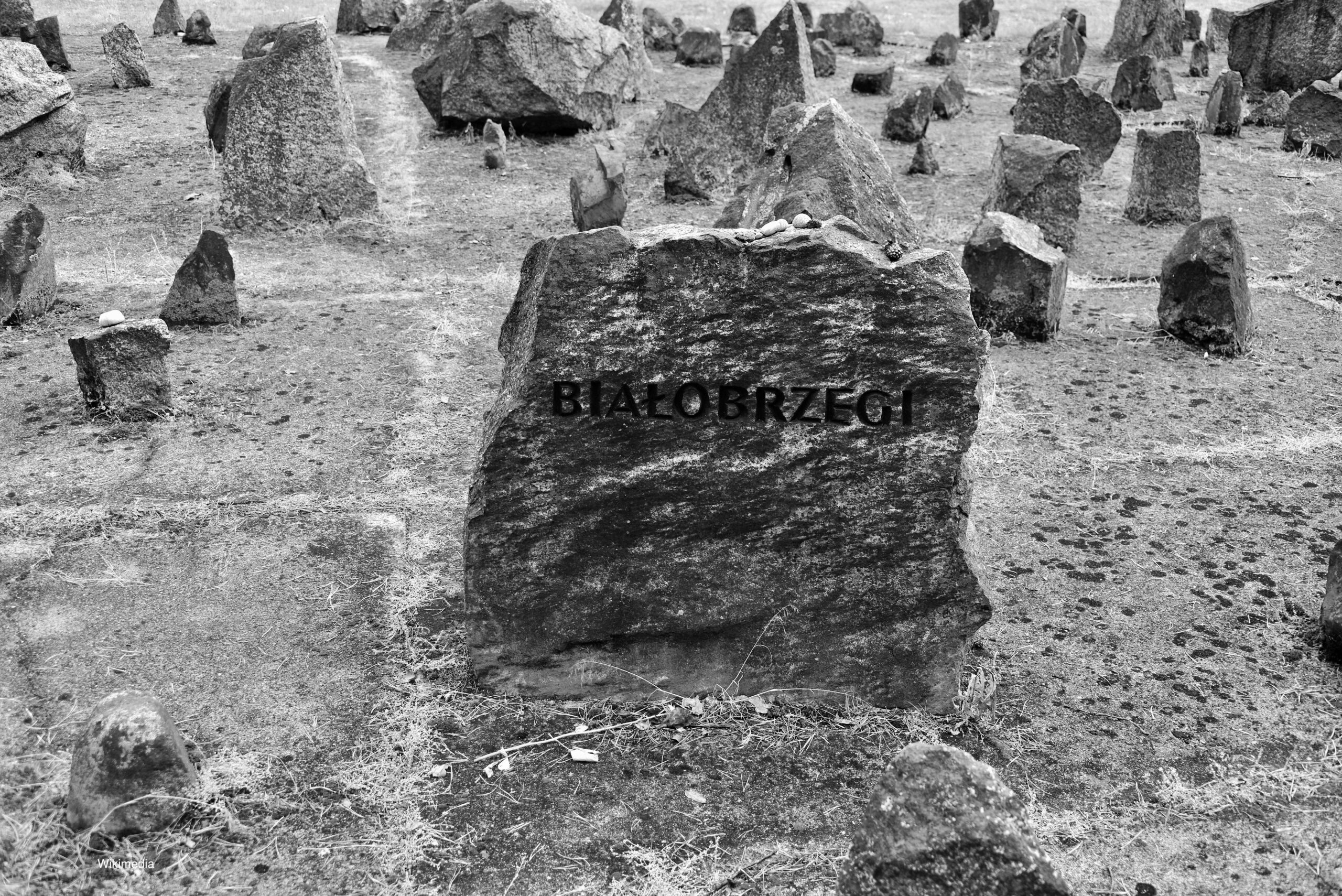
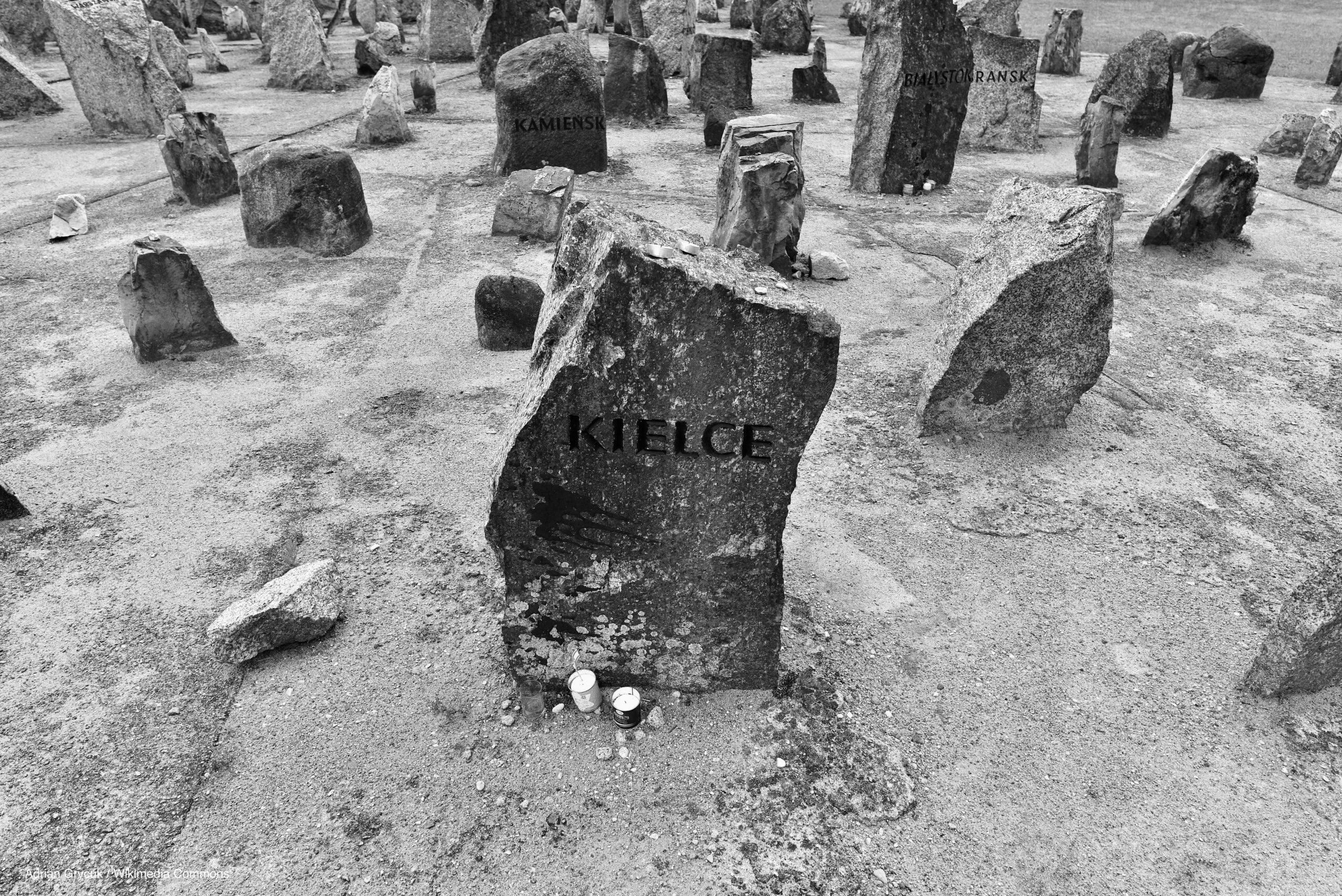
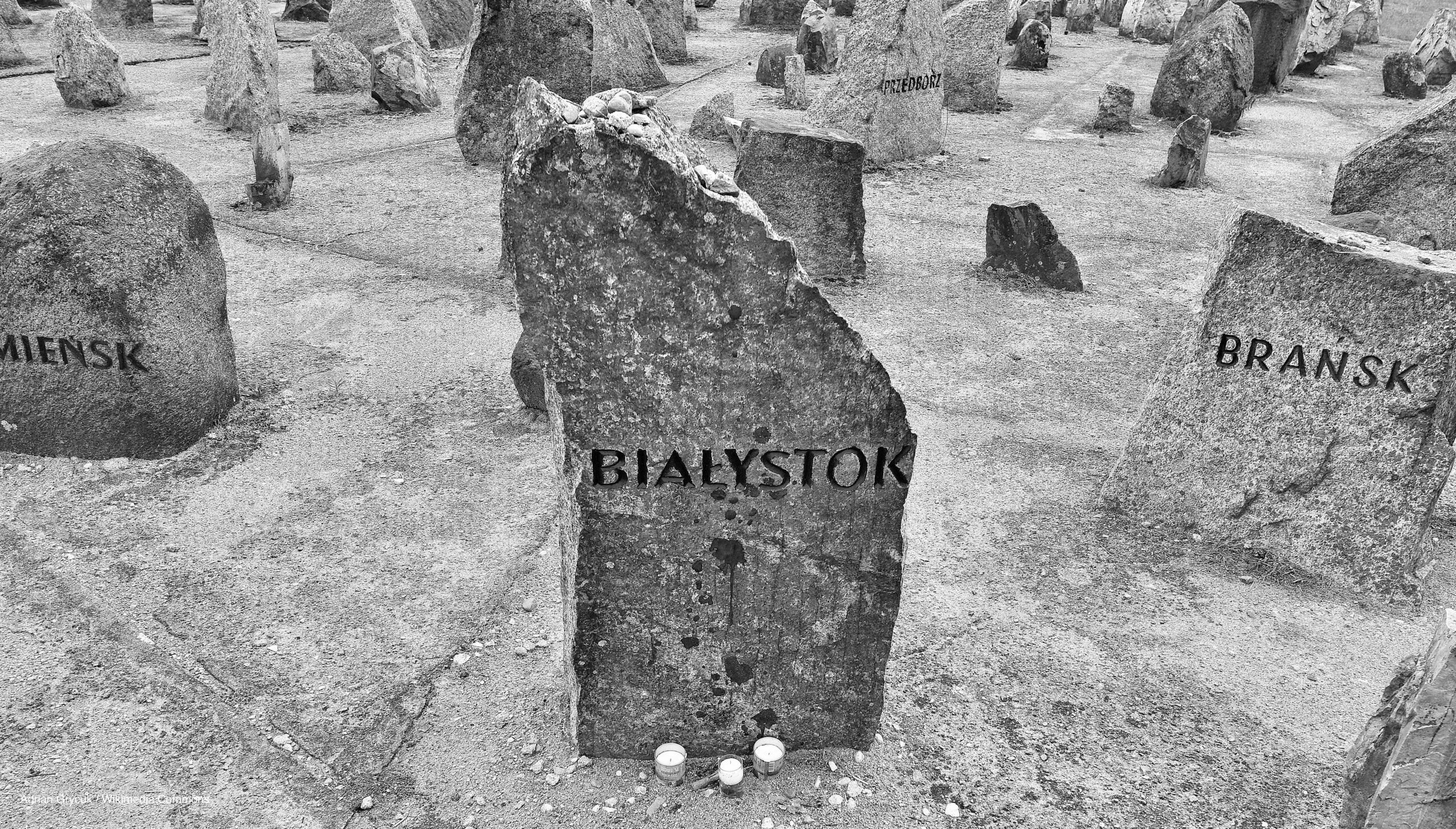
Nothing remains of the camp, which is now covered by 17,000 stones, 216 of which are marked with the names of communities destroyed by the mass murder in Treblinka. They stand on the site of the mass graves and buried ashes.
The path from the car park takes you past the memorial. The railway line is marked by stone slabs that lead to the ramp. The path continues behind the main monuments and curves back to the car park and visitors’ centre.

 About
About History
 Education
 Quilts
 FIlms
FIlms Photos
 News Media & Events
 Publications
 Donate