Members of the Boys families were murdered in Chełmno. Chełmno was an extermination camp – there were no selections for slave labour.
The Boys were teenage and child-Holocaust survivors, who were brought to the UK after World War II for rest and rehabilitation.
Members of the Boys were held in Nazi labour and concentration camps and used as slave labourers. They had also survived World War II in hiding or as lone children.
Operated by: Nazi Germany
Number of Victims: Between 152,000 and 200,000
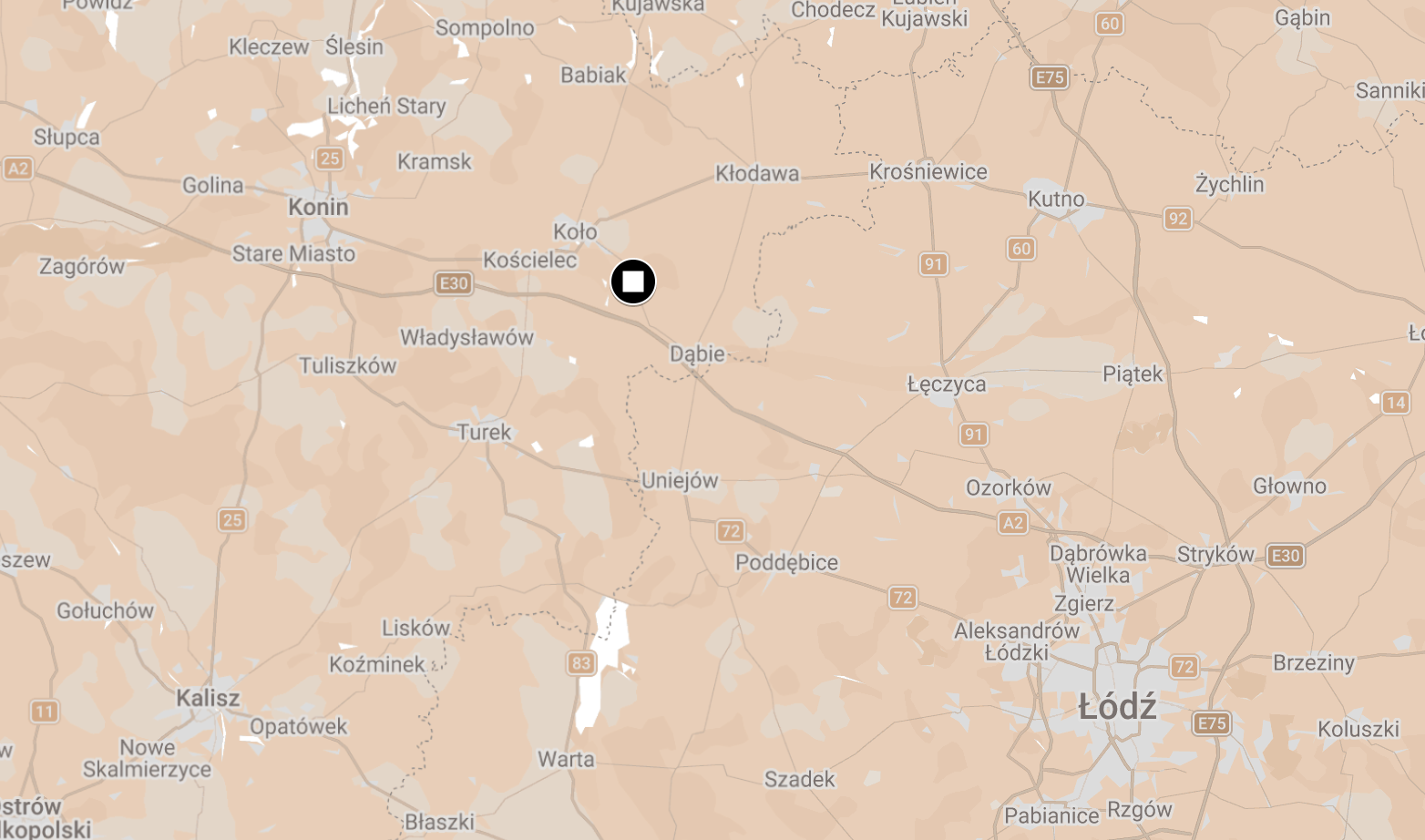
In terms of numbers who died Chełmno was the fifth most deadly extermination camp. Yet it gets few visitors, well under 20,000 a year most of whom are local school children. The noise of the traffic on the main Berlin-Warsaw highway that was originally built by built by forced labourers rises up from the valley below but is drowned out by the cows mooing in the barn next to the empty car park.
History
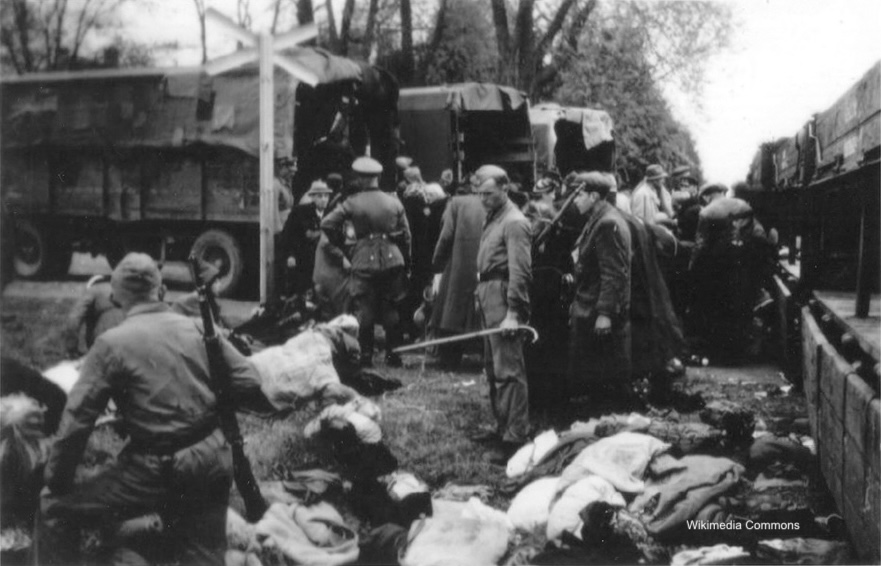
The first transport from the Łodz ghetto arrived in December 1941. In the months that followed, over 200,000 Jews, Soviet prisoners of war and Roma were murdered here. Chełmno closed temporarily in March 1943 but was reactivated when the Łódź Ghetto was liquidated.
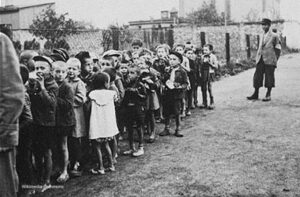
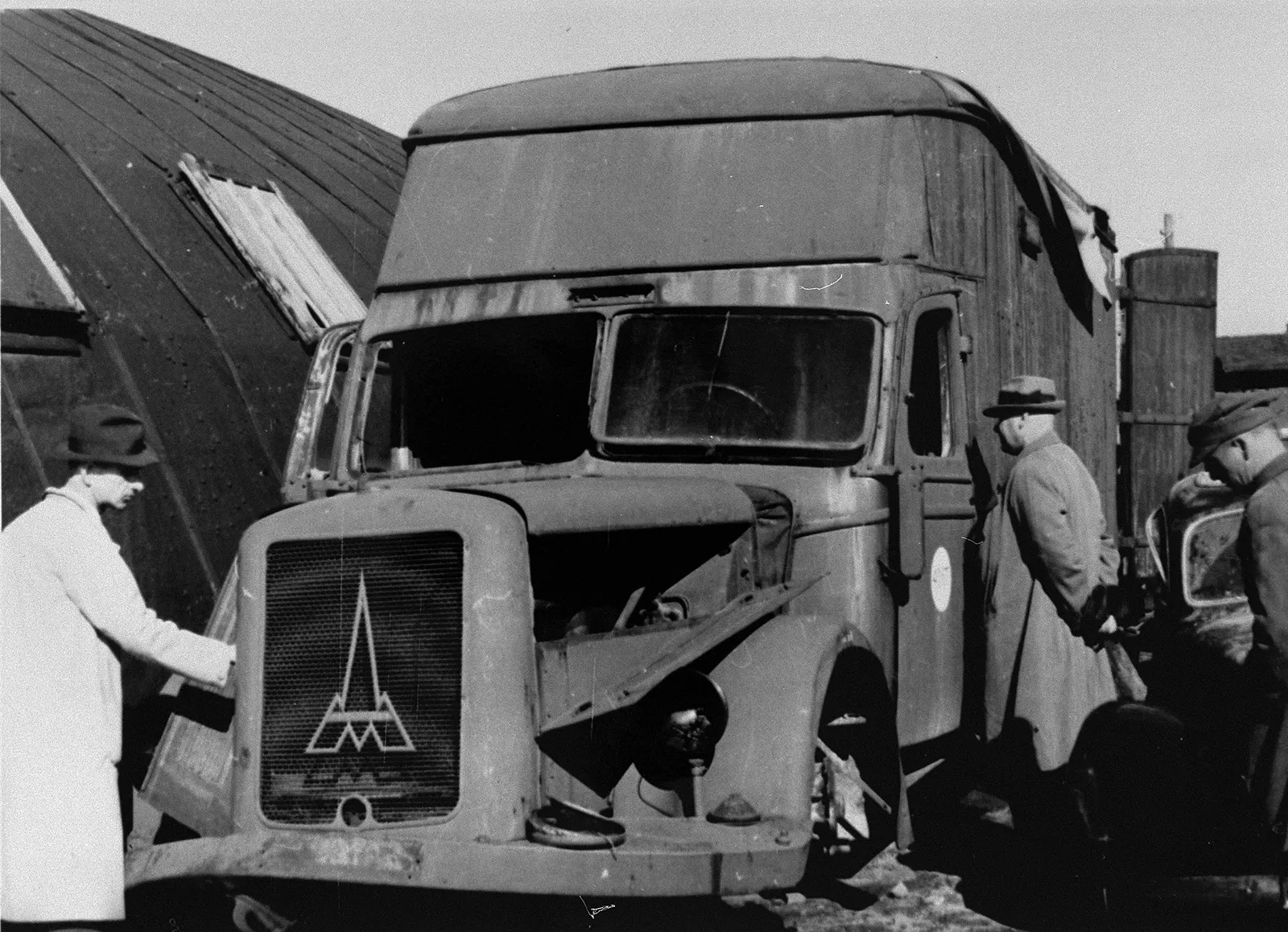
Chełmno is one of the most sinister of the Nazi extermination camps because it was here that the Nazi teams led by those who had gained experience in the T4 euthanasia program in Germany experimented with ways to carry out mass murder and dispose of the bodies.
Operations at Chełmno were top secret and, when the locals passed by the death pits in the forest, they were ordered to look straight ahead, or they would be shot. Even the postman who brought letters to the camp had to stand with his back to it. Nevertheless, the stench of rotting bodies could be smelt for miles around, so the Nazis began to burn the corpses.
In the Rzuchowski Forest they built the first crematoria. When the Germans noticed that the grass grew greener where the ashes were scattered, the camp started a side-line business selling bonemeal to Polish farmers, who scattered it on their land thinking it was from an abattoir.
Getting there If you do not have your own transport, to visit the site of the Chełmno extermination camp take the train to Kolo and then a taxi, a journey of about 15 minutes. It is worth asking the taxi to wait to take you on to nearby Rzuchowski Forest. It is still cheaper than taking a tourist guided tour.
What to see The Muzeum Kulmhof w Chełmnie nad Nerem (Chełmno 59a; [w] chelmno-muzeum.eu; free) uses the German name for the village Kulmhof as the area around the camp was annexed by the Reich in 1940.
The tour starts at the ruins of the country house, where in the cellar Jews from the neighbouring towns were stripped of their possessions and then loaded into mobile gas vans. There is a moving exhibition in the granary and a new museum.
The testimony of Simon Srebnik, one of two people to survive the camp, is shown in the museum. He was featured in Claude Lanzmann’s epic film, Shoah (1985). Lanzmann devoted a large part of the film to Chełmno interviewing a former Nazi guard, who testified that the Jews were naked and beaten into the vans in the most brutal fashion, and a German settler who described the screams and yells she heard coming from the camp. Also revealing are his interviews with the villagers, who believed that all the Jews who murdered in the camp were extremely wealthy.
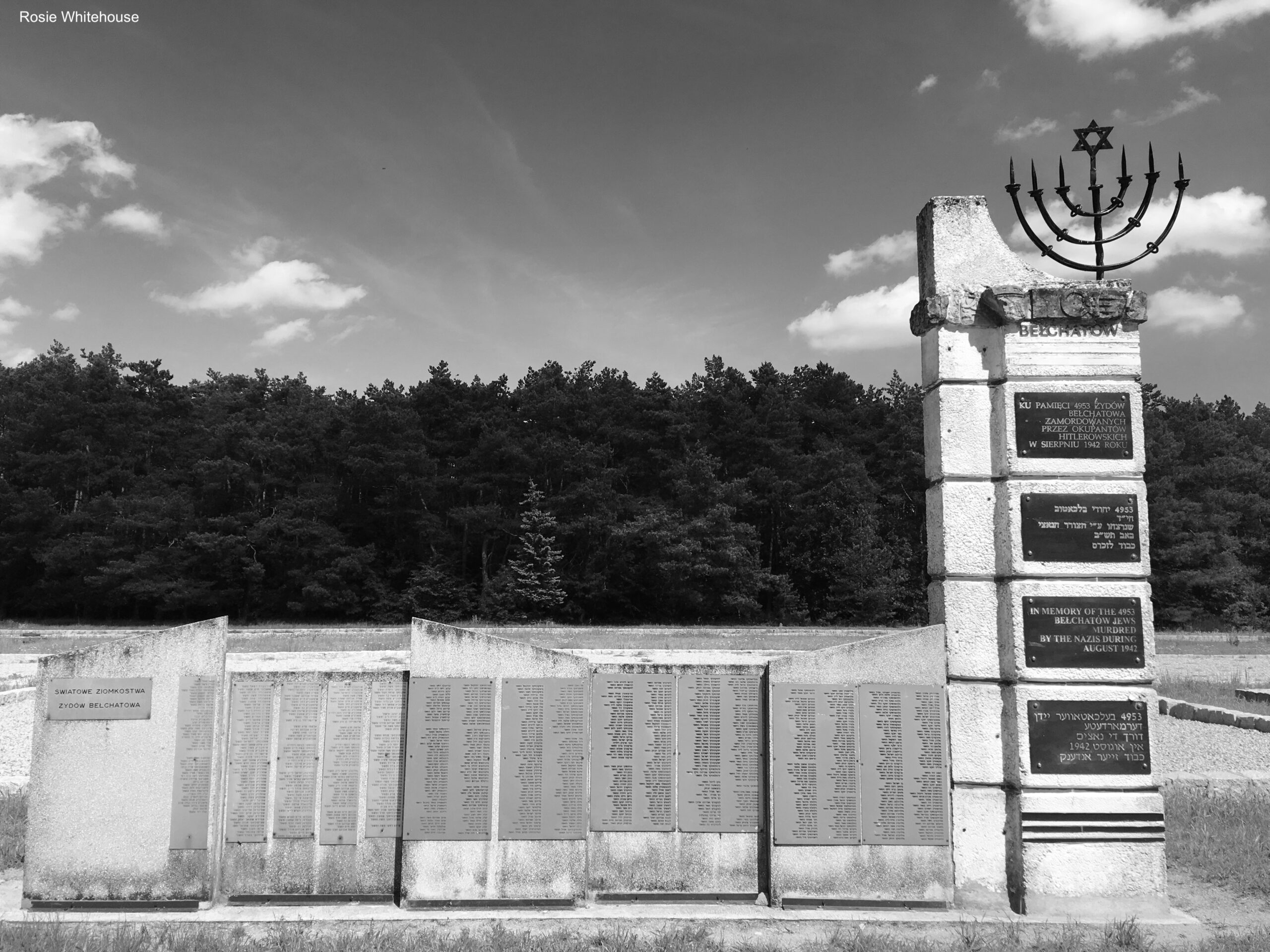
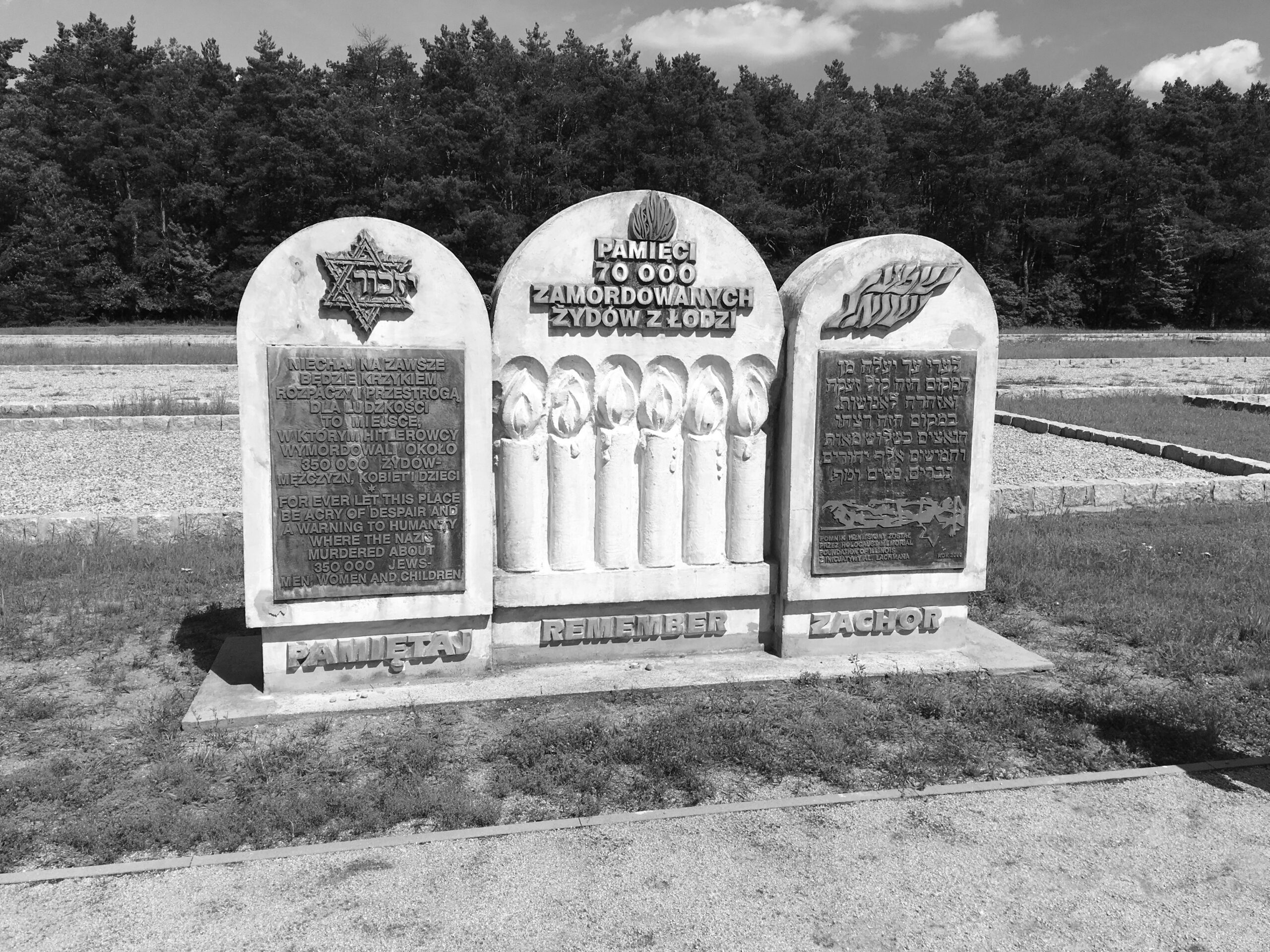
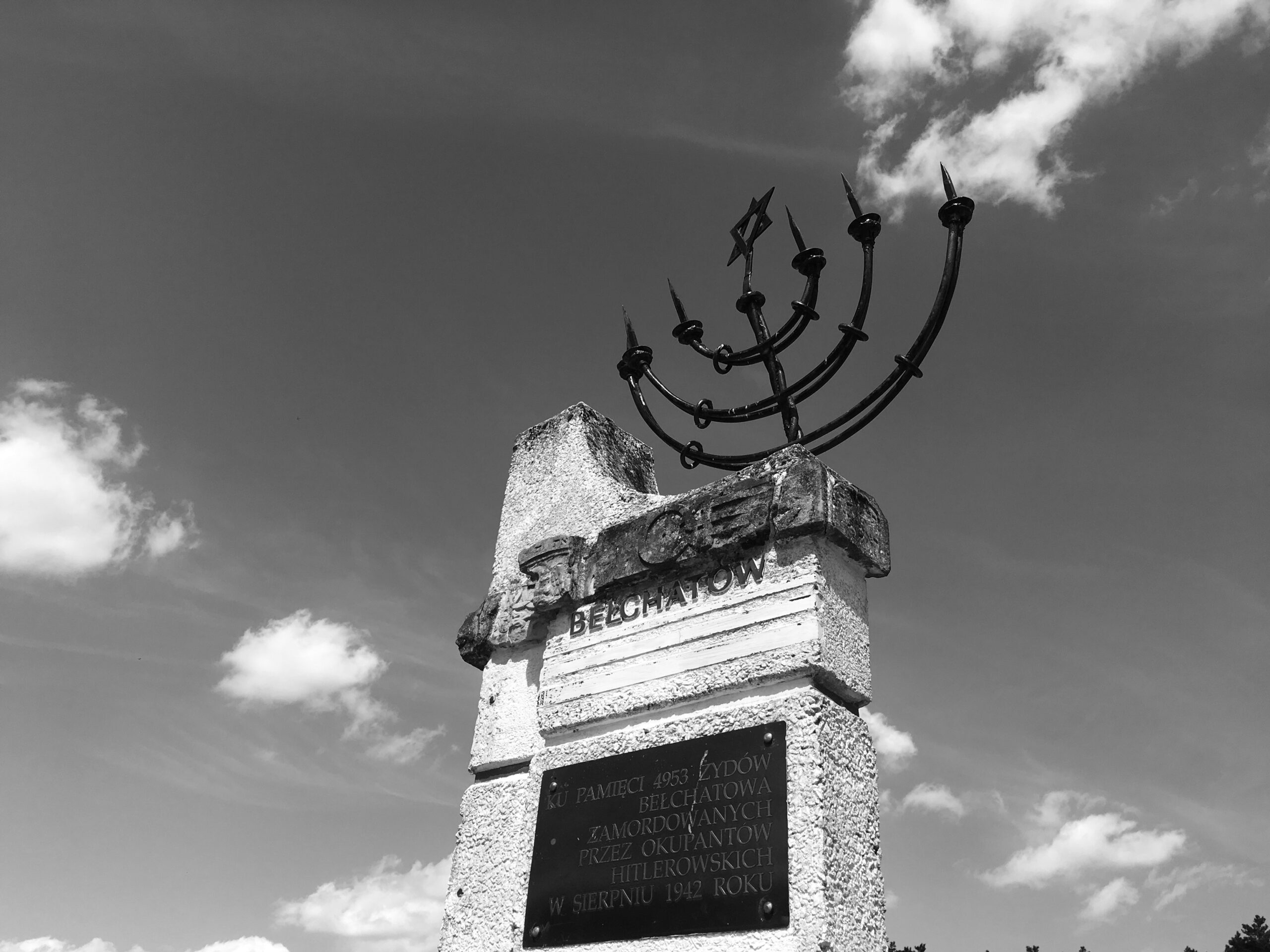
The Rzuchowski Forest is 15 minutes away. The first monument here was put up in the 1960s but as with other memorials during the communist period it did not mention that most of the victims were Jewish. During the changing political climate of the 1980s archaeological research began at the site and memorials were erected. Visitors can see the remains of the experimental crematorium.
Tip It is well worth booking in advance a museum run tour in English in order to understand the importance of the monuments in the nearby Rzuchowski Forest.
 About
About History
 Education
 Quilts
 FIlms
FIlms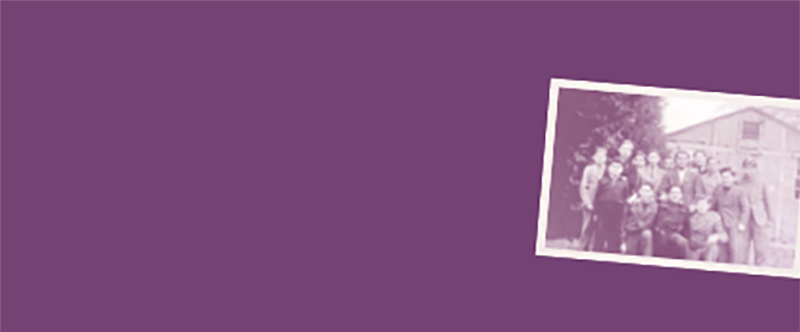 Photos
 News Media & Events
 Publications
 Donate