Members of the Boys families were murdered in Bełżec. Bełżec was an extermination camp – there were no selections for slave labour.
The Boys were teenage and child-Holocaust survivors, who were brought to the UK after World War II for rest and rehabilitation.
Members of the Boys were held in Nazi labour and concentration camps and used as slave labourers. They had also survived World War II in hiding or as lone children.
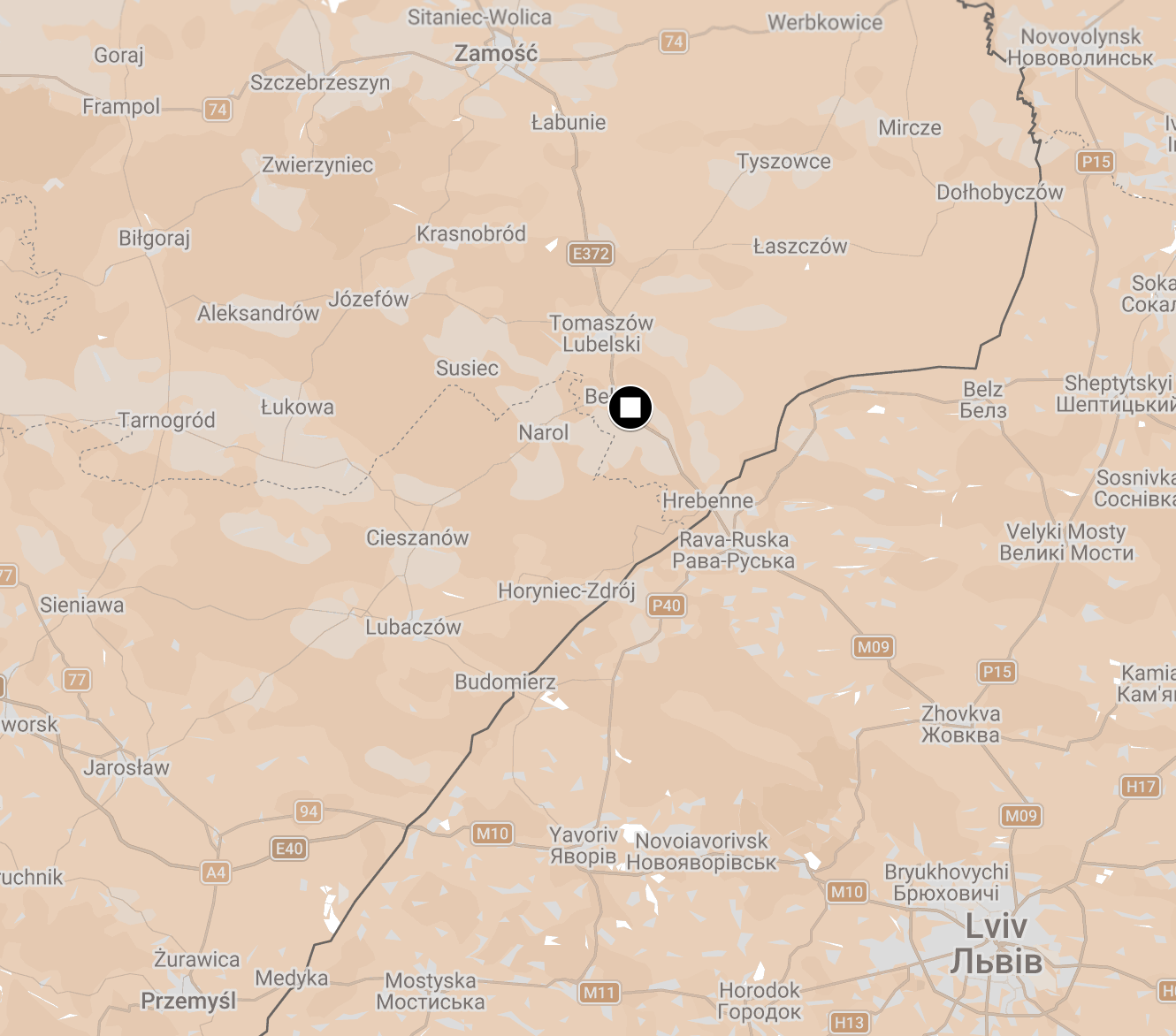
Location: 289km east of Kraków,
Date of Operation: 17 March 1942, to December 1942
Operated by: Nazi Germany
Number of Victims: Estimated 434,500 to 600,000
The former camp is, and always was, situated on the main road to Lviv which was then in Poland. Local trains pass by between the road and the camp, which was deliberately built just next to the mainline between Lviv and Lublin.
History
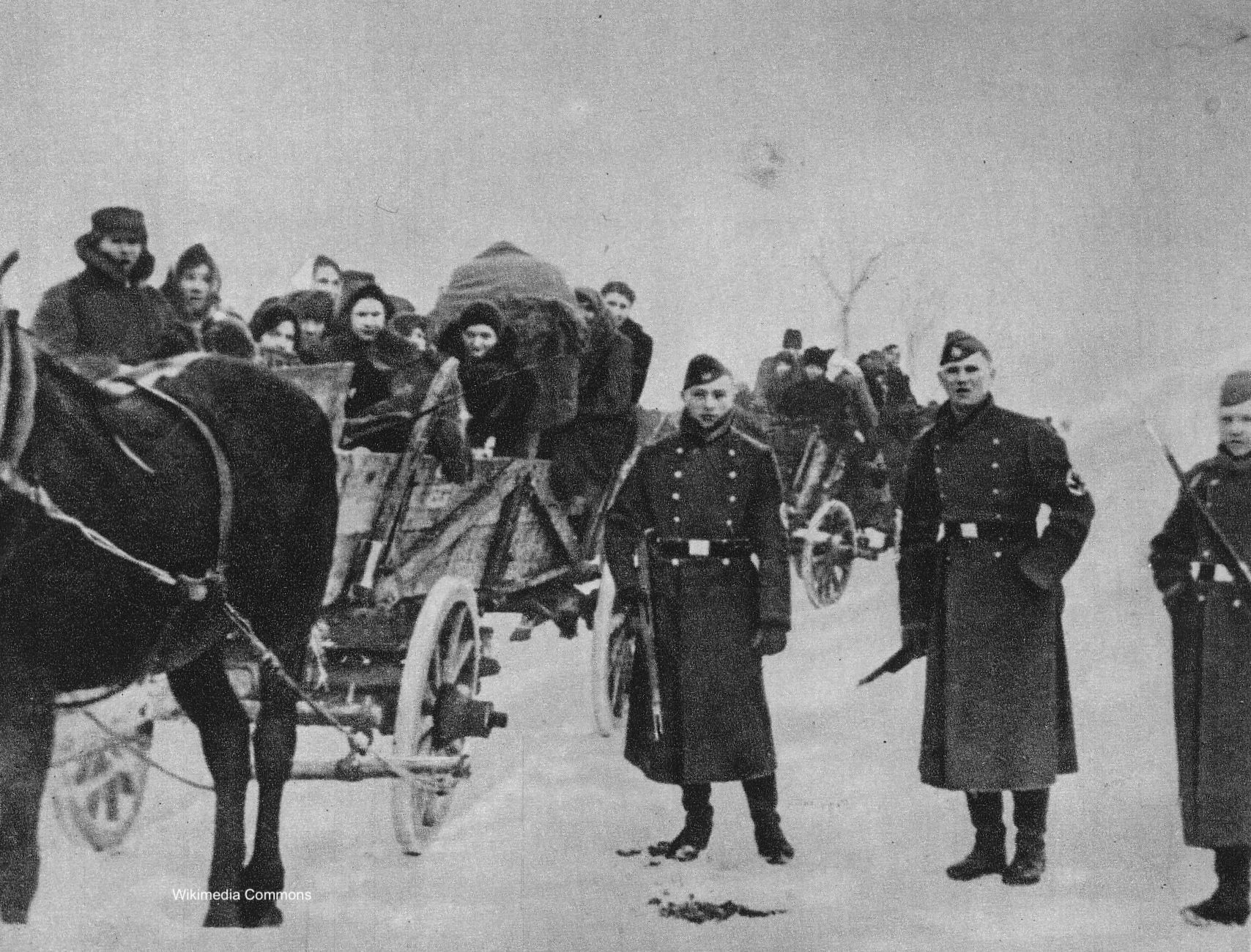
When experimental gassing was carried out here in February 1942, the victims had little idea of what awaited them. As the weeks passed by, Jews arrived knowing what was going to happen to them and the unloading and processing became increasingly frantic. By December, 500,000 people had been consumed by the killing machine. It is thought that fewer than ten people escaped from Bełżec. Only two gave any testimony of what had happened there. One of them was murdered after the war and other made it to the safety of Canada.
Although the Germans had at first made no attempt to hide the camp, at the end of 1943 it was decided that all evidence of its existence would be eradicated. Holocaust denial began in the Holocaust itself. The Nazis replaced the camp with a new country house with landscaped gardens. Bełżec remained like this until the 1960s when a small memorial was erected in what by then was a run-down park.
There was no return from Bełżec and without a bevy of survivors the camp has found it hard to find a future and it gets few visitors. As a result, it does not figure in popular culture and like many aspects of the Holocaust is a forgotten story. Although Bełżec and Sobibór are now little known, the Polish Jews had no illusions when they arrived at the death camps. There was often violence as they fought for their lives. Their existence was common knowledge that was brought out of Poland by the underground agent Jan Karski and the Allies were aware of the camps existence.
Getting there Bełżec is located in southeastern Poland near the Ukrainian border, it is a 90-minute (100 km) drive south of Lublin, or roughly 50 km south of Zamość via national road DK17. Train connections to the Bełżec station from major cities are infrequent. However, the Museum and Memorial in Bełżec is just a short 3- to 5-minute walk from the Bełżec train station.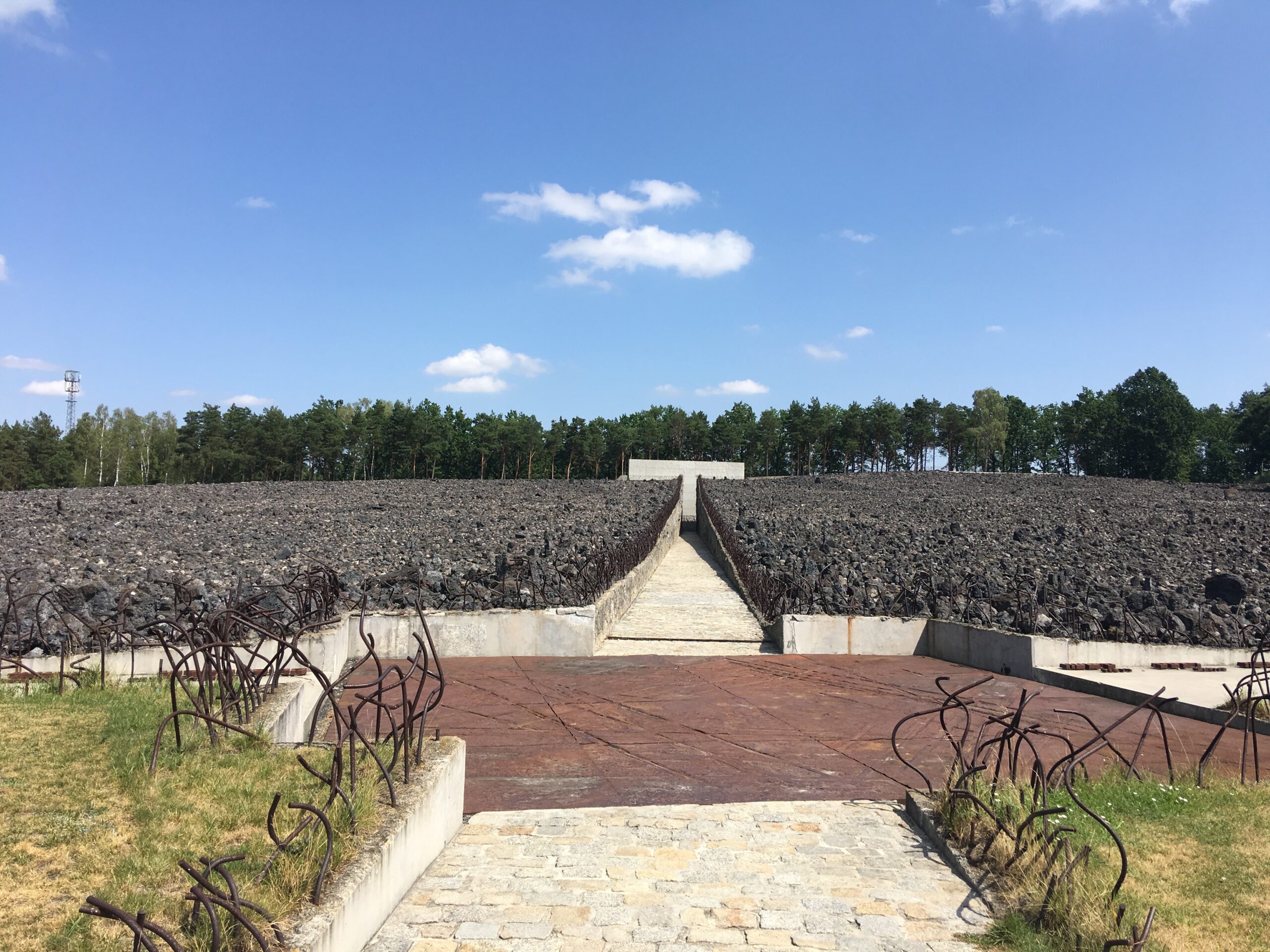
Getting there From Zamość the main road to Ukraine leads south to Tomaszow Lubelski. In the suburbs on the 17/E72 just north of the Ukrainian border is the site of the Bełżec extermination camp (Ofiar Obozu Zagłady 4), which was the first of the Aktion Reinhard camps and a template for those to come. For independent travelers relying on transit, you can take a regional bus or limited Polregio train to the nearby hub of Zamość, and then connect to an onward bus to Bełżec.
What to see
Nazi extermination sites are not all the same. Bełżec is just the size of a few football pitches and must have been such a fever of intense activity that no one passing by could have failed to notice.
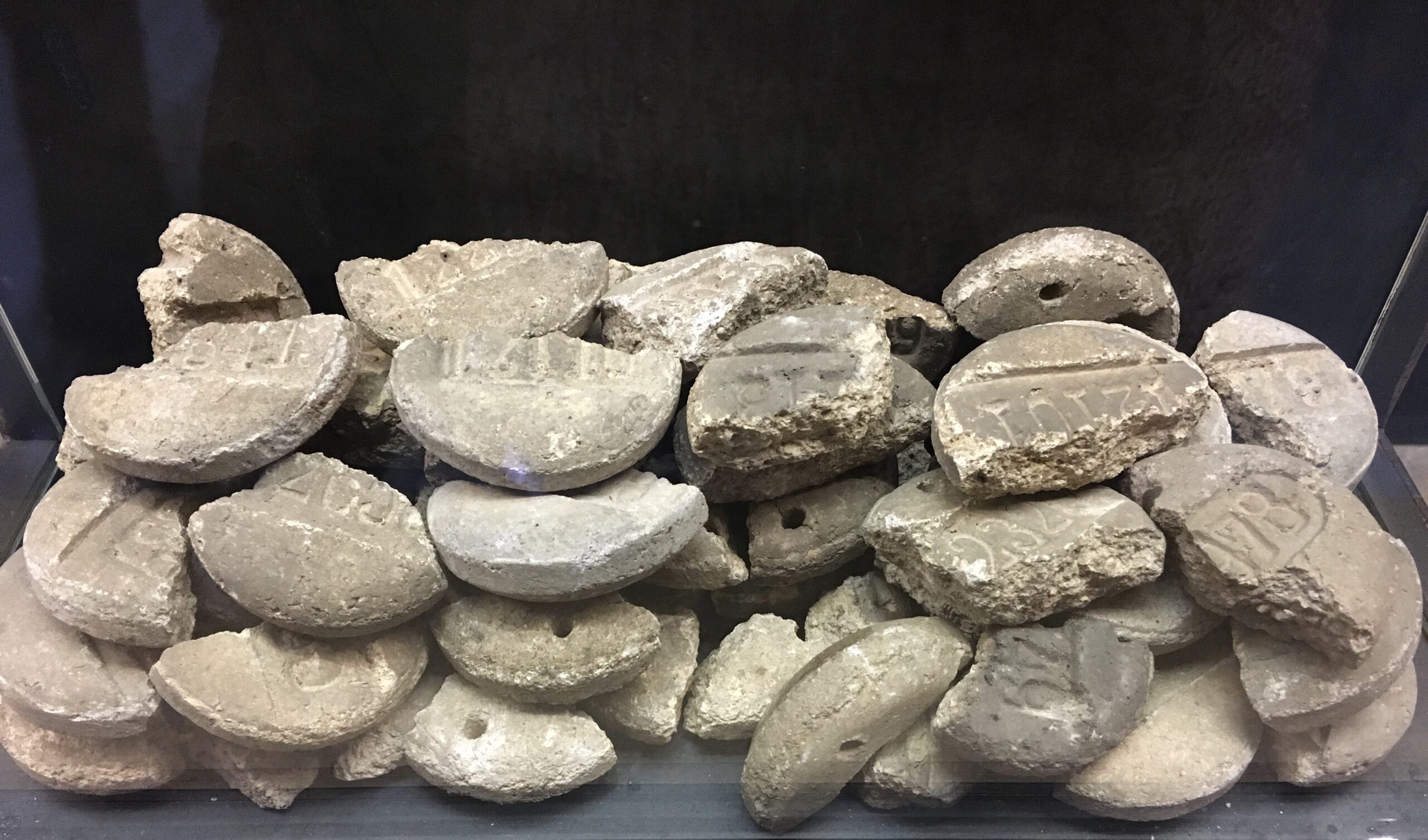
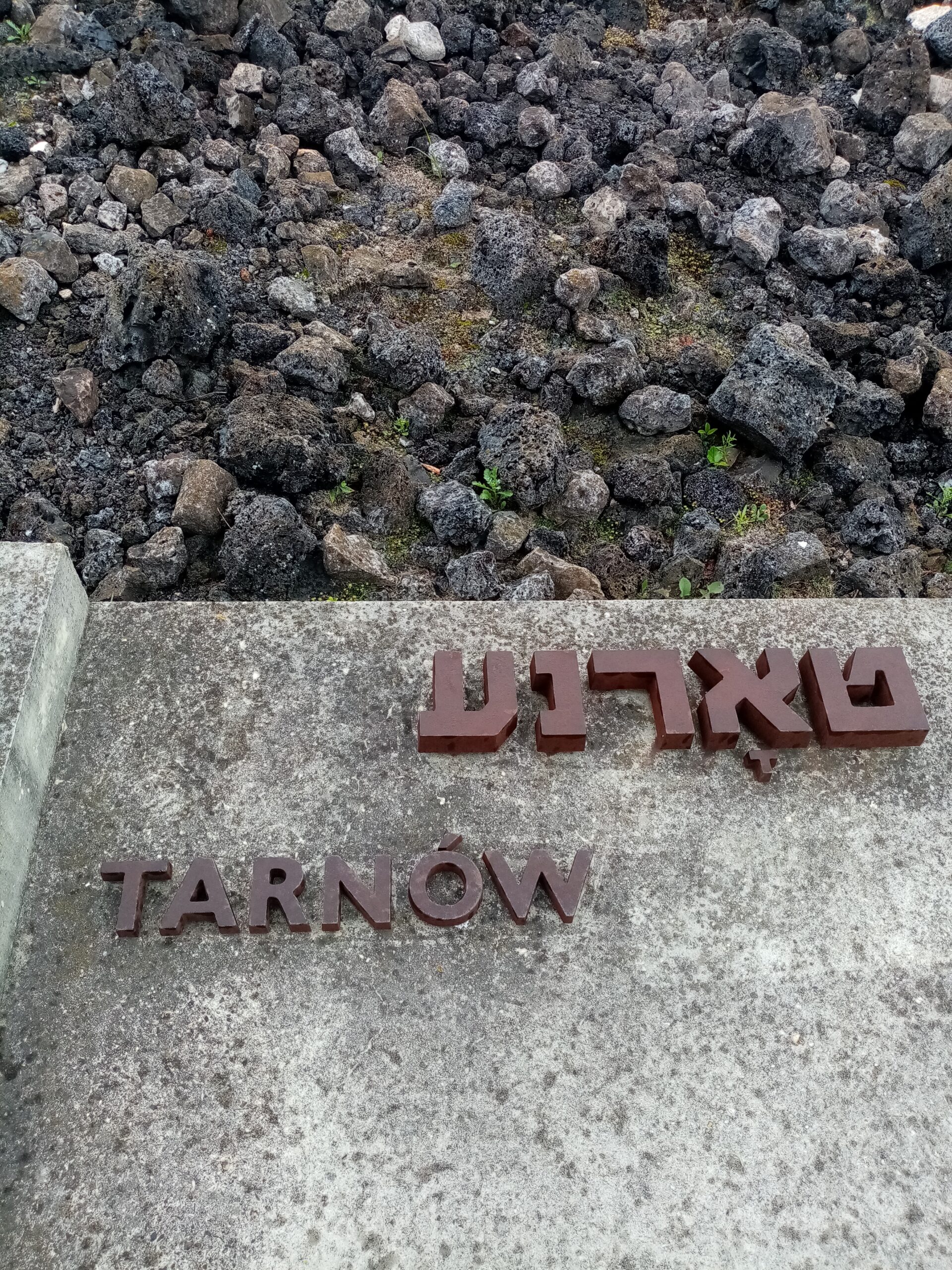
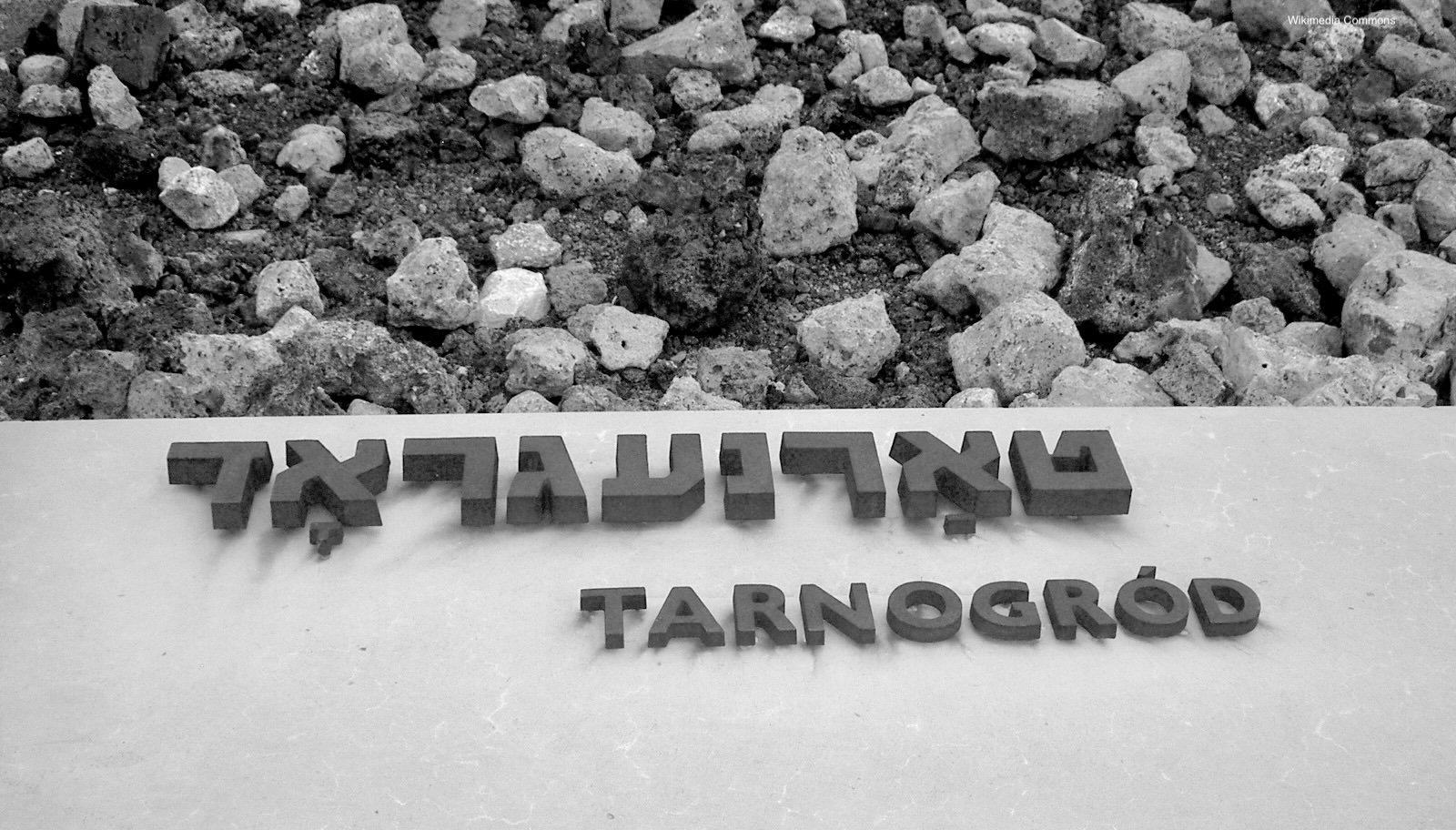
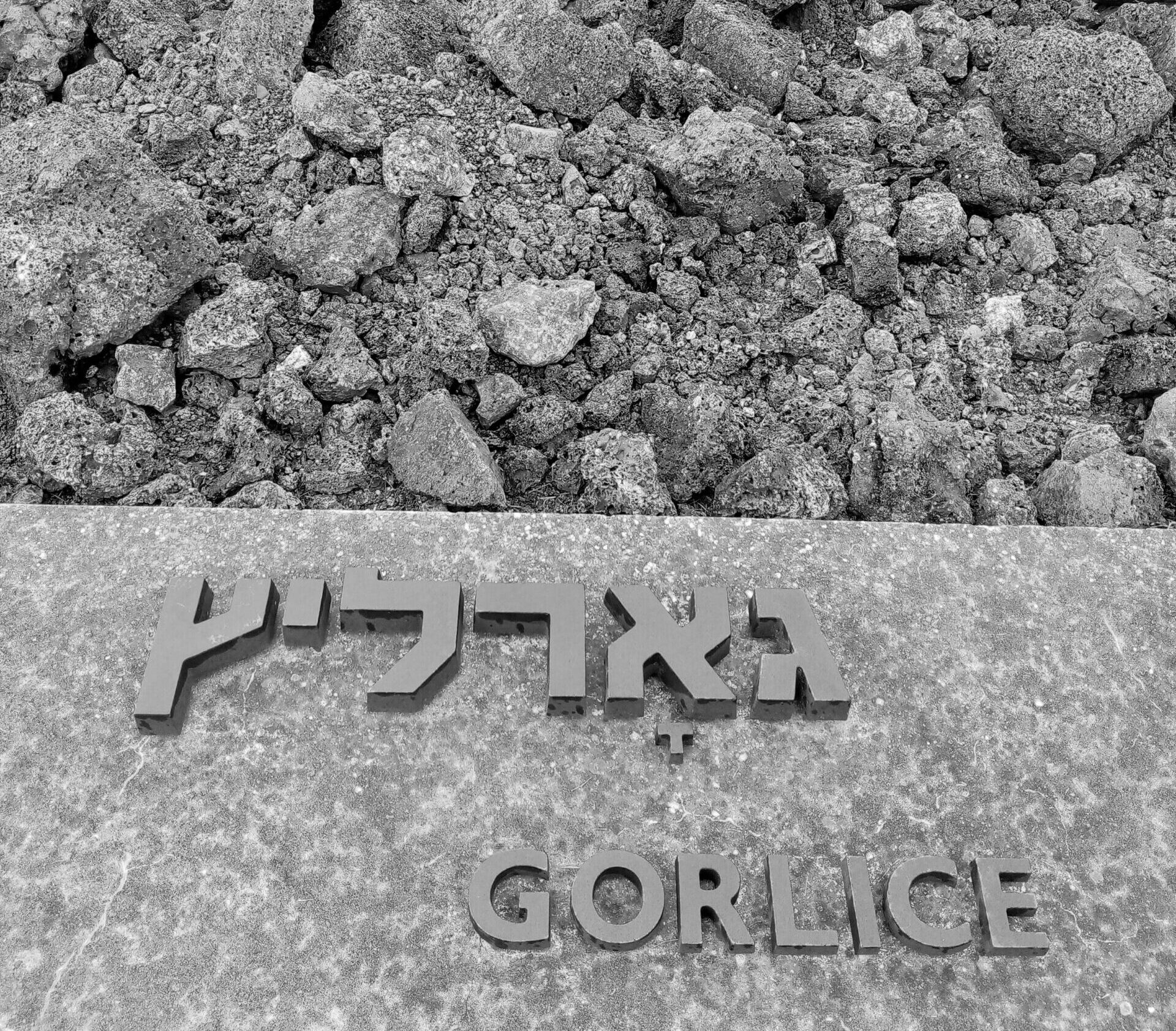
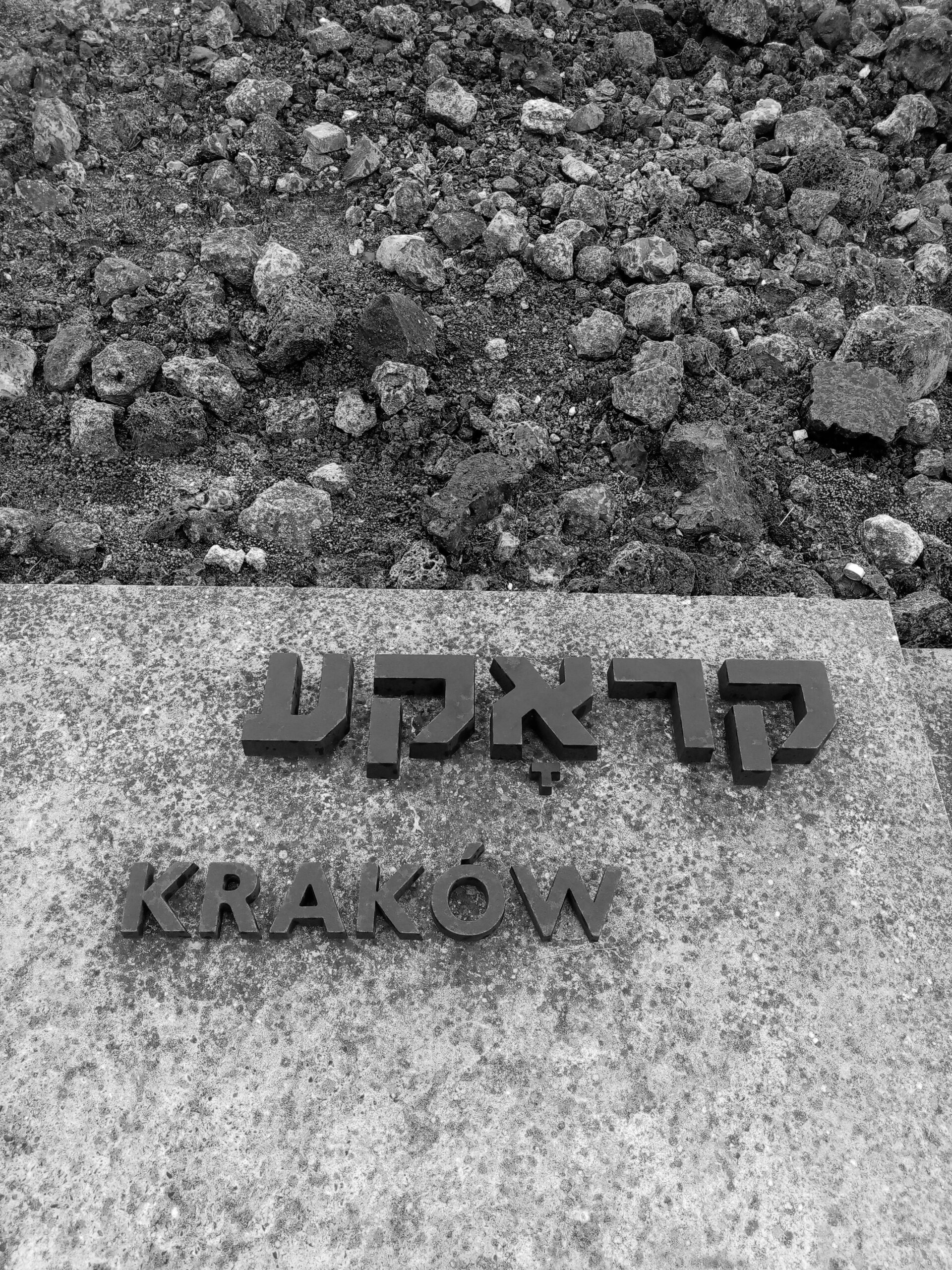
In 2004, Bełżec edged back into the national consciousness when a striking memorial was built. Covered in twisted wire and industrial slag, it rises up the hill, a straight path cuts through the middle. It follows the original path to the gas chambers, which was to prove to be a design flaw. It was too easy for the victims to see where they were being taken and is the reason at Sobibór the path twists in order to conceal the destination. The tracks at the left of the gate are not from Bełżec but were used in Treblinka. To the right of the entrance there is a fascinating exhibition in the Muzeum I Miejzsce Pmięci w Bełżcu ([w] belzec.eu; [o] 09.00–17.00 Tue–Sun; free). Note the concrete disks found in the excavations. One theory is that they were given to victims in return for valuables playing into the illusion that they were being taken to a bathhouse. As in so many camp museums there are crushed Nivea cream tins. The museum also has an excellent website with a series of online exhibitions.

 About
About History
 Education
 Quilts
 FIlms
FIlms Photos
 News Media & Events
 Publications
 Donate