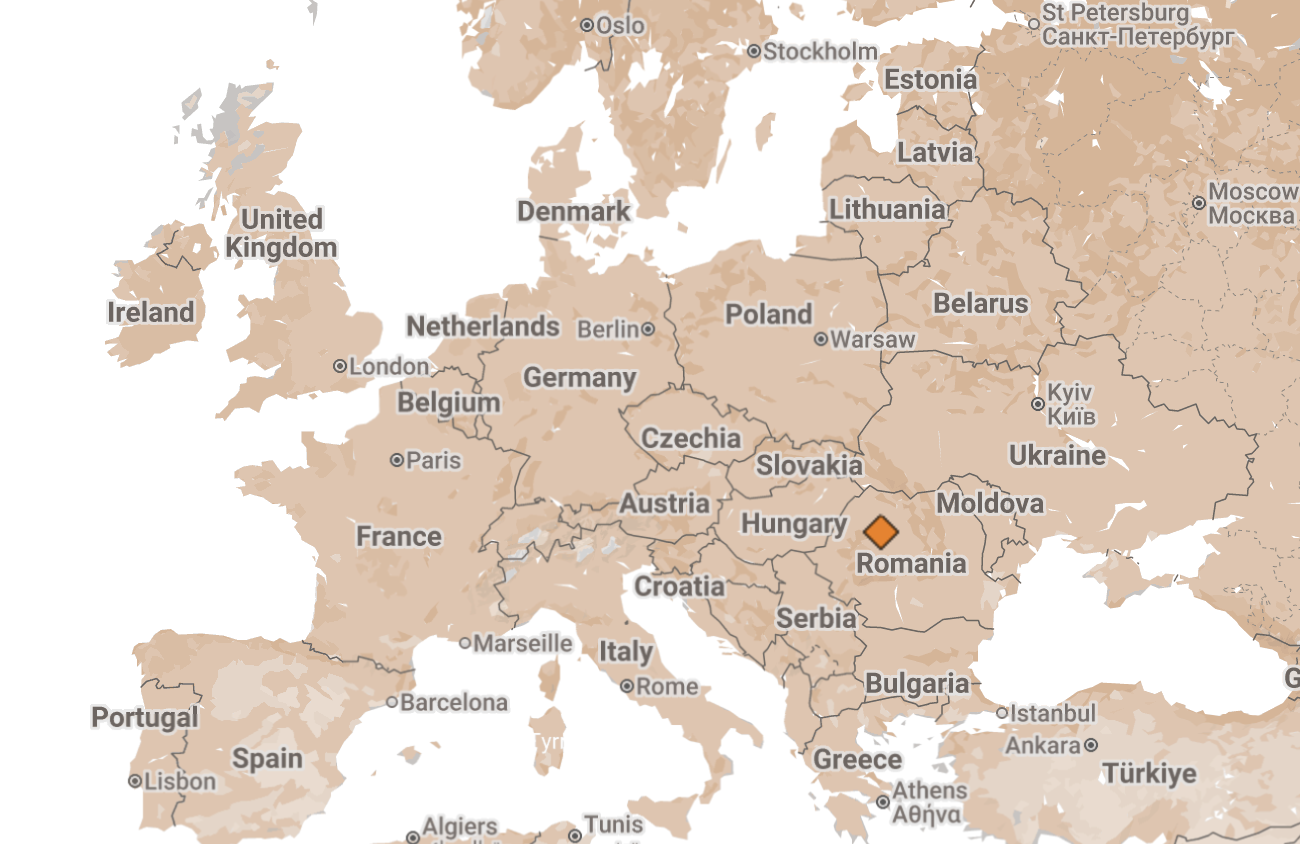
Key terminology, regions, and sites related to the Holocaust in Romania include:
Ion Antonescu The military dictator (styled as Conducător) who ruled Romania from September 1940 until August 1944. He allied the country with Nazi Germany and initiated the systematic extermination and deportation of Jews and Roma.
National Legionary State The totalitarian government established in September 1940 through a coalition between Ion Antonescu and the fascist Iron Guard. It collapsed in January 1941 after a violent, failed coup by the Legionnaires.
Iron Guard A violent, ultra-nationalist, antisemitic, and fascist paramilitary movement in interwar Romania. Also known as the Legion of the Archangel Michael, they orchestrated brutal street violence and early anti-Jewish legislation.
Romanianisation The state-sanctioned process of expropriating Jewish-owned property, businesses, and assets to redistribute them to ethnic Romanians. This economic exclusion stripped the Jewish population of their livelihood.
Romanianism The state ideology under Antonescu that defined citizenship strictly by blood and ethnic origin. It treated Jews and Roma as biological threats to the ‘national rejuvenation’ of the Romanian state.
Iași Pogrom One of the most violent single episodes of the Holocaust in Romania, occurring in late June 1941. Romanian army units, police, and local mobs murdered over 13,000 Jews in the city of Iași.
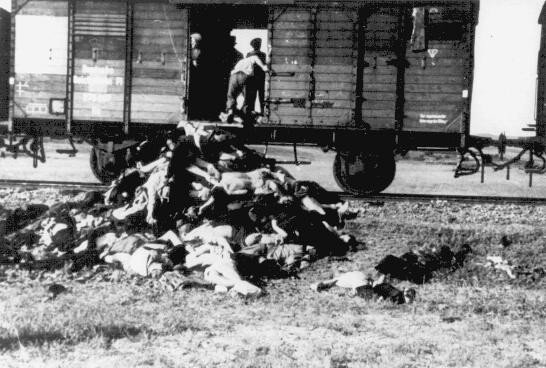
Death Trains Sealed, overcrowded freight cars used during the Iași Pogrom to deport surviving Jews. Thousands died inside from heat exhaustion, dehydration, and suffocation as the trains travelled aimlessly back and forth across the countryside.
Bucharest Pogrom A brutal massacre carried out by the Iron Guard in January 1941 during their rebellion against Antonescu. At least 125 Jews were tortured and murdered, with some of the most horrific atrocities taking place at the local Bucharest slaughterhouse.
Odesa Massacre The mass murder of up to 34,000 Jews in the occupied city of Odesa (Ukraine) in October 1941, ordered by Antonescu in retaliation for a Soviet bomb attack on the Romanian military headquarters.
Transnistria An area of southwestern Ukraine occupied by Romania from 1941 to 1944. It was used by the Antonescu regime as a massive ‘killing field’ and dumping ground, where hundreds of thousands of Romanian and Ukrainian Jews and Roma were deported to die from forced labour, starvation, typhus, and mass shootings.
Bessarabia and Bukovina Border regions lost to the Soviet Union in 1940 and reclaimed by Romania in 1941. The Jewish populations here were the primary targets of early Romanian-led massacres and subsequent forced deportations to Transnistria.
Bogdanovka A concentration camp established by Romanian authorities in Transnistria. In December 1941, Romanian soldiers, Ukrainian collaborators, and local ethnic German police massacred over 40,000 Jews here.
The “Old Kingdom” The historical territory of Romania (Moldavia and Wallachia) before World War I expansions. While Jews here suffered heavily from Romanianisation, forced labour, and legal discrimination, Antonescu suspended plans to deport them to Nazi death camps in late 1942, sparing many from extermination.

 About
About History
 Education
 Quilts
 FIlms
FIlms Photos
 News Media & Events
 Publications
 Donate