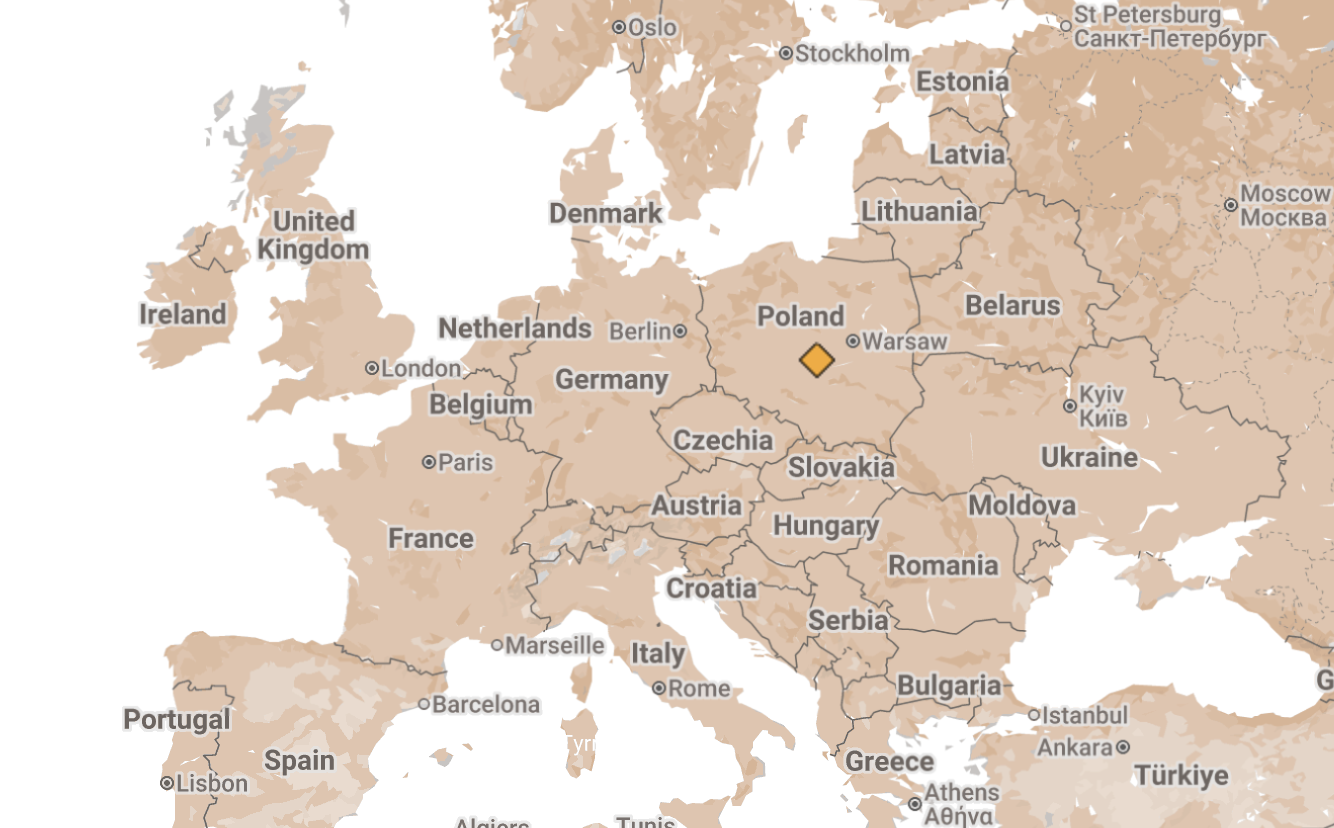
In 1939, Poland was home to the largest Jewish community in the world.
Background
Jews first settled in Poland in the Middle Ages. Polish kings valued their contribution to the economic development of the country and so encouraged further immigration. Jewish culture flourished.
Poland was also the birthplace of Hassidic Judaism, which emerged in the 18th century, as well as a centre of Reform Judaism and the Haskalah, the Jewish Enlightenment.
In the second half of the 18th century, Poland was divided between Austria-Hungary, Prussia and Russia, and ‘disappeared’ from the map. The majority of Polish Jews found themselves in the Russian Empire and the Polish lands annexed by Russia became part of the Pale of Settlement, the area to which the freedom of movement of Jews was restricted. Tsarist antisemitic policies and violence in the late 19th century encouraged mass emigration to western Europe and the Americas.
Interwar years
After World War I a new state of Poland was established. It was home to Europe’s largest Jewish community of about 3.5m Jews, who made up almost 10% of the population.
They lived primarily in cities and medium-sized towns. While there was a wealthy elite of businessmen, doctors and lawyers, most Polish Jews were extremely poor. Despite the poverty, Polish Jewry had a rich cultural, political and religious life.
Most Jews attended Polish schools and the middle and upper classes were highly Polonised. Yet, in the 1930s, Polish nationalism took on an antisemitic tone with restrictions on Jewish economic life and access to higher education. There was also widespread violence against Jews, which prompted tens of thousands of Polish Jews to emigrate.
World War II
September 1939: Germany attacked Poland triggering France and Britain to declare war on Germany.
The Soviet Union occupied eastern Poland, leaving the west to Germany. This was a turning point for the Jews who lived in the territories occupied by the Soviet Union. Jews, even though they suffered under the occupation in the deportations to the Gulag and the nationalisation of businesses, were widely seen as Soviet sympathisers, which fuelled the widely held belief in the Judeo-Bolshevik myth.
The Germans incorporated part of Polish territory into the Reich and took control of an area known as the General Government, which was administered from Kraków. The Polish government, which did not comply with German rule, went into exile.
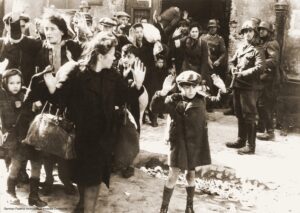
Persecution of the Jews: The Germans immediately burned synagogues across the country and introduced strict regulations that marginalised Jews from Polish society. Jews had to wear white armbands with a blue Star of David. The Nazis enforced curfews, food rations and forced labour. 90% of Poland’s Jewish citizens were forced out of their homes and imprisoned in ghettos where for years they suffered starvation and disease. Ghettos like this did not exist anywhere else.
1941: The genocide began in Poland on 22 June 1941, when Germany invaded the Soviet Union. During the months that followed, some 700,000 Jews living in the newly acquired eastern territory were shot. In the December ‘gas vans’ were used for the first time at the Chełmno extermination camp.
1942–44: Jews from all over Europe were deported by train to occupied Poland and transported to the six death camps operated by the Germans.
During this period about 90% of all Polish Jews were murdered.
The Germans prohibited Poles from assisting Jews. Unlike in some other European countries, the penalty for helping Jews in Poland was death without trial for both the individual and their entire family. Nevertheless, Poland is home to the greatest number of Righteous Among Nations. Individual Poles were, however, also involved in the persecution of Jews.
Jewish resistance: The Jewish youth movements of both the Bund and Zionist groups formed the basis of the underground resistance movement that developed in the ghettos during the German occupation.
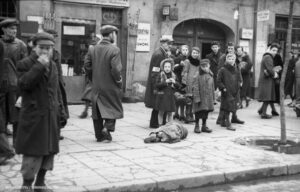
1943 Warsaw Ghetto Uprising: The Uprising confirmed the Germans’ worst fears that the Jews of Europe were a dangerous fifth column.
It led, on grounds of security, to the liquidation of the remaining 54 ghettos and Jewish labour camps on Polish soil.
The uprising inspired resistance and in the months after there were revolts in the Treblinka and Sobibór extermination camps and in ghettos across the country.
Aftermath
Initially, most survivors hoped they could return home and find family members who had survived, or at least some remnants of the lives they had lived before the Holocaust.
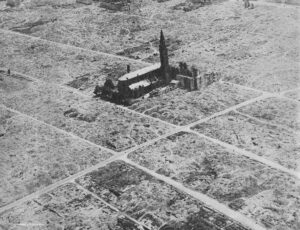
Yet, the stories of the Boys return home is one of Jews being rejected by their neighbours. Many of the Boys found that not only were their neighbours not happy to see that they had survived, but they had no physical home to return to – someone else was living in their house.
The Boys testified that they left Poland because they feared for their lives and were not welcome in the towns and villages where their families had previously lived for generations.
In 1947, Poland became a communist state. Antisemitism sparked waves of emigration in the late 1950s and also after the 1967 Six-Day War, prompted by Israel’s victory over the Soviet-backed Arabs.
Memorialisation: Good to Know
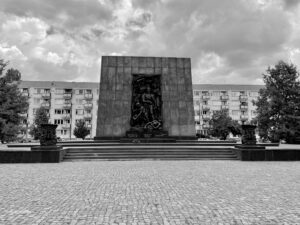
Since the fall of the Berlin Wall in 1989, memorialising the country’s Jewish past and associating oneself with Poland’s Jewish heritage became a trendy way of asserting an alternative to the country’s increasingly nationalistic politics.
As arguments rage about the role that Poles played in the Holocaust, it is important to remember that the current debate about the Holocaust in Poland is taking place in a country where until the fall of the Berlin surprisingly little was known about its Jewish history, despite the erection of some significant monuments in the decades after the war.
The Holocaust is an inflammatory topic in Polish politics. From 2015 to 2023, Poland’s right-wing nationalist PiS government pursued a controversial approach to Holocaust remembrance. It claimed that Poland has been wrongly maligned as one of the perpetrators of the Holocaust and has emphasised Polish victims of the Nazis over their Jewish counterparts.
 About
About History
 Education
 Quilts
 FIlms
FIlms Photos
 News Media & Events
 Publications
 Donate