Education

What we do

The ’45 Aid Society offers a unique Holocaust education programme for schools and colleges.

The ’45 Aid Society represents the teenage and child-Holocaust survivors and their descendants who were brought to the UK after World War II for rest and rehabilitation. The group is known as ‘the Boys’ despite the fact that it included over 200 girls.

Members of the Boys were held in Nazi labour and concentration camps and used as slave labourers. They had also survived World War II in hiding or as lone children.

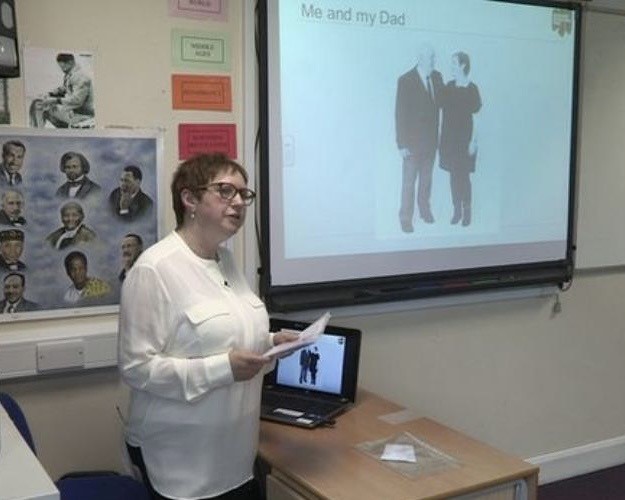
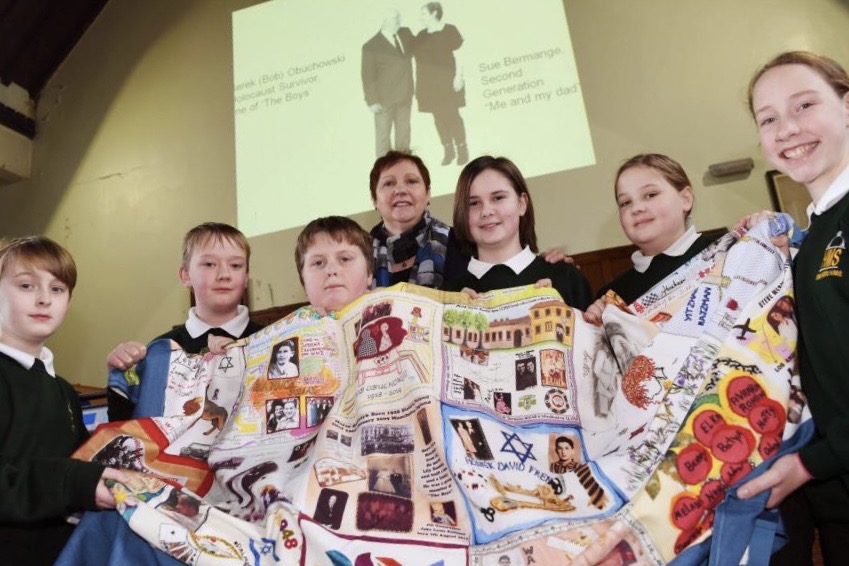
Photograph of Sue Bermange at school presentation with Memory Quilt.
Sue Bermange at school presentation with Memory Quilt.

The ’45 Aid Society has an extraordinary story to tell.

For more than 80 years, the Boys and their families have carried the memory of what happened to them, the families they lost, their arrival in Britain and the remarkable lives they rebuilt.

Our Education Programme provides schools and colleges with a comprehensive programme centred on the individual stories of the Boys and supported by the extraordinary material now available through our website and archive.

It teaches the enormity of the Holocaust through the humanity of the individual.

The Holocaust is almost impossible for a young person to comprehend through statistics alone.

Six million is a number beyond imagination.

But one child, one family, one photograph and one story can be understood.

That is what makes this programme so powerful.

Our Educational Principals

The ’45 Aid Society aims to teach the lessons of the Holocaust through the lived experience of The Boys, a unique group of Holocaust survivors. Our approach uses their individual stories and personal experiences, human connection and ethical reflection, and offers enquiry-based learning with access to a fascinating set of authentic archival material.

Our approach is:
Human centred: The ’45 Aid Society is a unique organisation made up of a community of Boys and their families. Its programme focuses on lived experience/real-life stories through the testimonies of the Boys and Girls who were brought to Britain for recuperation and recovery after the Holocaust. The Boys’ lived experiences in the hostels in the UK and in the communities where they built a new life connects local and global history making it community driven.

Inclusive: The ’45 Aid Society believes Holocaust education with the right support of teachers can be accessible to all.

Historically Rigorous: The ’45 Aid Society focuses on the Boys’ lives in their entirety across multiple phases from childhood and family life, through incarceration, persecution, liberation, recovery and the building of a new life as a refugee. The ’45 Aid Society’s abundance of primary sources: photographs, audio testimonies and original wartime documents offer context and chronology providing the scaffold for learning about the Holocaust in their pre-war countries of origin: Czechoslovakia, Germany, Hungary, Italy, Poland and Romania.

Enquiry Based: Our stress is on dialogic teaching, literacy and oracy. The material available in our digital archive encourages students to investigate, reflect and discuss as young historians, an effective form of Holocaust education in UK and international curricula.

Emotionally Aware: As their families, our personal connection to the survivors and their stories emphasises emotional awareness, sensitivity and care. The ’45 Aid Society celebrates the legacy of the Boys experiences as they live on in the second, third and fourth generations making the Holocaust relevant in the modern context and encouraging ethical reflection.

The ’45 Aid Society Education Programme is not about asking young people simply to learn dates and facts.

It will encourage them to research, question, discuss and think.

Using the ’45 Aid Society website, students will encounter primary sources including photographs, memoirs and testimony. They will be encouraged to research individual survivors and discover the communities and families that existed before the Holocaust.

They will have discovered who that Boy was as a young person. They will learn about his family and the world he came from, what happened to him during the Holocaust, the people he lost and how he eventually rebuilt his life.

Then they will have the opportunity to meet his descendant – in person or online – and have a real conversation with them.

History suddenly becomes personal.

It is through that interaction that we hope young people can begin to understand something that no textbook alone can teach: the human impact of the Holocaust and the way its consequences continue through generations.

Education cannot solve every problem, but good education can give young people the knowledge and confidence to question what they hear, recognise prejudice and understand the human consequences when hatred is allowed to go unchallenged.

The Boys’ stories make those consequences real.

They were not historical figures. They were children and teenagers whose families, homes and childhoods were taken from them.

And yet their story is also one of survival, rebuilding and hope.

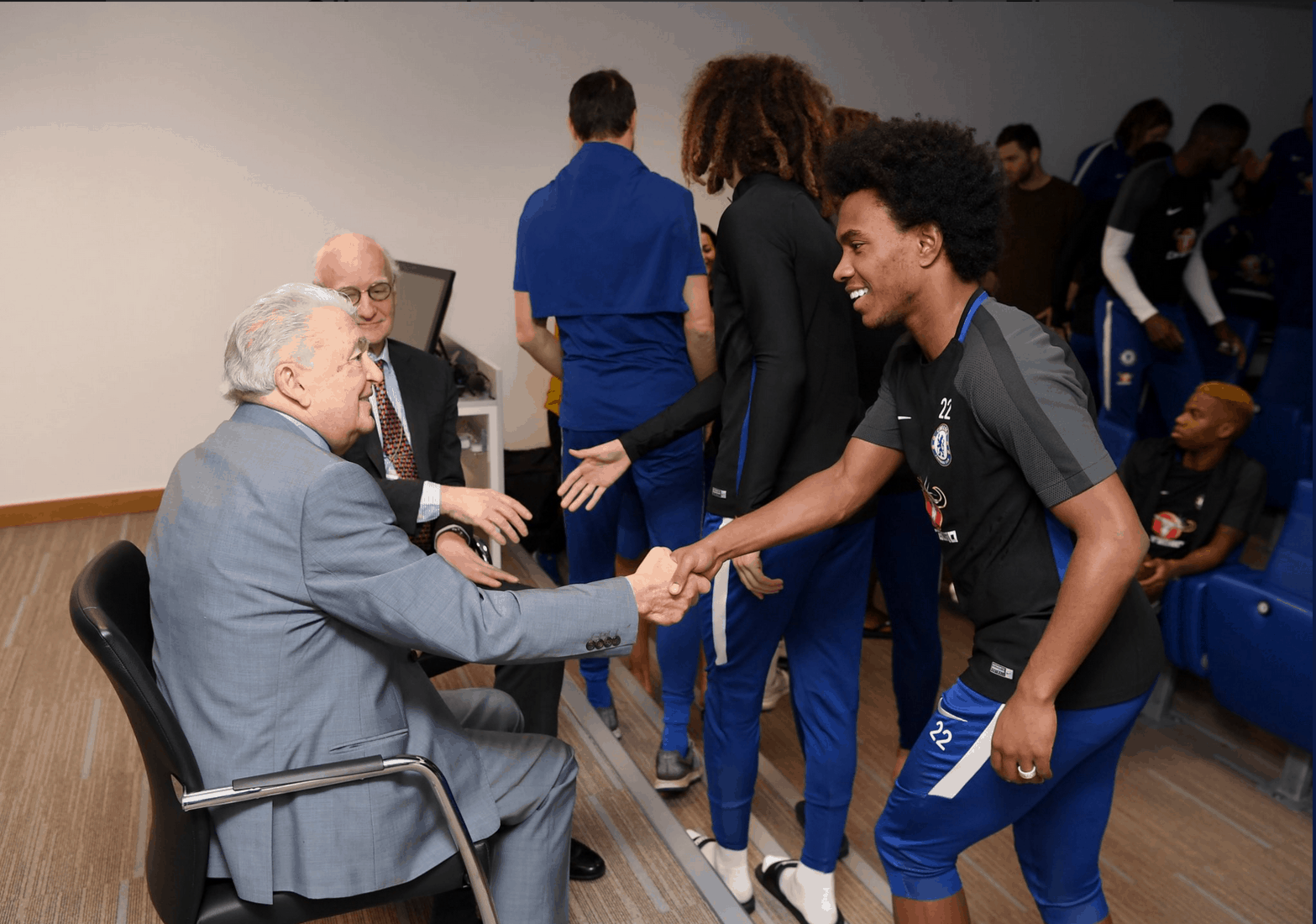
Photograph of Harry Spiro meeting footballers at Chelsea FC, 2018.
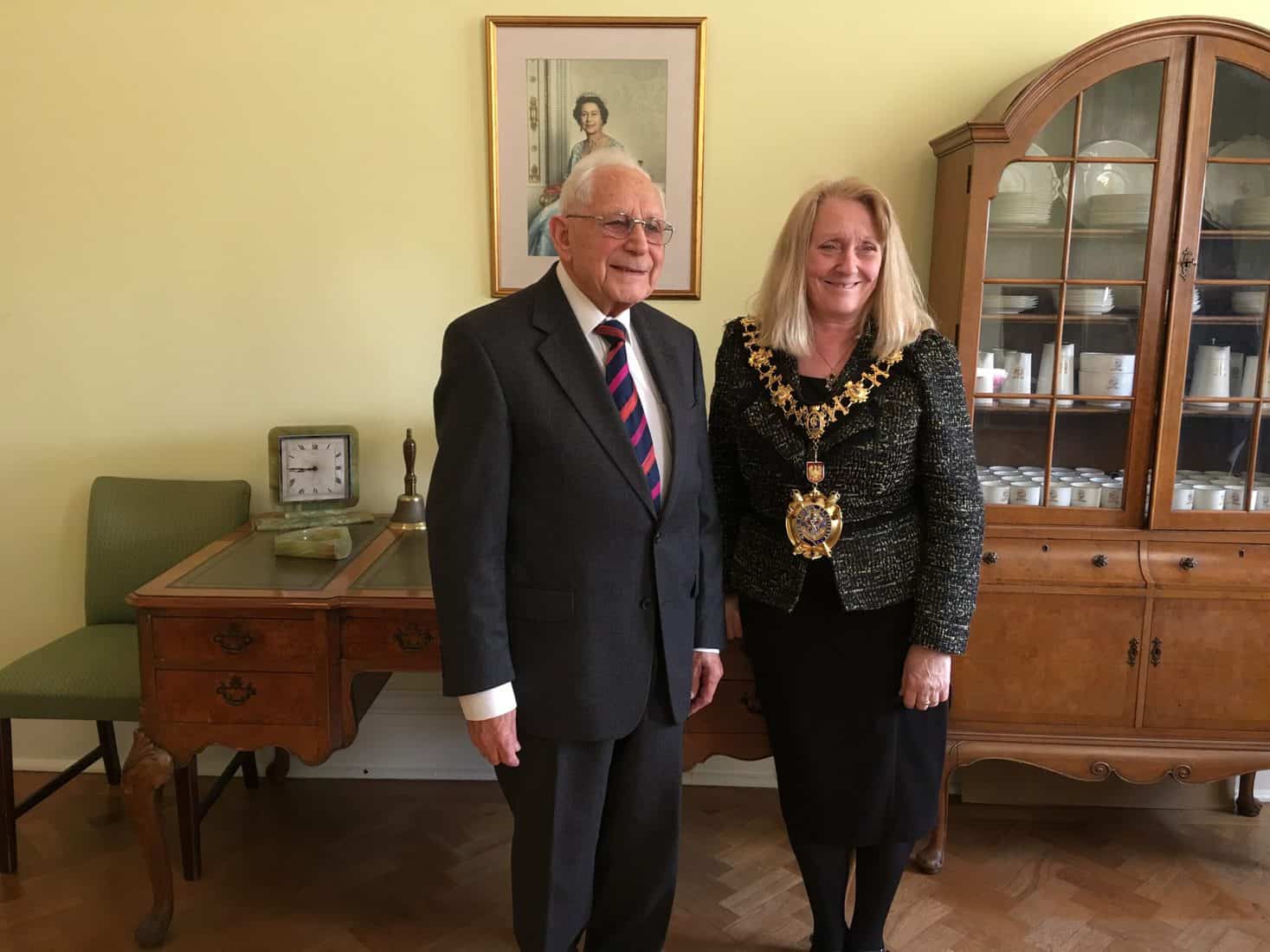
Photograph of Harry Olmer with the Mayor of Hammersmith and Fulham 2019.
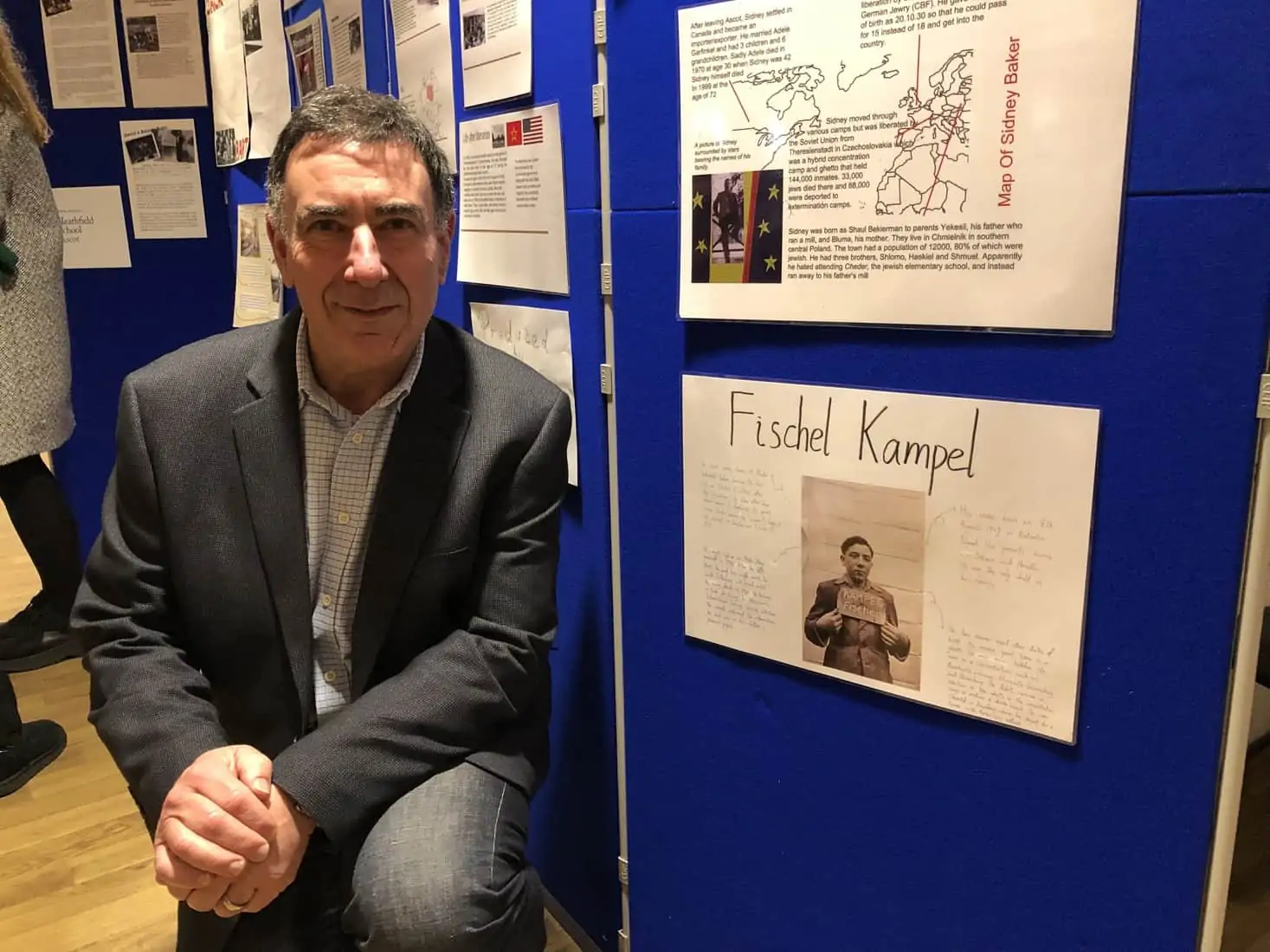
Photograph of Lawrence Kampel at the Ascot commemoration in January 2019. He poses next to a poster made by local school children about his father Fischel Kampel.
Photograph of Sue Bermange giving school presentation on her father, Bob Obuchowski
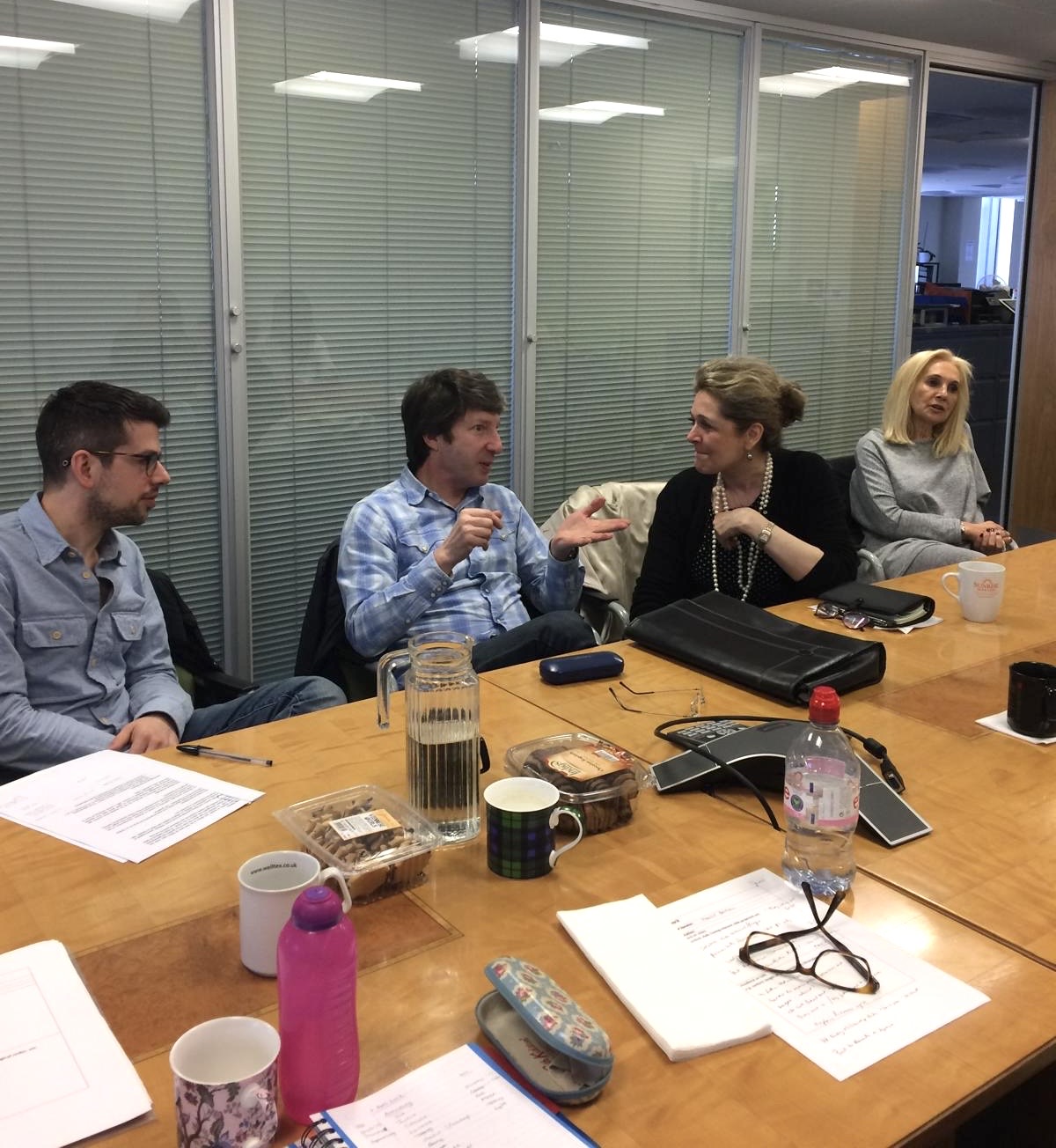
Photograph of an education team meeting

Find Out More About the ’45 Aid Society

45 Aid Copyright 2026
45 aid society is a registered charity in England and Wales (243909)
Design and development: Graphical