The United Nations Relief and Rehabilitation Administration (UNRRA) was established in 1943 by Allied governments to address the immense humanitarian crisis created by World War II. Its mandate was to provide emergency relief, food, medical care, and repatriation support to millions of displaced persons across Europe and Asia. It played a key role in looking after members of the Boys after liberation.
The Boys were teenage and child-Holocaust survivors, who were brought to the UK after the war for rest and rehabilitation.
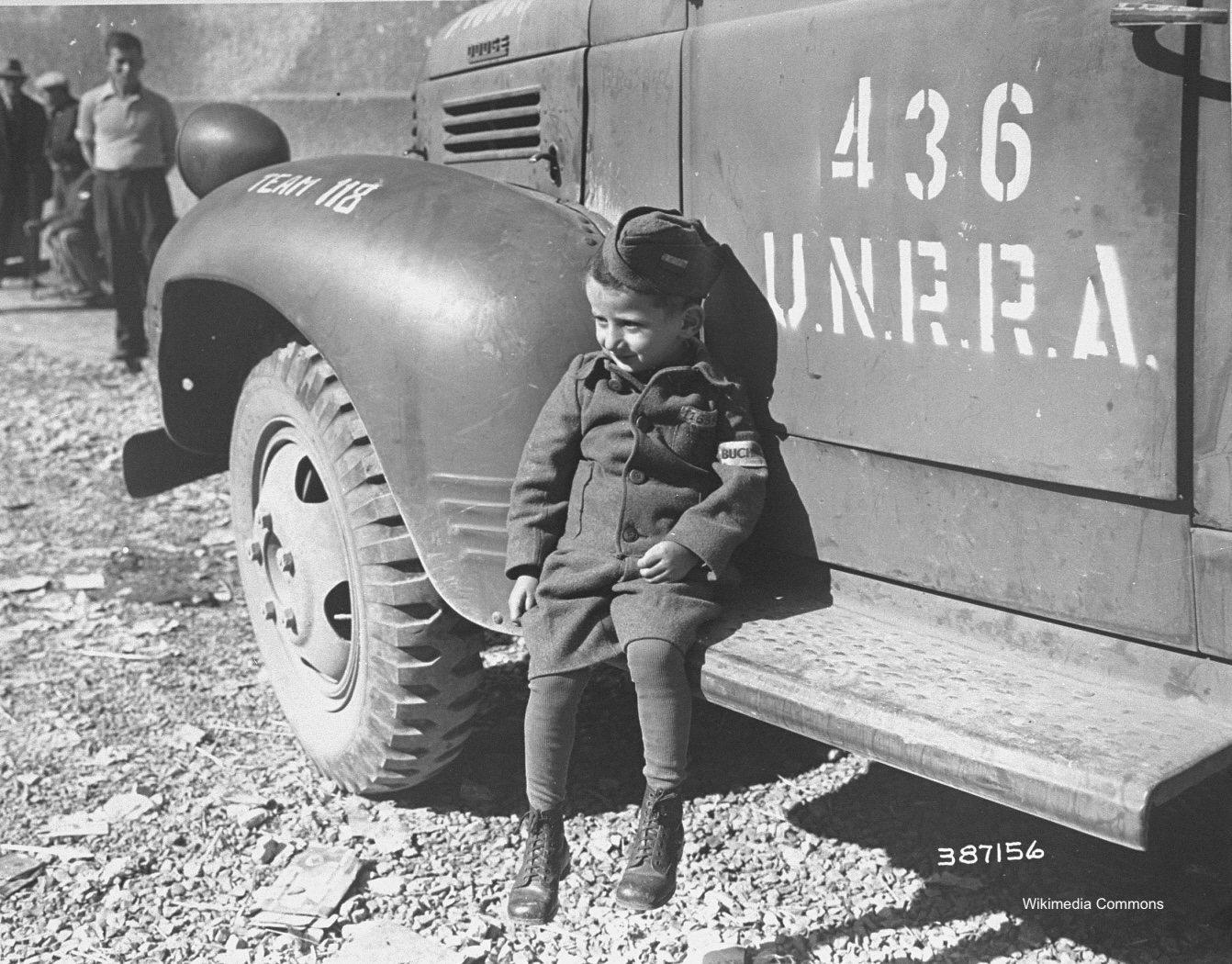
UNRAA was the first large-scale, multinational humanitarian agency of its kind, preceding organisations such as the IRO and eventually UNHCR.
Work in Germany and the DP Camps
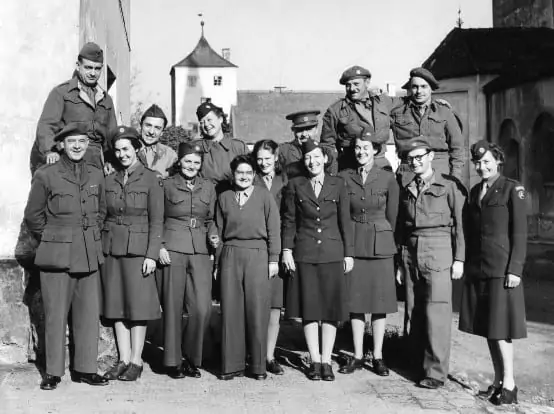
In post-war Germany, UNRRA became responsible for more than 10m displaced persons. In the British and American zones, UNRRA collaborated closely with the occupying forces, although the organisation often operated with far fewer staff than needed. UNRRA workers played a crucial role in the DP camps by providing food, shelter, medical care, education, and child tracing services.
UNRRA and Child Survivors
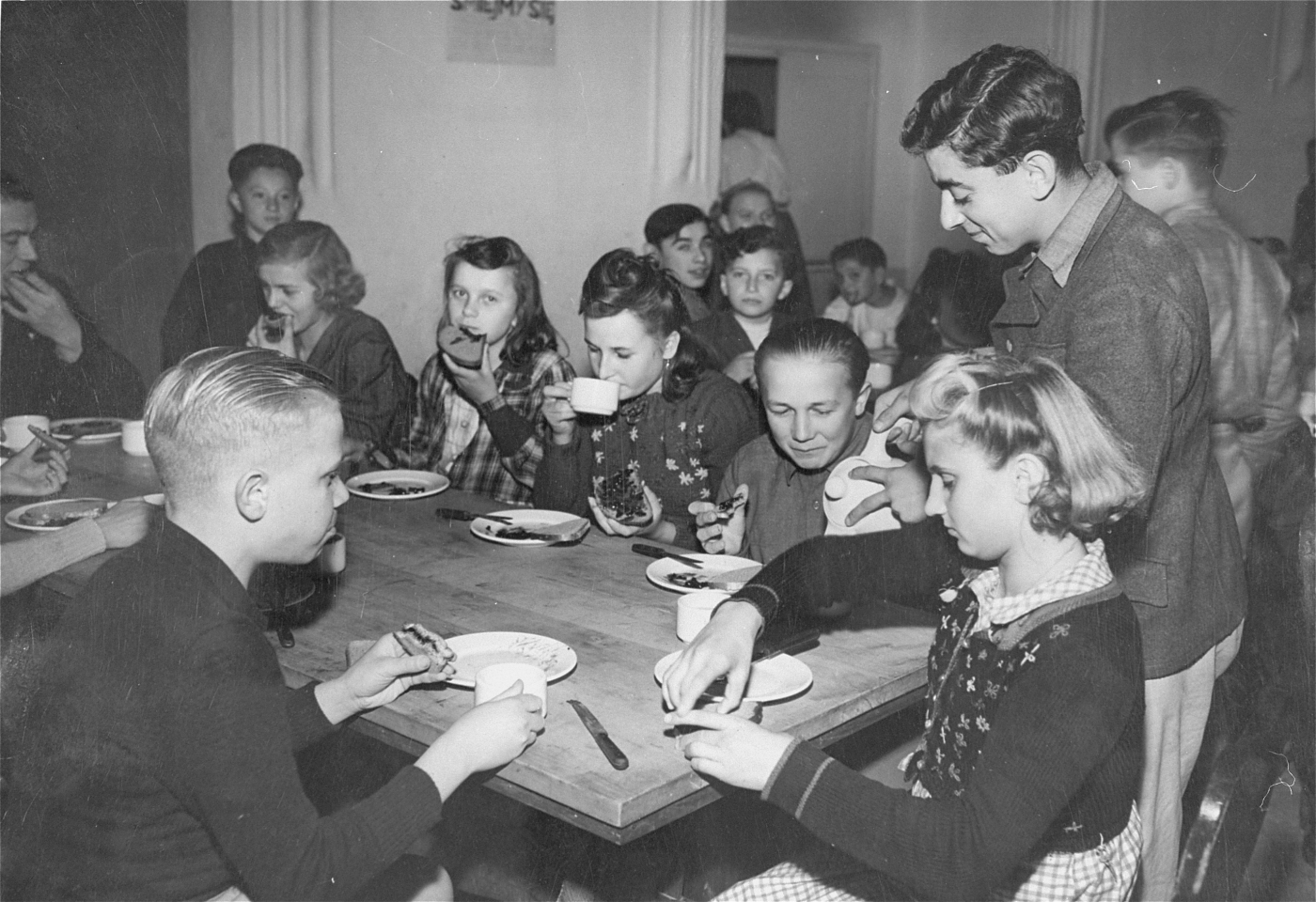
UNRRA was vital in the lives of child survivors. At specialised children’s centres such as Kloster Indersdorf and Belsen-Hohne, UNRRA welfare officers, teachers, nurses and doctors pioneered new approaches to trauma care, education, and rehabilitation for child survivors of the Holocaust.
Legacy
UNRRA ceased operations in Europe in 1947. Its responsibilities were absorbed by successor organisations such as the International Refugee Organisation (IRO). Despite the many obstacles it faced, UNRRA remains a landmark example of international humanitarian action and played a vital role in the survival and recovery of hundreds of thousands of survivors.
 About
About History
 Education
 Quilts
 FIlms
FIlms Photos
 News Media & Events
 Publications
 Donate